Commercial Roof Leak Repair in Arvada, CO
Trace and repair commercial roof leaks in Arvada. We map the entry point, protect active interiors, document the repair boundary, and list follow-up needs.
Request a roof assessment. Tell us about the building.
Send the address and what you are seeing on the roof or inside the building. We will set a time to walk the roof and talk through the next step.
Report the leak location
Water under an equipment curb can enter at the curb, travel along insulation, and appear inside somewhere else. Our first leak visit starts with the interior report, then follows the roof assembly through drains, seams, penetrations, and wall transitions. We mark what is visible and check the most likely entry points before choosing a repair. A stain alone is not a roof diagnosis.
Hail and wind can open seams or loosen edge details in Arvada; every leak call still needs a current building inspection. We ask for the storm date, room, time, and roof access details. Then we record the affected section and any active water entry. A hands-on inspection can locate visible failures; targeted moisture testing may help when water has spread below the surface.
Trace the water path
We begin inside when access is available. Ceiling marks, wet insulation odors, drips, and the timing of the leak help establish what changed. We ask whether entry follows rainfall, wind-driven rain, snow melt, or rooftop equipment use. That history points the roof walk toward likely details, but it does not replace checking them.
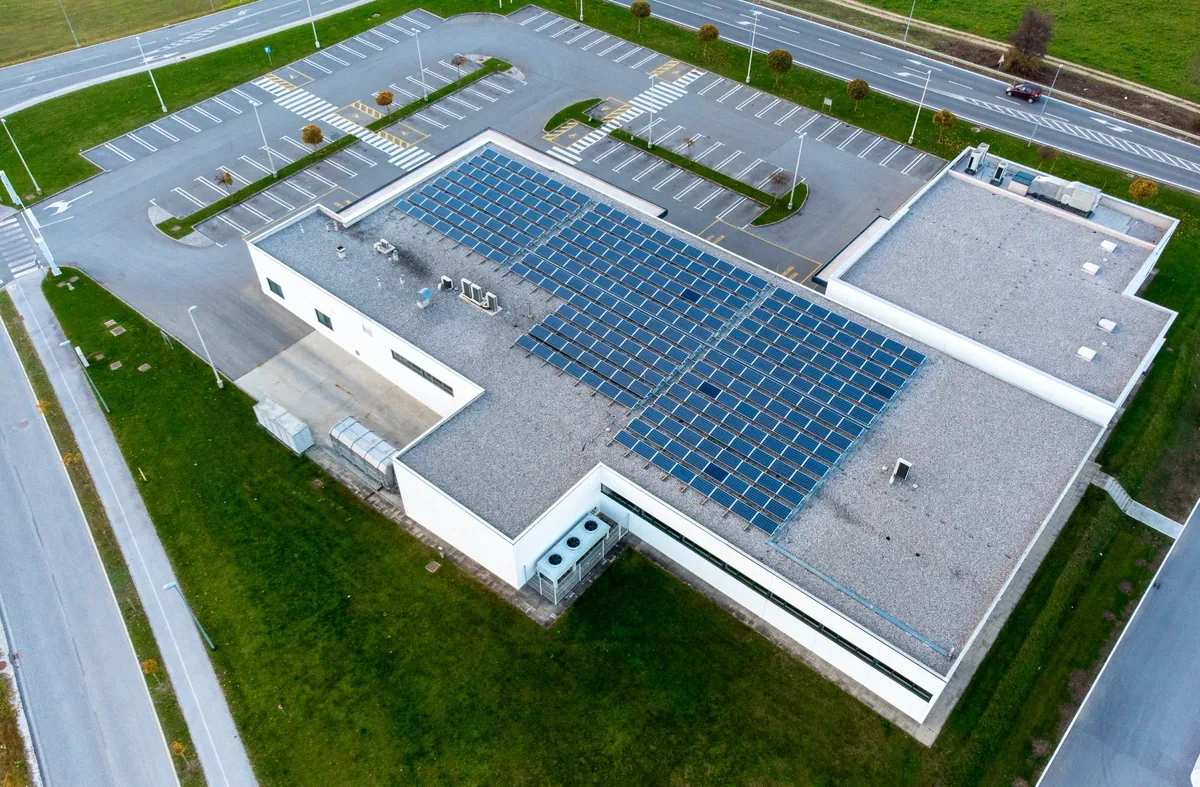
On the roof, we inspect seams, laps, penetrations, pitch pockets, curbs, skylights, edge metal, walls, and drains. Water may move along a deck flute or insulation joint before it reaches the interior. A controlled inspection checks details between the stain and the nearest plausible entry point. We photograph the evidence and mark each location on the roof plan.
Drainage failures can look like membrane leaks. A blocked bowl, damaged drain connection, or restricted overflow route may leave water against a seam. We check the drain path and surrounding membrane before assigning the repair. If ponding persists because of slope or insulation conditions, the owner needs a separate correction scope rather than a patch alone.
Protect active interiors
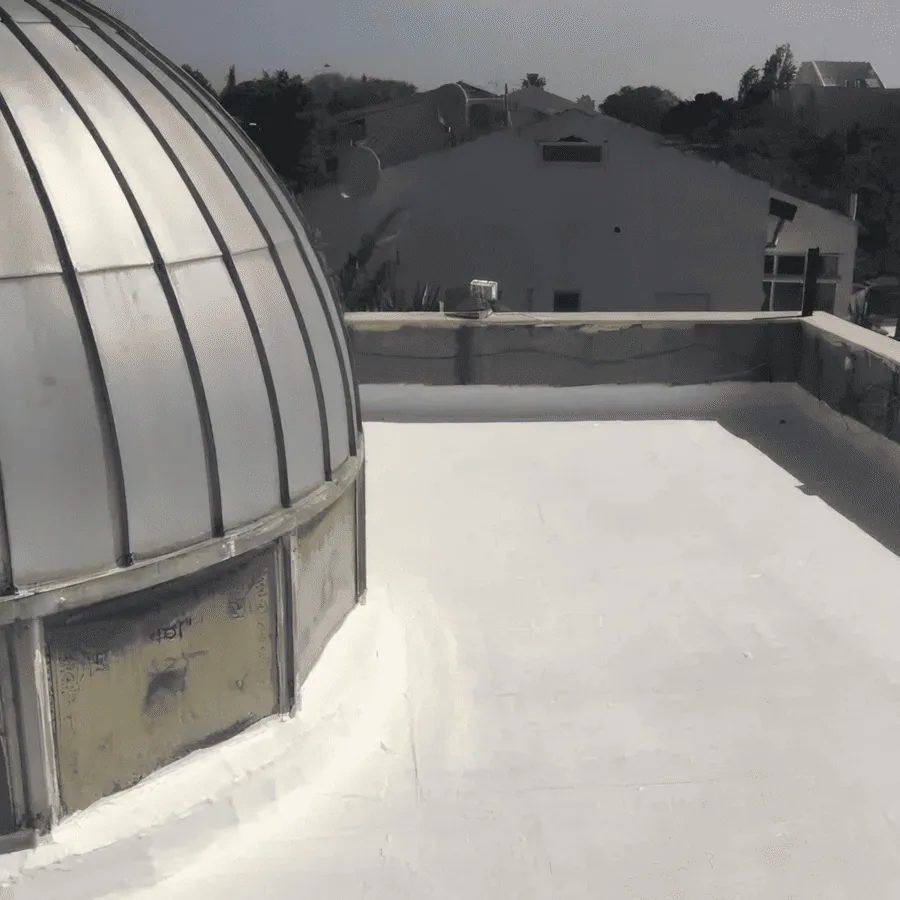
If water is entering now, protect the interior and isolate affected equipment or stock where the building team can do so safely. We can provide temporary roof protection when access and weather permit. That work is limited to controlling immediate entry; it is not a permanent repair or a promise that every concealed path has been found. The visit record states what was covered and what remains exposed.
Emergency access requires clear instructions. Tell us how to reach the property, who can authorize roof access, and whether a lift, ladder, escort, or sign-in is required. Around Olde Town and the G Line, street access and loading can differ by building. Nearby Olde Town Arvada is a service-area reference, while the property contact confirms actual access rules.
Our emergency roof response runs around the clock through weekends and holidays. We ask for the address, current entry points, storm date if known, roof height and access, and any interior photos. That information helps us choose the first inspection area and prepare temporary protection. A permanent repair follows after the affected assembly is inspected.
Repair the confirmed source
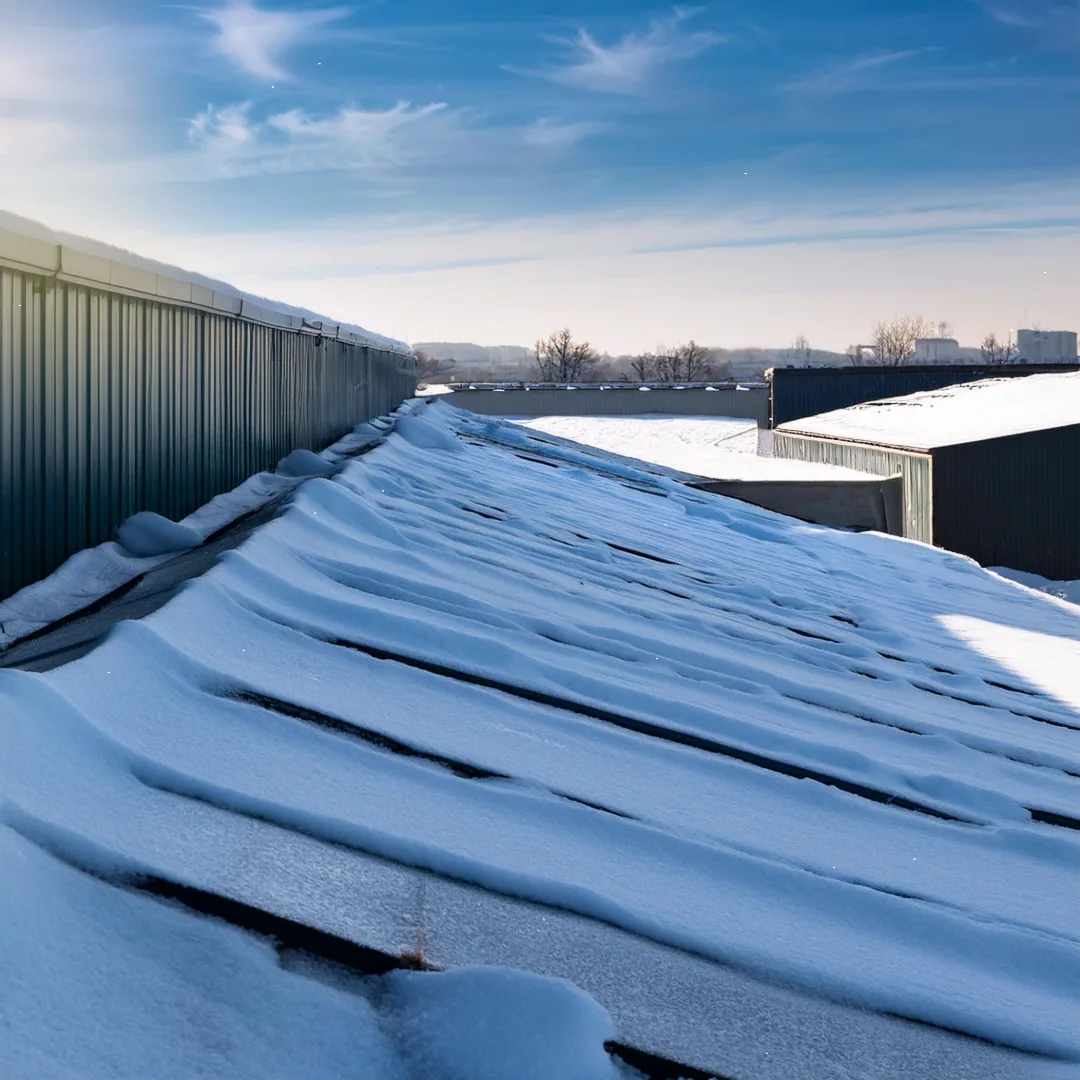
Once we locate a likely entry, the repair method has to match the roof material. Heat-welded thermoplastic seams, adhered EPDM laps, metal panel joints, and asphalt-based systems need different preparation and materials. We clean the area, remove loose or unsound material as needed, and repair the failed detail. The work description names the location and the limits, including any nearby condition that was observed but left outside scope.
At the repair boundary, we check whether the membrane is bonded, whether the substrate is stable, and whether water remains below it. If a core cut or moisture survey is needed, we explain its location and purpose before disturbing the assembly. Our commercial roof repair scope can address a confirmed seam, puncture, or flashing failure. If damage crosses several roof sections, a storm damage review may be the clearer next step.
Drain and flashing details need the same precision. A bead of sealant at the visible edge may only move water toward another opening. We examine how membrane turns up the curb or wall, how metal edges terminate, and how drains meet the roof system. A proper repair closes the opening and restores the detail's connection to surrounding materials.
Ready to talk about your roof?
Storm and leak record
The May 8, 2017 metro storm brought hail, wind, heavy rain, and flooding to Arvada. A current leak still needs building-level inspection. That history is context for a new inspection, not a finding about one address. We log the reported date, visible impact, displaced edge details, water entry, and roof sections checked so the property file stays tied to observed conditions.
Arvada moved to its 2024 IBC and Existing Building Code on a city implementation schedule in 2026, with revised wind and snow provisions. A leak repair cannot establish a structural or code conclusion. If inspection finds movement, damaged decking, or a scope that changes the assembly, we identify the need for design or permit review.
We leave the owner with a photo record, repair description, and any follow-up items. If testing was limited by weather or access, that limitation is stated. The next visit can then focus on the unresolved location instead of repeating the same walk without knowing what was checked.
Next leak decision
Send the property address, the room or equipment affected, time and date of the leak, storm date if relevant, and roof access details. Include photos of the interior and any visible roof condition. We will use those details to plan the inspection order, protect active entry if needed, and mark the affected section for repair.
Some leaks close with one documented detail repair. Others reveal wet insulation, multiple failures, or a drain problem that needs a broader scope. We state what the visit supports and keep temporary protection separate from permanent work. Start with the Ralston Road corridor or Wheat Ridge Ward Station area service routes, and include the property-specific access information.
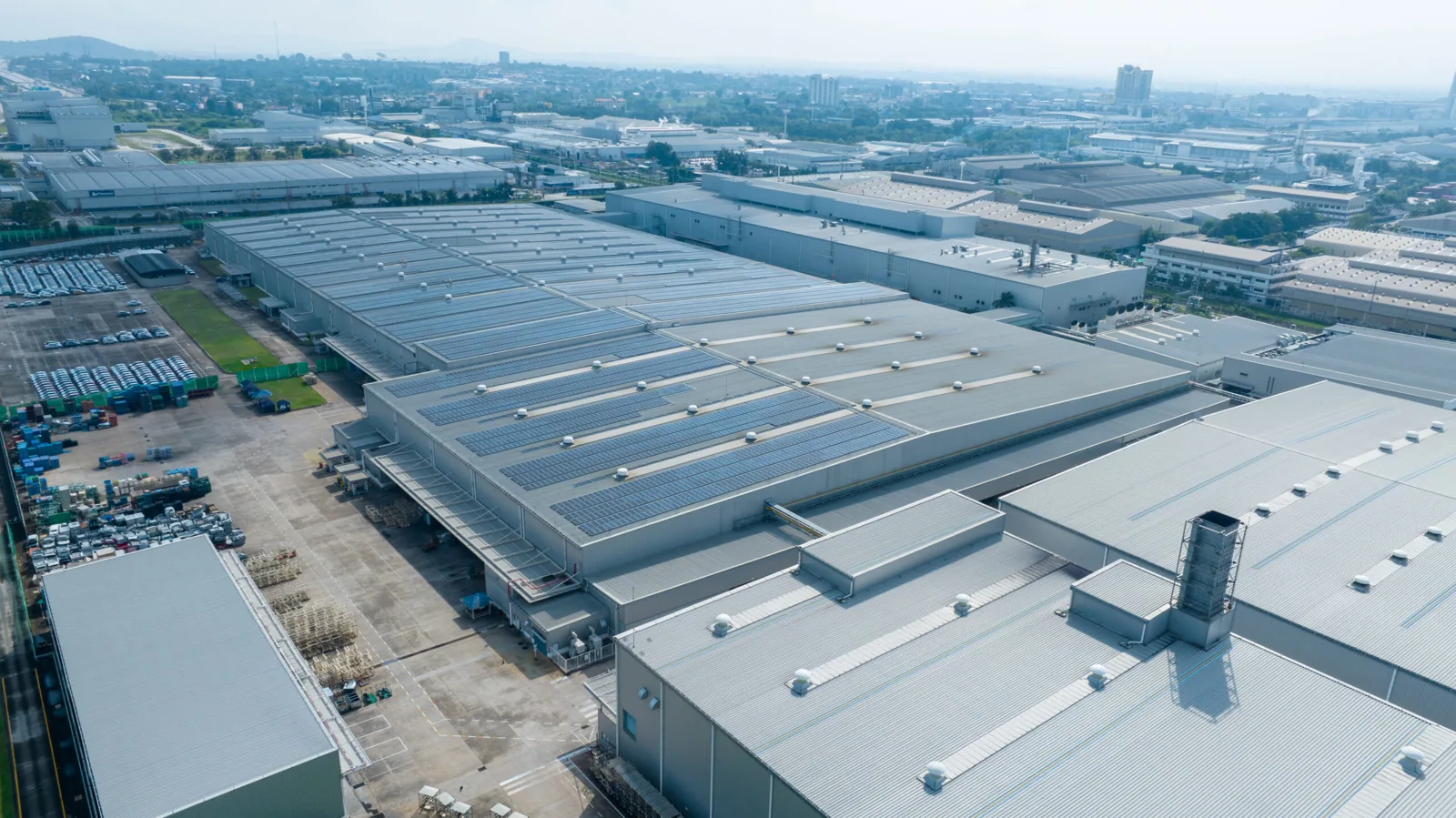
More commercial roofing services
Other work our crews handle on Arvada roofs. See all commercial roofing services.
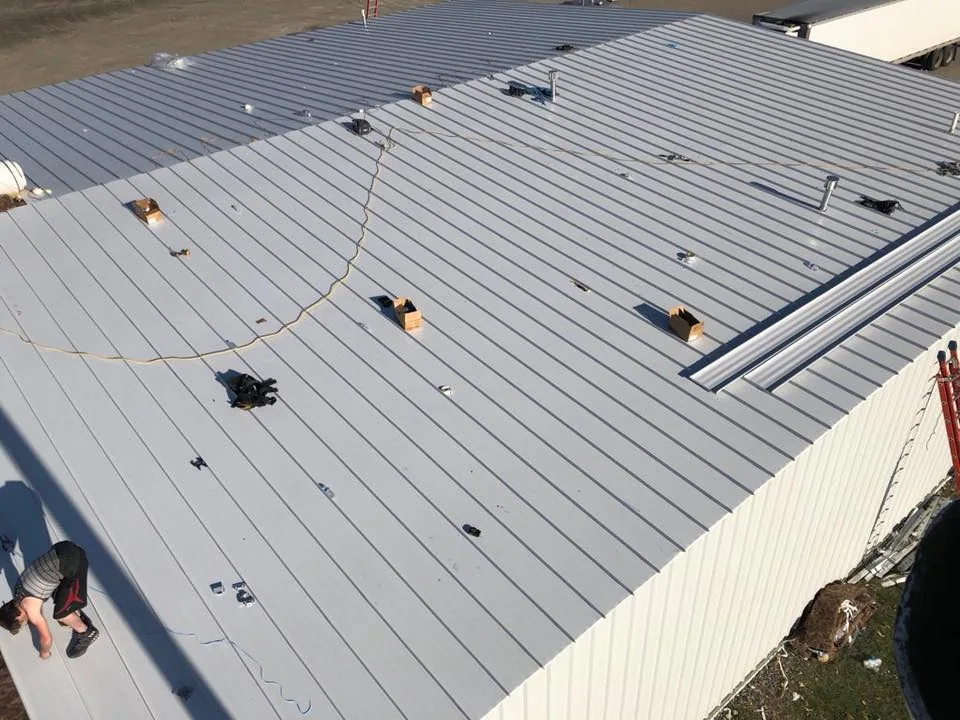
Commercial Roof Inspection
Schedule a commercial roof inspection in Arvada with a hands-on review, mapped findings, photographs, and repair or replacement priorities for your building.
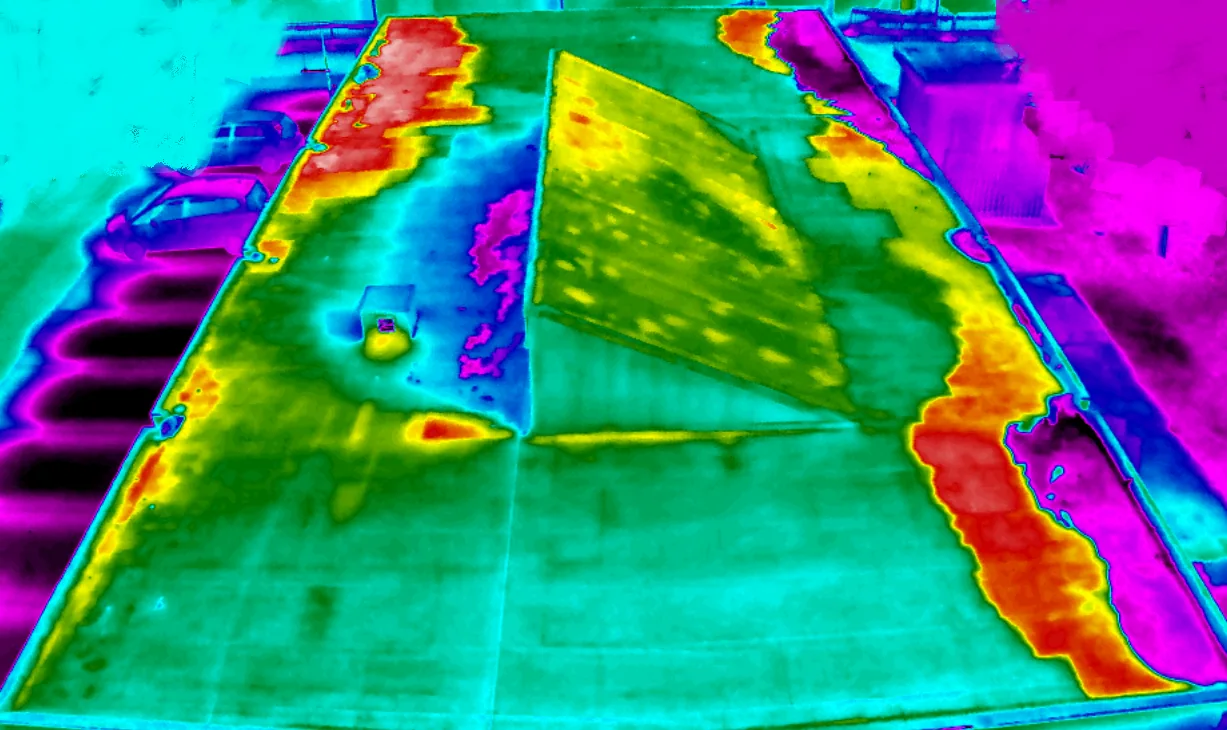
Infrared Moisture Survey
Use infrared roof imaging in Arvada to screen for possible trapped moisture, map follow-up locations, and confirm selected areas before repair or replacement.
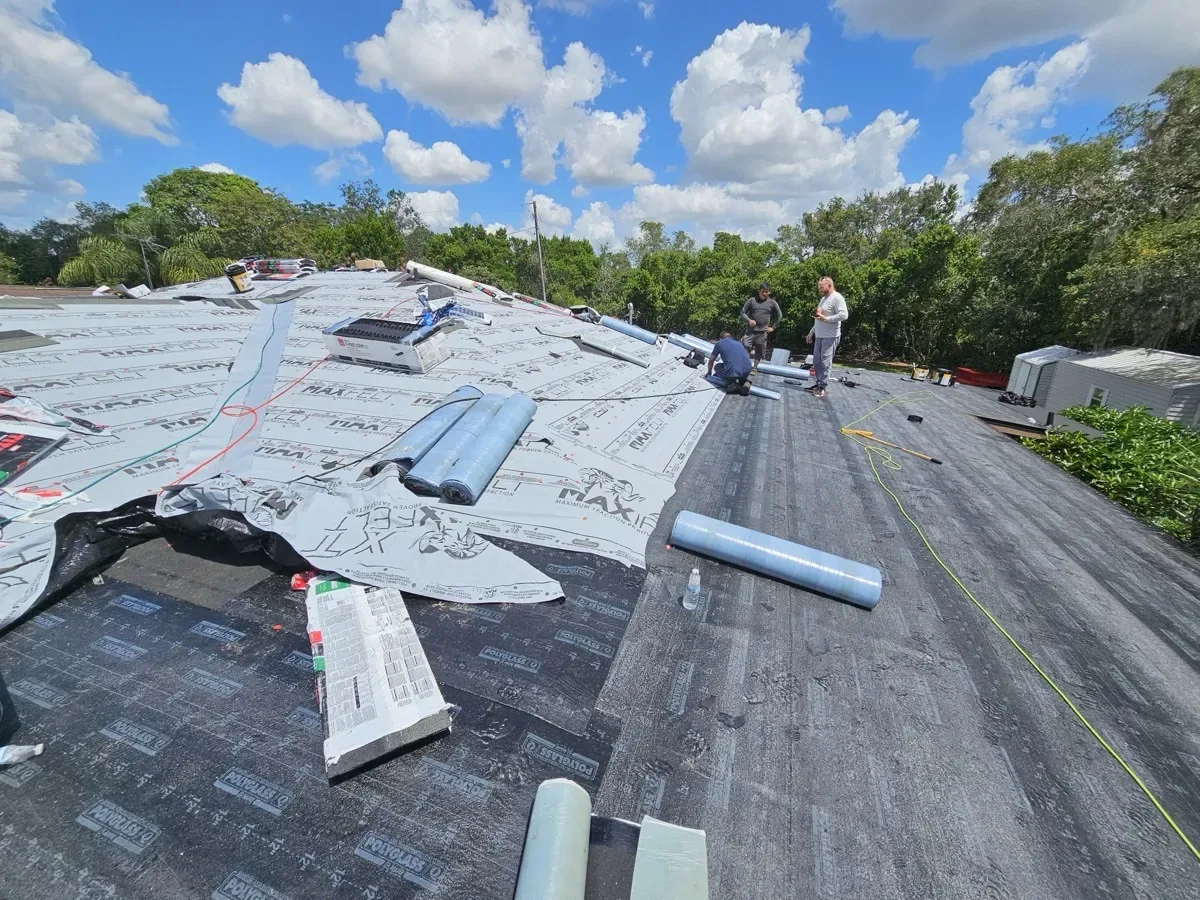
Emergency Commercial Roof Repair
Get around-the-clock emergency commercial roof repair in Arvada for active leaks, storm openings, and temporary protection while a permanent scope is prepared.
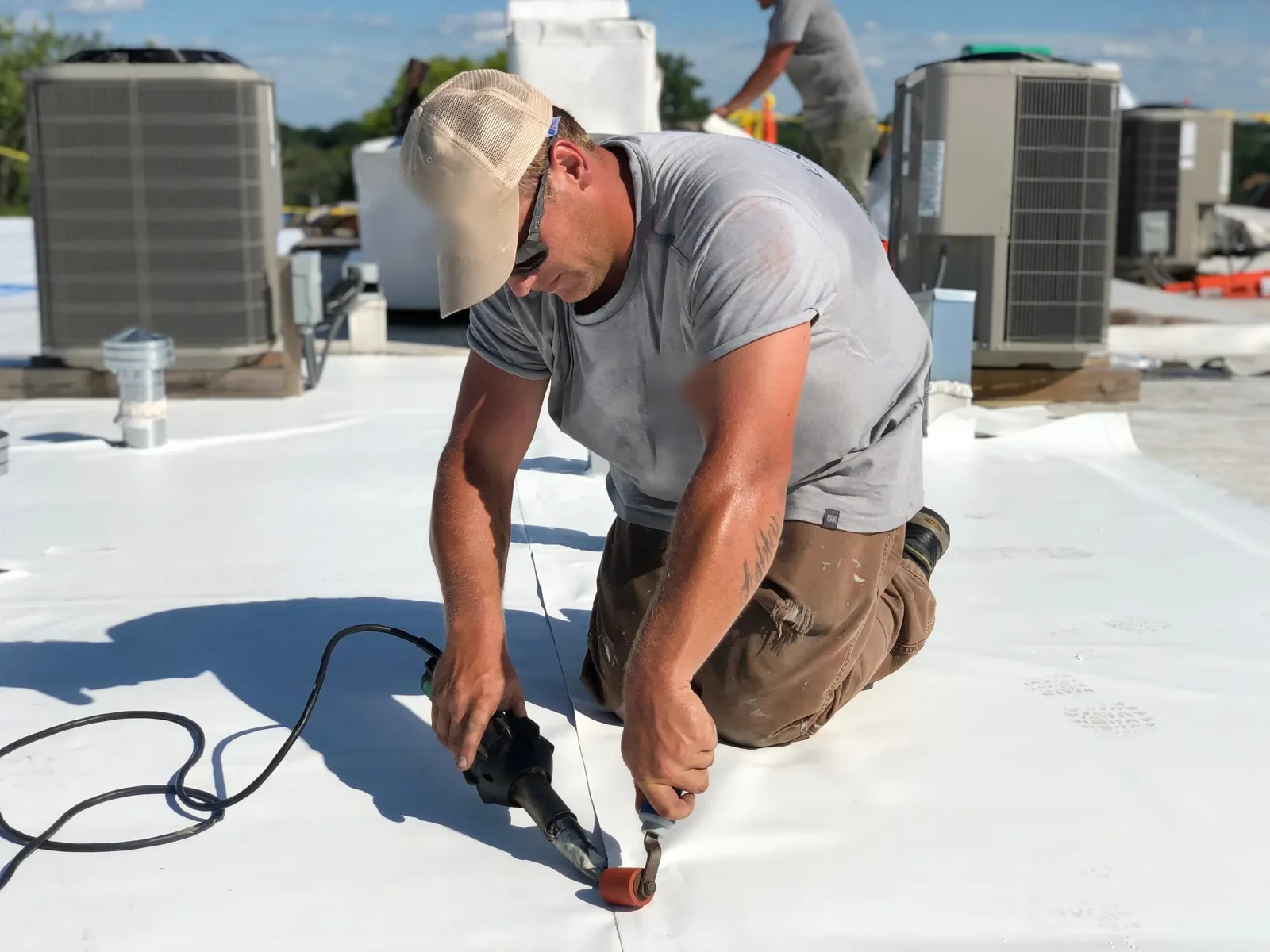
Commercial Roof Repair
Repair commercial roof seams, flashing, drains, and punctures in Arvada with a mapped work area, photo record, and clear limits for the repair.
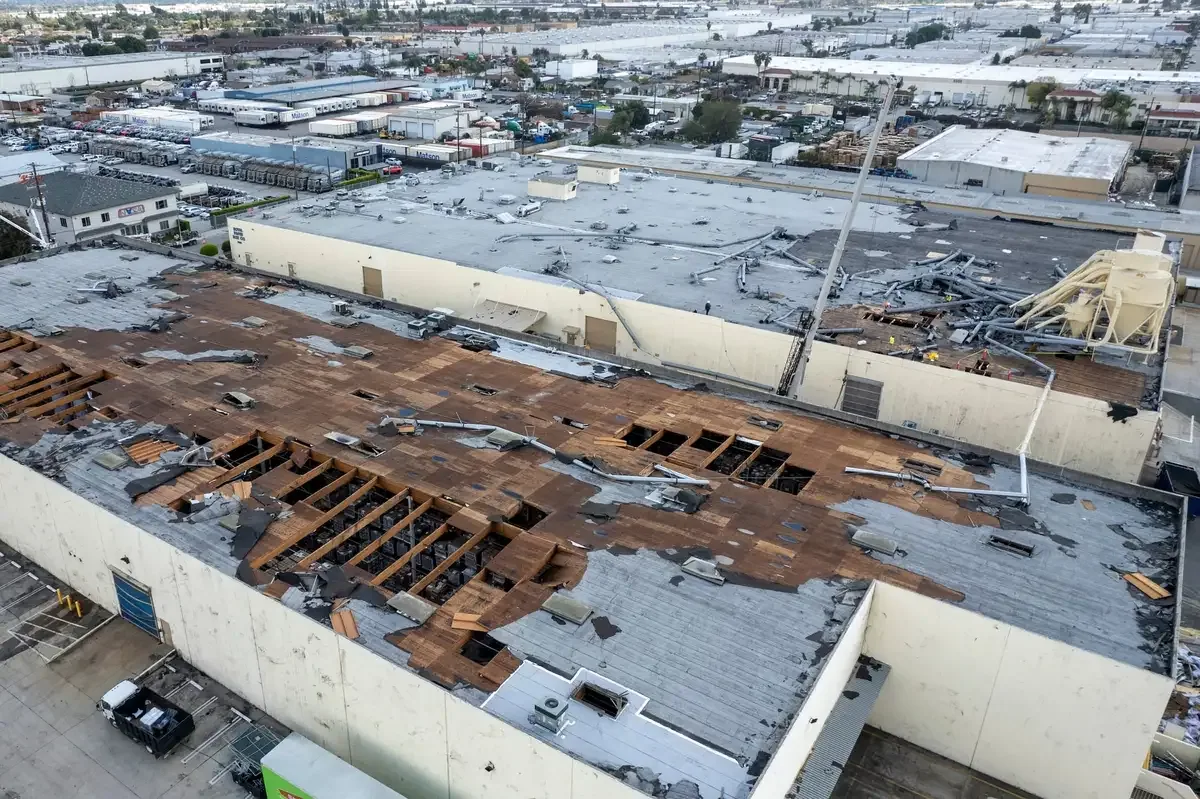
Commercial Storm Damage Roof Repair
Document hail and wind damage to commercial roofs in Arvada. We map affected sections, protect active openings, and scope verified repairs.
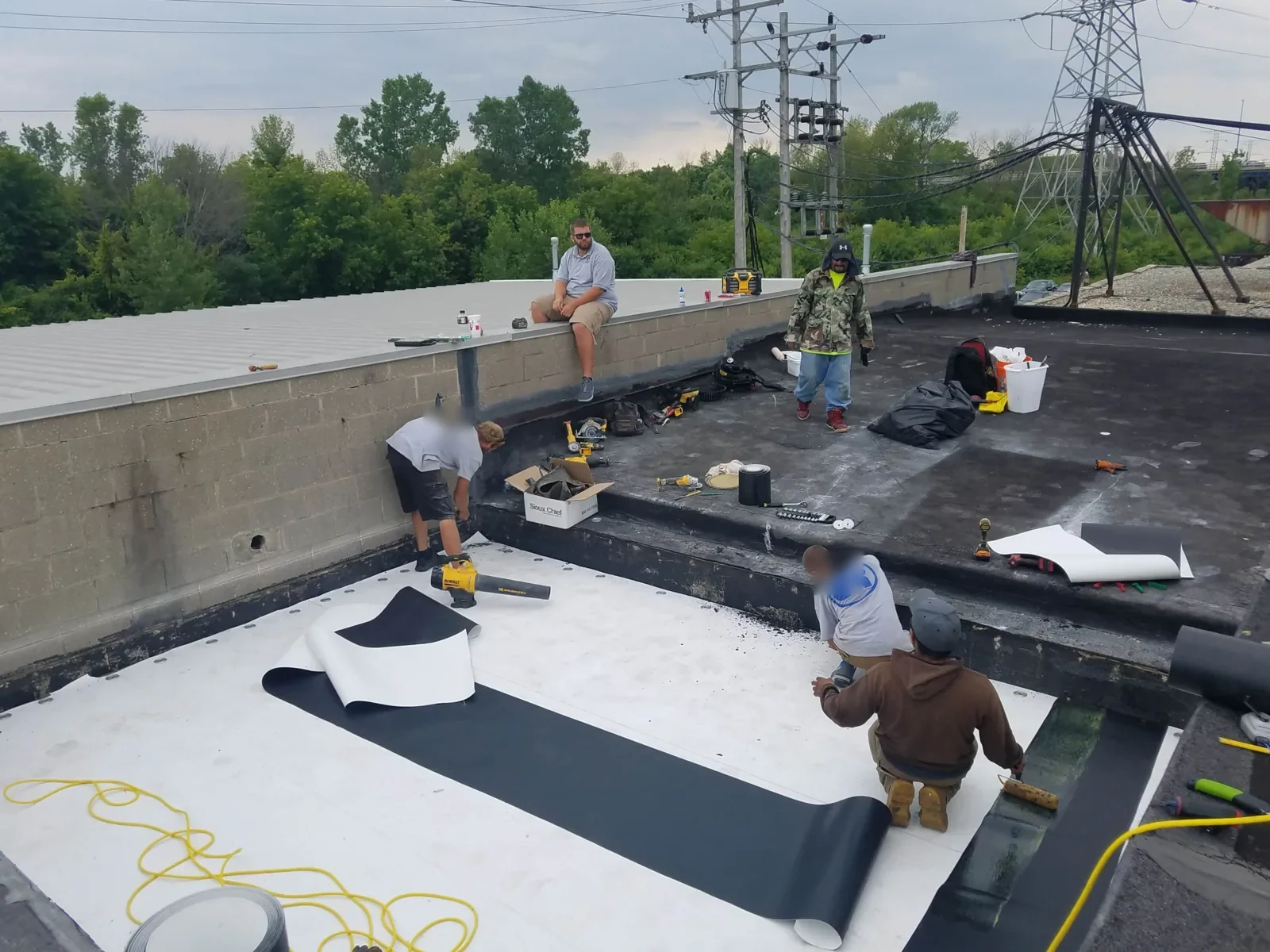
Commercial Roof Recover
Compare a commercial roof recover with tear-off in Arvada. We check moisture, attachment, deck condition, drainage, code limits, and transitions before scoping.
Serving Arvada and the west Denver metro.
Our crews work on commercial roofs across Arvada, Wheat Ridge, Lakewood, Westminster and Broomfield. Find your area below.
Arvada
Service Areas
Questions about Commercial Roof Leak Repair
Why can water show up far from the roof opening?+
Roof layers can carry water along seams, insulation joints, deck flutes, and structural members before it reaches a ceiling. We compare the interior location with roof details above and nearby, then inspect the likely paths. The stain helps set the search area, but the repair needs a confirmed roof-side finding.
Can you stop a leak before the permanent repair is known?+
Temporary protection can reduce active entry when roof access and weather allow. We document what it covers, the area still exposed, and any inspection or testing needed next. It buys time for a sound repair decision; it does not establish the entire leak path or the condition of concealed layers.
What should I record when a leak is intermittent?+
Write down the time, date, room, weather, and any equipment activity when water appears. Add photos of the interior mark and note whether the leak follows wind-driven rain or snow melt. Those details help prioritize roof checks, while the inspection confirms the entry point and repair method.
Will infrared imaging find every leak?+
No single scan locates every active leak. Infrared can flag temperature patterns that may indicate moisture under suitable conditions, then targeted follow-up or core cuts confirm what is below the surface. We state the scan limits and connect each finding to a roof-plan location.
When does a leak call for more than a repair?+
More than one failure, widespread wet insulation, repeated entry after earlier repairs, or a compromised deck can change the project scope. We record those findings separately and explain when testing or a broader replacement review is needed. A repair remains focused on the confirmed area; it does not hide adjacent conditions.
Have a question? Call us at 555-555-5555 or send us a message.
Report the leak location
Send the Arvada address, affected room, leak timing, storm date if known, roof access details, and available photos. We will plan the first roof walk around the likely entry path and note any immediate protection needed.