Commercial Modified Bitumen Roofing in Arvada, CO
Repair or replace commercial modified bitumen roofing in Arvada. We inspect plies, surfacing, flashings, drainage, and safe application conditions.
Request a roof assessment. Tell us about the building.
Send the address and what you are seeing on the roof or inside the building. We will set a time to walk the roof and talk through the next step.
Inspect the modified bitumen assembly
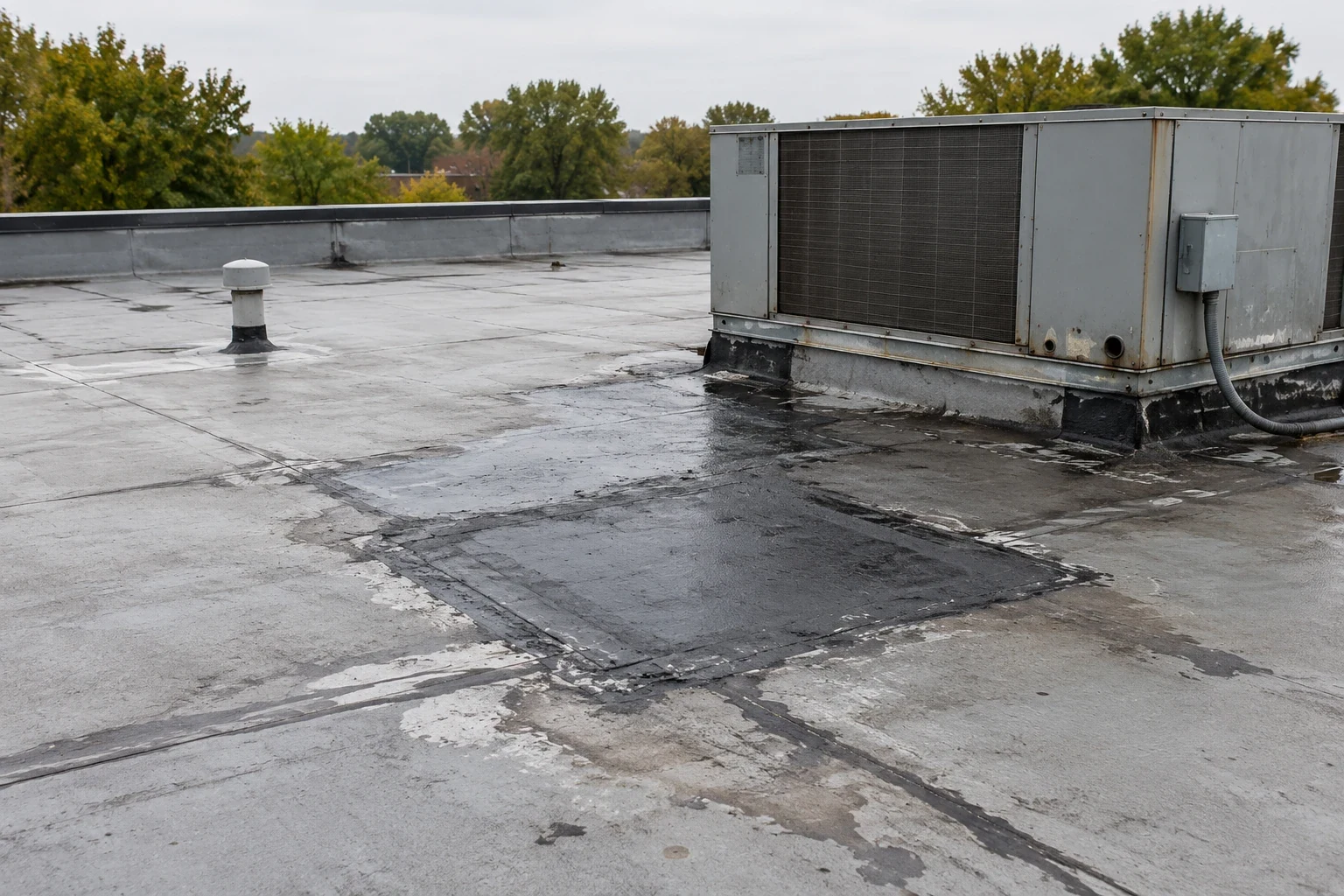
A blister along a modified-bitumen lap changes the repair plan. We inspect the ply edge, surfacing, underlying layers, and nearby water path. A surface patch will not solve trapped moisture or loose plies. We mark the defect and compare it with prior repairs. The selected repair method follows the existing assembly. If layers are concealed, a test opening may be needed.
Denver International Airport's 1991-2020 normal seasonal snowfall is 47 inches. Snowmelt can reveal slow outlets or lifted laps. We inspect drains, plies, surfacing, and conditions that could change the scope.
Identify plies and surface wear
Modified bitumen systems use asphaltic sheets with polymer modifiers. SBS and APP products have different properties and installation requirements. We identify the system from documents or field details where possible. Granule surfacing, coatings, and cap sheets can obscure earlier work. We inspect seams, blisters, splits, punctures, and exposed reinforcement. The report notes material identification confidence.
Surface wear may appear first at traffic routes and equipment paths. We inspect walkways, curb bases, parapets, and previous patches. If a cap sheet has loosened, we test the boundary before repair. A roof inspection can map conditions by section. For an active interior leak, a leak investigation can compare the ceiling report with roof details.
Granules protect the cap sheet and can wear away at regular footpaths. We check for bare asphalt, loose granules, alligatoring, and exposed reinforcement. A coating may require different preparation than a sheet repair. The estimate identifies how the surface will be cleaned and which seams receive new material. We document any condition that limits adhesion or safe access.
Plan safe application methods
Modified bitumen can be applied with different methods, depending on product and specification. Heat-applied work requires trained crews, fire controls, and site authorization. Cold adhesive and self-adhered options have their own substrate and temperature requirements. We review the selected system before setting a work plan. The scope identifies hot-work permits and fire-watch responsibilities where required.
Occupant safety and equipment locations shape staging. We confirm ventilation intakes, combustible materials, roof access, and fire lanes. Torch work must avoid concealed combustibles and vulnerable details. If weather or wind makes application unsafe, the crew stops and secures the area. The schedule includes those conditions instead of assuming an uninterrupted work window.
Before heat work, the crew reviews combustible materials, wall cavities, roof openings, and nearby equipment. The approved fire watch stays in place for the required period. Cold-process materials still need ventilation and manufacturer-specified cure conditions. We coordinate with building management around air intakes and occupied spaces. The job hazard plan identifies how the selected application method will be controlled.
We record completed fire-control checks with the daily work notes. The site contact receives the record before the crew leaves the work area. It also supports safer handoffs.
Check flashing and drainage transitions
Modified bitumen needs compatible base flashing at walls, curbs, and penetrations. We inspect termination bars, counterflashing, corners, and drain tie-ins. Water can enter where a roof meets vertical construction. A repair should follow the plies and material condition. We document any area that requires a masonry or mechanical trade before closing the transition.
The Wheat Ridge 44th Avenue corridor connects commercial areas between Harlan Street and Ward Road. Belmar in Lakewood combines retail, office, and residential uses. Those settings illustrate varied property operations, not roof construction. We confirm each building's access and schedule. A drain inspection can address a defined outlet concern. The roof plan marks all affected sections.
Ready to talk about your roof?
Compare repair with replacement
A localized split may be repairable when adjacent plies remain bonded. Widespread blistering, repeated leaks, or wet insulation may justify replacement. We note which layers can remain and which need removal. A targeted repair can close a defined opening. If an owner considers a recover, a recover review checks moisture, attachment, and roof height.
Project limits should include removal, substrate repairs, edge metal, drainage, and flashing. If concealed deck damage appears, we photograph it before added work. The approval process should be clear before tear-off. We can compare built-up roofing or TPO when design and roof use support that review. Each option needs distinct assumptions.
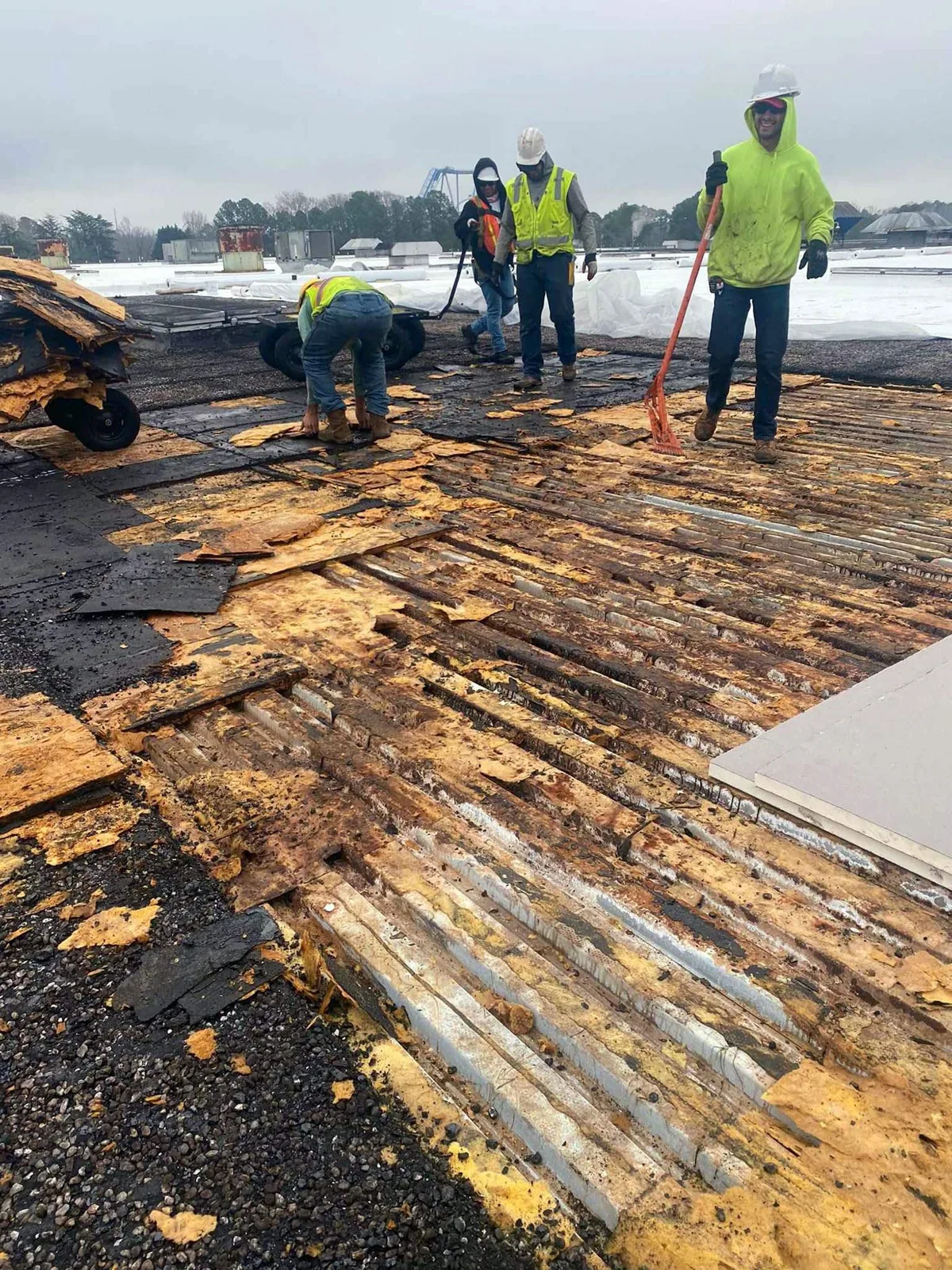
Removal can expose several plies and prior overlays. We record each layer as it appears and photograph representative conditions. If insulation is wet, we mark the removal boundary before continuing. A dry roof area can remain while a failed section is removed, when design and code allow it. The proposal states how added deck repair or drainage work will be authorized.
Keep the system record current
Closeout records should show removed areas, new plies, surfacing, flashing, and completed tests. Photos need roof-zone labels. Maintenance visits should revisit drains, seams, penetrations, and areas with earlier repairs. A useful roof history connects dates with locations. That helps teams compare current conditions with prior work instead of relying on memory.
Send the Arvada address, roof plan, material records, repair history, and access details. We will inspect plies, surfacing, drainage, and transitions. The report will state what was confirmed and what needs testing. If replacement is proposed, the scope will identify application method and safety controls. The next step follows the assembly and documented condition.
Owners should retain product sheets, repair details, and photos after completion. Maintenance teams can then note where new patches or cap sheets were installed. During later walks, compare seams and water marks with the closeout map. That history helps plan service before another repair is urgent.
For occupied buildings, coordinate odors, noise, and delivery routes with management. Hot work can require clear space below and above the roof. We identify who can stop the work if conditions change. The daily log notes the installed area, weather, and protection at each stopping point.
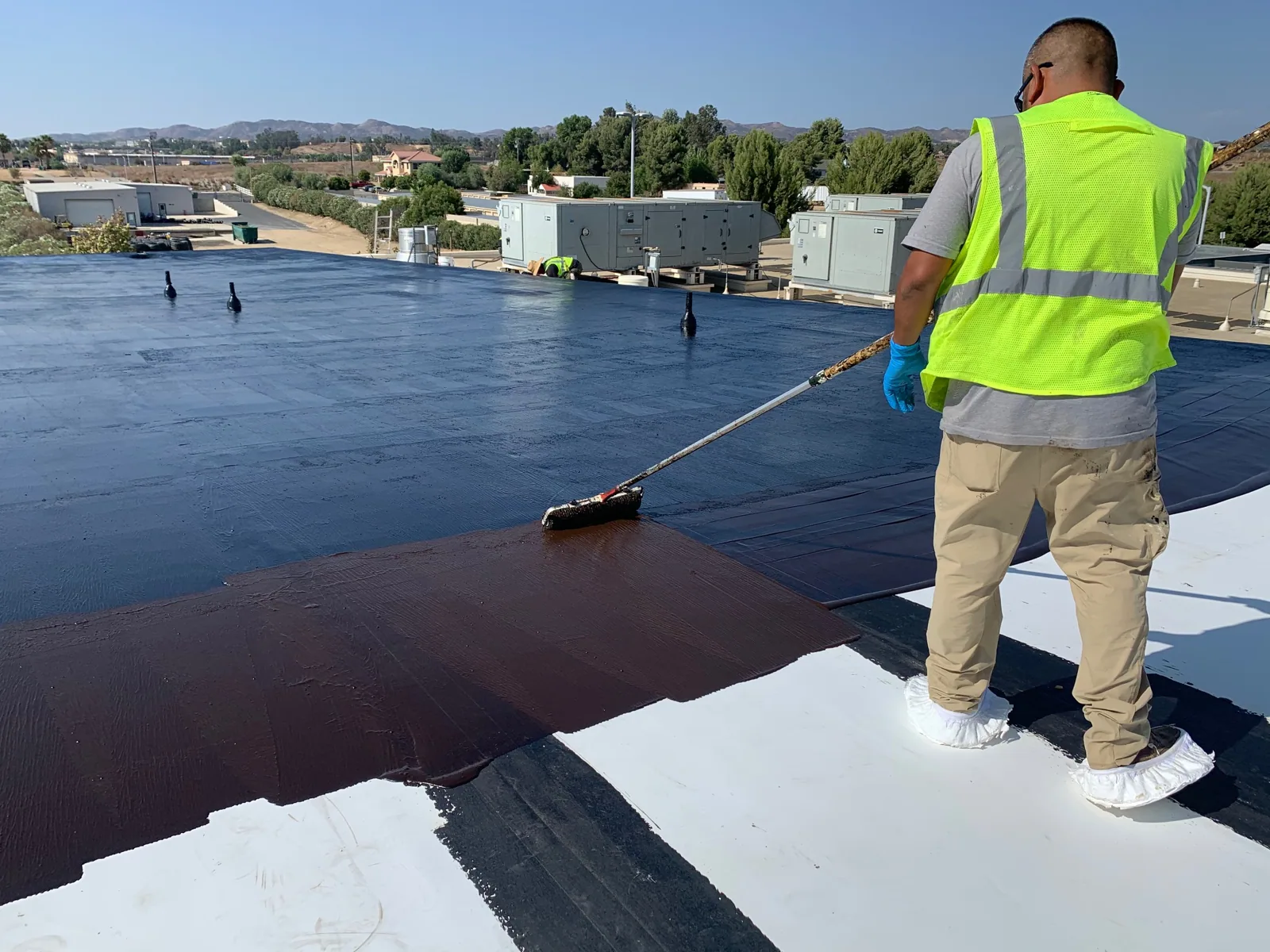
More roof systems
Other work our crews handle on Arvada roofs. See all roof systems.
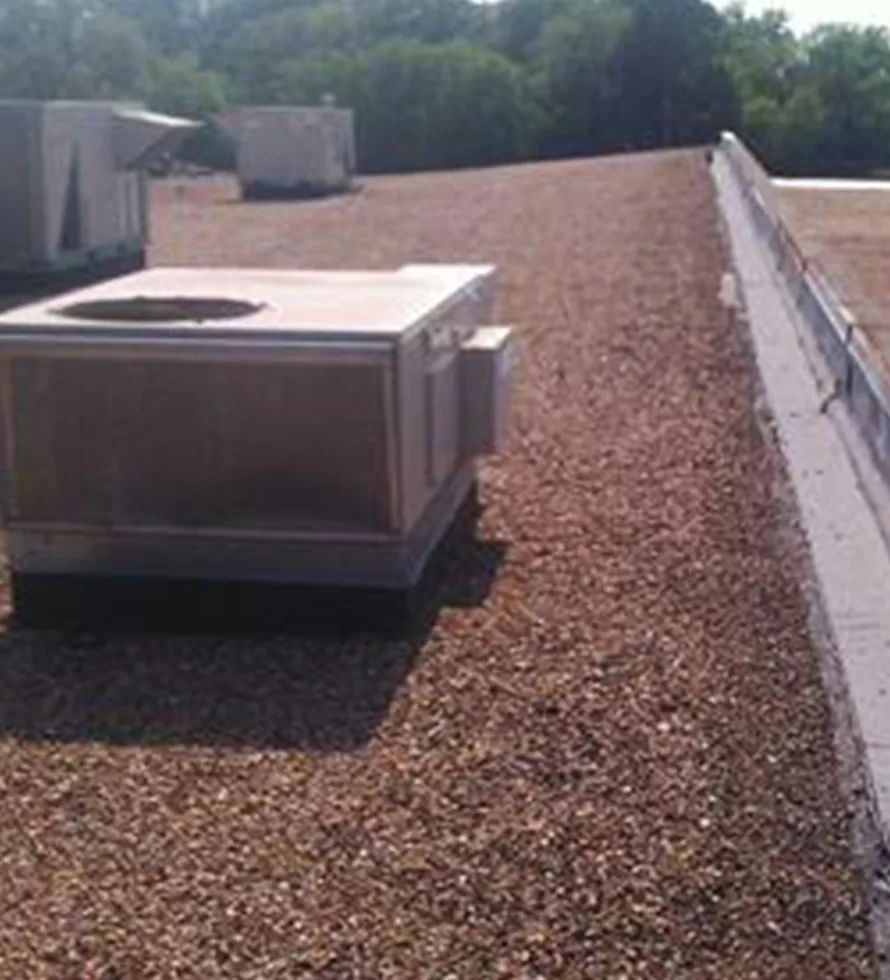
Commercial Built-Up Roofing
Inspect, repair, or replace commercial built-up roofing in Arvada. We review plies, surfacing, drains, flashing, moisture, and safe work methods.
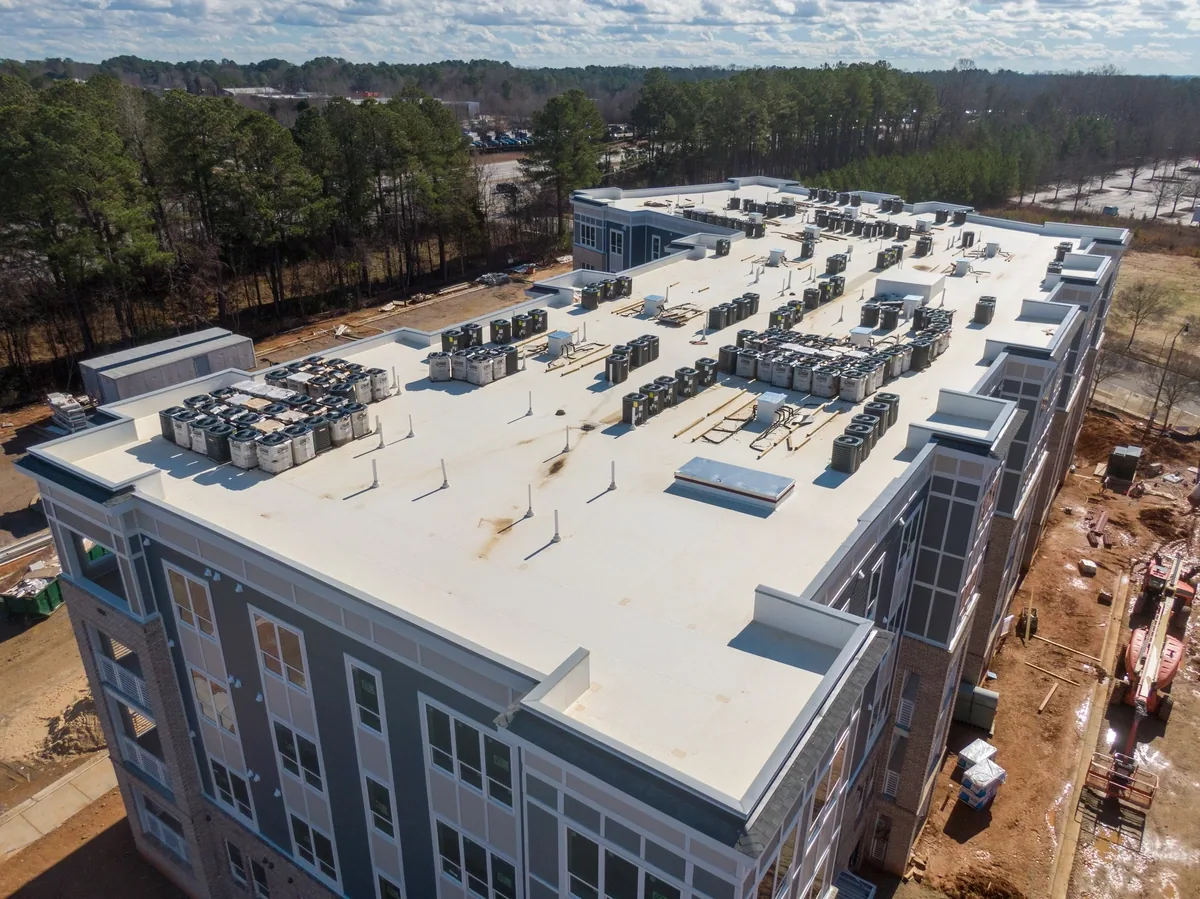
Commercial TPO Roofing
Install, repair, or replace commercial TPO roofing in Arvada. We review seams, attachment, drainage, insulation, and roof access before scoping.
Commercial KEE Roofing
Evaluate commercial KEE roofing in Arvada. We verify the membrane, seam method, chemical exposure, attachment, flashing, and repair compatibility.
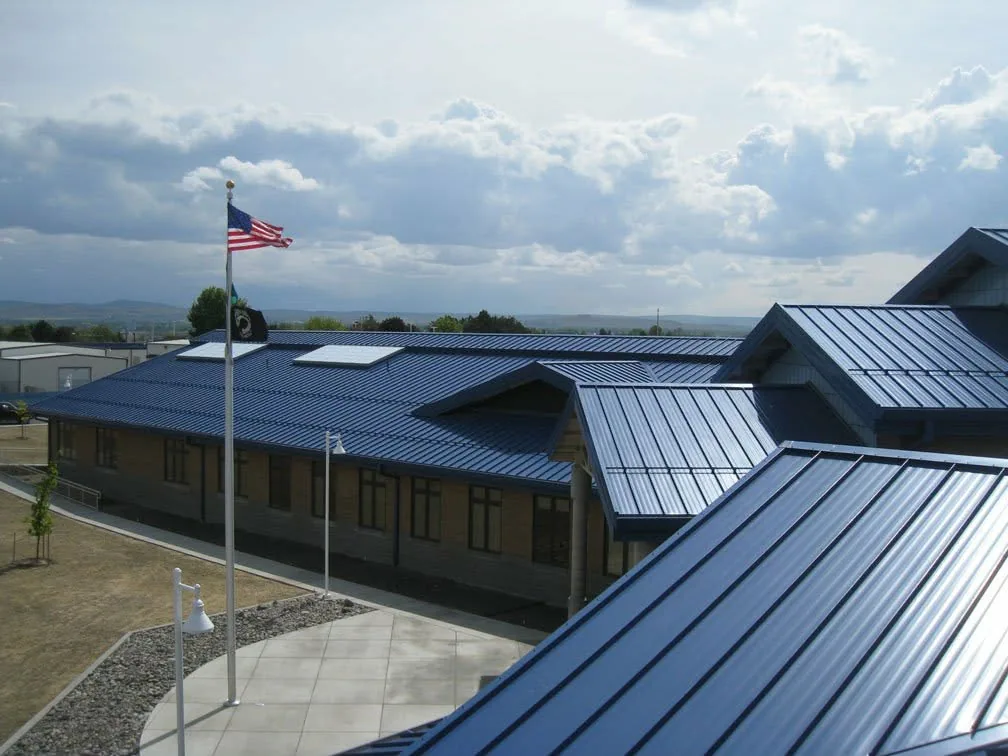
Commercial Standing Seam Metal Roofing
Inspect, repair, or replace standing seam metal roofs in Arvada. We check clips, panel movement, transitions, fasteners, and drainage before scoping work.
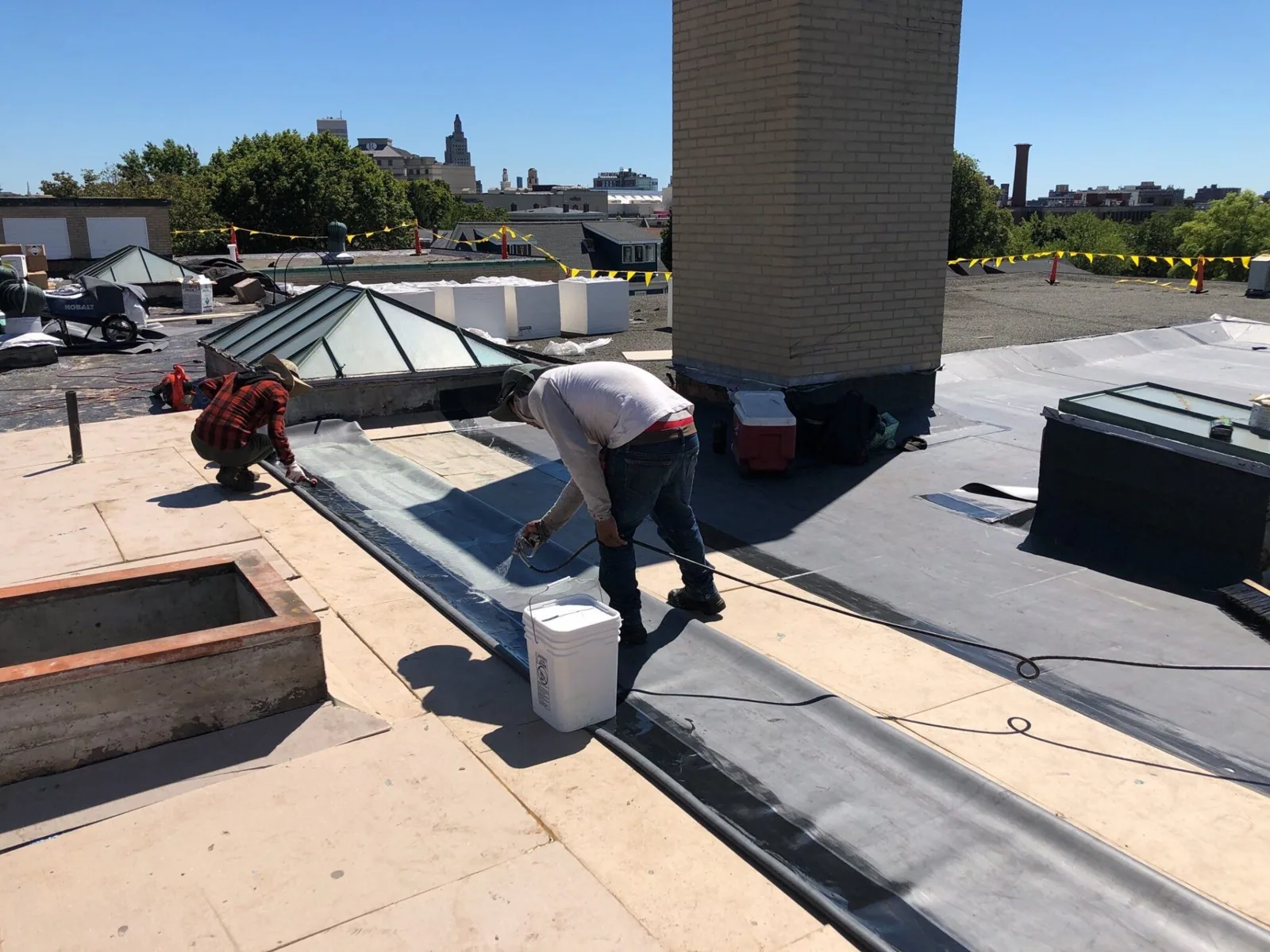
Commercial EPDM Roofing
Repair or replace commercial EPDM roofing in Arvada. We inspect seams, adhesive, flashing, drainage, attachment, and moisture before scoping.
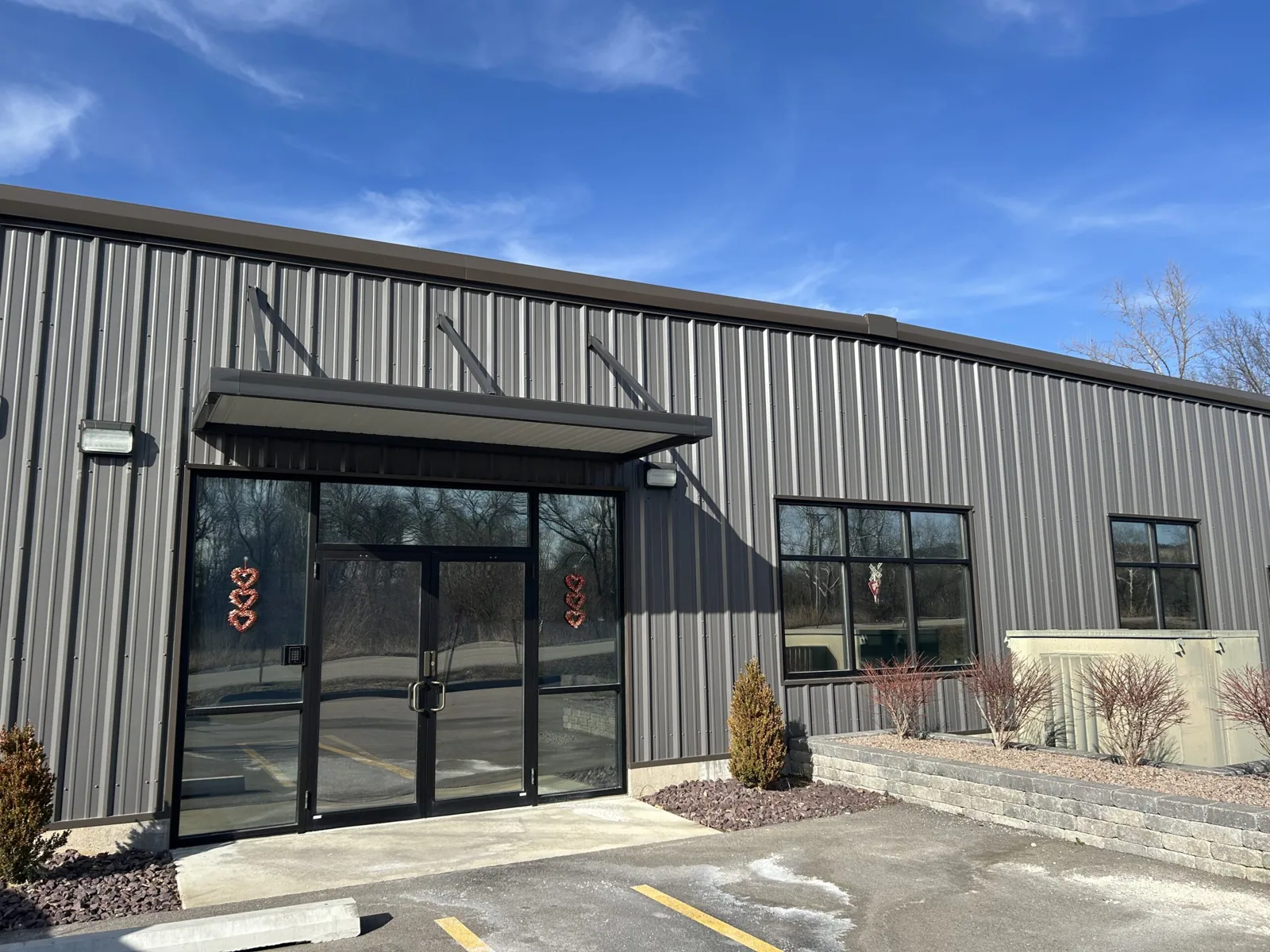
Commercial Metal Roof Retrofit
Evaluate a commercial metal roof retrofit in Arvada. We inspect panel attachment, structure, drainage, curbs, and insulation before comparing options.
Serving Arvada and the west Denver metro.
Our crews work on commercial roofs across Arvada, Wheat Ridge, Lakewood, Westminster and Broomfield. Find your area below.
Arvada
Service Areas
Questions about Commercial Modified Bitumen Roofing
Can a blister in modified bitumen be patched?+
We inspect the surrounding plies and moisture first. A patch is suitable only when the substrate and adjoining layers can support it.
What is the difference between SBS and APP?+
They are different polymer modifiers used in asphaltic sheets. Product formulation and installation requirements vary, so we check the specified system.
Does every modified bitumen roof require torch work?+
No. Application depends on the product and project specification. We confirm the approved method and site fire controls before installation.
How can you tell if moisture is trapped below the cap sheet?+
Survey patterns and selective openings can help investigate moisture below the cap sheet. We mark tested sections and state which areas remain unconfirmed.
What should a replacement proposal include?+
Review plies, surfacing, substrate work, flashing, drainage, application method, and fire controls. Confirm how concealed deck damage will be approved.
Have a question? Call us at 555-555-5555 or send us a message.
Inspect the modified bitumen assembly
Send the Arvada address, roof plans, repair records, and access details. We will inspect plies, surface condition, drainage, and flashing transitions.