Commercial Roof Recover in Arvada, CO
Compare a commercial roof recover with tear-off in Arvada. We check moisture, attachment, deck condition, drainage, code limits, and transitions before scoping.
Request a roof assessment. Tell us about the building.
Send the address and what you are seeing on the roof or inside the building. We will set a time to walk the roof and talk through the next step.
Check the existing assembly
Clear Creek Crossing is a planned mix of retail, office, lodging, and other uses. A recover decision starts with the existing layers. The space above them comes later. Each building needs its own inspection. We check moisture, attachment, deck condition, and drainage before proposing another roof layer. If those conditions fail, covering the assembly only hides the next repair.
A recover can reduce tear-off and keep some existing materials in place. It cannot correct wet insulation or a failing deck. We map roof sections and test locations. Then we compare recover, full replacement, and a bounded repair scope. First, determine whether the assembly qualifies, then whether recover fits the building's plan.
Assembly eligibility
Start with moisture. A survey can identify follow-up areas. Approved core cuts reveal layers at selected points. Samples should match roof-walk findings. Check recurring leak areas, low points, and transitions. A few dry samples do not establish that every section is dry. We mark readings and cuts on the roof plan. The owner can see which portions were checked.
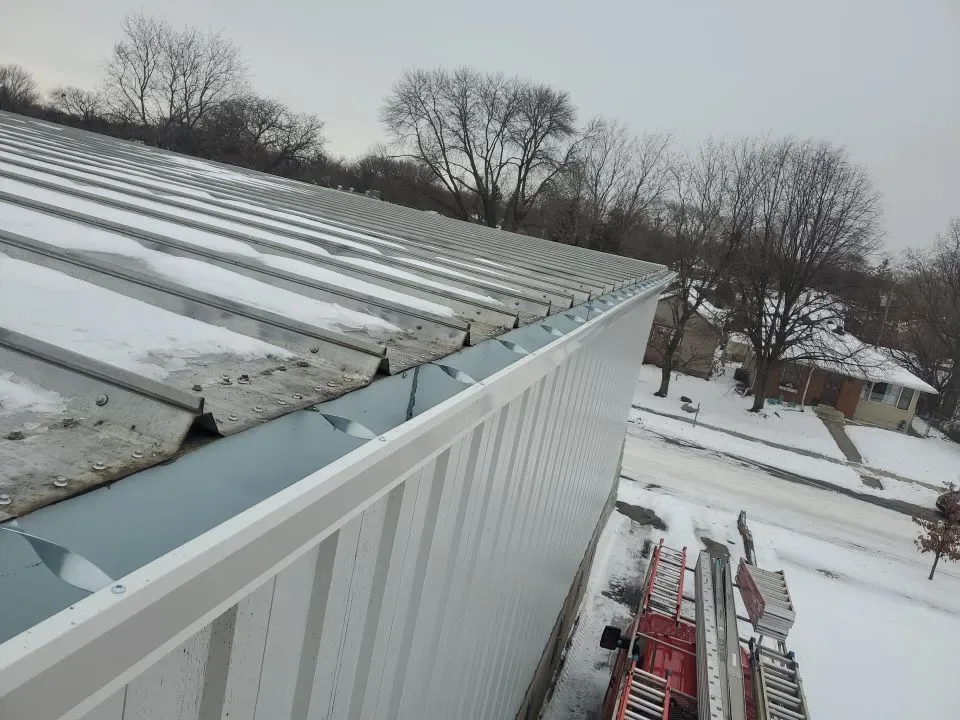
Attachment comes next. The existing membrane and insulation must stay secure. They need to support the added assembly and resist wind forces. We inspect seams, fasteners where visible, edge conditions, and signs of movement. Lifted or separated sections need attention first. Repeated patches may also rule out recover. Added roof height can change flashing details at penetrations and curbs.
Deck condition, load, slope, and code requirements also matter. Arvada adopted its 2024 building codes on a city schedule. They include updated wind and snow provisions. The building's structural review and permit path control the design. We do not use a regional snow normal as a substitute for project-specific review. Check the assembly if added weight is a concern. Do the same if the new layer changes drain elevation.
Inspection and test plan
A recover evaluation should explain why the old roof may stay. We review leak logs, repairs, warranty records, roof plans, and moisture scans. We photograph seams, splits, ponding, soft spots, penetrations, edge metal, and drains. Each finding gets a location and action. Test it, repair it, include it, or rule the section out.
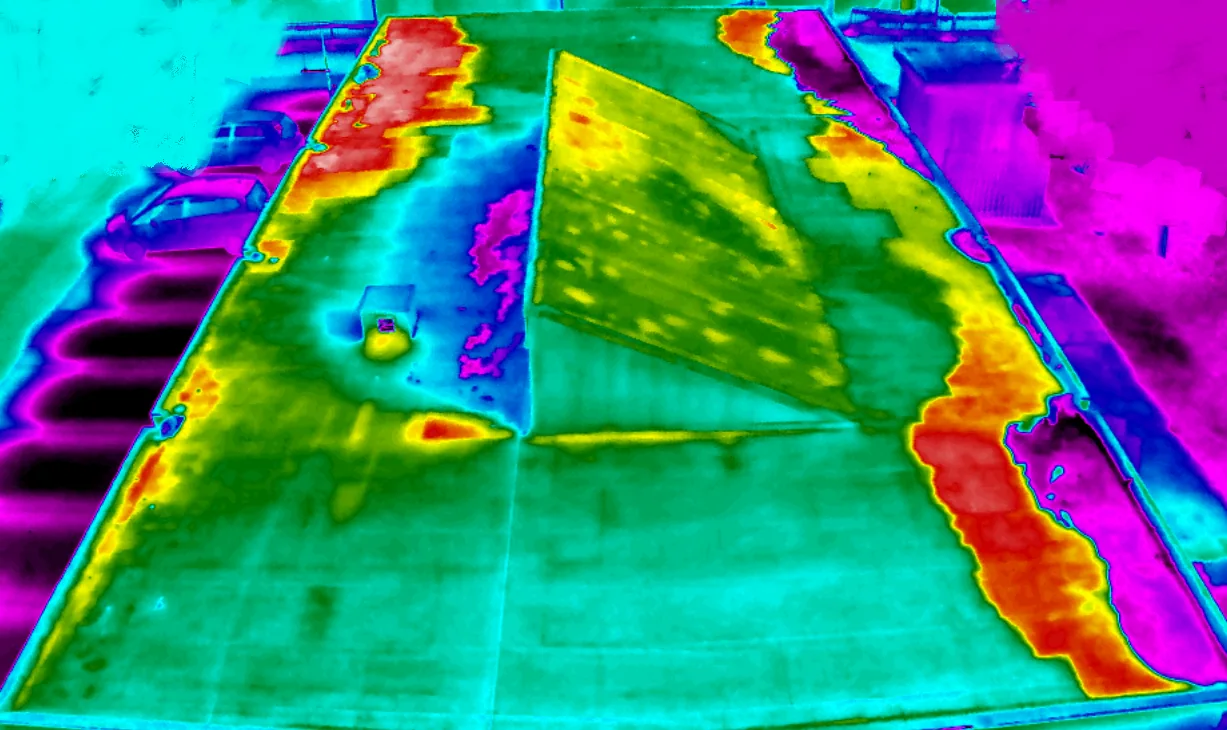
Infrared imaging can highlight temperature patterns that may indicate moisture in suitable conditions. It is a screening tool. We confirm anomalies and record scan limits. Surface and weather can affect results. An infrared moisture survey can guide core locations. A hands-on inspection checks visible details and the roof's overall condition.
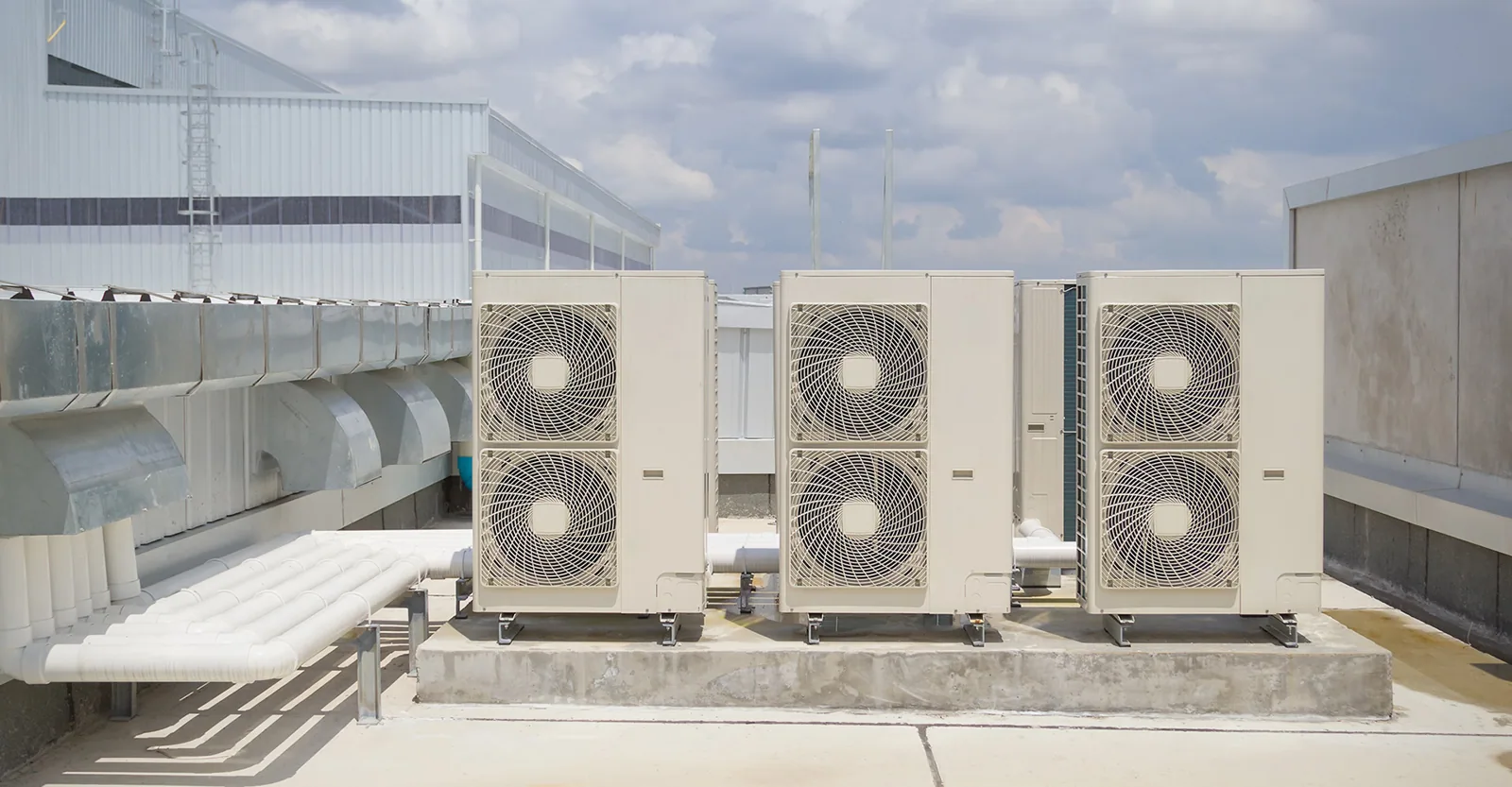
Drainage needs special attention before an overlay. Added layers may affect drains, scuppers, overflow paths, curb heights, and terminations. We inspect how the new assembly meets walls, equipment, skylights, and existing roof areas. Unresolved low points or edge conditions can carry the old water problem forward.
Recover or remove
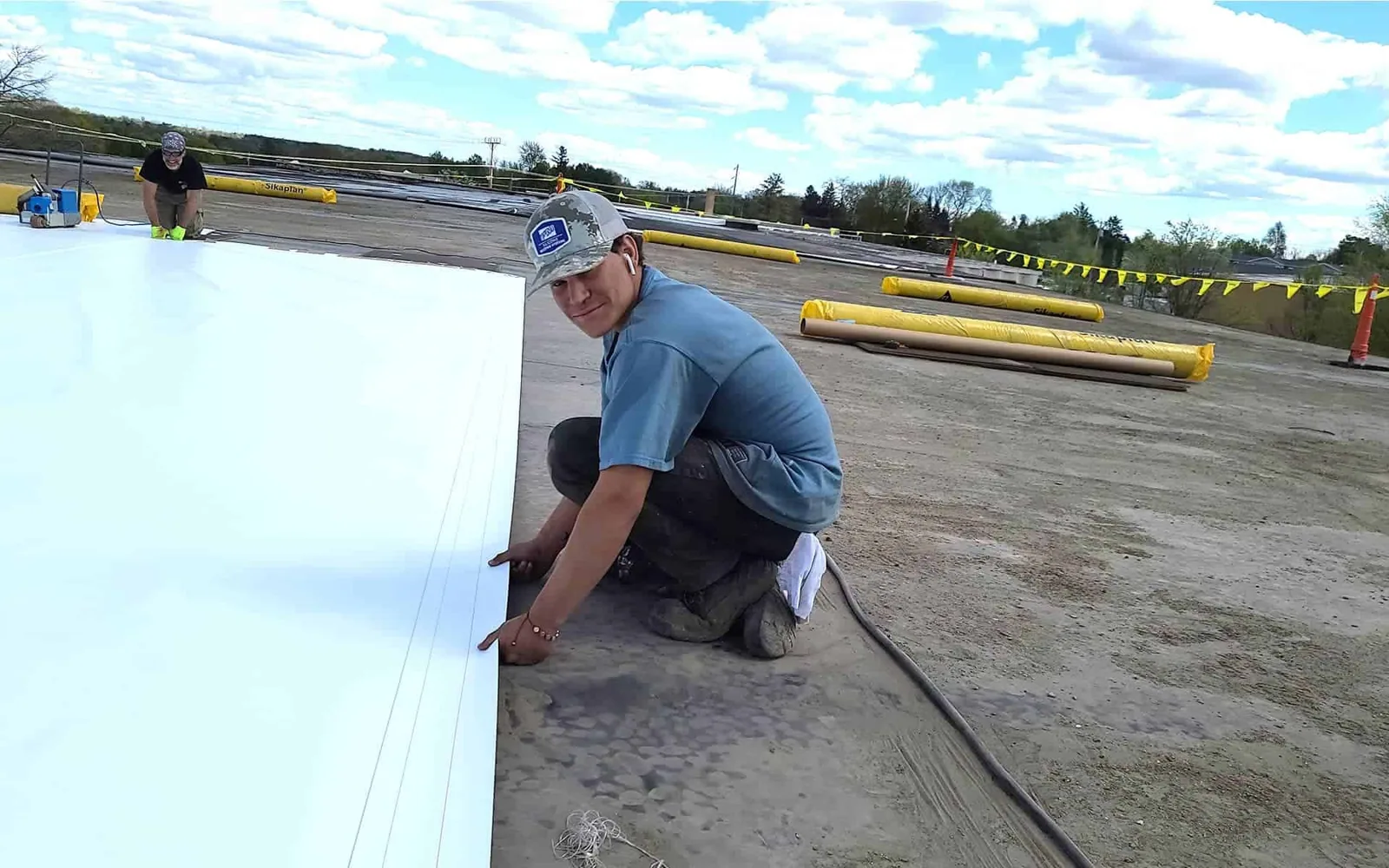
When tests support retention, the scope identifies eligible areas. It also lists prior repairs and the new attachment method. It should also specify insulation additions, edge changes, drain work, penetrations, and tie-ins. The proposal states what happens if a test cut reveals wet material. It also covers weak decking. That condition changes the work and needs a defined approval path.
Isolated moisture may allow a recover. Remove and repair affected areas first, if the remaining assembly qualifies. Widespread wet insulation, unstable attachment, or deck damage can favor tear-off. Show each option and its assumptions. Do not price a recover around conditions that remain unverified.
Membrane selection follows the substrate and building needs. TPO, PVC, EPDM, and other roof systems have different seam methods and details. Compare TPO and EPDM against access, traffic, exposure, maintenance, and system requirements. Age and appearance alone do not choose the new system. The assembly and project conditions do.
Ready to talk about your roof?
Installation controls
Recover work needs a clean, dry, stable surface. Protect each daily stopping point. The work plan sequences preparation, repairs, and attachment. It also covers edge transitions and temporary dry-in. It states when each section is ready for inspection. Crews close the next portion after that check. Weather can interrupt adhesive work. It can also expose a transition, so set realistic daily limits.
At occupied buildings, deliveries and staging affect tenants, loading zones, and roof access. A phased layout helps keep materials and crews within the assigned area. We coordinate notices with the property contact. Cover noise, odors, blocked routes, and parking changes. Near Olde Town Arvada or Interlocken Business Park, confirm the address and access rules. Each building sets its route.
Temporary protection is separate from the permanent recover assembly. For active water entry, protect the interior first. Testing and scope decisions can continue afterward. Our emergency roof response addresses active entry. Then we document repair limits and recover eligibility.
Decision record
The report makes the retain-or-remove choice traceable. It records test areas, moisture, attachment, deck and drainage findings, and limitations. It identifies qualifying sections, required repairs, and where replacement remains safer. Photos match plan locations. Ownership, facilities, and finance teams can then review the same findings.
Clear Creek Crossing includes a hospital campus, hotels, apartments, retail, and office uses. Those uses make timing and access site-specific. They do not identify any building's roof assembly. For retail or healthcare sites, we coordinate deliveries and occupied areas. We protect sensitive interiors before testing or recover work.
Send the address, plans, repair records, storm date, and access requirements. We return marked findings and separate recover options from tear-off. If tests rule out an overlay, the replacement scope states why. It also marks the work boundary.
More commercial roofing services
Other work our crews handle on Arvada roofs. See all commercial roofing services.
Commercial Roof Replacement
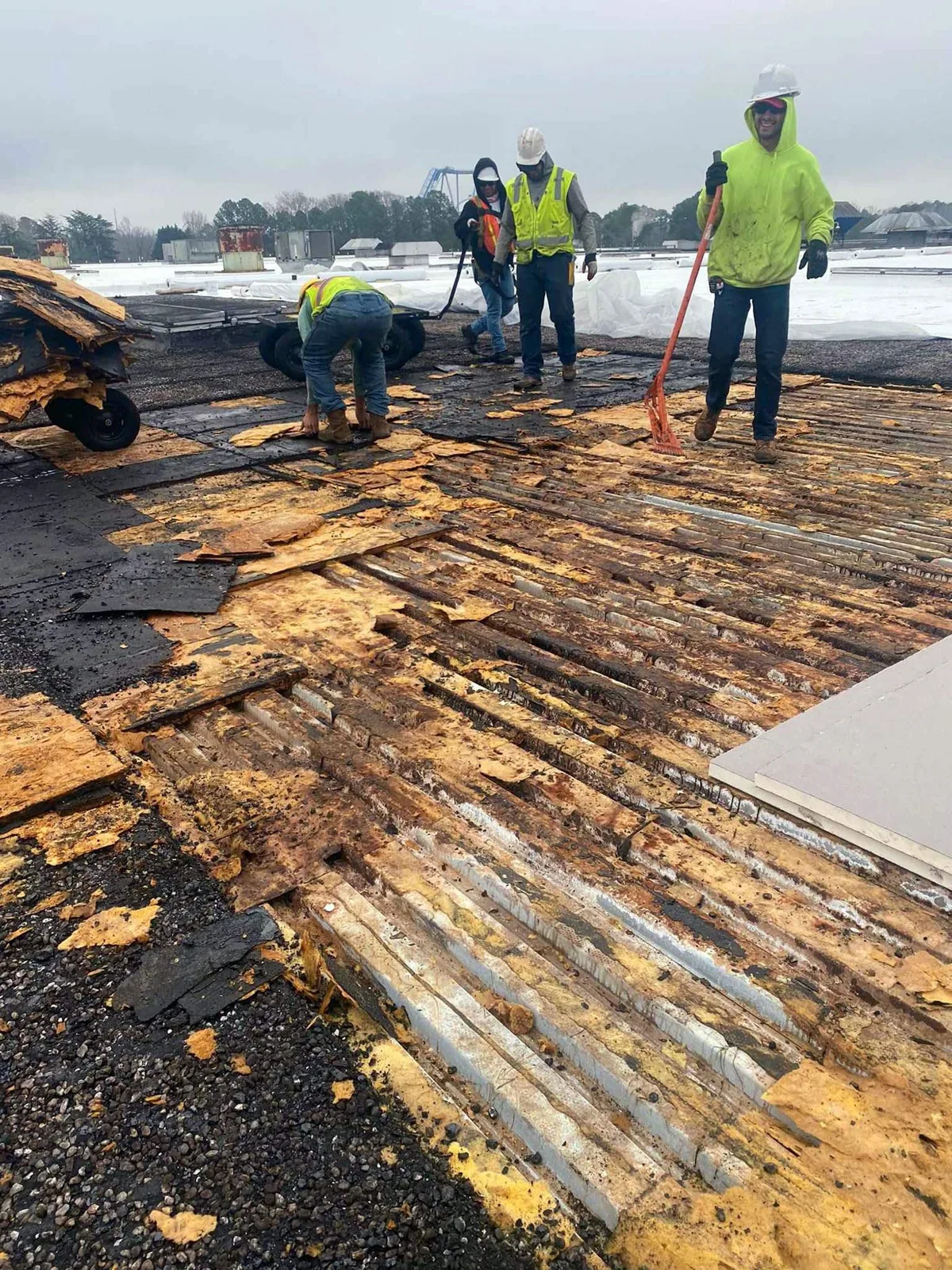
Plan a commercial roof replacement in Arvada with an assembly review, clear tear-off limits, drainage checks, and a phased schedule for your building.
Commercial Roof Repair
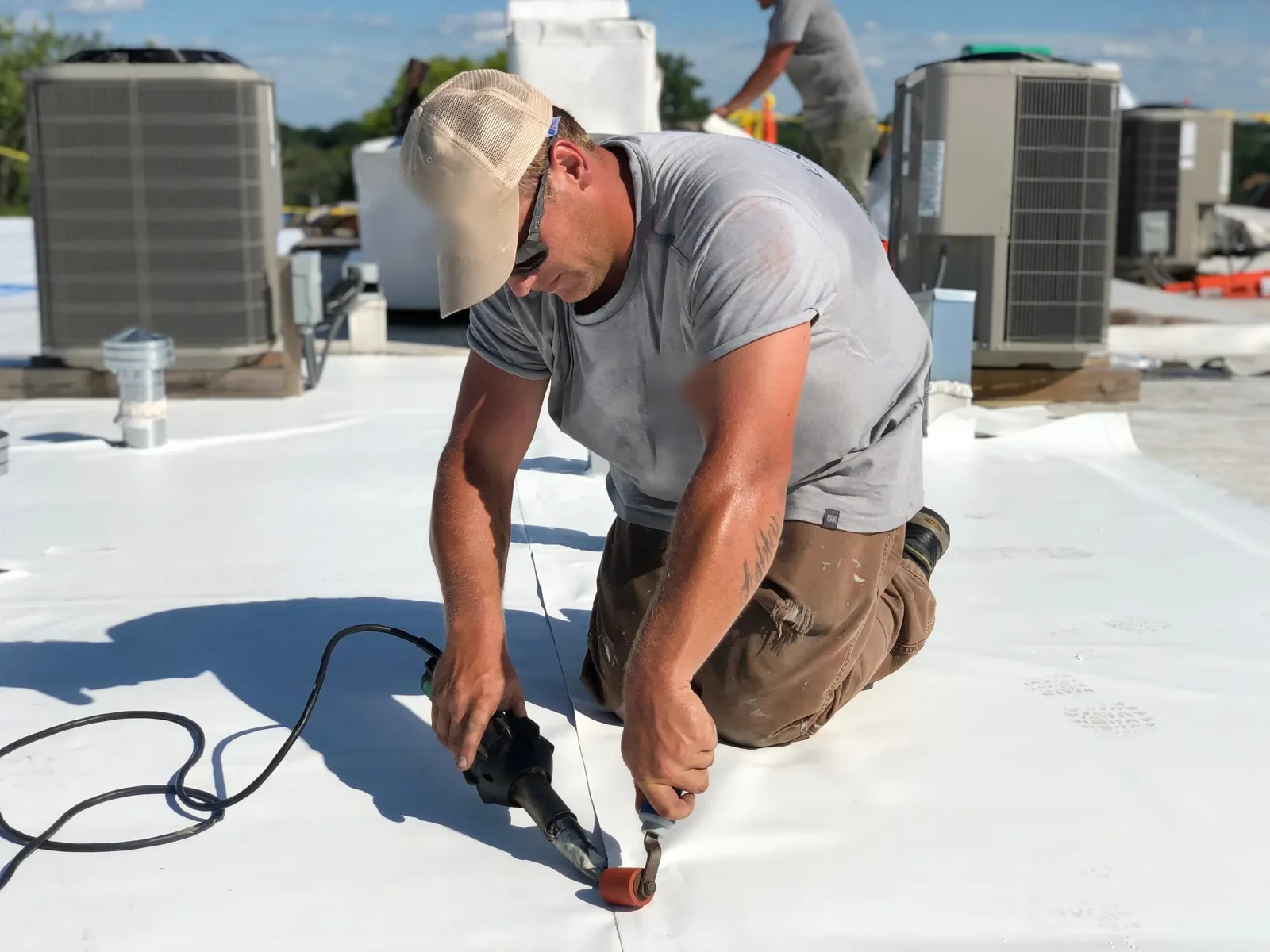
Repair commercial roof seams, flashing, drains, and punctures in Arvada with a mapped work area, photo record, and clear limits for the repair.
Infrared Moisture Survey
Use infrared roof imaging in Arvada to screen for possible trapped moisture, map follow-up locations, and confirm selected areas before repair or replacement.
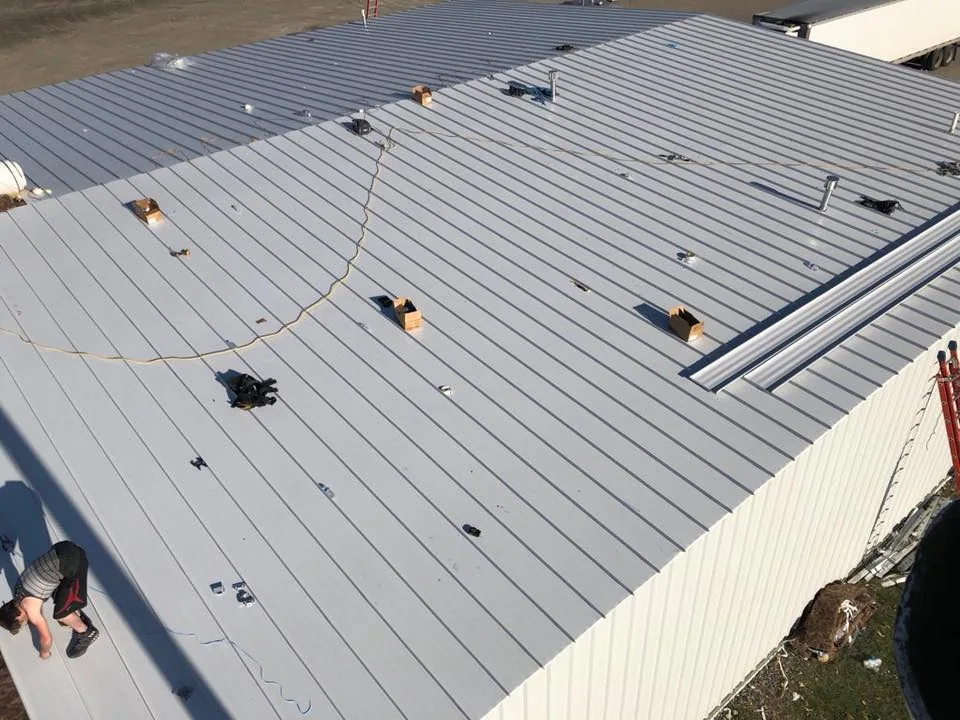
Commercial Roof Inspection
Schedule a commercial roof inspection in Arvada with a hands-on review, mapped findings, photographs, and repair or replacement priorities for your building.
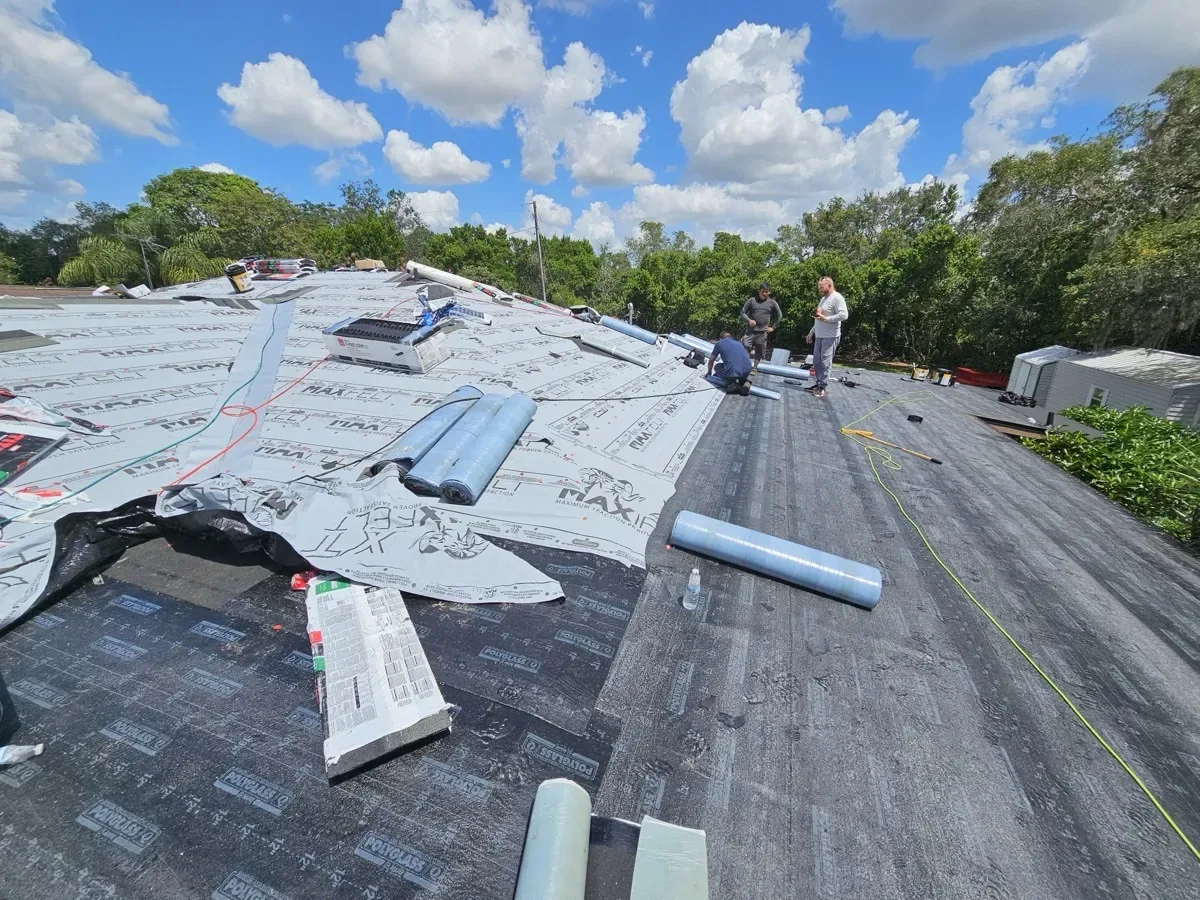
Emergency Commercial Roof Repair
Get around-the-clock emergency commercial roof repair in Arvada for active leaks, storm openings, and temporary protection while a permanent scope is prepared.
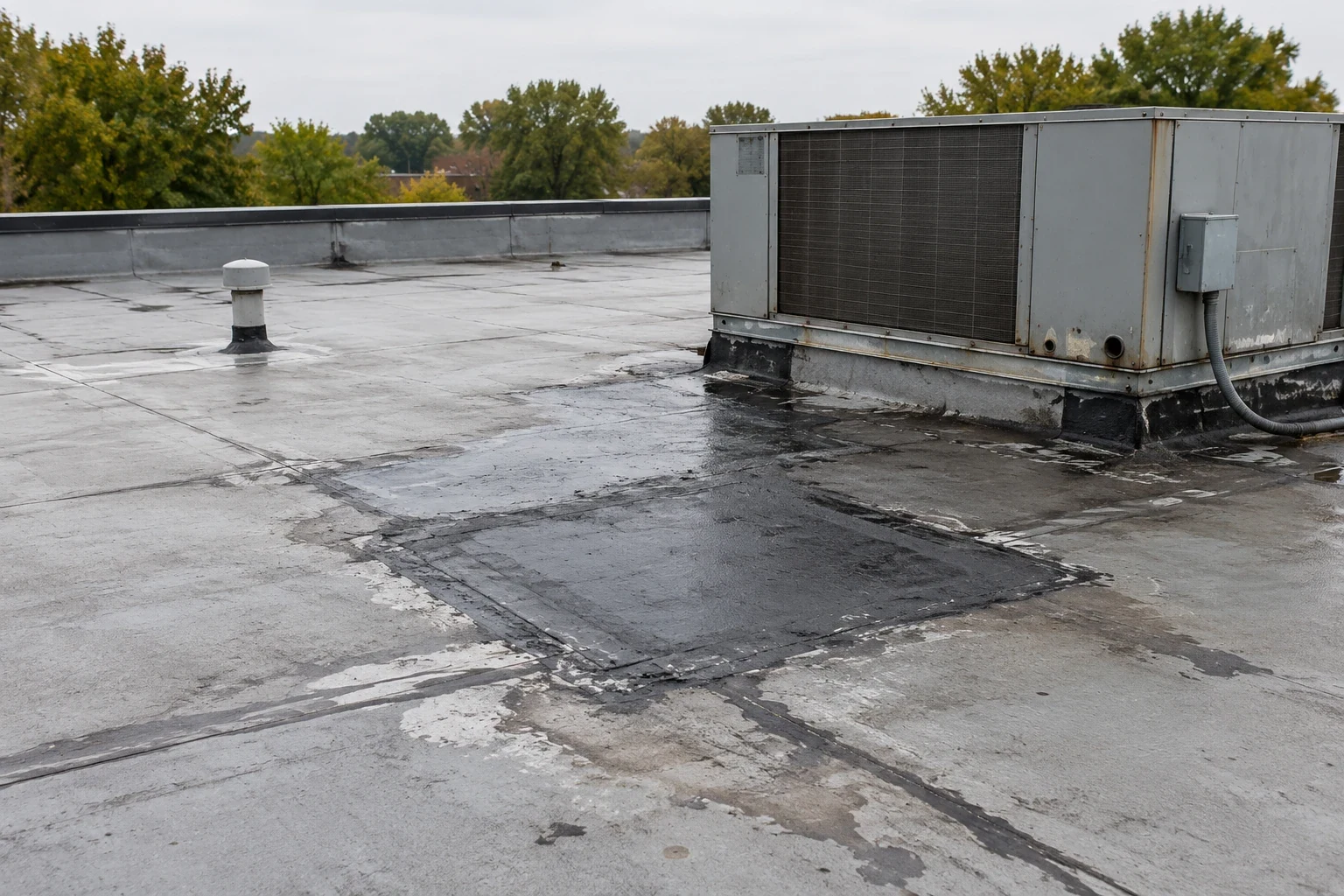
Commercial Roof Leak Repair
Trace and repair commercial roof leaks in Arvada. We map the entry point, protect active interiors, document the repair boundary, and list follow-up needs.
Serving Arvada and the west Denver metro.
Our crews work on commercial roofs across Arvada, Wheat Ridge, Lakewood, Westminster and Broomfield. Find your area below.
Arvada
Service Areas
Questions about Commercial Roof Recover
How much testing is enough before approving a recover?+
Test locations need to reflect roof conditions, not a convenient sample count. We compare the roof walk with leak history and survey results. Visible changes also guide sampling. Core cuts verify the layers at those points. The report marks each test location and unresolved area. Owners can judge whether the proposed work area has enough coverage.
Can wet insulation stay under an overlay if the leaks stopped?+
A quiet interior does not prove the roof assembly is dry. Water can remain after a leak stops. Concealed moisture can also affect attachment and performance. We test affected sections. We remove or repair failed material. Then we mark any areas that still qualify. The decision follows the roof findings, not the absence of a recent ceiling stain.
Does recover always cost less than tear-off?+
The comparison includes preparation, repairs, drainage, edge details, disposal, and access. It also depends on how much assembly qualifies. If hidden wet material or deck damage appears, the assumed scope can change. We list recover and tear-off conditions separately. We also state exclusions and approvals before work starts.
Will another roof layer affect drains or curbs?+
Added thickness can change drain elevations, flashing heights, curb clearance, and transitions. We measure those details and include the necessary adjustments in the assembly design. If code or system rules prevent correction, recover is not suitable for that section.
What if testing rules out a recover after the project begins?+
The scope should state the procedure before work starts. We identify the test or tear-off area and photograph concealed conditions. We protect the opening and submit cost and schedule changes for approval. This keeps newly found wet sections from becoming unpriced work under the original plan.
Have a question? Call us at 555-555-5555 or send us a message.
Check the existing assembly
Send the Arvada property address, roof access details, repair history, and any available plans or photos. We will inspect the proposed work area, identify test locations, and document whether recover conditions are supported.