Commercial Silicone Roof Coatings in Arvada, CO
Review silicone roof coating options in Arvada. We test adhesion, inspect seams and drains, measure surface condition, and define repair limits first.
Request a roof assessment. Tell us about the building.
Send the address and what you are seeing on the roof or inside the building. We will set a time to walk the roof and talk through the next step.
Test the existing roof before coating it
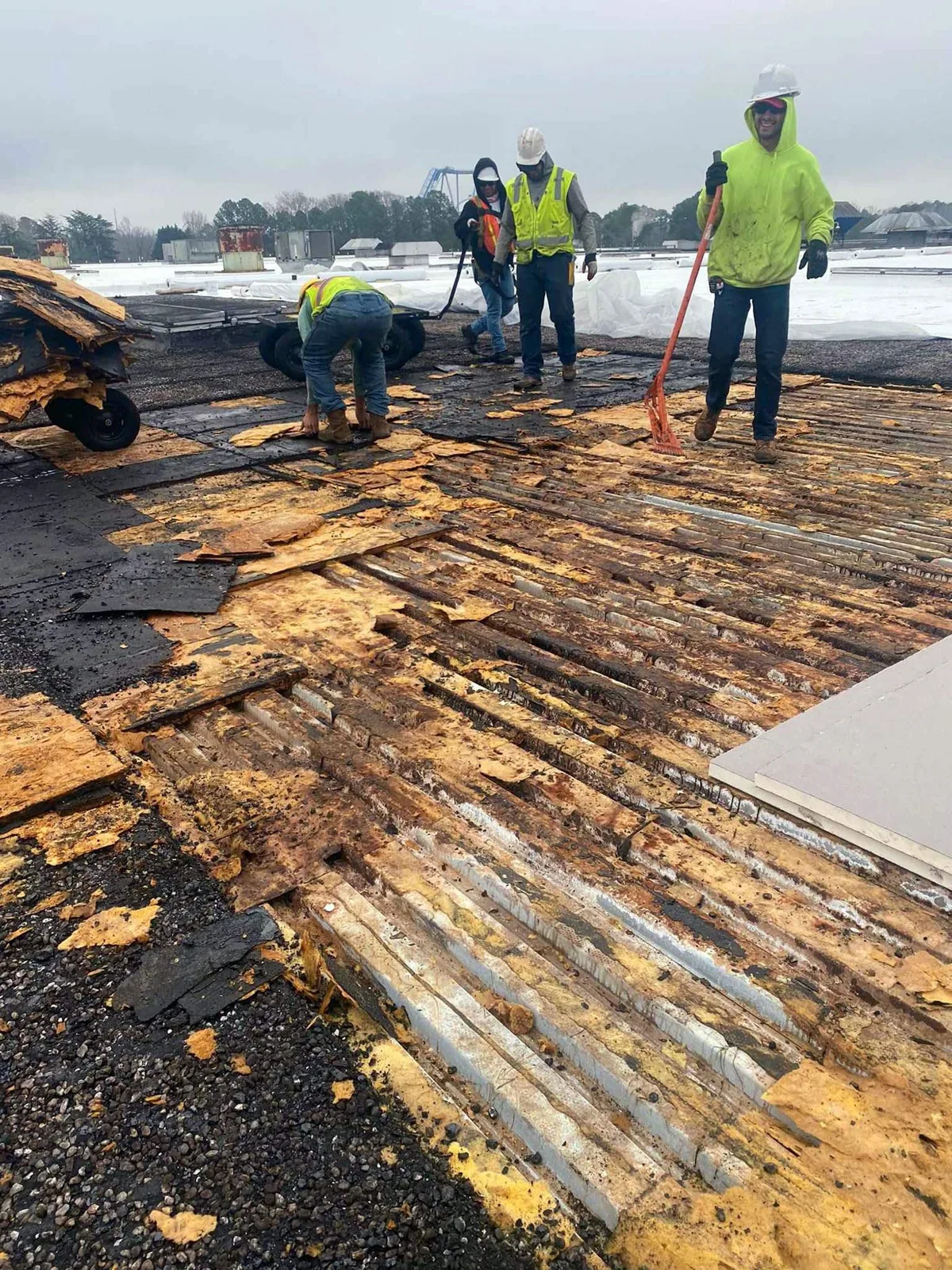
A split beside a drain tells us more than the coating color. We check adhesion, the existing roof, and how water reaches the outlet. Silicone coating can renew a suitable surface, but it will not dry wet insulation or secure loose membrane. We mark ponding, seams, penetrations, and soft areas before proposing work. If the base roof is unstable, coating is not the first repair.
Arvada saw heavy rain, hail, damaging wind, and flash flooding during the May 8, 2017 metro Denver supercell. A past event does not establish damage at an individual building. It makes inspection of seams, coating cuts, and drain paths useful after a reported storm. We compare visible conditions with repair records and interior reports. The written record shows where testing may change the scope.
Confirm the roof beneath the coating
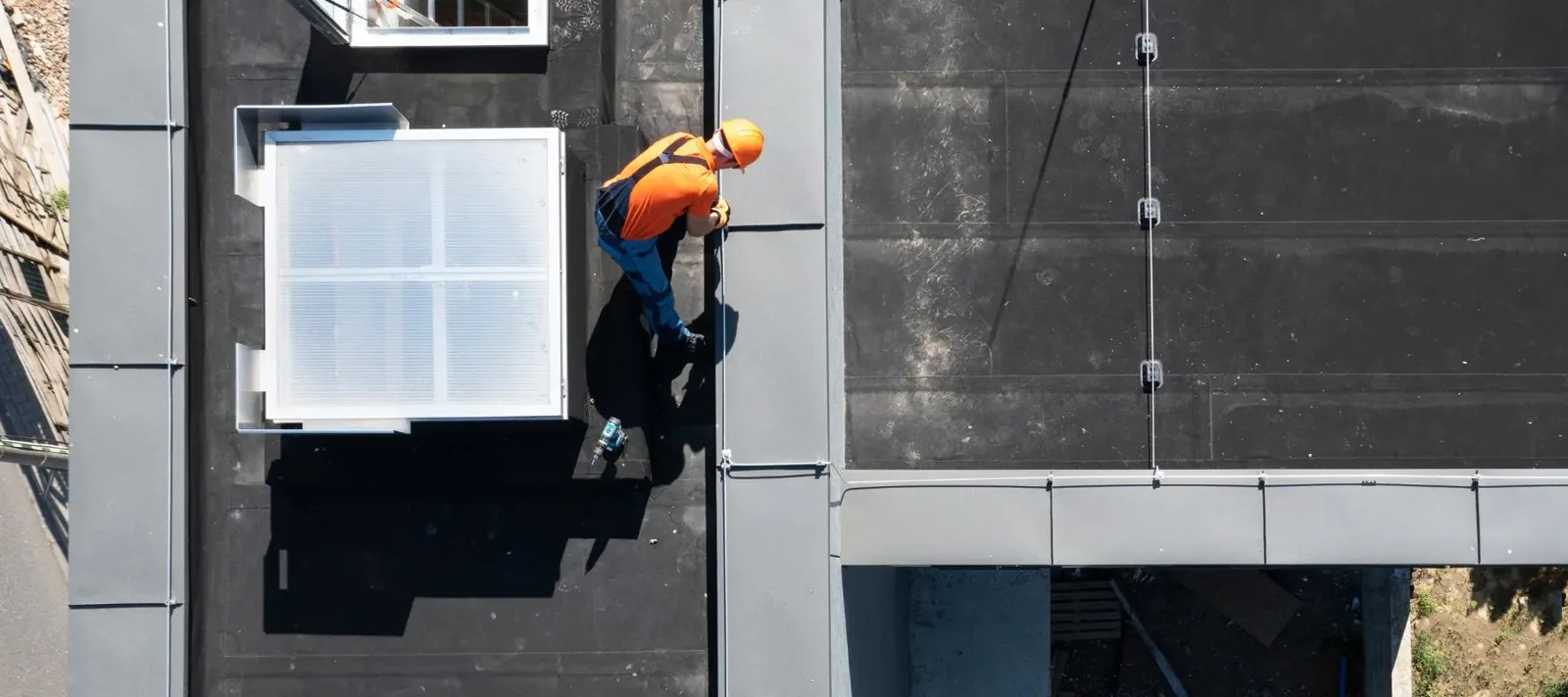
Silicone can be installed over different roof assemblies when the selected system and substrate are compatible. We identify the roof type, prior coatings, repairs, and membrane condition. Loose material, trapped moisture, or failed seams need correction before a new layer. The inspection records substrate limits and any area that needs a test opening. A coating proposal should name the preparation, not hide it in a surface allowance.
Adhesion testing checks whether the proposed product bonds to the existing roof. The test location and result belong in the project record. Surface cleaning, primer, and application rate follow the product specification. We do not infer compatibility from a visual match or a generic coating label. A restoration inspection can map the roof and identify repairs that must precede application.
Existing seam tape, asphaltic repairs, metal details, and exposed fasteners can need different treatment. We inspect curb corners, pipe boots, laps, edge metal, and previous patches. A broad coating will not fix a moving joint or open termination by itself. The scope lists each detail separately and shows where reinforcement is proposed. Photos are tied to roof zones so field changes can be tracked.
Review ponding and water movement
Silicone coating tolerates standing water better than some coating chemistries, but chronic ponding still needs investigation. We check drain bowls, scuppers, low areas, and overflow routes. Debris, settled insulation, or blocked outlets can keep water on a roof. The report distinguishes a drainage correction from a coating repair. If slope changes are needed, design and structure determine the proper approach.
Denver International Airport's 1991-2020 snowfall normal is 47 inches. This regional figure is not an Arvada roof load, though snowmelt adds another reason to check outlets and low areas. Arvada adopted updated snow provisions under its city implementation schedule in 2026. A project review must use the applicable requirements and site conditions. A drain and scupper check can isolate an outlet issue before coating is scheduled.
Coating can bridge small surface irregularities only within the product's limits. It cannot correct a soft deck, deep pond, or blocked overflow. We identify whether the proposed work includes patching, tapered insulation, drain work, or only the coating surface. A ponding-water assessment can define the water path and repair boundary. Separate quantities make the decision easier to review.
Set the application weather window
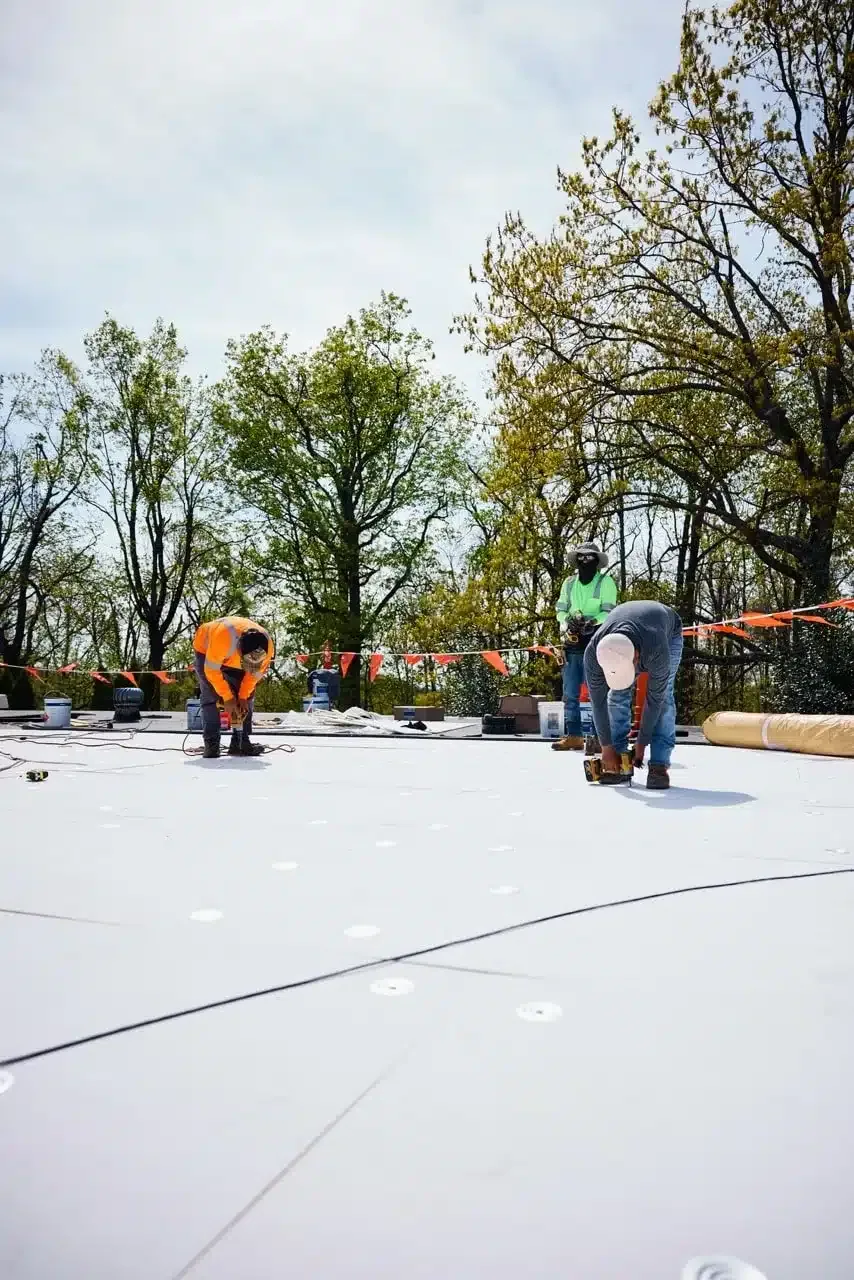
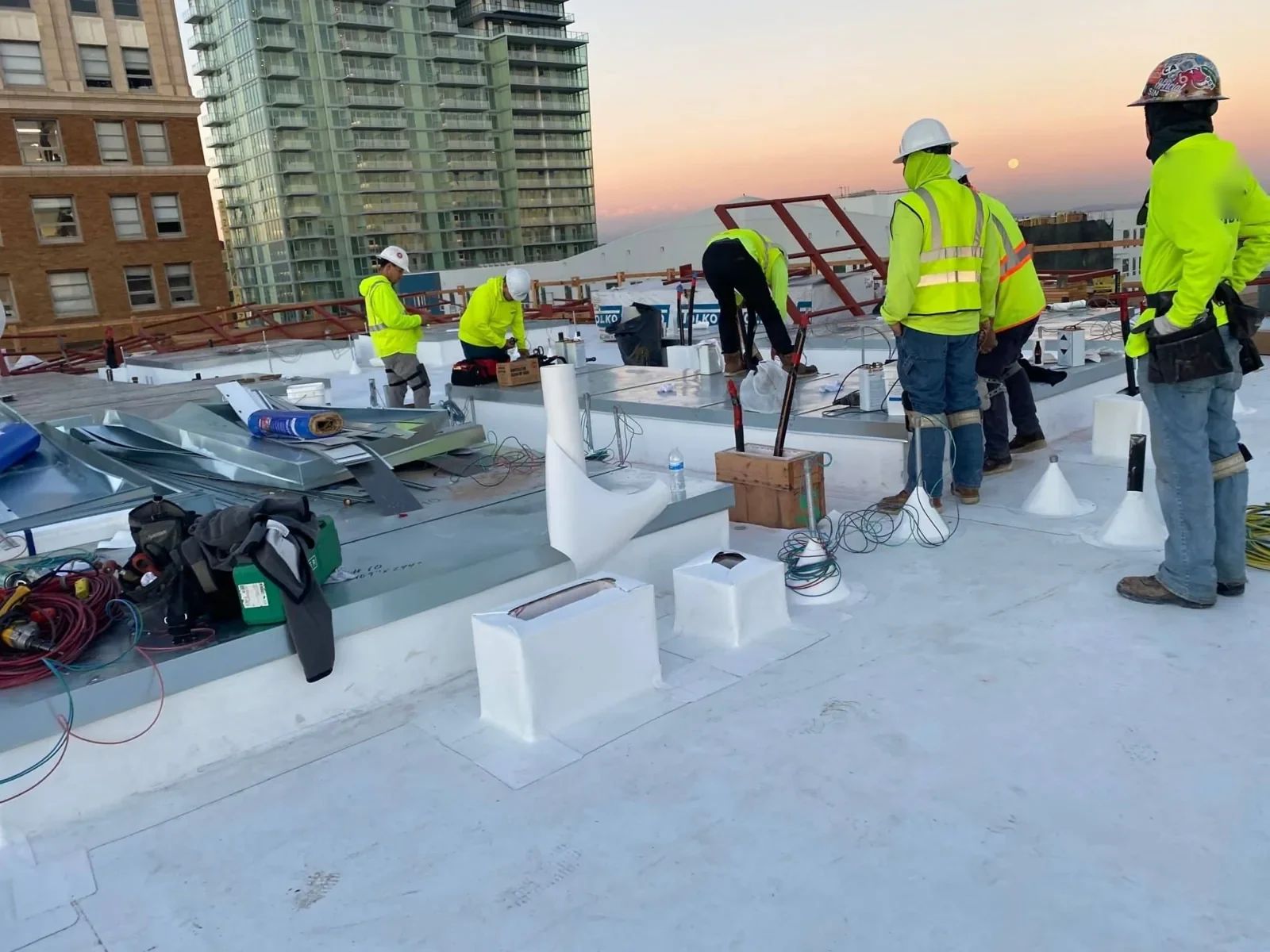
Surface temperature, moisture, wind, and forecast affect coating work. We check the manufacturer's application limits before mobilizing. Dust or dew can compromise preparation and adhesion. A clean, dry roof needs enough time for application and cure. If a weather change threatens the work, the crew protects open areas and returns when the specified conditions are met.
Arvada's west Denver location sees hail and wind events that can change roof conditions quickly. We record the forecast window and daily stopping point. Equipment intake protection, masking, and overspray controls are confirmed with the property contact. For occupied buildings, staging and ventilation deserve advance coordination. A storm inspection can document a fresh impact event before coating conceals the surface.
Application thickness is measured across the roof, not inferred from a single wet-film reading. We check coverage around seams, curbs, drains, and edge details. The closeout should identify product, lot information where supplied, application areas, test results, and conditions during installation. If the substrate changes, the crew records it before applying material. That gives future maintenance visits a reliable baseline.
Ready to talk about your roof?
Compare coating with other roof paths
A silicone restoration can fit when the existing roof is sound enough to prepare and the adhesion test passes. Repeated leaks, wet insulation, or broad membrane separation may require removal or a new assembly. We identify what remains underneath the coating and what will be repaired first. A recover review checks layers, attachment, height, and moisture when an overlay is under consideration.
Some sites may compare silicone with acrylic coating. Water exposure, substrate compatibility, traffic, and cure conditions guide that choice. An SPF assembly uses foam and a protective coating, with different inspection details. Spray foam roofing is relevant only when the building design supports that system. We compare the actual specification, not just coating names.
Price and schedule depend on cleaning, repairs, primers, reinforcement, application thickness, access, and the weather window. Drain extensions, edge work, and equipment protection may add separate tasks. The proposal identifies tested and untested zones. If an opening finds wet material, we photograph the limit and request direction before expanding removal. This keeps concealed conditions from becoming an unreviewed change.
Plan access and preserve the roof record
Olde Town Arvada includes retail, office, residential, and mixed-use buildings beside historic resources. Its design guidelines apply to alterations, additions, restoration, and redevelopment. Those rules concern the district, not a roof assembly. We confirm loading access, tenant hours, and protected walkways at each property. A visit in Olde Town still needs the exact address and roof contact. The G Line links Olde Town with Denver Union Station and Wheat Ridge, useful location context for dispatch.
Coating work can affect rooftop units, walk pads, ladders, and future service routes. We mark equipment bases and keep drain openings clear during installation. Site staff receive the affected-zone schedule and daily access instructions. If other trades need roof access, we coordinate before the coating cures. The plan notes who can approve a change in sequence.
Closeout photos show repairs, test locations, edges, and final coating coverage. Keep product data, warranty documents supplied by the manufacturer, maintenance notes, and inspection dates together. Future roof walks can check erosion, cracking, punctures, loose flashing, and new penetrations. Send the Arvada address, roof plan, repair history, leak locations, and access details. We will inspect the base roof and define the next decision.
More roof systems
Other work our crews handle on Arvada roofs. See all roof systems.
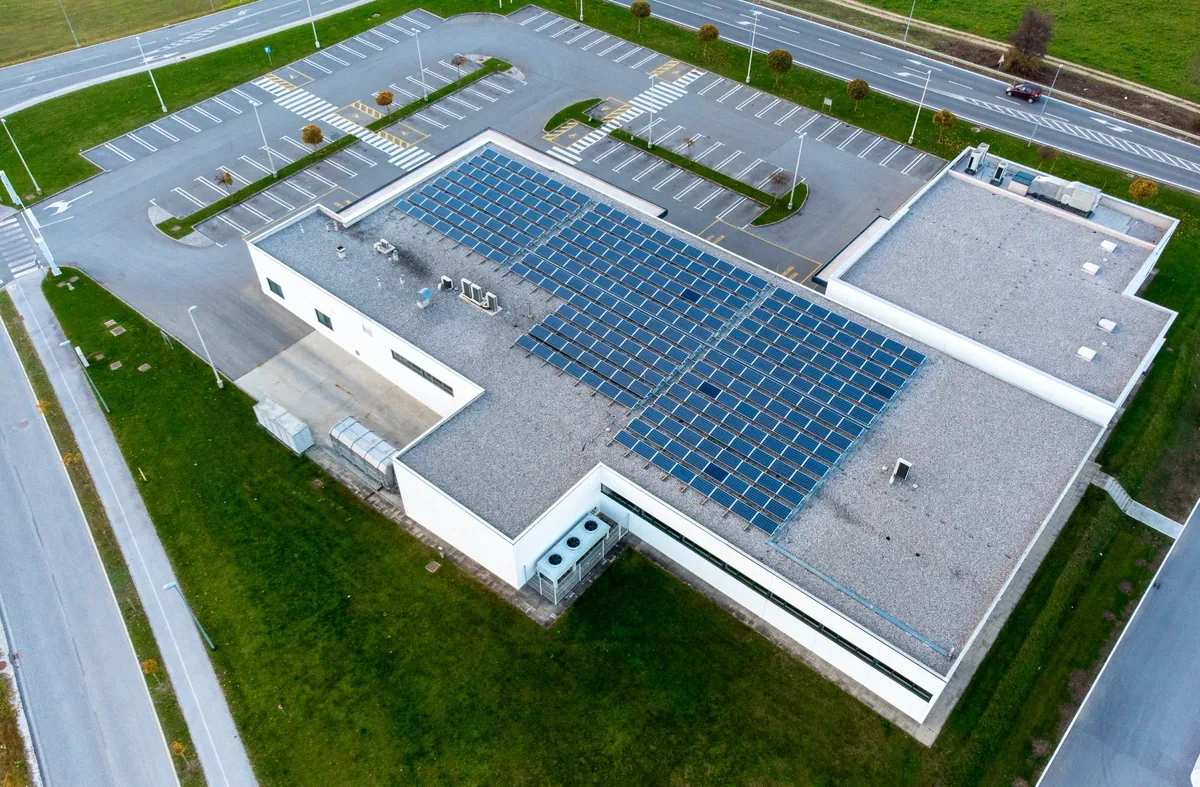
Commercial Acrylic Roof Coatings
Evaluate acrylic roof coating in Arvada. We inspect the base roof, adhesion, slope, seams, and cure conditions before setting repair and coating scope.
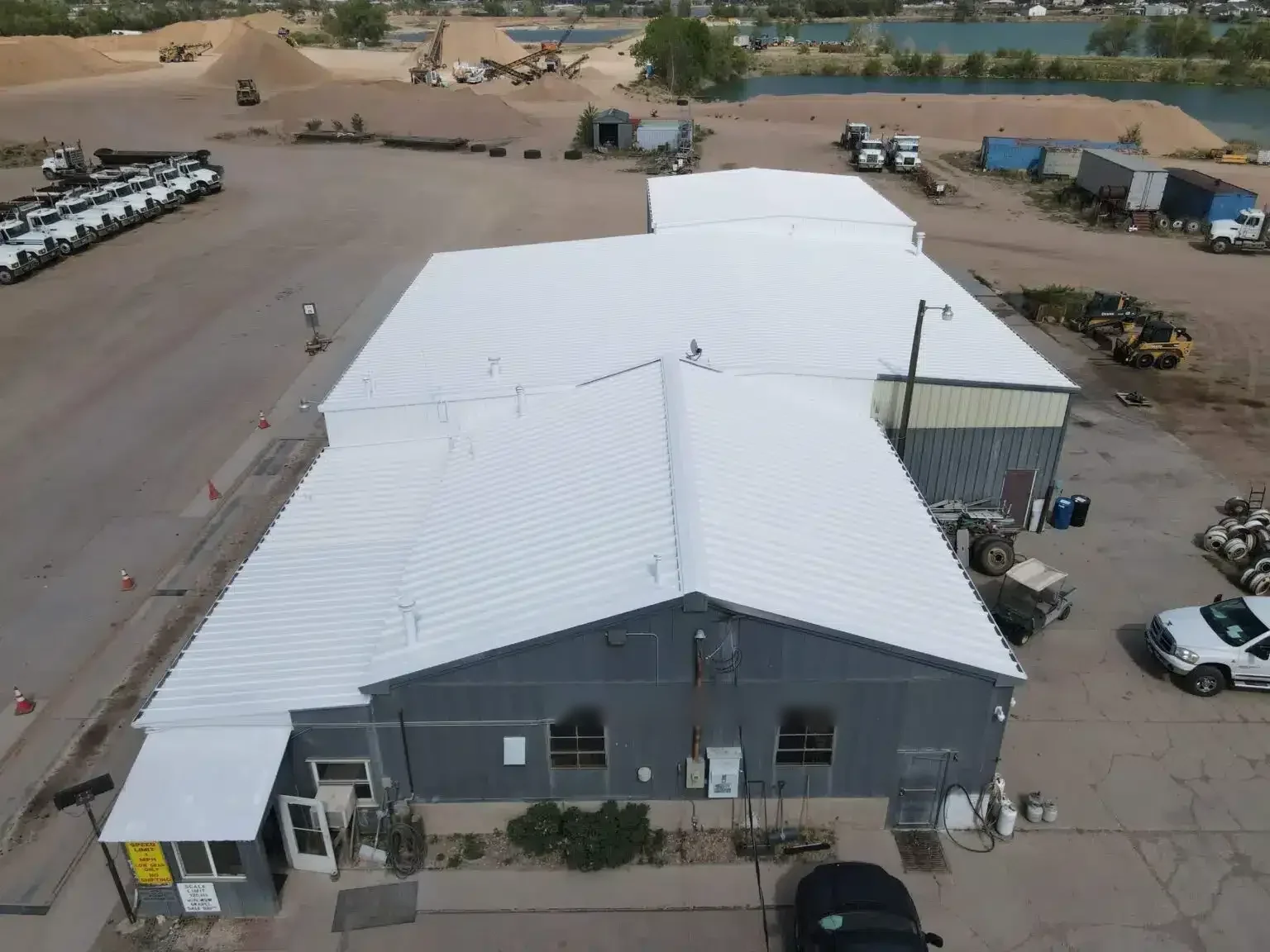
Commercial Spray Foam Roofing
Assess commercial SPF roofing in Arvada. We inspect foam adhesion, protective coating, drainage, penetrations, and moisture before recommending repairs.
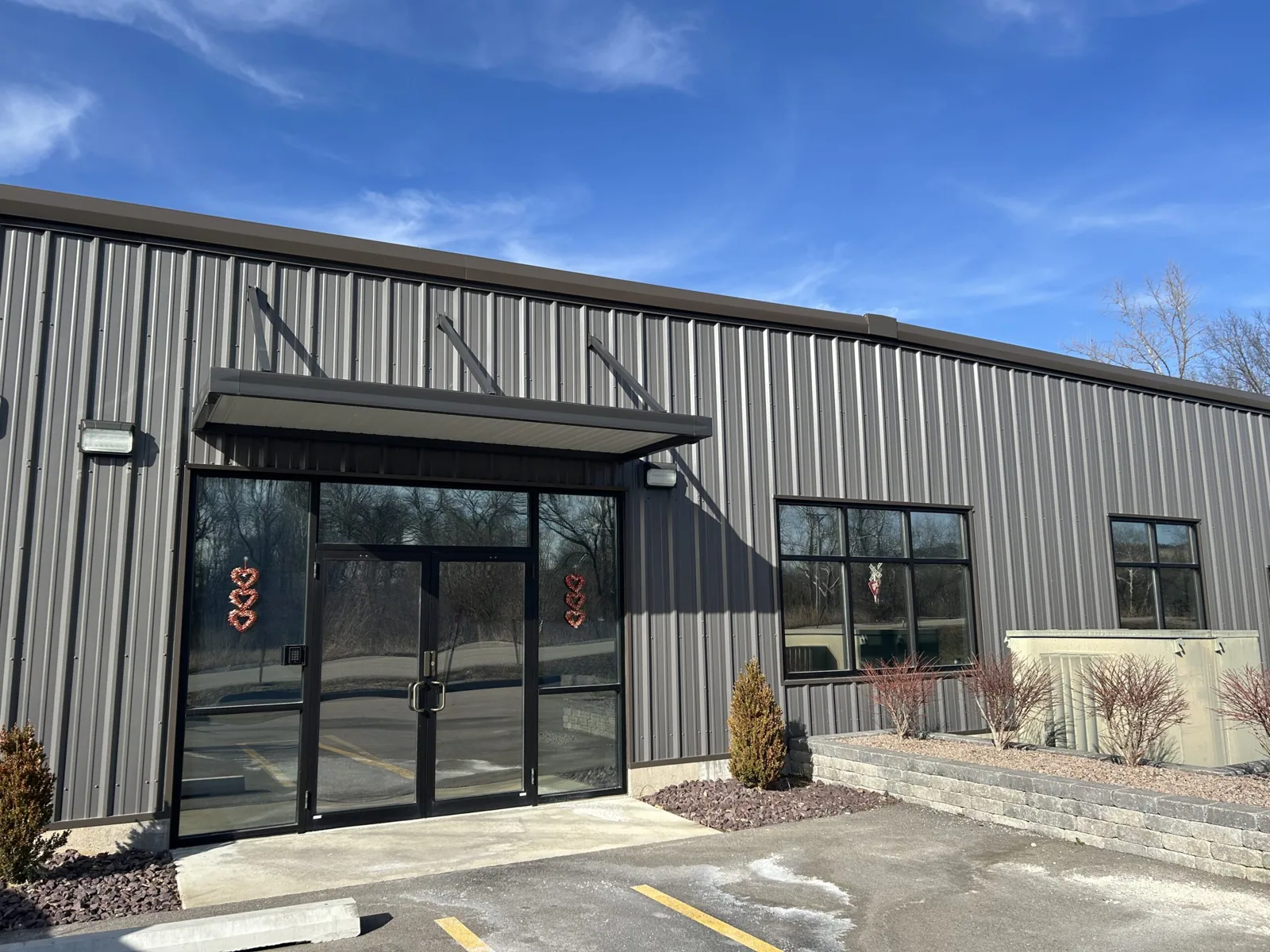
Commercial Metal Roof Retrofit
Evaluate a commercial metal roof retrofit in Arvada. We inspect panel attachment, structure, drainage, curbs, and insulation before comparing options.
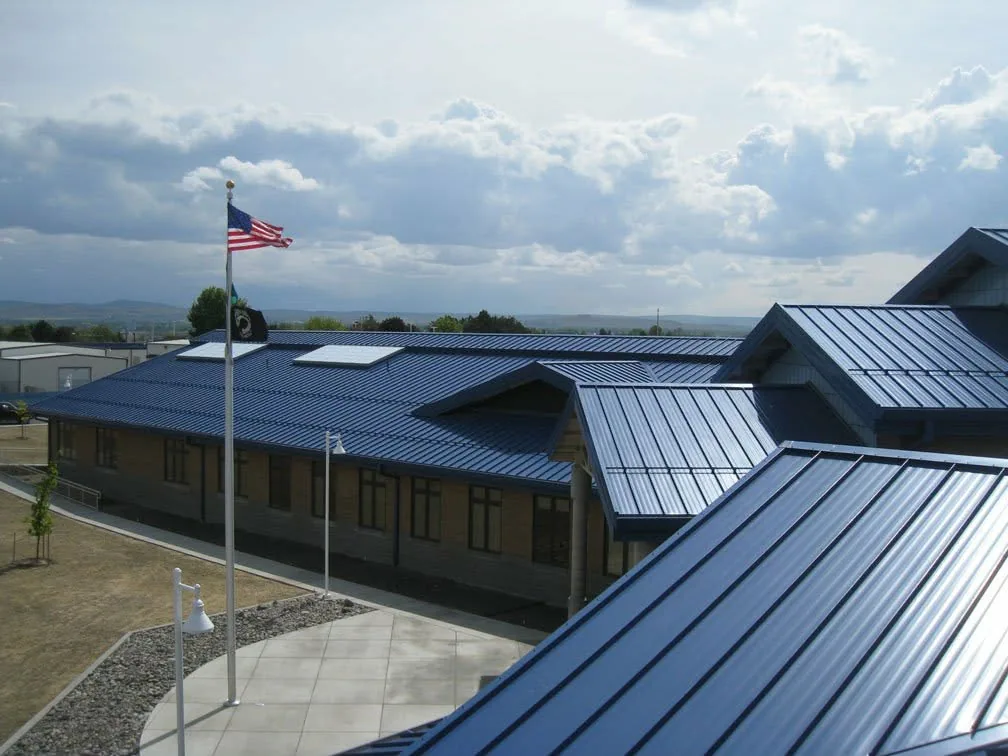
Commercial Standing Seam Metal Roofing
Inspect, repair, or replace standing seam metal roofs in Arvada. We check clips, panel movement, transitions, fasteners, and drainage before scoping work.
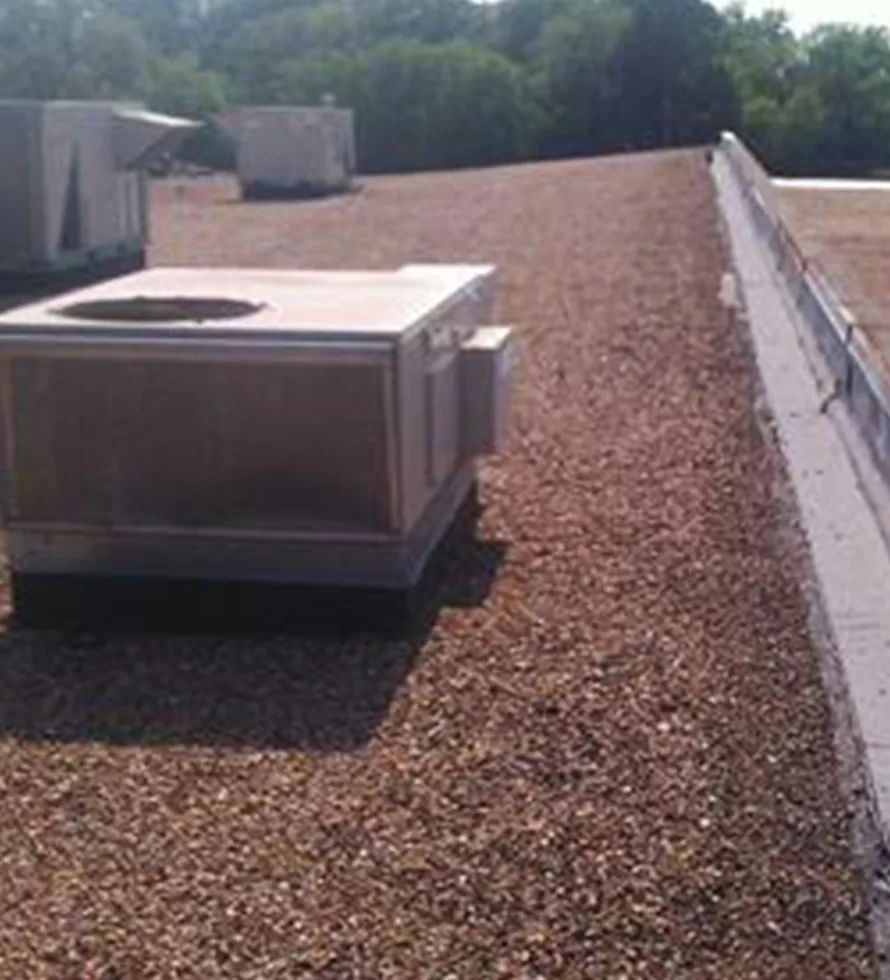
Commercial Built-Up Roofing
Inspect, repair, or replace commercial built-up roofing in Arvada. We review plies, surfacing, drains, flashing, moisture, and safe work methods.
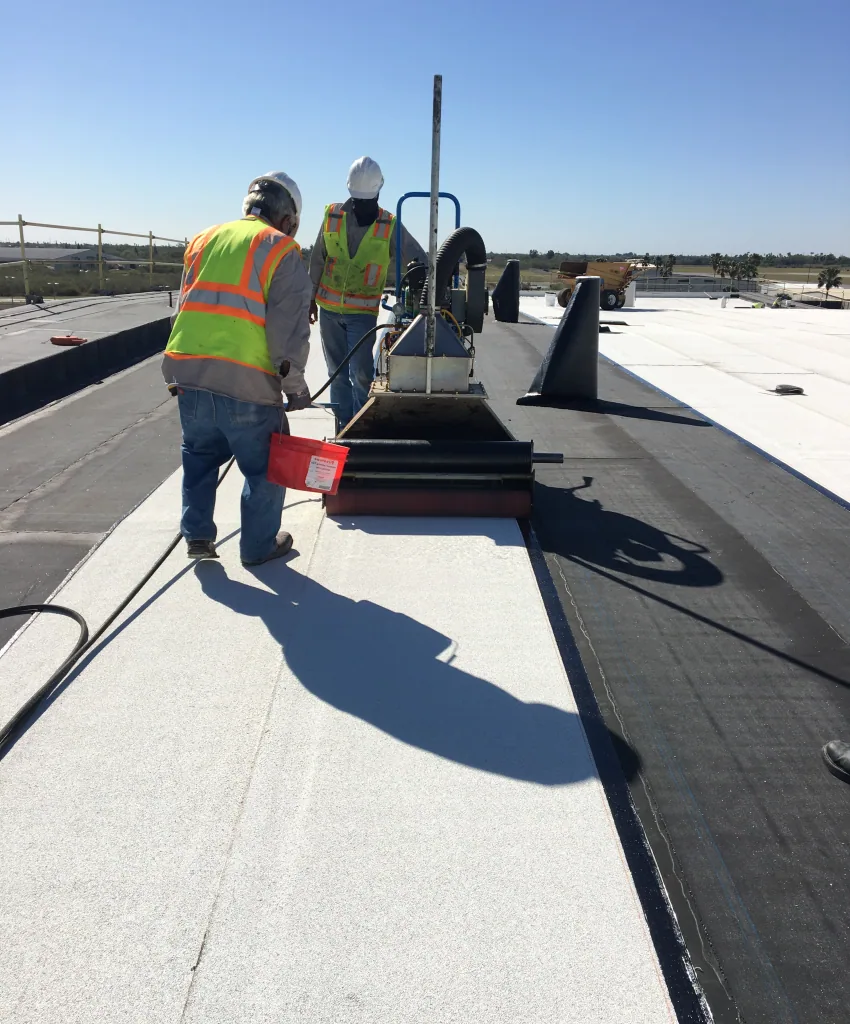
Commercial Modified Bitumen Roofing
Repair or replace commercial modified bitumen roofing in Arvada. We inspect plies, surfacing, flashings, drainage, and safe application conditions.
Serving Arvada and the west Denver metro.
Our crews work on commercial roofs across Arvada, Wheat Ridge, Lakewood, Westminster and Broomfield. Find your area below.
Arvada
Service Areas
Questions about Commercial Silicone Roof Coatings
Can silicone coating go over any commercial roof?+
First, we confirm substrate type, prior coatings, moisture, and adhesion with a test area. We identify the assembly and prepare that sample before recommending application. Loose membrane or wet insulation needs separate correction. The proposal states what preparation and repairs are included.
Will silicone fix a roof that holds water?+
Ponding depth, duration, outlet condition, and roof slope decide the work. Silicone can tolerate some standing water, but it will not clear a blocked drain or reshape a deck. We map the low areas and separate drainage corrections from surface coating.
How do you know the coating is thick enough?+
The specification sets the required application and measurement method. We check coverage in multiple roof zones, including details and transitions. Closeout records should show the product, readings, repair areas, and application conditions. A single sample does not represent every location.
Can coating be applied before the next storm?+
The roof must be clean, dry, and within the product's temperature and cure limits. We review the forecast and set a stopping point for each shift. If active water entry continues, temporary protection may be needed until permanent coating conditions are safe.
Have a question? Call us at 555-555-5555 or send us a message.
Test the existing roof before coating it
Send the Arvada address, roof records, prior coating information, leak locations, and access rules. We will inspect adhesion, drainage, seams, and repair needs before setting the application plan.