Commercial Roofing for Property Managers in Arvada, CO
Coordinate commercial roof repairs across Arvada properties with clear inspections, work boundaries, and phased budgets. Track each building separately.
Request a roof assessment. Tell us about the building.
Send the address and what you are seeing on the roof or inside the building. We will set a time to walk the roof and talk through the next step.
Start with the property list and active issues
A portfolio leak report is useful only when it names the building and roof zone. We start with the reported room, compare it with drains, seams, curbs, and roof edges, then record what can be confirmed. If water is active, temporary protection comes first. Each property gets its own map, photo record, and next decision.
Arvada property managers may oversee retail at Ralston Fields, mixed-use buildings near Olde Town, or agency space at the Denver Federal Center in Lakewood. These properties carry different access, tenant, and operating needs. A common report format can help, but the inspection and recommendation must follow the actual roof.
Sort urgent reports from planned work
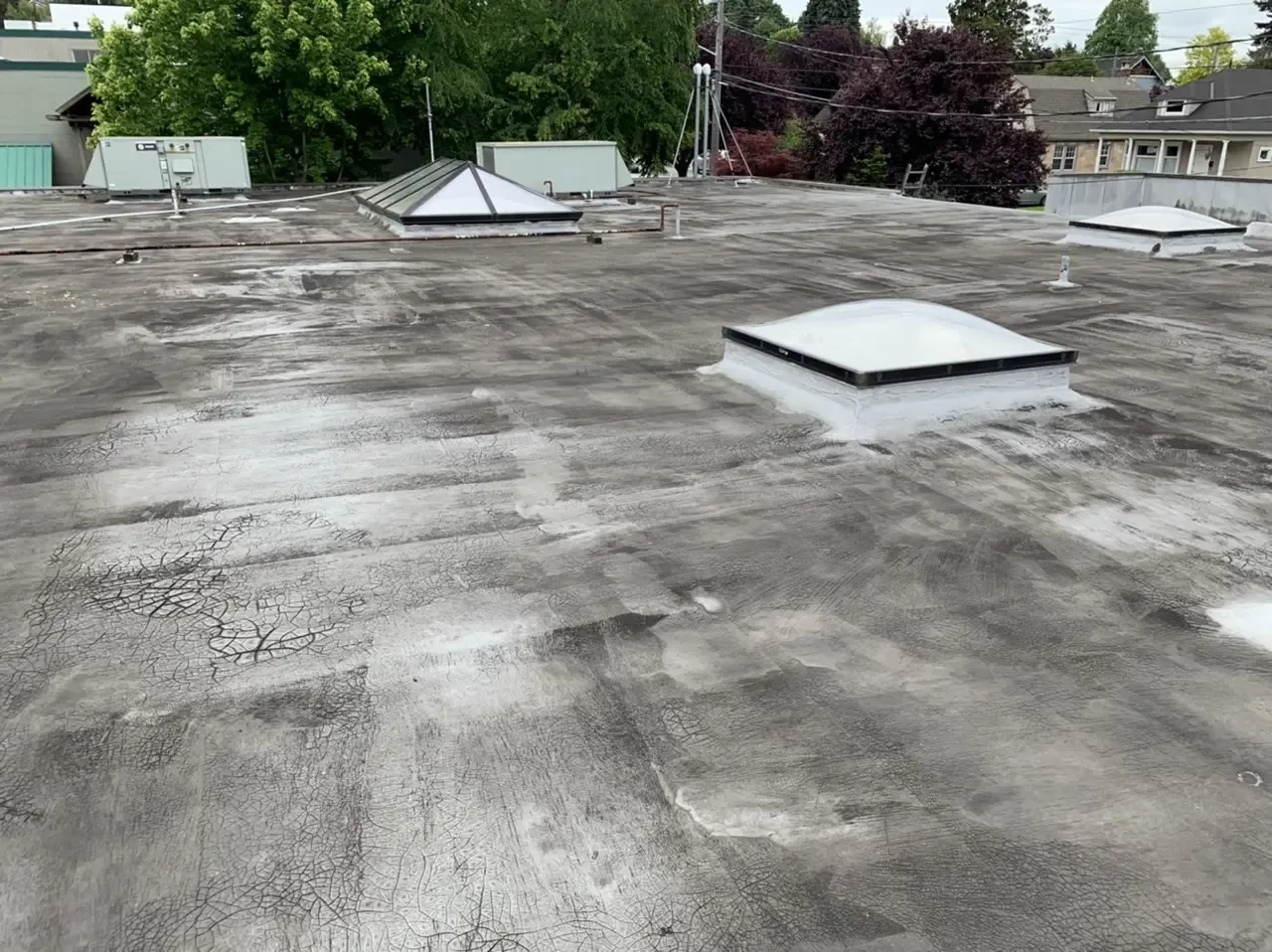
Start with safety, active water, exposed interiors, and vulnerable equipment. A report that says “roof leak” needs a date, room, building, and current status before crews are assigned. We log each issue by address and section. Multiple reports from one storm can then be compared without treating them as a single roof failure.
Budget conversations also need a consistent condition scale. A roof with a documented repair boundary is different from a system that needs moisture testing before pricing. We can show both the immediate exposure and the uncertainty that remains. The manager can then brief ownership without collapsing inspection findings, estimates, and capital timing into one number.
Property managers need a clear split between temporary protection, confirmed repair, and further investigation. The inspection names visible conditions and concealed questions. A photo-based condition record can show where a seam, curb, drain, or edge detail was checked. The asset owner can review the evidence before committing to a broader scope.
Arvada adopted updated building codes on a 2026 city schedule, including revisions affecting wind, seismic, and snow criteria. That change does not dictate every repair. Permit path depends on project scope and timing. For a capital project, confirm applicability with the city and design team before setting documents or sequence.
Keep each asset's roof identity intact
A property list may group buildings by owner, but the roof record should not. Label system, section, drain pattern, equipment, access route, prior patches, and reported interior issues. One shopping center can have different roof areas or additions. A site inspection confirms the assembly and condition before a maintenance plan is applied.
Near New Town, Wadsworth Boulevard and its bypass run between the G Line and Interstate 70, with Arvada Marketplace on 52nd Avenue. That corridor mixes travel and retail activity. When a repair affects customer routes or deliveries, managers need the staging footprint and work hours in the scope, not only the roof detail.
For mixed uses, connect each roof section to the tenants and spaces below. Mark HVAC shutdown needs, kitchen exhaust, loading times, and any sensitive interior. A shopping center roof plan may need distinct work zones. investor reporting also needs condition notes tied to individual assets. Multifamily roof repairs require access and notice plans for occupied units.
Build a repair queue from observed conditions
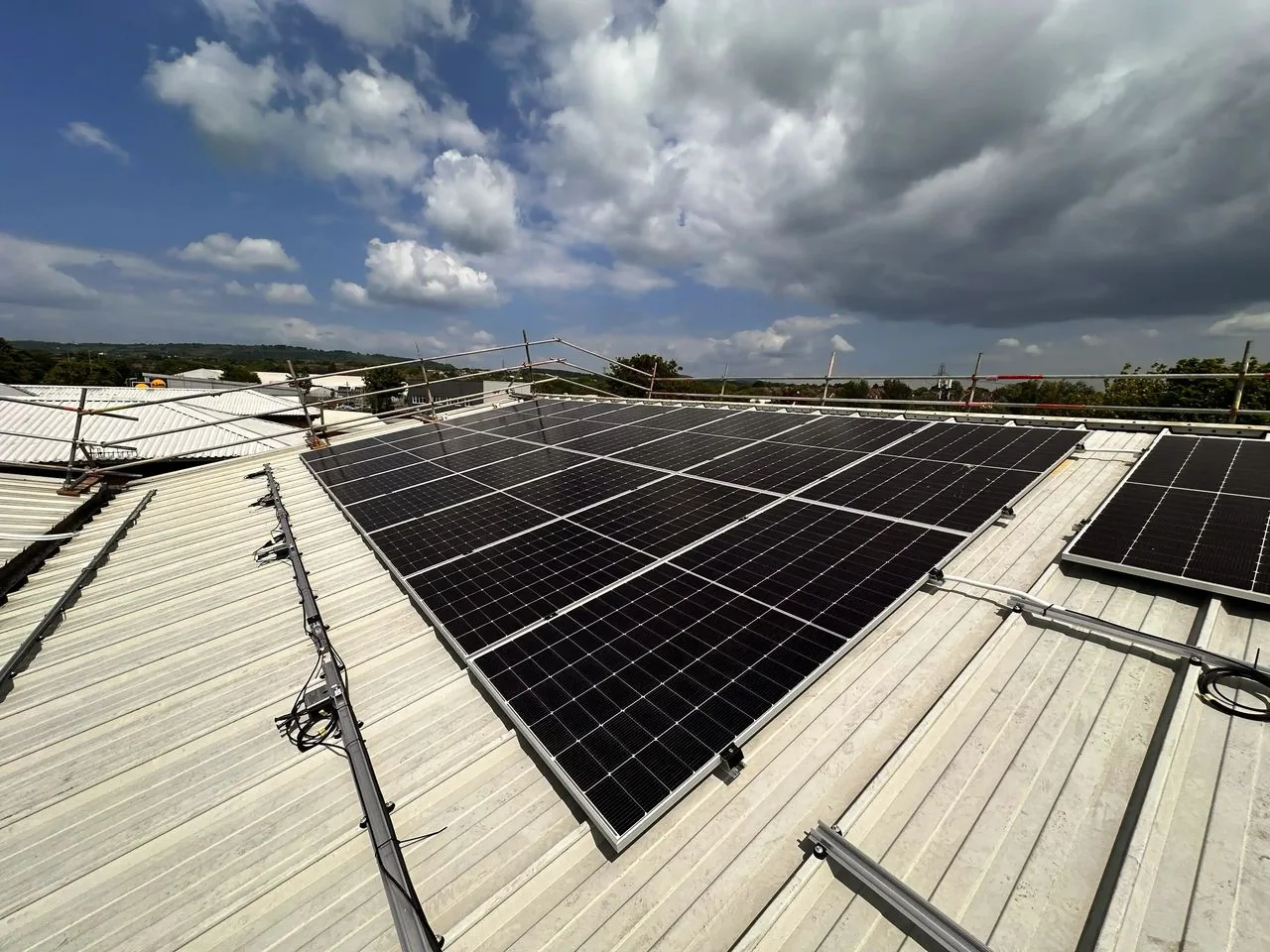
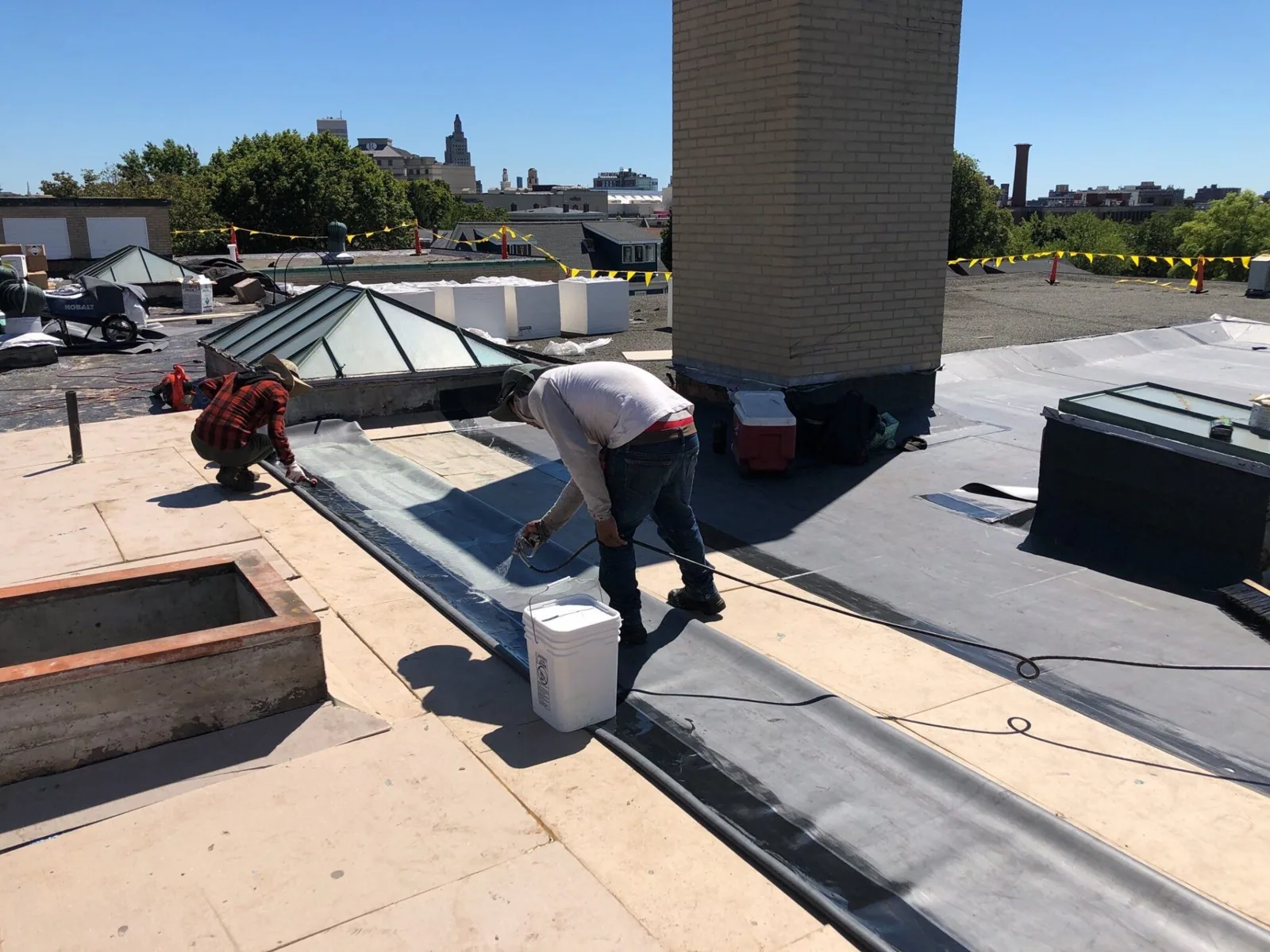
Use condition and consequence to order work. Active entry, loose edge metal, blocked drainage, and widespread moisture do not share one priority. We mark urgency, scope confidence, and any testing needed. A roof capital plan can separate immediate stabilization from near-term repair and longer-range replacement.
Cost drivers include system, roof access, material removal, wet insulation, substrate repair, staging, and weather. For several buildings, show each location and cost driver independently before considering a combined mobilization. A phased schedule should also identify inspection holds, tenant notices, and which areas remain open between shifts.
If a recover is being considered, record existing layers, drainage, attachment, edge height, and structural limits first. If replacement is warranted, define the removal boundary and temporary cover plan. A recover assessment and a replacement scope answer different questions; neither should be selected from age alone. For a portfolio construction project, general contractor coordination can clarify roof interfaces and handoffs.
Ready to talk about your roof?
Tie storm records to current building evidence
Hail, damaging winds, heavy rain, and flash flooding affected Arvada and western suburbs during the May 2017 metro Denver supercell. Treat it as regional history, then inspect each current asset on its own evidence. A historic storm record helps organize a current inspection, but it does not prove damage to a property. Capture each new storm date, roof section, tenant report, and visible impact in the same file.
For an active leak, a leak-path review compares interior symptoms with roof conditions. Keep tenant communication factual: which area is protected, what access is required, and when the next update is expected. Do not promise a permanent repair date until the assembly, material, and weather window are known.
Olde Town combines commercial and residential uses with designated historic resources. Alterations there can also require a Certificate of Compliance under district design guidelines. A roof scope should flag that review before selecting visible edge details or changing the exterior. Property managers can prevent schedule churn by identifying review steps early.
Keep reporting consistent across the portfolio
A useful handoff shows building, roof section, finding, photo, temporary action, and unresolved question. Managers can compare inspections over time without assuming every roof shares a material or failure. Keep changes, approvals, and completed work attached to the correct property record. A multi-property roof program can coordinate reporting while preserving building-level decisions.
Send property addresses, roof plans, access contacts, known leak locations, storm dates, and available service records. A property near Ralston Fields can then be routed with its tenant and staging constraints. We will prioritize active conditions and return a property-by-property inspection record. Emergency protection is available around the clock when water threatens occupied space. The next capital choice stays tied to observed scope.
More industries we serve
Other work our crews handle on Arvada roofs. See all industries we serve.
Real Estate Investors
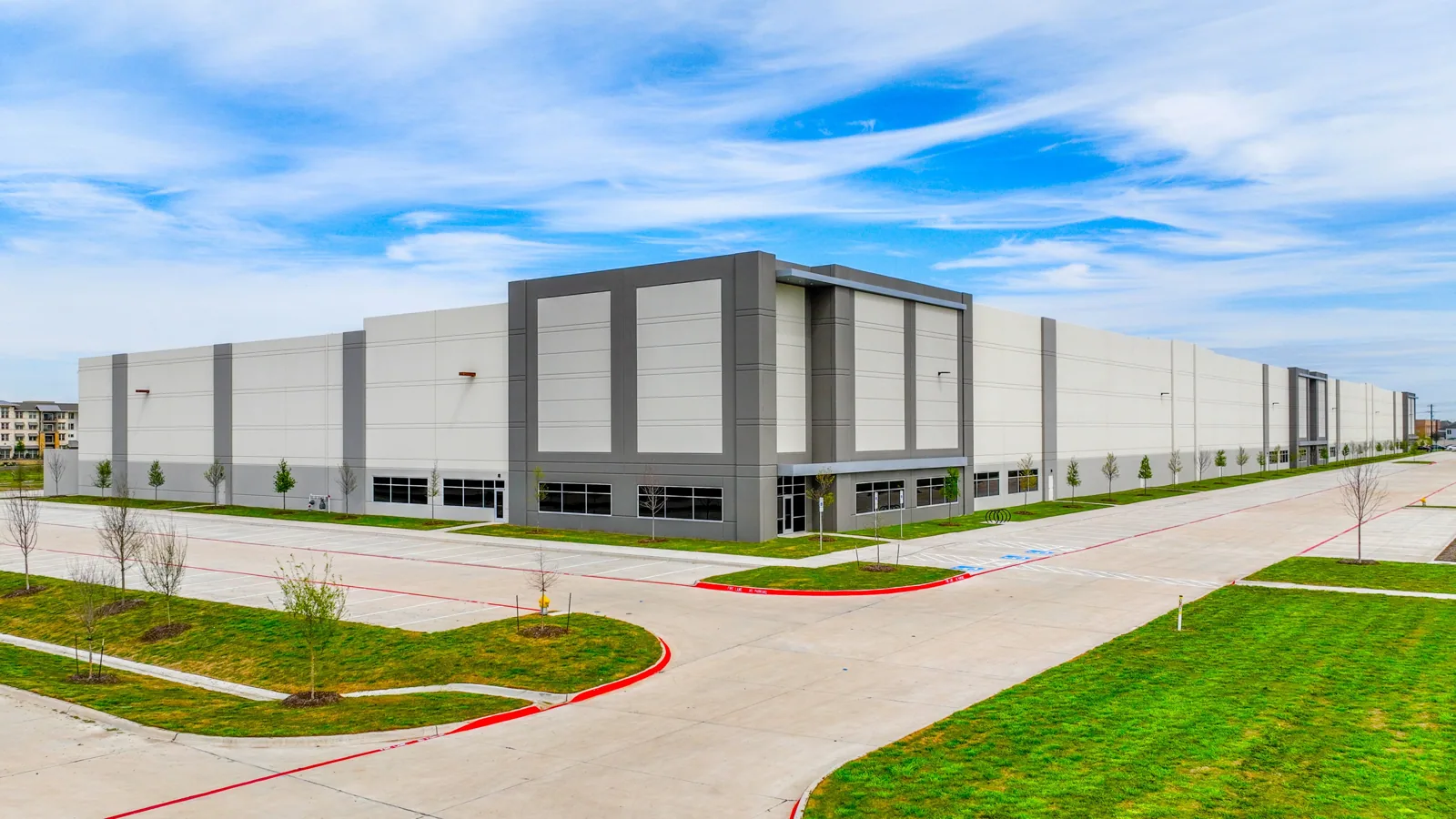
Evaluate Arvada investment roofs with mapped conditions, repair options, and building-level records. Plan capital work around tenants and operations.
General Contractors
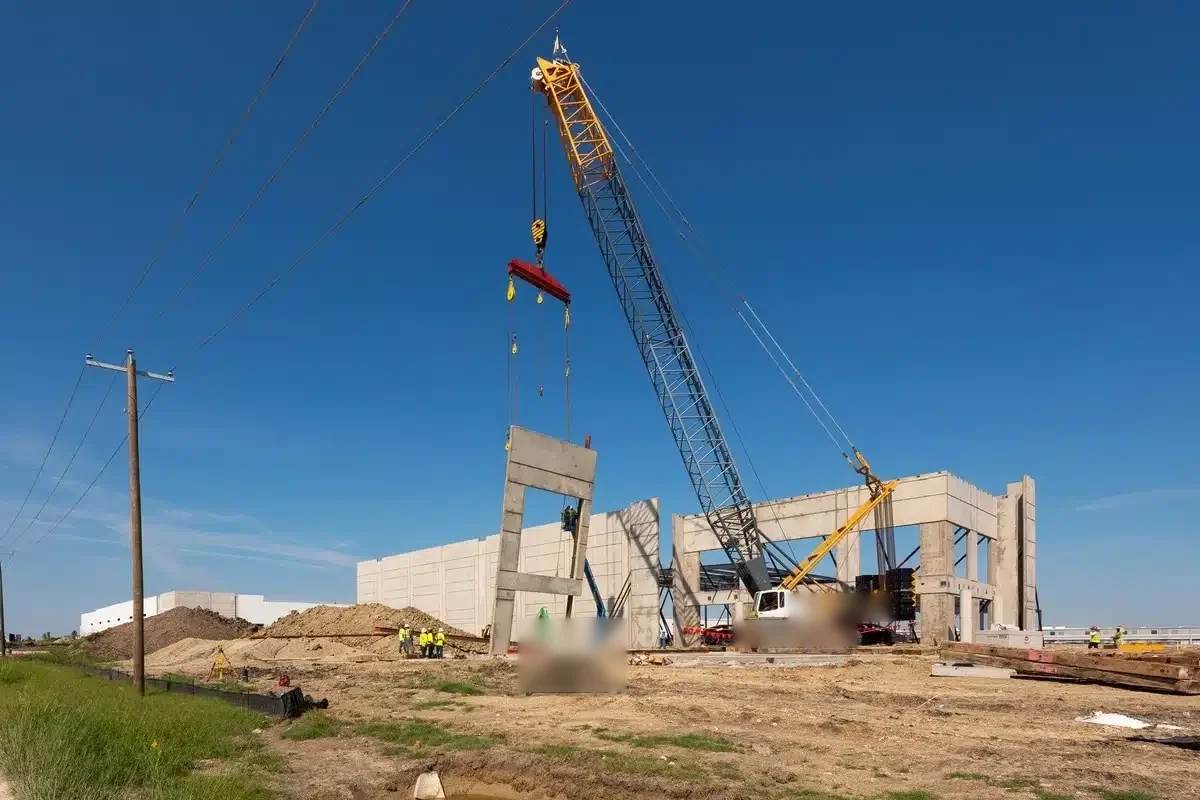
Coordinate commercial roofing near Arvada with clear interfaces, submittals, access, and field-change records. Align the sequence with the master schedule.
Healthcare Systems
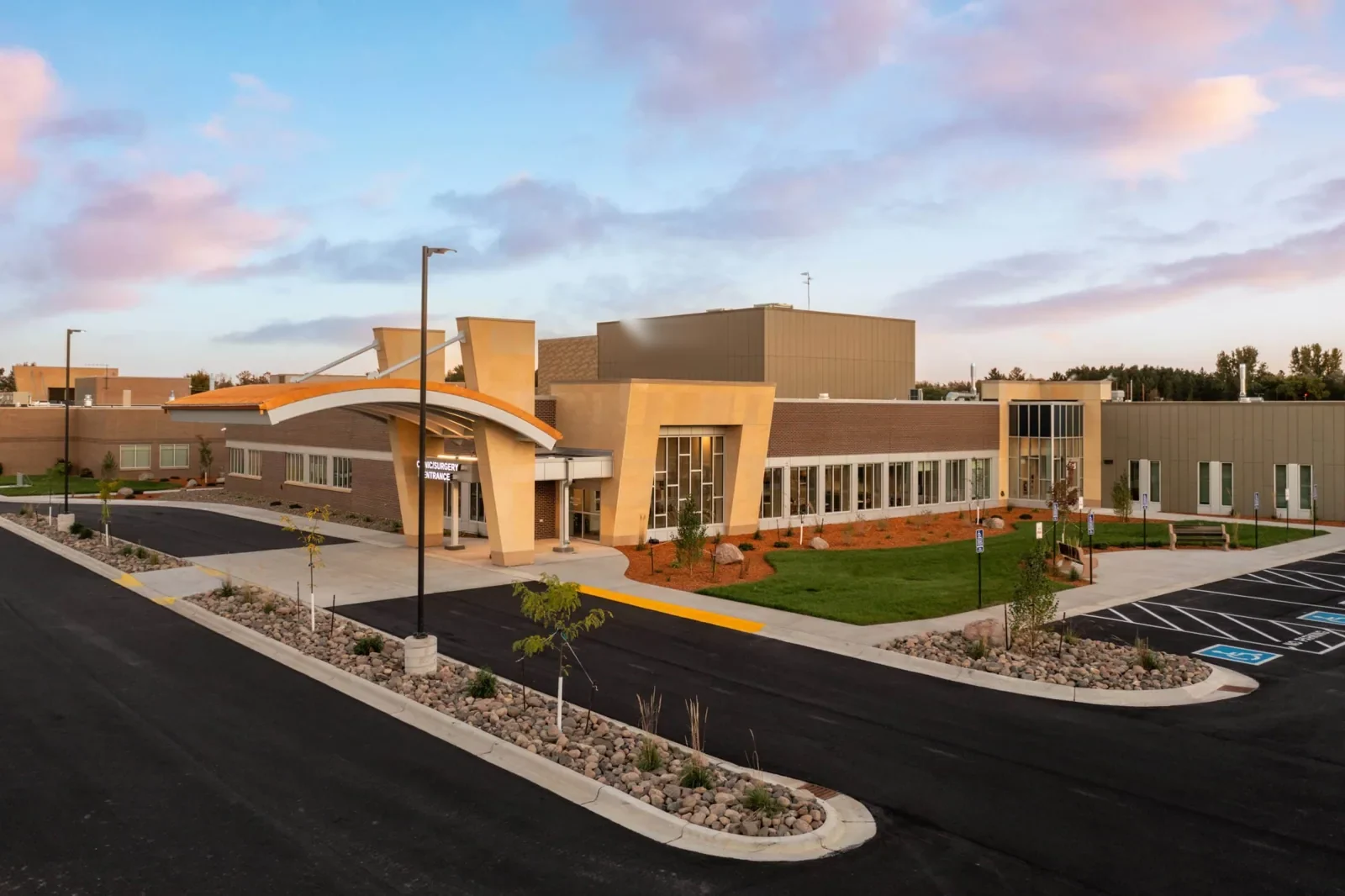
Plan healthcare roof work near Arvada around patient access, care schedules, equipment, and documented work zones. Coordinate each facility separately.
Manufacturers
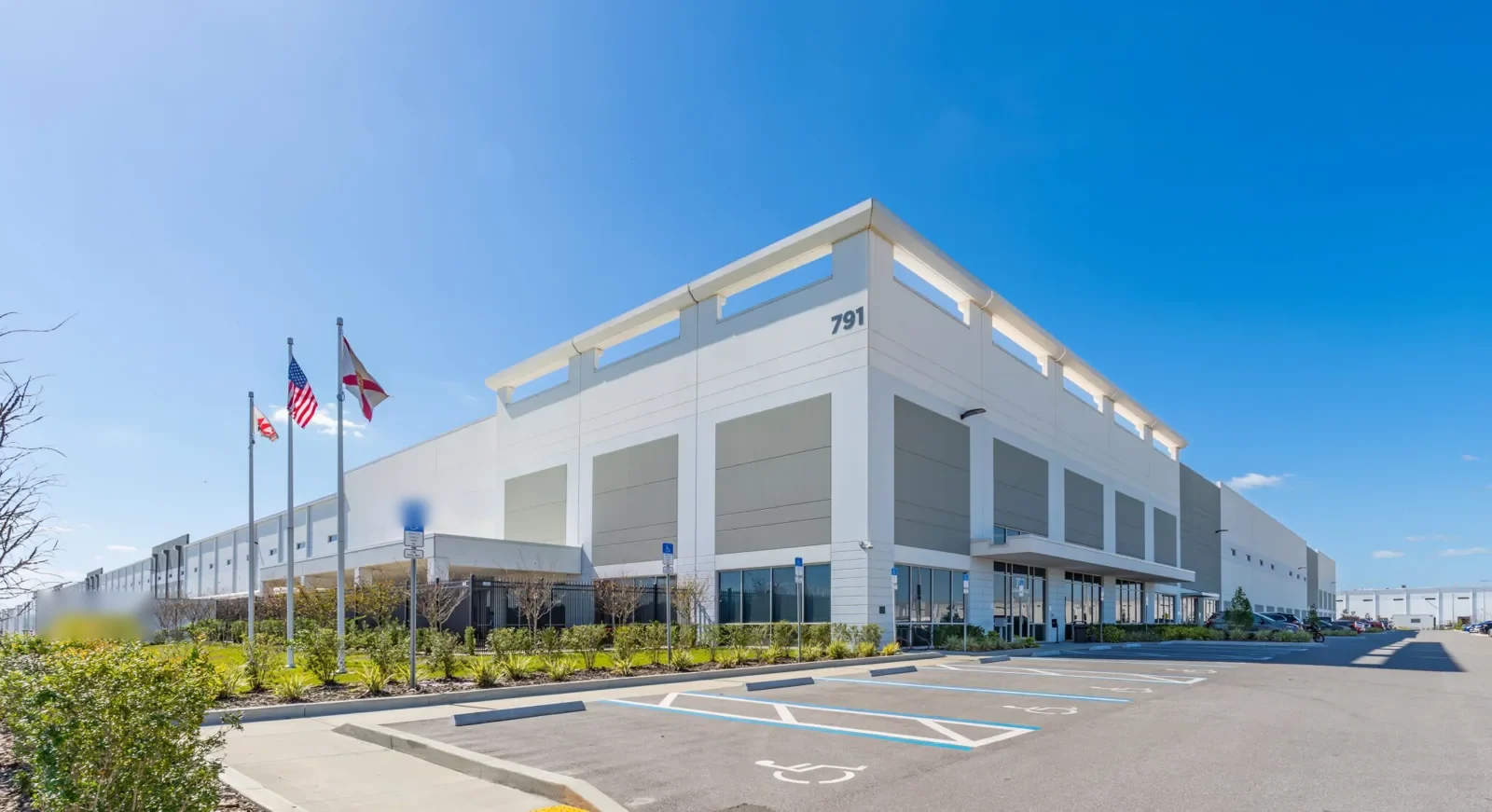
Plan manufacturing roof work near Arvada around production windows, equipment, and documented repair boundaries. Inspect each building before scheduling.
Logistics and 3PL Facilities
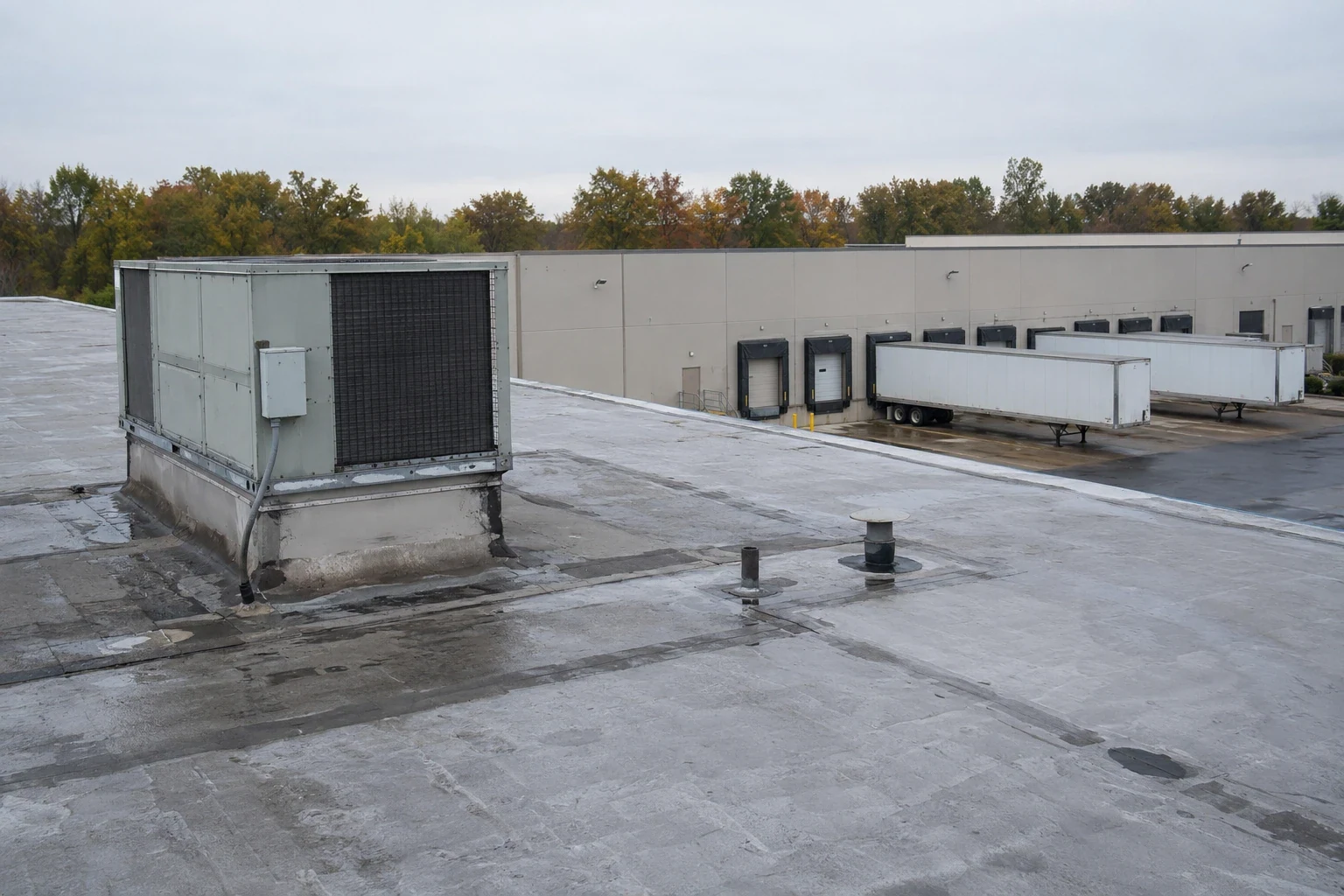
Plan warehouse and distribution roof work near Arvada around dock activity, inventory protection, and dispatch schedules. Map each repair zone before staging.
School Districts
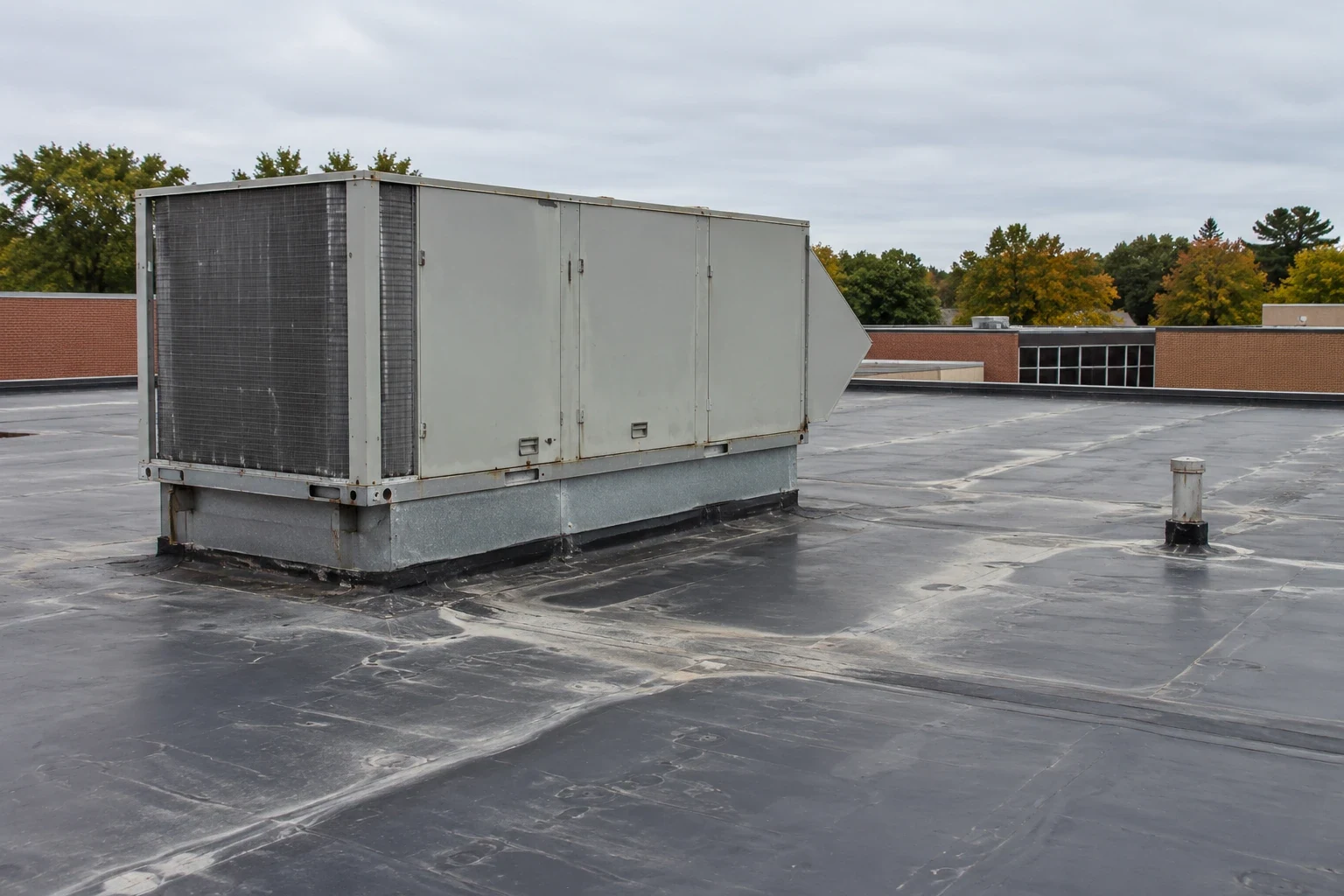
Plan school roof inspections and repairs near Arvada around calendars, student safety, and campus access. Document each building and work zone separately.
Serving Arvada and the west Denver metro.
Our crews work on commercial roofs across Arvada, Wheat Ridge, Lakewood, Westminster and Broomfield. Find your area below.
Arvada
Service Areas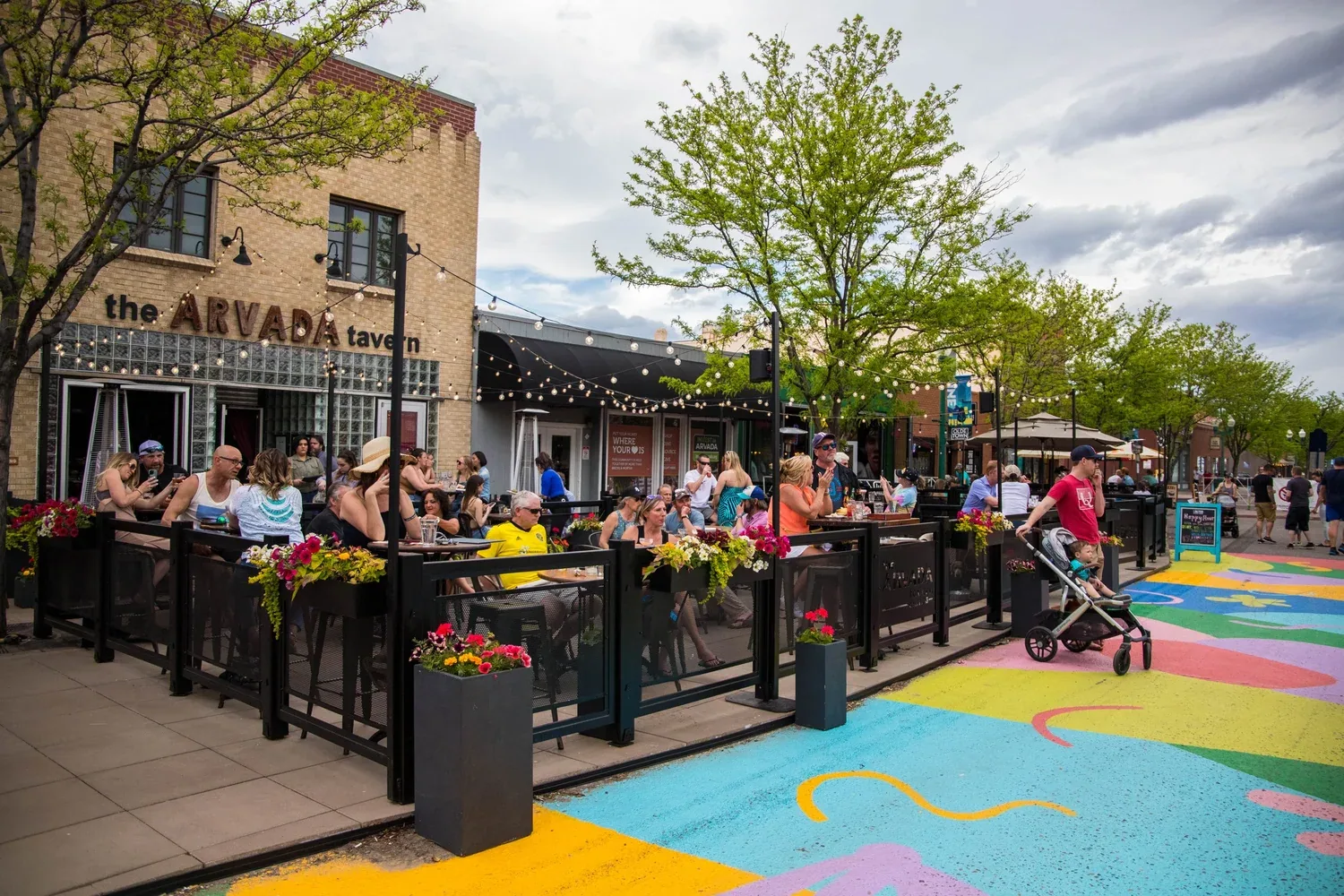
Questions about Property Managers
How should a manager compare roof issues across multiple buildings?+
Use the same report fields, then keep findings separate by address and roof zone. Record active leaks, system, visible failure, urgency, and needed testing. That allows portfolio review without treating different assemblies as interchangeable.
Can the inspection help with an annual capital plan?+
Yes. It can distinguish immediate protection, bounded repairs, further investigation, and likely replacement planning. We label confidence and cost drivers for each location. The owner can then sequence work against operations and available budget.
What belongs in a tenant notice before roofing work?+
Name affected routes or rooms, access needs, planned work hours, and the current protection step. Keep the notice tied to the confirmed schedule. If weather or concealed damage changes the sequence, provide a specific update after the revised plan is approved.
Do buildings in one portfolio use the same roof system?+
Not necessarily. Additions, prior repairs, and different construction periods can leave one site with several assemblies. We verify material and condition for each section before choosing repair details or comparing replacement options.
Have a question? Call us at 555-555-5555 or send us a message.
Start with the property list and active issues
Send addresses, building contacts, roof plans, open leak reports, and storm dates. We will separate urgent protection from each property's inspection and capital decision.