Commercial Roofing near Wheat Ridge Ward Station, Wheat Ridge, CO
Inspect and repair commercial roofs near Wheat Ridge Ward Station with verified access, mapped conditions, and drainage details tied to each property.
Request a roof assessment. Tell us about the building.
Send the address and what you are seeing on the roof or inside the building. We will set a time to walk the roof and talk through the next step.
Coordinate the Ward Station roof visit
A roof access plan near a rail station needs a clear route before materials arrive. Wheat Ridge Ward Station is a named destination on the western segment of Wheat Ridge's 44th Avenue corridor. The planning area connects eastern and western parts of the city and runs from Youngfield Street to Clear Creek. Those geography facts orient the project; they do not establish a nearby building's roof system or work access.
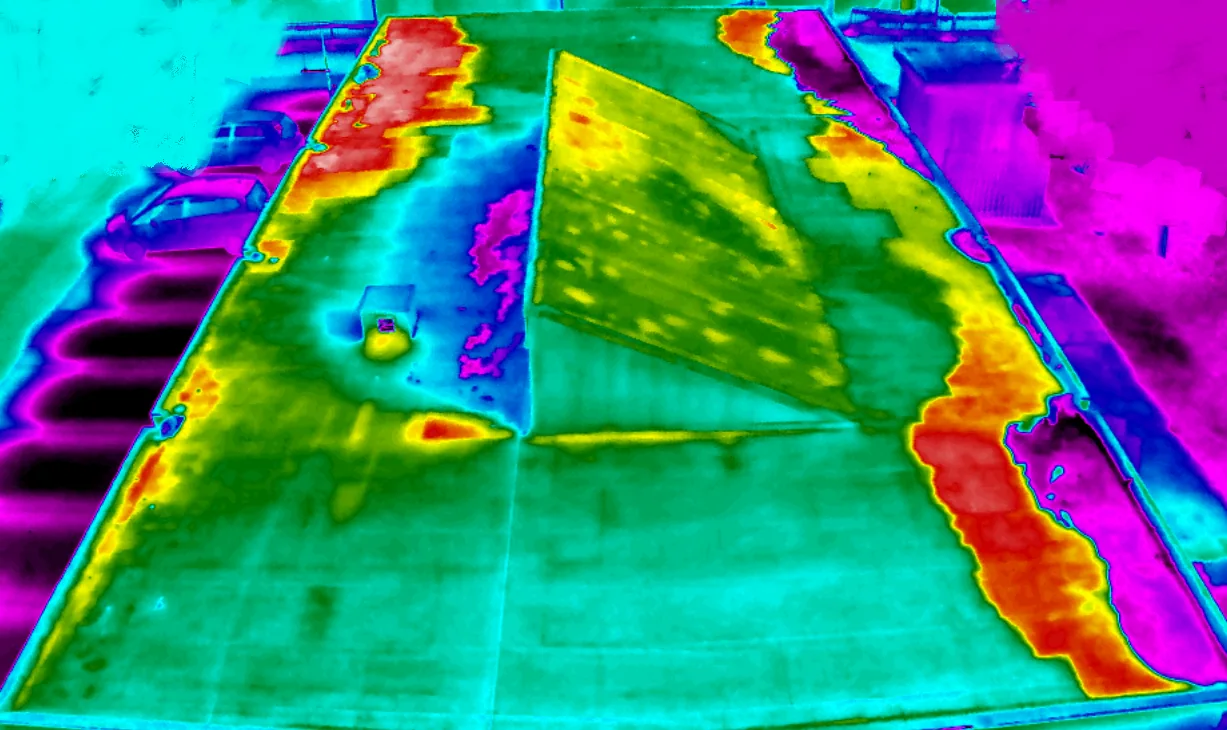
We confirm the exact address with the property contact, then inspect the roof assembly, drains, flashing, seams, and reported interior water. Each observation receives a photograph and a map location. The visit also records staging, tenant paths, and any restricted site area. Share roof records, leak timing, storm date, and access rules so the first walk can focus on verified conditions.
44th Avenue and station access
Wheat Ridge's 44th Avenue plan links the city's eastern and western sides and reaches between Youngfield Street and Clear Creek. The station sits along the corridor's western segment. That information helps describe the setting, while property management controls roof access, material loading, delivery windows, and tenant notice. We do not assume shared station property is available for construction.
Corridor projects can involve road or utility work. New development along the Gold Line station is served by a stormwater line replacement project. A utility or drainage project can affect site coordination, but it does not prove a roof drain is defective. We inspect roof drains and building connections separately. A phased roof plan includes access and dry-in so occupied spaces remain protected.
The broader 44th Avenue corridor has its own planning conditions. Clear Creek is the route boundary named in the city's plan, and Clear Creek Crossing is a separate mixed-use development. Each property still needs its own inspection record and approved work route.
Leak diagnostics on the roof
Start at the room where water appeared, then inspect likely entry points above and around it. We check seams, penetrations, roof edges, walls, equipment curbs, skylights, and drains. Water can travel under a membrane before reaching a ceiling. Interior timing, roof location, and prior repair history help narrow the source without assuming a stain maps directly to the opening.
A commercial inspection records the assembly and access limits. If water is active, temporary protection comes first. We photograph where the dry-in is placed and separate it from permanent scope. For suspected moisture below the membrane, a moisture survey may target test openings. Any opening should answer a question about materials or wet boundaries.
Wheat Ridge's stormwater line work around Gold Line development is a municipal drainage project, distinct from a building's roof drainage. We inspect the roof drain path, secondary overflow, and membrane at the inlet. Standing water after the inlet is clear points the next check toward roof pitch, wet insulation, or deck movement. A roof drain review keeps those issues distinct from nearby street infrastructure.
Regional conditions and site evidence
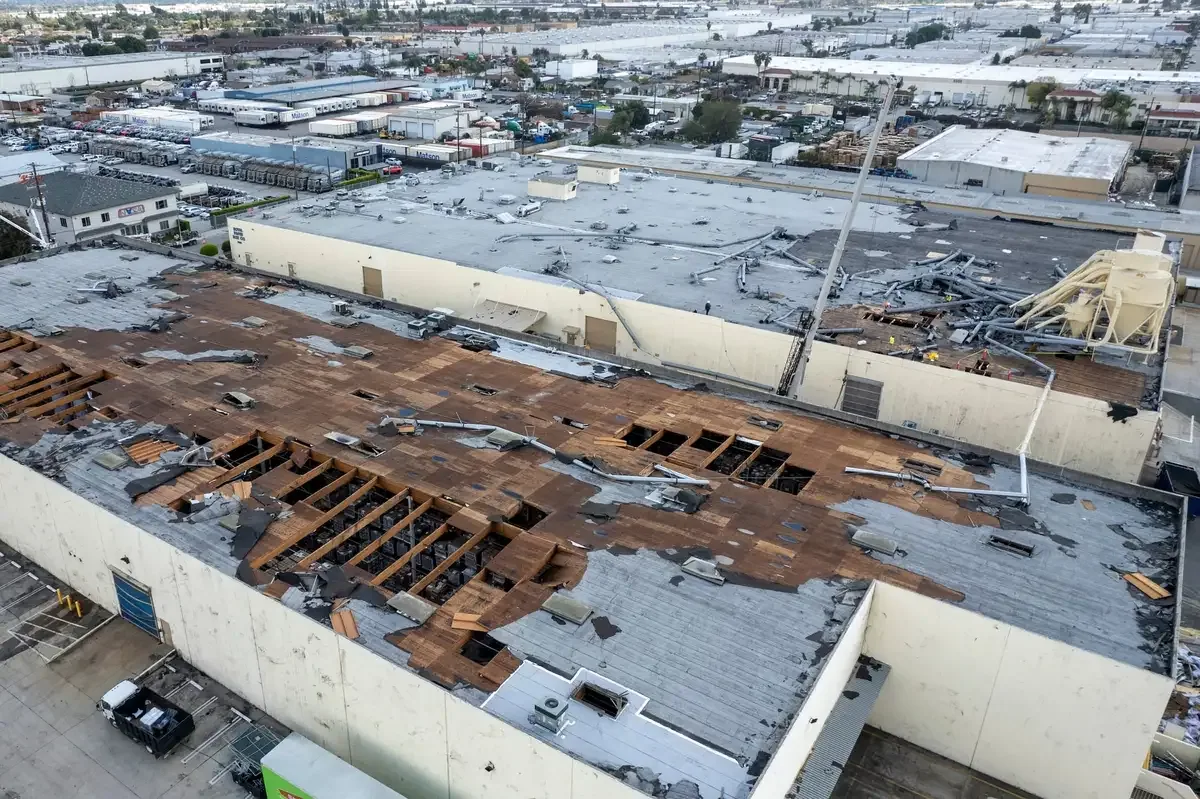
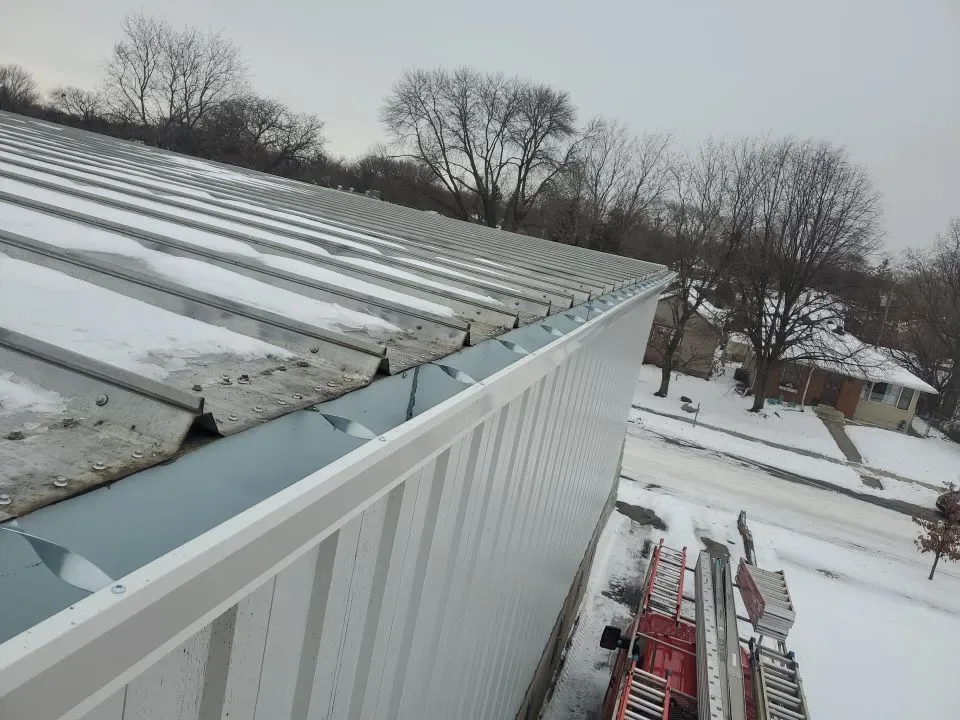
For hail or wind reports, a storm damage inspection separates punctures, displaced metal, open seams, and moisture questions. We keep historical weather context apart from the current photo record. This is particularly useful when a building has several roof sections or a repair that predates the event.
Ready to talk about your roof?
Repair and replacement options
A local opening with sound surrounding material may be repairable. Repeated leaks, multiple open details, weak perimeter attachment, or wet insulation can require a broader review. We map each affected zone and note what remains untested. This allows the property owner to compare a limited repair with a project that reaches multiple roof sections.
Testing and structural review establish whether the current roof can remain beneath a new layer. Replacement can coordinate insulation, membrane, and edge details. We describe tear-off assumptions, access, tenant protection, weather window, and dry-in in a replacement assessment. If the project touches municipal drainage or corridor work, the site schedule is coordinated separately from roof scope.
At closeout, a roof condition report holds photographs, work completed, and open items. It can support future budgeting but stays tied to the address inspected. For a building in Ralston Fields, a separate map is needed even if the manager uses the same reporting process.
Access and field handoff
Before mobilization, we confirm gates, roof ladders, lift placement, deliveries, tenant hours, and restricted public areas. The work sequence defines which section is active and how it will be secured at day's end. Photos at each handoff show completed details and conditions still needing attention.
If a test opening reveals wet insulation or damaged deck, the report records the result before the estimate expands. Temporary protection remains distinct from a permanent replacement recommendation. The owner receives a revised repair boundary and can choose whether to proceed with additional work.
Send the exact building address, access instructions, roof plans, storm date, and leak location. We will check the roof path, note any station or corridor coordination limits, and document the next decision from field evidence.
More service areas
Other work our crews handle on Arvada roofs. See all service areas.
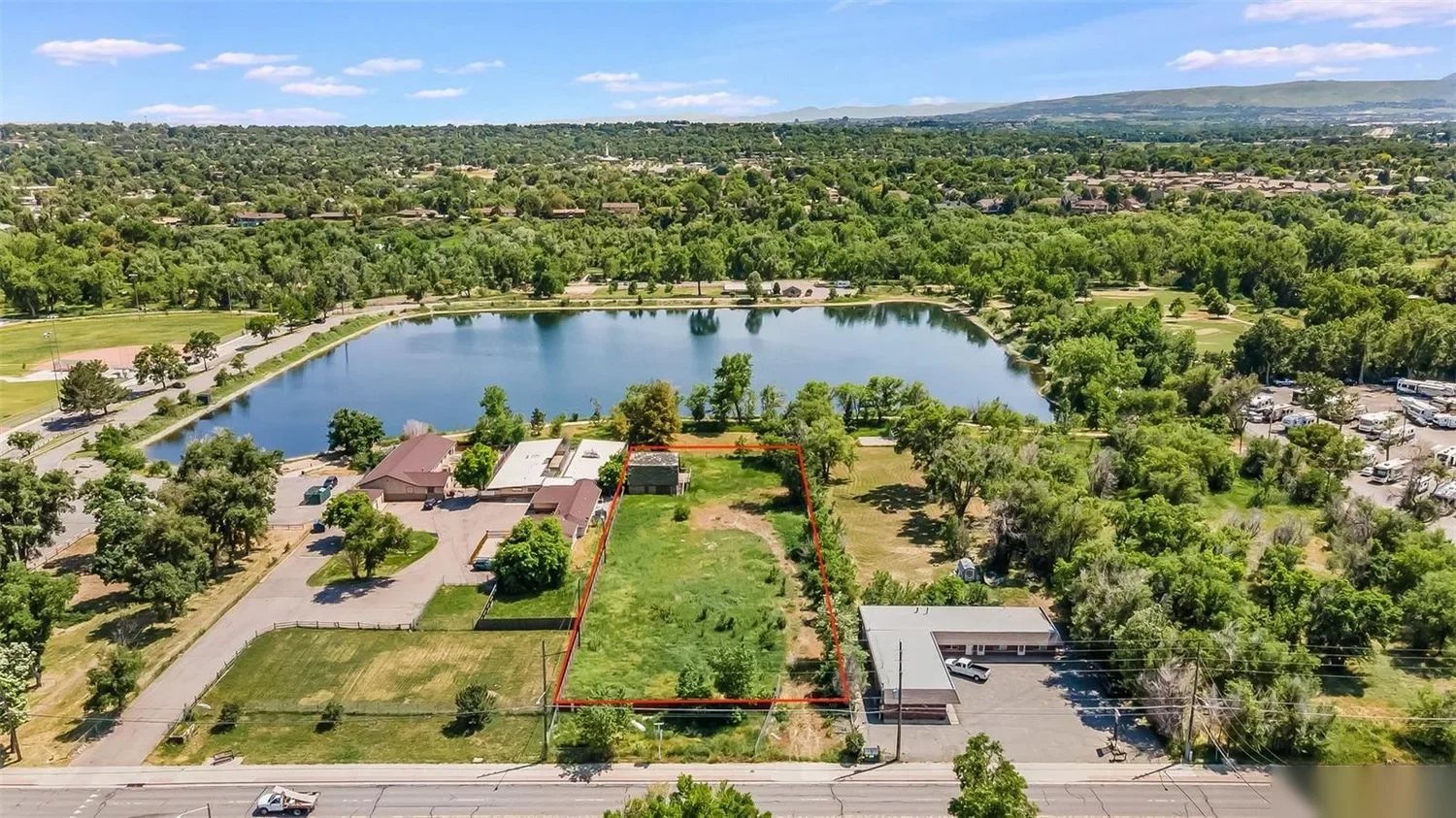
West 44th Avenue
Plan commercial roof inspections and repairs along West 44th Avenue with mapped conditions, site access coordination, and clear repair limits.
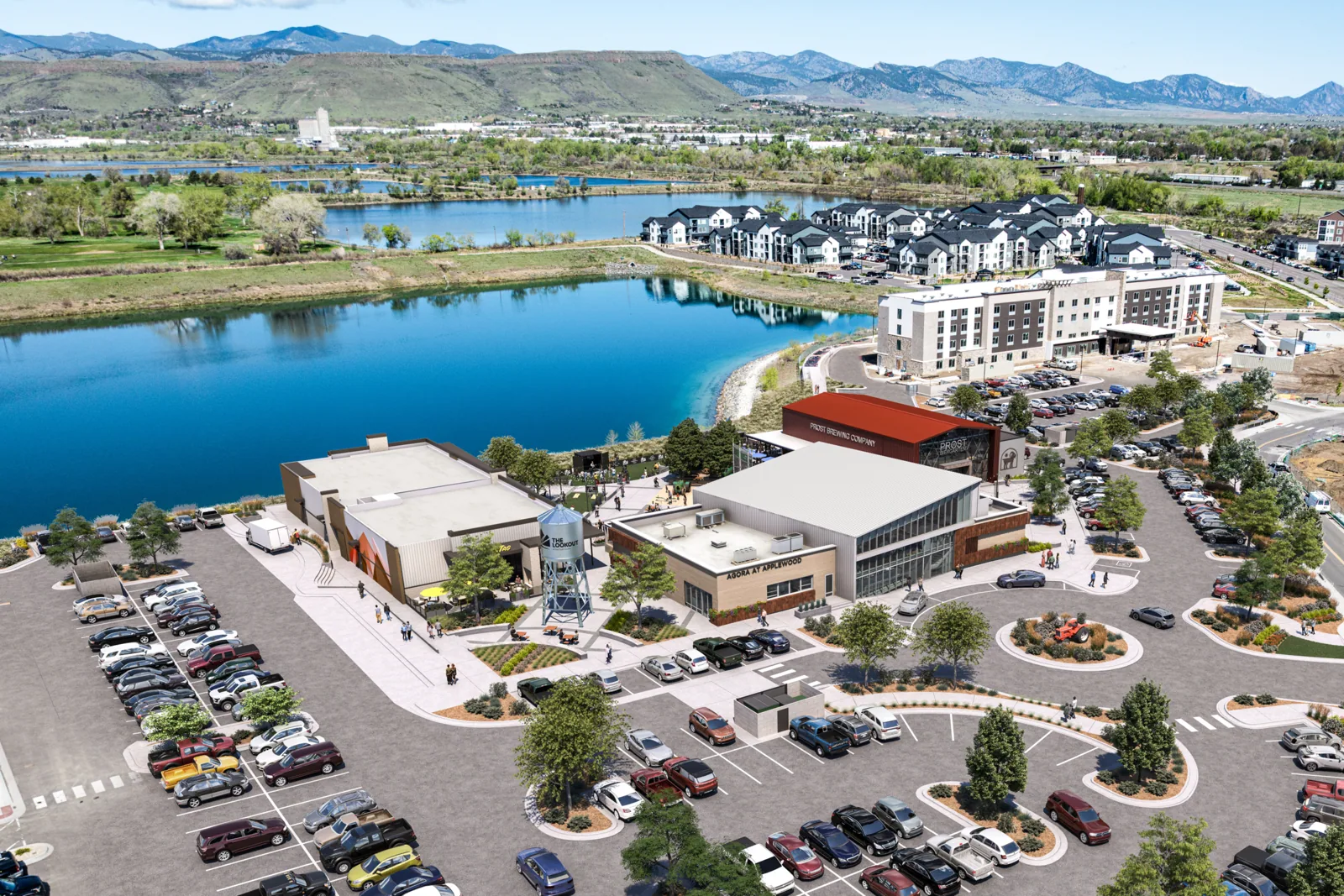
Clear Creek Crossing
Plan roof inspections and commercial roofing at Clear Creek Crossing with building-specific scopes, drainage review, and coordinated project access.
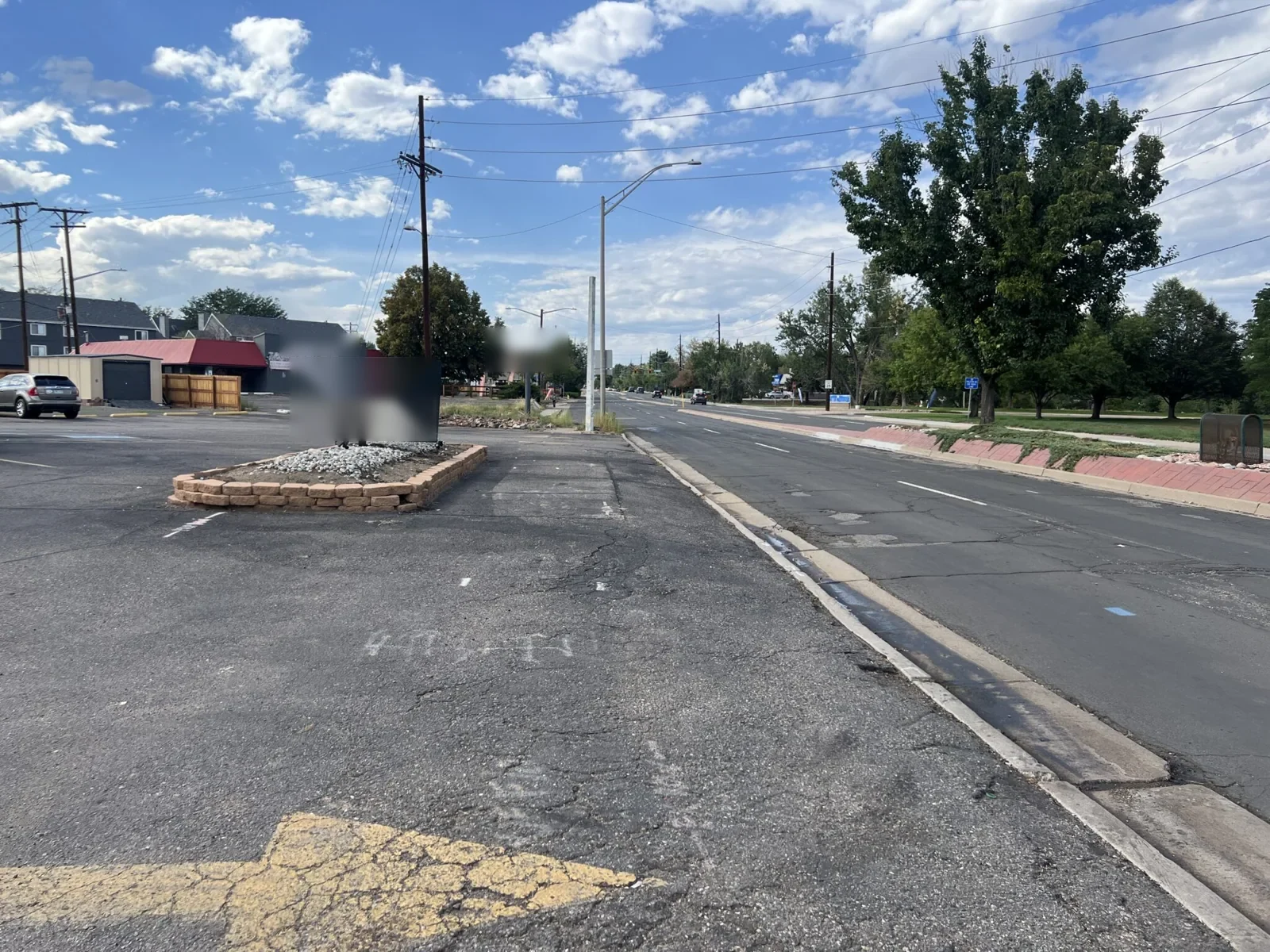
Ralston Road Corridor
Inspect and plan commercial roofs along Ralston Road with access coordination, photo-mapped conditions, and repair scopes for active properties.
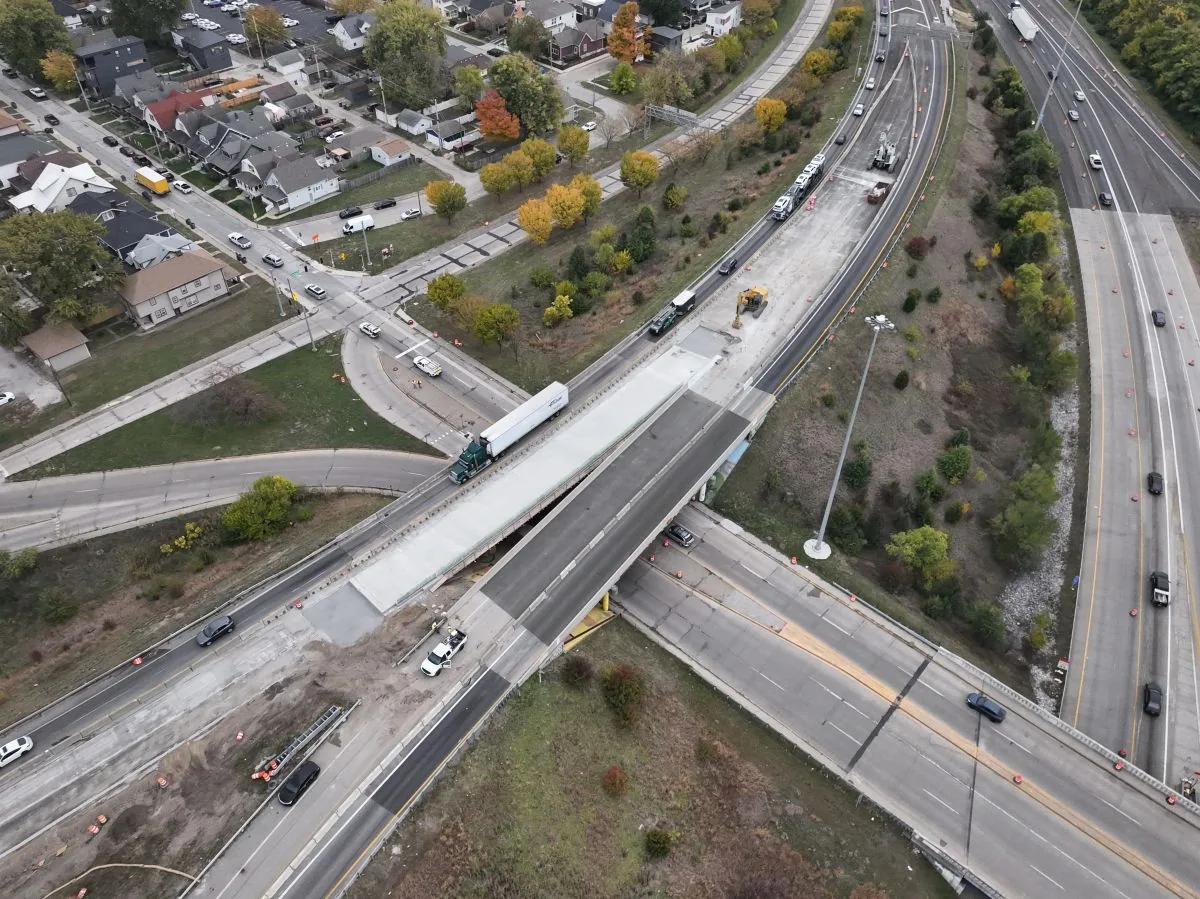
Indiana Street
Inspect commercial roofs along Indiana Street in Arvada with roof mapping, drainage checks, and repair plans tailored to the property's actual assembly.
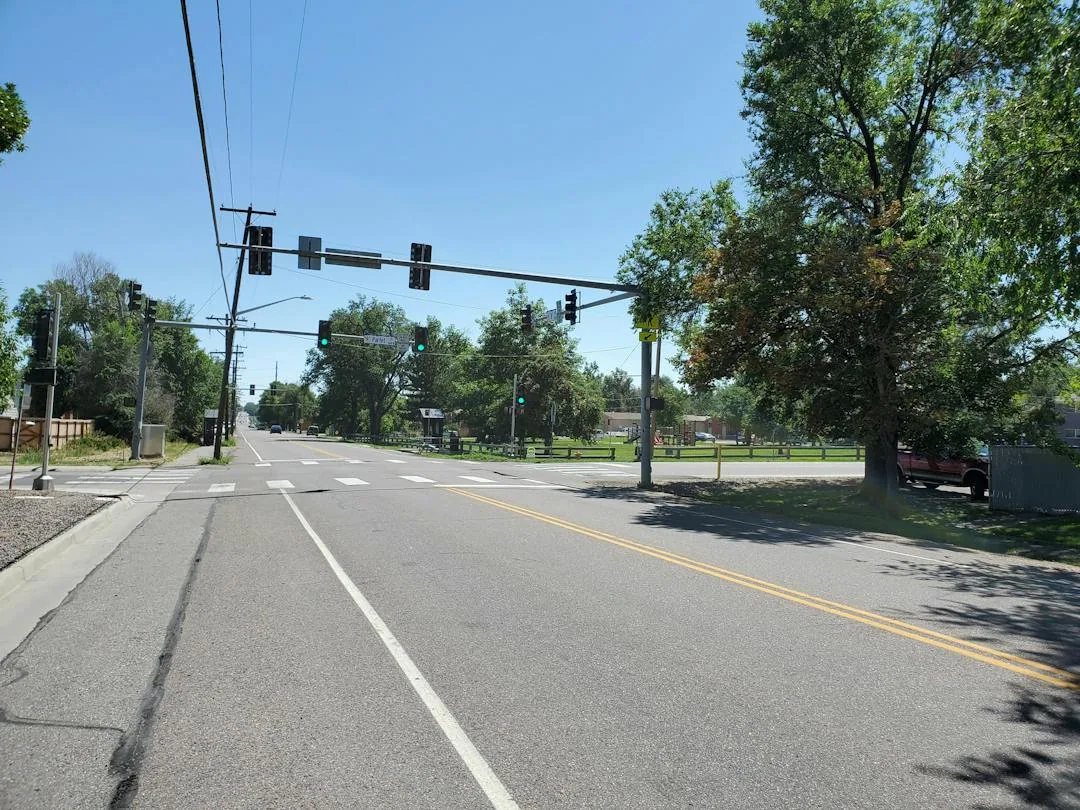
38th Avenue
Inspect and repair commercial roofs along 38th Avenue with clear leak mapping, work boundaries, and coordination for active corridor properties.
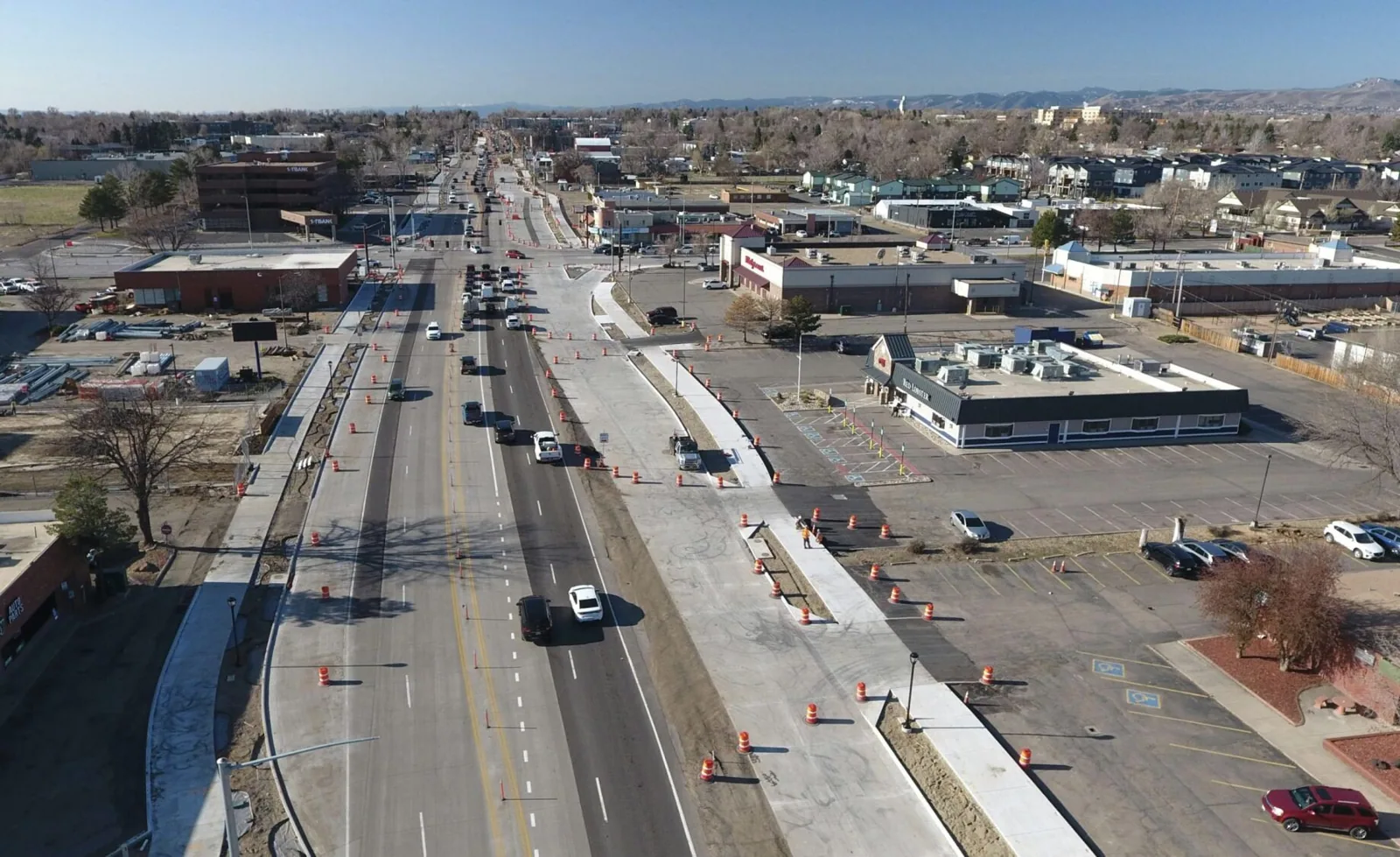
Wadsworth Boulevard
Inspect commercial roofs along Wadsworth Boulevard in Arvada with mapped leak findings, access planning, and clear repair or replacement options.
Serving Arvada and the west Denver metro.
Our crews work on commercial roofs across Arvada, Wheat Ridge, Lakewood, Westminster and Broomfield. Find your area below.
Arvada
Service Areas
Questions about Wheat Ridge Ward Station
Does Wheat Ridge Ward Station offer construction access for nearby roofs?+
Station proximity does not establish staging rights. We confirm property-controlled entry, approved loading, lift locations, and pedestrian protection with the site contact.
Does the Gold Line stormwater project mean a nearby roof drain is failing?+
No. The stormwater line replacement is a municipal project. We inspect the building's roof drainage independently and report what the roof itself shows.
What facts should I send before a station-area roof inspection?+
Provide the address, leak timing, access rules, roof records, and storm date. That lets us plan a property-specific walk and distinguish roof findings from surrounding public work.
Can an Arvada code update be applied to a Wheat Ridge roof project?+
Each property follows its jurisdiction's code and permit path. We verify the location and project scope before relying on a city-specific requirement.
When is a repair boundary expanded beyond the visible leak?+
Repeated leaks, wet insulation, open transitions, or weak attachment may point beyond the first stain. We use moisture checks and test openings to document the affected extent.
Have a question? Call us at 555-555-5555 or send us a message.
Coordinate the Ward Station roof visit
Send the building address, storm date, leak report, roof records, and site access instructions. We will map current conditions and work limits.