Commercial Built-Up Roofing in Arvada, CO
Inspect, repair, or replace commercial built-up roofing in Arvada. We review plies, surfacing, drains, flashing, moisture, and safe work methods.
Request a roof assessment. Tell us about the building.
Send the address and what you are seeing on the roof or inside the building. We will set a time to walk the roof and talk through the next step.
Inspect the built-up roof layers
Built-up roofing has many layers, but failures often start at details. We inspect the surfacing, seams, drains, penetrations, and perimeter transitions. Gravel can hide a split or earlier patch. We record where the membrane appears intact and where testing may be needed. The roof map separates one leak repair from wider deterioration. That helps define the next scope.
Arvada's Ralston Road corridor project covers the route between Kipling Parkway and 58th Avenue. The city project links Kipling Parkway with 58th Avenue. We confirm roof access and current conditions at each address. The building itself decides whether a built-up system can be repaired or needs a broader review.
Review plies and surfacing
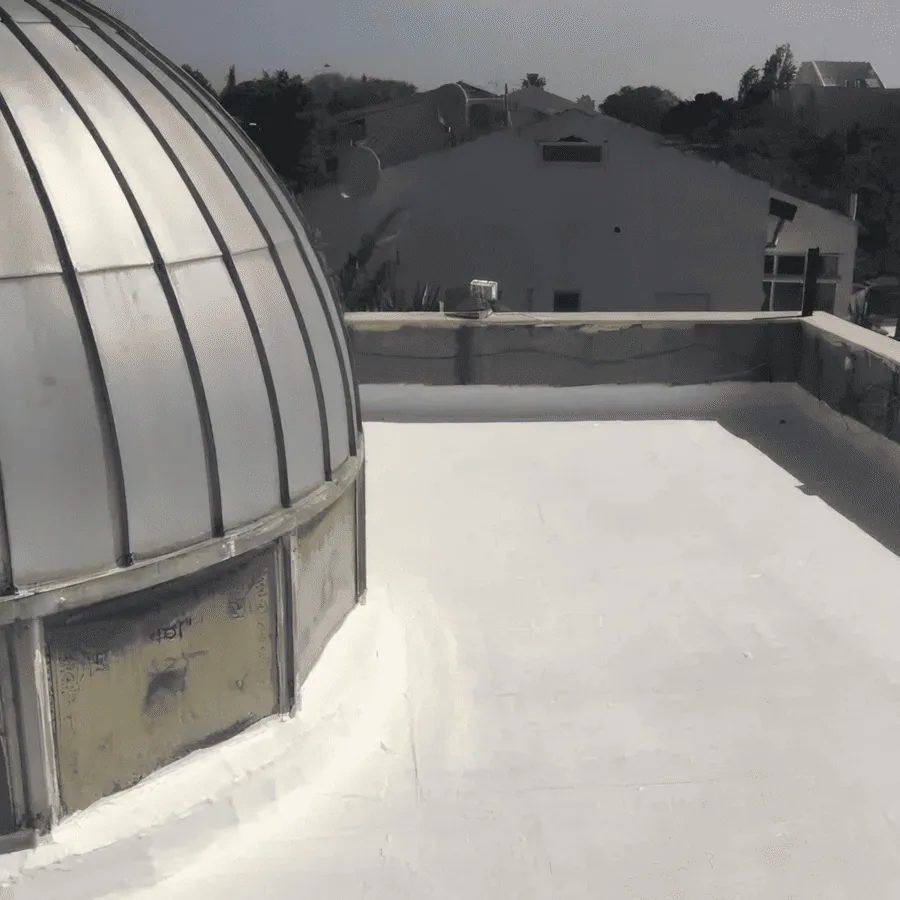
Built-up roofs combine reinforcing plies with asphalt or coal-tar pitch, then receive surfacing. The actual system depends on product records and field layers. We check for exposed felts, bare bitumen, loose gravel, blisters, and ridges. A core sample can identify layers at one point. We label every sample and repair the opening. That record avoids treating one cut as a whole-roof survey.
Gravel surfacing protects the membrane but can make defects harder to see. We inspect areas around drains and equipment where material may collect. A broom or vacuum may expose a seam, but aggressive removal can damage the roof. The method should match the assembly. We note areas that could not be inspected beneath surfacing and whether a test opening would change the repair.
When gravel is displaced, we check whether the exposed bitumen remains sound. Bare areas can age differently from protected sections. We note if surfacing has washed toward drains or accumulated beside equipment. The repair plan includes any cleanup needed before membrane work. If the cap sheet has separated from lower plies, we inspect the bond and moisture below.
Trace water through the assembly
Water can move laterally between plies before reaching an interior ceiling. We compare the reported room with drains, penetrations, wall transitions, and earlier patches. Moisture testing can help define removal. A moisture survey may guide test cuts. A leak investigation ties roof observations to the interior report. We map both verified and uncertain areas.
Wheat Ridge adopted the 44th Avenue Subarea Plan to guide redevelopment and investment. That area includes commercial corridors and transportation connections. The plan guides public and private investment near Wheat Ridge businesses. We confirm access, property use, and repair history during the visit. If testing shows wet insulation, the scope marks the removal boundary before new plies are installed.
Built-up systems can vary in ply count and interply adhesive. We verify layers from records or a sample before estimating removal. The roof may have been repaired or recovered over time. Each new layer affects flashing height and drain geometry. We mark the estimated assembly and unresolved areas. A later tear-off can then be compared with the original proposal assumptions.
Inspect drains and flashing details
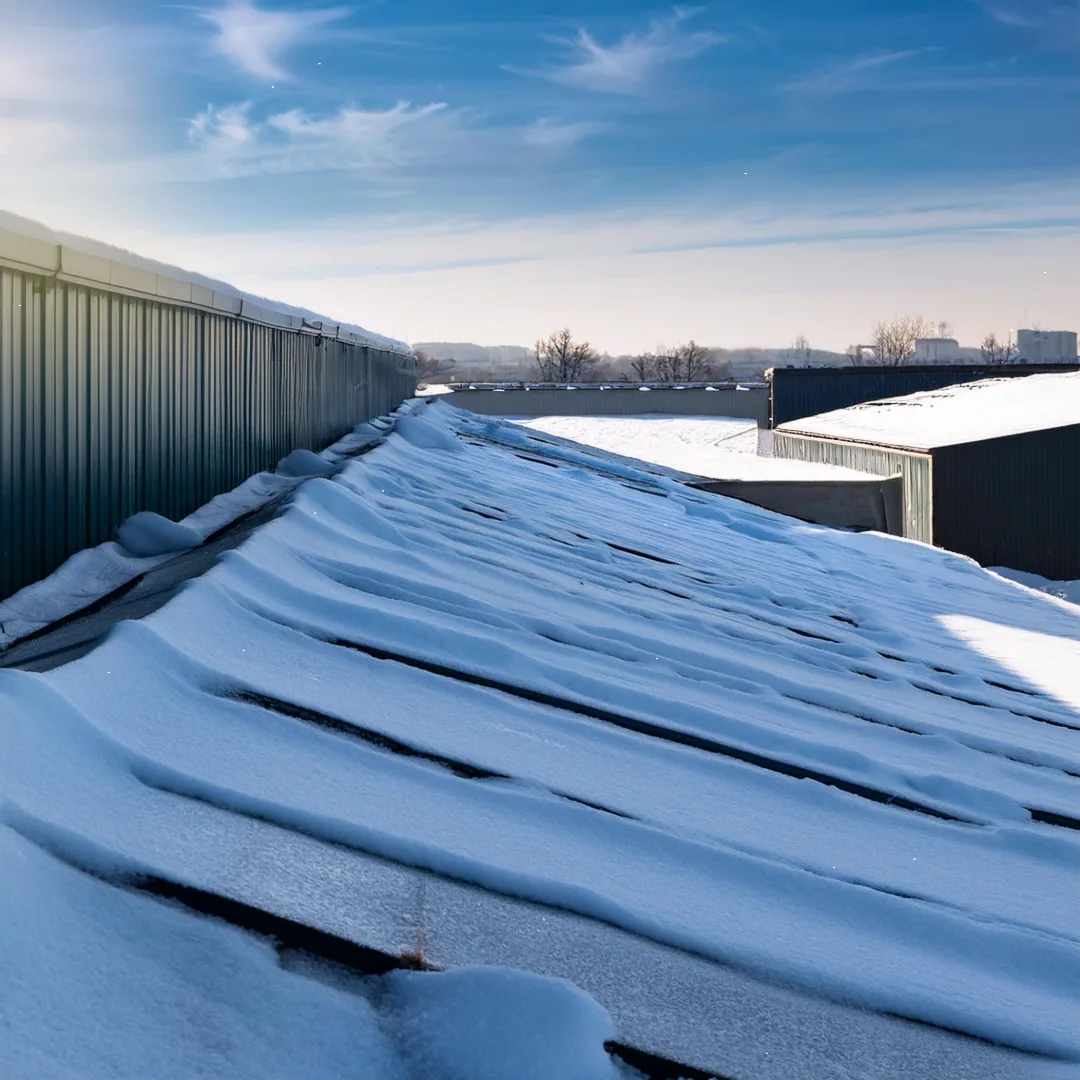
Multiple roof layers can raise drain elevations and change flashing heights. We inspect clamping rings, drain bowls, scuppers, curbs, and wall terminations. Loose gravel can block outlets or cover a low area. We check where water should travel after each opening is clear. A drain review can address a confirmed outlet problem. Slope corrections require a separate design decision.
Flashings should tie into the roof plies and shed water away from walls. We check corners, counterflashing, expansion joints, and equipment bases. A surface patch may conceal a weak transition. The report identifies the layer where a defect appears and the evidence used. If the detail is inaccessible, we state what access would allow a closer look.
Ready to talk about your roof?
Compare repair with a new assembly
A localized crack may be repaired when the substrate stays firm and dry. Broad blistering, recurring leaks, or saturated insulation can require removal. We compare the existing roof's layers, attachment, and service history. A targeted repair can address a defined opening. replacement planning considers the full assembly. For alternate systems, compare modified bitumen with TPO when the design supports it.
Orchard Town Center is a retail and entertainment district in Westminster. Its planning materials also identify office and research uses nearby. Those uses show varied property activity, not roof construction. For any site near the center, we confirm deliveries, tenant schedules, and access. A replacement proposal lists removal, insulation, surfacing, drainage, and daily protection by roof section.
Some replacement projects compare modified bitumen with TPO. Compare modified bitumen and TPO by deck, building operations, drainage, and project documents. We explain differences in seams, surfacing, and repair access. The owner can compare maintenance and installation details. A system should not be selected only because it covers the existing roof quickly.
We include a system comparison only when the project documents support it.
Plan safe work and closeout
Built-up roof repairs may involve hot asphalt or other heated materials. The work plan identifies fire controls, ventilation, occupied areas, and authorized roof access. We coordinate staging with the property contact. Each day ends at a secure, dry-in boundary. If weather interrupts the work, the crew protects exposed layers and records the stopping point. Safety requirements depend on the selected method and site.
Closeout records should identify removed plies, new materials, surfacing, and completed repairs. Photos need roof-zone labels and dates. Keep test locations with the inspection map. Send the Arvada address, roof plans, service history, leak reports, and access limits. We will inspect the assembly and explain which areas support repair, testing, or replacement. The next step follows the documented layers.
Heated application methods need clear rules for fire watch and work stoppage. We coordinate those controls with the site authority before materials are heated. Closeout should include the required safety logs and repair photos. Those records support future service and inspection.
After repairs, avoid placing stored equipment or materials on open plies. The site contact should confirm when roof access can resume. We provide that handoff with final photos and any maintenance note.
Mark each repair location and revisit it after the next significant weather event.
More roof systems
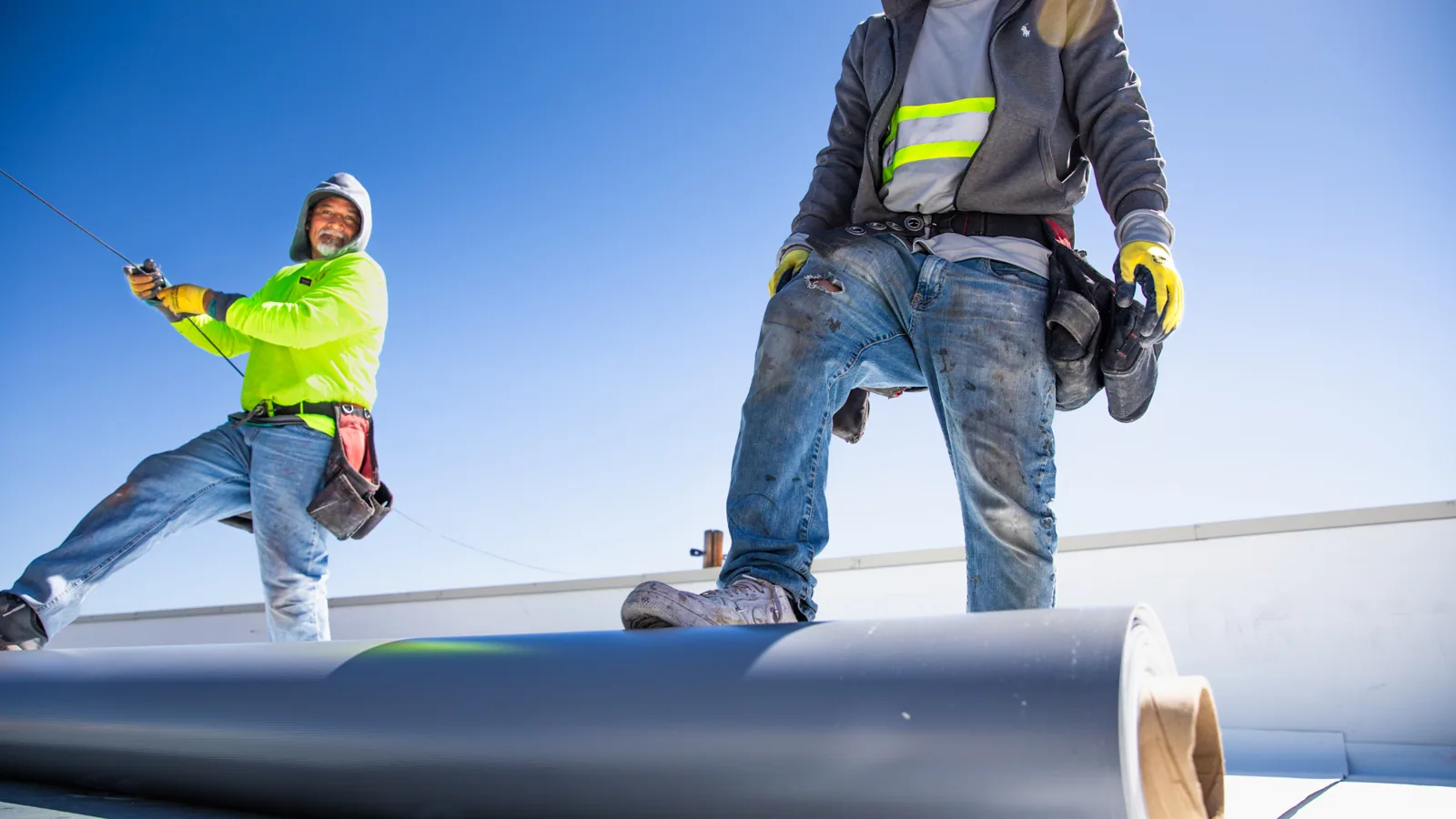
Other work our crews handle on Arvada roofs. See all roof systems.
Commercial Modified Bitumen Roofing
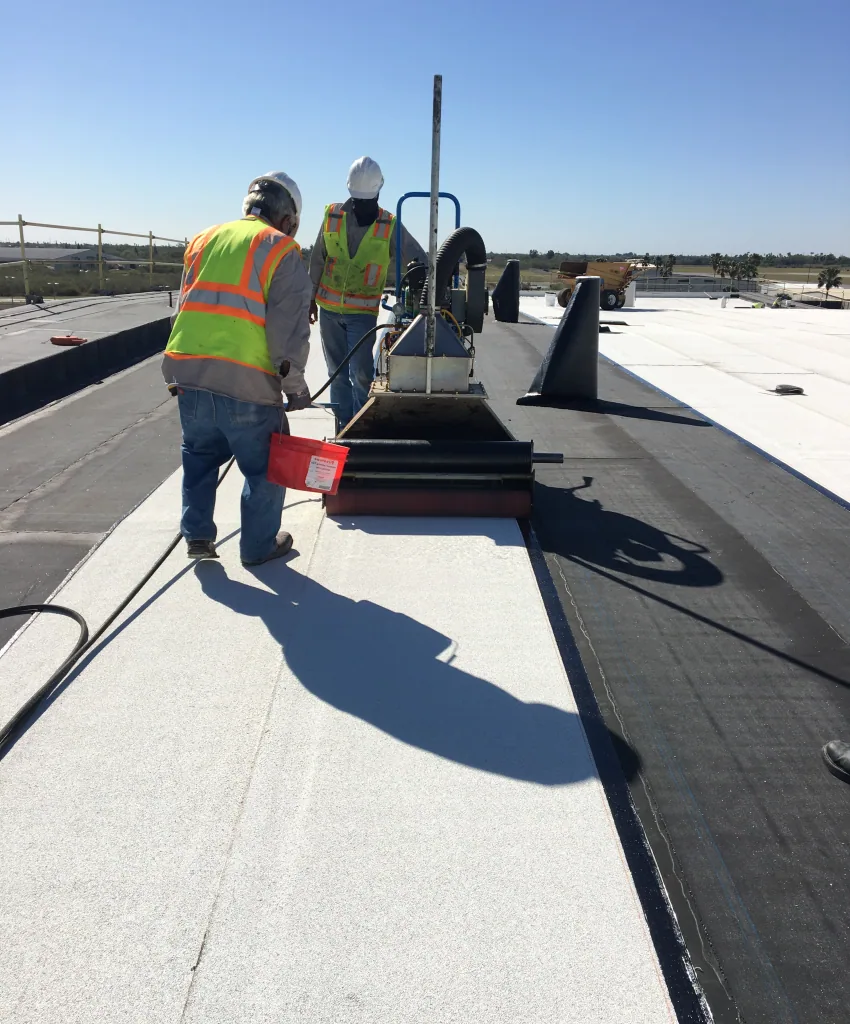
Repair or replace commercial modified bitumen roofing in Arvada. We inspect plies, surfacing, flashings, drainage, and safe application conditions.
Commercial TPO Roofing
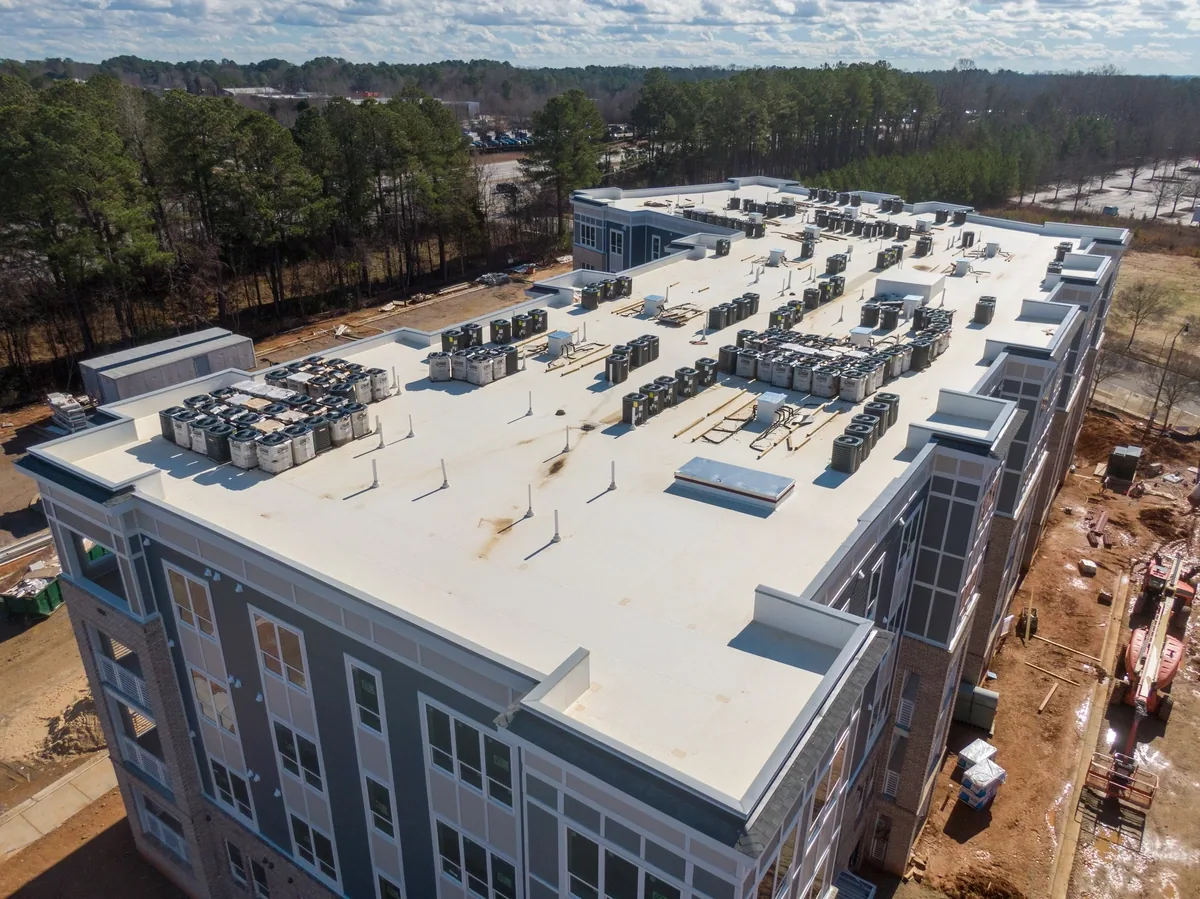
Install, repair, or replace commercial TPO roofing in Arvada. We review seams, attachment, drainage, insulation, and roof access before scoping.
Commercial Standing Seam Metal Roofing
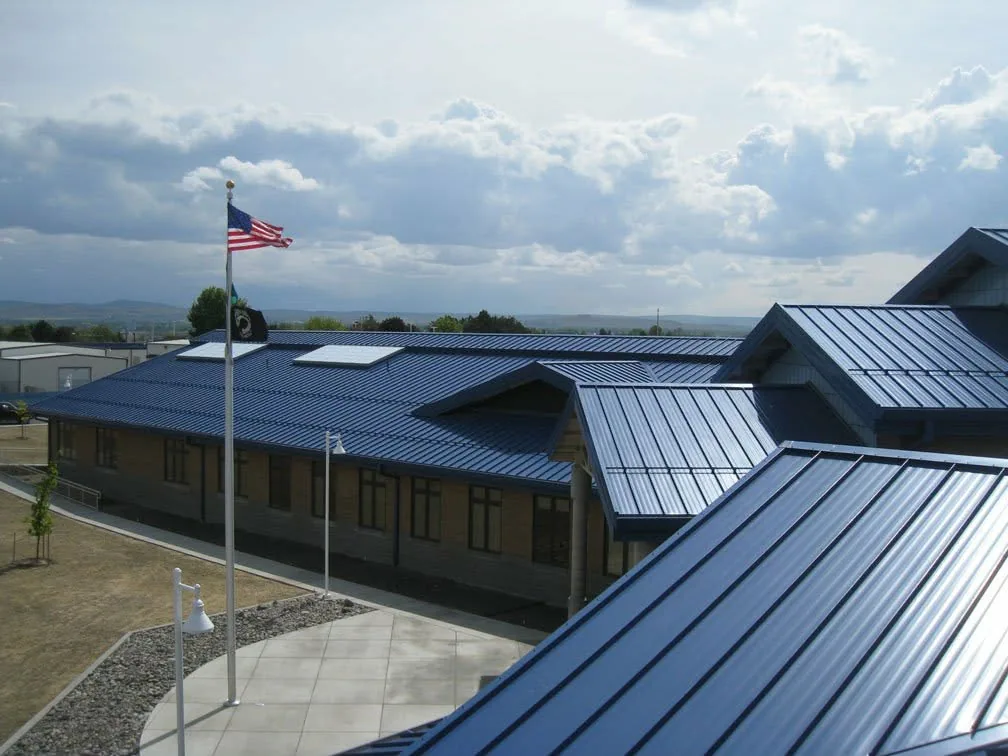
Inspect, repair, or replace standing seam metal roofs in Arvada. We check clips, panel movement, transitions, fasteners, and drainage before scoping work.
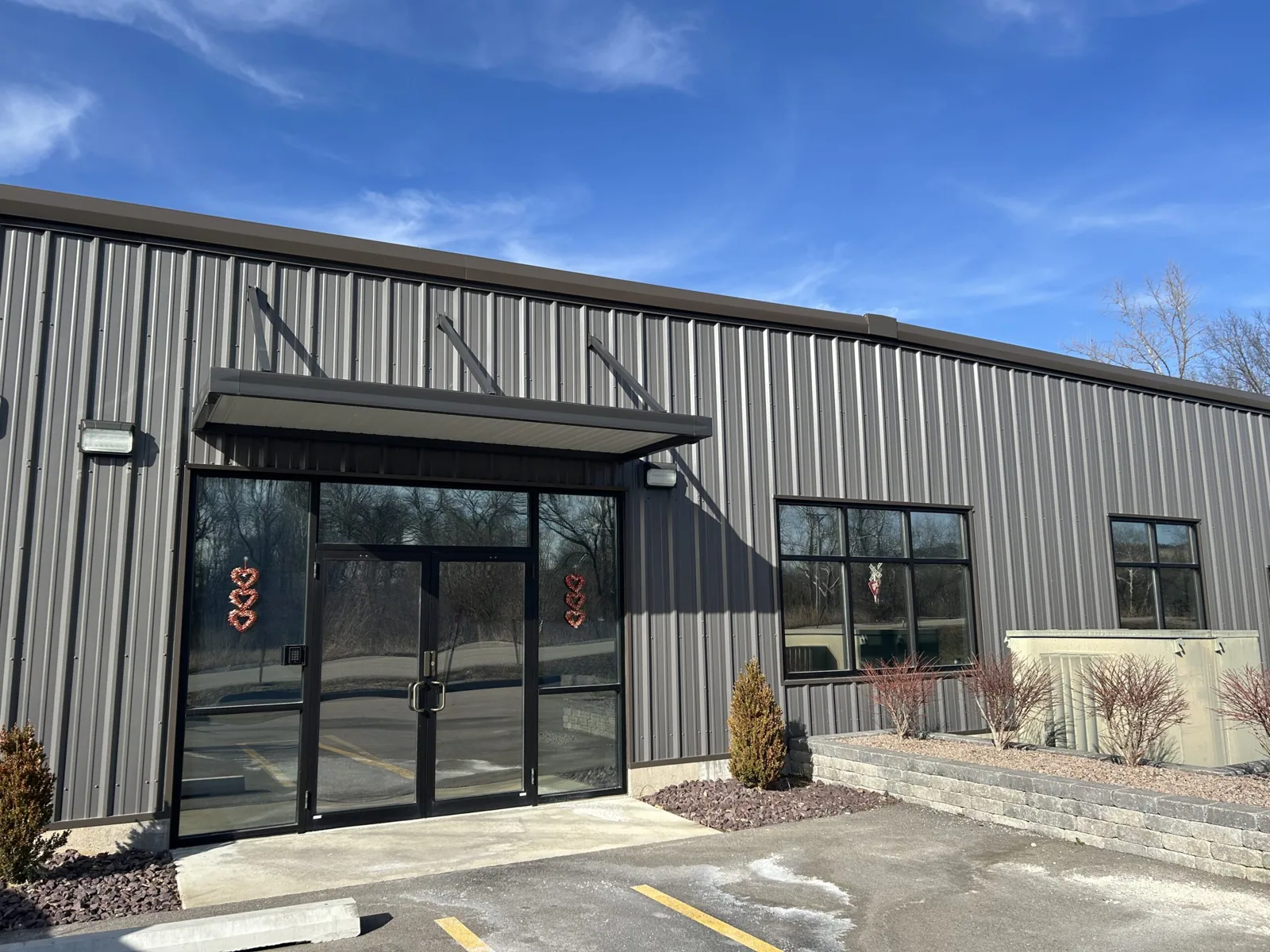
Commercial Metal Roof Retrofit
Evaluate a commercial metal roof retrofit in Arvada. We inspect panel attachment, structure, drainage, curbs, and insulation before comparing options.
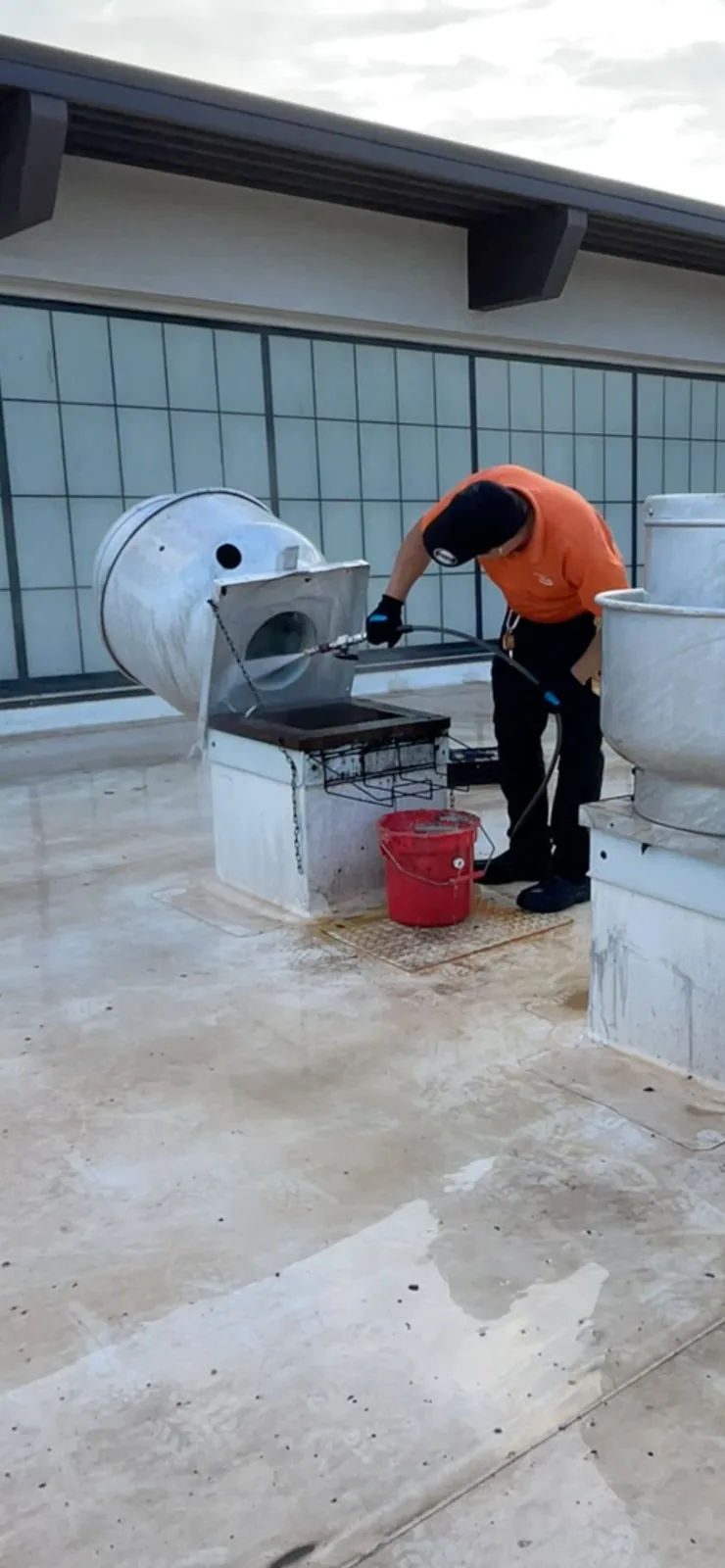
Commercial KEE Roofing
Evaluate commercial KEE roofing in Arvada. We verify the membrane, seam method, chemical exposure, attachment, flashing, and repair compatibility.
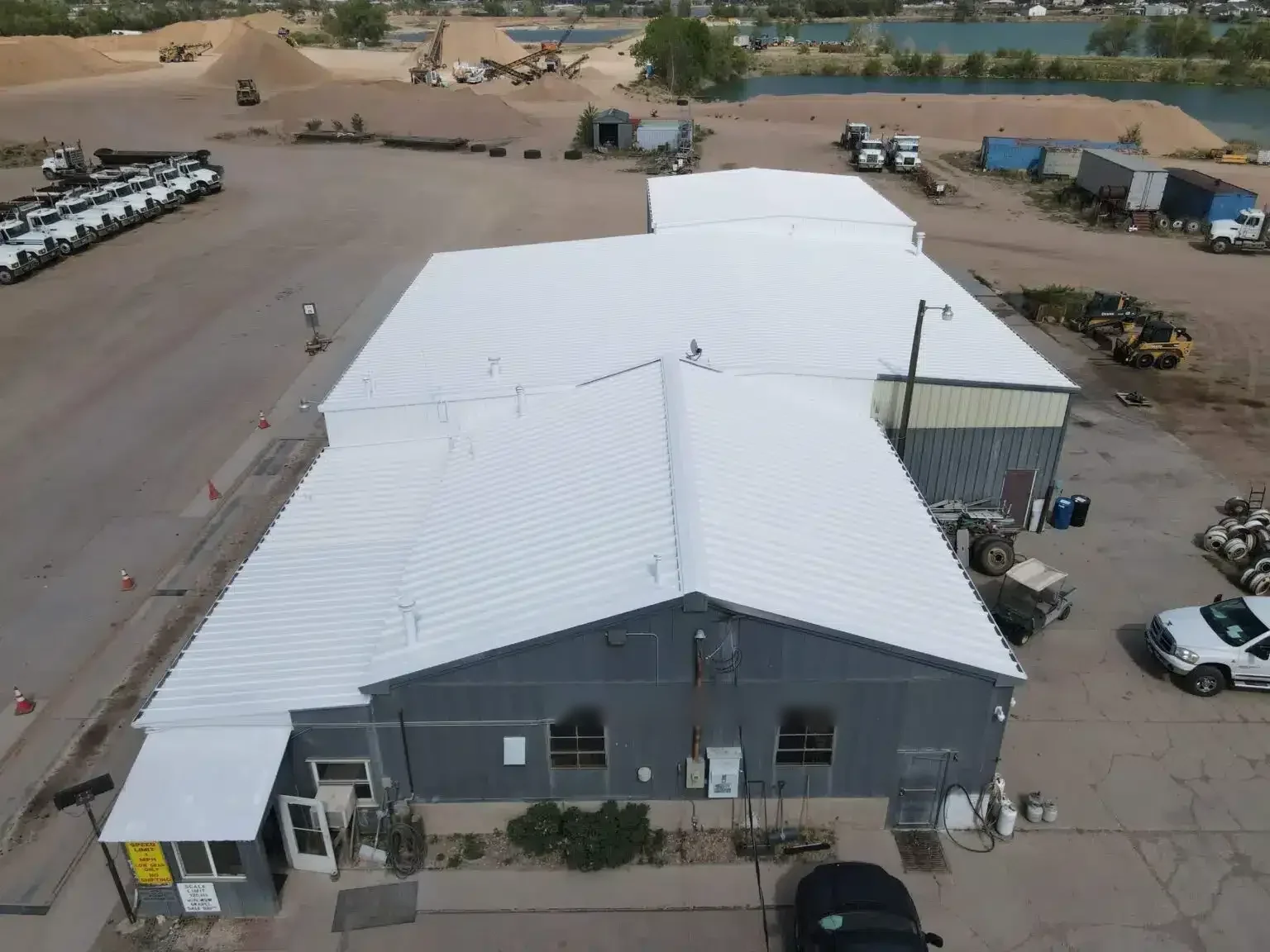
Commercial Spray Foam Roofing
Assess commercial SPF roofing in Arvada. We inspect foam adhesion, protective coating, drainage, penetrations, and moisture before recommending repairs.
Serving Arvada and the west Denver metro.
Our crews work on commercial roofs across Arvada, Wheat Ridge, Lakewood, Westminster and Broomfield. Find your area below.
Arvada
Service Areas
Questions about Commercial Built-Up Roofing
Can gravel be removed to inspect a built-up roof?+
We remove surfacing only where the inspection method allows it. The report identifies exposed areas and any sections that remain concealed.
How do you locate a leak between roof plies?+
We compare interior reports with drains, seams, and roof details. Moisture testing or a selective opening may help confirm the path.
Can another layer be added over a built-up roof?+
A recover depends on attachment, moisture, deck, and finished elevations. We inspect the existing assembly before recommending another layer.
Does loose gravel mean the roof is failing?+
Not by itself. We check surfacing, exposed bitumen, blisters, seams, and moisture before deciding whether repair or replacement is supported.
What should a built-up roof proposal include?+
Review plies, removal limits, surfacing, drain elevations, flashing, fire controls, and concealed-condition procedures. The scope should identify each roof zone.
Have a question? Call us at 555-555-5555 or send us a message.
Inspect the built-up roof layers
Send the Arvada address, roof plans, repair records, leak locations, and access details. We will document plies, surfacing, drainage, and flashing conditions.