Commercial Roofing in Northwest Arvada, CO
Inspect, repair, and plan commercial roofs in Northwest Arvada with mapped field conditions, drainage checks, and work sequences tied to each property.
Request a roof assessment. Tell us about the building.
Send the address and what you are seeing on the roof or inside the building. We will set a time to walk the roof and talk through the next step.
Start with the Northwest Arvada roof map
A seam opening near a roof drain needs a roof walk before the repair is priced. In Northwest Arvada, the planning geography extends from east of State Highway 93 toward Gladiola Street, between southern rail tracks and the northern city boundary. Those boundaries do not describe any one building's construction. We inspect each address, identify its assembly, and map the specific roof sections where water or storm damage was reported.
The Indiana Street corridor is included in the area, with its Phase 1 planning extending north to West 96th Avenue. For an occupied property, we confirm access, deliveries, and nearby operations before staging material. The first photo record notes the membrane, drains, curbs, perimeter, and any interior leak points. Send the address, storm date, and roof access details so the visit can focus on observed conditions.
Planning boundaries and roof access
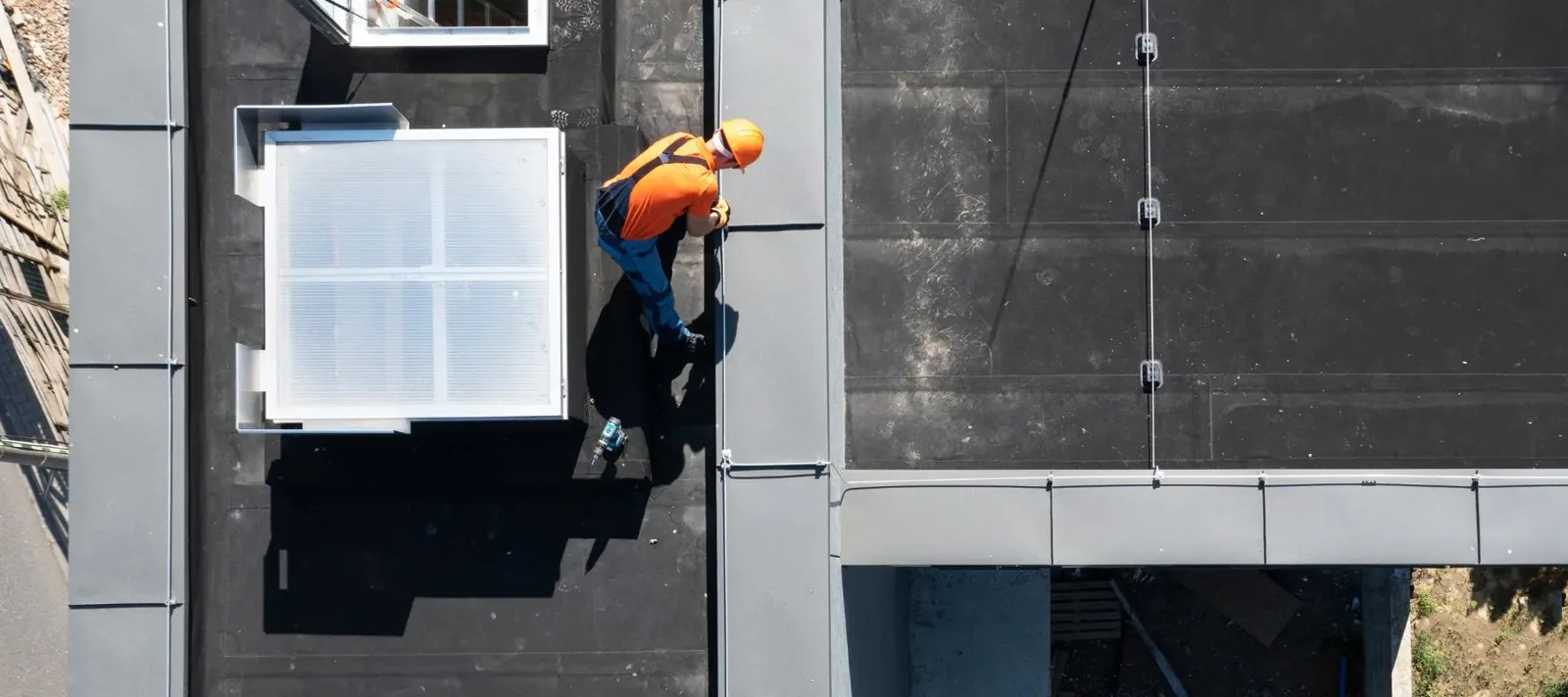
Northwest Arvada planning is divided into phases. Phase 2 includes State Highway 72 from State Highway 93 to west of Welton Reservoir. These boundaries help locate a property on the city's planning map; they do not establish roof type, age, or condition. We use the actual site, plans, and roof records to set an inspection route and determine which sections require close review.
For a building near Indiana Street, we identify the approved place for material delivery and roof access with the property contact. Rail lines, road work, and local site rules can affect timing, but a proposed schedule still needs confirmation at the address. We map lift locations, pedestrian routes, loading needs, and any sensitive rooms below the active roof zone.
If the scope changes a visible exterior detail, record that before ordering metal or accessories. An equipment curb addition, edge replacement, or drainage change can require a different review than a local membrane repair. Our scope identifies concealed roof work separately from exterior modifications. A commercial roof inspection can establish the existing assembly and the information still needed to price the project.
Roof failure review
Water may enter at an open lap, wall transition, pipe flashing, curb, or drain connection. We check each detail around the reported area and follow staining toward the likely entry point. A photograph of an interior ceiling helps identify timing and room location, but the roof opening may sit elsewhere. We compare it with membrane seams and nearby penetrations before setting a repair boundary.
Hail and wind can affect membrane, edge metal, rooftop accessories, or exposed flashing. A May 2017 metro Denver supercell brought hail and wind impacts to Arvada and western suburbs; a new roof visit needs its own event date and observations. That event is regional context, not evidence for a current roof. For a new report, we use its storm date and record present conditions as visible impact, suspected moisture, or an open question.
When water is active, temporary protection precedes permanent work. We document its placement, the interior area, and what still needs testing. A storm repair assessment can separate emergency dry-in from final repair. If several rooms or roof zones are involved, a targeted moisture survey may help locate suspect insulation before openings are chosen.
Drain paths and snow conditions
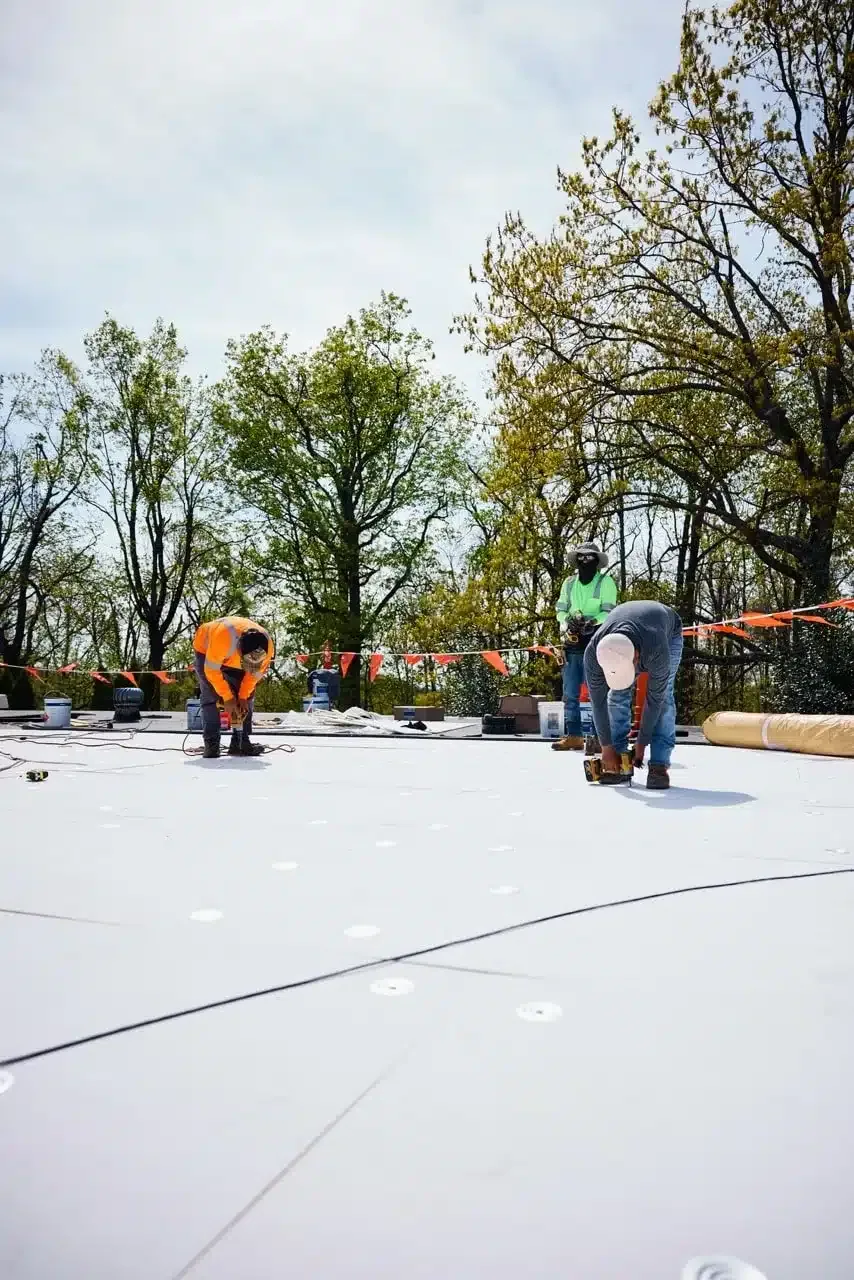
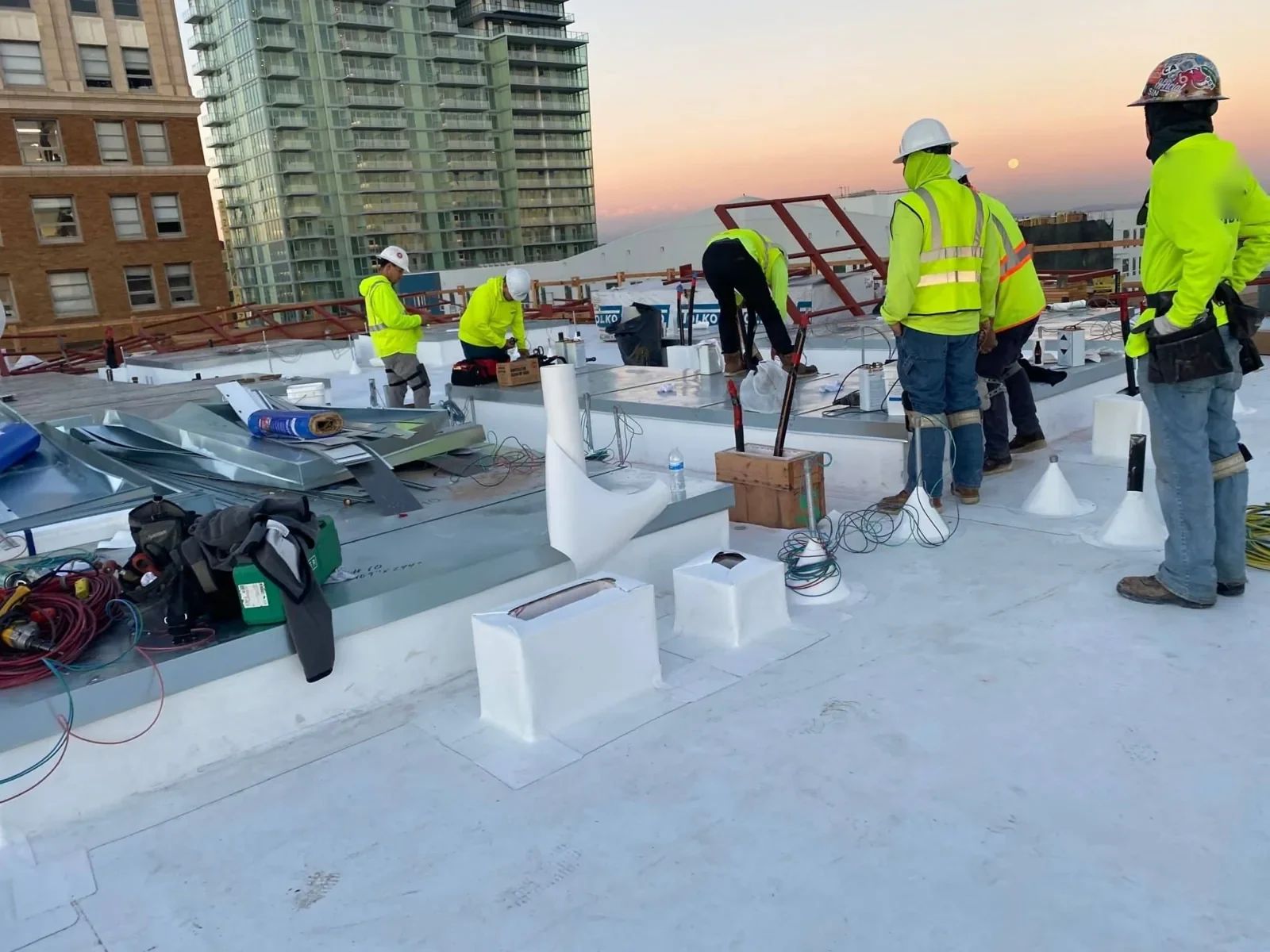
A roof drain should be read with the surface that feeds it. We check bowls, strainers, scuppers, overflow routes, and the slope of the surrounding field. Debris can slow flow, but standing water that remains after cleaning may point to insulation or deck movement. The report distinguishes basic maintenance from a change to slope or the drainage assembly.
Denver International Airport's normal seasonal snowfall is 47 inches for the 1991-2020 period. We inspect actual low points, drain routes, and visible movement. Where the roof records or structure raise a capacity question, that requires the appropriate design review. A membrane repair alone cannot resolve an unverified structural issue.
Arvada's updated 2024 building codes followed a city implementation schedule in 2026, including revised wind, seismic, and snow provisions. No recover scope is set before layer condition, attachment, and drainage have been checked. We document existing layers and attachment so the owner can carry accurate conditions into that review. For a discrete drain and scupper repair, we include photographs of the inlet and the surrounding membrane.
Ready to talk about your roof?
Work options by roof section
A local puncture or flashing defect may be repairable when adjacent material remains sound and dry. Repeated leaks, multiple wet areas, or weak attachment could justify a broader plan. We mark each affected section and state what the proposal includes. Areas that need testing remain visible as unresolved, not silently added to a repair price or treated as a reason for full replacement.
A recover depends on existing layers, moisture, deck capacity, drainage, and code. Replacement can address insulation, cover board, perimeter securement, and flashings as a coordinated system. We outline tear-off or recover assumptions, daily dry-in, material access, and the weather window. A replacement assessment compares those conditions with the cost drivers for repairing the current roof.
At closeout, we provide dated photographs, completed work, remaining observations, and the next decision. A roof condition report can support budgeting across separate buildings without blending their roof histories. For a property in the Candelas planning area, we still verify the actual assembly and access on site rather than assuming a common design for the district.
Project sequence
Before work, the property manager confirms occupied hours, access restrictions, equipment sensitivity, staging, and tenant routes. We assign each task to a roof zone and state how it will be closed that day. If weather changes the work window, temporary protection remains distinct from the permanent scope. The crew records open conditions before leaving the roof, so the next visit starts with a current handoff.
Regional context can guide inspection order without substituting for site evidence. Northwest Arvada spans road, rail, and planning boundaries, while the actual roof may have one system or several phases. We note verified material, visible damage, moisture evidence, and access limits. This record keeps a minor repair and a capital project on separate decision paths.
Send the property address, roof plans if available, leak locations, storm date, and access notes. We can then set a first walk around the details that control water entry and project sequence. If the roof is leaking now, identify the affected space so temporary protection can be considered before permanent work is finalized.
More service areas
Other work our crews handle on Arvada roofs. See all service areas.
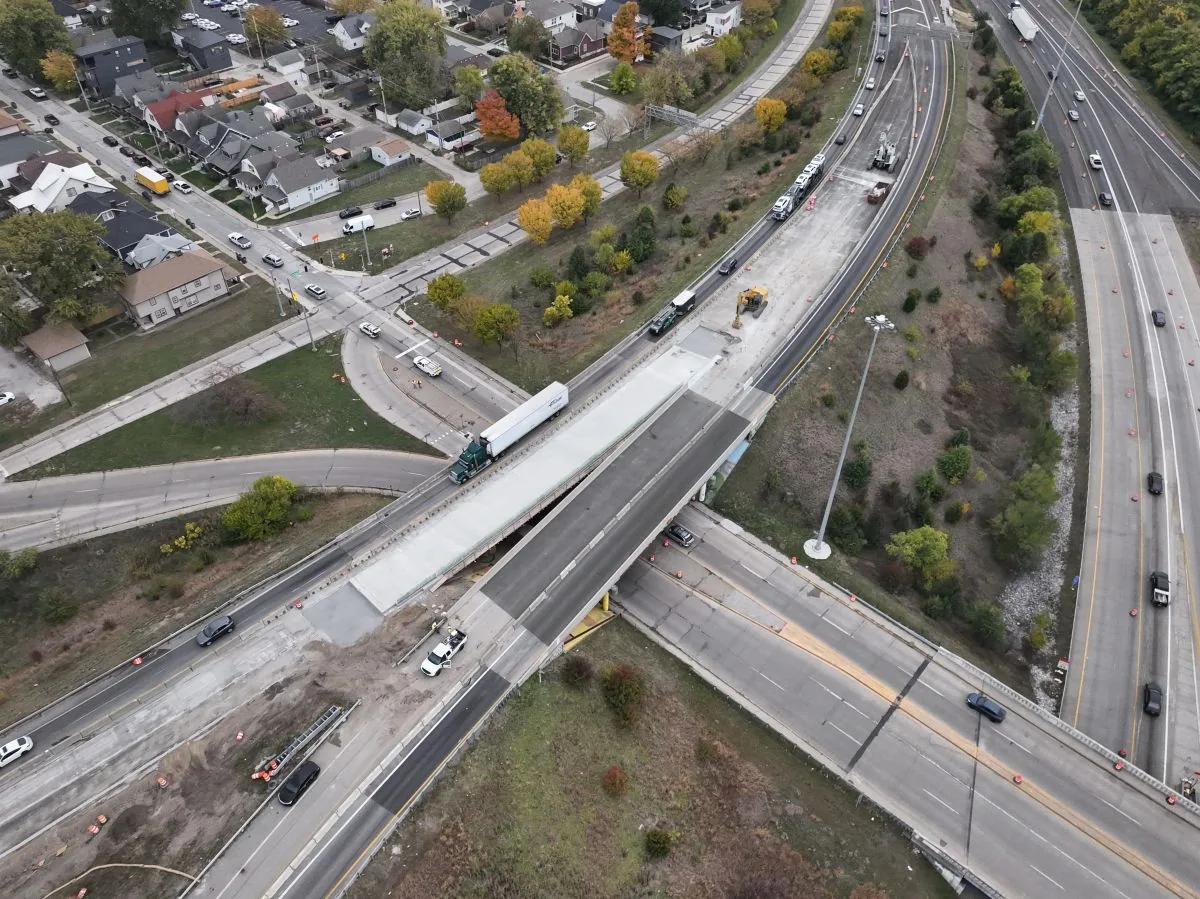
Indiana Street
Inspect commercial roofs along Indiana Street in Arvada with roof mapping, drainage checks, and repair plans tailored to the property's actual assembly.
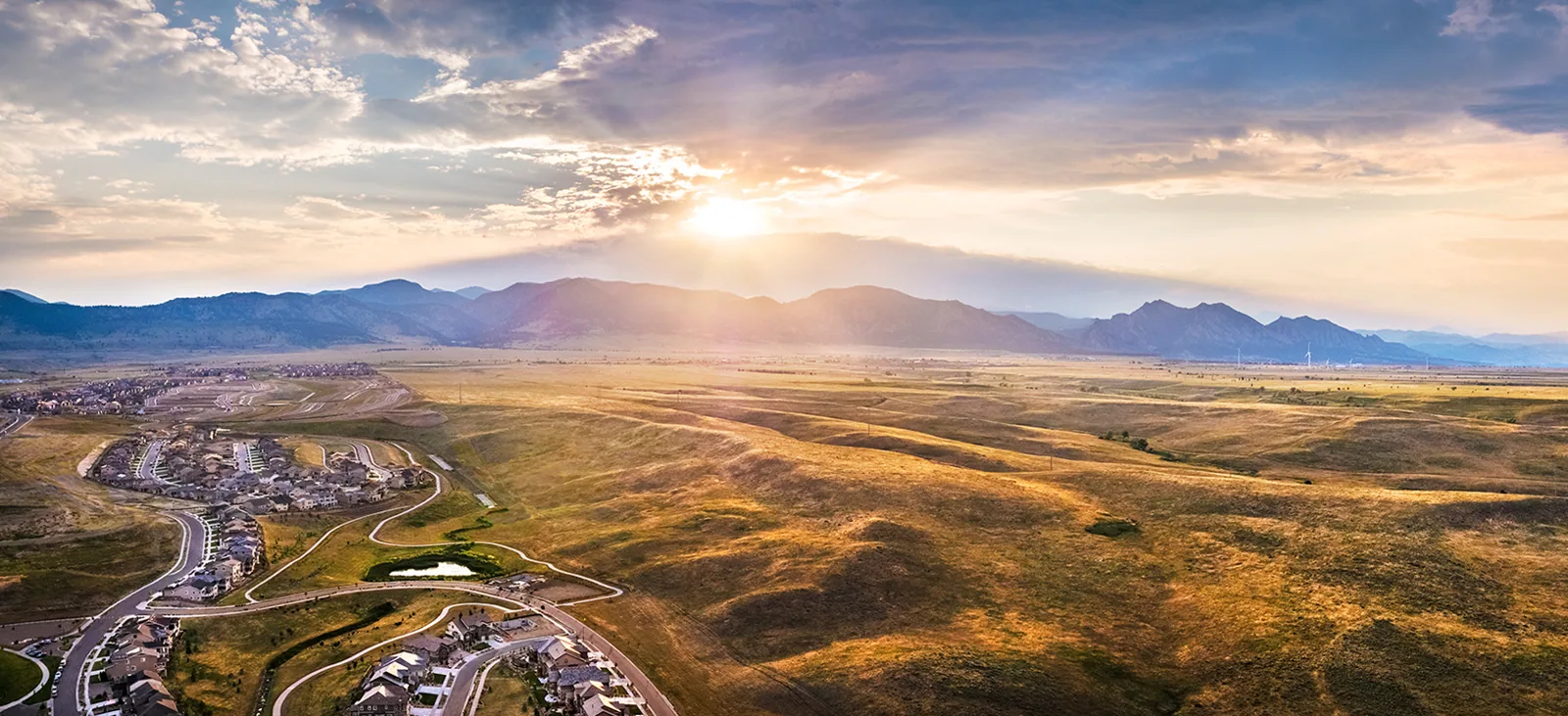
Candelas
Plan commercial roof inspections, repairs, and reroofing in Candelas with field-mapped conditions, drainage review, and coordinated project access.
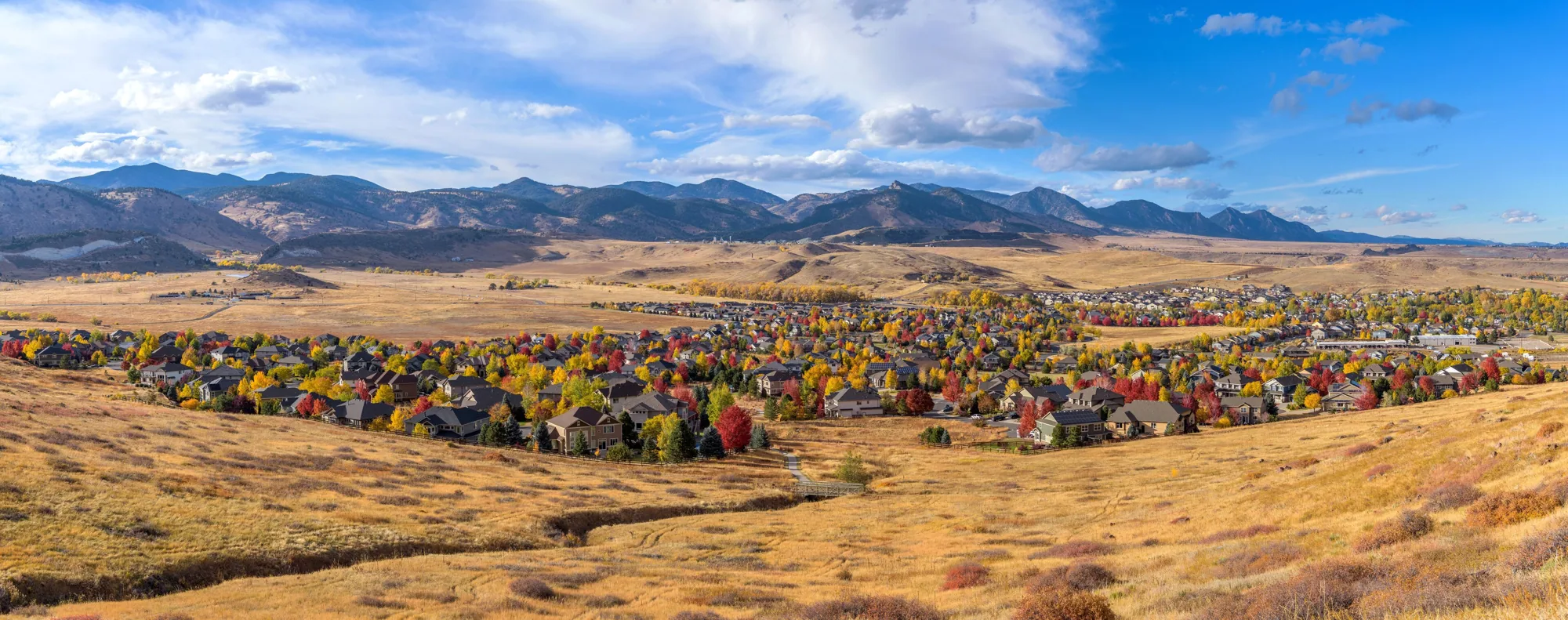
Square Lake
Inspect and repair commercial roofs in Arvada's Square Lake area with condition mapping, drainage checks, and a work plan for each property.
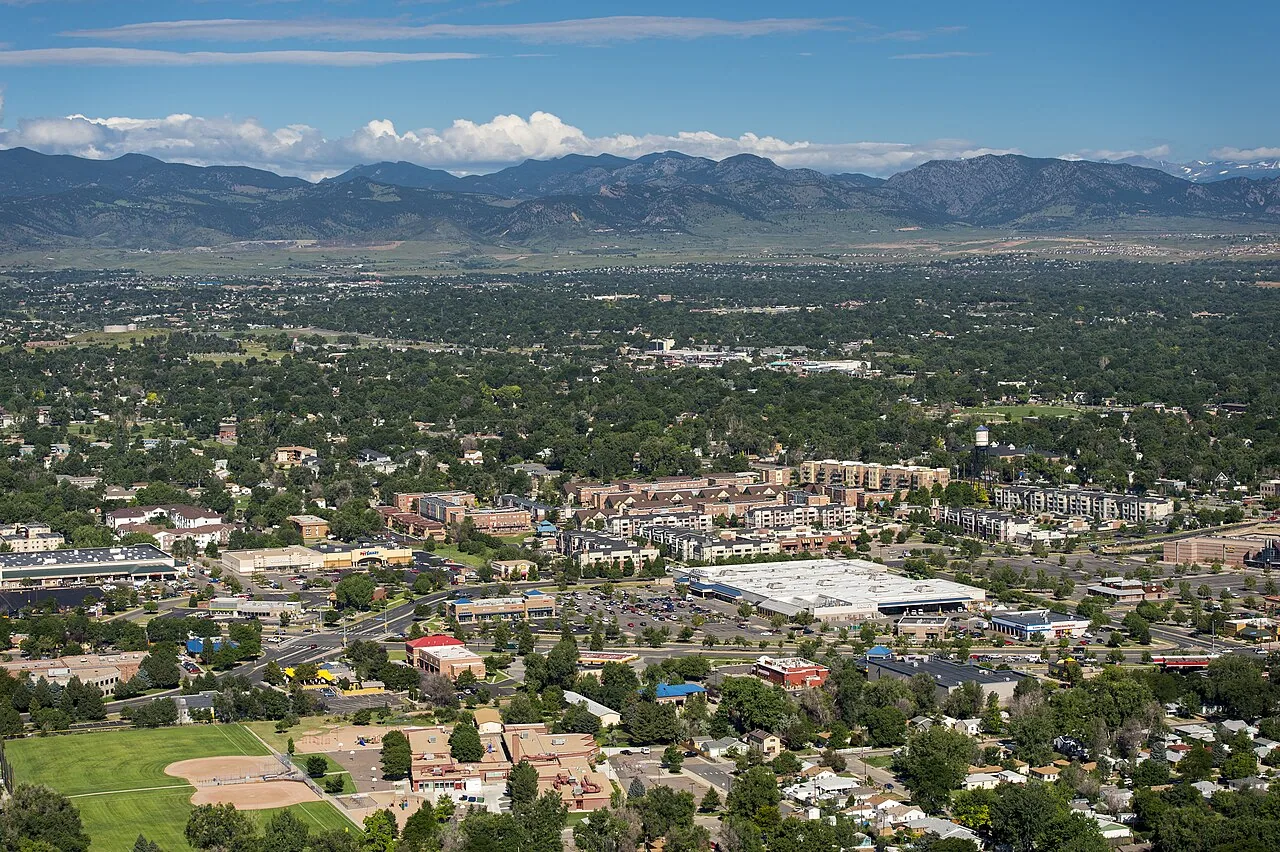
New Town Arvada
Plan commercial roof repair and replacement in New Town Arvada with mapped conditions, coordinated access, and clear scopes for occupied properties.
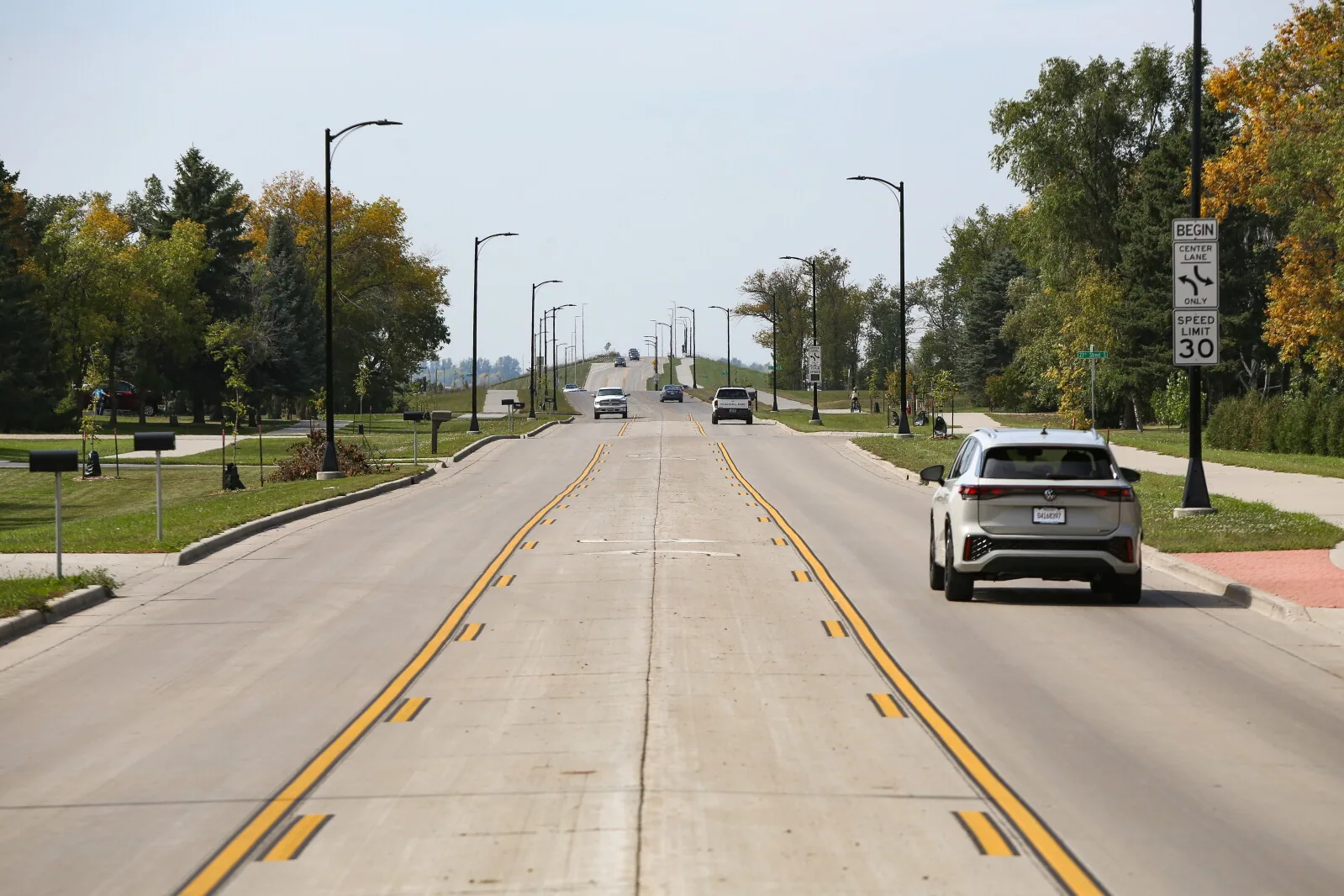
West 64th Avenue Corridor
Inspect and repair commercial roofs along West 64th Avenue in Arvada with photo-mapped conditions, drainage review, and access planning.
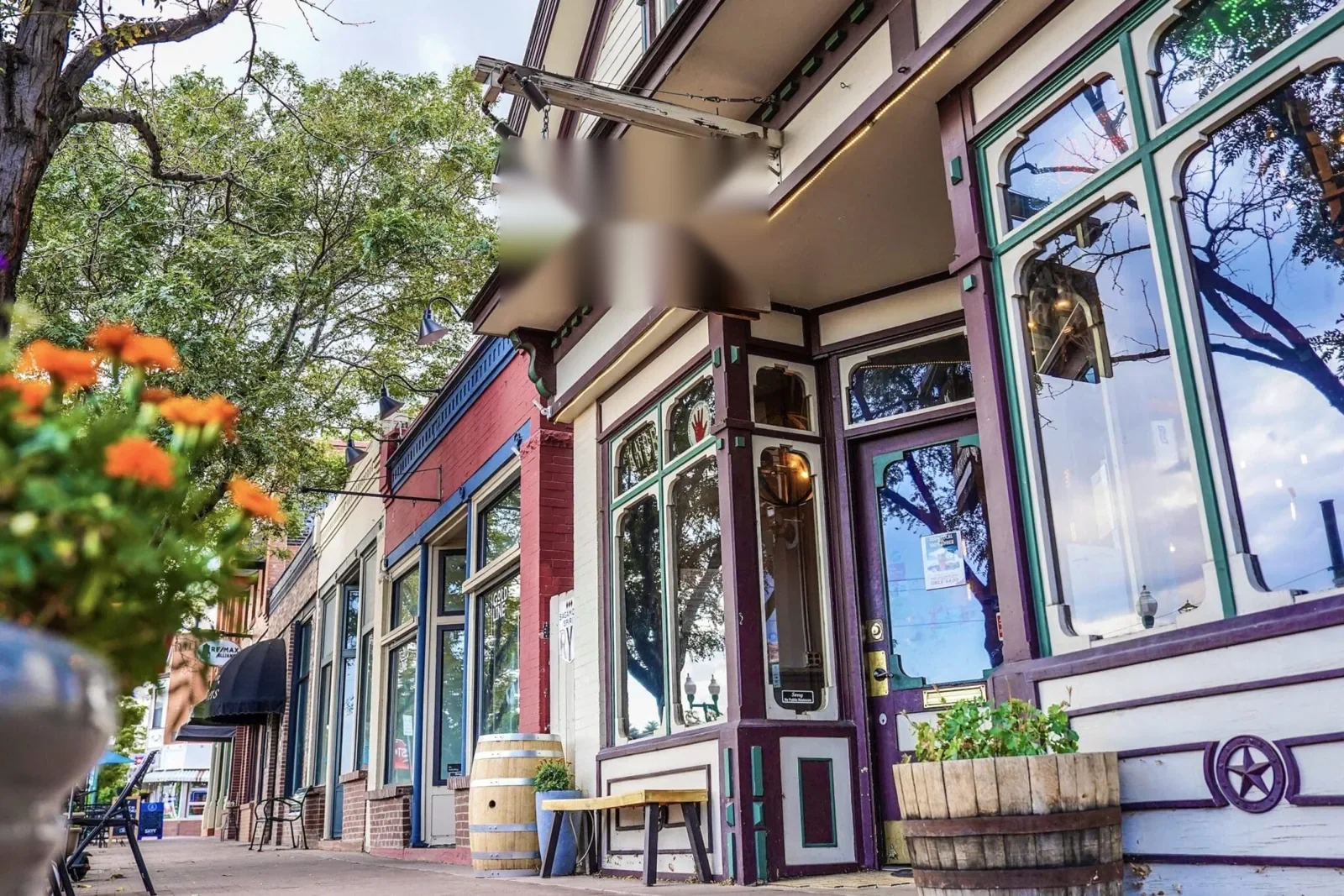
Olde Town Arvada
Repair and inspect commercial roofs in Olde Town Arvada with careful access planning, documented details, and scopes suited to mixed-use properties.
Serving Arvada and the west Denver metro.
Our crews work on commercial roofs across Arvada, Wheat Ridge, Lakewood, Westminster and Broomfield. Find your area below.
Arvada
Service Areas
Questions about Northwest Arvada
Does the Northwest Arvada planning boundary indicate what roofs are present?+
No. It locates the planning area but does not identify building types or roof assemblies. We confirm each property's membrane, layers, drainage, and repairs from records and field inspection.
How does a roof inspection near Indiana Street begin?+
We confirm the address, access route, staging limits, and operating hours, then inspect the reported leak area and nearby transitions. Findings go on a photo map with clear repair limits.
Can a hail event from 2017 prove current roof damage?+
It provides historical context for the area. A current repair scope needs a current storm date, visible roof evidence, interior reports, and moisture testing where required.
What should be reviewed when roof water remains after the drain is cleared?+
We check overflow, nearby membrane, slope, insulation, and visible deck movement. Persistent ponding may need more than cleaning and should be stated separately from a localized drain repair.
When do you recommend replacement over repair?+
The mapped spread of failures, moisture, attachment, deck condition, and drainage inform the choice. We compare repair, recover, and replacement by roof zone and explain open questions.
Have a question? Call us at 555-555-5555 or send us a message.
Start with the Northwest Arvada roof map
Provide the address, storm date, roof access instructions, leak locations, and any plans or repair records. We will document the affected sections and next decision.