Commercial Roof Condition Reports in Arvada, CO
Get a commercial roof report near Arvada with mapped photos, observed defects, test limits, and repair priorities. Keep findings tied to each building.
Request a roof assessment. Tell us about the building.
Send the address and what you are seeing on the roof or inside the building. We will set a time to walk the roof and talk through the next step.
Start with the roof plan and reported condition
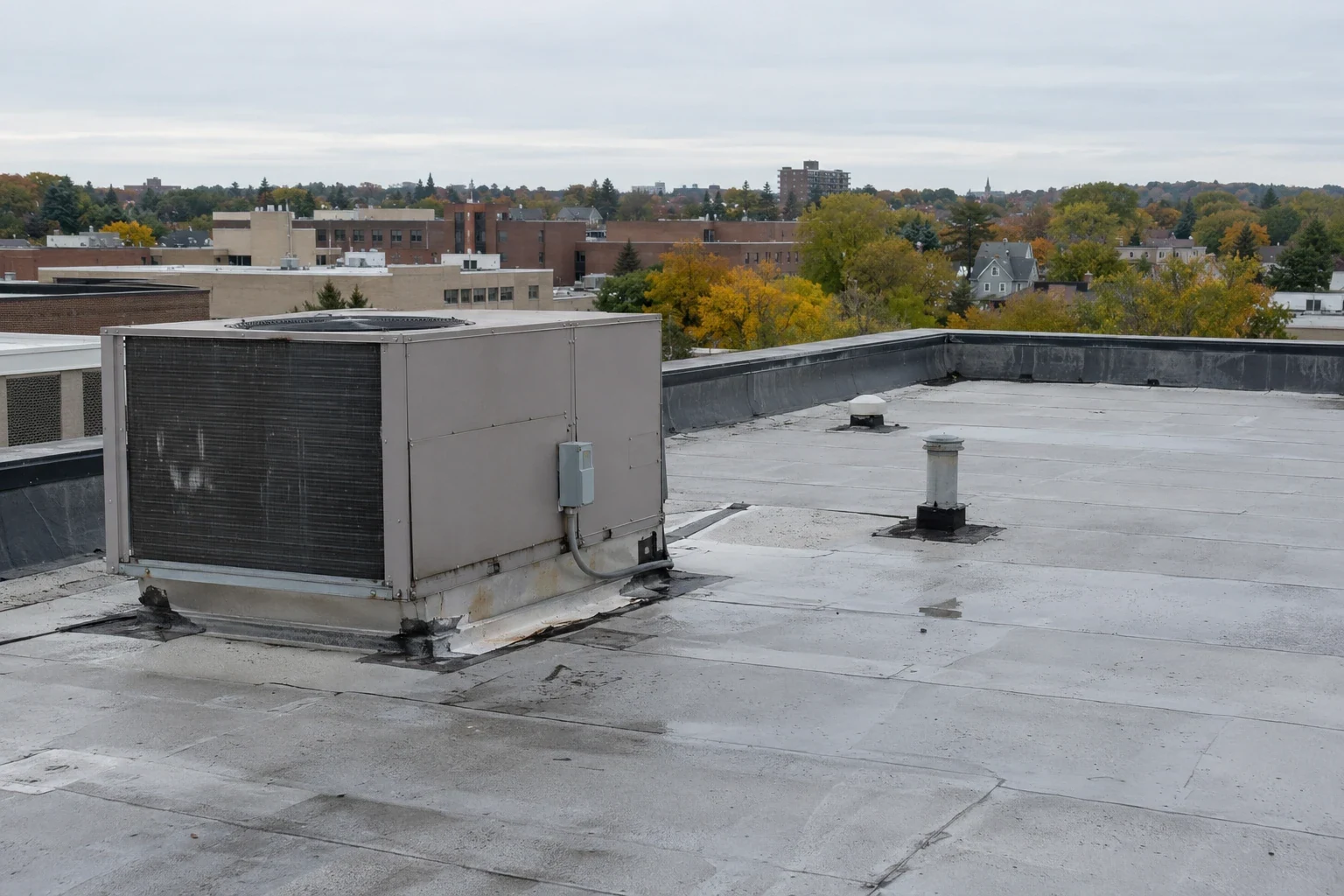
A useful roof report shows where the inspector stood and what the photo records. We label the building, roof section, visible condition, and next question. The report separates active water from an old stain. If a roof opening needs protection, the temporary measure appears apart from permanent repair options.
The Denver Federal Center in Lakewood has office, storage, laboratory, and other building uses. Ralston Fields in Arvada includes retail redevelopment. These nearby properties need different access and reporting details. A clear report describes the actual site and roof system.
Tie every photo to a roof location
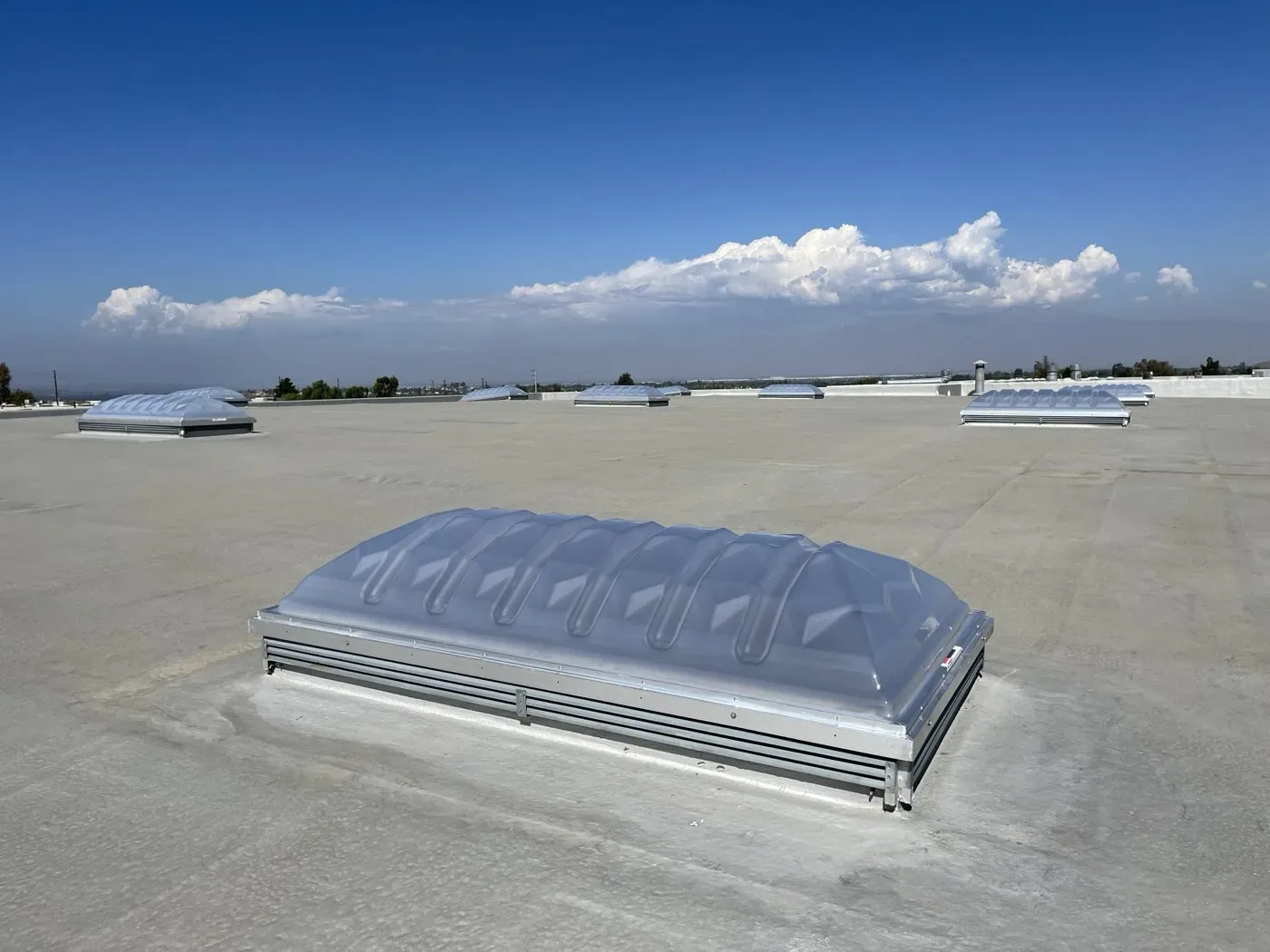
Photos without a location are hard to use during a repair or capital review. We identify roof plan, section, direction, and detail. Capture seams, curbs, drains, edges, penetrations, previous patches, and interior reports. A roof asset record can keep these findings attached to the property over time.
Use a wide view to show context and a close view to show the defect. Add scale where size matters. Record date, surface condition, and whether access was restricted. If snow, equipment, or a locked area blocked inspection, state that limit rather than implying the area was clear.
For a portfolio, maintain a separate map for each building. Shared property names can hide different roof elevations or additions. Label every image so a manager can return to the same drain or curb later.
Separate observation from diagnosis
State what was visible: open seam, loose edge, puncture, ponding, cracked flashing, or wet insulation at a test opening. Then identify the likely consequence and what remains unknown. A roof inspection can include visual review, drone imagery, or moisture testing when the scope calls for it.
Do not infer roof age, hidden damage, or structural capacity without supporting records. A stain may show water entry but not the roof opening. A thermal image may identify a difference that requires confirmation. The report should say which method was used and what evidence it produced.
Testing must answer a decision question. Mark test location, method, result, and repair of the test area. If additional work is needed, show the new boundary separately. This makes the report easier for owners, facility staff, and designers to review.
When multiple inspection methods are used, label each result. A drone image can show broad surface patterns, while an infrared survey can flag temperature differences for confirmation. A test opening reveals the material condition at one point. State each method's role and avoid presenting one result as proof of another.
Rank repairs by exposure and confidence
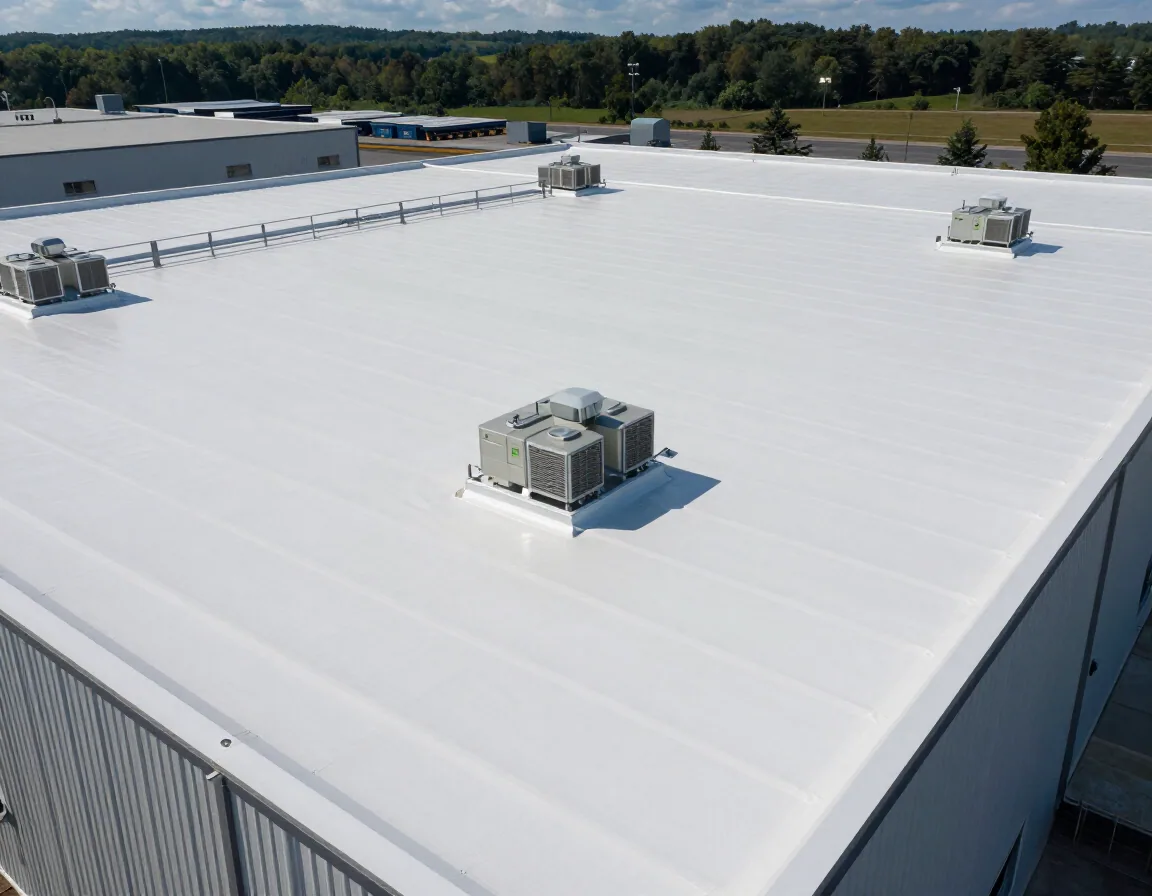
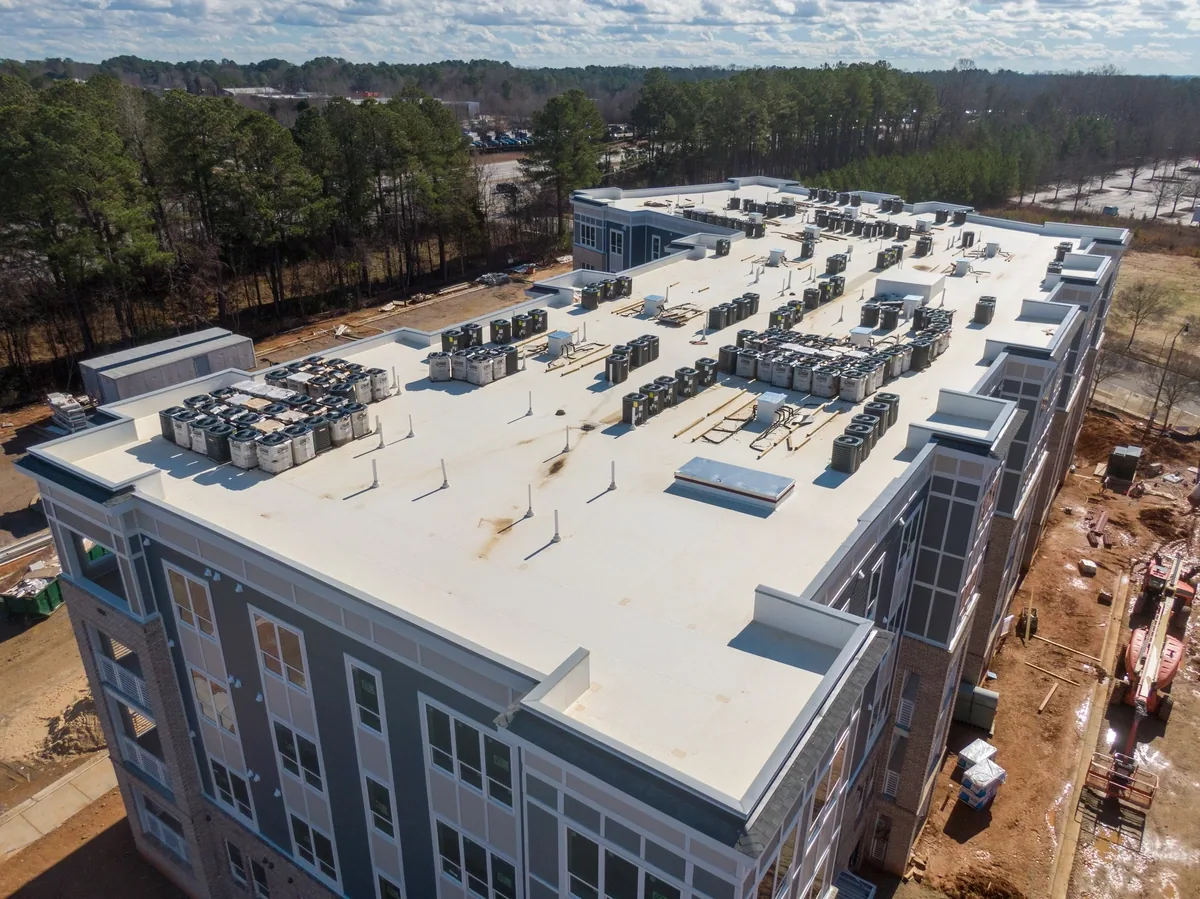
Active water, unsafe conditions, failed drainage, and repeated leakage may deserve prompt attention. A cosmetic surface change may not carry the same urgency. We note consequence, confidence, and next action. A repair recommendation should name the affected area and what work would resolve the observed issue.
Hail and wind hit Arvada in the May 2017 metro storm; heavy rain and flash flooding also affected western suburbs, while reports still need current site evidence. The historic event can inform an inspection checklist, but current reports need a current date and roof evidence. Distinguish fresh impact from prior wear and previous repairs.
When more information is needed, state whether to open a test area, return after weather clears, or request engineering review. The report should not bury an unresolved question in a general condition score. Give the owner the next step and the evidence that would change the decision.
A concise summary at the front can identify active leaks, immediate protection, and decisions awaiting authorization. Supporting detail should follow by building and roof zone. Keep recommendations tied to observation and note the date of each visit. The reader can then move from urgent action to longer-range planning without confusing the two.
Ready to talk about your roof?
Record the project and jurisdiction context
Arvada adopted updated 2024 codes on a 2026 city implementation schedule, including wind, seismic, and snow revisions. The report can identify when a permit or design review may need confirmation, but the authority and project scope determine applicability.
Olde Town Arvada includes historic resources among retail, office, residential, and mixed-use buildings. Covered alterations can require a Certificate of Compliance. If a report recommends changing visible edge metal or roof screens, note that the owner may need to check the district review path.
Local context should not be confused with roof evidence. The 47-inch seasonal snowfall normal at Denver International Airport covers 1991-2020. That airport statistic is regional context only, not a structural value for an individual roof. The report names the reference and keeps its limitations clear.
Make the report usable for the next decision
A finished report includes an executive condition summary, roof map, labeled photos, observed defects, testing limits, and repair priorities. A capital planning review can use those findings to compare timing and options. For a property transaction, a due diligence survey may need additional document review.
Arvada Ridge Station is near Red Rocks Community College on the G Line. A report for a property near Arvada Ridge still begins with the building address, access contact, and roof plan. Location labels help orient a report but do not replace the site map.
Provide the property list, plans, leak reports, prior repair notes, storm date, and access constraints. We will document what is visible and identify the next decision. If active water threatens the building, emergency protection is available around the clock when access is safe.
Reports can be delivered in sections when a large property list needs staged review. Each part should identify included buildings and any visits still pending. At completion, reconcile the property list with the report index so no site appears inspected when it was only scheduled. The owner can then assign follow-up without guessing which areas were covered.
More roofing capabilities
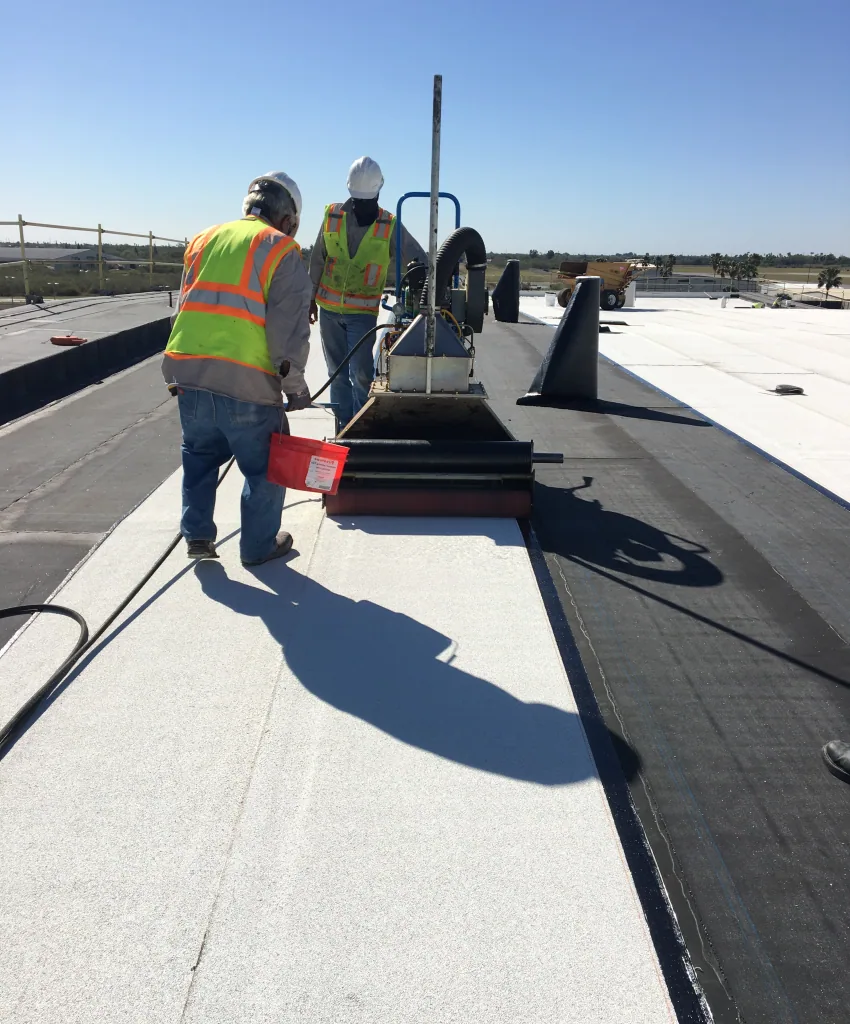
Other work our crews handle on Arvada roofs. See all roofing capabilities.
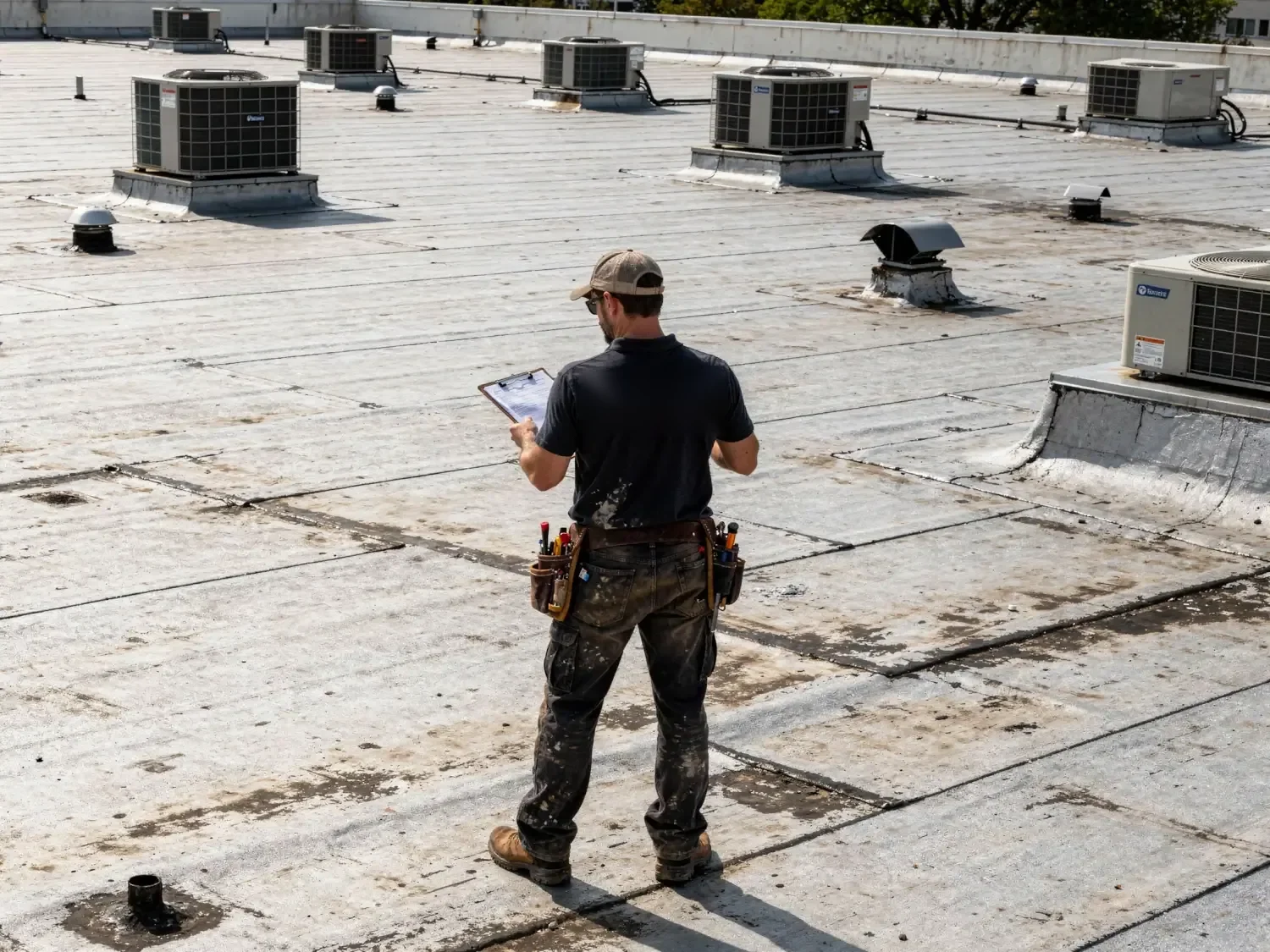
Commercial Roof Asset Management
Track commercial roof systems and repairs across Arvada properties with dated inspections, building maps, and open decisions. Keep each asset's record distinct.
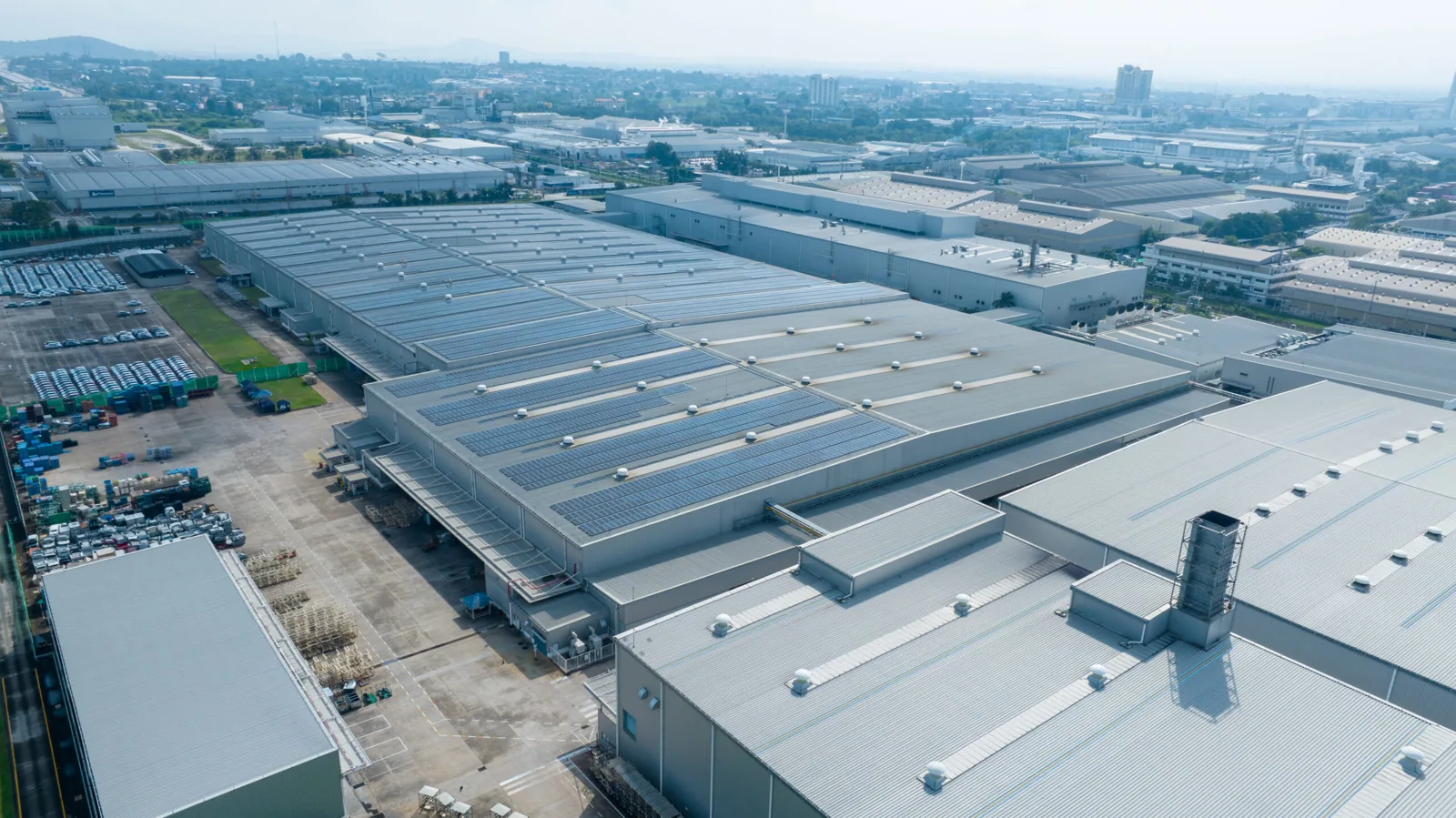
Commercial Roof Capital Planning
Plan commercial roof budgets near Arvada from documented conditions, repair options, and timing drivers. Sequence capital work by building and operating need.

Commercial Roof Due Diligence Surveys
Review Arvada commercial roofs before acquisition or refinancing. Map visible defects, prior repairs, access limits, and questions that may change scope.
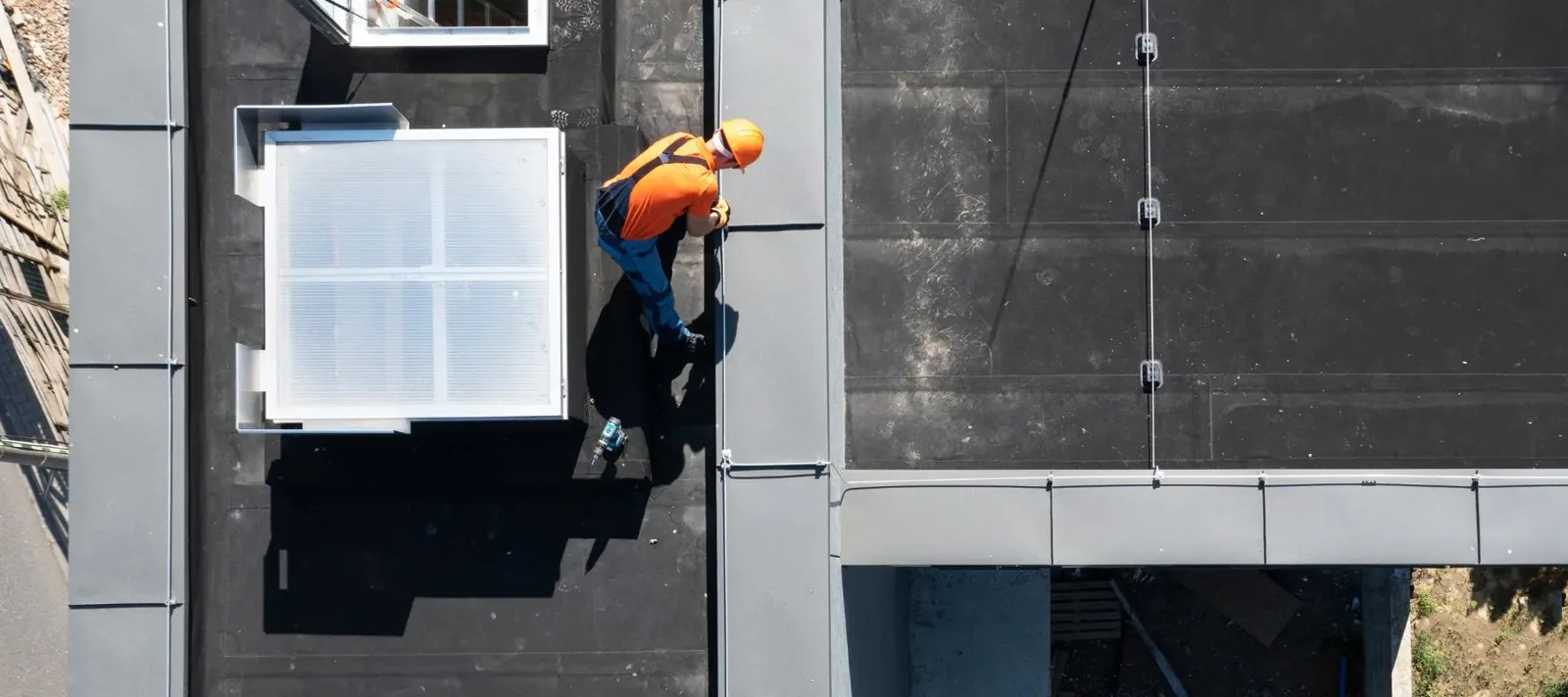
Commercial Roof Warranty Management
Organize commercial roof warranty files near Arvada with system details, inspection history, repairs, and current contacts. Verify terms before work.
Multi-Site Commercial Roof Programs
Coordinate roof inspections and repairs across Arvada properties with shared reporting and building-level maps. Preserve each site's scope and priorities.
Serving Arvada and the west Denver metro.
Our crews work on commercial roofs across Arvada, Wheat Ridge, Lakewood, Westminster and Broomfield. Find your area below.
Arvada
Service Areas
Questions about Commercial Roof Condition Reports
What should a roof condition report include?+
Include property and building labels, roof map, system description, dated photos, observed conditions, access limits, test results, and recommended next actions. Separate confirmed defects from questions that need more investigation.
Can photos prove that a roof needs replacement?+
Photos can document visible conditions, but replacement depends on the whole assembly, moisture, attachment, and repairability. We state what the images show and which testing or records could change the recommendation.
How should reports cover inaccessible roof areas?+
List each blocked area, why access was unavailable, and what evidence could not be collected. The owner can schedule a return or authorize another inspection method. Do not treat an uninspected area as confirmed good condition.
Can one report cover several buildings?+
Yes, when each building has its own map, findings, and photo labels. A portfolio summary can compare priority and open questions. Keep system details and repair boundaries distinct by property.
Have a question? Call us at 555-555-5555 or send us a message.
Start with the roof plan and reported condition
Share the address, building map, prior inspection notes, current leaks, and access limits. We will return a location-based report with photos and next actions.