Commercial Roof Asset Management in Arvada, CO
Track commercial roof systems and repairs across Arvada properties with dated inspections, building maps, and open decisions. Keep each asset's record distinct.
Request a roof assessment. Tell us about the building.
Send the address and what you are seeing on the roof or inside the building. We will set a time to walk the roof and talk through the next step.
Start with the property list and roof plans
A roof record works when it points to a building, section, and observed condition. We begin with the property list and existing plans. Then we map systems, drains, penetrations, repairs, and access limits. Each asset keeps its own photo record and next decision, even when one owner manages several sites.
Arvada's Ralston Fields includes retail redevelopment, while the Denver Federal Center in Lakewood contains offices, storage, laboratories, and other agency facilities. These properties illustrate different roof records and operating needs. The register should describe the actual building, not infer its roof from a district or campus name.
Start with the documents already available. Gather site plans, service invoices, warranty files, and prior photos. Mark conflicting roof labels for field verification. If a plan identifies a section that no longer matches the property, keep the old record for history and add a current map. That protects the next inspection from relying on a stale drawing.
Build a building-level roof register
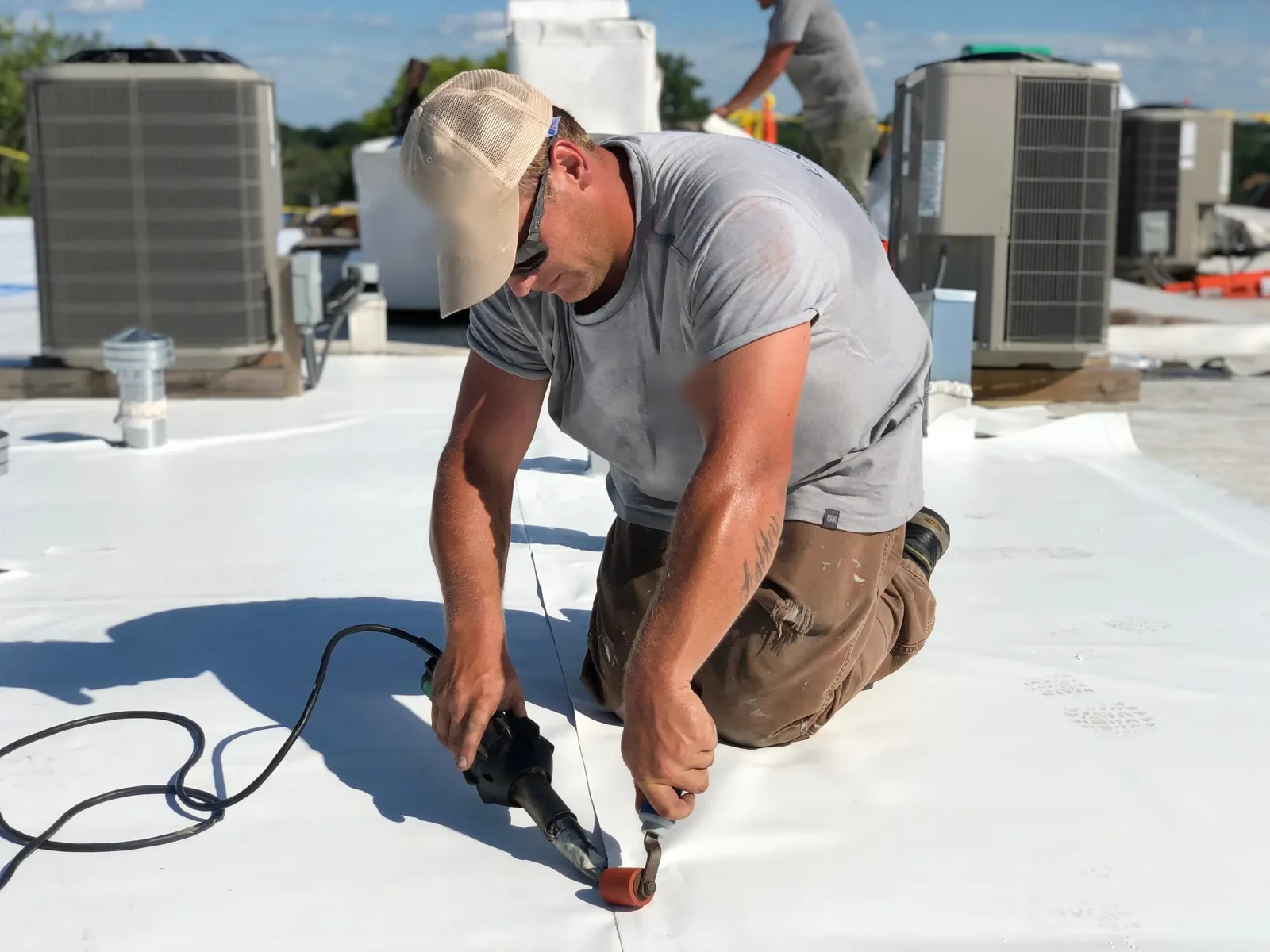
Record address, building identifier, roof zone, system, age if documented, drain path, access point, prior repairs, and inspection date. Mark unknown fields as unknown rather than filling them from a neighbor property. A condition report can add photos and current findings to each asset line.
Plan maps should show roof sections and links to the corresponding reports. If a campus has several structures, use separate sheets or clearly distinct labels. The roof register can list active leaks, temporary protection, test results, and a due date for each follow-up. That gives facilities staff a route back to the same detail.
Use status terms consistently. Separate active leak, temporary protection, repair proposed, repair authorized, repair complete, and observation. A status should have a date and owner. Without that information, a portfolio dashboard can make an old issue look current or make an unresolved repair disappear from view.
When an inspection finds wet insulation or a loose edge, record the location and supporting evidence. Do not let a portfolio status replace the Diligence Notes. The owner can rank properties later, but the source observation should remain available for review.
Use current condition to prioritize follow-up
Prioritize active water, safety concerns, drainage failures, and repeated repairs before cosmetic wear. We label urgency, confidence, and any concealed question. A photo-based roof report can show which areas were visible and where testing could change the recommendation.
Olde Town has historic resources among its homes, shops, offices, and mixed-use buildings. The district's guidelines can require formal review when certain exterior changes are proposed. An asset record for a property there should note that review path before visible edge changes are included in a capital plan.
Weather dates matter. Arvada and western suburbs experienced hail, wind, rain, and flooding during the May 2017 metro supercell. That archive can guide a modern inspection sequence, but it cannot establish current condition. Store the date of a new event and the specific roof areas inspected.
Connect maintenance to the assembly
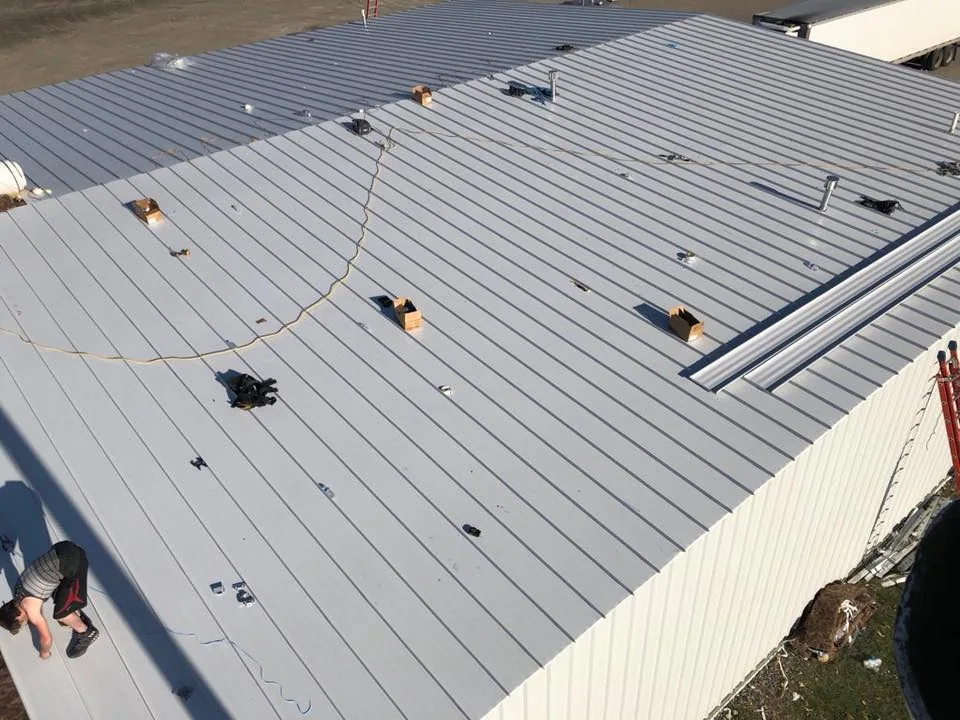
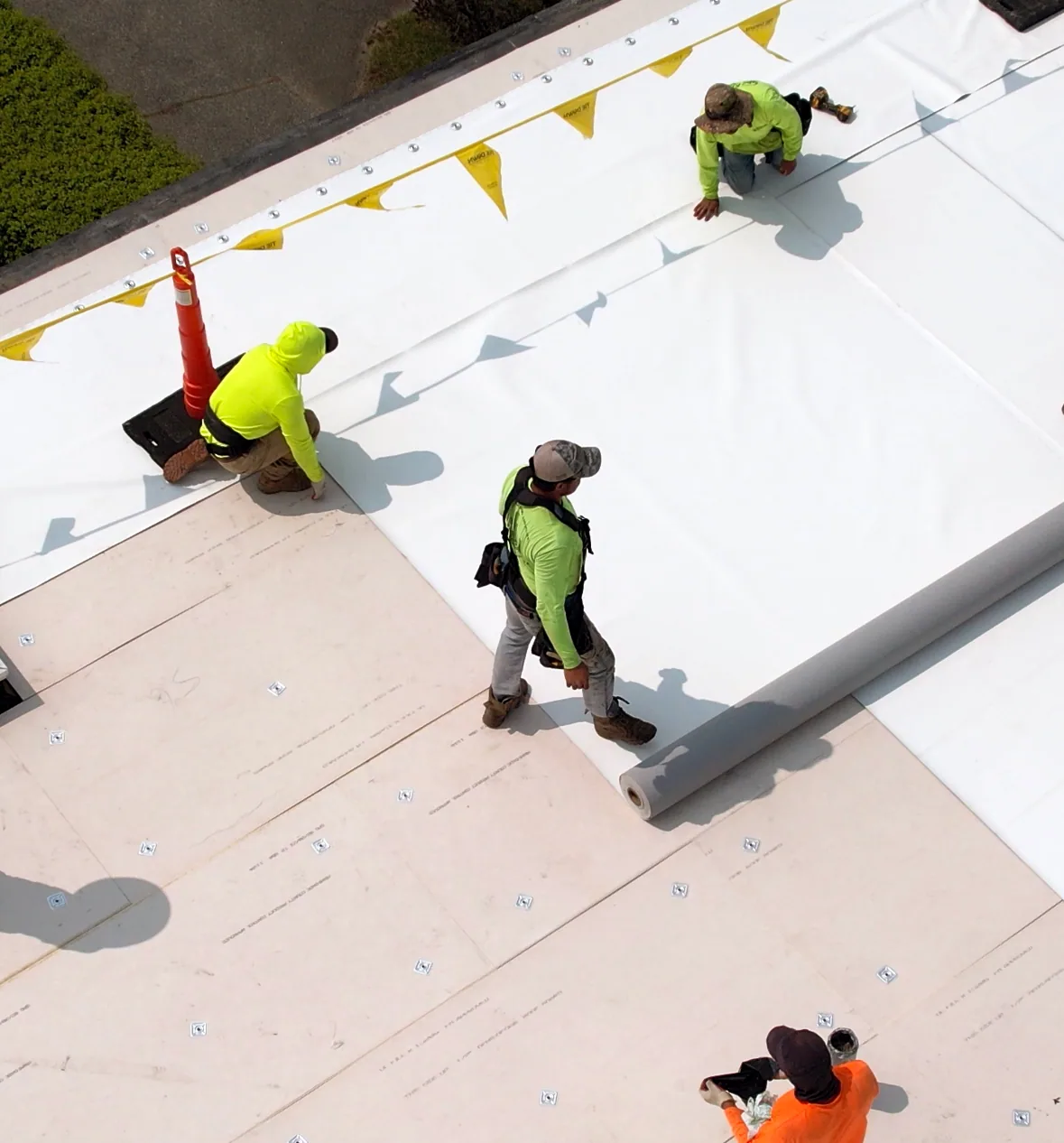
Different materials need different inspections. Membrane seams, metal fasteners, coating adhesion, and drain transitions each call for a relevant check. Link the asset's system to its inspection notes and previous repairs. A preventive maintenance visit can clear debris, review details, and record new conditions.
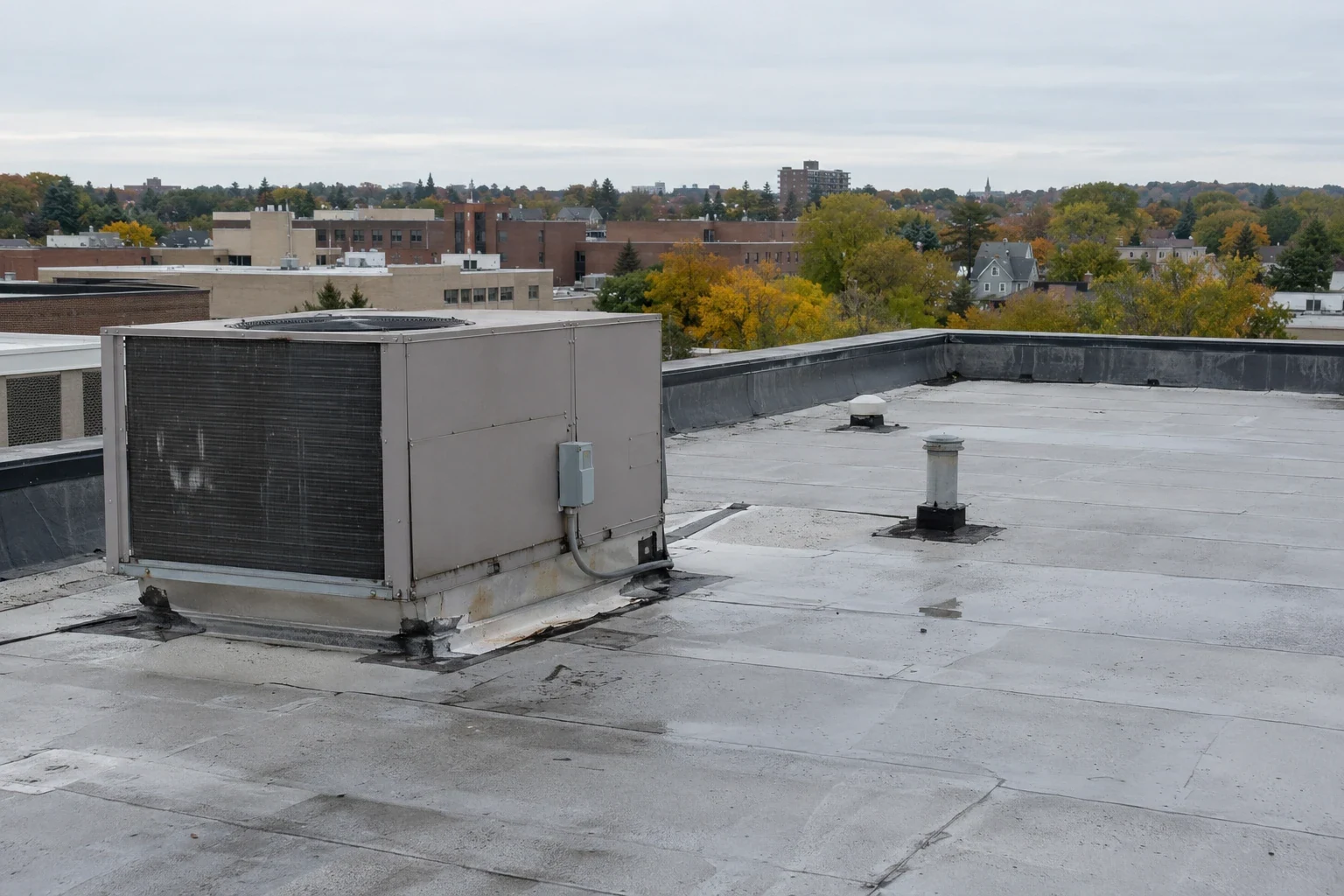
Track equipment curbs, roof penetrations, and service paths. Maintenance or mechanical work can change the roof after the last report. Record who accessed the roof, what changed, and whether flashing was disturbed. The next inspection should compare those changes with the prior photo map.
Do not confuse a maintenance task with a capital repair. A clean drain can help water flow, but it will not restore a loose membrane seam. A bounded patch may address one failure while leaving another issue open. Each recommendation should state what it resolves and what still needs attention.
Ready to talk about your roof?
Turn roof records into capital choices
Capital timing depends on condition, moisture, system, attachment, access, and consequence of failure. A roof's age alone does not determine replacement. A capital planning review can compare repair, testing, recovery, and replacement by building.
Cost drivers include removal, insulation, deck repair, staging, equipment coordination, material, and tenant access. Keep estimates tied to the same roof map used for inspection. If a recover is considered, first confirm existing layers, moisture, drainage, edge height, and structural allowance. Replacement planning needs debris routes and temporary protection.
For a property acquisition, preserve the current state and open questions in a due diligence roof survey. For a multi-building owner, shared status fields can help sequence inspections without merging different assemblies or work scopes.
Keep portfolio decisions grounded in the site
Arvada Ridge Station lies near Red Rocks Community College; the G Line also reaches Olde Town and Wheat Ridge. These names help orient facilities staff across the west metro. A roof record near Ralston Fields still needs its address, building map, and access contact.
Share property lists, roof plans, recent inspection notes, open leak reports, and service history. We can organize current conditions by building and identify the next inspection or repair decision. Each record remains tied to the site that was reviewed.
Keep closeout material with the asset: photos, repair dates, products installed, test results, and remaining questions. When ownership or managers change, this trail helps the next team find the affected roof zone without relying on verbal handoff.
At review meetings, use the register to identify decisions that need action: inspection access, testing, temporary protection, budget, or contractor scheduling. The asset record should link each decision to the supporting report. That way a capital discussion can move forward without losing the field detail behind it.
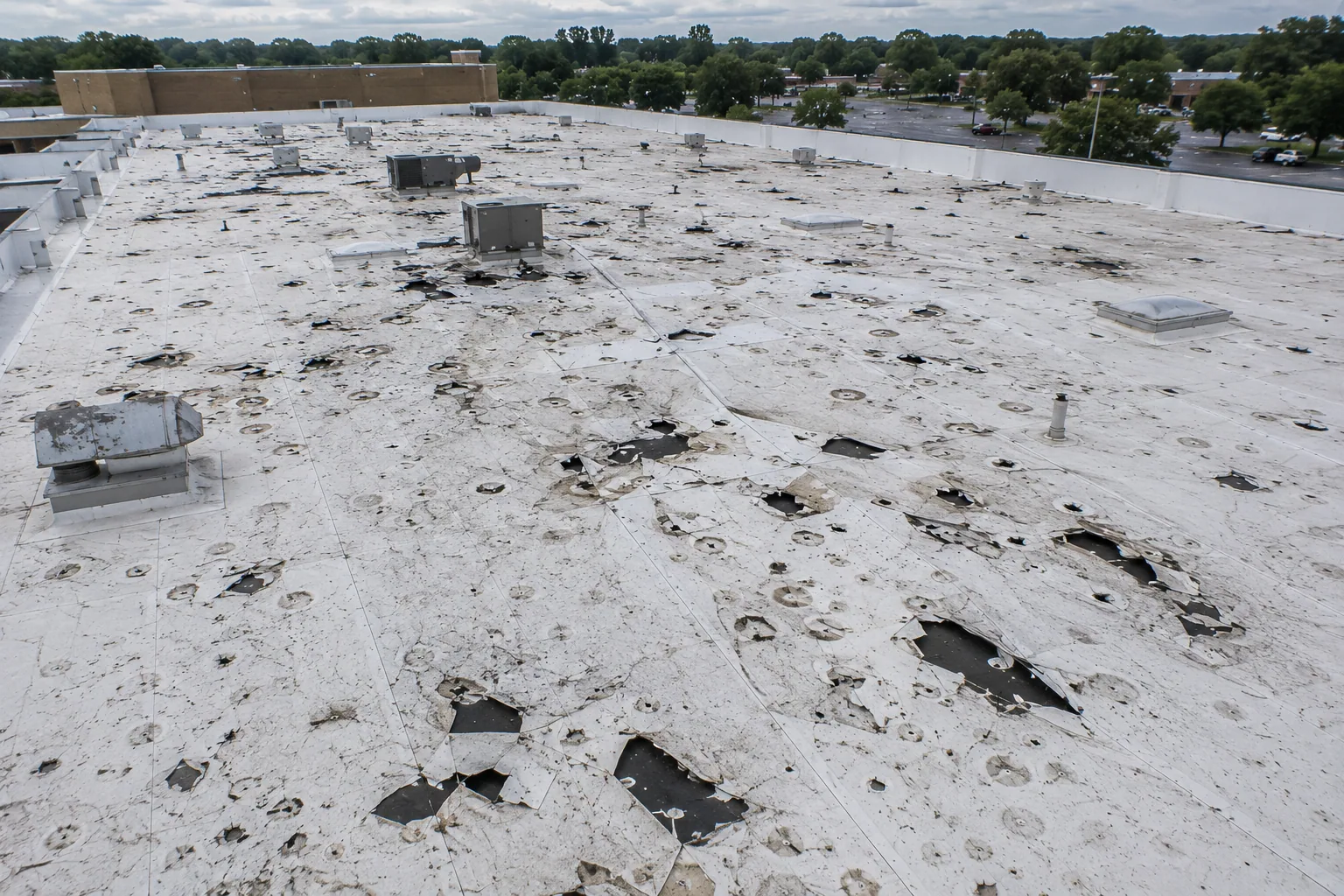
More roofing capabilities
Other work our crews handle on Arvada roofs. See all roofing capabilities.
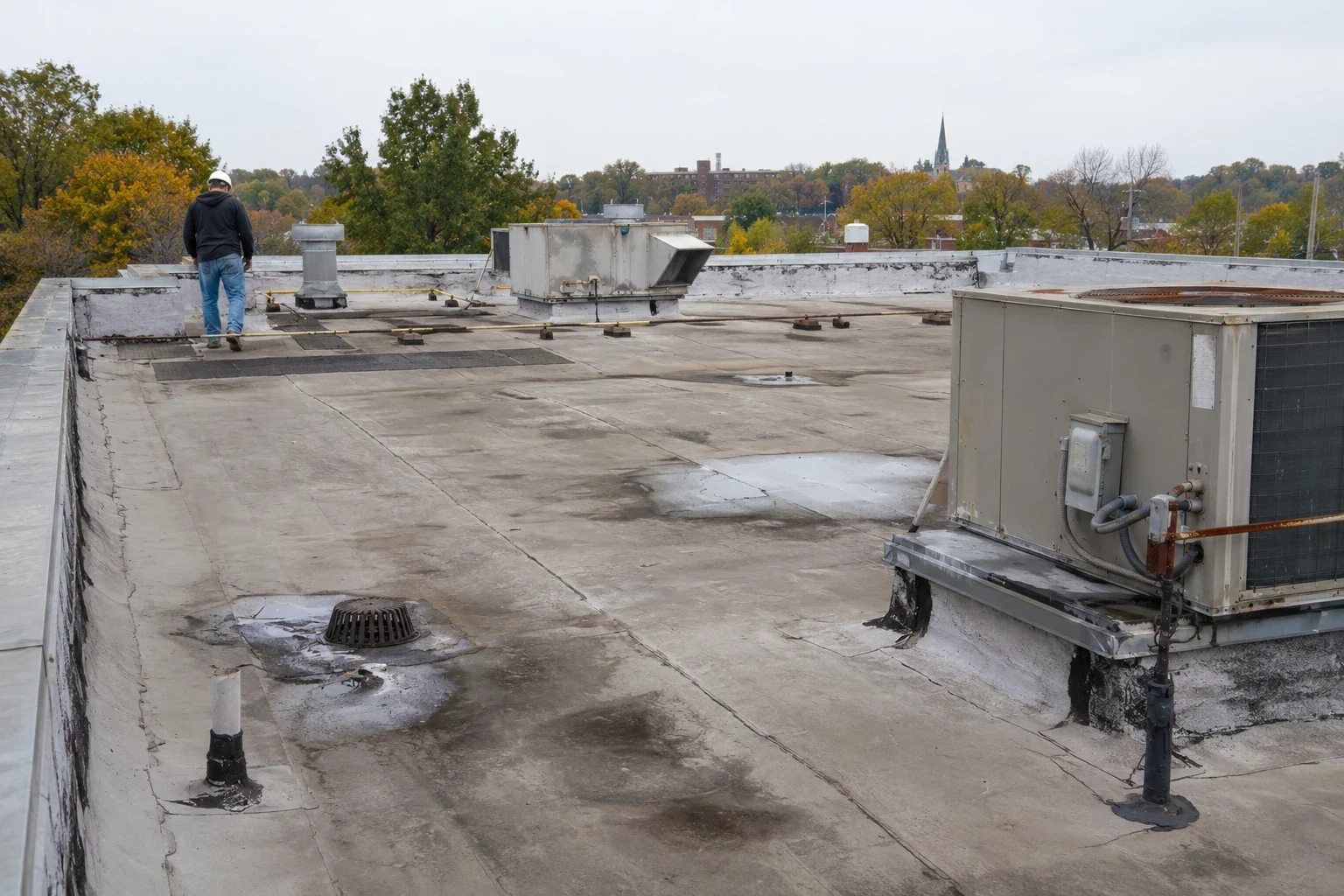
Commercial Roof Condition Reports
Get a commercial roof report near Arvada with mapped photos, observed defects, test limits, and repair priorities. Keep findings tied to each building.
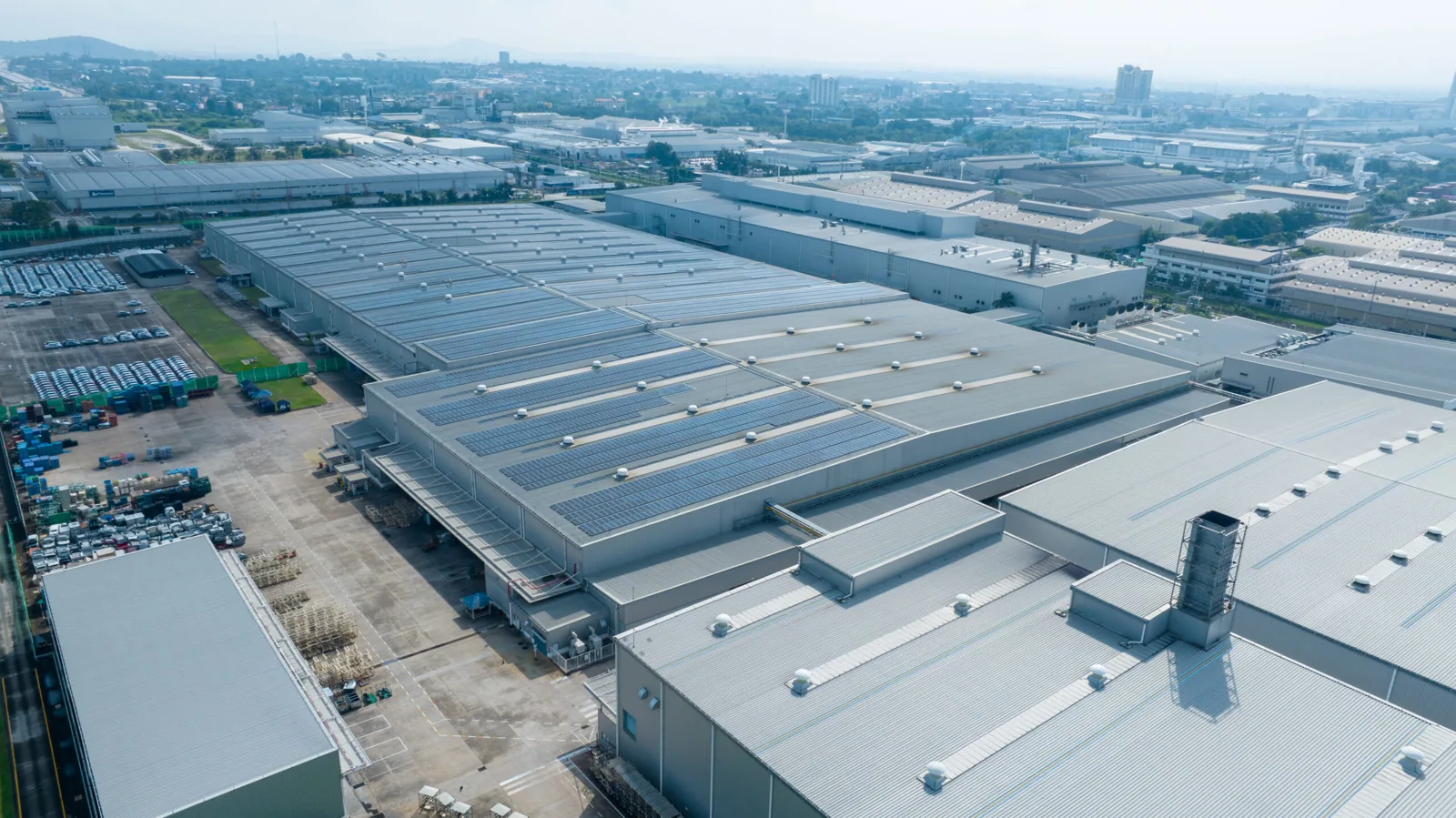
Commercial Roof Capital Planning
Plan commercial roof budgets near Arvada from documented conditions, repair options, and timing drivers. Sequence capital work by building and operating need.

Commercial Roof Due Diligence Surveys
Review Arvada commercial roofs before acquisition or refinancing. Map visible defects, prior repairs, access limits, and questions that may change scope.
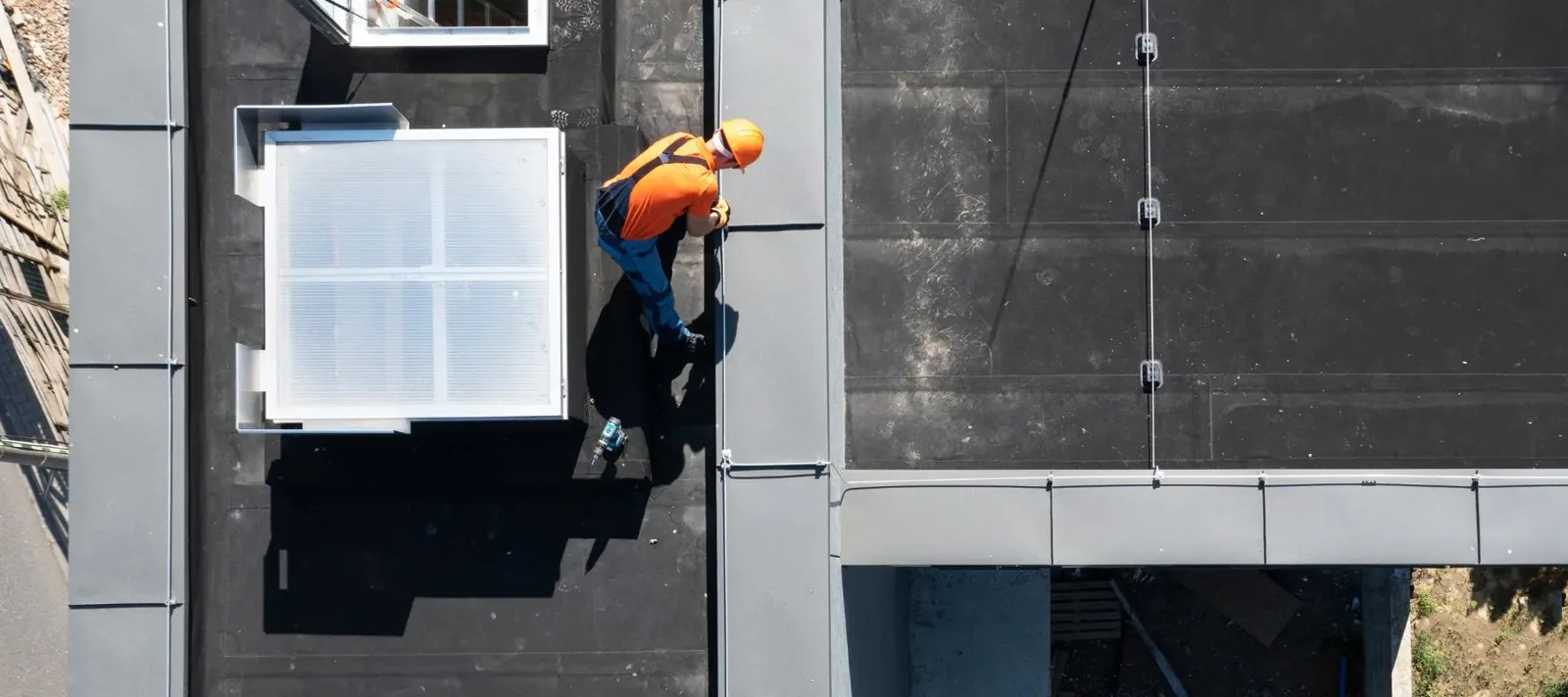
Commercial Roof Warranty Management
Organize commercial roof warranty files near Arvada with system details, inspection history, repairs, and current contacts. Verify terms before work.
Multi-Site Commercial Roof Programs
Coordinate roof inspections and repairs across Arvada properties with shared reporting and building-level maps. Preserve each site's scope and priorities.
Serving Arvada and the west Denver metro.
Our crews work on commercial roofs across Arvada, Wheat Ridge, Lakewood, Westminster and Broomfield. Find your area below.
Arvada
Service Areas
Questions about Commercial Roof Asset Management
What belongs in a commercial roof asset register?+
Track address, building, roof sections, system, access, drains, prior repairs, inspection dates, open conditions, and follow-up. Keep sources and photos attached to the asset. Mark unknown details instead of inferring them.
Can one inspection format work across a portfolio?+
A common format can make records easier to compare. Each property still needs its own map, system description, photos, and recommendations. The format should preserve site-level differences rather than average them away.
How does asset management help capital planning?+
Current condition, urgency, testing needs, and cost drivers give ownership a clearer sequence. We identify repair and replacement considerations by building. The owner decides timing and budget after reviewing those separate records.
How often should records be updated?+
Update the register after inspections, repairs, storms, equipment work, and ownership changes. A new roof map or material change should replace stale assumptions. Active issues also need a current status and return date.
Have a question? Call us at 555-555-5555 or send us a message.
Start with the property list and roof plans
Send addresses, building maps, inspection reports, open leak records, and recent roof work. We will organize the current conditions and identify next decisions by asset.