Commercial Roofing for Logistics and 3PL Facilities in Arvada, CO
Plan warehouse and distribution roof work near Arvada around dock activity, inventory protection, and dispatch schedules. Map each repair zone before staging.
Request a roof assessment. Tell us about the building.
Send the address and what you are seeing on the roof or inside the building. We will set a time to walk the roof and talk through the next step.
Start with the dock map and affected bay
A water report above an active dock needs a bay number before the roof is opened. We compare the interior location with drains, seams, curbs, and roof slope. The work map marks loading doors, inventory, and safe staging. Temporary protection comes first when water threatens freight or handling equipment.
New Town sits between the G Line and Interstate 70, with Wadsworth Boulevard and Bypass crossing the district. Northwest Arvada includes the Indiana Street corridor, with rail lines bordering its planning area. These corridors orient logistics requests. Each distribution building still needs a verified address, roof plan, and operating contact.
Keep docks and truck paths moving
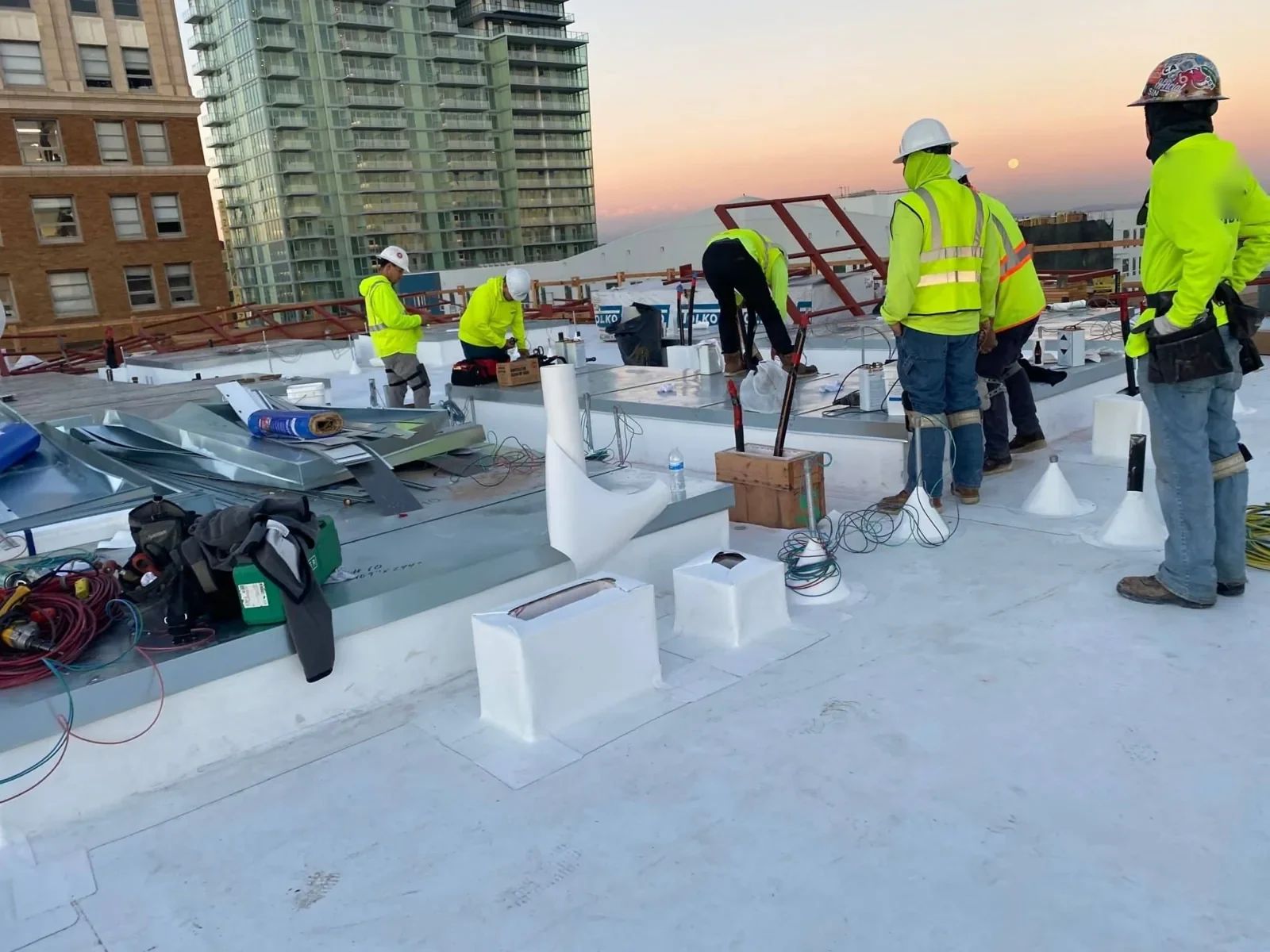
Roof access can compete with trailer staging, forklift routes, and yard traffic. The facility identifies active dock doors, peak receiving windows, pedestrian routes, and delivery restrictions. We set a lift position and material route that fit the released area. A distribution center roof plan should identify which bays can stay in service during each phase.
Material hoisting requires a weather window and an agreed exclusion zone. If wind or precipitation makes the lift unsafe, reschedule and keep dock operations clear. The daily work plan shows the section to open, cover, inspect, and close. Do not leave an exposed edge while crews move to another task.
Many 3PL buildings operate across shifts. Noise, interior protection, and temporary lane closures must be reviewed with site leads. We can sequence repairs by dock bank or roof section. Each handoff names a facility contact and confirms whether the next area remains available.
Operators should know the daily release point before the first pallet moves. Mark when the dock can reopen, which aisle remains protected, and whether any temporary covering stays in place. If a delivery wave changes access, the crew can resequence work without leaving an uncertain roof opening above stored goods.
Protect stored goods and handling systems
Inventory exposure depends on rack layout and the water path, not only the visible ceiling stain. Locate the affected aisle and compare it with the roof zone overhead. Water may travel along a deck, purlin, or insulation before dripping into a different bay. A leak-path inspection connects the report with likely entry points.
Document product, rack, conveyor, lighting, and electrical conditions near the affected area. The operator decides whether freight moves or an aisle closes. We can protect a limited zone while investigating. Permanent repair follows after the roof system and damage boundary are established.
Roof-mounted exhaust, HVAC, and communications equipment can cross logistics aisles or maintenance routes. We record curb details, supports, flashing, and shutdown needs. Facility engineering identifies the responsible trade. Keep roofing removal separate from equipment movement unless the work order assigns both tasks and access approval.
Inspect the roof after a reported event
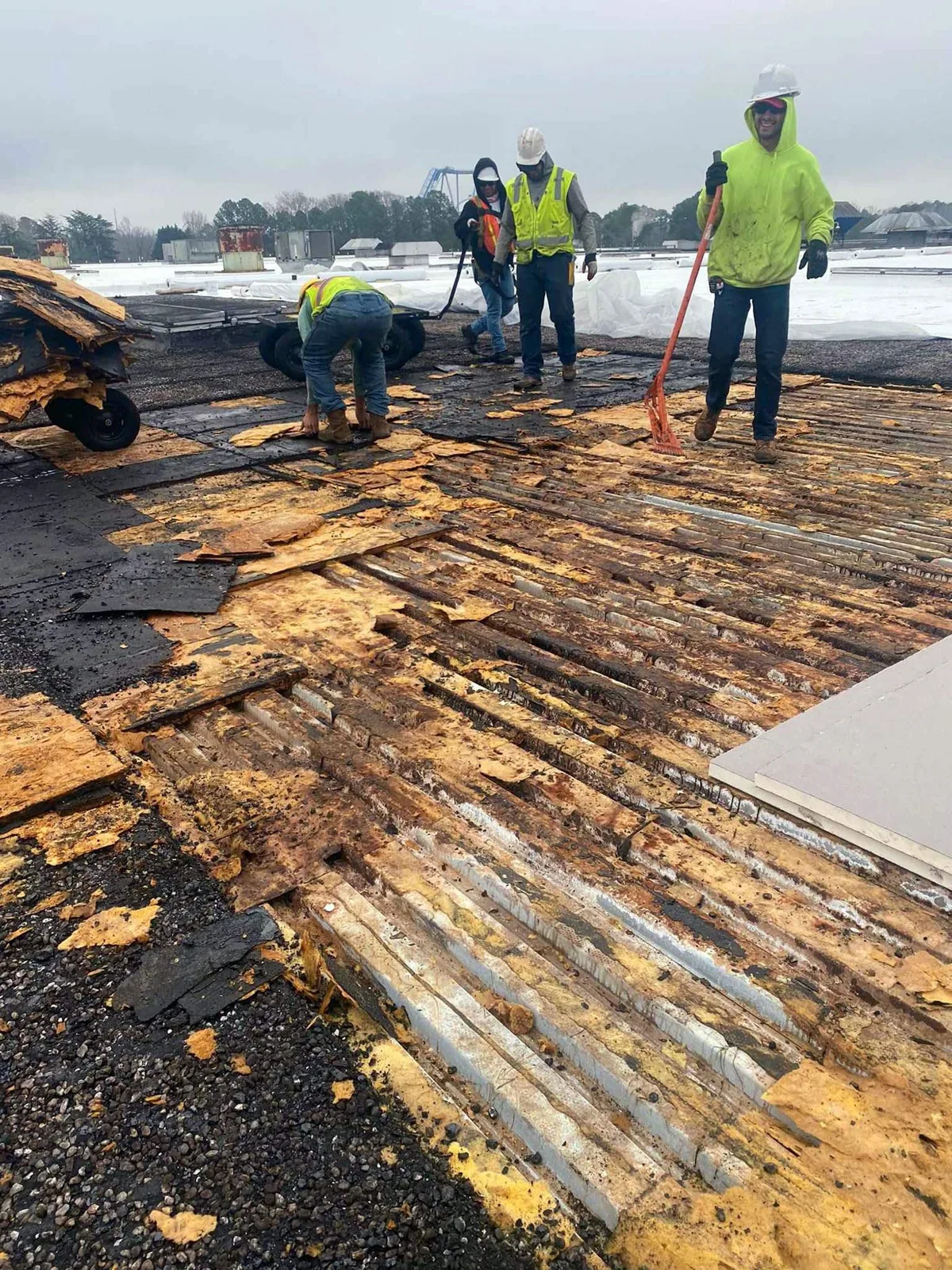
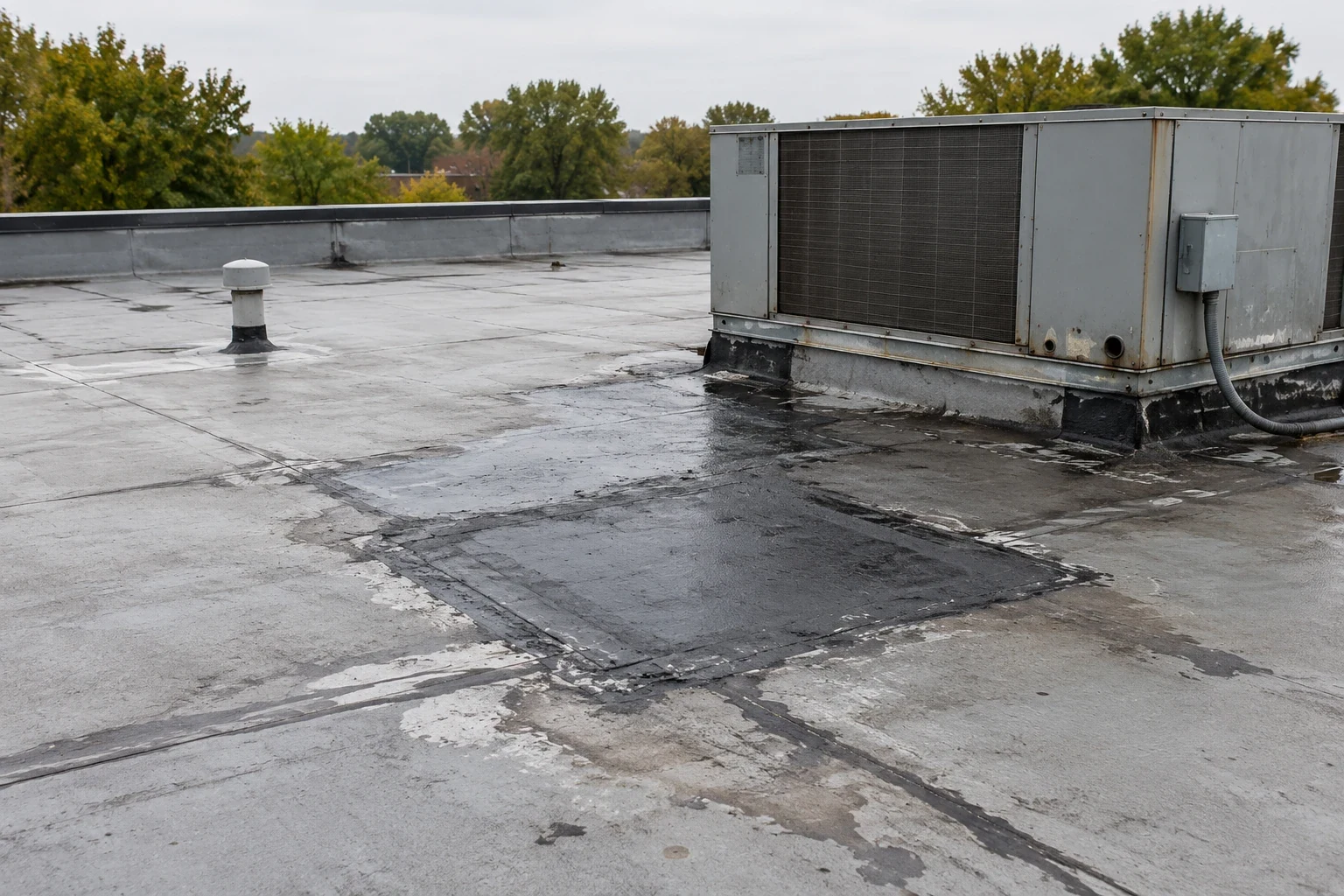
A 2017 storm entry belongs in a distribution site’s file only when its work order identifies that address; keep loading access and roof findings in the same property record. That historical report cannot confirm a current warehouse loss. Start with the new storm date, building, dock reports, and visible impacts. Inspect roof edges, seams, fasteners, penetrations, and drains by zone.
Denver International Airport's 1991-2020 normal seasonal snowfall is 47 inches. It provides regional planning context, not a warehouse load calculation. The actual design documents and structural review govern. We note blocked drainage, snow or ice near outlets, and visible distress from approved access points.
System type controls repair detail. Membrane seams need compatible patching and sound substrate. Metal roofs require fastener, lap, clip, and edge checks. A condition survey can establish a current roof map. A hail damage review separates visible impact from existing wear.
Ready to talk about your roof?
Sequence repair without losing the boundary
A puncture near one bay may support a local fix. Recurring leaks, broad wet insulation, failing attachment, or damaged deck may need wider work. We record confirmed conditions, test limits, and the next decision. The owner can compare patch, recover, and replacement options without treating temporary protection as a permanent system.
Recovery requires review of existing layers, moisture, drainage, edge height, attachment, and structural capacity. Replacement requires a removal route, debris plan, dock coordination, interior protection, and a weather hold plan. A recover assessment can determine whether an overlay is feasible for the actual assembly.
Cost and schedule reflect roof area, access, materials, removal, disposal, substrate repairs, equipment, and operational windows. For a network operator, separate each site's assumptions. A regional roofing program does not make one facility's assembly or scope representative of another. Manufacturing facility records also benefit from that building-specific distinction.
Coordinate freight, trades, and closeout
Indiana Street links Northwest Arvada planning geography east of State Highway 93. New Town follows the Wadsworth corridor toward I-70. A roofing visit near Indiana Street depends on the actual gate, truck route, and property contact. Corridor names help orient a dispatch request but do not replace site logistics.
Closeout notes should label the building, roof section, repaired detail, photo location, and any remaining restriction. Record drain and overflow condition after materials are removed. Operations can then restore an aisle or dock with a clear release point. If a construction manager controls the property, trade handoff coordination can keep roofing interfaces distinct from other work.
Send the facility address, dock map, shift schedule, roof plan, affected inventory area, leak history, and access restrictions. We will mark the work boundary and plan protection. The closeout record will identify the dock or aisle affected, what was repaired, and any follow-up inspection required. Emergency service runs around the clock when active water threatens freight or operations.
More industries we serve
Other work our crews handle on Arvada roofs. See all industries we serve.
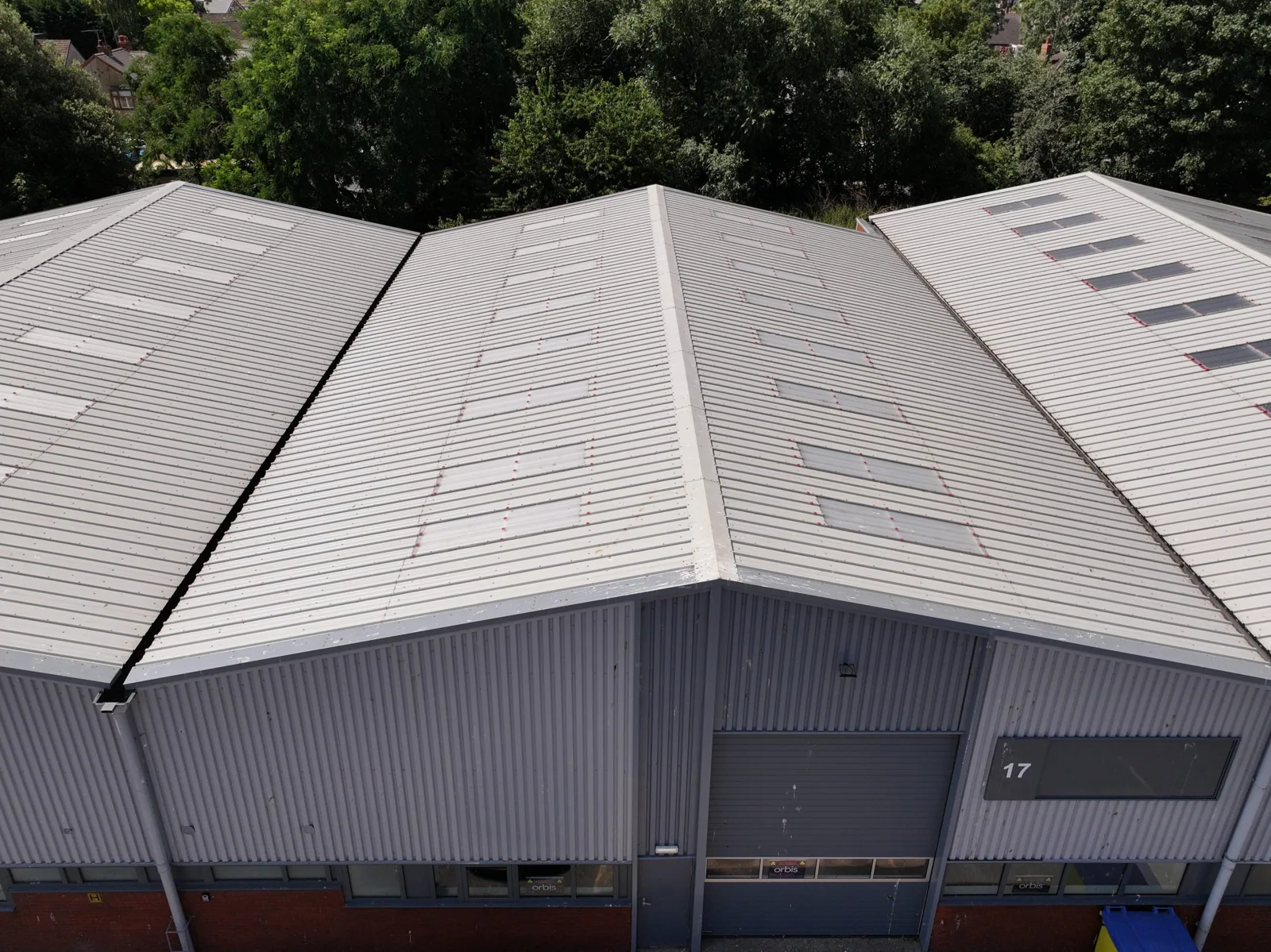
Manufacturers
Plan manufacturing roof work near Arvada around production windows, equipment, and documented repair boundaries. Inspect each building before scheduling.
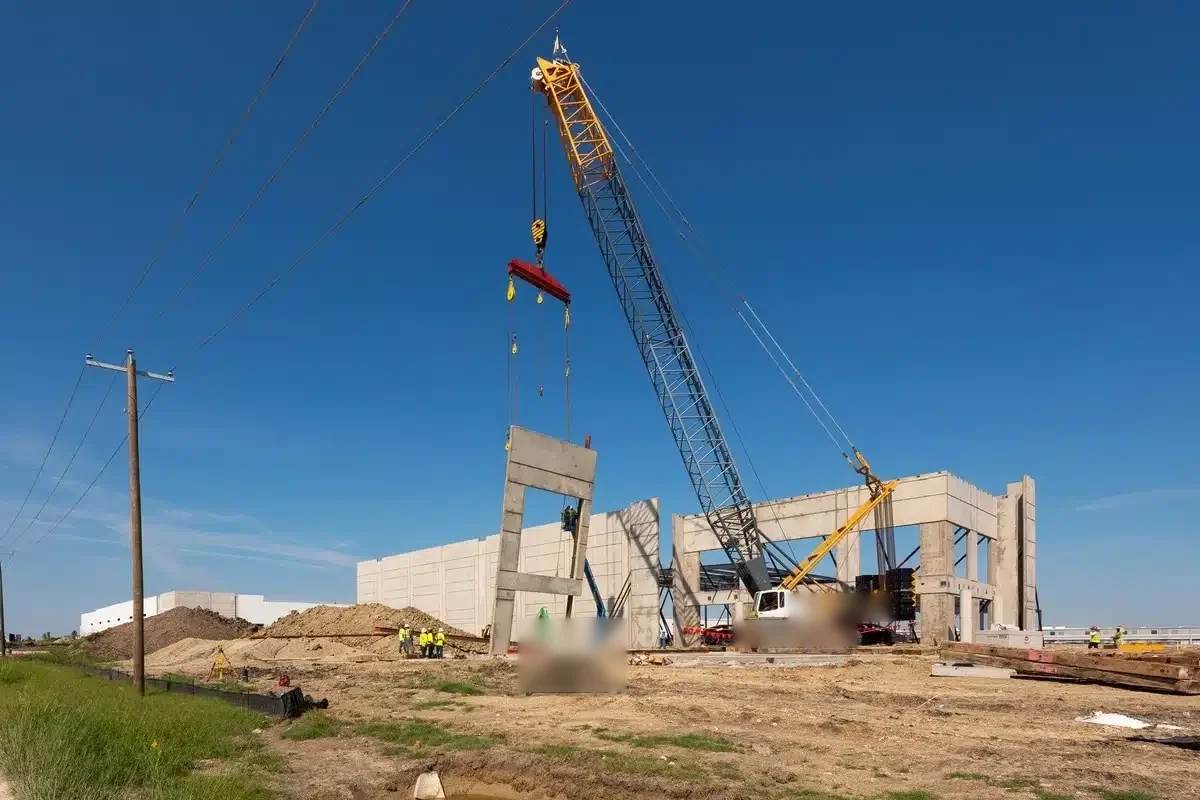
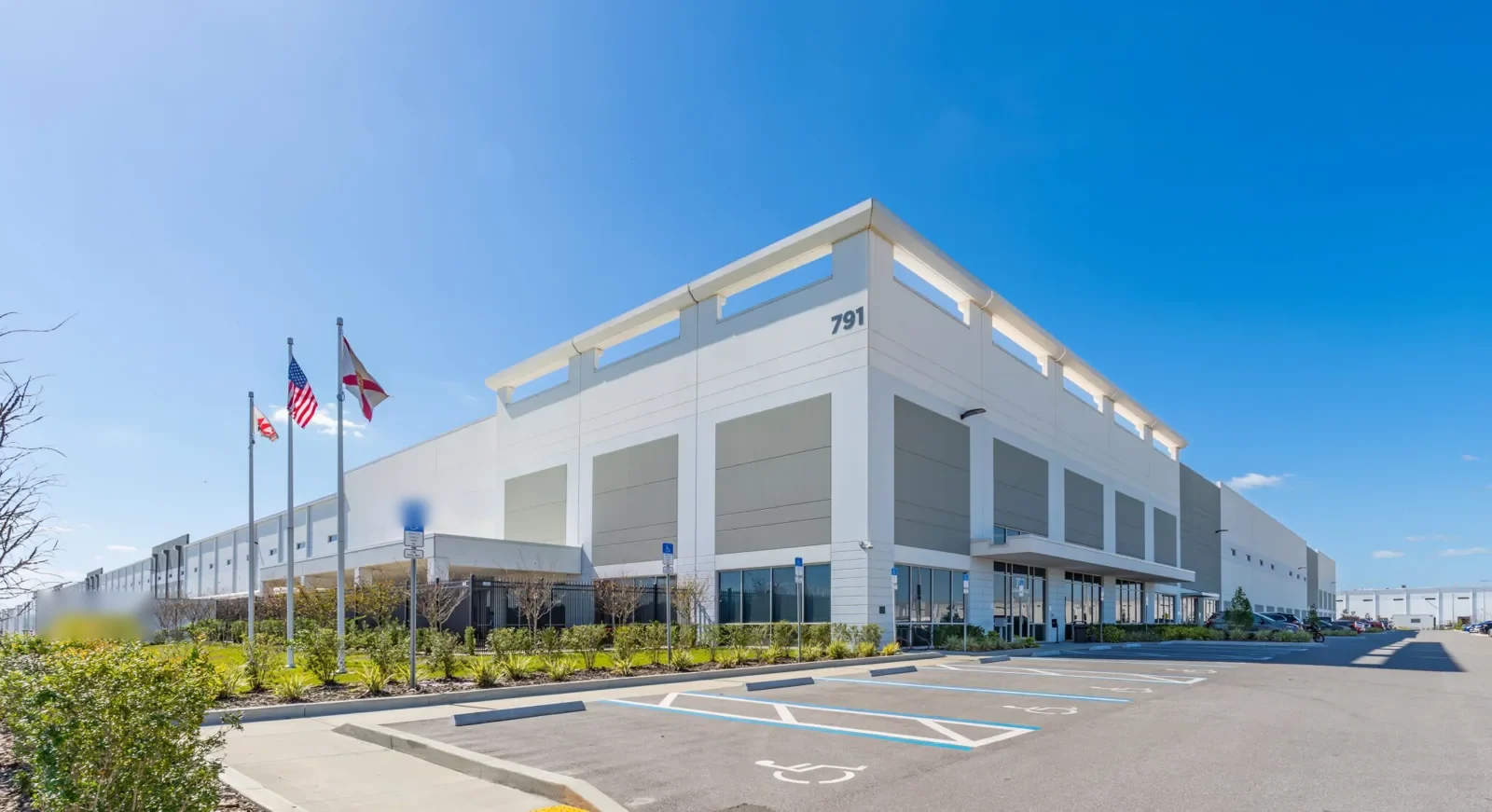
General Contractors
Coordinate commercial roofing near Arvada with clear interfaces, submittals, access, and field-change records. Align the sequence with the master schedule.
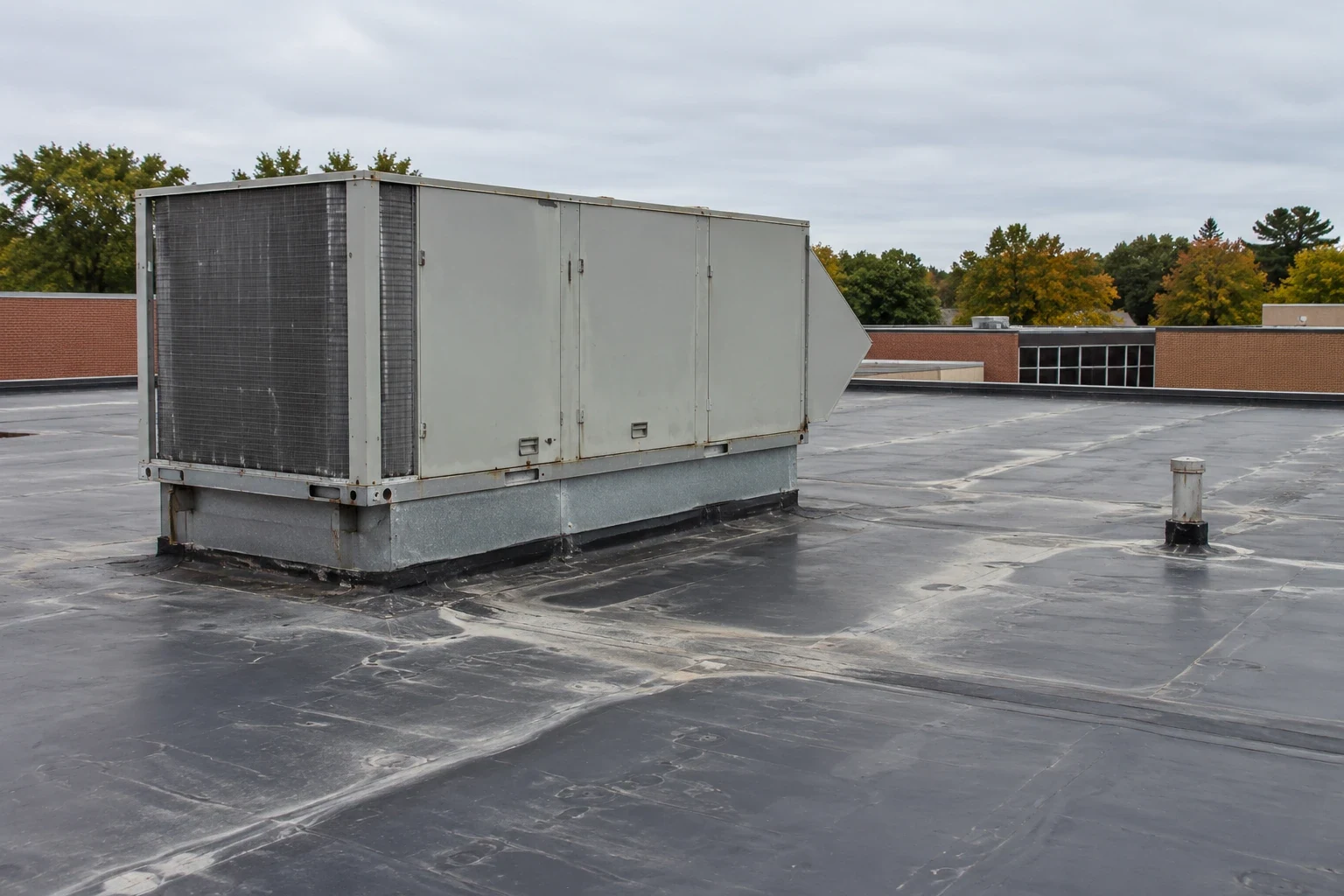
School Districts
Plan school roof inspections and repairs near Arvada around calendars, student safety, and campus access. Document each building and work zone separately.
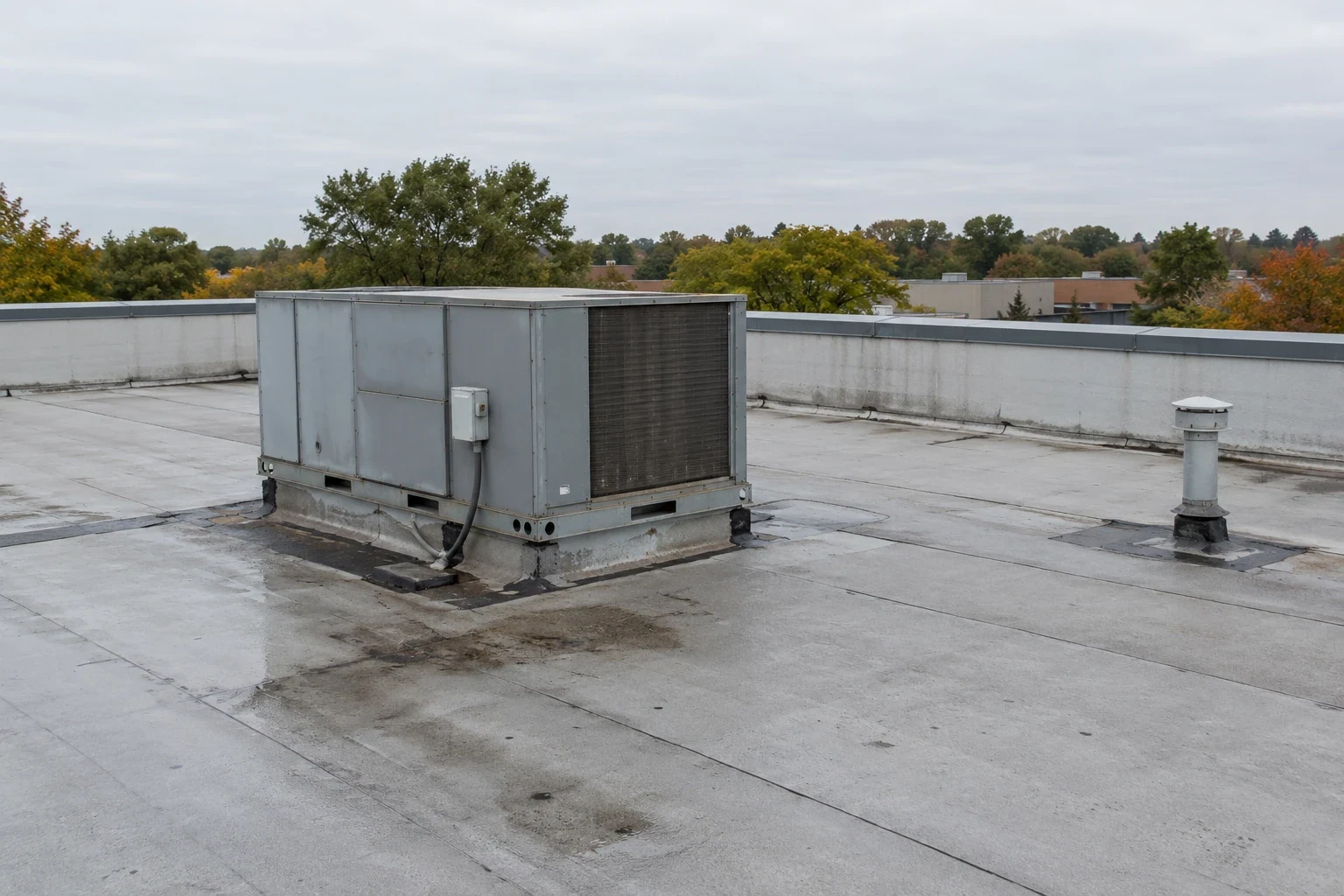
Public Agencies
Coordinate public building roof repairs near Arvada with clear bid scope, access plans, and documented changes. Keep each facility and approval path distinct.
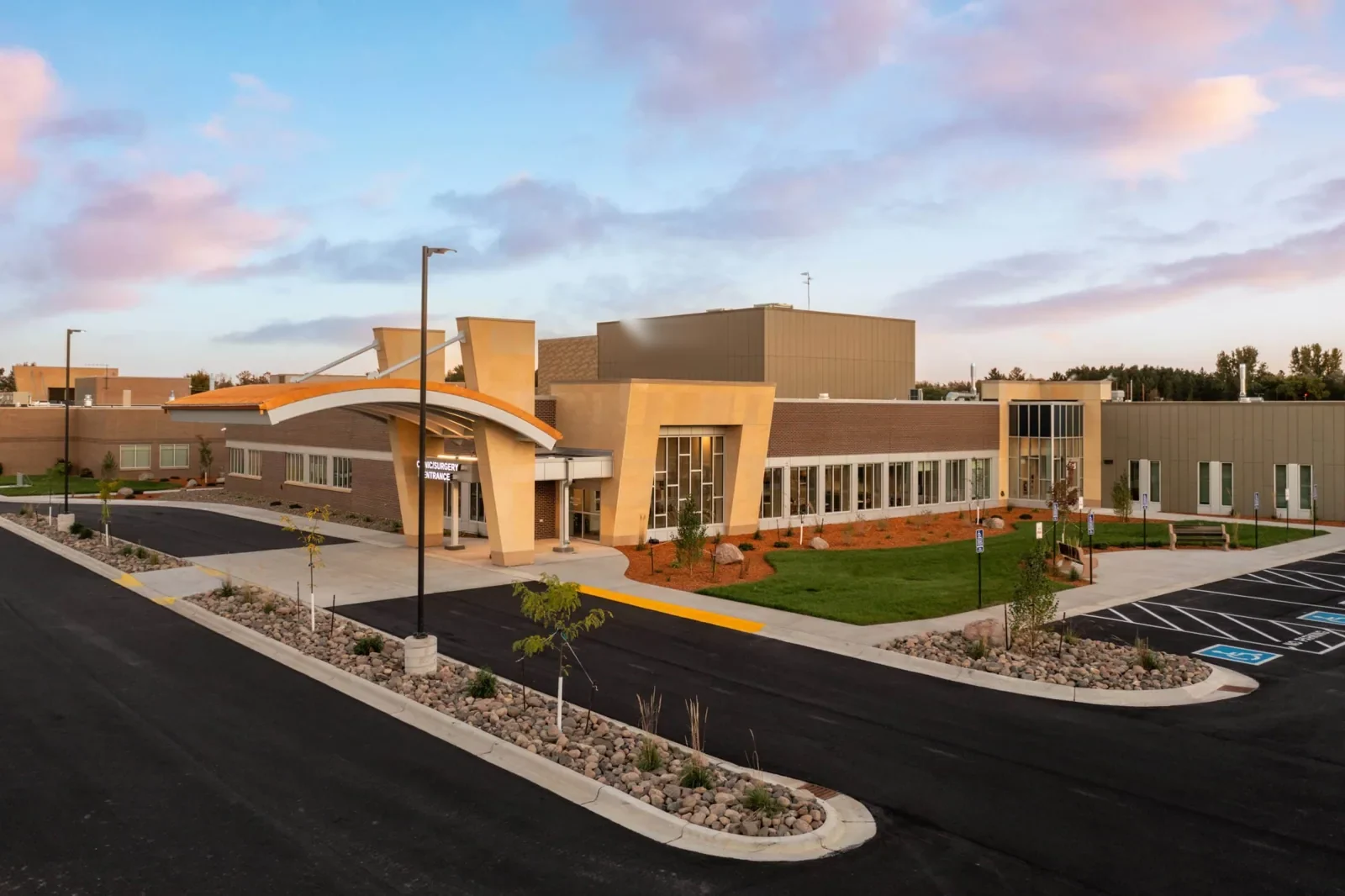
Healthcare Systems
Plan healthcare roof work near Arvada around patient access, care schedules, equipment, and documented work zones. Coordinate each facility separately.
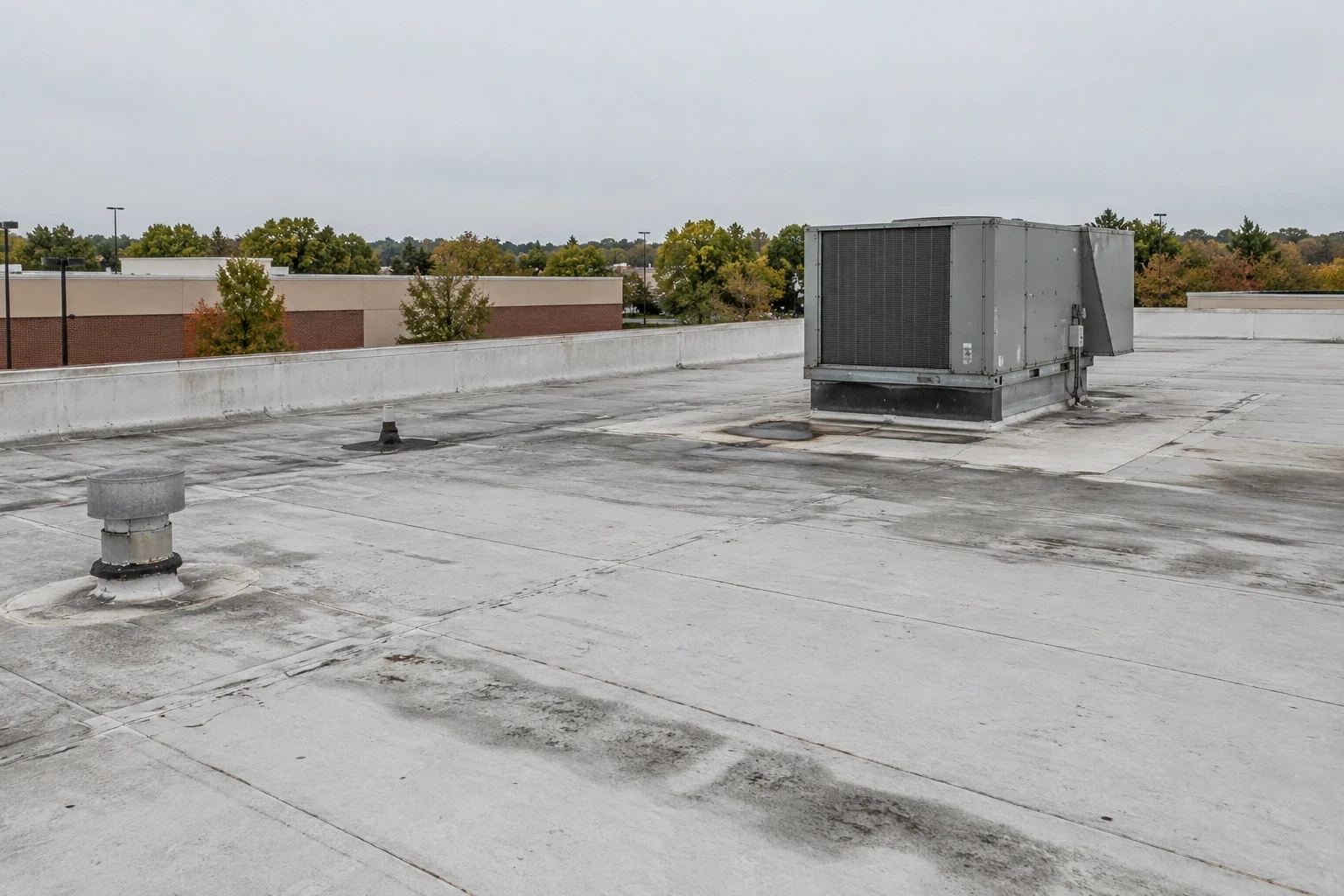
Retail and Restaurant Chains
Coordinate retail and restaurant roof repairs near Arvada around store hours, customer access, deliveries, and kitchen equipment. Phase work by location.
Serving Arvada and the west Denver metro.
Our crews work on commercial roofs across Arvada, Wheat Ridge, Lakewood, Westminster and Broomfield. Find your area below.
Arvada
Service Areas
Questions about Logistics and 3PL Facilities
Can dock operations continue during roof repairs?+
The site controls dock release and safe traffic routes. We can phase work by bay or roof section when access and weather allow. The plan identifies any closure, lift zone, and shift handoff before material is staged.
How should a 3PL operator report water above inventory?+
Name the building, dock or aisle, date, active drip status, and nearby goods or equipment. Add photos and the roof plan if available. We inspect the corresponding roof zone and record temporary protection separately from permanent repair.
Does hail reported in Arvada confirm damage to a distribution center?+
No. A regional event provides context, not a building inspection. We need the current storm date, location, and visible roof evidence. The report distinguishes impact, prior wear, and any concealed area that needs testing.
What controls the choice between repair and replacement?+
Failure extent, moisture, attachment, substrate, drainage, and remaining system condition all matter. We map the affected zones and identify tests that could change the scope. The owner can then compare bounded repair, recover, or replacement options.
Have a question? Call us at 555-555-5555 or send us a message.
Start with the dock map and affected bay
Share the address, dock plan, shift schedule, roof drawing, inventory location, and current leak report. We will identify the roof zone and plan access around freight movement.