Commercial Roof Repair in Arvada, CO
Repair commercial roof seams, flashing, drains, and punctures in Arvada with a mapped work area, photo record, and clear limits for the repair.
Request a roof assessment. Tell us about the building.
Send the address and what you are seeing on the roof or inside the building. We will set a time to walk the roof and talk through the next step.
Map the affected section
A seam that opens beside a curb needs a repair boundary before anyone cuts into the membrane. In Arvada, the first roof walk records the location, nearby details, and whether water has reached the building. We inspect the field, seams, flashing, edge metal, and drain path, then mark what the repair covers. That record helps separate one failed detail from a roof system that needs a wider plan.
Our commercial roof repair work addresses membrane punctures, seam separations, flashing failures, loose edge details, and localized drainage problems. The method depends on the existing material and condition. We document the affected section and its limits, then describe any area that needs additional testing. For a recurring leak or multiple failures, pair the repair with a condition inspection or a targeted moisture survey.
Repair boundary
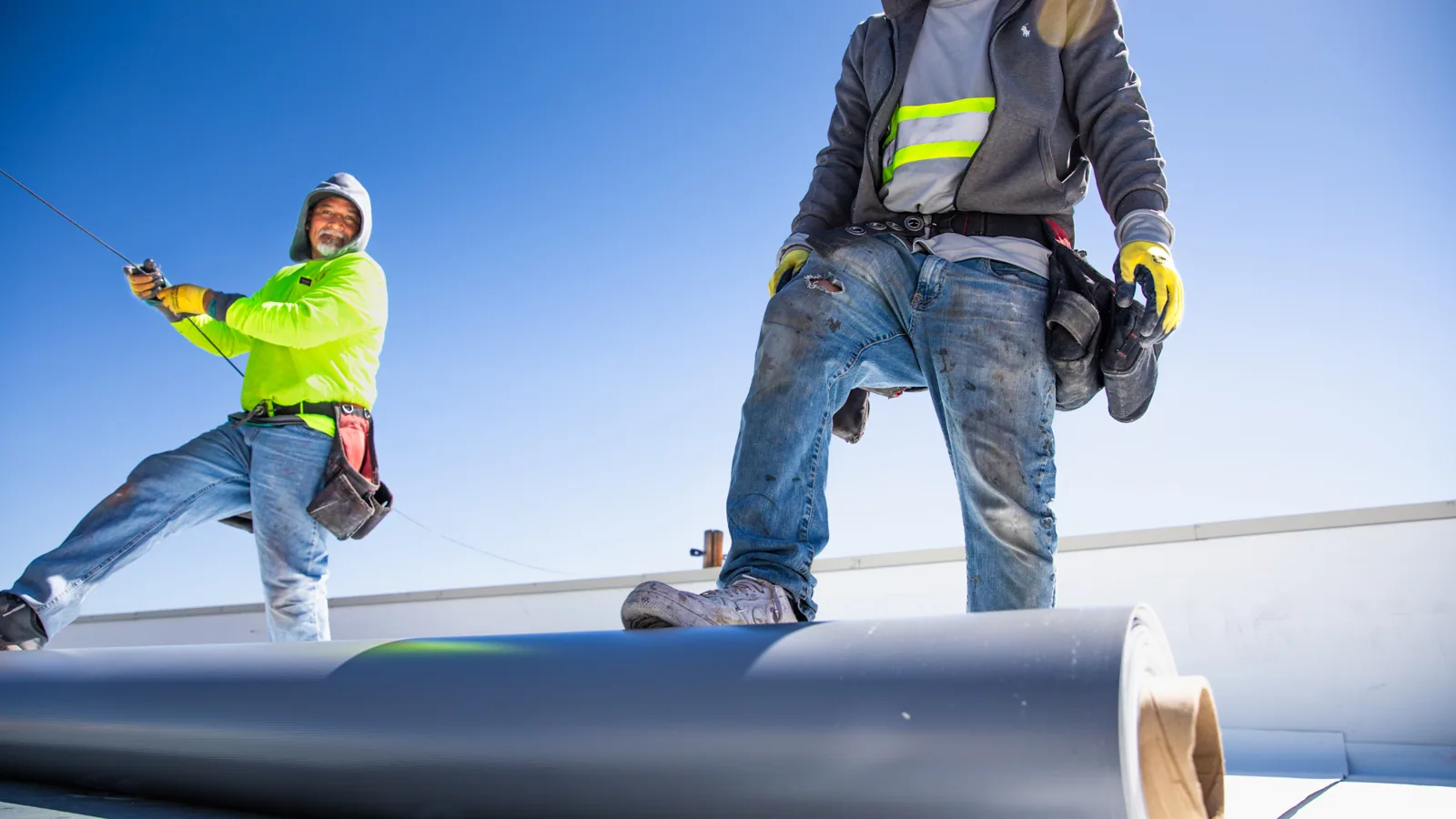
Before work starts, identify the failure point and what surrounds it. A small puncture may need a patch and a close look at nearby rooftop traffic. A separated seam calls for checking the weld or adhesive bond beyond the visible opening. Failed flashing needs attention at the membrane turn-up, curb, wall, or penetration, not just a bead of sealant at the exposed edge.
We photograph the area, note visible moisture or interior impact, and mark the repair limits on a roof plan. If more than one detail has failed, each location gets its own record. This helps the property manager distinguish completed work from nearby conditions that were observed but not included. The proposal also describes access needs and any limitations caused by weather, surface contamination, or the existing roof material.
Repair limits matter after a storm. On May 8, 2017, a powerful supercell crossed metro Denver, with NWS documentation of large hail and wind damage in Arvada and nearby western communities. That record is regional context only. For a current report, provide its date and roof areas of concern. We compare those details with visible conditions before defining a repair scope.
Failure points
Water follows openings, laps, penetrations, and low points. We check seams, fasteners, curbs, skylights, vents, drains, and wall transitions. An interior stain helps establish timing, but the roof entry may be elsewhere. We follow the assembly to narrow the source before choosing a repair material.
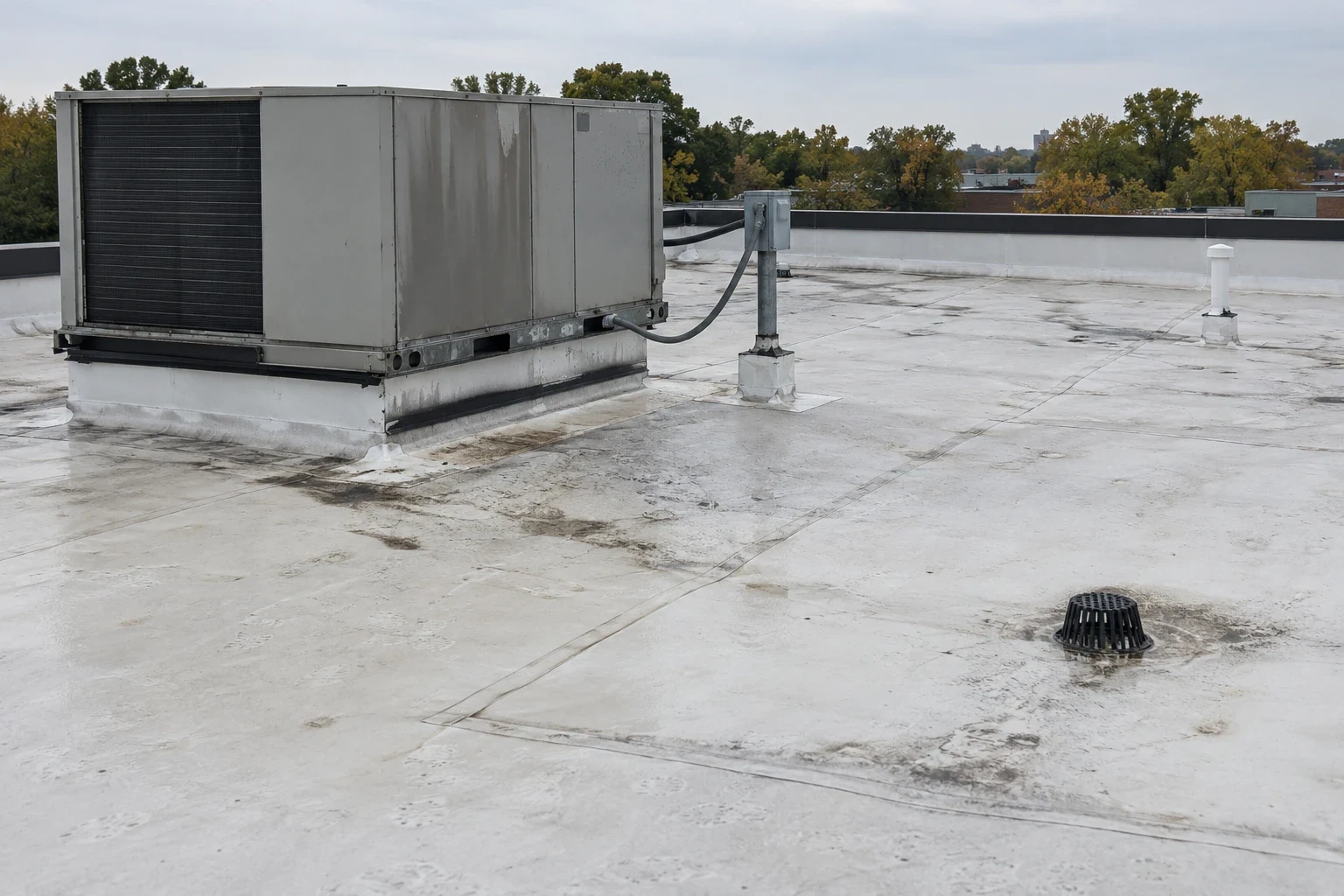
A patch does not resolve a restricted drain or poor overflow path. We inspect the drain and surrounding membrane, then separate cleaning or detail repair from a slope or insulation issue. If water stands after rain, the repair plan names that condition instead of presenting a patch as drainage work.
Ralston Fields has retail redevelopment, and Arvada Marketplace sits in New Town near Wadsworth and the G Line. Those local places do not predict roof design. Equipment, deliveries, and roof traffic can affect failure locations at any property. We inspect the surface and details that are actually there.
Repair method
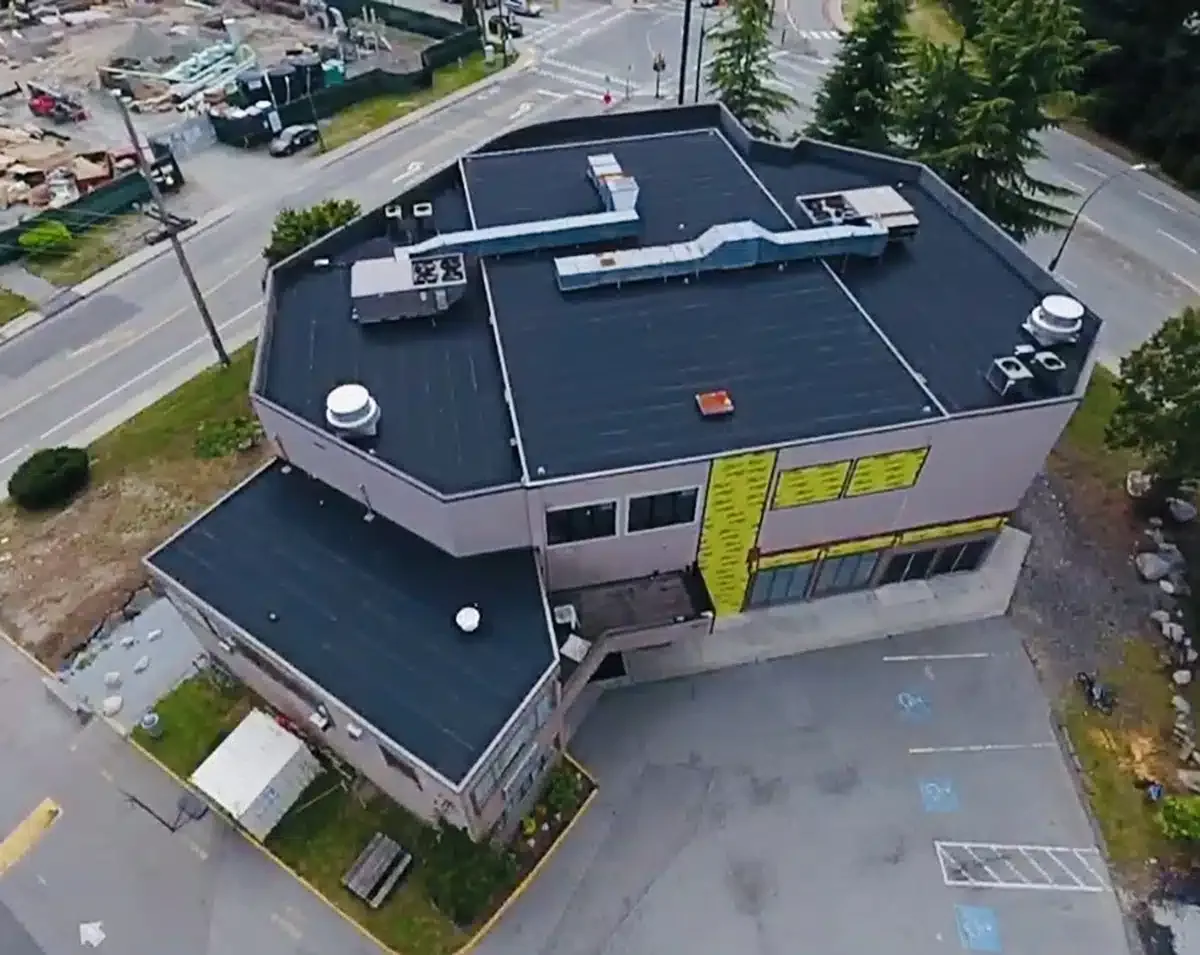
Material compatibility controls the patch. TPO, PVC, EPDM, modified bitumen, and metal details need different preparation and repair methods. We clean and prepare the affected surface, remove loose or unsound material where needed, and restore the seam or flashing with a compatible system. The scope states the repair material and the area treated. A generic coating or sealant is not a substitute for correcting a failed assembly detail.
For membrane systems, TPO repair and EPDM repair use different seam approaches. Metal roof issues may involve fasteners, panel laps, trim, or movement at a transition. We check the adjacent field and termination because an isolated patch can fail when nearby material is loose or the roof continues to move.
If a temporary measure is needed to stop active water entry, we identify it separately from the permanent repair. Our emergency response can provide temporary protection while the full condition is documented. The follow-up scope records the temporary repair boundary, any remaining exposure, and what inspection or permanent work remains.
Ready to talk about your roof?
Storm review
Denver recorded 50 thunderstorm days and four hail days in 2024. NWS records also count 50 thunderstorm days and four hail days at Denver in 2024. These regional readings do not establish damage at today's property. For a current request, we log the reported date, visible impact, punctures, displaced edge details, and interior water. Photos identify each location for later review.
Prevent more water entry when conditions allow. Temporary protection can buy time, but we still inspect the suspected route and nearby details. Wet membrane or uncertain deck conditions may call for testing before closure. The visit record states what was examined, corrected, and left open.
Snow, ice, wind, and temperature can limit access or installation. We schedule the permanent repair around surface conditions and system requirements, then record any weather hold. If interior protection must come first, the owner receives a separate immediate action and follow-up step.
Repair record
A finished repair record names the location, failure, material, photos, and work limits. We note visible conditions outside the repair boundary. This helps the property manager compare a later storm or leak with the earlier record instead of relying on a general service note.
For larger properties, mark active water entry, open seams, loose flashings, blocked drainage, and routine wear separately. Work can then be grouped by access, weather window, or operating schedule. Repeated patching may point to a section that needs review for replacement or eligible recover.
Each address and roof plan stays distinct. A roof near Ralston Fields still needs a building-specific finding. Location helps route the visit; evidence defines the work.
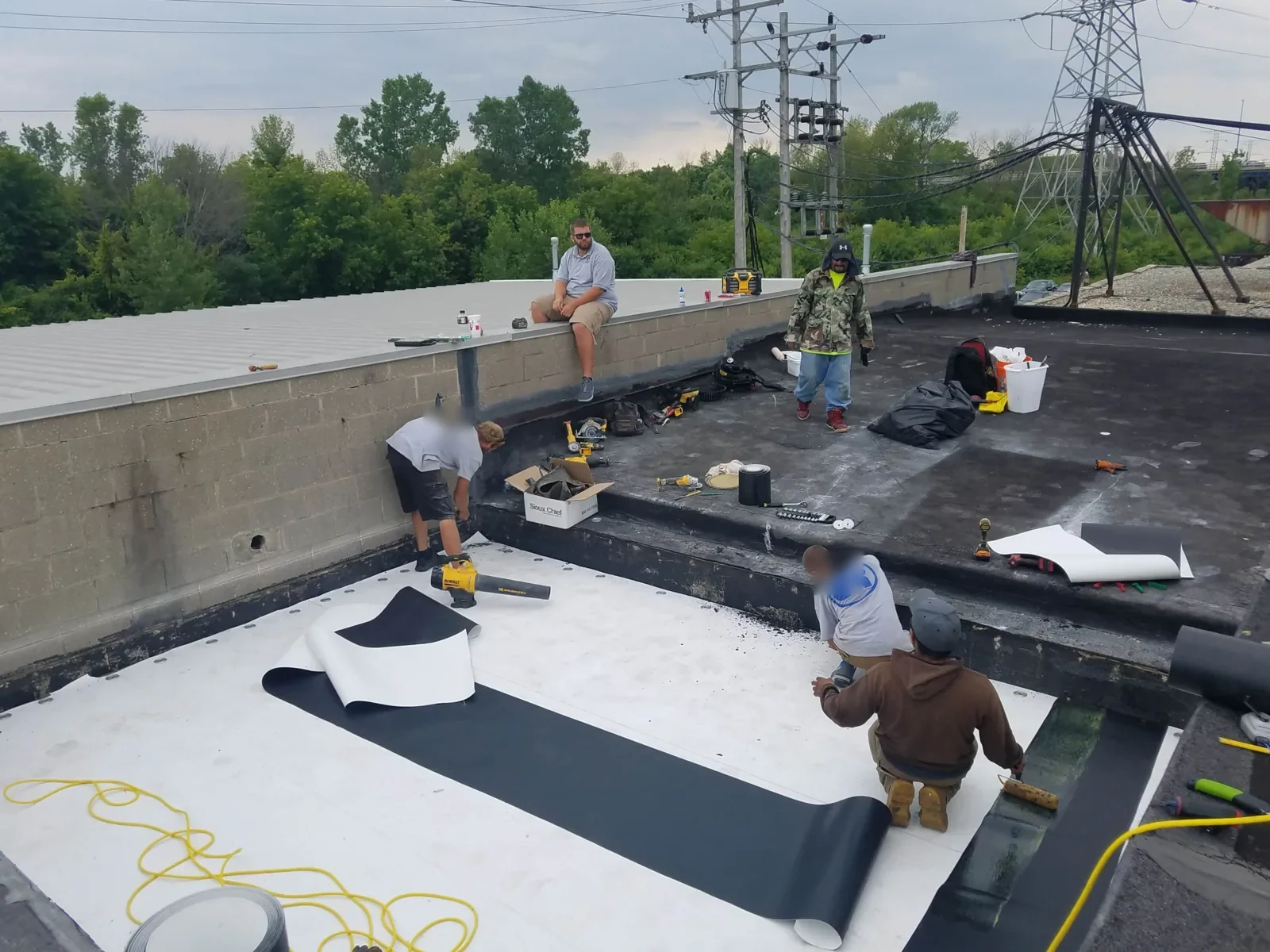
Next inspection decision
Send the property address, roof access details, storm date if relevant, leak location, and any photos. Tell us whether water is entering now and which rooms or operations are affected. We use those details to plan the first roof walk and identify any immediate temporary protection before settling the permanent repair boundary.
The result is a repair record that tells you what was fixed and what needs another decision. If the issue extends beyond one section, we can document the larger condition and separate urgent work from planned work. Request a visit through the Arvada Marketplace service area or another listed area, with the facts needed to focus the inspection.
More commercial roofing services
Other work our crews handle on Arvada roofs. See all commercial roofing services.
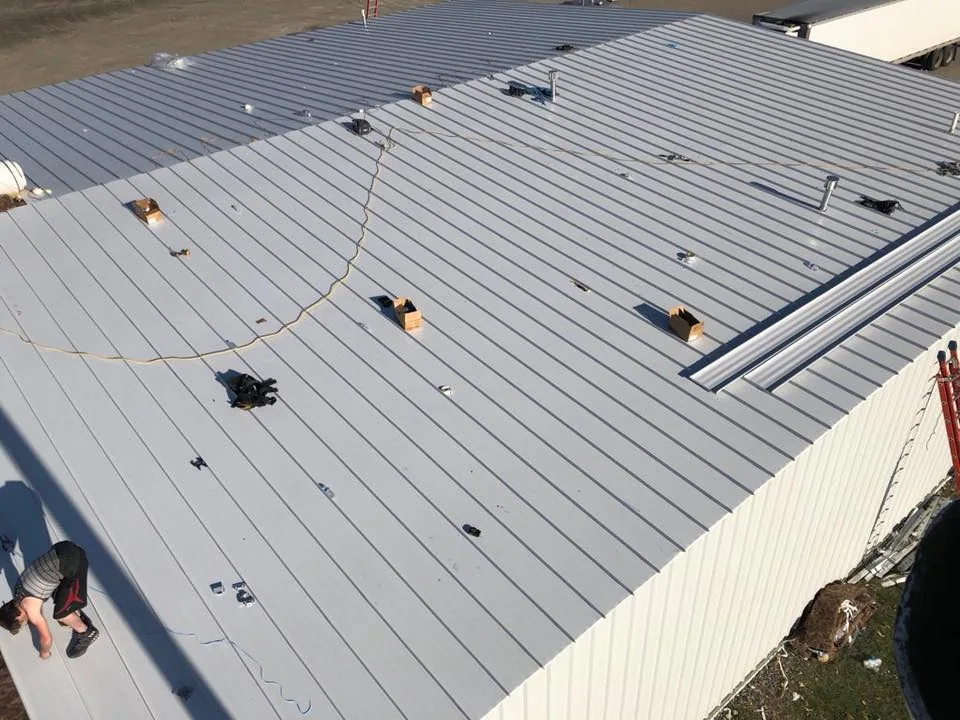
Commercial Roof Inspection
Schedule a commercial roof inspection in Arvada with a hands-on review, mapped findings, photographs, and repair or replacement priorities for your building.
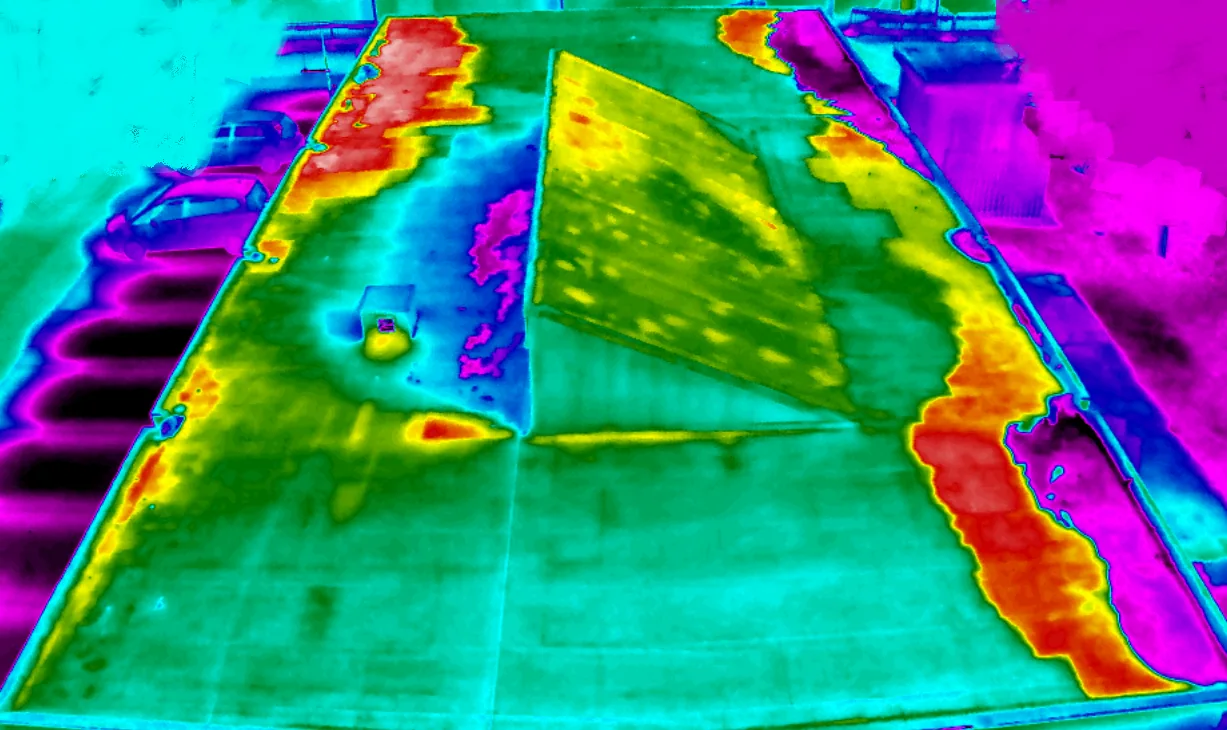
Infrared Moisture Survey
Use infrared roof imaging in Arvada to screen for possible trapped moisture, map follow-up locations, and confirm selected areas before repair or replacement.
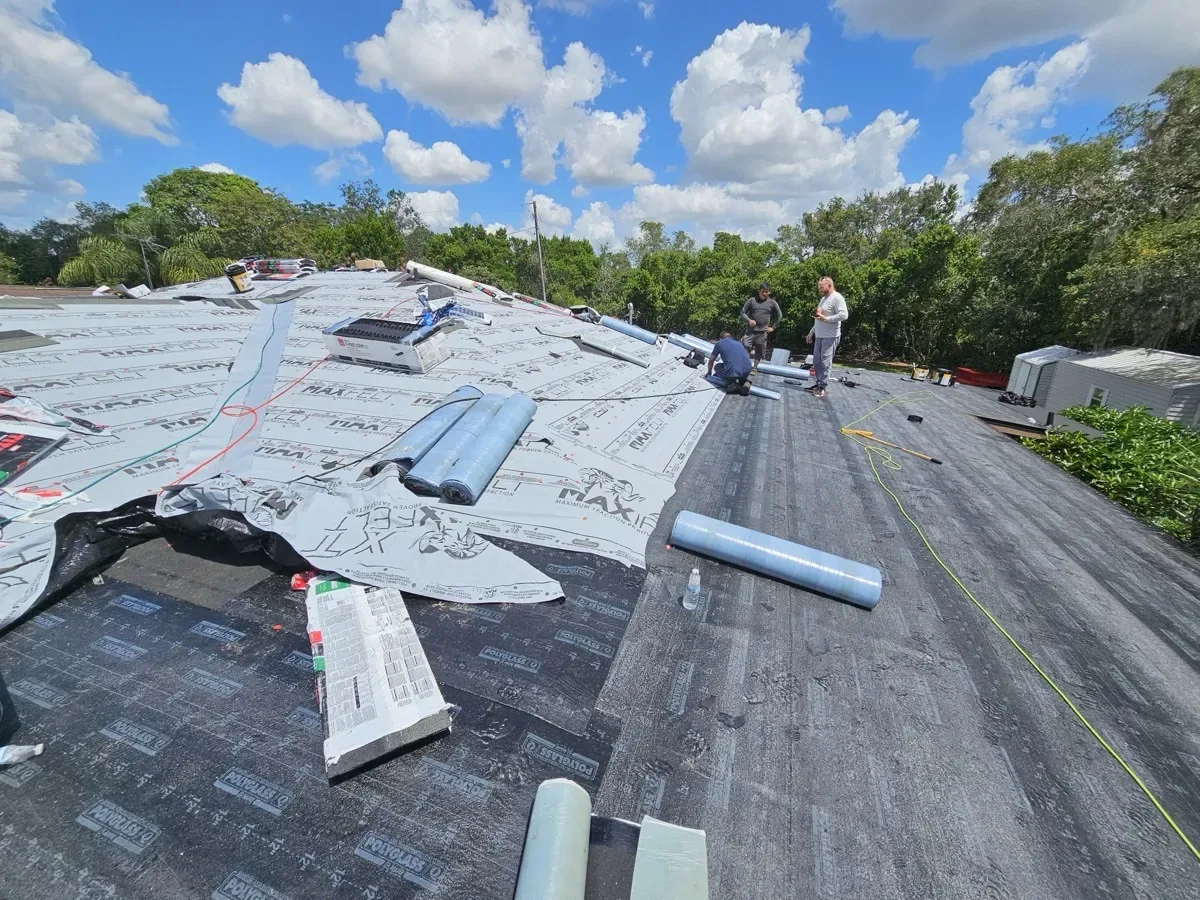
Emergency Commercial Roof Repair
Get around-the-clock emergency commercial roof repair in Arvada for active leaks, storm openings, and temporary protection while a permanent scope is prepared.
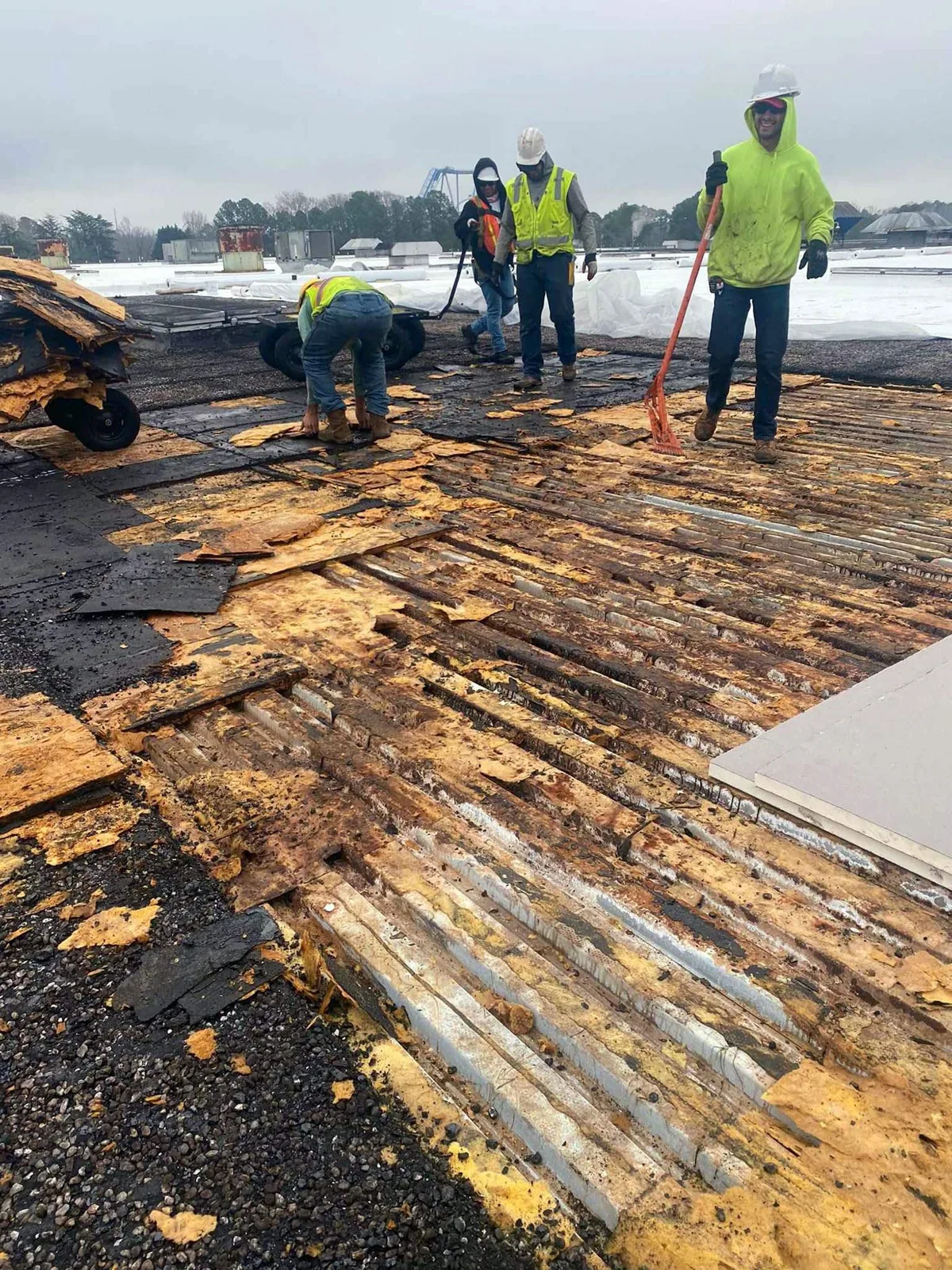
Commercial Roof Replacement
Plan a commercial roof replacement in Arvada with an assembly review, clear tear-off limits, drainage checks, and a phased schedule for your building.
Commercial Roof Recover
Compare a commercial roof recover with tear-off in Arvada. We check moisture, attachment, deck condition, drainage, code limits, and transitions before scoping.
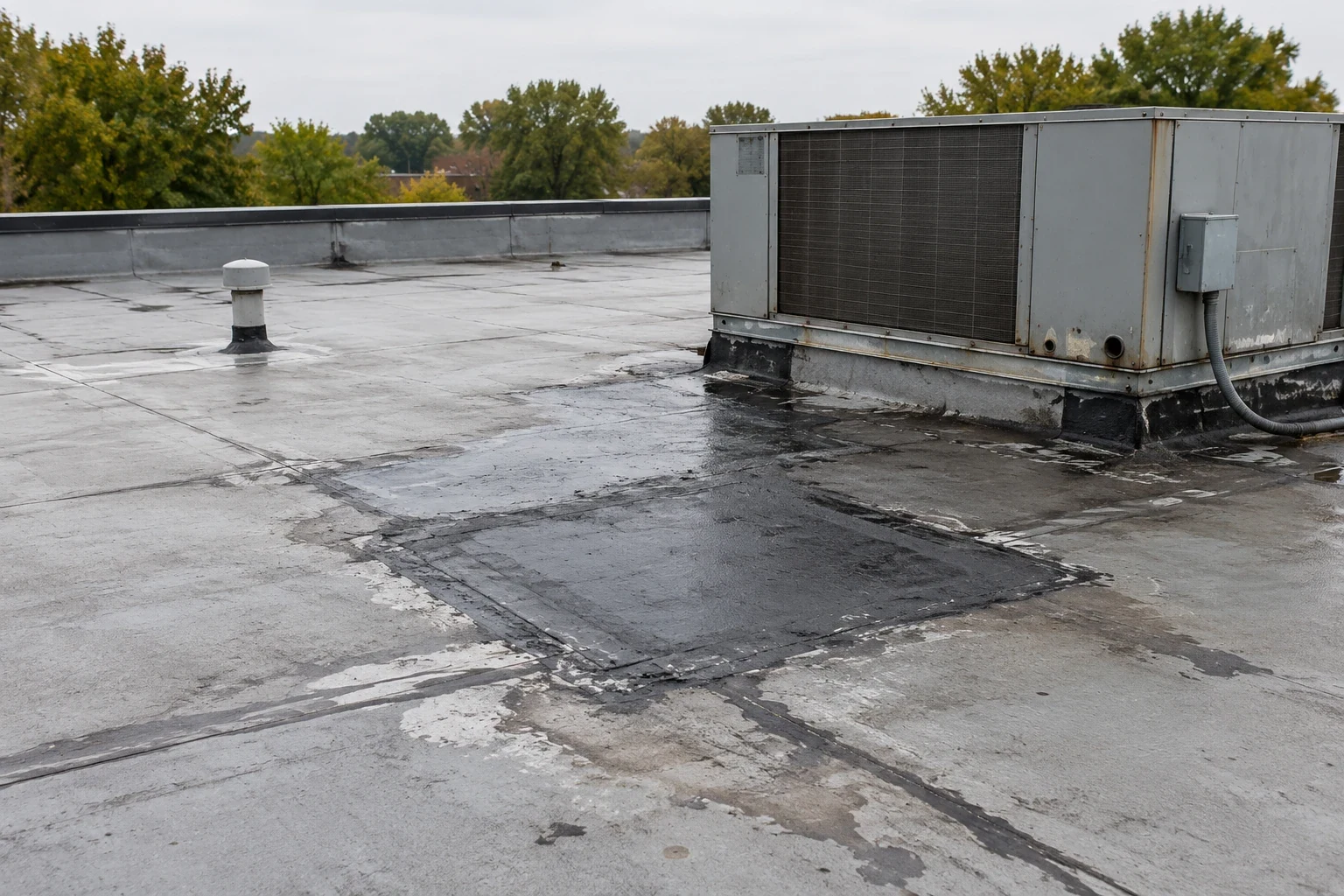
Commercial Roof Leak Repair
Trace and repair commercial roof leaks in Arvada. We map the entry point, protect active interiors, document the repair boundary, and list follow-up needs.
Serving Arvada and the west Denver metro.
Our crews work on commercial roofs across Arvada, Wheat Ridge, Lakewood, Westminster and Broomfield. Find your area below.
Arvada
Service Areas
Questions about Commercial Roof Repair
Can you repair only the leaking roof section?+
A repair can stay within one section when the failure is local and nearby materials remain sound. We inspect the surrounding seam, flashing, drain, and transition before setting the boundary. If the same failure appears elsewhere or moisture extends beyond the visible opening, we mark those areas separately and explain whether they need testing or additional work.
What information helps trace an intermittent leak?+
A dated log helps connect roof conditions with the interior report. Include the room, time, rainfall or storm date, and any operating changes near the leak. Photos of ceiling marks and the roof plan can narrow the search, but the entry point still needs roof inspection. We check likely seams, penetrations, walls, and drainage paths and record what the visit confirms.
How do you repair hail or wind damage without replacing the roof?+
First, map the visible impact and test suspect details. A puncture, displaced flashing, or open seam may support a defined repair if the surrounding assembly remains sound. Broader damage or widespread moisture can change the scope. A storm report alone does not determine the work; the roof condition and documented repair limits do.
Will a patch stop ponding water?+
A patch closes a membrane opening; it does not change slope or correct a low area. We inspect the drain, overflow route, membrane, and surrounding conditions. If water is trapped because of drainage geometry or settled insulation, the scope needs a separate correction. The repair record will distinguish that issue from a seam or puncture repair.
What do I receive after the repair?+
The closeout should include the location, failure type, work performed, compatible material used, and photographs. We also note nearby conditions outside the repair boundary and any follow-up testing recommended. Those details give facilities staff a practical record for the next roof walk or storm review.
Have a question? Call us at 555-555-5555 or send us a message.
Map the affected section
Send the Arvada address, storm date if relevant, roof access details, leak location, and any available photos. We will inspect the failure point, record the repair boundary, and identify any adjacent condition that needs a separate decision.