Commercial Warehouse Roofing in Arvada, CO
Repair, inspect, or replace warehouse roofs in Arvada. We map leaks, drainage, rooftop equipment, and loading impacts before setting the work boundary.
Request a roof assessment. Tell us about the building.
Send the address and what you are seeing on the roof or inside the building. We will set a time to walk the roof and talk through the next step.
Map the leak before it reaches another bay
A leak above stored inventory needs a roof-zone location before a repair order. We compare ceiling reports with drains, seams, curbs, and perimeter details. Water can travel beneath a membrane before it reaches a rack aisle. We map the likely path and record which bays need protection. If the roof opening is active, temporary work comes first. Permanent scope follows the inspection record.
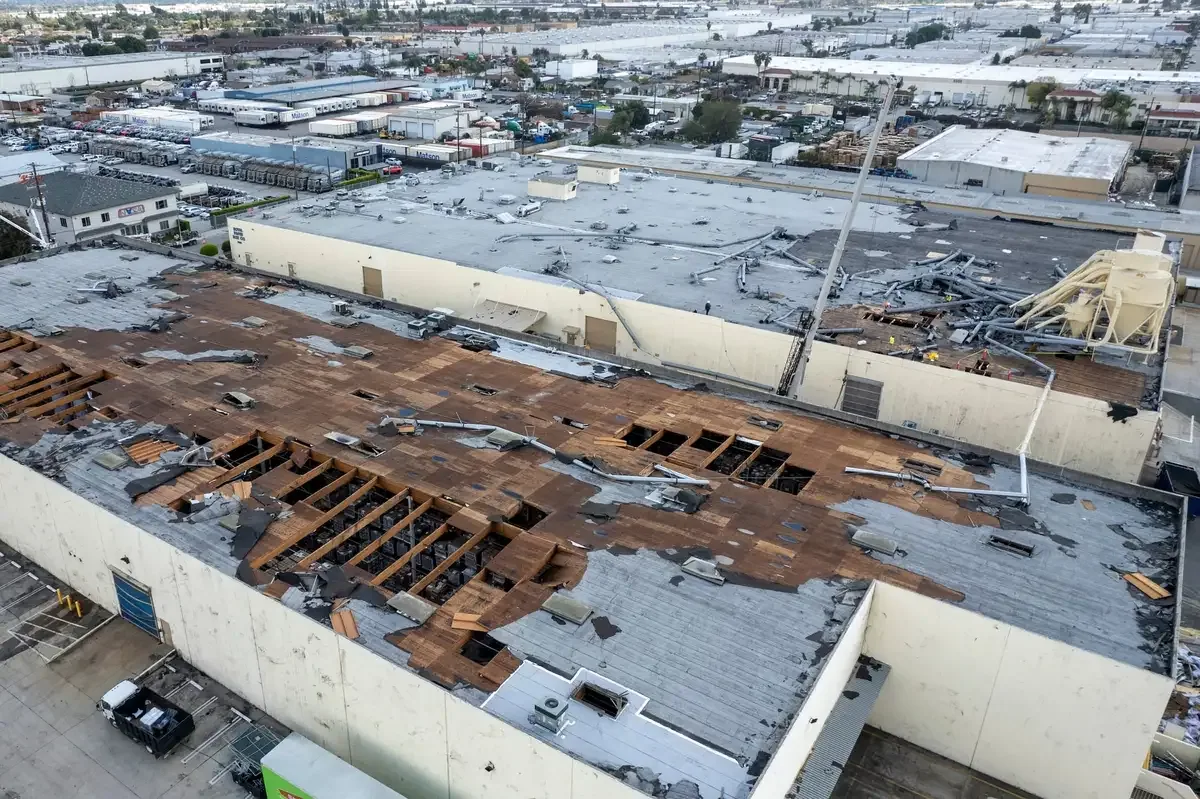
Hail struck Arvada during the 2017 metro supercell, alongside strong wind, heavy rainfall, and flooding across nearby suburbs. After a new report, check edges, penetrations, and drains before mapping interior areas. We document current conditions and distinguish impact marks from prior wear.
Protect the affected inventory zone
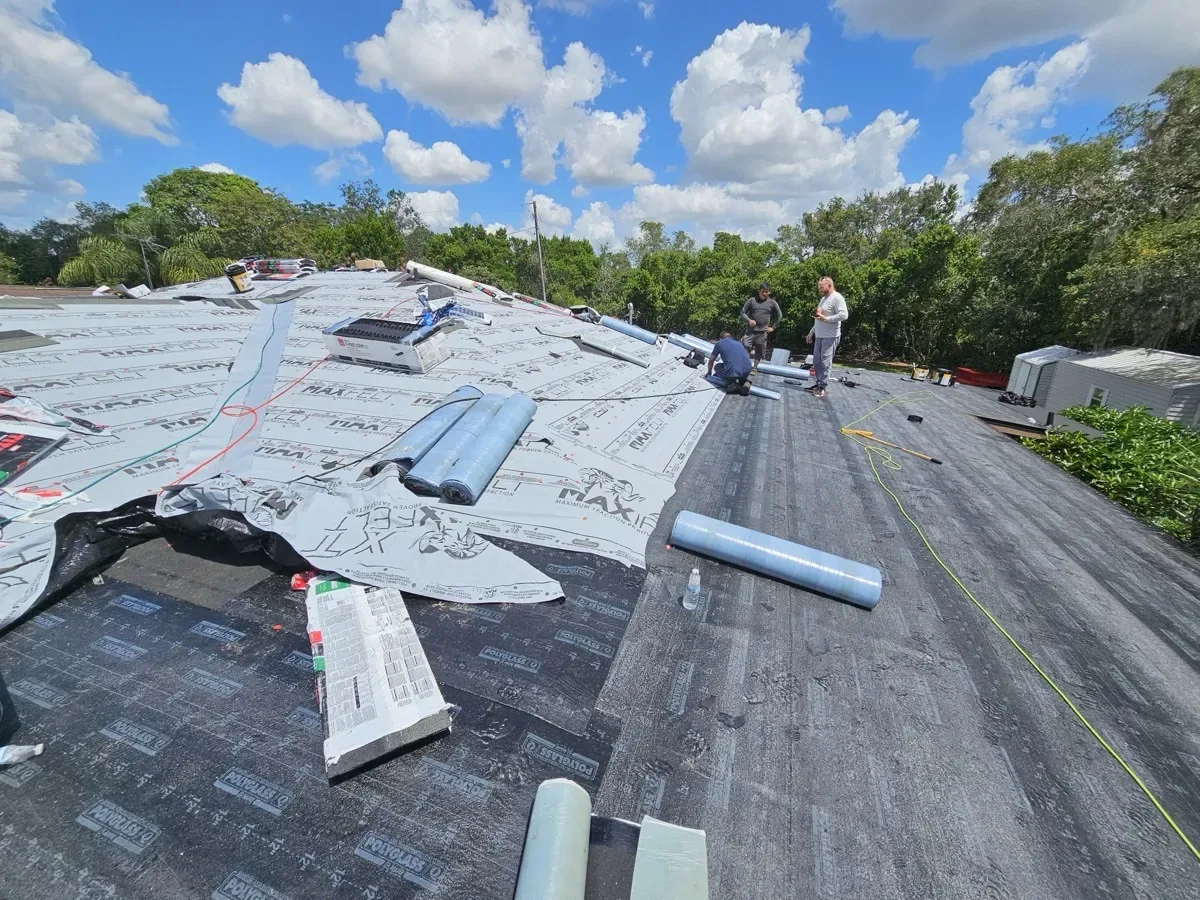
Warehouse operations may continue while a roof section is under review. We coordinate access with the facility lead and identify racking, conveyors, forklifts, and sensitive stock below. A leak map should connect the interior report to the roof plan. We note whether product needs to move, whether equipment must stop, and which aisle remains clear for the crew.
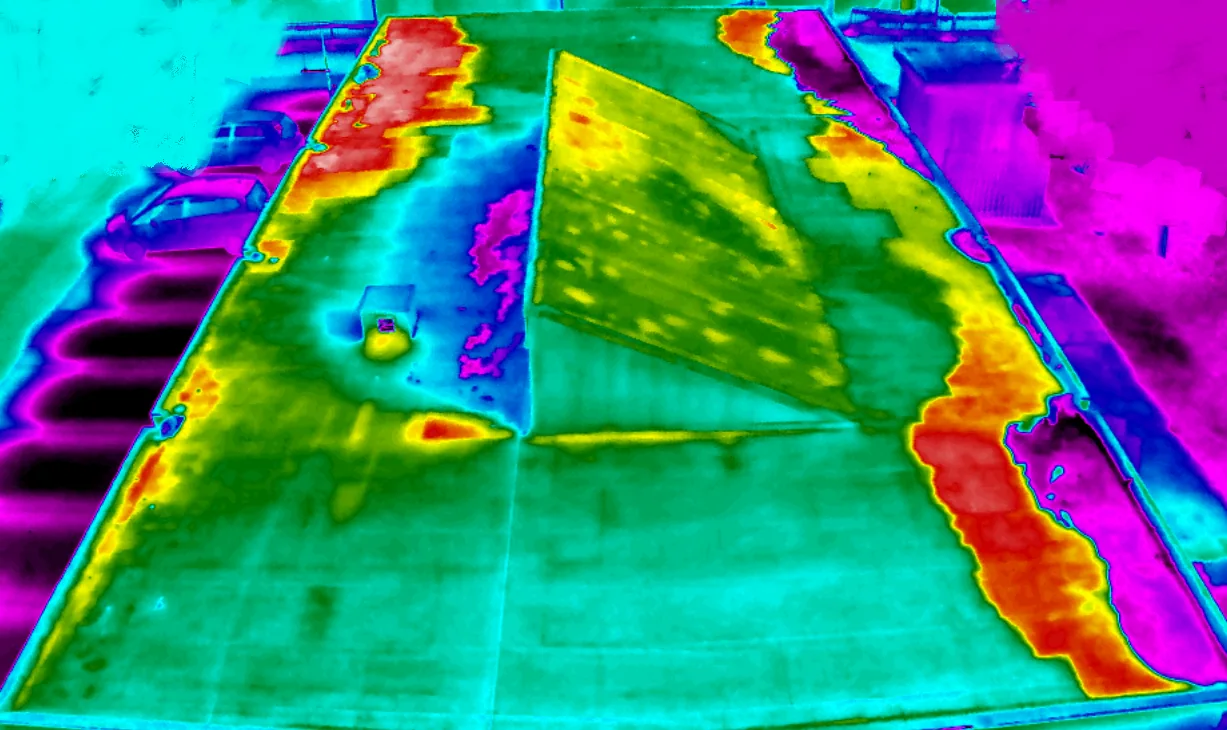
Water may enter at a curb, lap, fastener, or roof edge well away from the ceiling stain. We inspect uphill from the reported location and check adjoining penetrations. An infrared scan can help select test points, but readings need field confirmation. A moisture survey can outline areas for verification. A leak investigation traces the path before a patch is specified.
During active entry, temporary protection should keep water away from stock and electrical equipment without blocking exits or sprinklers. We log the affected bay and time of observation. The permanent estimate remains separate from emergency protection. That lets the operations team plan the next shift while the roof scope is reviewed.
Identify the warehouse roof assembly
Warehouses can have single-ply membranes, built-up roofs, metal panels, or prior overlays. We identify the installed assembly from records and field details. Seams, fasteners, insulation, deck, and attachment method each affect the repair. A patch suited to one membrane may not bond to another. If layers are concealed, the report says where a test opening could answer the question.
Large roof planes can hide changes between additions or tenant improvements. We mark transitions, abandoned penetrations, equipment curbs, and areas with different drainage. The owner receives a roof-zone map instead of one broad description. A condition inspection can establish that baseline. If replacement is considered, compare TPO and EPDM only after the structure and use are known.
Roof penetrations may have been added by operations, refrigeration, or material-handling contractors. We check flashing at each curb and pipe, then confirm who owns any equipment work. A new curb opening needs structural and mechanical coordination. The written scope identifies the trade boundary and documents any penetrations that must remain untouched during roofing.
Keep drainage and loading routes clear
Warehouse roofs depend on drains, scuppers, gutters, and overflow paths. We look for debris, settled insulation, open drain bowls, and water held behind rooftop equipment. A blocked outlet can resemble a membrane leak. The work plan identifies cleaning, plumbing corrections, and roof repairs separately. A drain inspection can define an outlet problem before new material covers the area.
The city rolled out its 2024 building-code update on a 2026 schedule. Wind and snow criteria depend on the permit path and work scope. Wind and snow criteria follow the permit path and work scope. If a load question affects the project, we record visible conditions and identify the design review needed.
Indiana Street is part of Northwest Arvada and lies east of State Highway 93; Phase 1 planning extends north to West 96th Avenue. Those geographic limits can help route a service visit, but they say nothing about a particular warehouse's roof. A visit near Indiana Street still requires the exact property, loading rules, and roof access contact.
Ready to talk about your roof?
Compare repair, recover, and replacement
A localized puncture or failed curb flashing may support a defined repair. Repeated leaks, wet insulation, broad seam failure, or an aging attachment pattern can point to wider work. We identify which sections remain sound and which need testing. A warehouse roof repair states the material, location, and tie-in included. A recover review checks moisture, layers, height, and attachment before an overlay is proposed.
Replacement planning should include insulation, drainage, edge metal, penetrations, and interior protection. Warehouse work may need separate phases so shipping schedules continue. We list roof zones and dry-in limits by shift. If concealed deck damage is exposed, photos and authorization come before added work. That keeps a repair allowance from silently becoming a broad reconstruction.
Cost and timing depend on roof access, material delivery, equipment conflicts, moisture extent, and weather window. Loading docks may restrict lifts or require night work, depending on facility rules. The estimate identifies known quantities and open conditions. We can stage work around inventory movement, but the facility team confirms operating limits and fire routes.
Sequence work around facility operations
Before mobilization, we confirm roof entry, fall protection, delivery paths, dock activity, and areas below the work. The facility contact marks restricted aisles and equipment that cannot move. Where parcel sortation operates on site, a distribution-center sequence also accounts for dock doors and conveyor areas. If production shares the property, a plant roof review must also consider process exhaust and safe access. We identify when noise or temporary shutdowns could affect operations. A daily boundary tells staff which roof zone is open and where access must stay clear.
Ralston Fields is an Arvada urban renewal district with retail redevelopment and office, retail, and multifamily activity. Northwest Arvada includes the Indiana Street corridor and planning areas north toward the city boundary. These local districts do not establish roof type. They help place a dispatch request within the market. We verify property ownership, address, access, and schedule directly.
Closeout records should include before-and-after photos, repaired zones, installed products, drain status, and any concealed conditions found. Keep the roof plan with maintenance tickets and interior leak reports. Later inspections can compare the same aisle or curb against the earlier record. Send the Arvada address, roof plan, leak locations, operating windows, and available photos. We will map the affected section and define the next step.
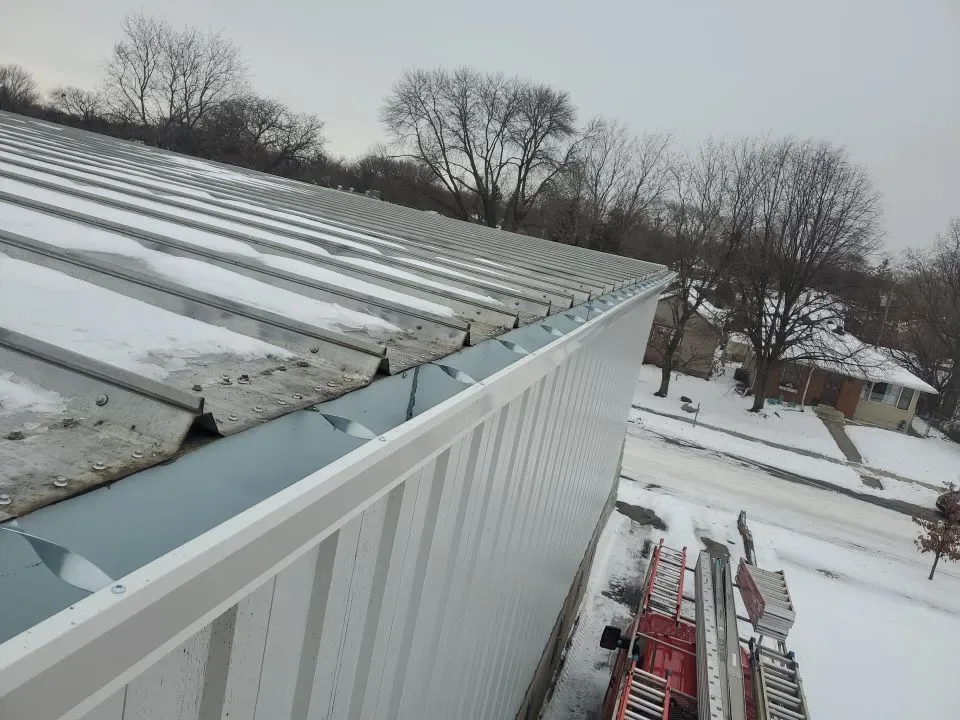
More property types we roof
Other work our crews handle on Arvada roofs. See all property types we roof.
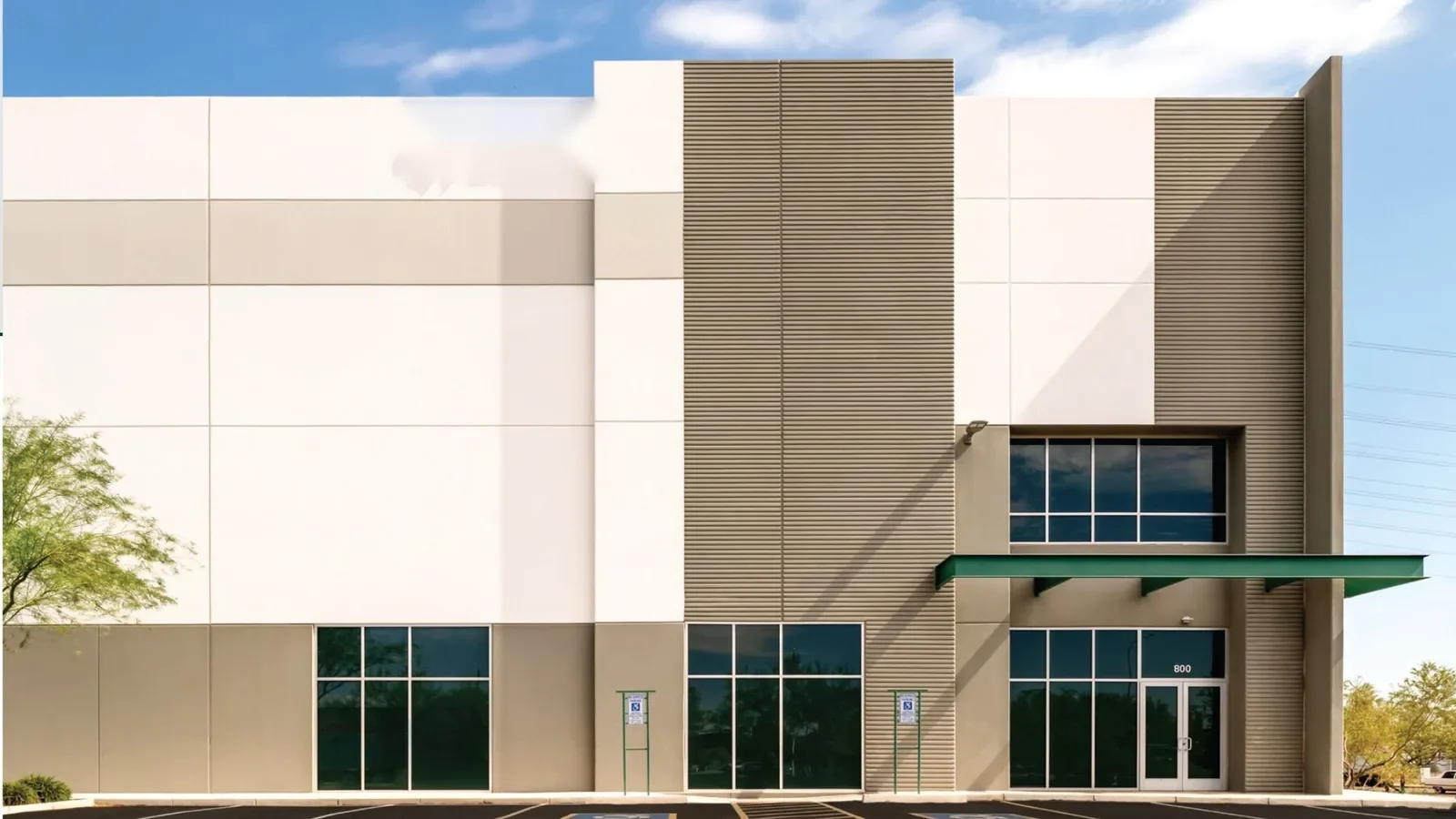
Distribution Center Roofing
Plan roofing for Arvada distribution centers with clear dry-in zones, dock access, drain paths, and equipment coordination. Inspection sets the boundary.
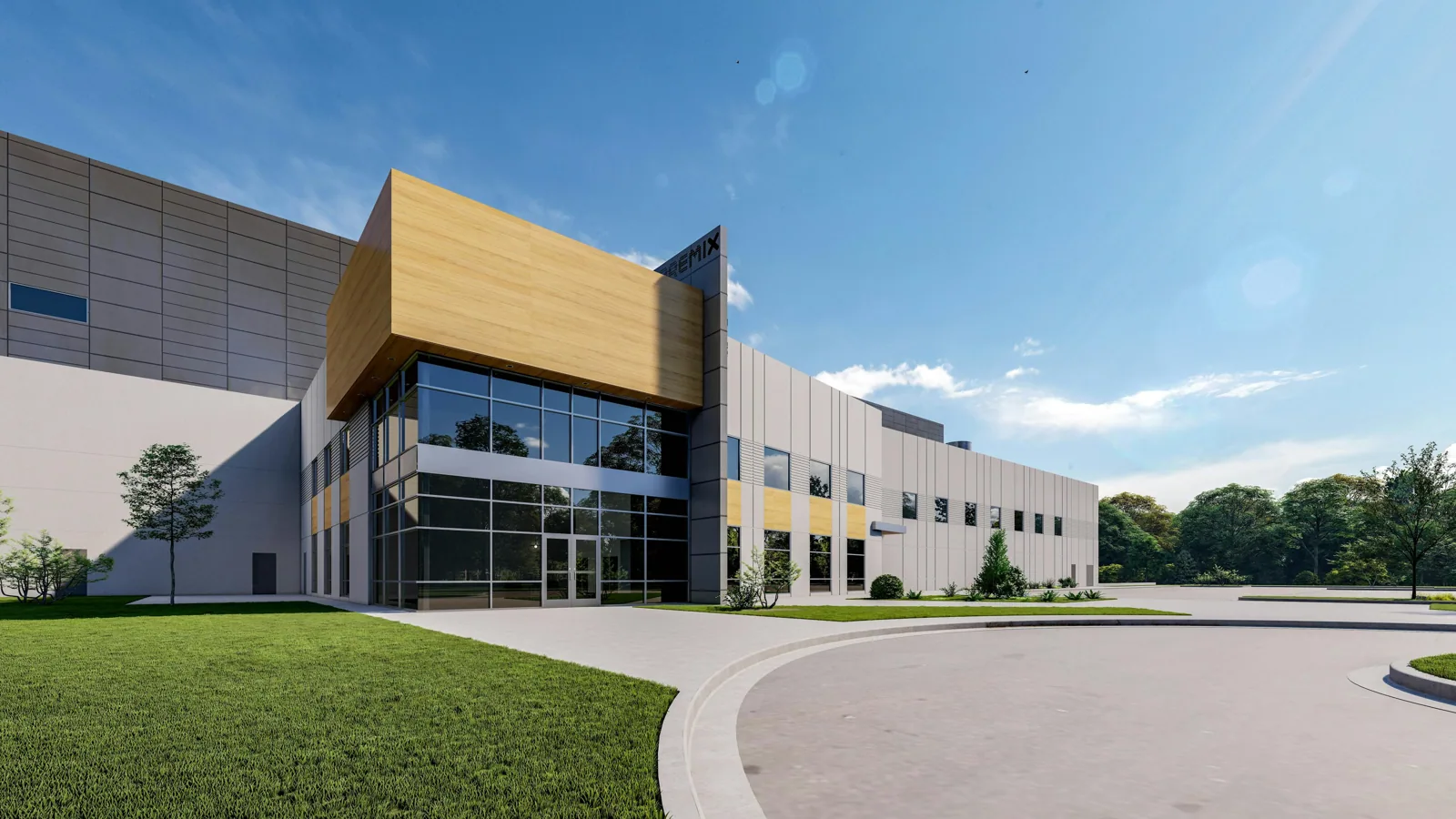
Manufacturing Plant Roofing
Coordinate plant roof repairs and replacement in Arvada around process lines, exhaust, roof access, drainage, and production windows. Each zone is mapped.
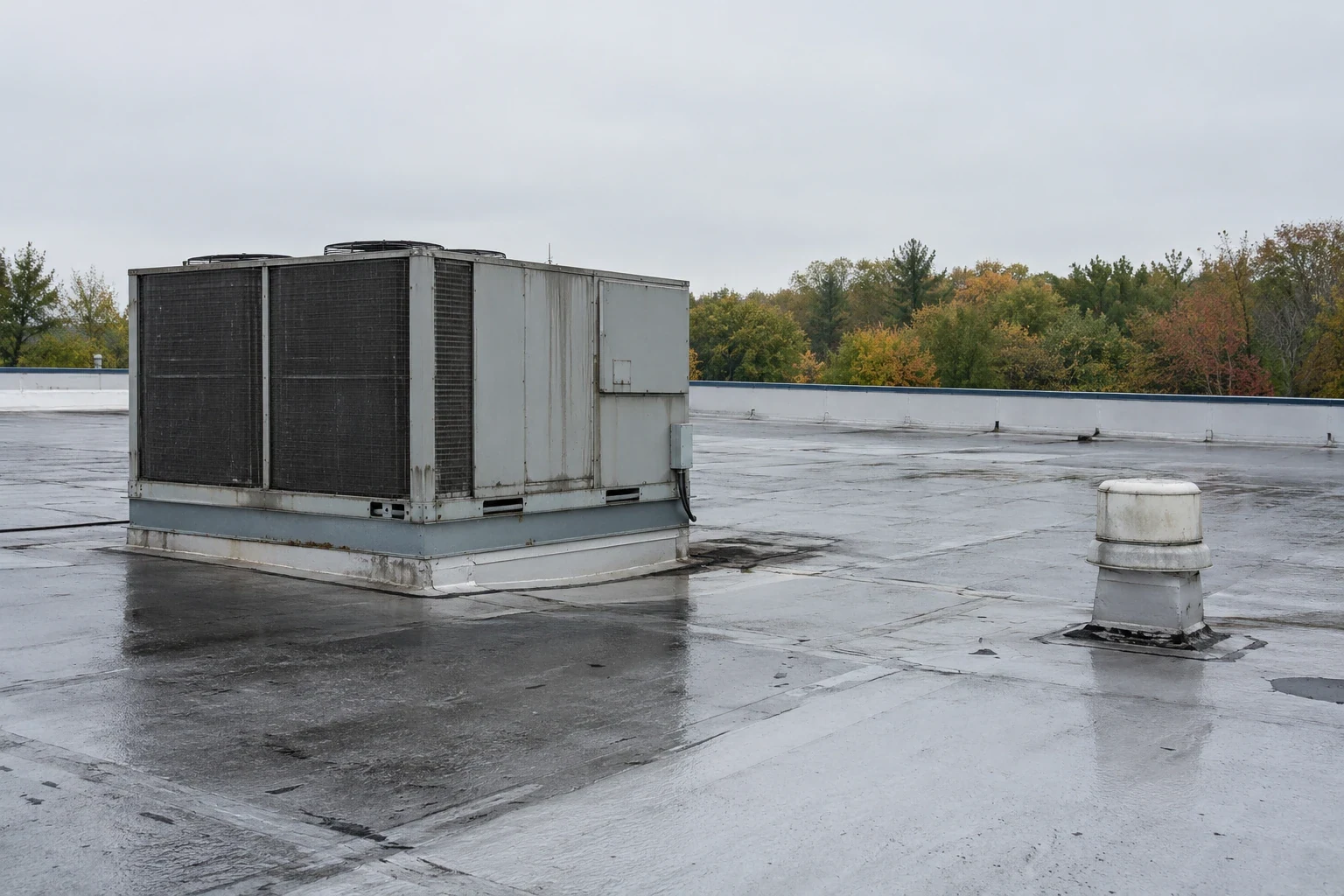
Cold Storage and Freezer Roofing
Inspect cold-storage roofs in Arvada for vapor leaks, insulation gaps, condensation, drains, and penetrations. We map moisture before setting repairs.
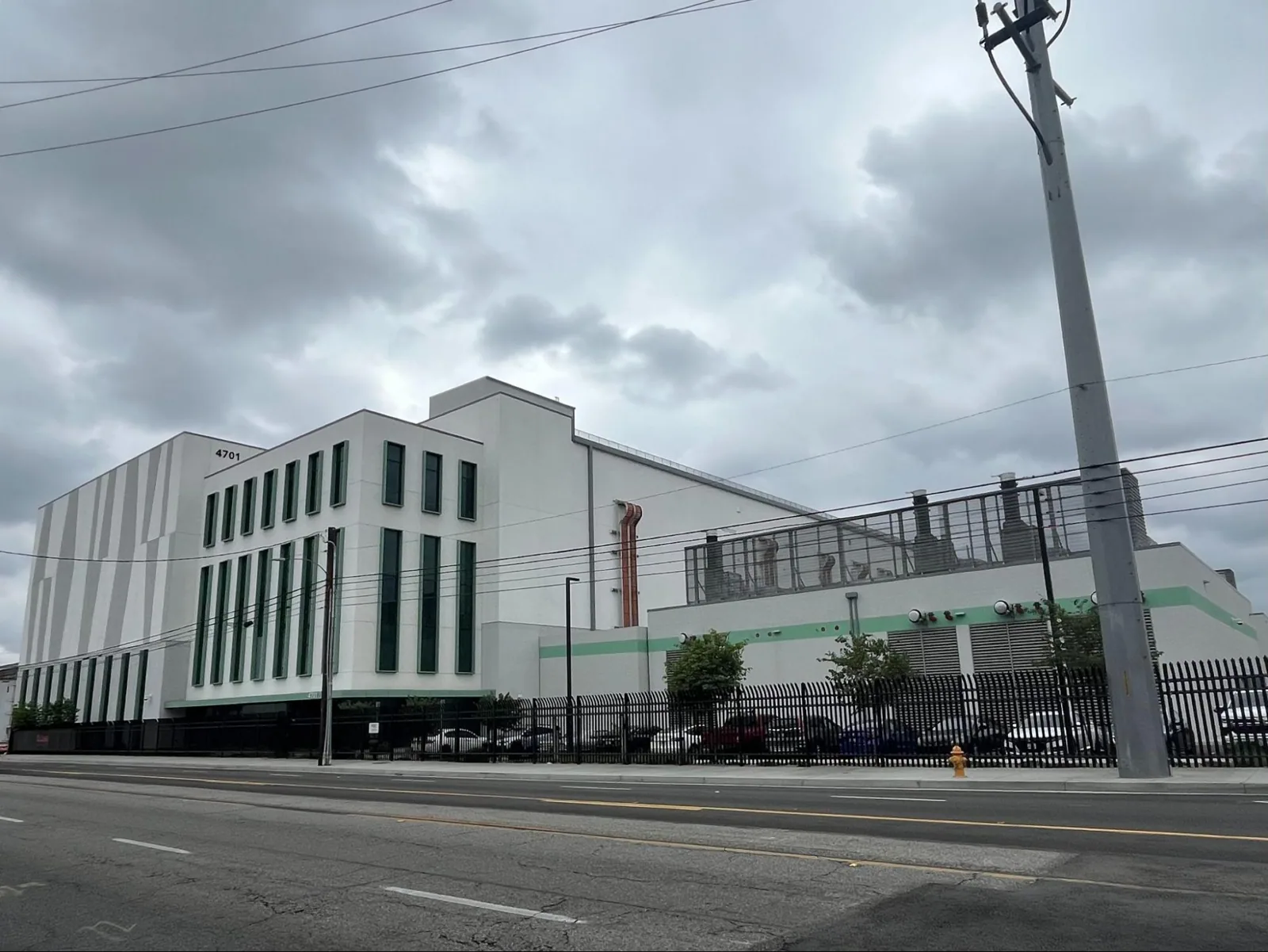
Data Center Roofing
Plan data center roof work in Arvada around critical equipment, water paths, security access, and controlled openings. Every zone gets a documented boundary.
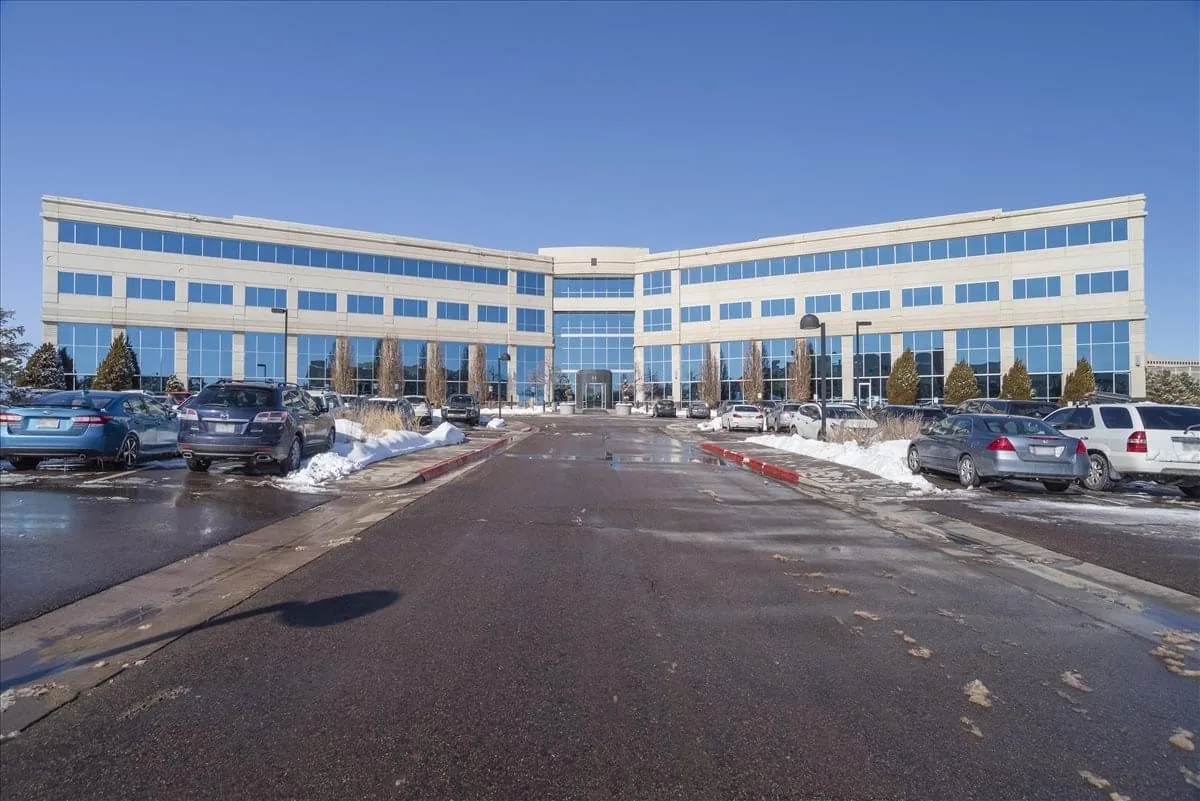
Office Building Roofing
Manage office roof repairs in Arvada with clear tenant notices, equipment coordination, drain checks, and photo records. Scope follows the inspected condition.
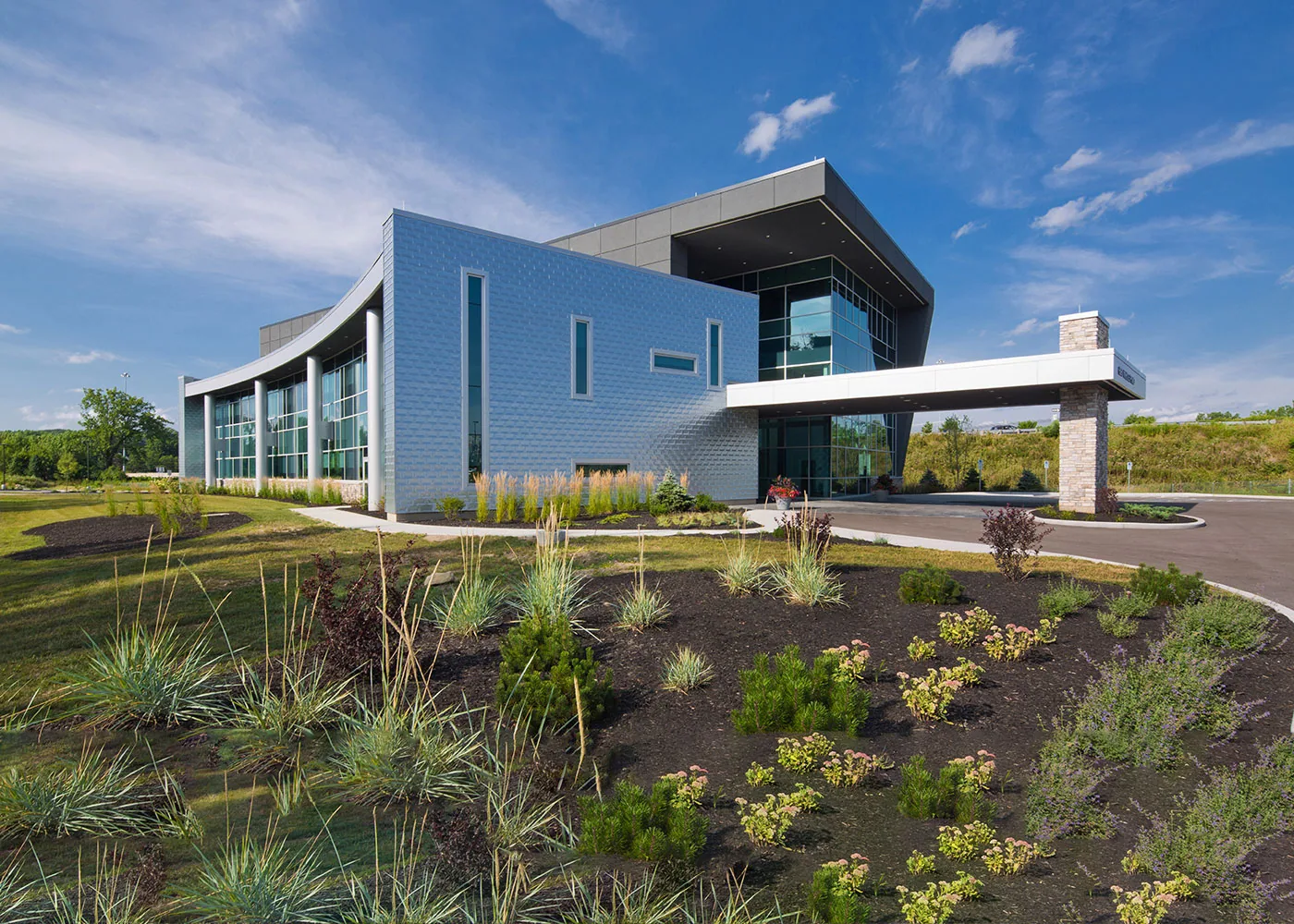
Medical Office and Clinic Roofing
Schedule clinic roof repairs in Arvada around patient entry, HVAC, and protected rooms. We map water paths and work zones before setting the repair plan.
Serving Arvada and the west Denver metro.
Our crews work on commercial roofs across Arvada, Wheat Ridge, Lakewood, Westminster and Broomfield. Find your area below.
Arvada
Service Areas
Questions about Commercial Warehouse Roofing
Can warehouse operations continue during roof work?+
The work zone, inventory below, and access route control the sequence. We coordinate with the facility lead and set a dry-in boundary for each shift. Some tasks may need an aisle or equipment area cleared. The site contact approves those limits before crews mobilize.
Why can a warehouse leak appear far from its roof opening?+
Water can move across a deck or insulation layer before reaching a ceiling joint. We start at the interior report, then trace uphill through drains, curbs, seams, and transitions. A test may be needed when several paths remain plausible. Photos and roof-zone labels preserve the evidence.
Can you repair around rooftop equipment?+
Curb access and flashing condition guide the work. We inspect the base, identify any active mechanical conflicts, and coordinate with the equipment owner. The proposal separates roofing from electrical or mechanical modifications. No unit is moved without an agreed scope and site authorization.
What changes the cost of a warehouse reroof?+
Access, roof height, material handling, moisture removal, equipment, and interior protection affect the estimate. Dock schedules and phased dry-in can change labor sequencing. We list confirmed quantities and note what testing could reveal. Concealed repairs need approval before the scope expands.
Have a question? Call us at 555-555-5555 or send us a message.
Map the leak before it reaches another bay
Send the Arvada address, roof plan, interior leak locations, operating windows, and access limits. We will inspect the assembly, drainage, penetrations, and affected inventory zones.