Emergency Commercial Roof Repair in Arvada, CO
Get around-the-clock emergency commercial roof repair in Arvada for active leaks, storm openings, and temporary protection while a permanent scope is prepared.
Request a roof assessment. Tell us about the building.
Send the address and what you are seeing on the roof or inside the building. We will set a time to walk the roof and talk through the next step.
Request emergency roof response
Water entering an occupied Arvada building needs a controlled first response. We take emergency calls around the clock, including weekends and holidays. Start by telling us where water is entering, what is at risk inside, and how crews can reach the roof. We use that information to plan temporary protection and inspect the affected section. The first objective is to limit additional damage, then record what permanent work remains.
Arvada and its western suburbs saw hail, damaging gusts, heavy rain, and flash floods during the May 8, 2017 Denver storm. A regional event does not confirm damage at your property. We check the roof, photograph visible openings or displaced details, and keep the storm date with the record. For an active leak, our leak tracing visit identifies the likely water path before a permanent repair is scoped.
Details for dispatch
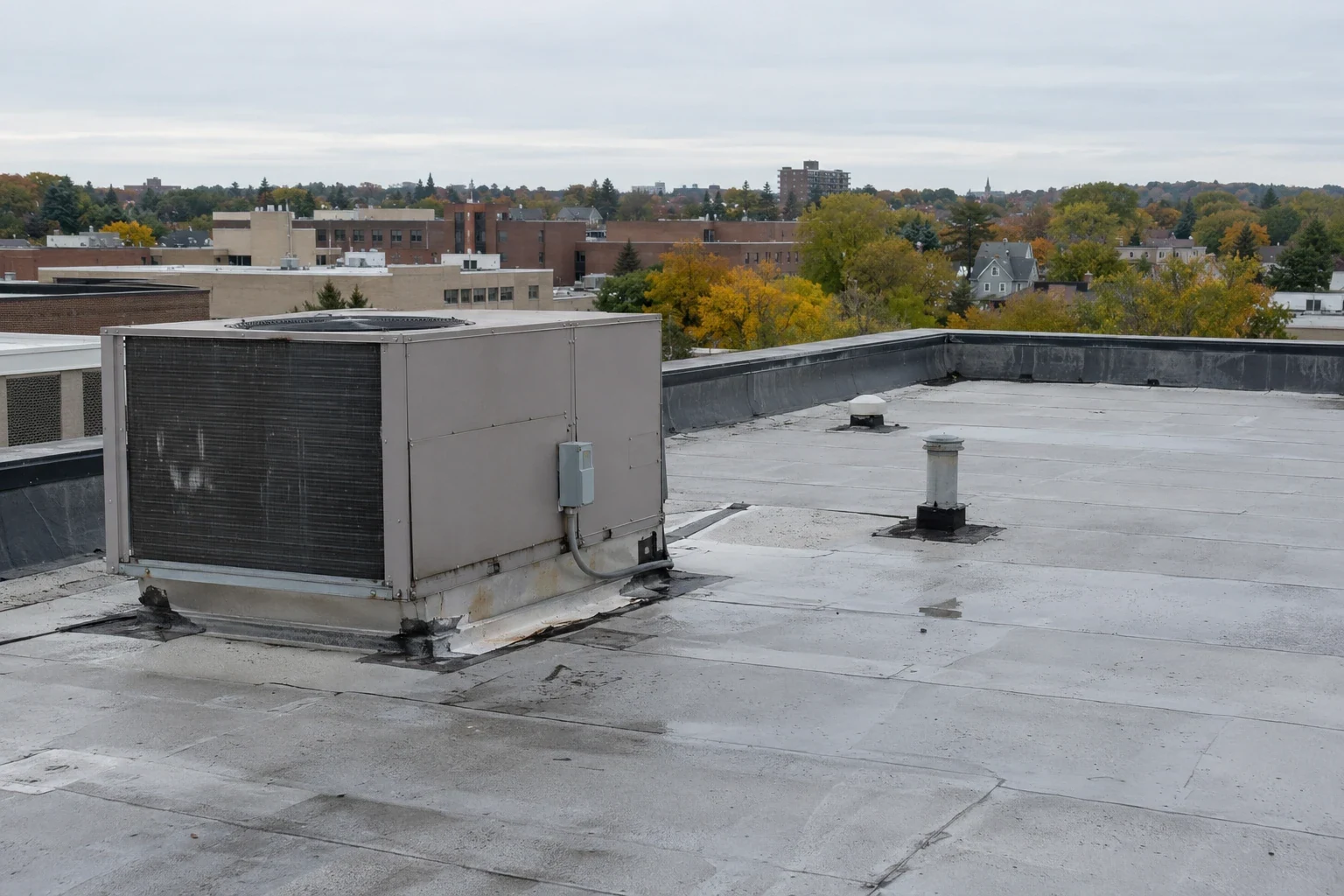
Send the property address, a call-back contact, roof height, access instructions, current water-entry locations, and any photos. Add the date and approximate time of the storm or leak. Tell us which rooms, electrical areas, stock, or building operations are affected. These details help us plan the first inspection path and bring suitable access equipment.
Access rules can include sign-in, an escort, lift coordination, locked roof hatches, or after-hours entry. Share the property contact who can authorize access and direct the crew. A retail center near Wadsworth has different loading needs from a medical or industrial building. We confirm the actual route and restrictions with your representative rather than assume from the address.
If water is spreading indoors, the facility team can move contents or isolate an affected area when safe. Do not enter standing water near electrical equipment. We focus on roof protection and repair; building staff control interior safety and operations. Keep a record of where water appeared and when, even if temporary measures reduce the visible drip.
Temporary protection
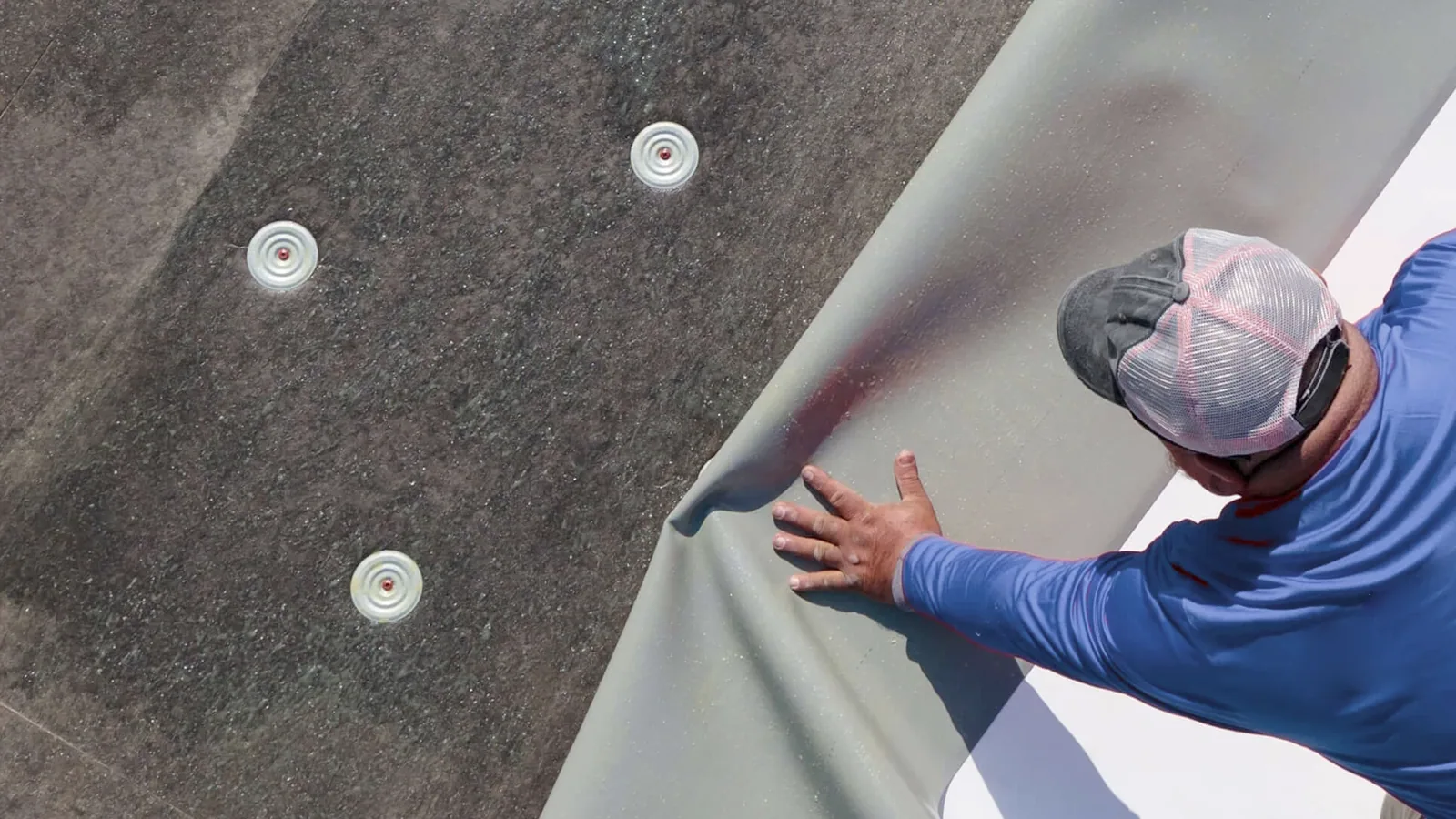
Temporary tarping or dry-in can limit entry when roof conditions allow safe access. We identify the opening, stabilize loose material where possible, and protect the exposed area. The work is temporary by design. It does not establish the condition of concealed insulation or deck, and it does not substitute for a permanent compatible repair.
We record the temporary protection boundary, photographs, visible damage, and areas that remain exposed or unverified. If wind or precipitation makes access unsafe, the plan may need to change. The property contact receives the immediate finding and the next inspection step. That record prevents a temporary measure from being mistaken for completed permanent work.
Our commercial roof repair crew can return to restore a confirmed seam, flashing, puncture, or edge detail. If a storm affects several roof areas, we can map them under a storm damage scope. When damage is active but the entry point is uncertain, targeted roof inspection keeps the permanent decision tied to observed conditions.
First roof check
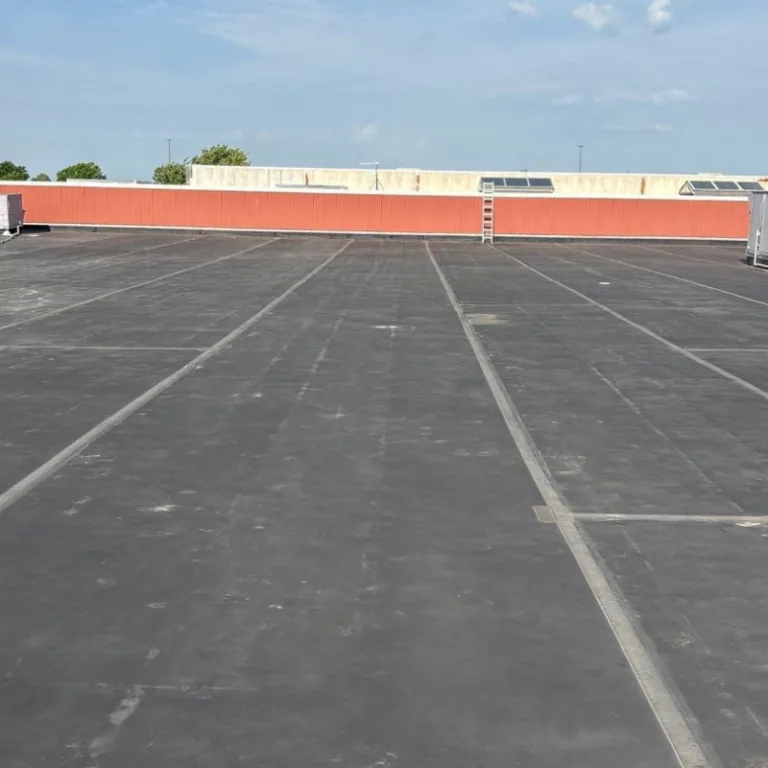
The first roof walk looks for displaced edge metal, open seams, punctures, damaged flashing, lifted membrane, blocked drainage, and water around curbs or penetrations. We check the corresponding interior report and photograph relevant details. A ceiling stain may be below the actual opening, so we inspect the likely route rather than patch the nearest visible mark.
For any current Arvada claim, we pair the owner-supplied event date with roof-zone photos and prior repair history. After a new storm, we note its date, visible impacts, and affected roof sections. We separate fresh openings from older patches or wear when the evidence supports that distinction. Any uncertain condition stays identified as a follow-up item instead of being included as a confirmed repair.
Snow, ice, and temperature affect whether materials can be installed and which roof areas are safe to reach. Denver's seasonal snowfall normal is a regional planning reference; it does not measure an individual property's snow load. We assess the actual surface and forecast before selecting a temporary measure or installation window. The roof structure and applicable code path govern structural decisions.
Ready to talk about your roof?
Permanent repair plan
After temporary protection, the next step is a written plan for the confirmed failure. It names the location, repair method, compatible materials, access needs, and limits. If a core cut or moisture survey is needed, we identify its purpose and point before opening the roof. If the findings show widespread wet insulation, repeated seam failure, or deck damage, we explain why the permanent scope may extend beyond the initial opening.
At a commercial property, the repair schedule must account for tenant access, deliveries, equipment, and interior sensitivity. We coordinate a work area and daily stopping point with the property contact. Weather holds are part of the sequence. If the work cannot be closed in safely, the crew protects the section and records what remains to be completed.
When a roof has repeated emergency calls, repair-by-repair may no longer be the clearest plan. We can compare the documented conditions with a replacement evaluation or a roof-wide condition report. Each option should state which area it addresses and which conditions still need monitoring.
Emergency closeout
Closeout includes the visit time, area inspected, temporary protection installed, photos, and known limits. It lists who received the update and what follow-up is required. If a return trip is needed for permanent repair, the owner gets the work area, access needs, and expected decision point. This record helps the next crew continue without losing the storm date or affected section.
For properties near Olde Town Arvada, Ralston Fields, or the Wheat Ridge Ward Station area, share any gate, loading, or tenant restrictions with the address. The local location helps route the request; the site's actual conditions set the response plan.
Call with the property address, current leak status, access contact, storm date, and interior photos. We will determine whether immediate roof protection is appropriate and what inspection or permanent repair should follow.
More commercial roofing services
Other work our crews handle on Arvada roofs. See all commercial roofing services.
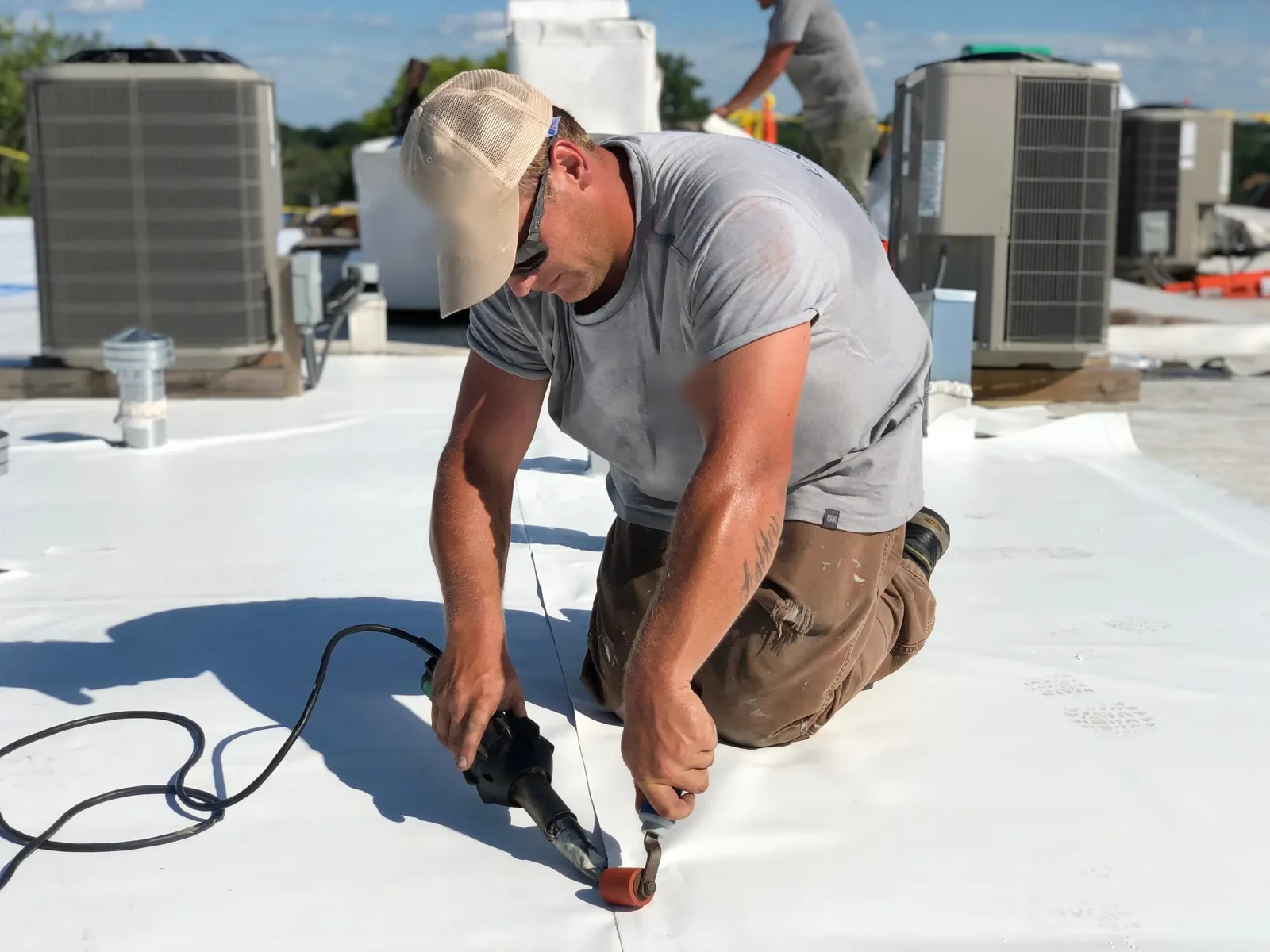
Commercial Roof Leak Repair
Trace and repair commercial roof leaks in Arvada. We map the entry point, protect active interiors, document the repair boundary, and list follow-up needs.
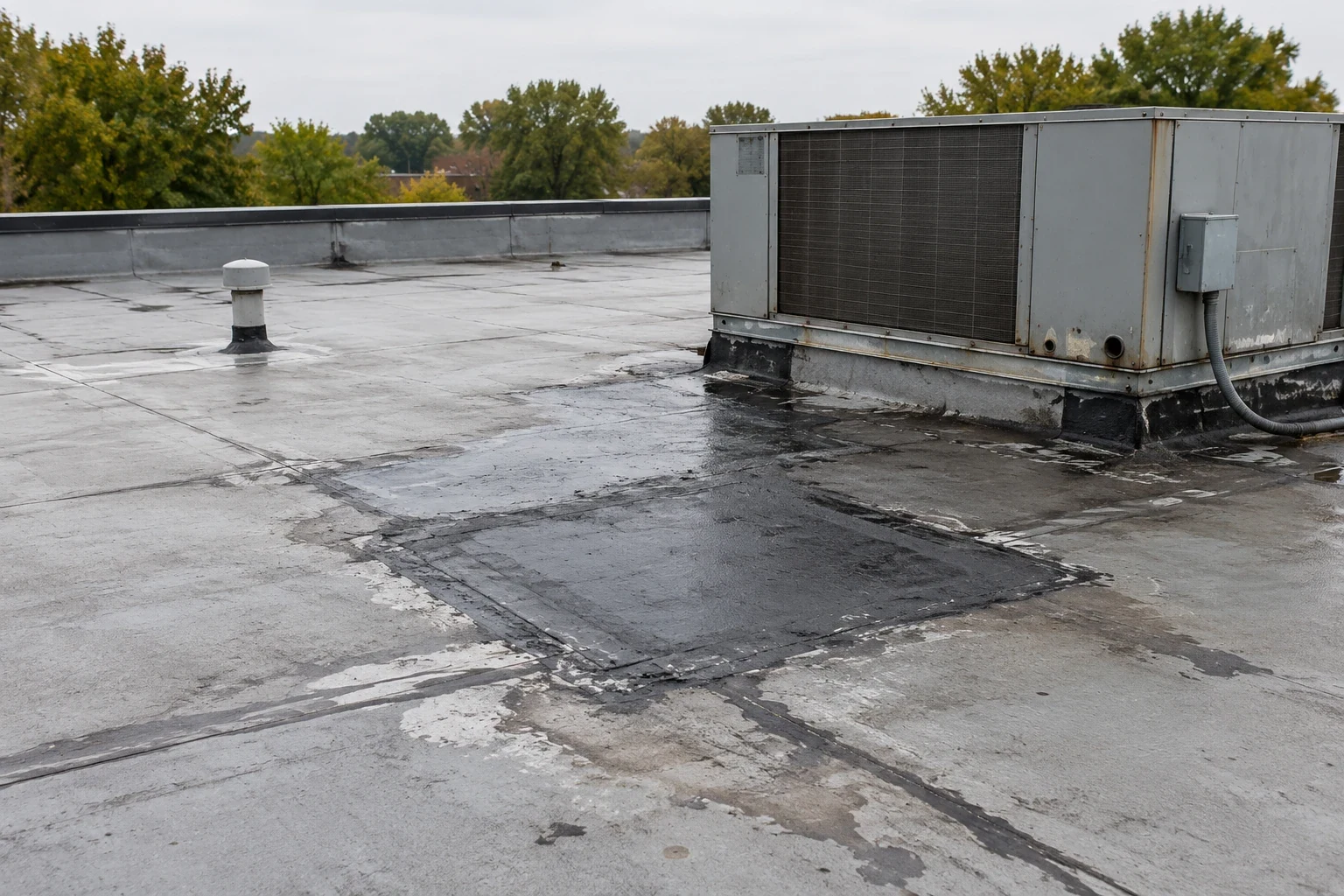
Commercial Roof Repair
Repair commercial roof seams, flashing, drains, and punctures in Arvada with a mapped work area, photo record, and clear limits for the repair.
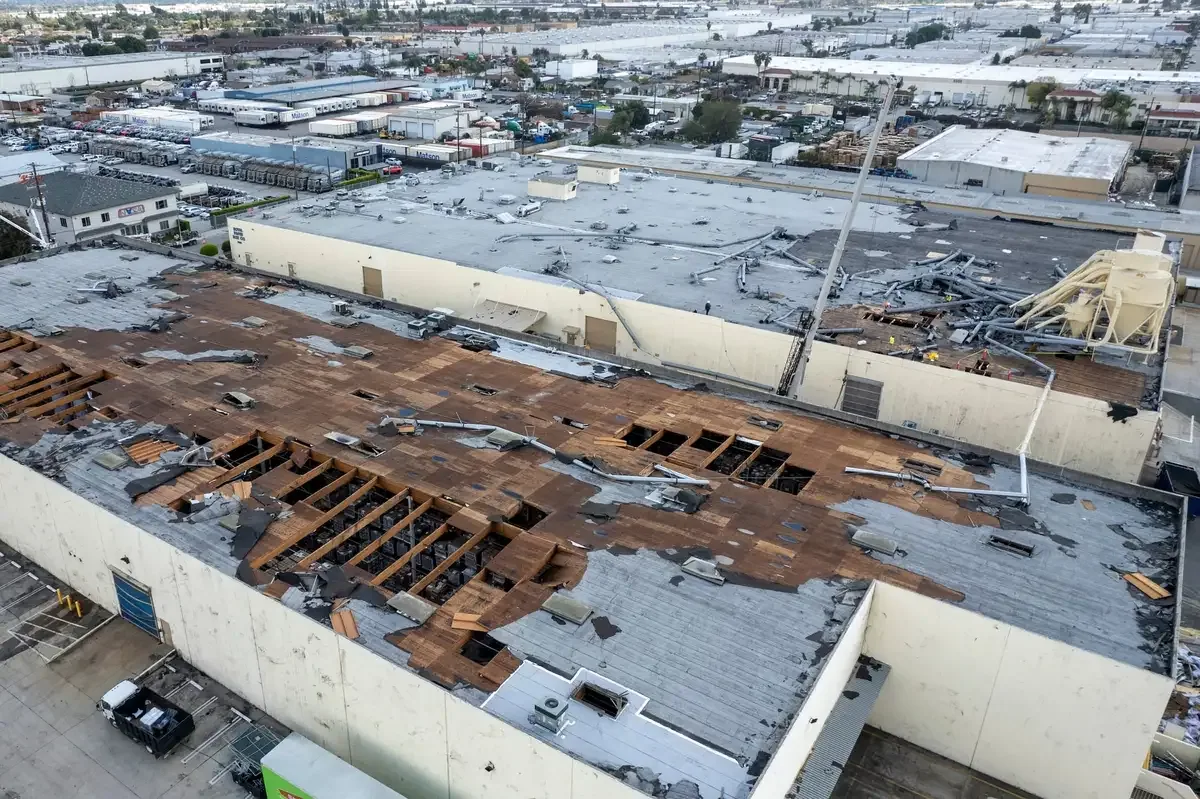
Commercial Storm Damage Roof Repair
Document hail and wind damage to commercial roofs in Arvada. We map affected sections, protect active openings, and scope verified repairs.
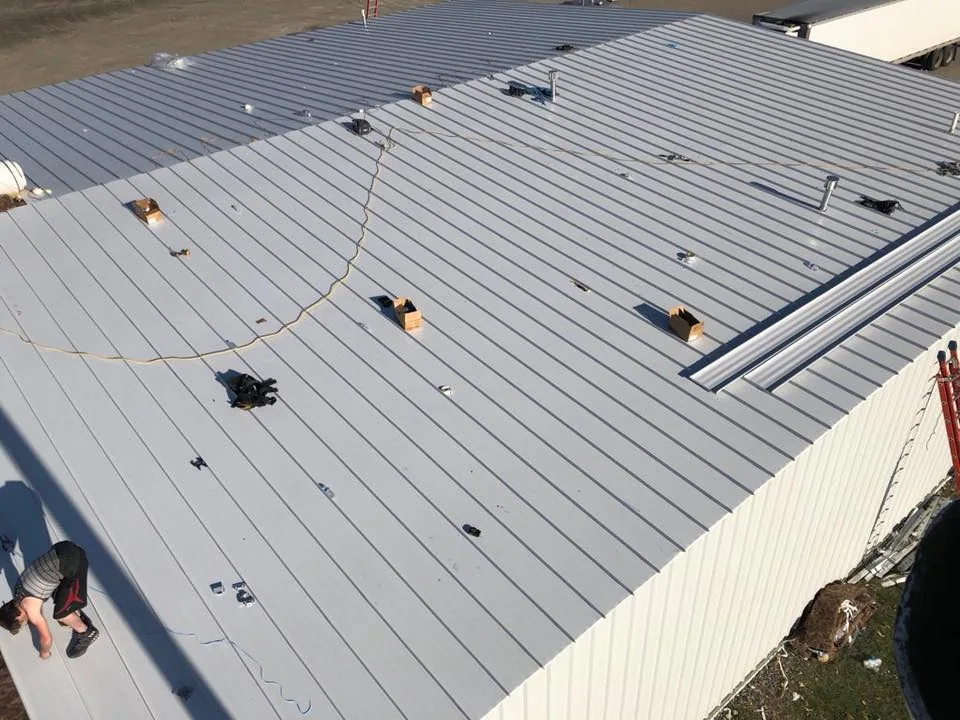
Commercial Roof Inspection
Schedule a commercial roof inspection in Arvada with a hands-on review, mapped findings, photographs, and repair or replacement priorities for your building.
Commercial Roof Replacement
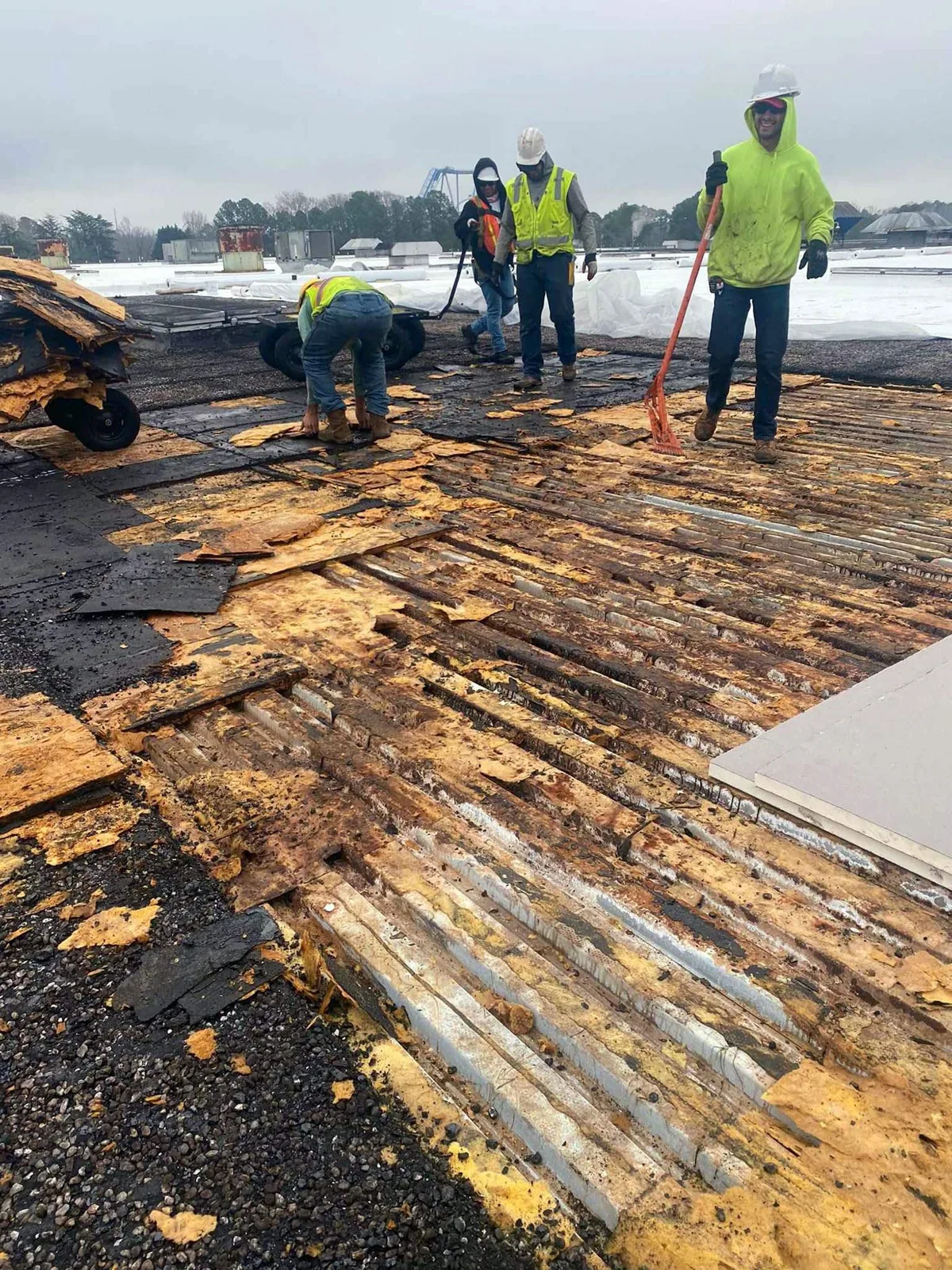
Plan a commercial roof replacement in Arvada with an assembly review, clear tear-off limits, drainage checks, and a phased schedule for your building.
Drone Roof Inspection
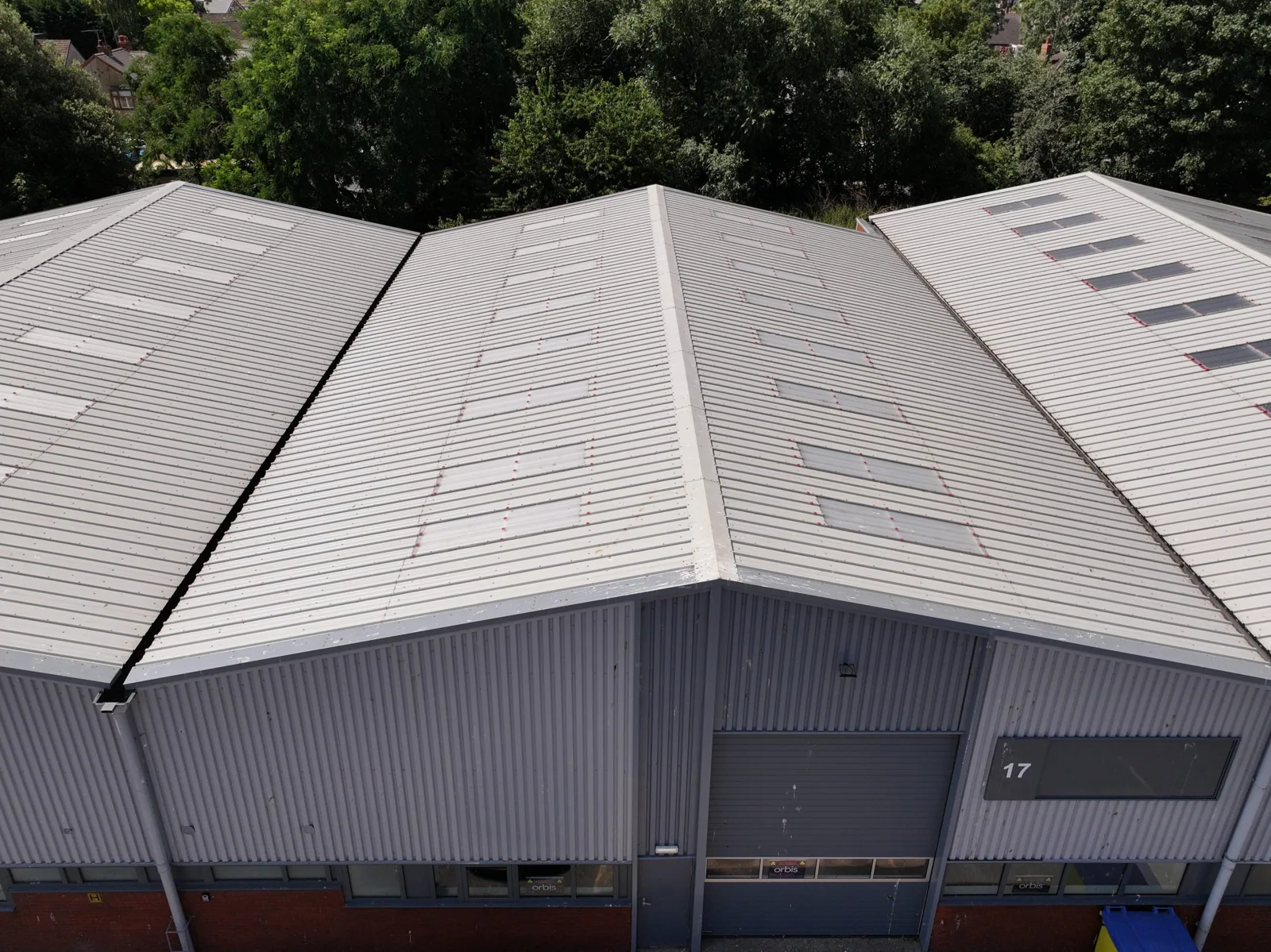
Use drone imaging in Arvada to document hard-to-access commercial roofs, then connect visible findings to hands-on follow-up and repair decisions.
Serving Arvada and the west Denver metro.
Our crews work on commercial roofs across Arvada, Wheat Ridge, Lakewood, Westminster and Broomfield. Find your area below.
Arvada
Service Areas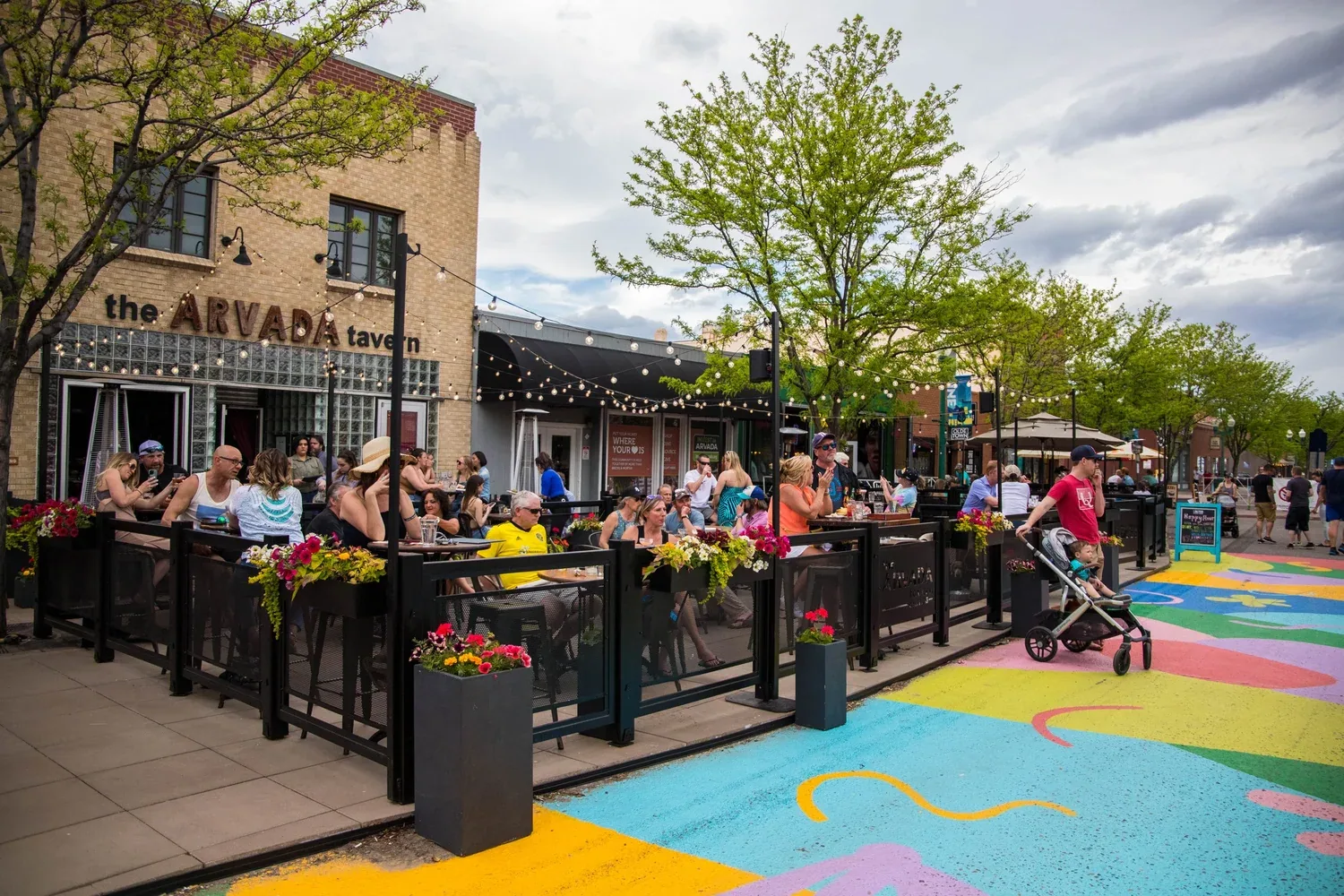
Questions about Emergency Commercial Roof Repair
Can I call after hours or on a holiday?+
Yes. Emergency roof calls are handled around the clock, including weekends and holidays. Share the address, current water entry, access contact, roof height, and what is at risk inside. We use those details to plan the response. Conditions, access, and weather affect the work that can safely be completed on arrival.
Will temporary tarping fix the roof permanently?+
Tarping or dry-in limits immediate entry when conditions permit, but it is temporary protection. We record its boundary and any areas that remain exposed. A permanent repair requires inspection of the roof material, opening, and nearby details, followed by a compatible system repair.
What if crews cannot safely access the roof during a storm?+
Safety and weather conditions control access. We may need to wait for a safe window, protect interior areas through the building team, and return for the roof inspection. The update will state what could not be checked and which conditions must change before the next step.
Does a hail report mean the roof needs replacement?+
A storm report is context, not a property inspection. We document visible impact, open seams, punctures, displaced metal, water entry, and the affected sections. Temporary protection or a defined repair may be appropriate. Wider findings can support a larger evaluation, but the inspection record controls that decision.
What happens after the immediate leak stops?+
We schedule follow-up for the permanent repair and list any testing needed before closing the assembly. The closeout records temporary work, photos, limits, and the next action. If the leak recurs or the inspection finds more extensive moisture, the repair boundary is revised before that added work proceeds.
Have a question? Call us at 555-555-5555 or send us a message.
Request emergency roof response
Call with the Arvada property address, storm date, current water-entry location, roof access instructions, and photos if available. We will plan the first roof check and temporary protection around the active conditions.