Commercial Standing Seam Metal Roofing in Arvada, CO
Inspect, repair, or replace standing seam metal roofs in Arvada. We check clips, panel movement, transitions, fasteners, and drainage before scoping work.
Request a roof assessment. Tell us about the building.
Send the address and what you are seeing on the roof or inside the building. We will set a time to walk the roof and talk through the next step.
Map the metal roof before choosing a repair
A standing seam panel can look sound while a clip slips below it. We inspect panel ends, seams, fasteners, and perimeter details before choosing a repair. The metal moves as temperatures change. A rigid patch can shift the problem to the next seam. We mark the affected section and note panel profile, slope, and attachment details. If documents are missing, we record what the roof itself confirms.
Arvada's building-code adoption includes updated wind and snow provisions on a city implementation schedule. We inspect the assembly and confirm the permit path before changing attachments or adding material. The building's structure and drainage control its own review.
Read the panel and clip details
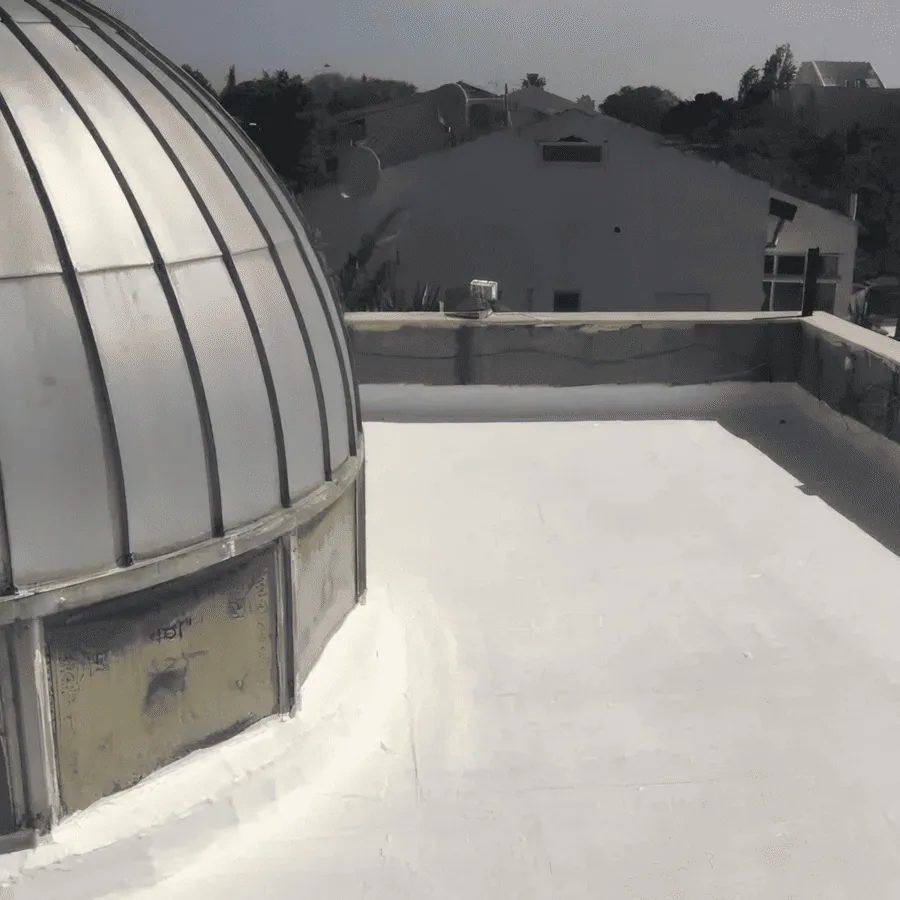
Standing seam panels join at raised seams, with clips often hidden beneath the metal. We inspect seam geometry, panel width, end laps, and visible movement. A displaced panel may point to a clip issue, substrate condition, or incorrect installation detail. We do not assume that a raised seam is watertight by appearance alone. The field record identifies loose areas, openings, and nearby water paths.
Panel length matters because long sheets move with temperature. Clips must permit the movement intended by the assembly. Fixed points, end conditions, and transitions deserve close review. We photograph each condition with a roof-zone reference. If the panel profile cannot be confirmed in the field, product records or a limited opening may be needed before selecting replacement parts.
Metal thickness, coating, seam height, and clip arrangement can change repair compatibility. We compare available submittals with field measurements instead of treating all standing seam roofs alike. If fasteners are exposed at a ridge or eave, their washer and substrate condition also matter. A written scope separates visible panel work from concealed attachment questions. That boundary keeps the next decision tied to evidence.
Trace movement through transitions
Expansion and contraction show up at panel ends, wall lines, curbs, and penetrations. We inspect where a long panel meets a fixed detail. Sealant alone may not accommodate repeated movement. A workable repair restores a compatible transition and leaves the panel free to move as designed. We note the tie-in material, condition, and any sign of repeated water entry.
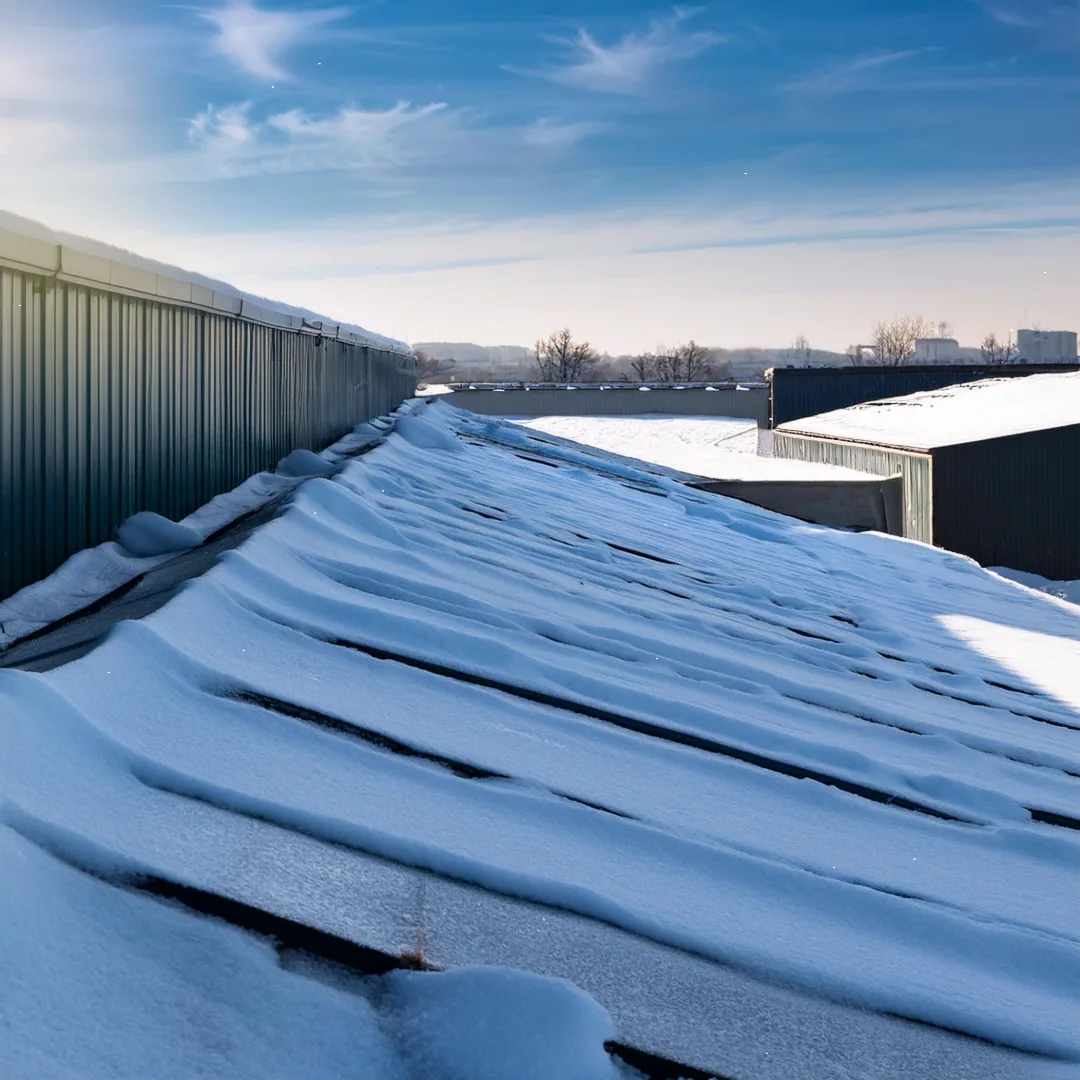
Snowmelt and wind-driven rain can expose weak terminations. We check the actual roof slope, valleys, gutters, and discharge points. A drain and scupper inspection can address a documented outlet concern separately.
Ridge caps, eaves, rake edges, and wall flashings each need a detail suited to the panel. We look for back-up water paths, loose closures, and incompatible sealants. Around mechanical units, movement and service access affect the flashing plan. A perimeter review can include coping and gutter transitions. The roof map shows where panel work ends and related sheet-metal work begins.
Check weather exposure and operations
Large hail and high winds struck Arvada during the 2017 supercell, with downpours and flooding across nearby suburbs. After a current storm report, we check seams, edge restraint, gutters, and impact marks. A dent does not by itself prove a leak. The inspection records location, coating damage, open joints, and interior reports. A hail assessment can map storm observations to the affected roof sections.
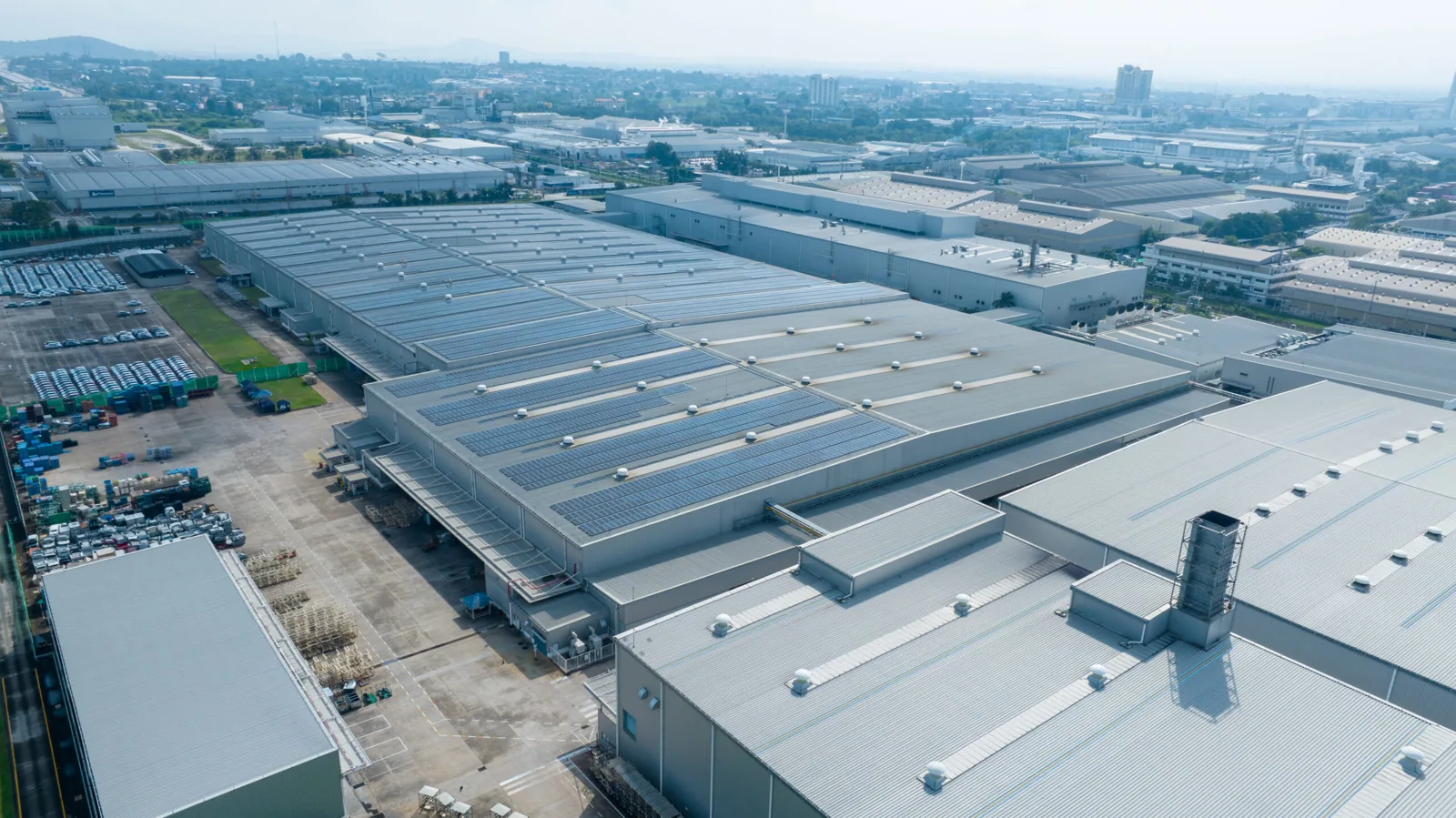
Arvada's Ralston Road complete-street project covers the route from Kipling Parkway to 58th Avenue. Ralston Fields includes retail redevelopment as part of an urban renewal district. The corridor connects nearby commercial addresses; we confirm delivery access, staging, and occupied hours with each site contact. A Ralston Fields visit still begins with the actual address and roof plan.
Metal panels can transmit sound during rain, and active work adds noise and vibration. We identify nearby offices, retail areas, and equipment before setting work hours. Roof access points, falling-object controls, and pedestrian routes belong in the schedule. If temporary protection is needed, we keep it distinct from the permanent repair recommendation. Operations staff receive the daily work boundary and the area that remains open.
Ready to talk about your roof?
Choose repair, retrofit, or replacement
A single loose closure or damaged panel may permit a bounded repair. Repeated seam separation, widespread corrosion, or failed clips can point to a larger assembly issue. We inspect adjacent panels before deciding how far to open the roof. A targeted metal repair should identify the panel, transition, and finish work included. The proposal states whether concealed attachment can change the scope.
A retrofit may add a new roof over existing panels, but only after reviewing structure, attachment, drainage, and added height. Curbs, parapets, and gutters can lose clearance as layers are added. A recover assessment tests those constraints before design. If panel condition or substrate makes a recover unsuitable, removal may be the cleaner route. We list each assumption for the owner.
Replacement choices depend on roof use, slope, wind design, drainage, and appearance requirements. A metal retrofit system can be compared with new standing seam panels when the existing assembly permits it. For other low-slope areas, TPO roofing may enter the review. We compare assemblies rather than swapping material names. The next step follows field conditions and approved design.
Keep the panel record usable
Before installation, confirm panel profile, clip type, substrate, underlayment, edge details, and movement provisions. The written scope should also identify weather limits, delivery routes, and protection for open work. A condition inspection can establish the baseline. We note measurements and unresolved details before material is ordered. That reduces the chance of fitting an incompatible panel to an existing seam.
Closeout photos should show seams, clips where accessible, flashings, and roof-zone locations. Record the panel product and finish, repair boundaries, and any field change. Future inspections can revisit fasteners, sealant, coating wear, debris, and drainage. A simple map is useful when a later leak report names a ceiling rather than a roof location.
Send the Arvada property address, roof plan, panel records, repair history, and access limits. We will inspect the metal, transitions, and water path. The report will separate observed damage from concealed conditions. If a sample or structural review is needed, the next step will identify its purpose. Emergency protection is available around the clock when an opening threatens the building.
More roof systems
Other work our crews handle on Arvada roofs. See all roof systems.
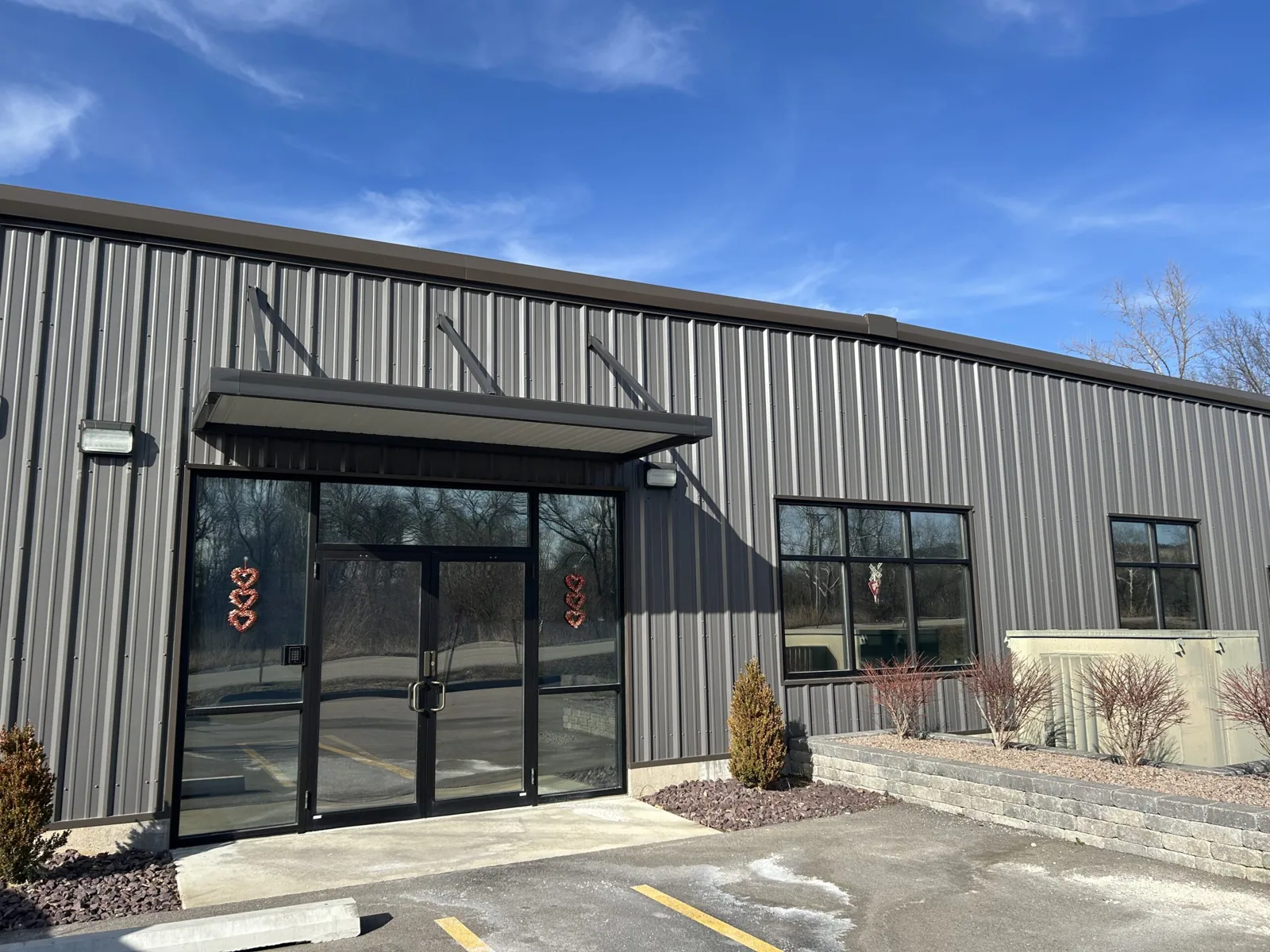
Commercial Metal Roof Retrofit
Evaluate a commercial metal roof retrofit in Arvada. We inspect panel attachment, structure, drainage, curbs, and insulation before comparing options.
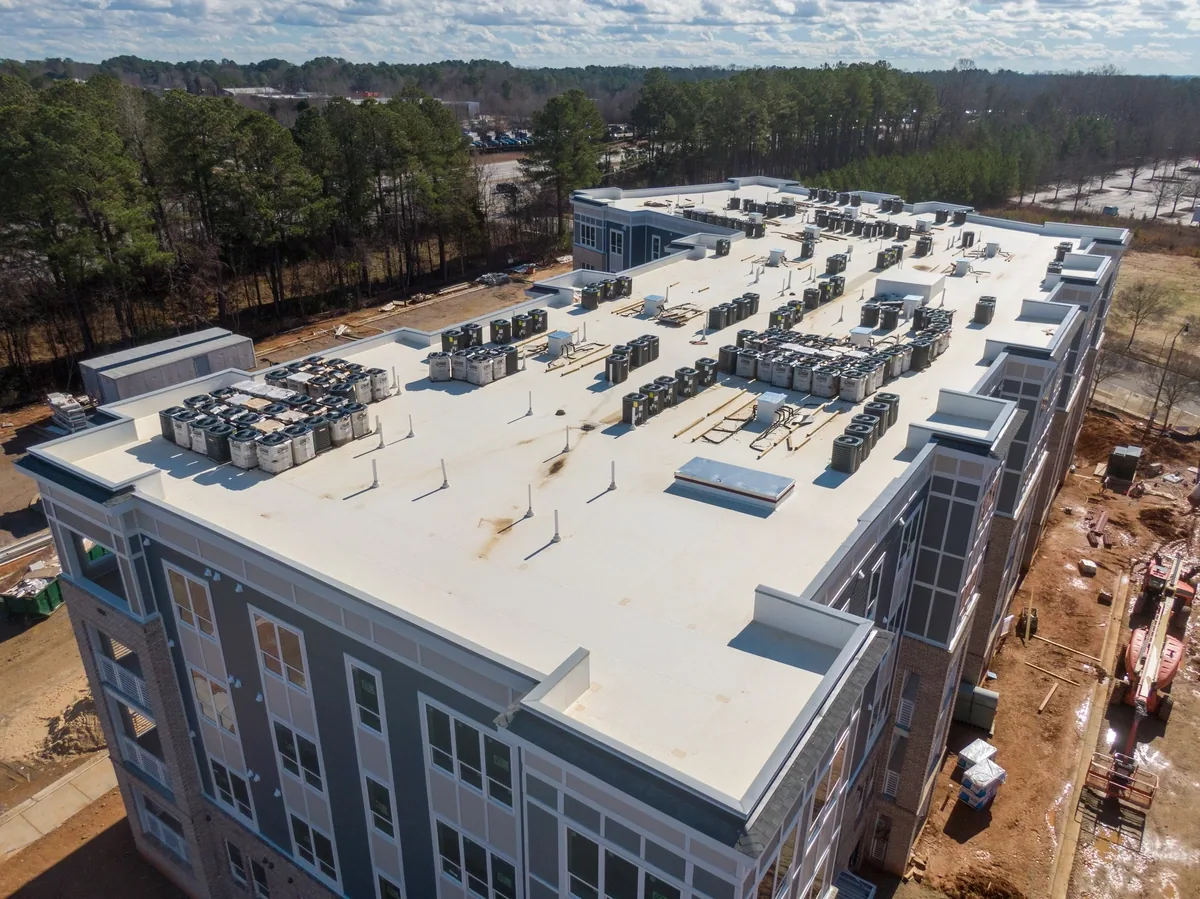
Commercial TPO Roofing
Install, repair, or replace commercial TPO roofing in Arvada. We review seams, attachment, drainage, insulation, and roof access before scoping.
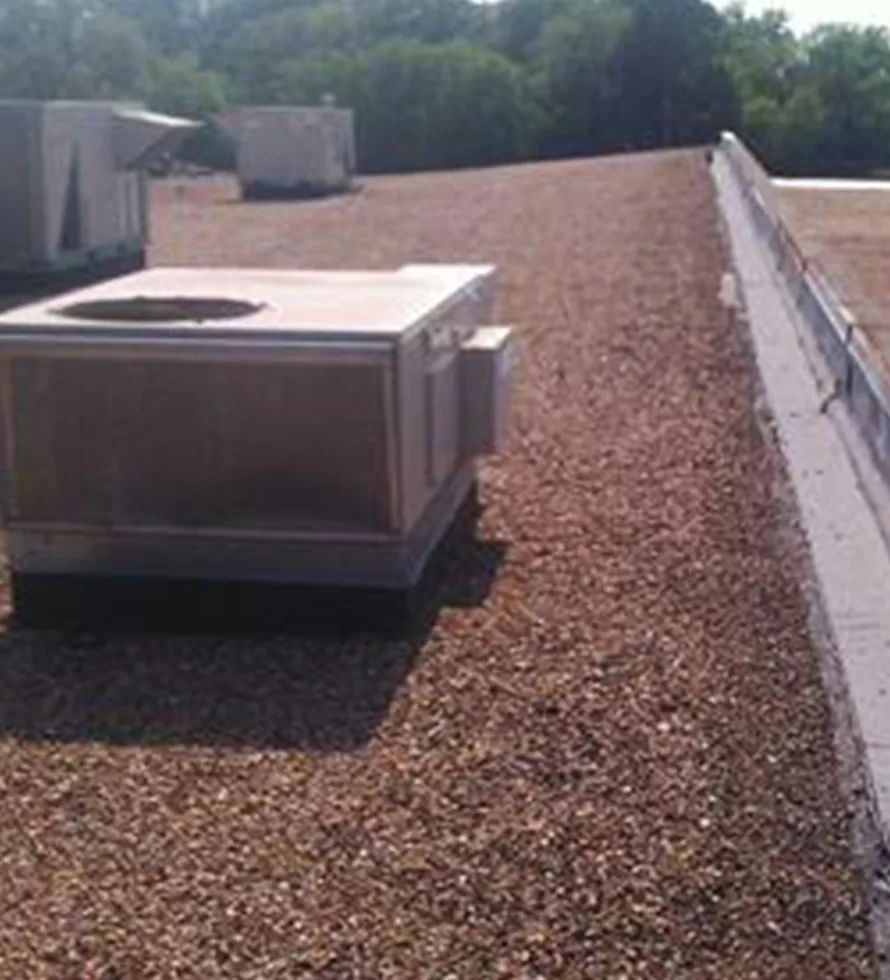
Commercial Built-Up Roofing
Inspect, repair, or replace commercial built-up roofing in Arvada. We review plies, surfacing, drains, flashing, moisture, and safe work methods.
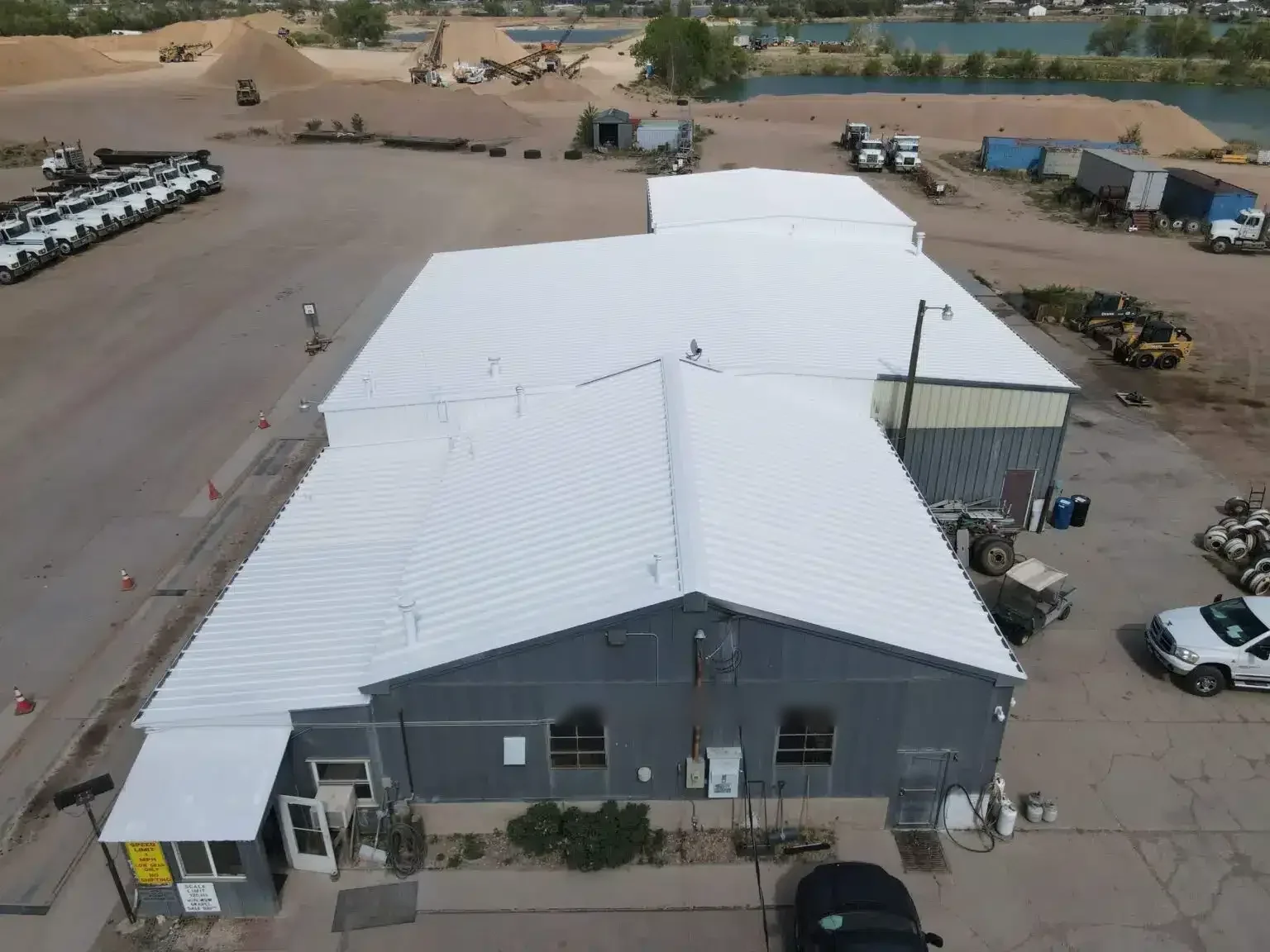
Commercial Spray Foam Roofing
Assess commercial SPF roofing in Arvada. We inspect foam adhesion, protective coating, drainage, penetrations, and moisture before recommending repairs.
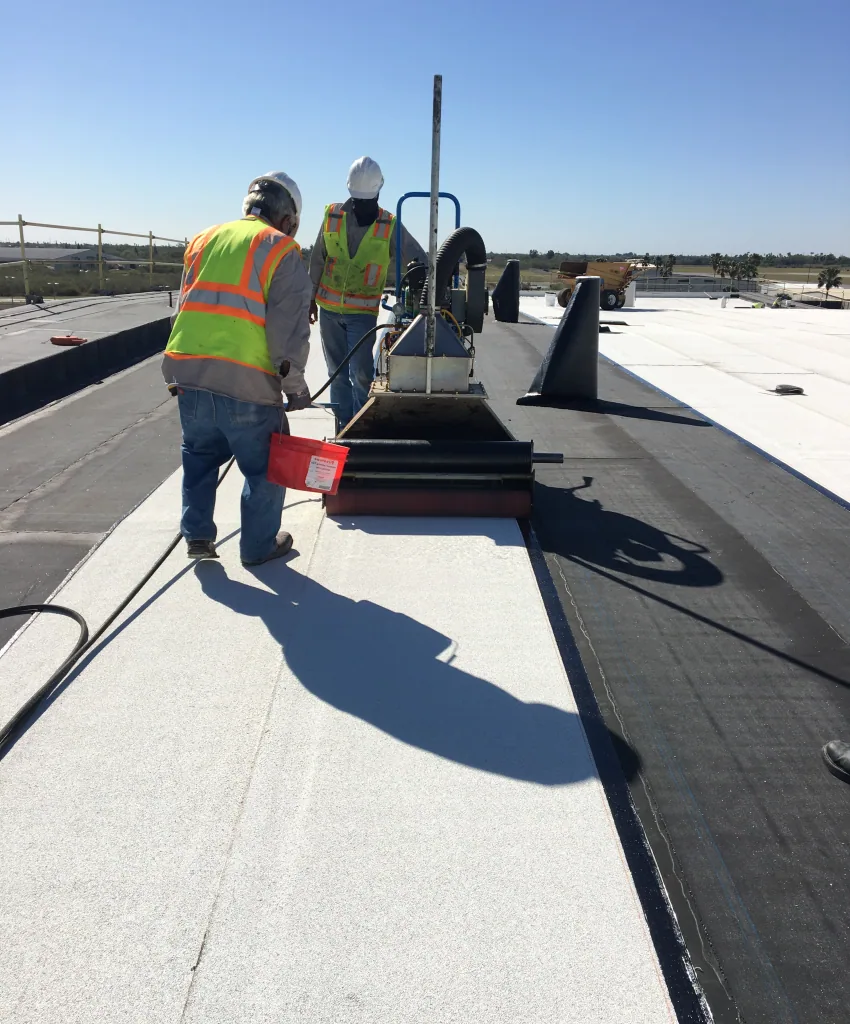
Commercial Modified Bitumen Roofing
Repair or replace commercial modified bitumen roofing in Arvada. We inspect plies, surfacing, flashings, drainage, and safe application conditions.
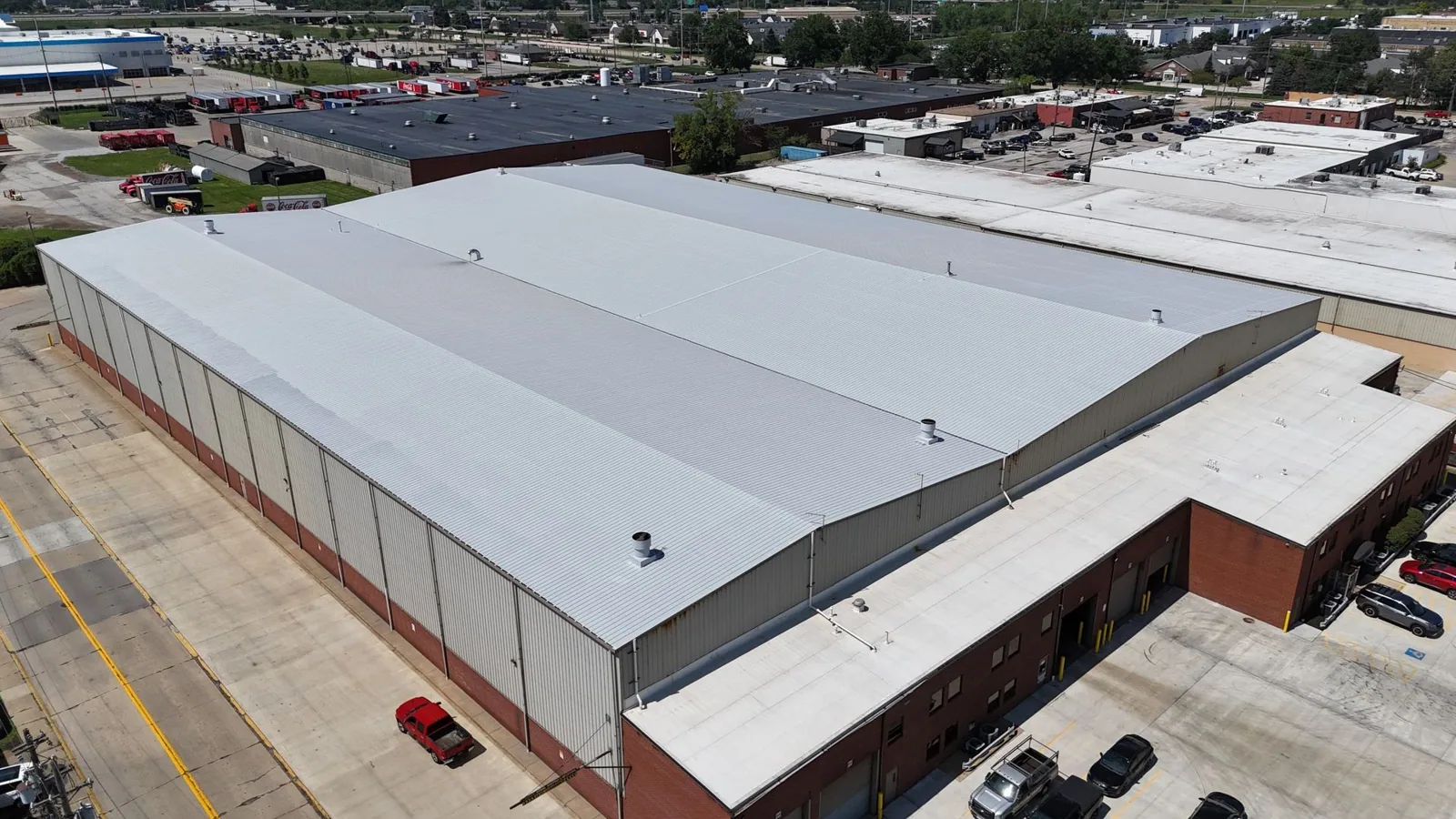
Commercial Silicone Roof Coatings
Review silicone roof coating options in Arvada. We test adhesion, inspect seams and drains, measure surface condition, and define repair limits first.
Serving Arvada and the west Denver metro.
Our crews work on commercial roofs across Arvada, Wheat Ridge, Lakewood, Westminster and Broomfield. Find your area below.
Arvada
Service Areas
Questions about Commercial Standing Seam Metal Roofing
Can a dented standing seam panel be left in place?+
The coating, seam, and panel movement decide that. We inspect for exposed metal, open joints, displaced clips, and water entry. A cosmetic mark may need documentation only. A split finish or leaking seam needs a defined repair. The report separates impact appearance from functional damage.
How do you find a leak on a metal roof?+
We start with the interior location, then trace uphill through seams, penetrations, and transitions. Water can travel under a panel before it appears inside. Photos and a roof-zone map connect the symptoms with field findings. A controlled test may help when the path remains uncertain.
Can you replace only one panel?+
Panel access and seam design control the answer. Some profiles allow a section to be removed; others require opening adjoining work. We inspect the clips, end laps, and panel run before pricing the repair. The scope names the tie-ins and finish details.
What records help price a standing seam project?+
Send panel submittals, roof plans, prior repair notes, and recent photos. Include access rules and operating hours. We verify the field profile and identify any hidden attachment questions. The proposal then separates confirmed panel work from testing or design that remains.
Have a question? Call us at 555-555-5555 or send us a message.
Map the metal roof before choosing a repair
Share the Arvada address, storm date if relevant, panel records, roof access details, and available photos. We will inspect seams, clips, transitions, and drainage, then set a clear repair boundary.