
Commercial Spray Foam Roofing in Arvada, CO
Assess commercial SPF roofing in Arvada. We inspect foam adhesion, protective coating, drainage, penetrations, and moisture before recommending repairs.
Request a roof assessment. Tell us about the building.
Send the address and what you are seeing on the roof or inside the building. We will set a time to walk the roof and talk through the next step.
Inspect the foam before adding another coating layer
A split in the protective coating can expose spray foam to water and sunlight. We inspect the coating, foam surface, drains, and penetrations before selecting a repair. Soft or discolored areas need closer review. A new coating cannot correct wet substrate or detached foam. We map the affected section and check its limits. If the damage is active, temporary protection comes before permanent work.
The May 8, 2017 metro supercell brought hail and damaging wind to Arvada, with heavy rain and flash flooding across western suburbs. After a reported storm, we document impact marks, drainage paths, and current roof conditions by section. We compare those observations with maintenance records and interior reports before setting the next decision.
Separate foam damage from coating wear
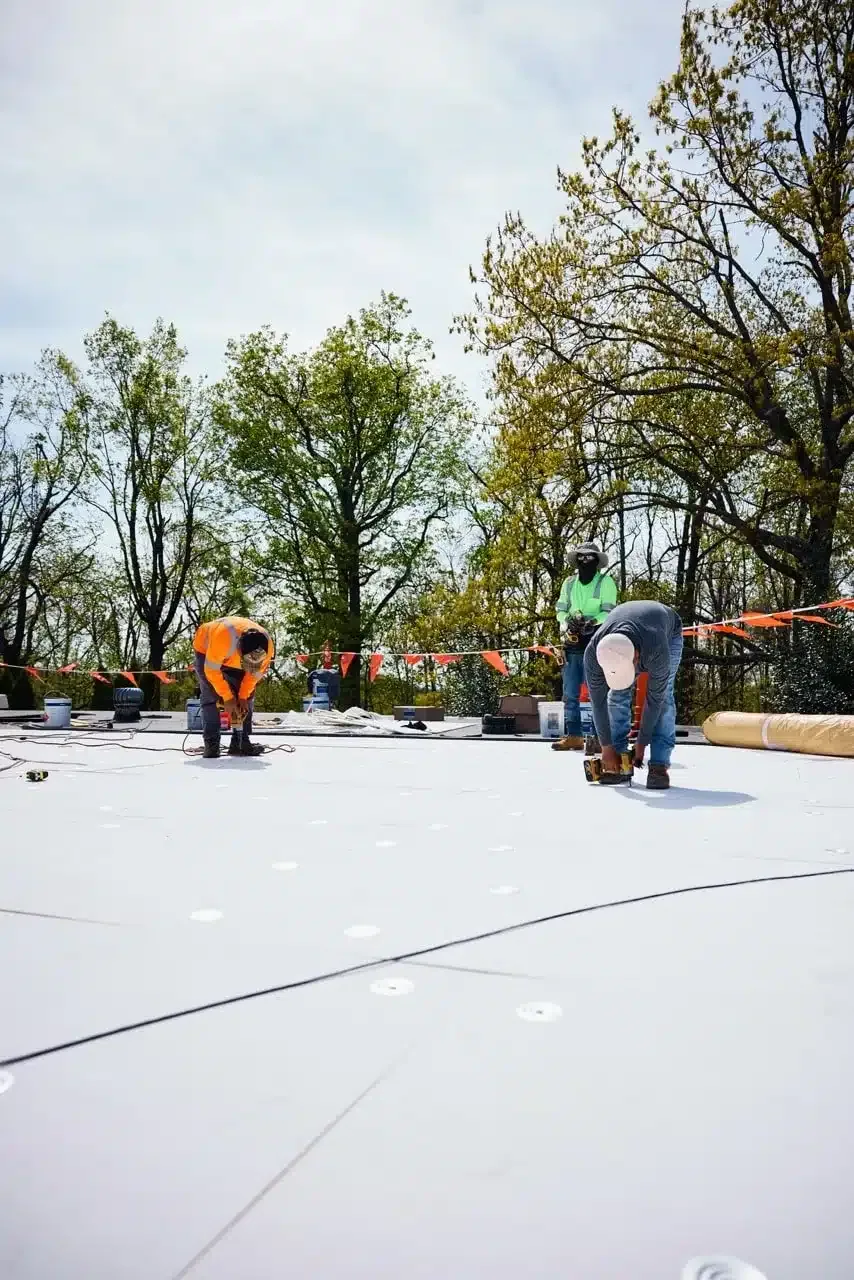
SPF roofs use closed-cell polyurethane foam beneath a protective coating. The foam provides slope and insulation; the coating shields it from ultraviolet exposure and weather. We inspect coating thickness where accessible, cracks, erosion, blisters, and exposed foam. We also check whether the coating remains bonded. A thin surface mark differs from damage through the foam into the underlying assembly.
Hail can bruise foam without creating an obvious hole. We look for depressions, fractured coating, loose granules, and changes around roof drains or equipment. The condition report identifies sample areas and the method used. When foam moisture is uncertain, test cuts or other defined testing can establish the boundary. We photograph each opening and restore it with compatible materials.
Previous coating layers matter. Product compatibility, preparation, and adhesion must be checked before recoating. We review records for coating type and application date, then compare them with field conditions. A roof condition inspection can record the surface and detail conditions. A moisture survey may help select testing locations, but thermal patterns require field confirmation.
Trace the water path and foam slope
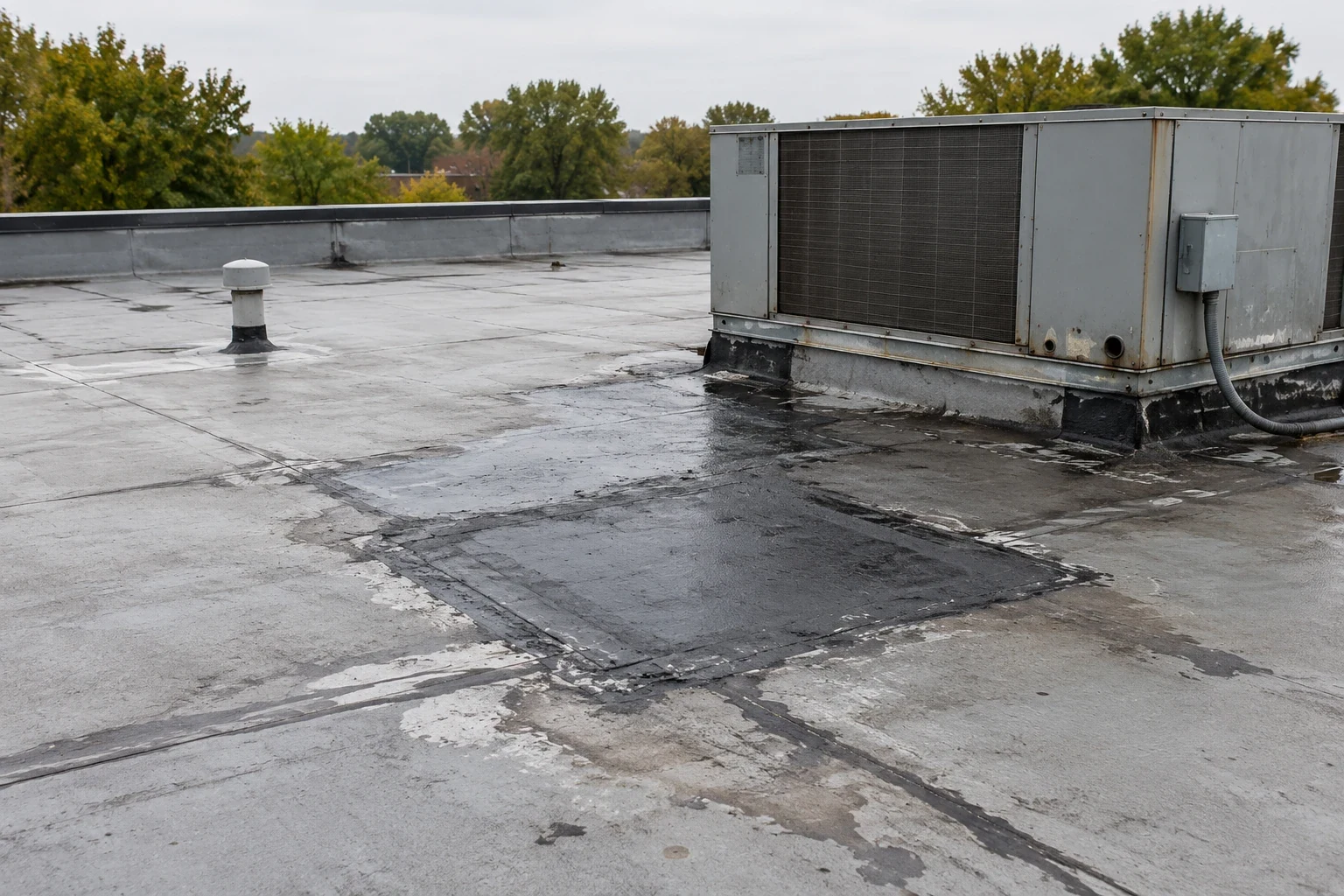
Spray foam can be formed to improve drainage, but settlement, damage, or blocked outlets may leave water standing. We mark low areas, drains, scuppers, and overflow routes. Ponding can stress a coating and reveal a slope or outlet problem. The repair scope should state whether it addresses only the surface or also corrects drainage geometry. Added foam cannot be assumed to solve every low point.
Denver International Airport's 1991-2020 normal seasonal snowfall is 47 inches. This regional reading is useful context for reviewing drainage and snow conditions, not a measurement for an Arvada roof. We inspect the building's actual outlets and structure. Arvada's code adoption includes updated snow provisions, with project applicability tied to the city schedule. Any structural capacity question belongs with the design professional.
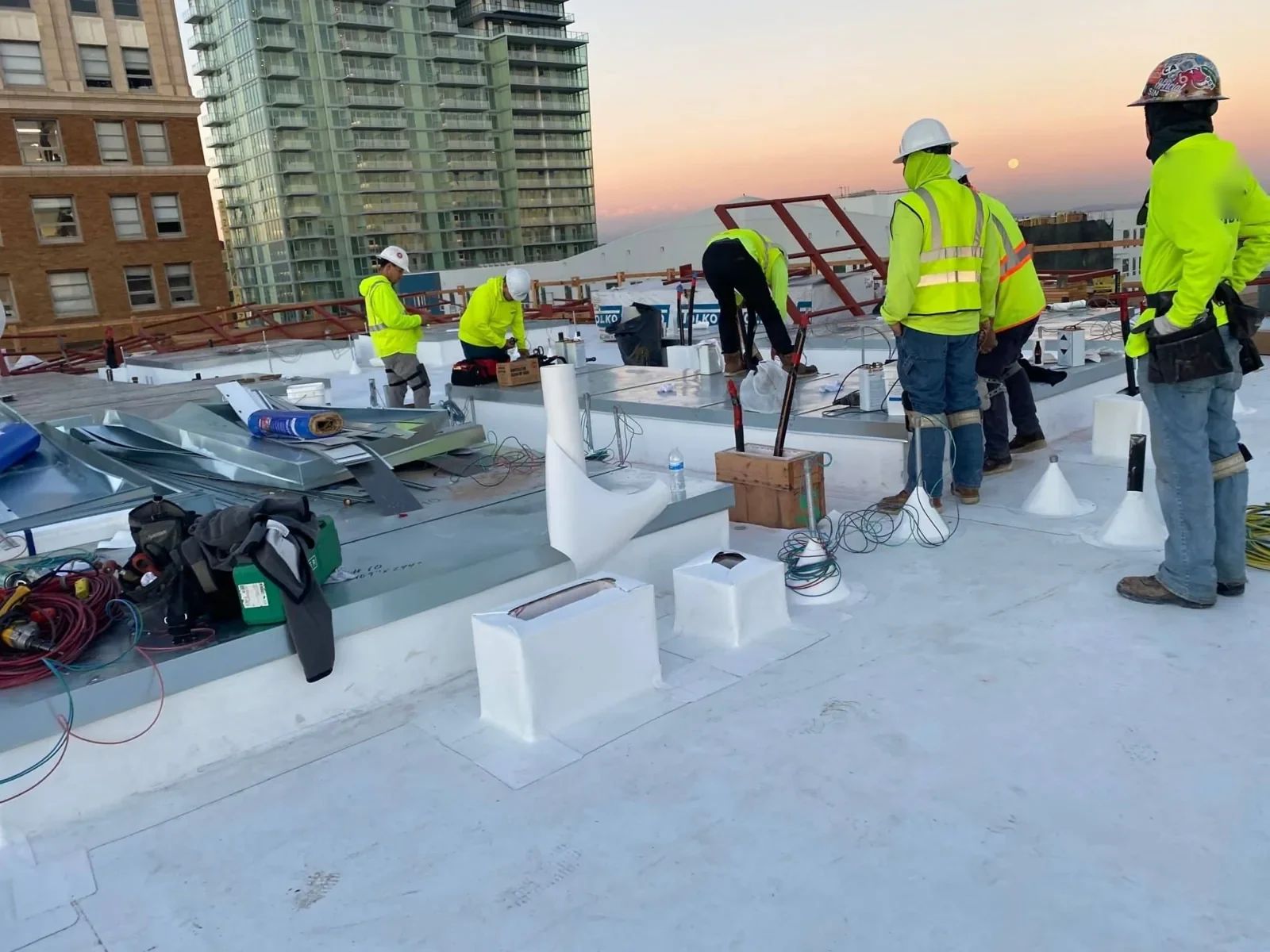
Drains, pipe supports, curbs, and parapets can interrupt the foam surface. We inspect whether the coating turns up continuously and whether sealant has cracked. A drain review can isolate a clogged or damaged outlet. Edge metal work may be needed at termination points. We keep those interfaces visible in the scope so they do not disappear inside a broad coating allowance.
Plan surface preparation and application
SPF application depends on dry conditions, substrate preparation, temperature, wind, and material handling. We confirm the product requirements before scheduling. The work area needs controlled access because overspray can reach vehicles, walls, rooftop equipment, and nearby property. Wind can change where material travels. The plan lists masking, ventilation, delivery, and shutdown steps before spraying begins.
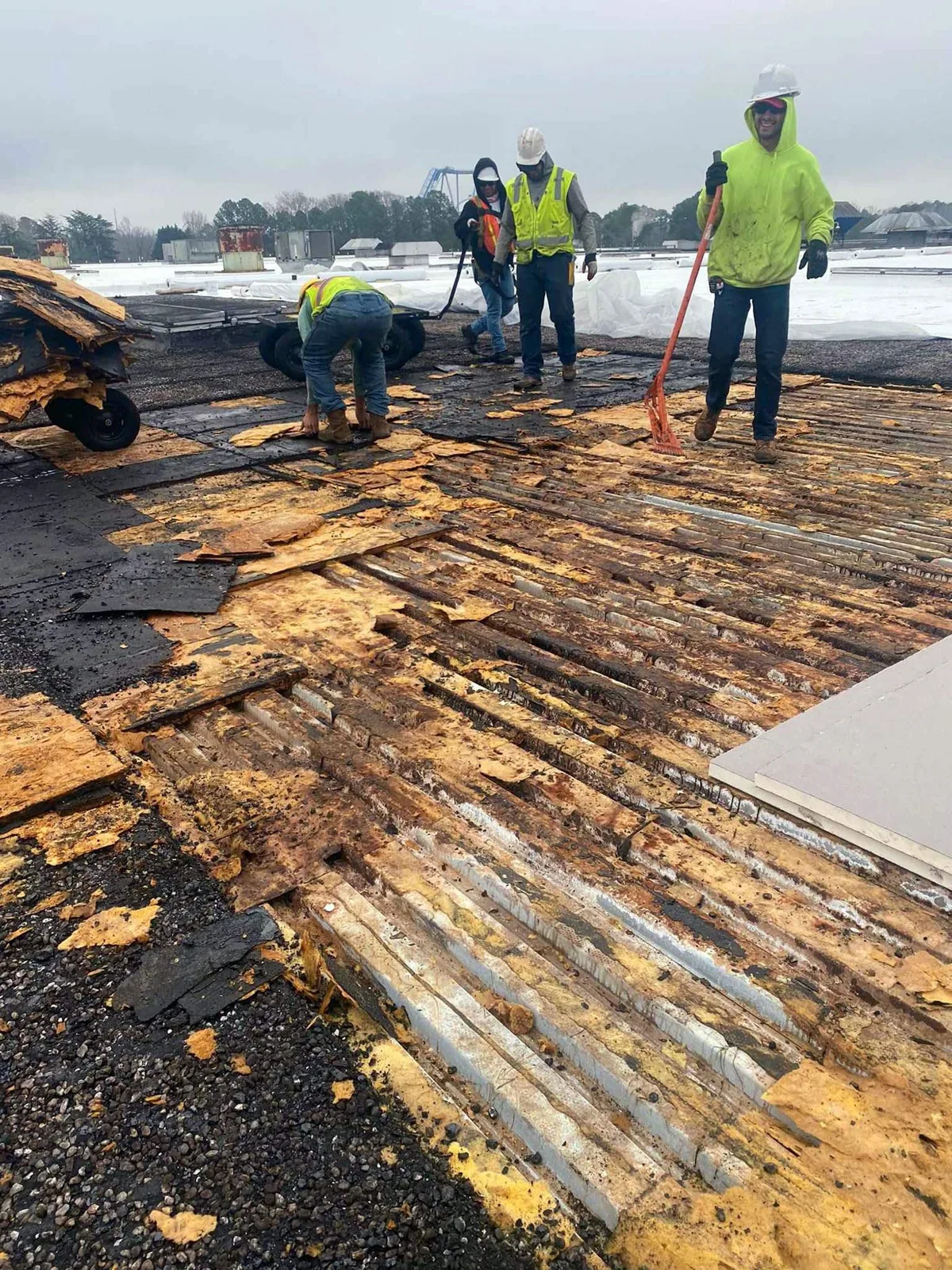
Exposed foam needs preparation before coating. We remove loose or degraded material to a stable boundary and build back the profile when specified. The new coating must reach the required coverage without blocking drains or burying service points. We record material and application details by roof zone. If weather changes mid-shift, the crew protects the edge and resumes only when the surface conditions fit.
Occupied sites need advance coordination around air intakes and outdoor activity. We identify sensitive equipment and pedestrian routes with the property contact. Curing and re-entry conditions follow product instructions. A phased occupied-building plan can set access limits and work windows. We give managers the affected areas and the conditions that would stop application.
Ready to talk about your roof?
Compare patching, recoating, and replacement
A localized coating split can be repaired when the foam beneath it is dry, bonded, and sound. Isolated wet or damaged foam may be removed and rebuilt to match adjacent slope. Widespread adhesion loss or moisture can call for broader removal. We define the test area and repair boundary before pricing. A coating restoration review checks preparation, compatibility, and drainage alongside the surface.
Recoating may extend the service life of a suitable assembly, but condition and product requirements decide whether it fits. We check coating adhesion and remaining thickness where the specification requires it. Replacement may be preferable when the foam or underlying roof has failed broadly. A replacement assessment can compare removal, insulation, and new system details. The estimate identifies what each option includes.
Cost and schedule depend on access, preparation, testing, damaged foam volume, coating system, edge work, and weather window. Extra work may be needed if wet material extends beyond a test cut. We photograph concealed findings and seek authorization before changing scope. Silicone coatings and acrylic coatings have different exposure limits. A hail damage inspection can document impact areas for the building record. We do not infer insurance decisions from roof damage alone.
Coordinate around Arvada properties
Candelas is part of Northwest Arvada's sub-area planning geography, and the city lists a retail study for the district. Candelas properties still require a site-specific inspection. Clear Creek Crossing in Wheat Ridge is a planned mixed-use development with hospital, hotel, residential, retail, and fitness uses. Those facts say nothing about a specific roof assembly. They do show why access and operating schedules vary by site. We confirm staging, air intakes, and public routes at each property. We confirm access with the building contact.
For a commercial building, the roof is one part of an operating system. We note rooftop units, vents, conduits, and tenant hours before work. Managers can identify odor-sensitive areas and any ventilation shutdown window. Our schedule identifies the roof zone, access route, and protection method. If a service path crosses a fresh coating, we mark it and agree on a safe reopening condition.
Closeout should show coating type, application areas, repaired foam, surface preparation, and drain clearances. Keep product documents, photos, test locations, and maintenance dates together. Future inspections can check cracks, erosion, loose coating, ponding, and new penetrations. A map helps staff report a specific area before water reaches interior finishes.
Send the Arvada address, existing coating records, roof plan, leak locations, and access rules. We will inspect foam condition, adhesion, slope, drains, and transitions. The report will separate confirmed surface work from testing or structural questions. If water is entering now, provide the storm date and interior photos so temporary protection can be considered first.
More roof systems
Other work our crews handle on Arvada roofs. See all roof systems.
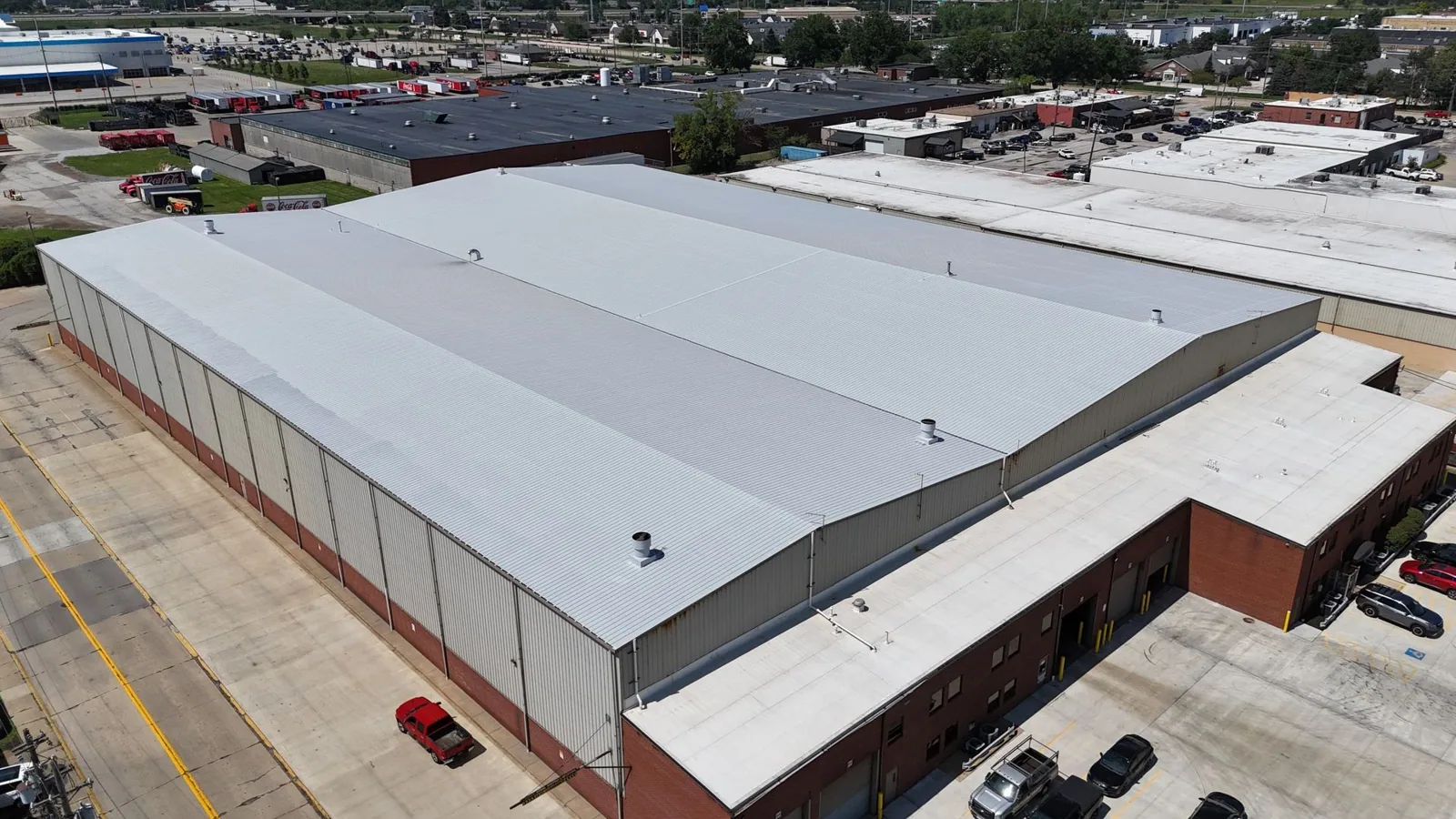
Commercial Silicone Roof Coatings
Review silicone roof coating options in Arvada. We test adhesion, inspect seams and drains, measure surface condition, and define repair limits first.
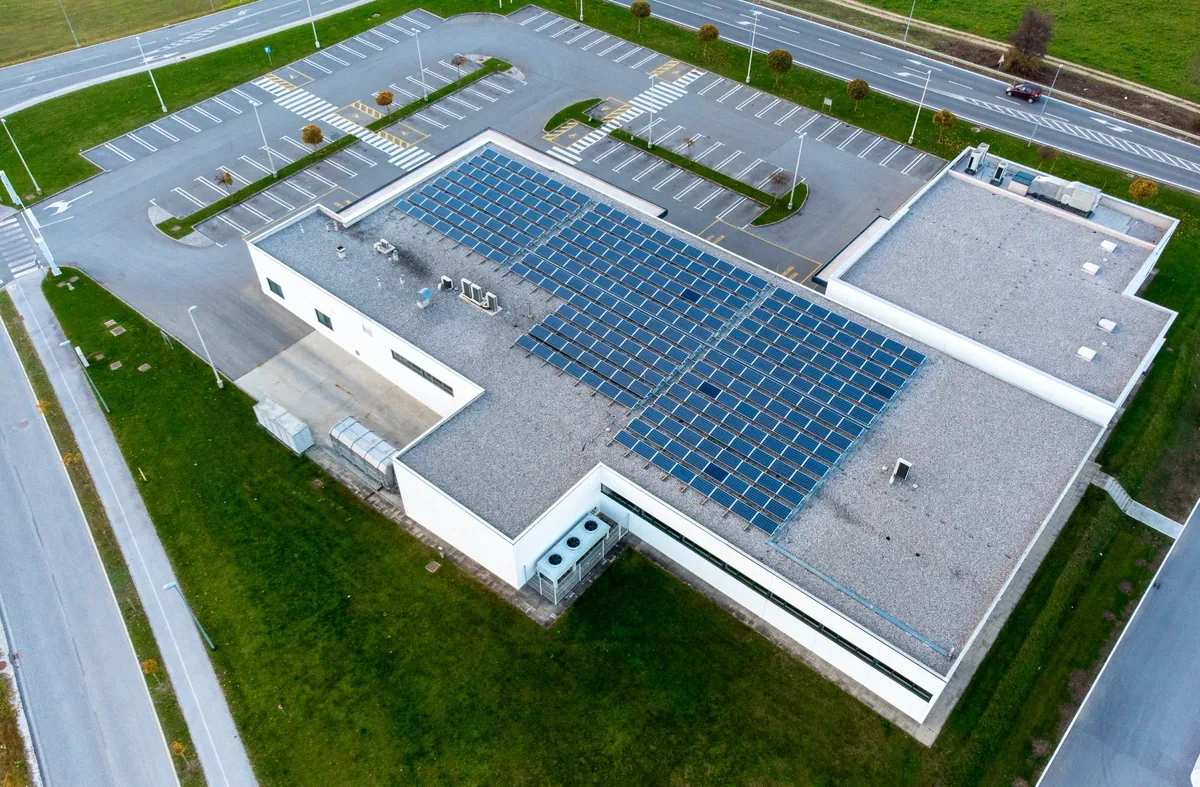
Commercial Acrylic Roof Coatings
Evaluate acrylic roof coating in Arvada. We inspect the base roof, adhesion, slope, seams, and cure conditions before setting repair and coating scope.
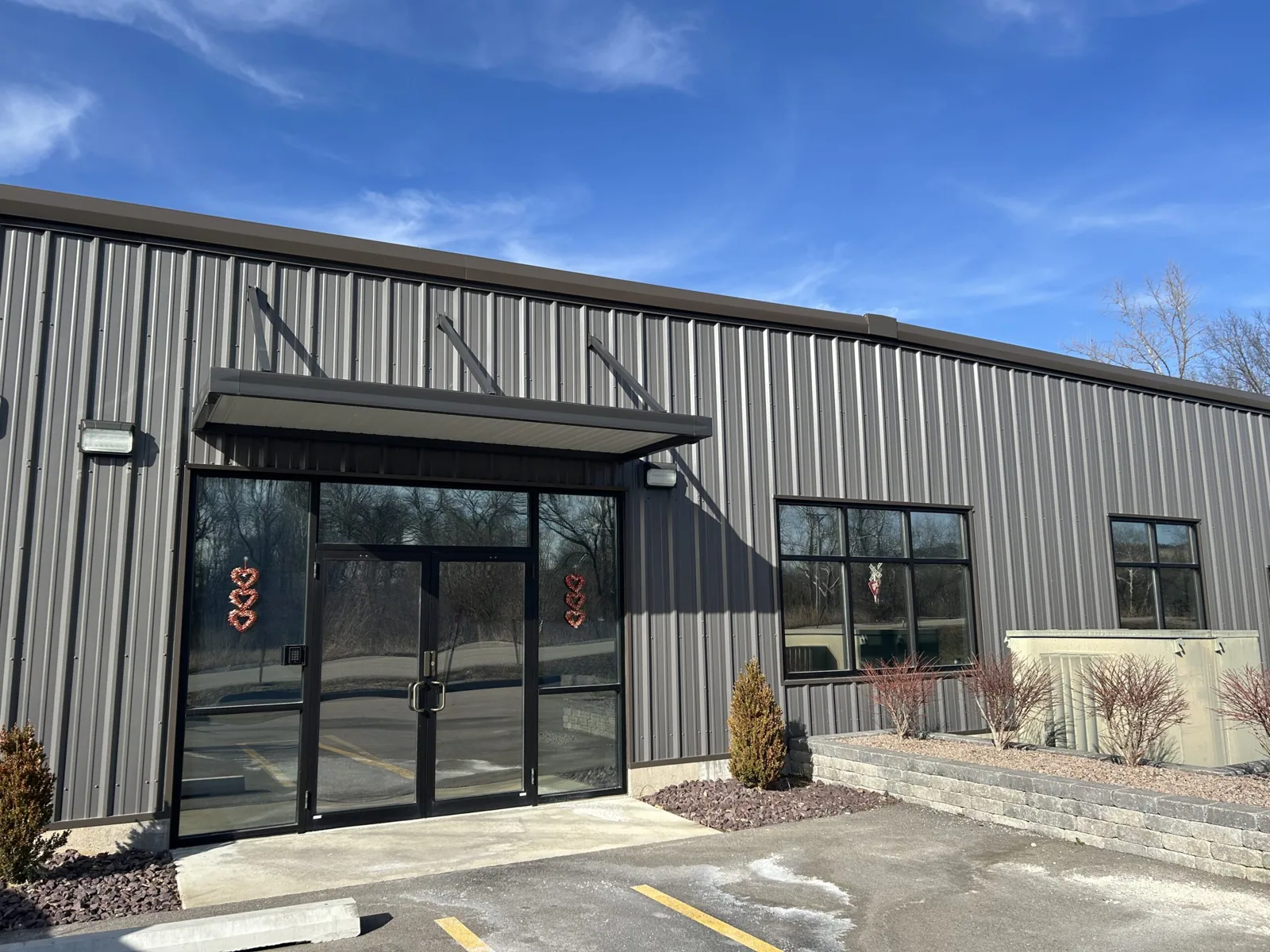
Commercial Metal Roof Retrofit
Evaluate a commercial metal roof retrofit in Arvada. We inspect panel attachment, structure, drainage, curbs, and insulation before comparing options.
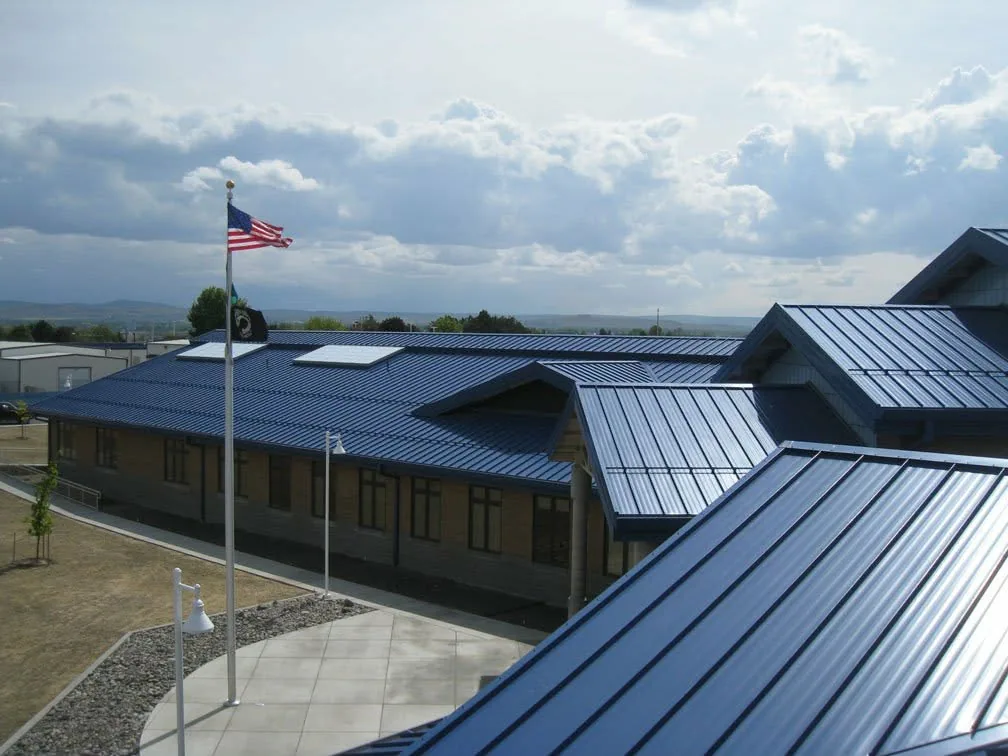
Commercial Standing Seam Metal Roofing
Inspect, repair, or replace standing seam metal roofs in Arvada. We check clips, panel movement, transitions, fasteners, and drainage before scoping work.
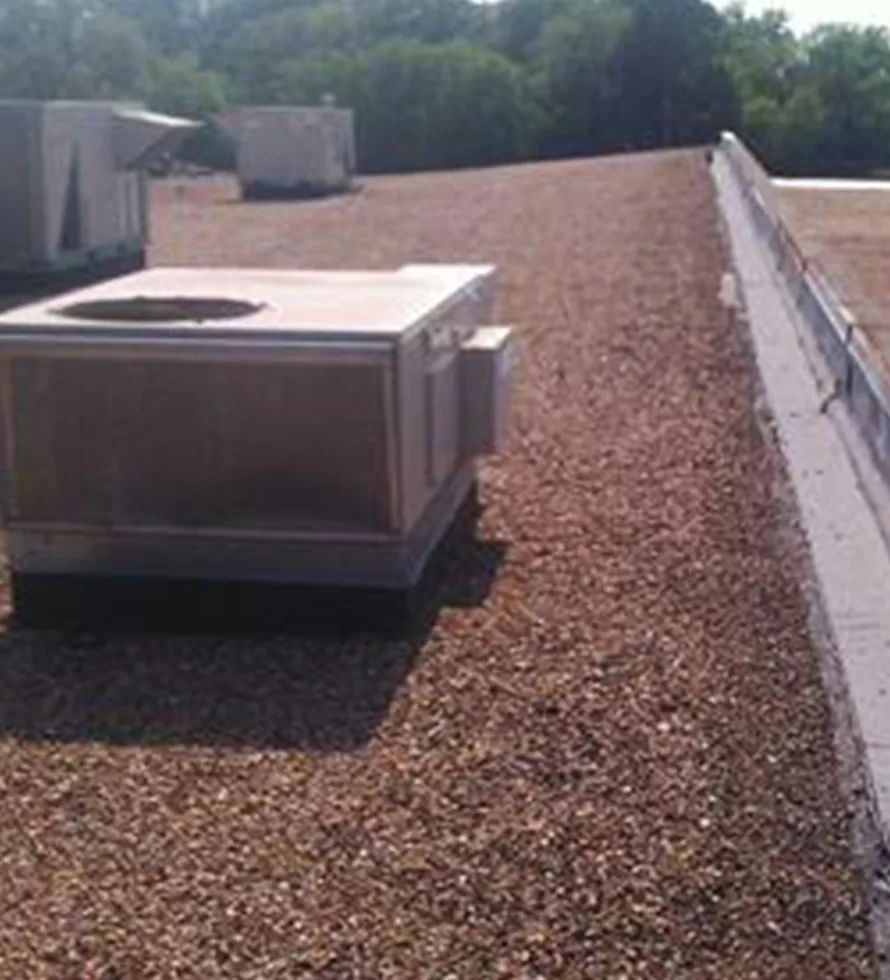
Commercial Built-Up Roofing
Inspect, repair, or replace commercial built-up roofing in Arvada. We review plies, surfacing, drains, flashing, moisture, and safe work methods.
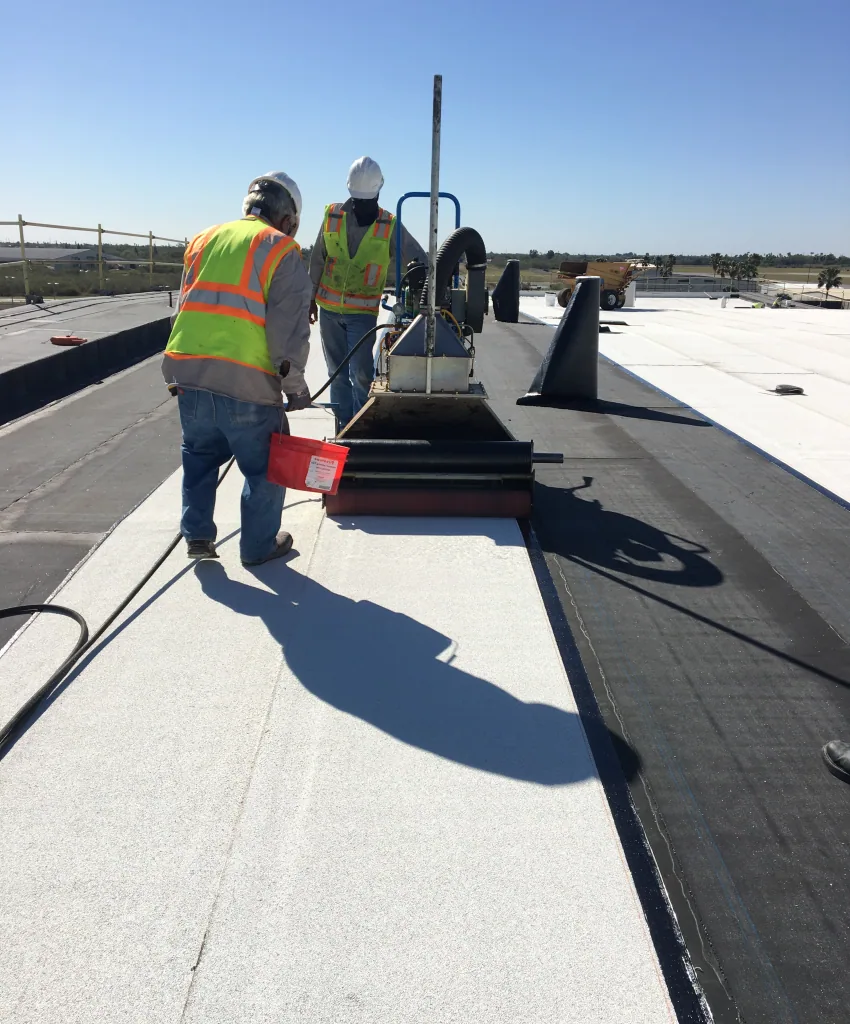
Commercial Modified Bitumen Roofing
Repair or replace commercial modified bitumen roofing in Arvada. We inspect plies, surfacing, flashings, drainage, and safe application conditions.
Serving Arvada and the west Denver metro.
Our crews work on commercial roofs across Arvada, Wheat Ridge, Lakewood, Westminster and Broomfield. Find your area below.
Arvada
Service Areas
Questions about Commercial Spray Foam Roofing
Can SPF roofing be recoated instead of replaced?+
The foam must be dry, bonded, and stable, and the existing coating must accept the new system. We inspect adhesion, surface condition, thickness, and drainage. If test areas find wet foam or broad separation, recoating alone would leave the cause in place. The findings set the repair boundary.
What happens when hail hits a foam roof?+
We map dents, fractured coating, exposed foam, and nearby water entry. A shallow mark and a broken protective layer require different responses. Test cuts can define concealed damage when needed. Photos show each location, but the roof condition does not determine an insurer's decision.
Does standing water mean the SPF roof failed?+
The low area, outlet, and coating condition decide what needs correction. We inspect slope and drainage, then distinguish a blocked drain from a profile or substrate problem. A surface patch will not change roof geometry. Any added slope work must be defined in the proposed assembly.
How do you control overspray at an occupied site?+
We identify air intakes, vehicles, walkways, and neighboring property before spraying. The work plan includes masking, access limits, wind conditions, and a stop point. Site contacts receive the affected-zone schedule. Material cure and reopening follow the product requirements.
Have a question? Call us at 555-555-5555 or send us a message.
Inspect the foam before adding another coating layer
Send the Arvada address, roof plan, coating records, leak locations, and access details. We will map surface damage, test questions, drainage, and repair options.