Commercial Roof Coating Restoration in Arvada, CO
Evaluate commercial roof coating restoration in Arvada with surface testing, moisture checks, drainage review, and a defined preparation plan.
Request a roof assessment. Tell us about the building.
Send the address and what you are seeing on the roof or inside the building. We will set a time to walk the roof and talk through the next step.
Check the surface before restoration
Peeling coating near a drain changes the restoration decision. We inspect the existing surface before recommending another layer. The review checks adhesion, moisture, seams, penetrations, and drainage. A coating can protect a suitable roof surface. It cannot dry wet insulation or repair a failing deck. We mark test areas and explain what the evidence supports. That boundary keeps restoration separate from replacement.
When reviewing a coating after a past storm, verify whether the property was inspected at the time; today’s test patches and adhesion checks decide if restoration remains a fit. Those reports give weather context, not a diagnosis for today's roof. We record the reported storm date and inspect the current assembly. Existing coatings can hide earlier patches or weak transitions. Photos, test results, and repair history guide the work plan. If the surface cannot support restoration, we state that clearly.
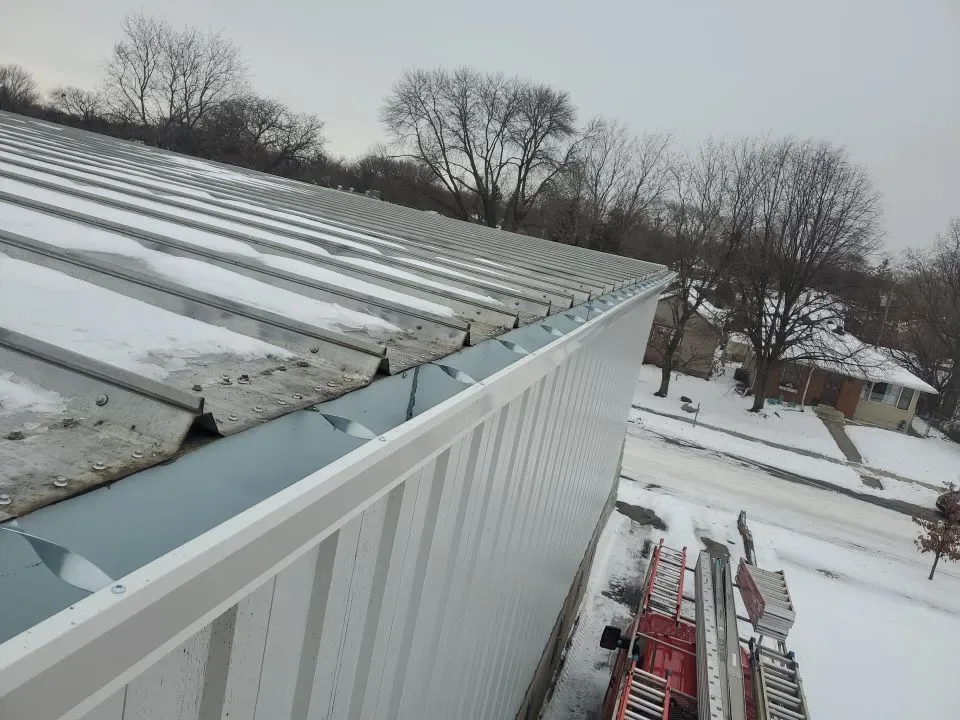
Surface condition before coating
Loose coating, blisters, open seams, and wet areas need attention first. We inspect each roof zone and mark where adhesion testing may help. The surface must be clean, stable, and compatible with the proposed system. We also check for contaminants, prior repairs, exposed reinforcement, and brittle transitions. A roof that looks dry from above can still hold moisture below. Infrared review or selective openings may help resolve that question.
Denver recorded 50 thunderstorm days and four hail days in 2024. That regional weather count does not establish exposure at one address. It does support a closer review of the roof surface and edge details. We look for impact marks, displaced components, and earlier coating repairs. For confirmed storm impact, storm damage repair documents the affected areas. Coating is considered only after the underlying condition is understood.
Moisture and drainage checks
A coating follows the roof shape underneath it. It does not correct a low spot or blocked outlet. We inspect drain bowls, overflow routes, seams, and transitions before setting preparation limits. Ponding that persists after cleaning may need slope or drainage work. Wet insulation can require removal before coating. Our moisture survey can guide test locations, while a drainage repair addresses a defined outlet issue.
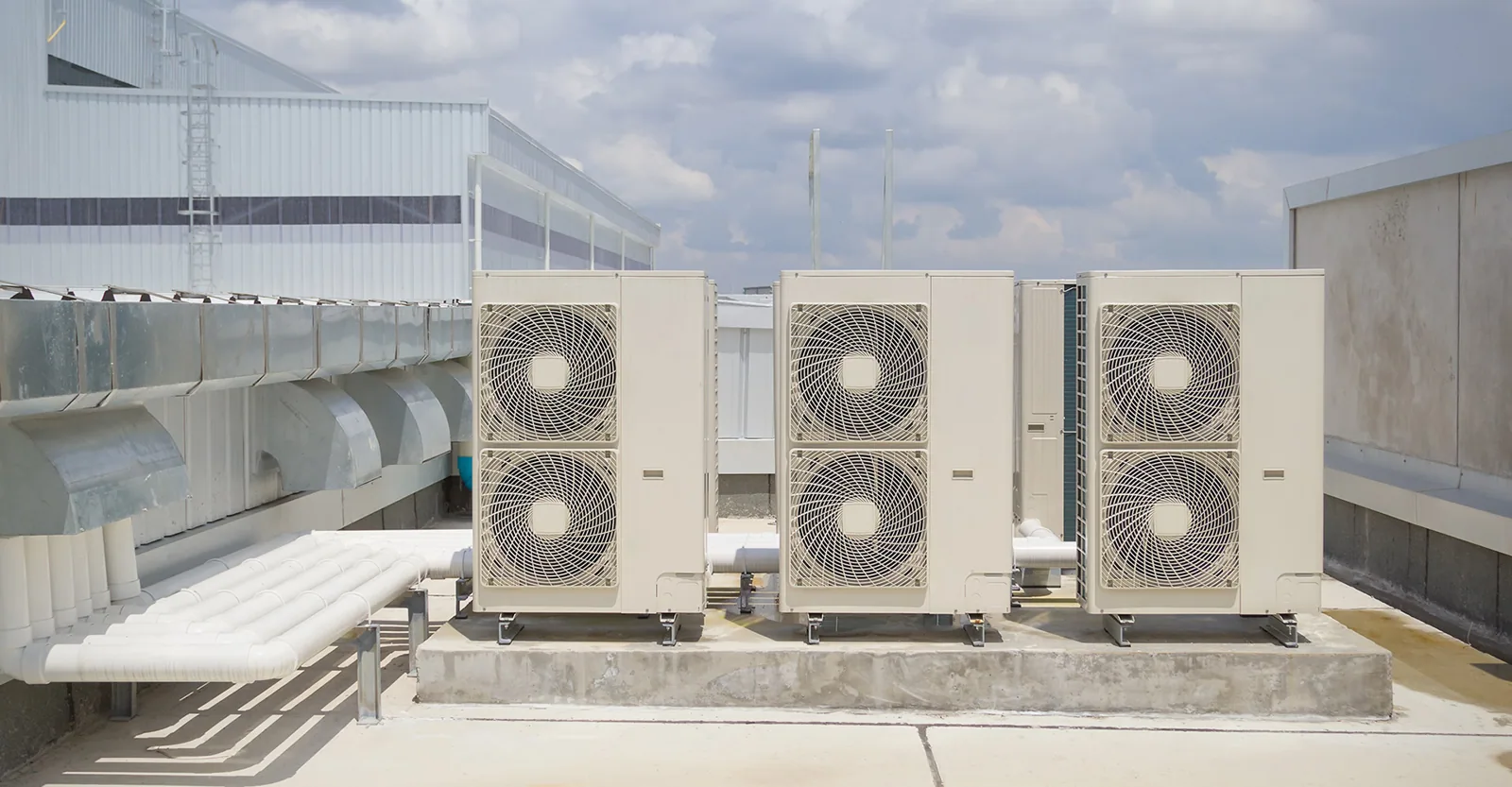
Added coating thickness can change how details meet walls and equipment. We check terminations, curb heights, pipe boots, and edge metal. The scope lists surfaces included and areas excluded. It also records test limitations and required repairs. If a roof has several prior layers, we confirm compatibility before proceeding. The report should say what remains concealed. That avoids treating an untested section as suitable for restoration.
System selection and preparation
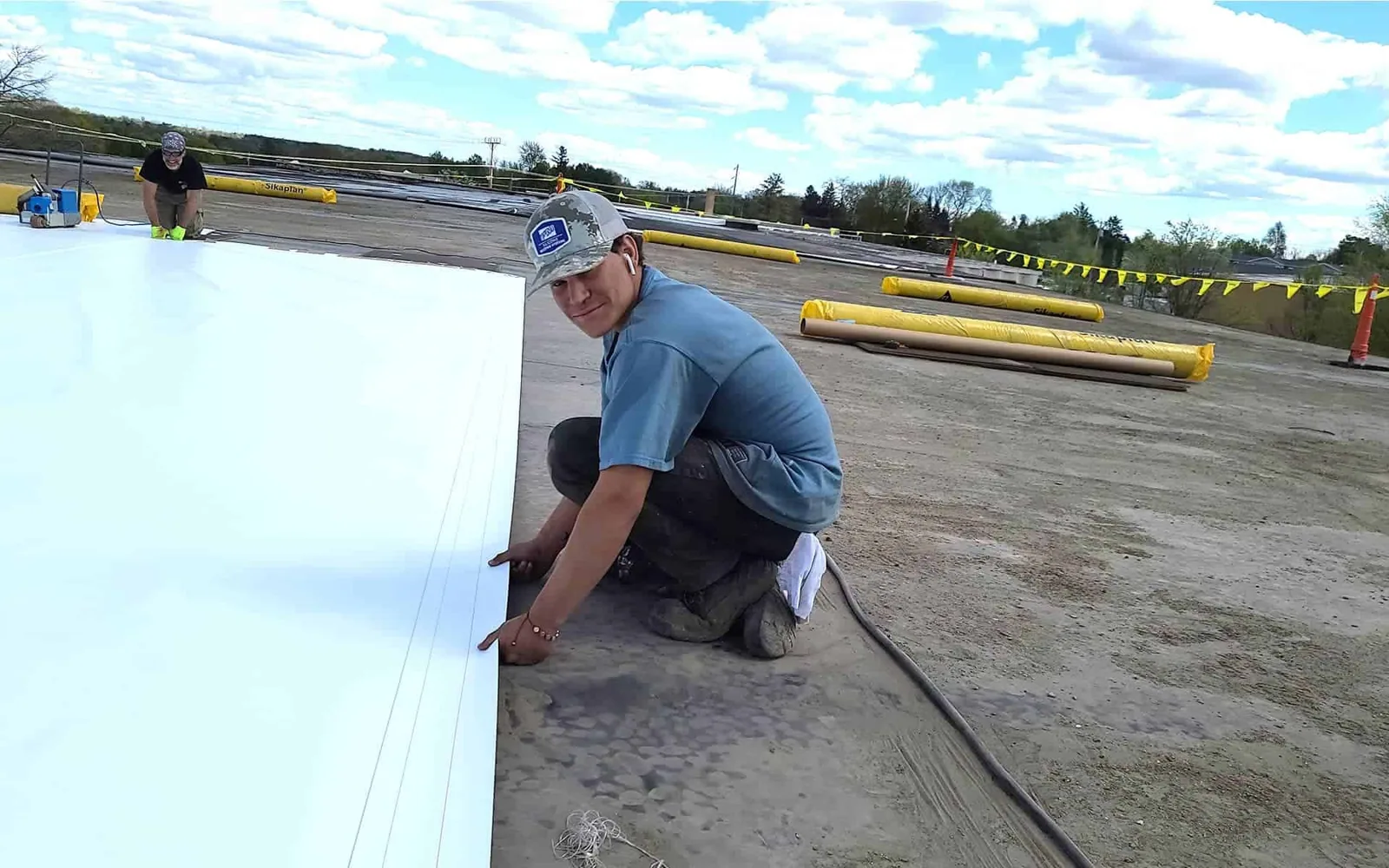
Silicone and acrylic coatings have different handling and performance characteristics. The existing roof material, slope, drainage, and exposure help determine which system can work. We follow the product's published preparation requirements and detail treatment. We do not assume one coating fits every assembly. Where compatibility is uncertain, we use test areas and written acceptance criteria. A silicone roof coating or acrylic coating must fit the surface and project conditions.
Surface preparation often controls the result. We identify loose material, failed sealant, rust, dirt, and damaged flashing before application. Repairs need to cure under suitable conditions. The scope names the preparation method, reinforcement details, and number of passes required by the selected system. It also states how drains, penetrations, and edge transitions will be finished. That detail matters more than a broad promise about coverage.
Existing layers can conceal incompatible repairs or trapped moisture. We review roof records and inspect visible transitions before selecting a test area. A small adhesion check can show whether the surface holds under specified preparation. It does not replace a moisture review or structural evaluation. If a test fails, we define the removal or repair boundary. The remaining roof then receives its own assessment before coating proceeds.
Ready to talk about your roof?
Work sequence and weather window
Coating work needs a clean, dry surface and a suitable forecast. We review substrate moisture, temperature, dew conditions, and rain risk before application. The daily plan sets a stopping point that can be closed safely. We protect drains and adjacent equipment from overspray. Each completed area receives a visual check for coverage and missed details. Weather holds remain part of the schedule, not an afterthought.
At Candelas or the Ralston Fields district, property access still depends on the individual site. Those local planning areas do not establish roof type or staging space. We confirm delivery routes, tenant activity, and equipment restrictions with the property contact. If a work area cannot be accessed or dried, we record the limit. The sequence then shifts to another qualified section or waits for conditions.
Restoration or a larger scope
A coating may suit a roof with sound attachment and manageable repairs. Widespread moisture, unstable seams, or a failing deck may call for removal instead. We compare restoration with recover evaluation and replacement planning. Each option identifies preparation, drainage changes, edge work, and concealed-condition limits. The recommendation follows test results and the owner's project horizon.
Send the Arvada address, roof history, prior coating records, and current photos. Include any leak reports and storm dates. We will inspect the surface, identify test locations, and document drainage and transitions. The scope will state which areas qualify and what must happen first. If coating is not supported, the report will explain why. The next decision should match the assembly, not a product label.
Before the site visit, identify rooftop equipment that cannot be moved. Note operating hours, controlled doors, and tenant activity below. Those details guide staging and protect the work area. We will confirm which sections are accessible and which need coordination. If another trade must adjust equipment, the coating scope will identify that dependency. This keeps responsibility and sequence clear before surface work begins.
Closeout should show completed roof zones and excluded areas. We record observed preparation, repaired details, and conditions that remain open. The owner can compare later inspections with the finished work. If water returns, the photo plan helps focus follow-up. A maintained record also separates coating performance from unrelated drain, flashing, or interior issues. The next review starts with those documented boundaries.
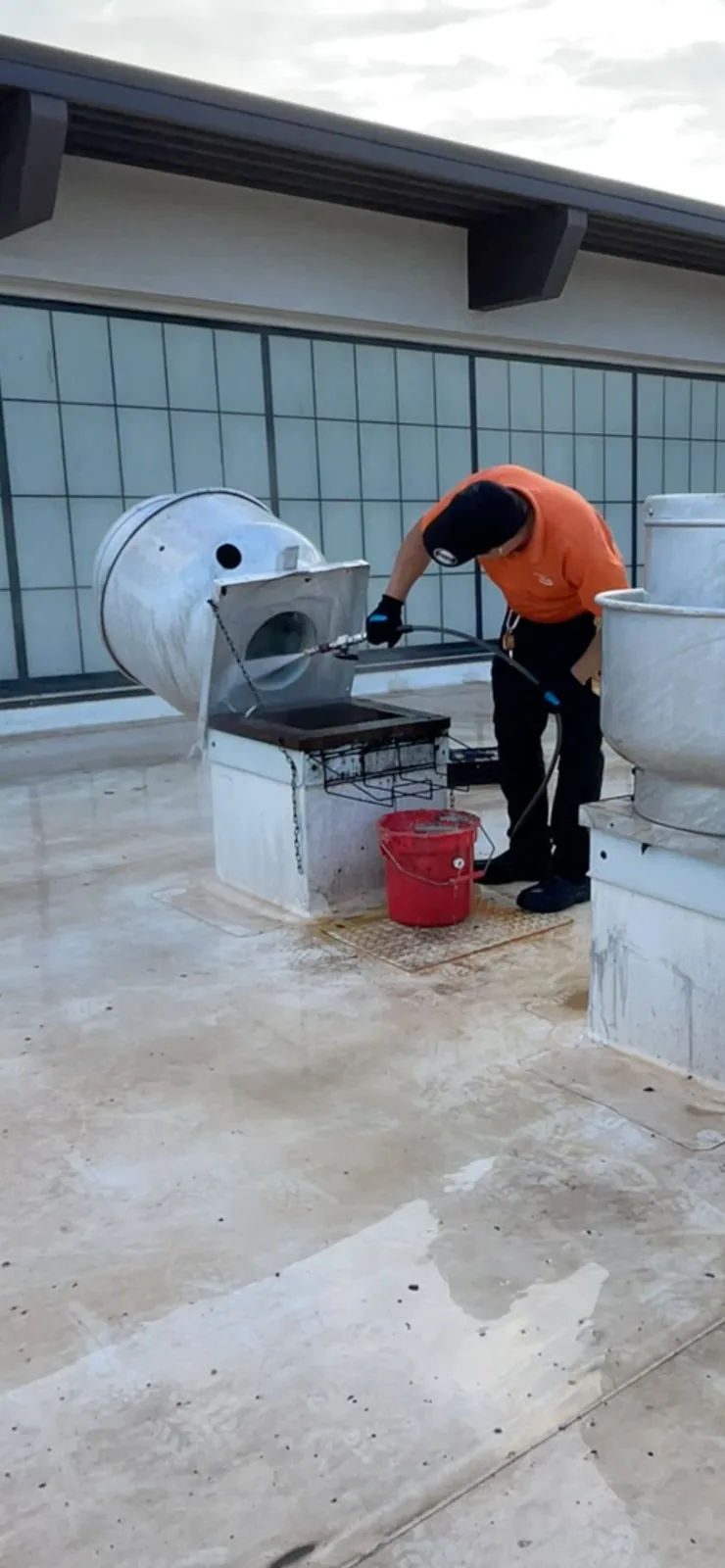
More commercial roofing services
Other work our crews handle on Arvada roofs. See all commercial roofing services.
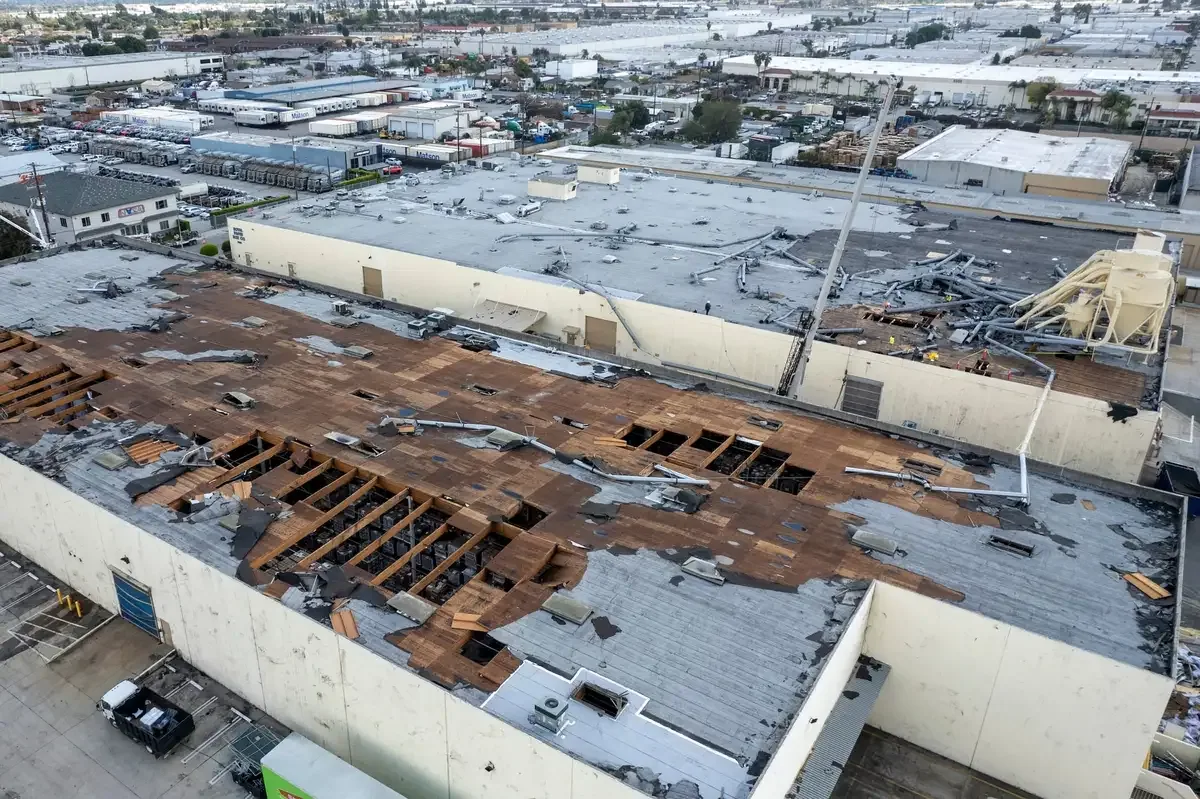
Commercial Storm Damage Roof Repair
Document hail and wind damage to commercial roofs in Arvada. We map affected sections, protect active openings, and scope verified repairs.
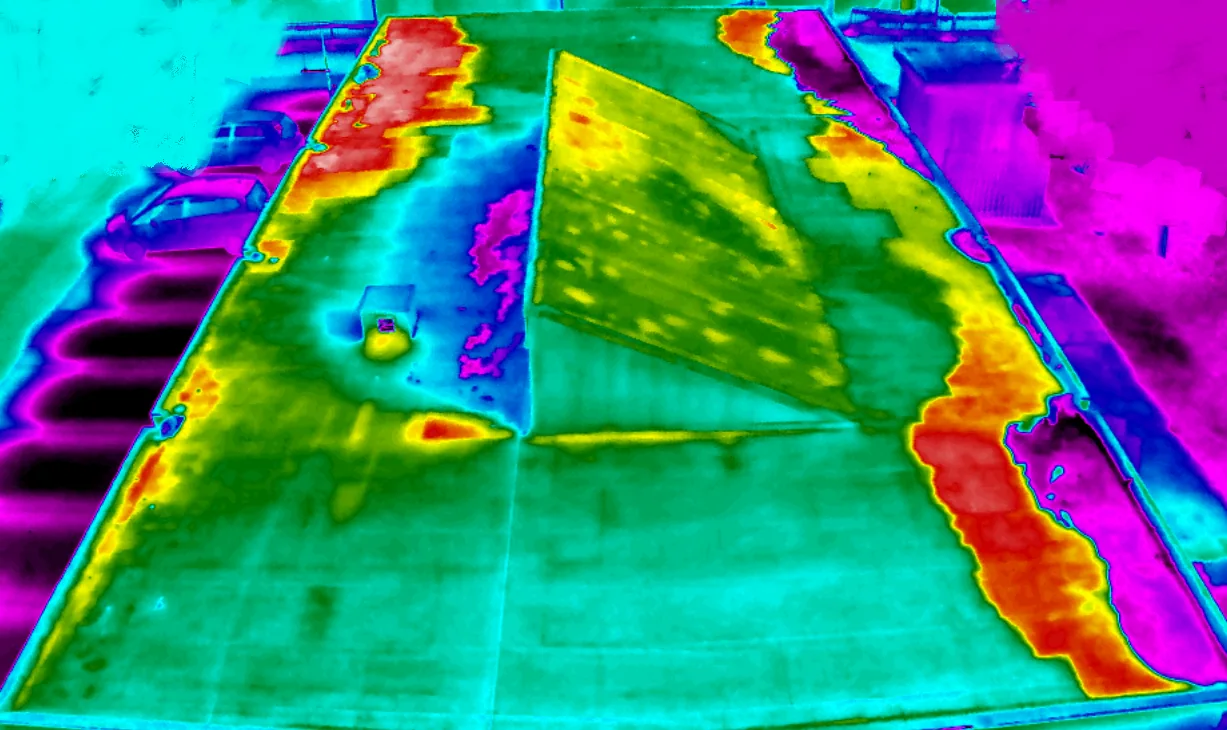
Infrared Moisture Survey
Use infrared roof imaging in Arvada to screen for possible trapped moisture, map follow-up locations, and confirm selected areas before repair or replacement.
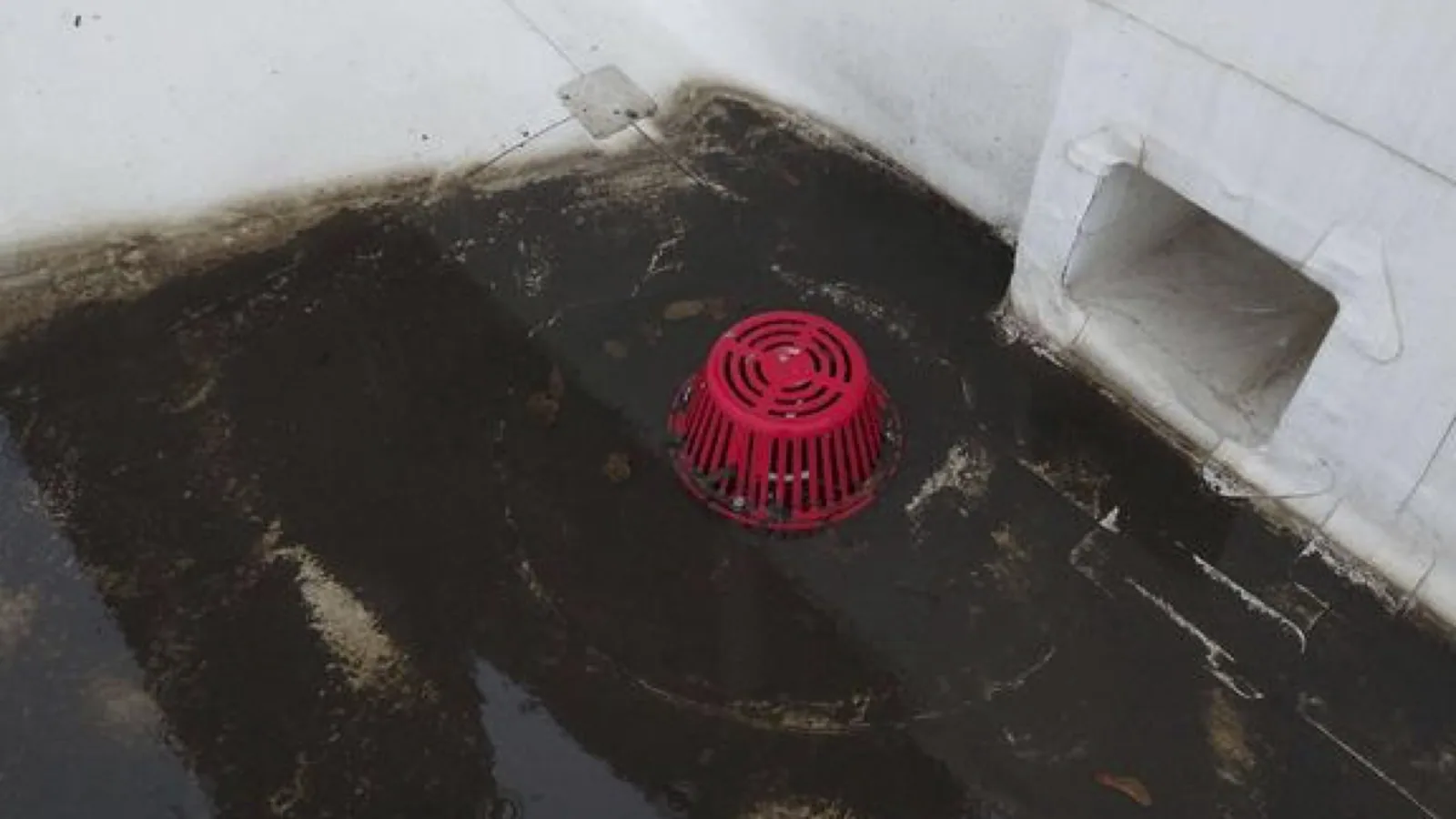
Commercial Roof Drain and Scupper Repair
Inspect commercial roof drains and scuppers in Arvada. We trace ponding, check overflow paths, document slope conditions, and scope needed repairs.
Commercial Roof Recover
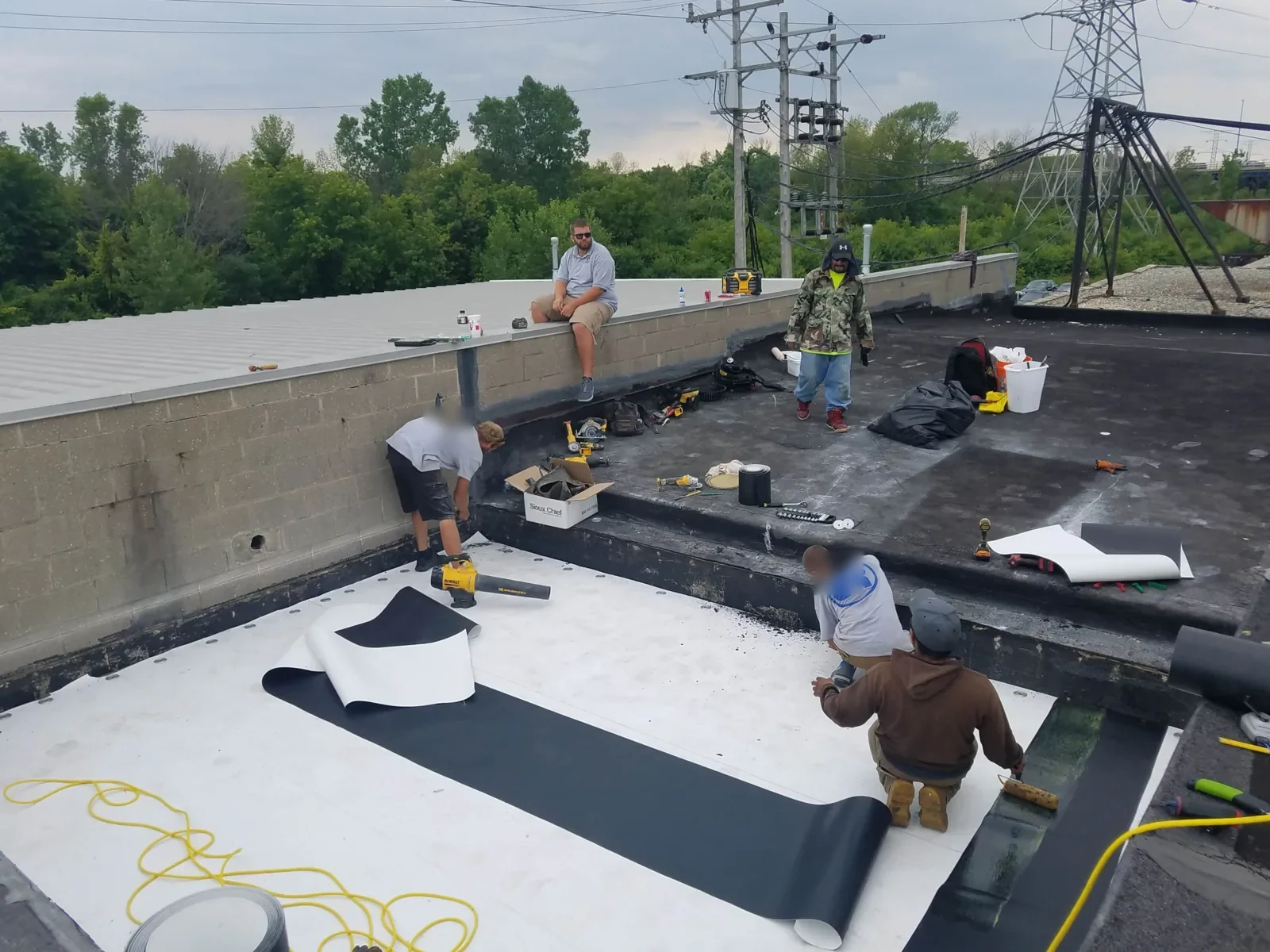
Compare a commercial roof recover with tear-off in Arvada. We check moisture, attachment, deck condition, drainage, code limits, and transitions before scoping.
Commercial Roof Replacement
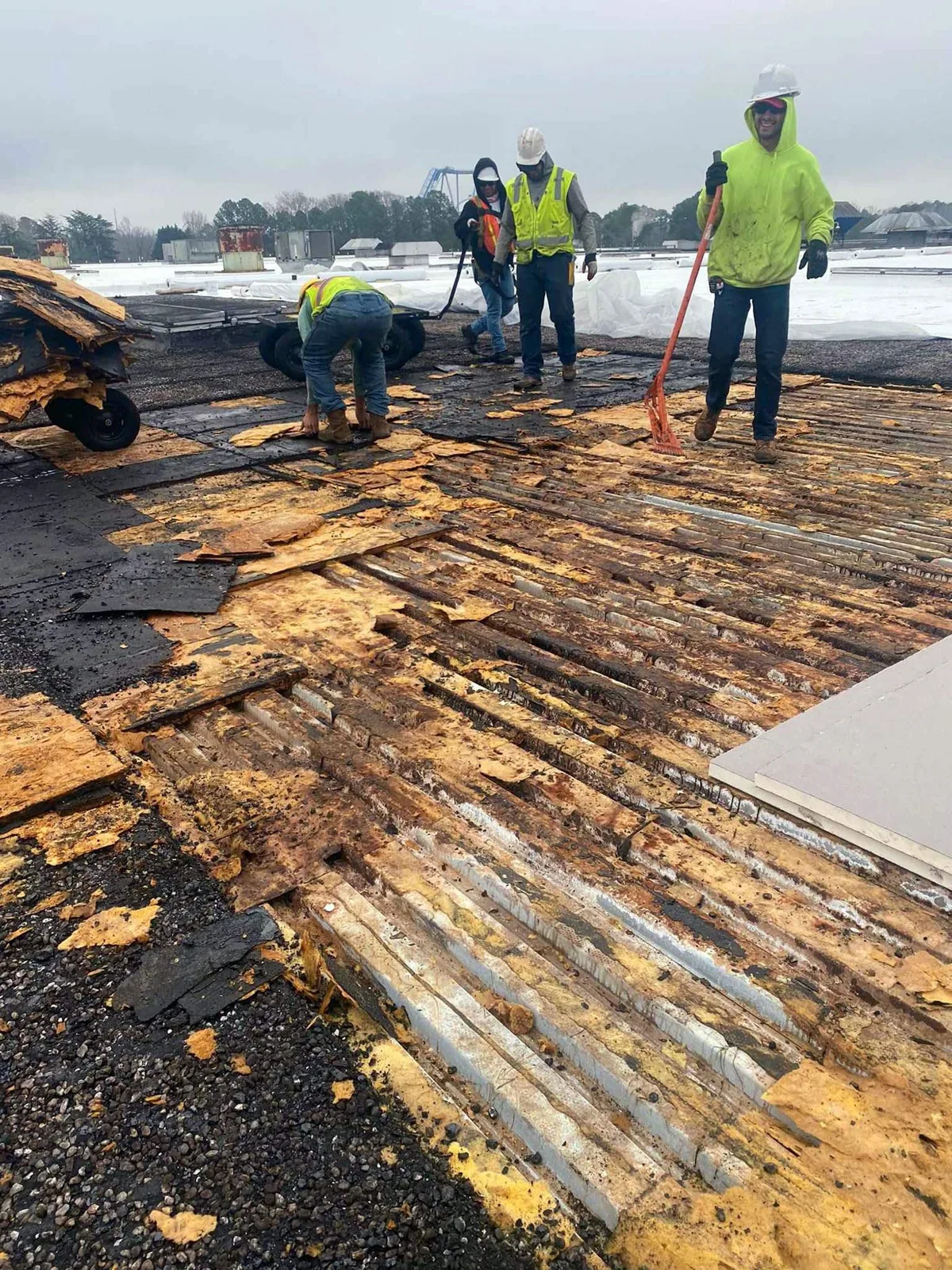
Plan a commercial roof replacement in Arvada with an assembly review, clear tear-off limits, drainage checks, and a phased schedule for your building.
Commercial Roof Maintenance
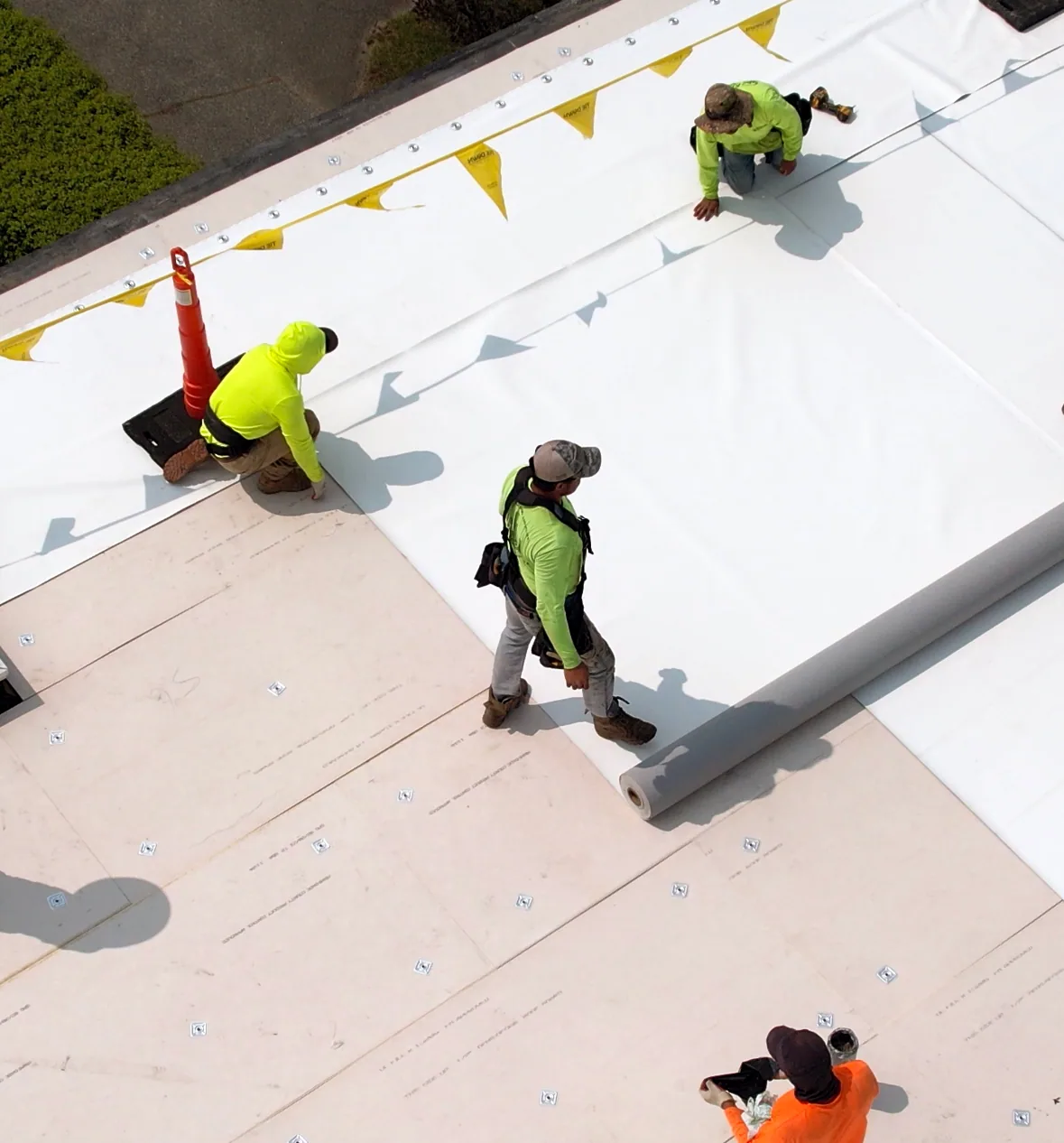
Plan commercial roof maintenance in Arvada with drain checks, seam reviews, photo records, and storm follow-up tied to each affected roof section.
Serving Arvada and the west Denver metro.
Our crews work on commercial roofs across Arvada, Wheat Ridge, Lakewood, Westminster and Broomfield. Find your area below.
Arvada
Service Areas
Questions about Commercial Roof Coating Restoration
Can coating go over a roof that has ponding water?+
Not until the drainage condition is understood. We inspect slope, outlets, and overflow paths first. A coating does not correct a low area by itself.
How do you check if a roof is dry enough?+
We compare visual findings with moisture survey patterns and targeted test openings when needed. The report marks tested locations and any area that remains unconfirmed.
Will a coating repair damaged flashing?+
Failed flashing needs a compatible repair before coating. We inspect terminations and penetrations, then list the detail work required for a sound tie-in.
What weather conditions affect application?+
The surface must meet the system's moisture and temperature requirements. Rain risk, dew, and curing time also shape the daily work window. We confirm conditions before applying material.
When should we compare coating with replacement?+
Widespread wet insulation, loose attachment, or deck concerns can change the choice. We document those findings and compare restoration with removal or replacement options.
Have a question? Call us at 555-555-5555 or send us a message.
Check the surface before restoration
Send the property address, prior coating records, roof access details, and photos of current concerns. We will inspect the assembly and document whether coating conditions are supported.