Commercial Acrylic Roof Coatings in Arvada, CO
Evaluate acrylic roof coating in Arvada. We inspect the base roof, adhesion, slope, seams, and cure conditions before setting repair and coating scope.
Request a roof assessment. Tell us about the building.
Send the address and what you are seeing on the roof or inside the building. We will set a time to walk the roof and talk through the next step.
Confirm the substrate and forecast before coating
Acrylic coating needs a dry surface and a clear drainage path. We inspect the existing roof, repair seams, and test adhesion before planning an application. Open laps, wet insulation, or loose material need separate work. A reflective finish does not replace those repairs. We map the roof by zone and identify low areas. The system only proceeds when substrate and weather conditions fit.
Denver recorded 50 thunderstorm days, four hail days, and six heavy-snow days in 2024. Those figures describe Denver's weather station, not each Arvada property. They are useful context for checking coating wear, impact marks, drainage, and snowmelt paths. We inspect the actual roof and compare it with maintenance records. Product requirements and field conditions set the application decision.
Inspect the substrate before recoating
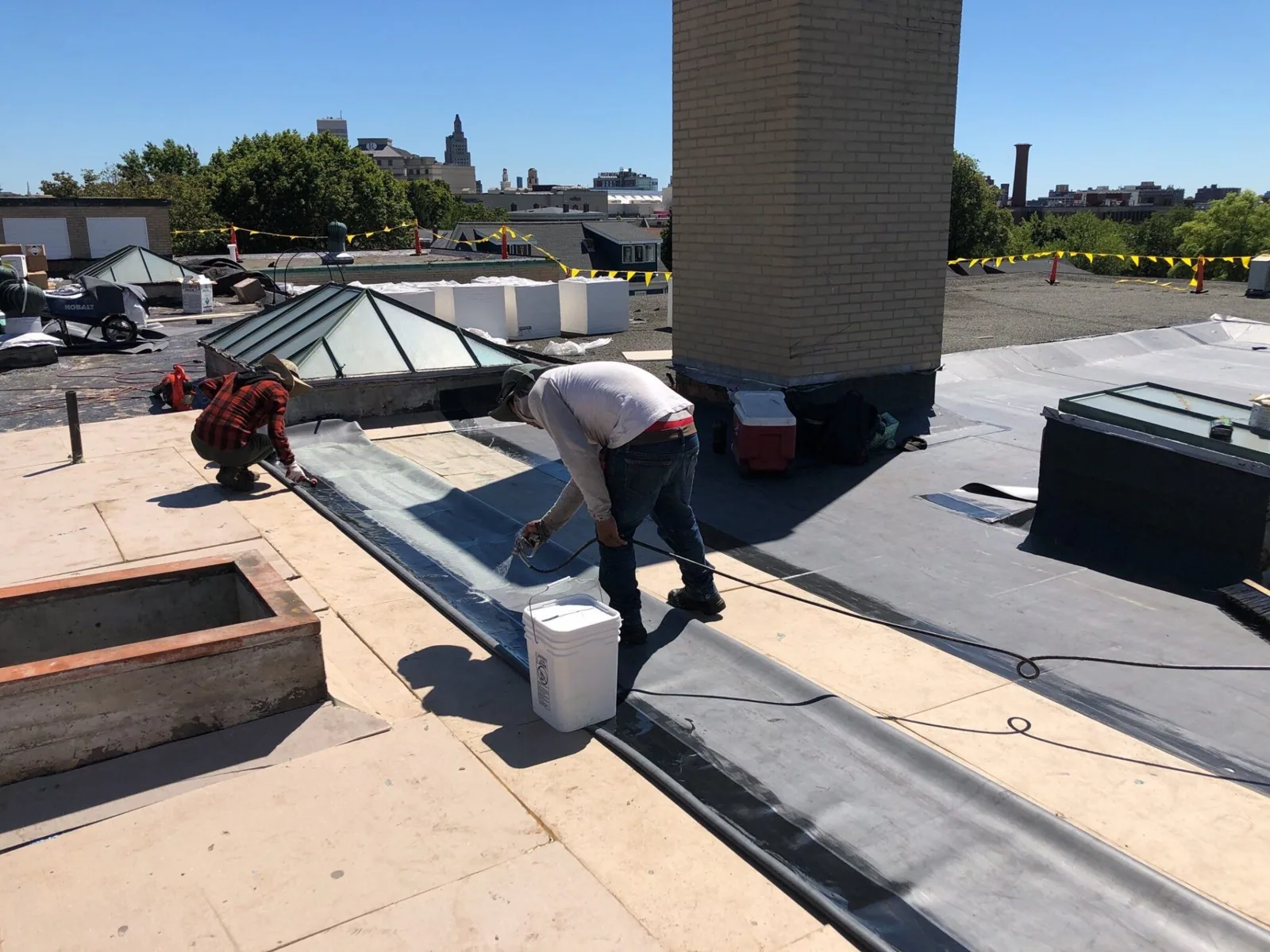
Acrylic coating may be used on compatible metal, membrane, or built-up assemblies. The exact product and substrate guide preparation. We identify previous coatings, surface contamination, loose seams, rust, and soft insulation. A coating cannot bridge a moving joint or stabilize a weak deck. The inspection lists repairs and test locations before any broad application is priced.
Adhesion tests show whether the proposed coating bonds to the cleaned roof. We note test locations, preparation, and results. Some surfaces may require primer or reinforcement at seams and fasteners. We use the product instructions for application rate and cure conditions. A coating restoration assessment can establish the base condition and separate patching from the coating work.
Metal roofs need attention at exposed screws, panel laps, and cut edges. Low-slope membrane systems need compatible treatment at seams, penetrations, and perimeter details. Asphaltic roofs may require a specified primer. We do not assume that one coating will suit every section of a mixed roof. The proposal names each assembly and lists where a product is approved for use.
Check slope before selecting acrylic
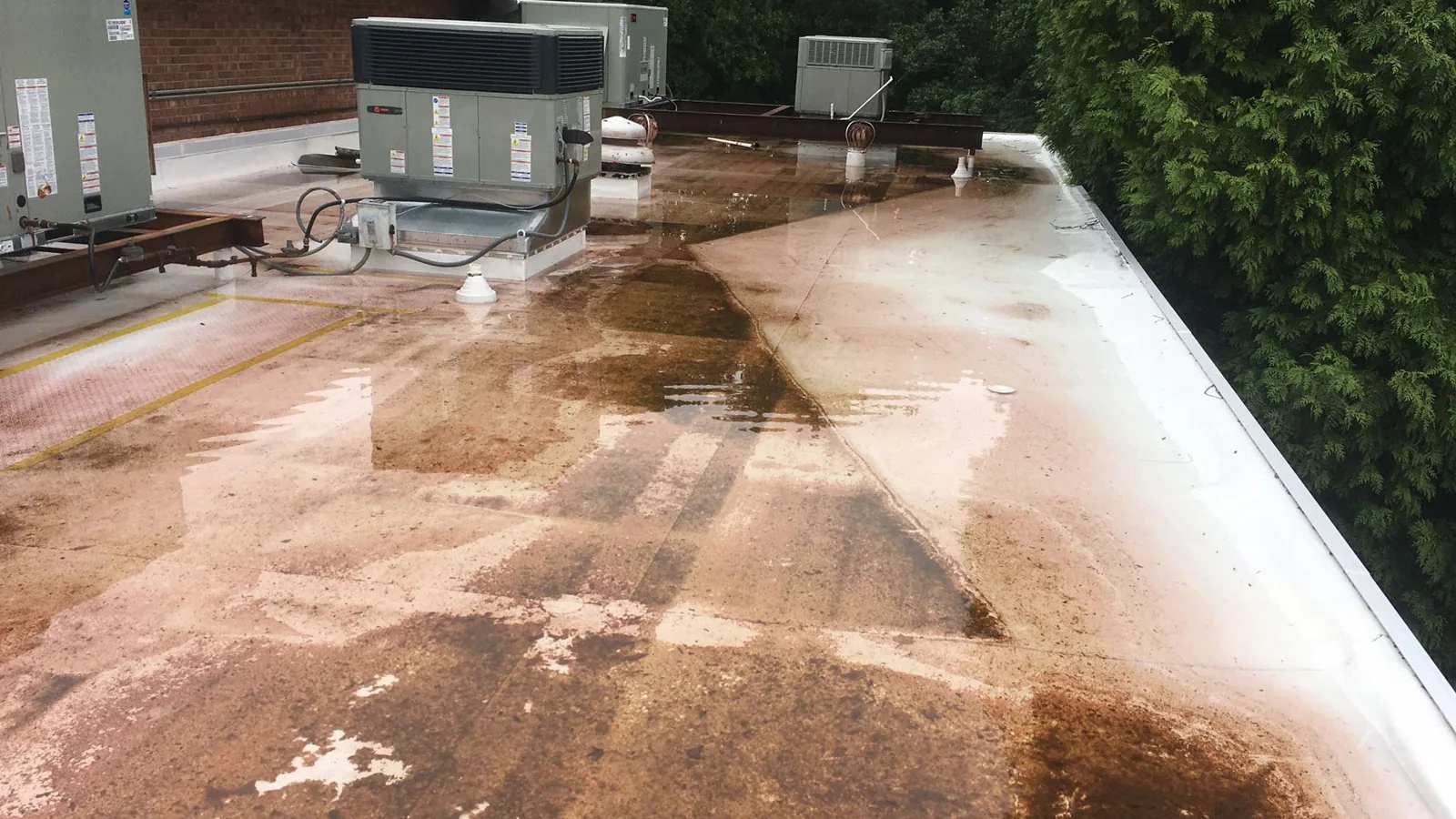
Acrylic coatings are generally not suited to areas that hold standing water for extended periods. We inspect ponding depth, duration, drain performance, and overflow routes. A blocked outlet or settled insulation requires a different correction from surface wear. We map low points and state whether the project includes drainage work. A coating alone will not change the roof's slope.
Arvada's updated building-code adoption includes revised snow provisions. The city implementation schedule controls project applicability. Snowmelt can reveal slow drainage, but the roof structure and site design govern the actual load review. A ponding-water survey can document low areas and outlet conditions before material selection.
Drain bowls, scuppers, gutters, and overflow openings must stay clear during application. We check whether the planned film could reduce an opening or bury an inspection point. Coating can protect repaired details, but the water route still needs to function. A drain inspection addresses a confirmed outlet issue. If slope changes are needed, design details and insulation thickness belong in a separate review.
Protect the cure window
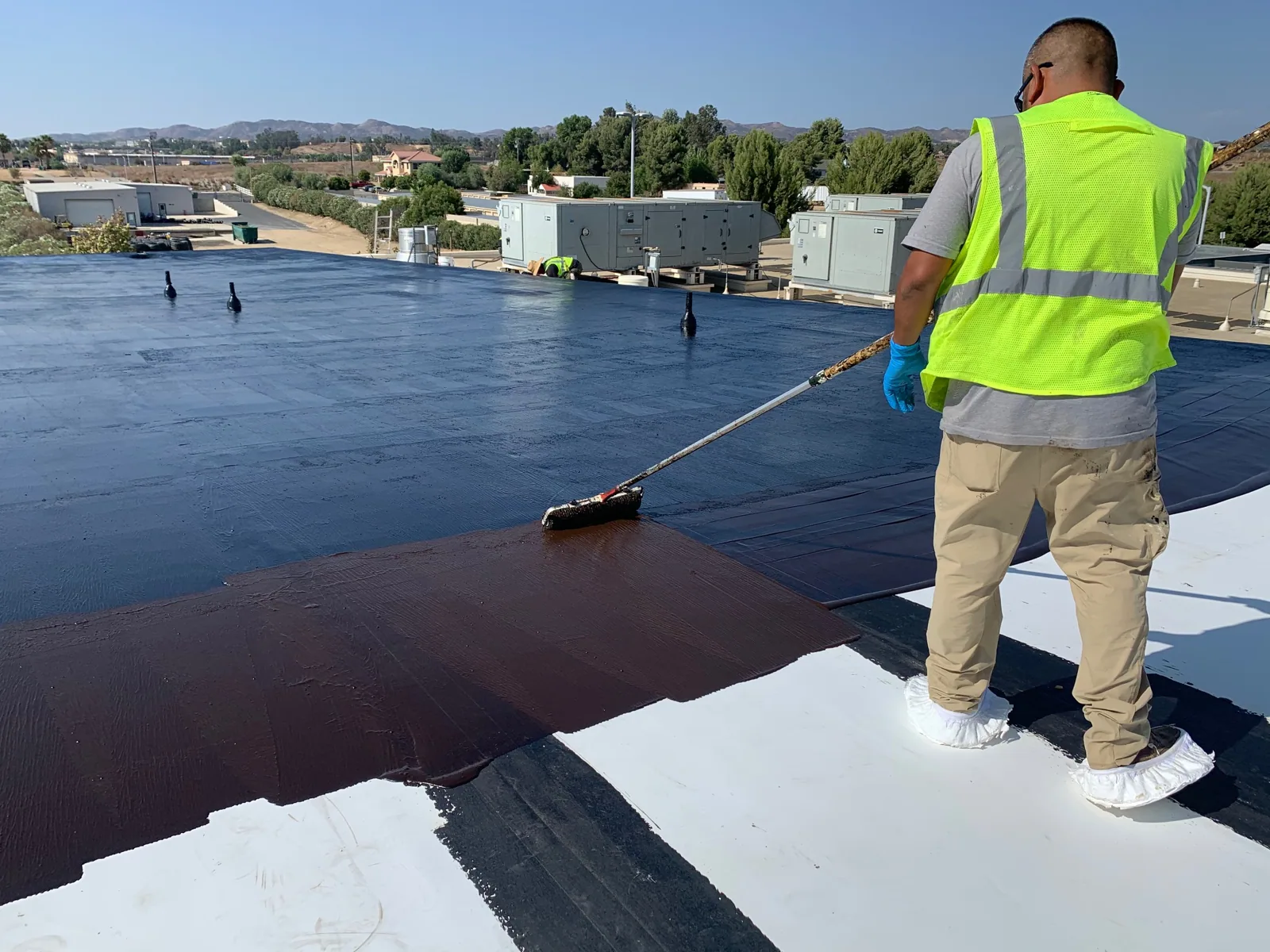
Acrylic systems need the specified temperature, dry substrate, and cure time. Dew or rain can interrupt the application before a film sets. We check the forecast for the work period and plan the roof in sections. The crew records start and stop locations each day. If weather changes, exposed edges receive protection. A clear cure window matters more than a hurried start.
Application requires cleaning, detail repair, primer where specified, and controlled film thickness. We inspect coverage around seams, penetrations, curbs, and metal edges. The scope names the target rate and how it will be checked. No single reading proves uniform coverage across a roof. Closeout records should include measurements from several zones and any area that needed rework.
Spray or roller application can create overspray, odors, or access limits. We identify air intakes, vehicles, sidewalks, and adjacent property with the site contact. For occupied buildings, the schedule includes tenant routes and sensitive operations. The occupied-site work plan can phase zones and communicate closures. If the roof must remain accessible for equipment service, walk paths need a compatible detail.
Ready to talk about your roof?
Record hail and wind observations
On May 8, 2017, Arvada and western suburbs saw hail, gusting winds, heavy rain, and flash floods during a metro storm. For a current claim, we record the reported date and inspect coating fractures, exposed substrate, lifted edges, and interior water. Dents alone do not establish a functional failure. A hail damage map links each observation to a roof zone.
Square Lake Sub-Area covers Arvada blocks between 58th and 60th avenues, east of Sheridan Boulevard and west of Tennyson Street. The city and Adams County planned the area together, with Arvada adopting the plan in 2022. Arvada Marketplace is another named local reference, but it does not reveal a building roof. Those boundaries route a visit, not establish roof type or storm damage. We confirm roof access and drainage with the owner. A Square Lake visit uses property-specific records and photos.
If water enters the building, temporary protection comes first. We photograph the opening, place a repair boundary, and keep temporary work separate from permanent restoration. The inspection report identifies evidence that may be relevant to an insurance file, without predicting coverage. A claim documentation review can organize photos, roof locations, and repair observations for the owner's records.
Compare the coating with other options
Acrylic restoration may fit when the roof drains well, the substrate is stable, and adhesion testing passes. If those conditions fail, repairs, removal, or another system may be safer. Silicone can tolerate different water exposure but still requires a compatible base. Compare silicone coating with the proposed acrylic product using actual site conditions. A foam roof system uses a different substrate and inspection plan.
Estimate drivers include surface preparation, seam reinforcement, primer, film thickness, access, masking, and weather delay. Repairing insulation or drains can add a separate scope. We identify what is confirmed and what depends on test results. If a concealed issue appears during preparation, photos and authorization should precede added work. The owner can then compare restoration with a new assembly on equivalent assumptions.
Closeout should record product data, test results, repaired details, application dates, weather notes, and roof-zone measurements. Keep that file with inspection photos and maintenance reports. Later walks can check cracks, dirt accumulation, ponding, foot traffic, and newly added penetrations. Send the Arvada address, prior coating information, roof plan, leak areas, and access requirements. We will identify whether acrylic restoration has a sound basis.
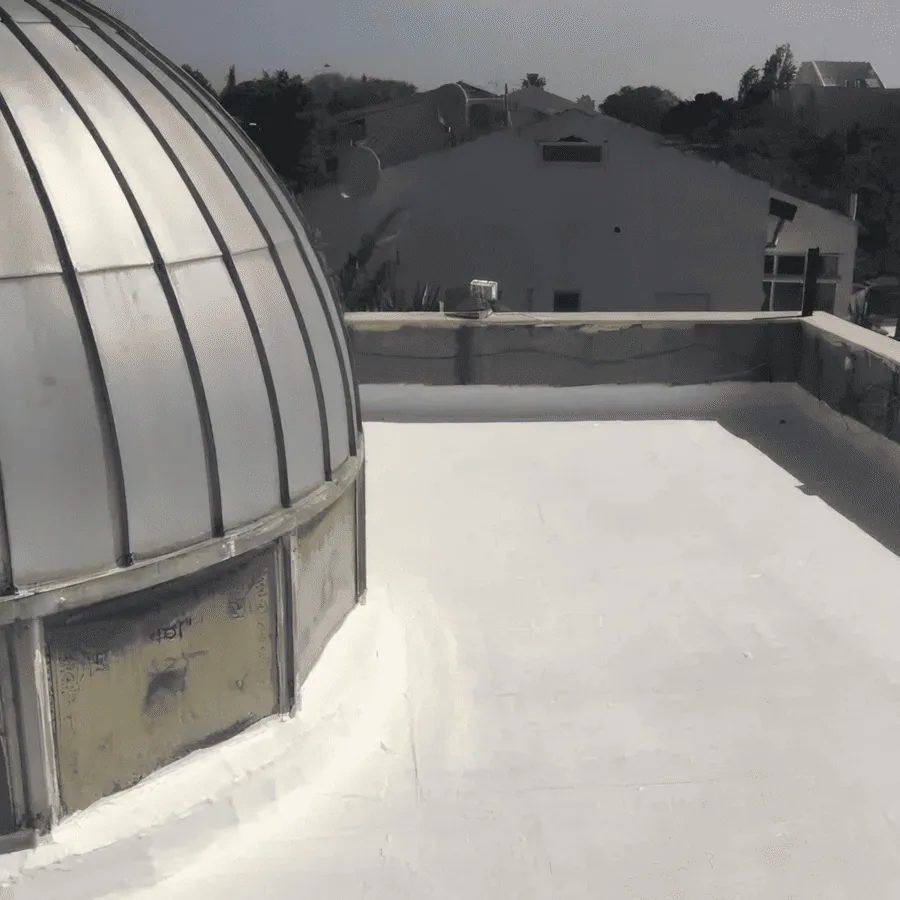
More roof systems
Other work our crews handle on Arvada roofs. See all roof systems.
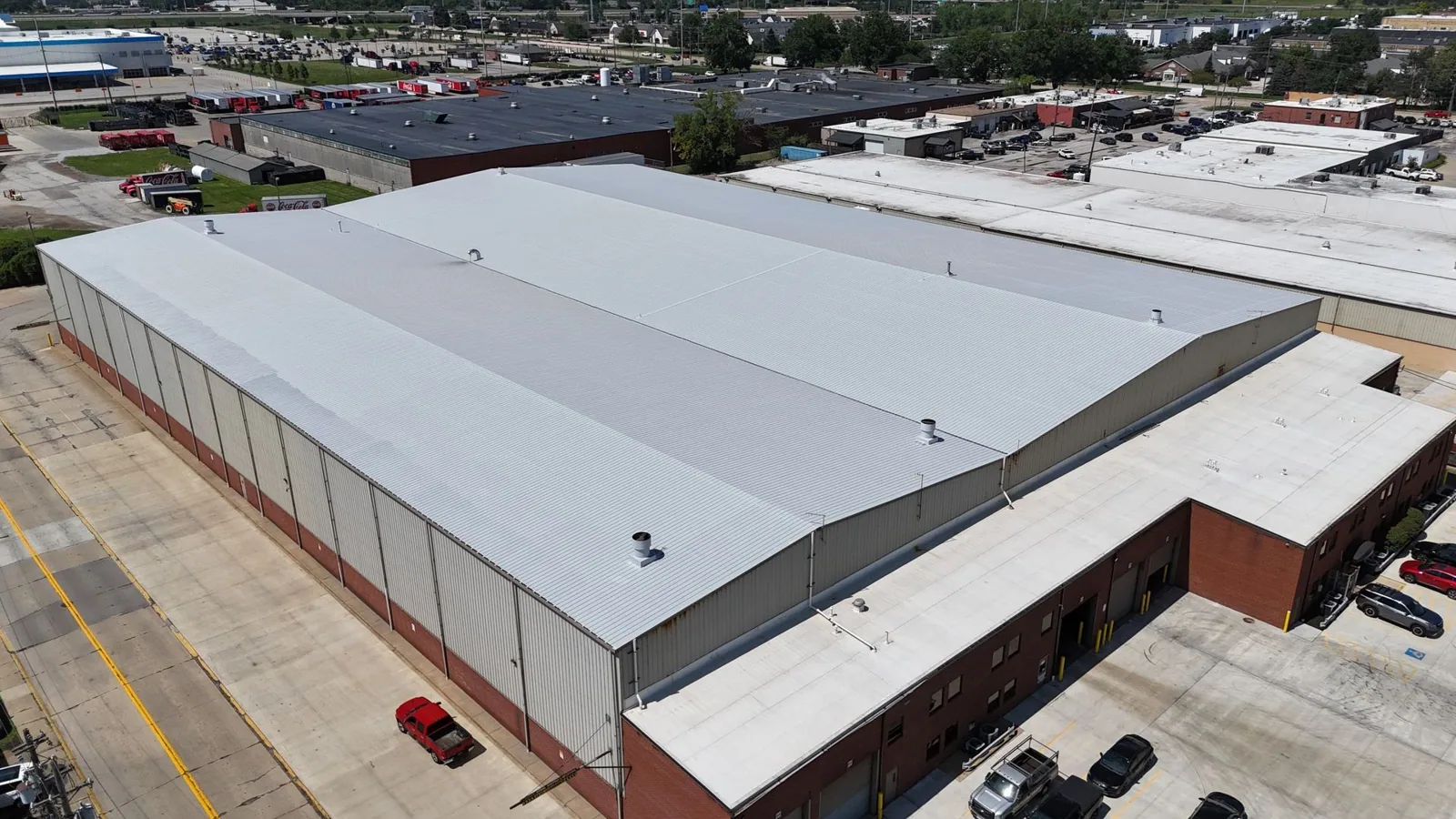
Commercial Silicone Roof Coatings
Review silicone roof coating options in Arvada. We test adhesion, inspect seams and drains, measure surface condition, and define repair limits first.
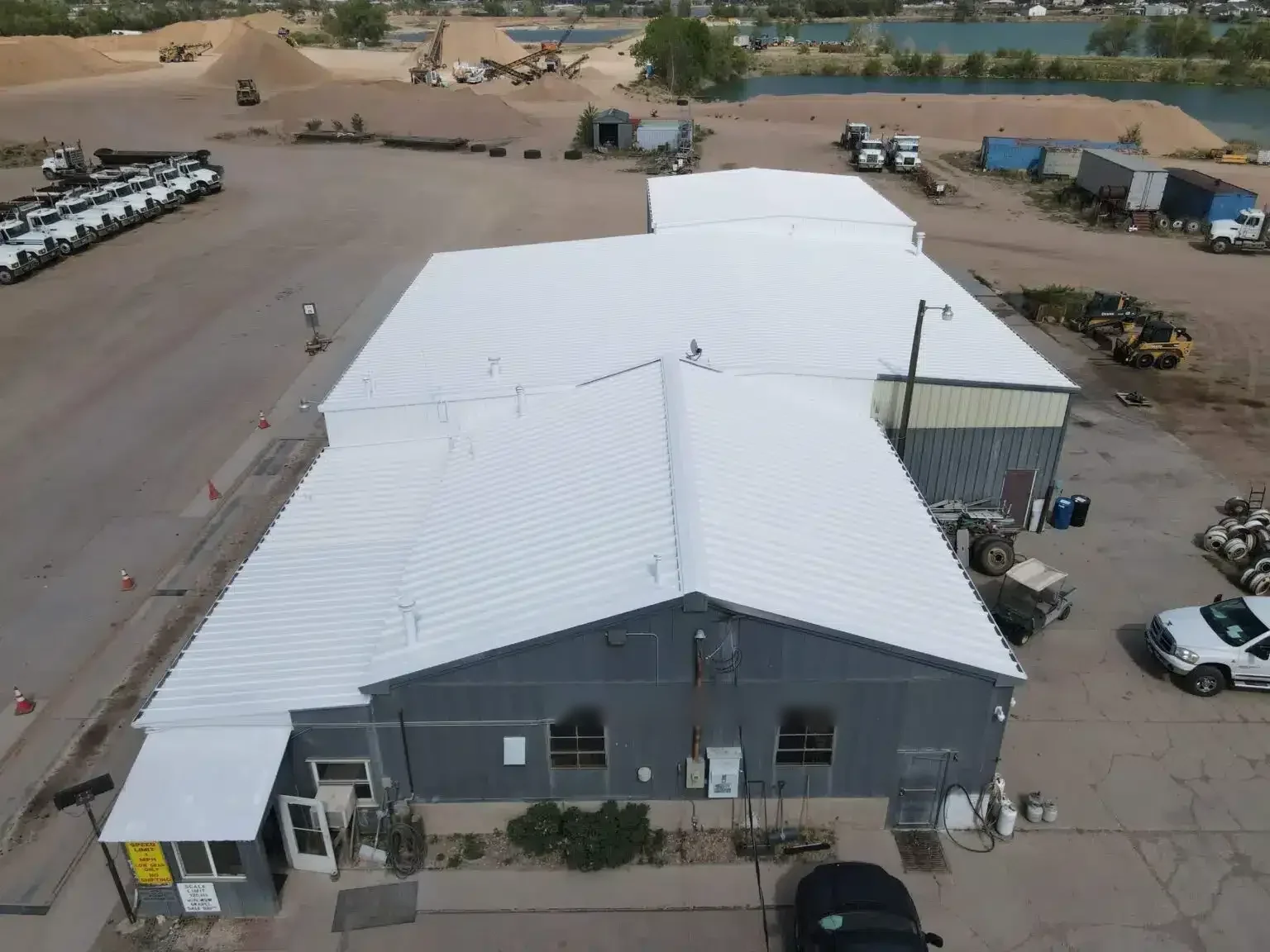
Commercial Spray Foam Roofing
Assess commercial SPF roofing in Arvada. We inspect foam adhesion, protective coating, drainage, penetrations, and moisture before recommending repairs.
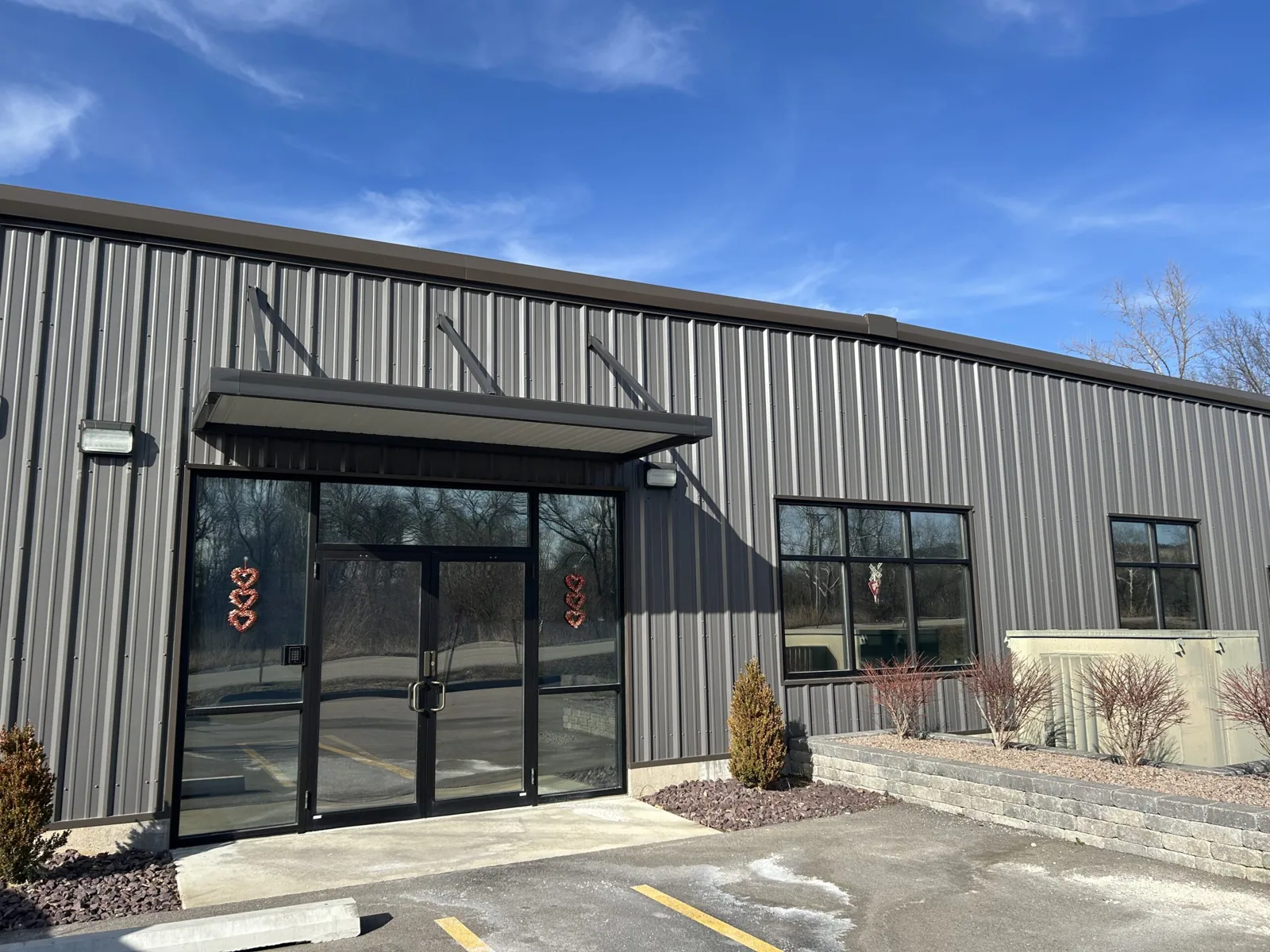
Commercial Metal Roof Retrofit
Evaluate a commercial metal roof retrofit in Arvada. We inspect panel attachment, structure, drainage, curbs, and insulation before comparing options.
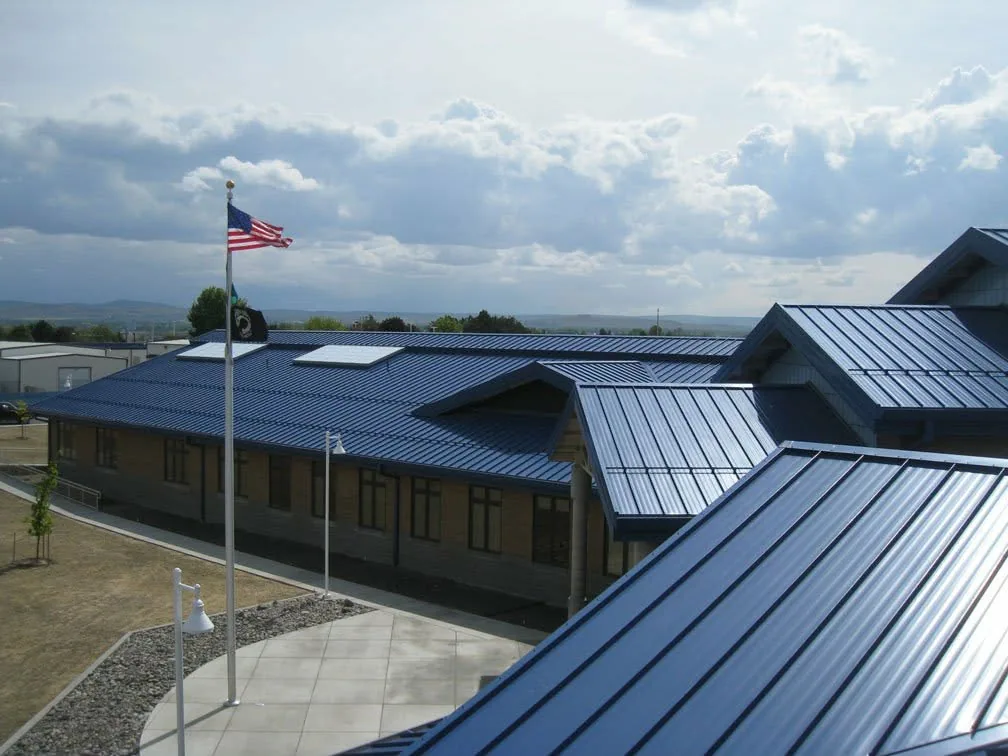
Commercial Standing Seam Metal Roofing
Inspect, repair, or replace standing seam metal roofs in Arvada. We check clips, panel movement, transitions, fasteners, and drainage before scoping work.
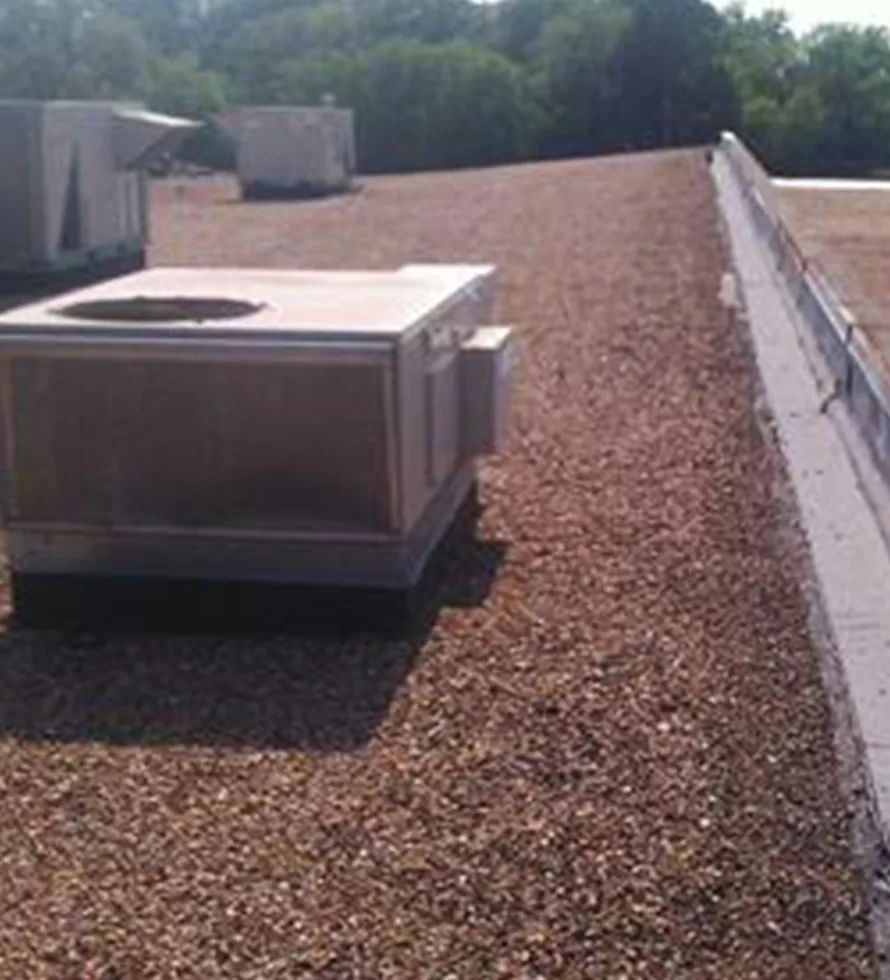
Commercial Built-Up Roofing
Inspect, repair, or replace commercial built-up roofing in Arvada. We review plies, surfacing, drains, flashing, moisture, and safe work methods.
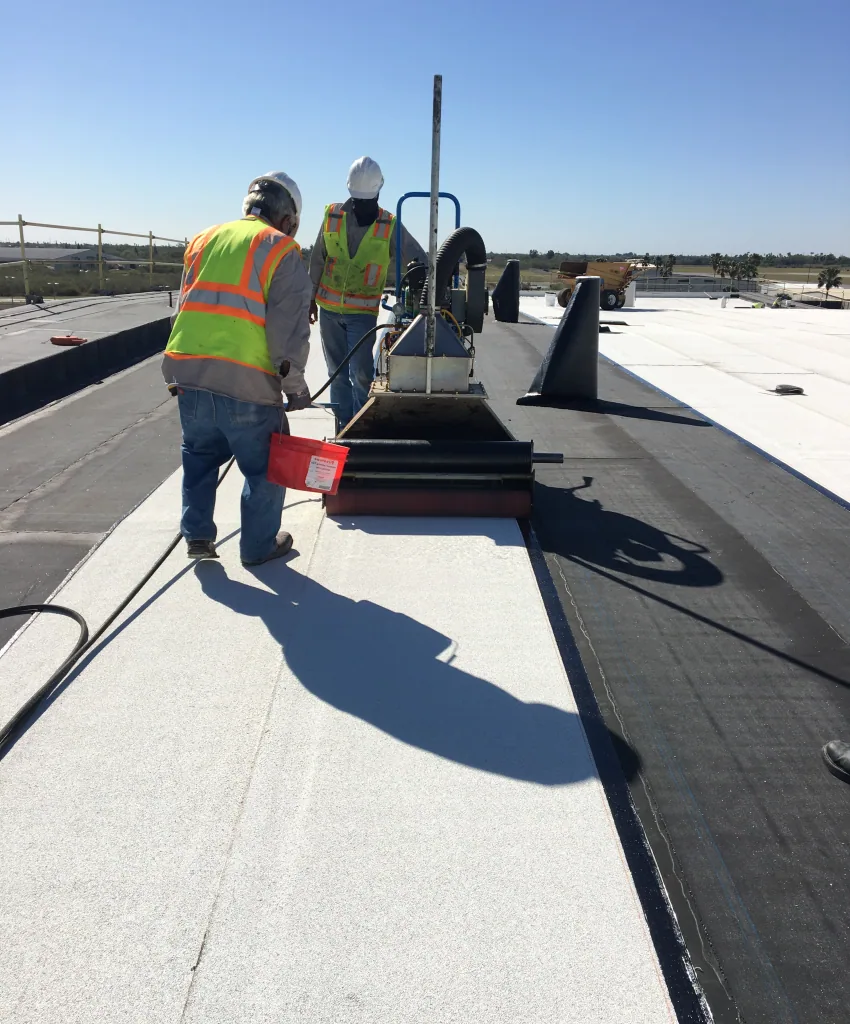
Commercial Modified Bitumen Roofing
Repair or replace commercial modified bitumen roofing in Arvada. We inspect plies, surfacing, flashings, drainage, and safe application conditions.
Serving Arvada and the west Denver metro.
Our crews work on commercial roofs across Arvada, Wheat Ridge, Lakewood, Westminster and Broomfield. Find your area below.
Arvada
Service Areas
Questions about Commercial Acrylic Roof Coatings
Is acrylic coating suitable where water ponds?+
Extended standing water can shorten the service life of acrylic coating. We inspect the drain path and duration of ponding, then separate outlet repair from slope correction. Product guidance and test results control selection. If water remains, we will show that condition before pricing the coating.
Why test adhesion before coating?+
The new material must bond to the actual surface. Cleaning, old coating, primer, and substrate condition all affect that bond. We prepare a sample area and record the result before setting the scope. A failed test means the preparation or product choice needs review.
How long does acrylic roof coating take to cure?+
Product instructions and weather conditions set the cure window. Temperature, moisture, and rain can affect reopening. We divide the roof into work zones and track each day's start and stop points. Site staff receive the access conditions before work begins.
Can coating restore hail-damaged roofing?+
The damage depth and underlying roof condition guide that decision. We inspect fractures, exposed material, loose edges, and moisture. A coating may protect repaired areas when the assembly remains suitable. Wet insulation or failed attachment needs correction beyond a new surface film.
Have a question? Call us at 555-555-5555 or send us a message.
Confirm the substrate and forecast before coating
Share the Arvada address, roof plan, prior coating records, leak and ponding locations, and operating limits. We will test the surface and define the application window and repair boundary.