Commercial Ponding Water Roof Repair in Arvada, CO
Find why commercial roof water remains after rain in Arvada. Inspect drains, slope, membrane, and structural indicators before selecting a correction.
Request a roof assessment. Tell us about the building.
Send the address and what you are seeing on the roof or inside the building. We will set a time to walk the roof and talk through the next step.
Map the low point before changing the roof
A shallow pool beside a drain needs a measured boundary, not a quick guess at the cause. Mark its location, depth if safe to measure, and how long it remains after rain. Then inspect the outlet, roof slope, membrane, and nearby seams. The correction follows drainage evidence and structural review.
The Denver Federal Center covers about 570 acres and includes more than 90 buildings. On an individual commercial roof, map each low area and drain before choosing a correction.
Locate the low area and water path
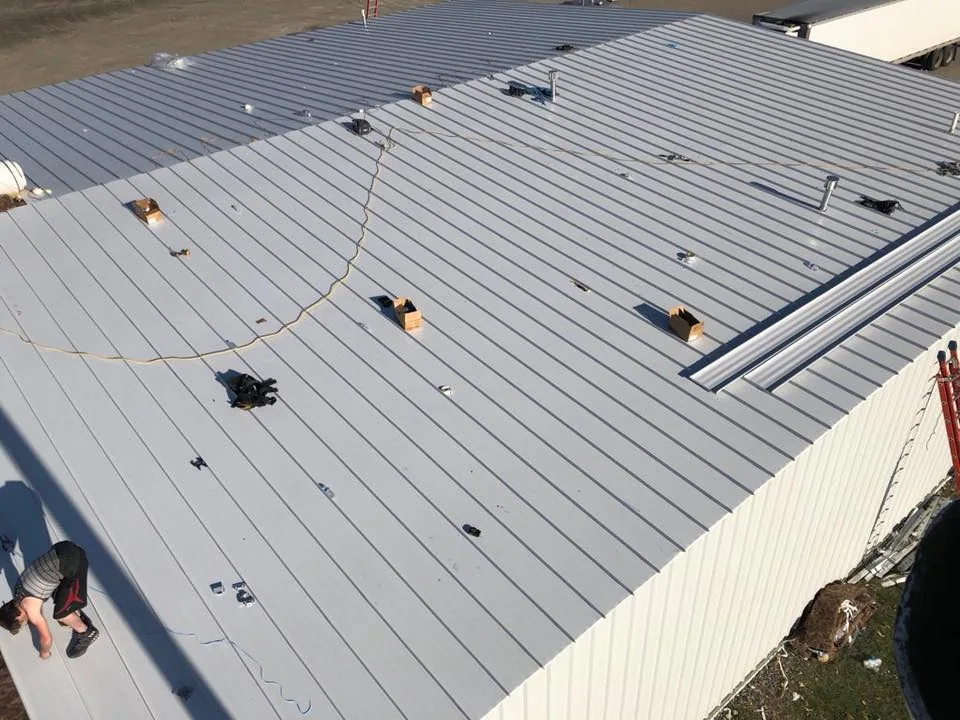
Water that remains after surrounding surfaces dry can indicate a blocked outlet, settlement, deflection, or an original slope condition. Photograph the area from fixed points. Mark drain, overflow, seam, curb, and wall locations on a roof plan. Note whether water surrounds a penetration or tracks toward a parapet.
Check strainers, leaders, scuppers, and overflow paths for debris or restricted flow. A drain and scupper inspection can identify outlet work separate from membrane repair. Do not clear or alter a secured drain without site approval. Record any standing water before maintenance changes the evidence.
Interior reports help but do not prove the pond is leaking. Compare stains with the low area and surrounding roof details. Moisture can enter elsewhere and travel under the membrane. A flashing check may be needed when water sits near a curb or wall transition.
Inspect the surface before changing drainage
Identify the existing membrane or metal assembly and its attachment. Look for wrinkles, open seams, punctures, blisters, and repairs that restrict water flow. Check whether a coating, patch, or equipment curb created a dam. A seam review can distinguish an open joint from a low spot that holds water.
Do not add tapered insulation or cut a drain without reviewing structure, deck, and overflow capacity. The proposed slope must move water to the approved outlet without creating a new low point. Existing layers and attachment affect whether recovery is possible. A field survey should identify areas needing a design professional before construction.
Denver International Airport's 1991-2020 normal seasonal snowfall is 47 inches. We inspect actual roof drains, overflows, and structure before recommending corrective work. Arvada's updated 2024 codes include revised snow provisions on a 2026 implementation schedule. Project jurisdiction and design documents determine requirements.
Separate membrane leaks from structural concerns
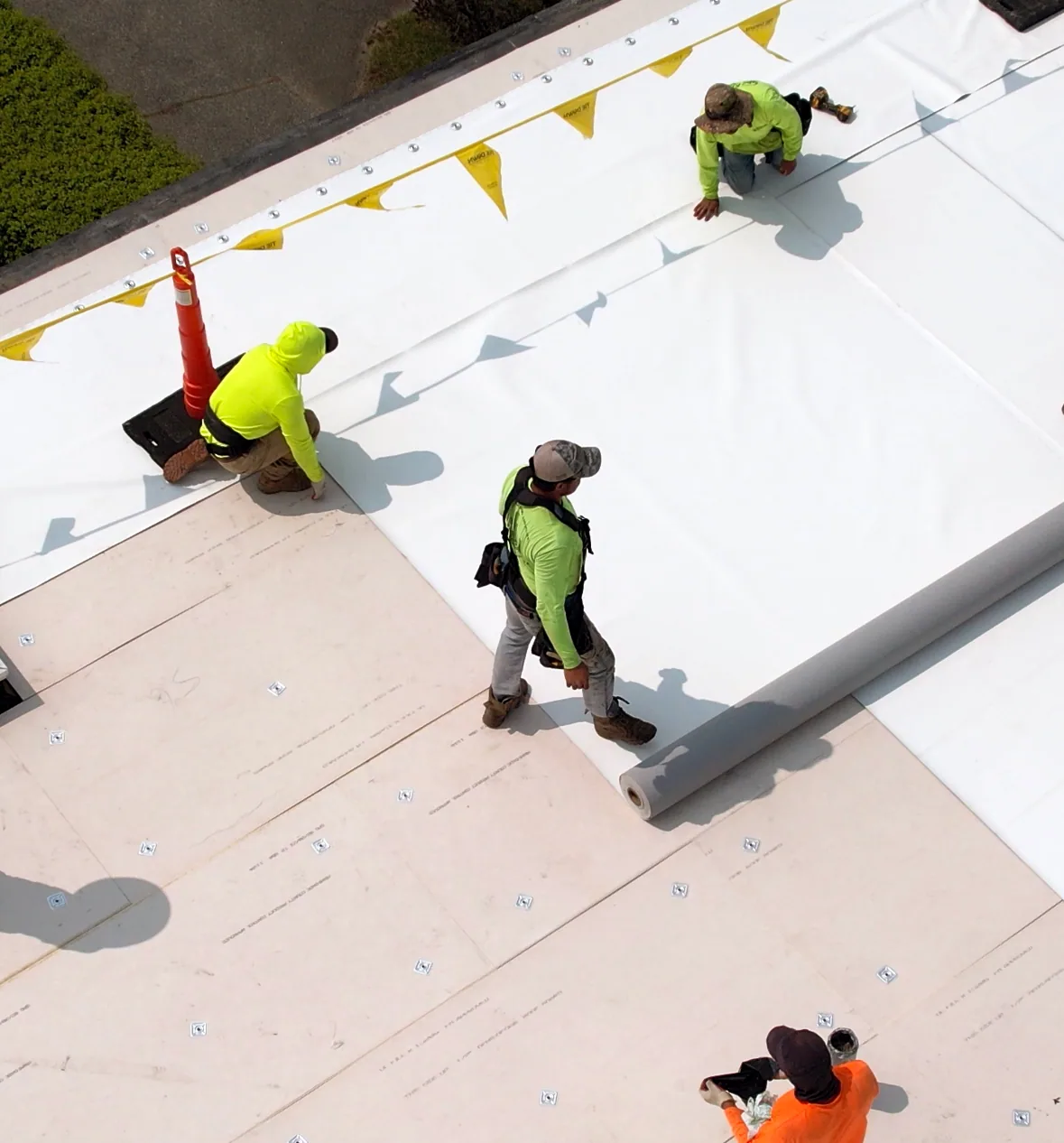
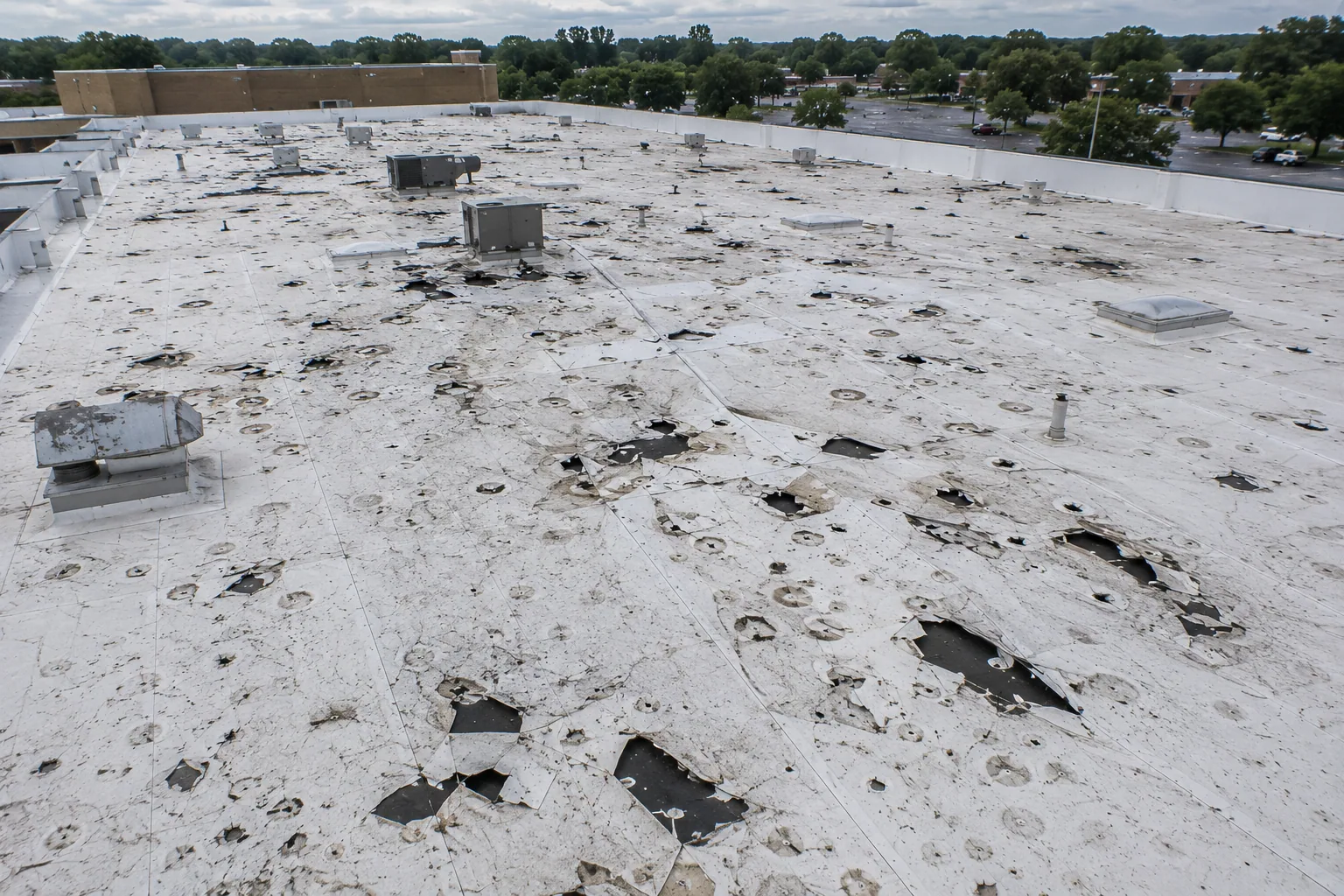
Ponding can place prolonged water exposure on seams and flashing. The added load of water is a separate engineering question. We document visible deflection, deck condition, and water depth when safe. Structural capacity concerns go to a qualified design professional. A qualified structural professional evaluates capacity and load conditions.
If water enters the building, protect the room and map the roof location. A leak investigation follows seams, drains, curbs, and wall joints. Temporary protection can reduce active exposure while the permanent correction is evaluated. Record temporary work and final scope separately.
Check how water exits during heavy rain. A primary drain can function while an overflow scupper remains blocked. Note discharge path and any connection to site drainage. The Denver Federal Center uses a campus-wide stormwater management plan. We map outlet routes and discharge points at each inspected property.
Ready to talk about your roof?
Choose the correction that fits the cause
Debris removal can resolve a blocked outlet when the drain and roof remain sound. A membrane patch may address a puncture or split but will not correct slope. Drain replacement, tapered insulation, or a structural repair needs a defined design and permit path. We explain which condition the proposed work changes.
Cost drivers include access, drain type, water extent, wet insulation, substrate, number of outlets, and whether slope changes are needed. A roof condition survey documents system, wet areas, and drainage before pricing. For larger water damage, a snow and ice review can check winter effects around the same drain network.
When concealed moisture is found, map its boundary before removal. If the deck or insulation differs from expectations, protect the opening and submit photos for direction. Do not expand work across a roof section until the owner approves the scope and design questions are answered.
Repairs must preserve the drain path while materials are installed. Plan removal in small sections, keep temporary coverings away from outlets, and verify runoff before closing the work area. If multiple drains serve one roof, label which remain open during each phase. The facility contact should know when the finished area is ready and what conditions remain under observation.
Track the water through the property record
Arvada Ridge Station lies near Red Rocks Community College and has a pedestrian and bicycle connection under Kipling Parkway. The G Line provides a useful regional reference, but the property address directs service. A roof visit near Arvada Ridge still needs the building contact, access route, and drain map.
Ralston Fields is an Arvada economic development district with retail redevelopment. Large retail roofs can have long drain runs and multiple low areas, but each outlet must be inspected before a correction is specified. Closeout records should label the drain, slope path, repair, and any remaining observation. After the next rainfall, compare the same photo points and note whether water clears as expected. If it remains, record duration and depth before maintenance changes the surface. That follow-up can distinguish a successful outlet correction from a slope problem that still needs design review.
Send the property address, roof plan, drain locations, photos after rain, interior reports, and access instructions. We will map water paths and separate immediate leak protection from slope or structural questions. Emergency service is available around the clock when water threatens an occupied space.
More roof damage repair
Other work our crews handle on Arvada roofs. See all roof damage repair.
Commercial Roof Flashing Failure Repair
Find and repair failed commercial roof flashing near Arvada. Inspect walls, curbs, drains, and edge transitions before defining a leak repair boundary.
Commercial Roof Seam Failure Repair
Inspect open commercial roof seams near Arvada. Identify the system, test adjacent material, and map the repair boundary before water reaches occupied space.
Commercial Snow and Ice Roof Damage Repair
Inspect commercial roofs near Arvada for snow, ice, and drainage damage. Document blocked outlets and leaks before repair or structural review.
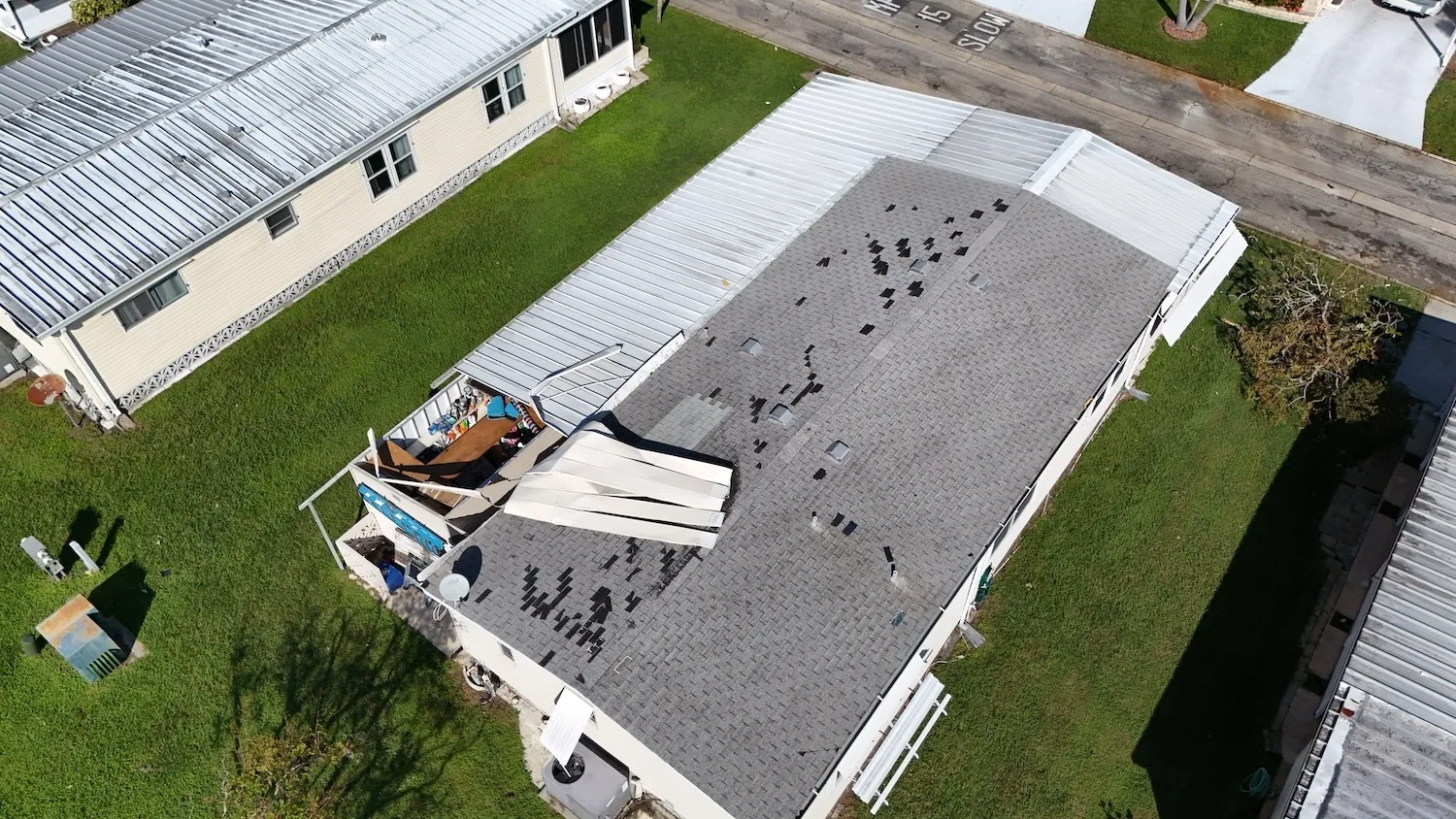
Commercial Wind Damage Roof Repair
Inspect commercial roofs near Arvada after high winds. Map lifted edges, loose panels, open seams, and active leaks before setting protection or repairs.
Commercial Roof Membrane Puncture Repair
Locate and repair commercial membrane punctures near Arvada. Trace water, inspect adjacent material, and document traffic or maintenance damage by roof zone.
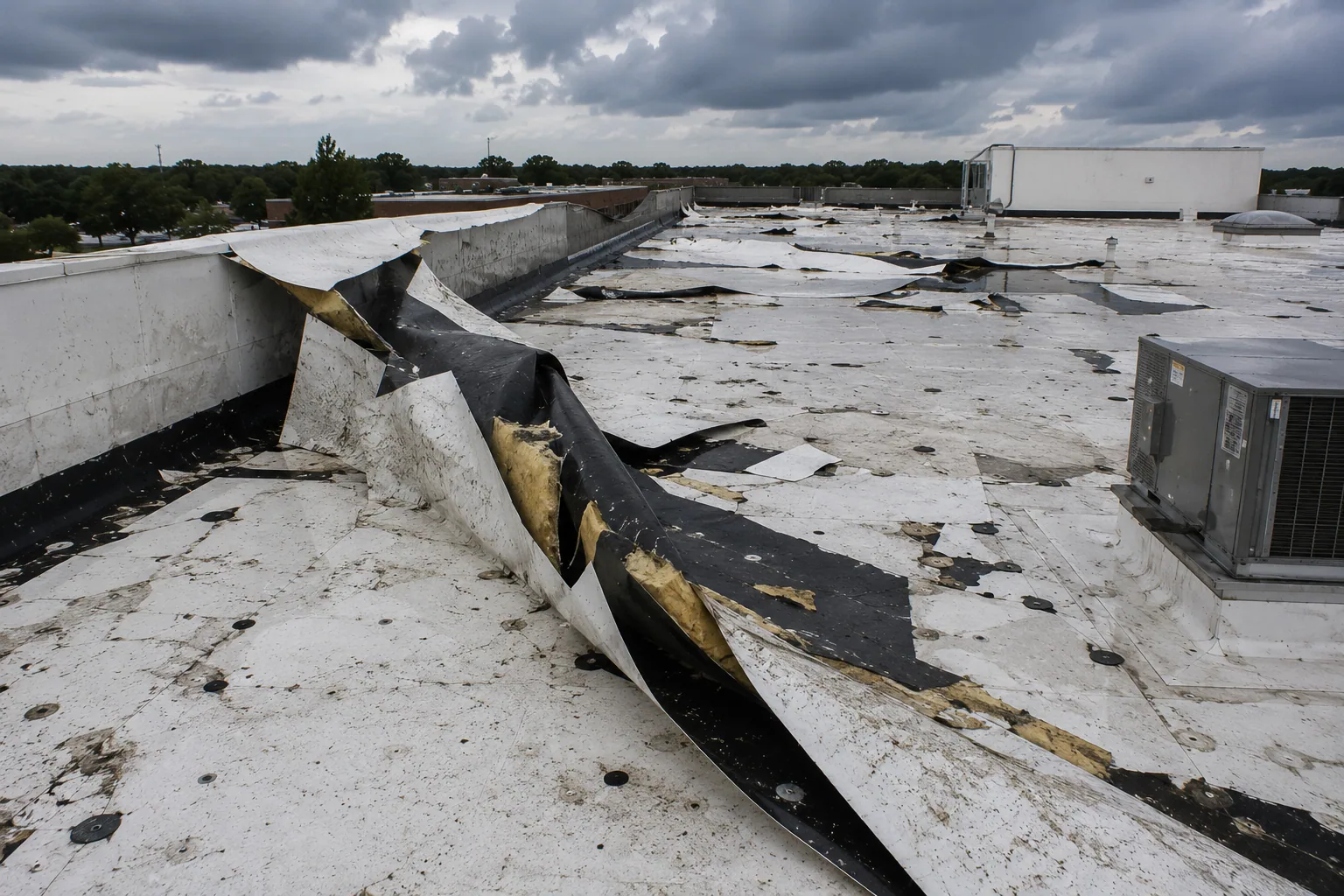
Commercial Roof Repair After Fire Damage
Inspect roofs after fire near Arvada. Map heat exposure, openings, smoke residue, and water entry before planning temporary cover or permanent repair.
Serving Arvada and the west Denver metro.
Our crews work on commercial roofs across Arvada, Wheat Ridge, Lakewood, Westminster and Broomfield. Find your area below.
Arvada
Service Areas
Questions about Commercial Ponding Water Roof Repair
How long can water remain before it becomes a problem?+
The roof system, depth, frequency, drainage, and structural condition all matter. We record where and when water remains, then inspect the outlet and nearby details. Structural concerns require review of the building's design and qualified engineering input.
Can a drain be moved to solve ponding?+
A drain change affects structure, plumbing, overflow, and membrane detailing. We document the current low area and drainage path first. A qualified designer and the project authority determine whether a new outlet is appropriate.
Does ponding always mean the roof is leaking?+
No. Water may sit without entering, while a leak can originate at a different seam or curb. We compare the pool with interior reports and inspect the surrounding assembly before defining repair work.
What should be photographed after rain?+
Capture the low area, nearby drain, overflow, roof edge, and visible water boundary from known points. Include the date and building. Interior stains and active drips should be recorded separately from the roof surface.
Have a question? Call us at 555-555-5555 or send us a message.
Map the low point before changing the roof
Share the address, roof plan, photos after rain, drain details, and any interior leak report. We will identify the water path and document the next correction decision.