
Commercial Roof Membrane Puncture Repair in Arvada, CO
Locate and repair commercial membrane punctures near Arvada. Trace water, inspect adjacent material, and document traffic or maintenance damage by roof zone.
Request a roof assessment. Tell us about the building.
Send the address and what you are seeing on the roof or inside the building. We will set a time to walk the roof and talk through the next step.
Mark the puncture before repair begins
A puncture near a service route needs a marked location before anyone walks farther. We check the opening, surrounding membrane, insulation, and path to the nearest drain. Record the room below and any active drip. If water is entering, temporary protection comes first while the repair boundary is set.
Arvada Ridge Station sits at 10189 West 53rd Avenue near Red Rocks Community College. That location helps orient a west-side service call. The building address and roof map still determine access, assembly, and the inspection route.
Find the opening and its likely cause
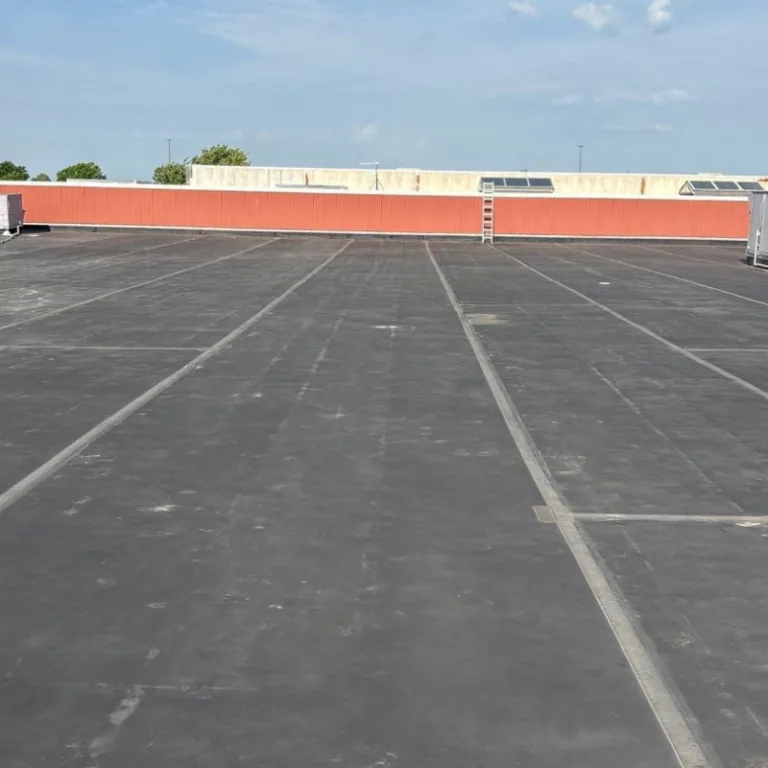
Sharp tools, dropped hardware, foot traffic, equipment work, and unsecured materials can damage a membrane. We photograph the opening before cleaning it. Then inspect nearby walk pads, service paths, curbs, and previous patches. A seam inspection may be needed if the damage follows a lap instead of crossing the sheet.
Do not assume one puncture explains every interior stain. Water can travel beneath the membrane or along a deck. Compare the leak location with slope, drains, wall transitions, and penetrations. A leak-path review can trace the likely entry and identify any concealed moisture testing.
Map the puncture relative to roof equipment and the nearest service route. If another trade has been on the roof, ask for work dates and locations. That history helps locate recent activity without assigning cause before the material is inspected. Record whether the surface is cut, punctured, abraded, or separated at a seam.
Match the patch to the membrane
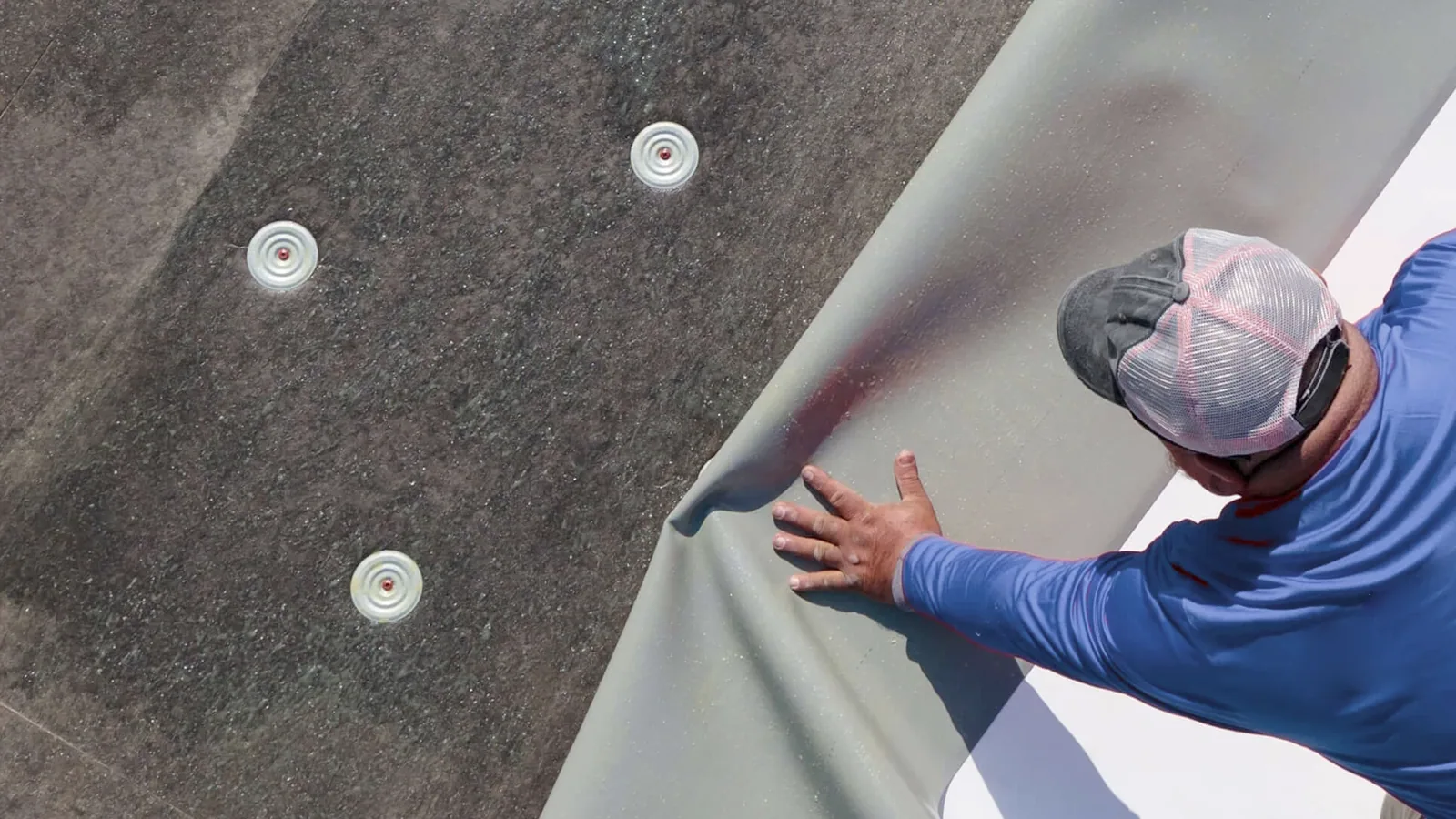
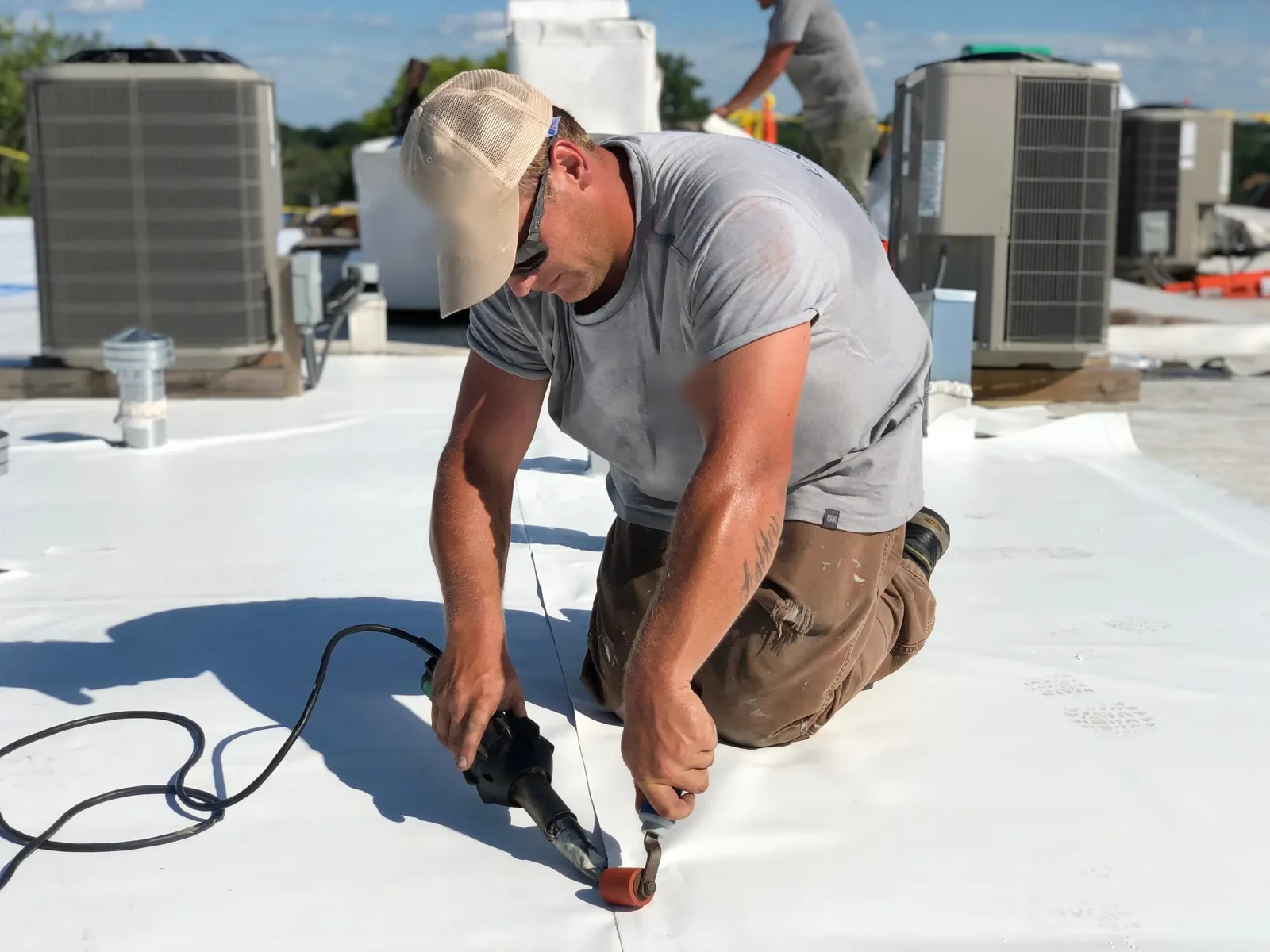
Confirm whether the roof is TPO, PVC, EPDM, KEE, or another membrane before preparing the surface. Patch material, cleaner, primer, and seam method need compatibility. Remove contamination only as the system allows. The repair must extend to sound material and follow the installed assembly's details.
Wet insulation or a soft substrate can undermine a surface patch. Probe or test only within the approved scope. If removal is needed, measure the affected boundary and restore the assembly in layers. A drainage check may also be relevant if water collects near the puncture.
Foot traffic can be reduced with designated walk pads and clear maintenance routes. Equipment vendors should know where to stage tools and where not to cross. A repair note can identify the route and adjacent details needing later review. This is more useful than a generic reminder to stay off the roof.
Where carts or ladders cross the roof, check the walking surface for abrasion as well as punctures. Repeated scuffing may thin the membrane without leaving one obvious hole. Mark those areas and inspect nearby seams. A walk pad can reduce wear only when its attachment and drainage path suit the roof system.
Protect the space below
Locate the affected room, contents, and any electrical or mechanical equipment. The property contact decides what must be moved or covered. We record temporary measures and the roof opening separately. If water remains active, emergency response is available around the clock.
Temporary cover can limit exposure while permanent patching waits for safe access or suitable surface conditions. The cover must be secured and checked against wind and rain. Record its placement, date, and limits. A 24-hour emergency roof visit can protect the building while the repair scope is confirmed.
Interior drying and finish restoration may involve other trades. Identify the roofer's scope and the owner's interior contractor separately. A field photo should connect ceiling condition to roof location when possible. If the ceiling is opened for drying, keep that activity distinct from roof removal and document both boundaries.
Ready to talk about your roof?
Account for regional weather and code
Denver International Airport's 1991-2020 normal seasonal snowfall is 47 inches. That number is regional context and does not predict a specific membrane's condition. Snow and ice can hide punctures or affect access. Inspect the surface when it is clear and safe, and note any limit.
The May 2017 metro Denver storm brought hail, strong wind, rain, and flooding to Arvada and western suburbs. A present-day puncture needs a current date and roof inspection. Storm impact and mechanical damage should be recorded separately. A hail inspection may document nearby impact that needs its own scope.
Arvada's updated code requirements follow a city implementation schedule in 2026. Confirm the applicable code path before changing insulation, attachment, or drainage as part of a repair. A localized membrane patch may not require the same review as a larger roof assembly change.
Close the repair with a mapped photo
Cost depends on membrane type, puncture count, moisture, substrate, access, surface preparation, and whether removal is needed. A repair scope should identify each location, patch method, and test result. If a second opening appears during removal, stop and document it before enlarging the approved area.
Gold Strike Station serves Arvada's east side on the G Line. Northwest Arvada includes the Indiana Street corridor east of State Highway 93. These places can orient dispatch, but the building address remains the service reference. A roof visit near Indiana Street needs its own gate and access details.
Closeout should show the puncture, prepared surface, finished patch, date, and roof-zone label. Note the source if confirmed and any route change recommended. Send the address, roof plan, room report, recent roof work, and access instructions. We will document the affected section and the next decision. If the source is tied to a service visit, record the trade, work date, and route. That detail can prevent a repeat puncture after repair. The owner can then update roof access instructions and schedule a follow-up look at nearby traffic paths.
More roof damage repair
Other work our crews handle on Arvada roofs. See all roof damage repair.
Commercial Roof Seam Failure Repair
Inspect open commercial roof seams near Arvada. Identify the system, test adjacent material, and map the repair boundary before water reaches occupied space.
Commercial Ponding Water Roof Repair
Find why commercial roof water remains after rain in Arvada. Inspect drains, slope, membrane, and structural indicators before selecting a correction.
Commercial Hail Damage Roof Repair
Document commercial hail damage near Arvada with dated photos, mapped impact areas, and separate repair options. Inspect edges, seams, and interior reports.
Commercial Wind Damage Roof Repair
Inspect commercial roofs near Arvada after high winds. Map lifted edges, loose panels, open seams, and active leaks before setting protection or repairs.
Commercial Roof Repair After Fire Damage
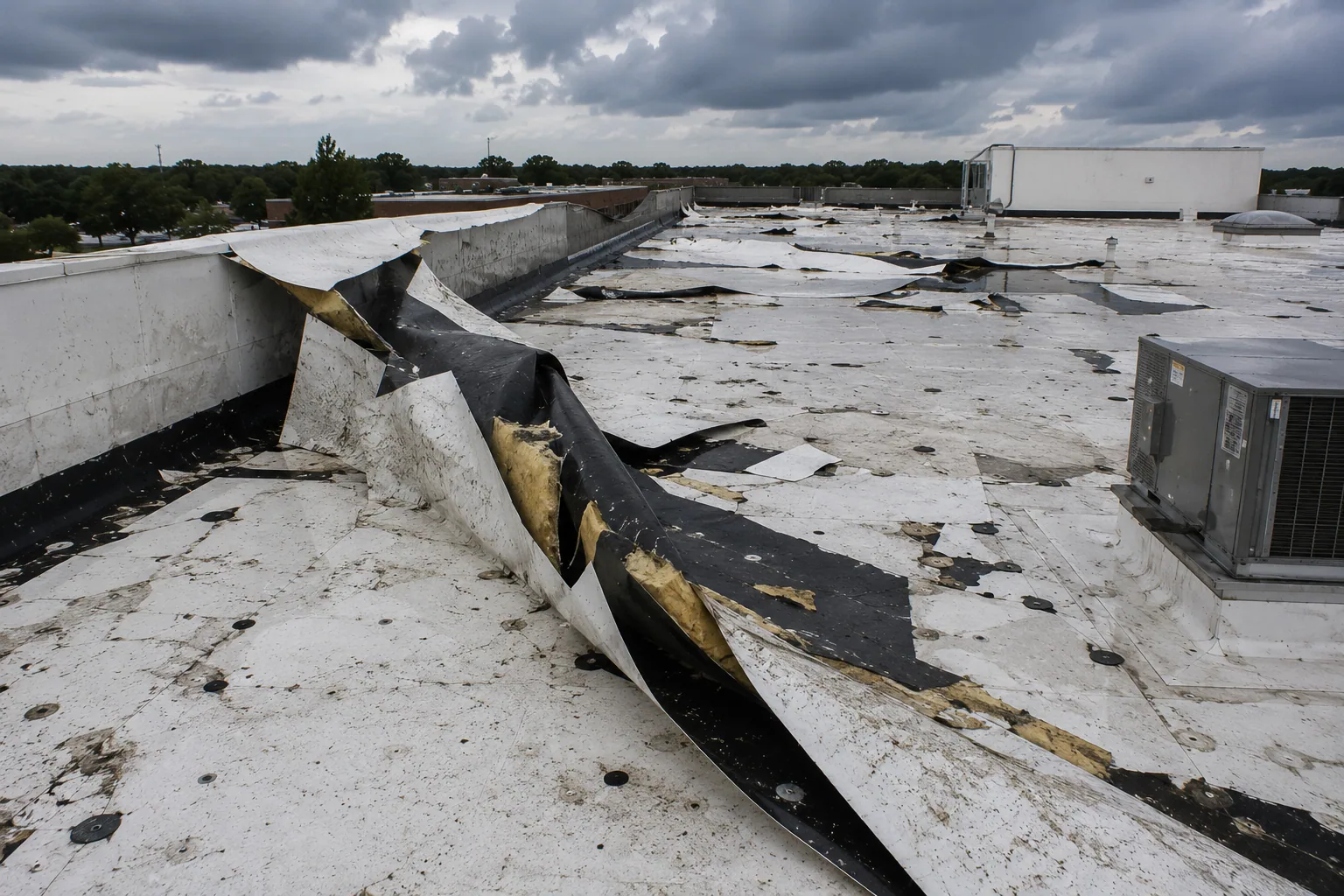
Inspect roofs after fire near Arvada. Map heat exposure, openings, smoke residue, and water entry before planning temporary cover or permanent repair.
Commercial Roof Flashing Failure Repair
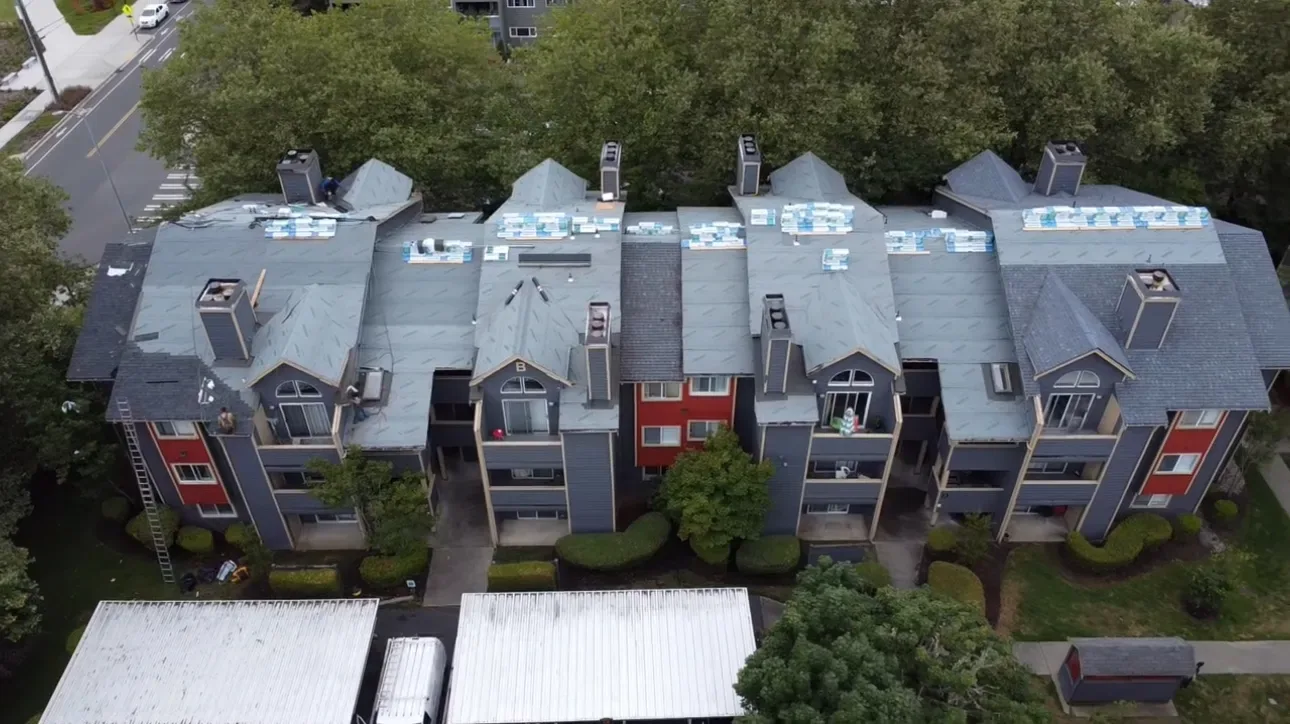
Find and repair failed commercial roof flashing near Arvada. Inspect walls, curbs, drains, and edge transitions before defining a leak repair boundary.
Serving Arvada and the west Denver metro.
Our crews work on commercial roofs across Arvada, Wheat Ridge, Lakewood, Westminster and Broomfield. Find your area below.
Arvada
Service Areas
Questions about Commercial Roof Membrane Puncture Repair
Can a small membrane hole be patched the same day?+
It may be possible when access is safe, the surface is suitable, and the system is known. We confirm material, moisture, and repair limits first. If conditions prevent a permanent patch, temporary protection can be documented separately.
Could foot traffic cause a roof puncture?+
Tools, hardware, service work, and unprotected routes can damage membrane surfaces. We inspect the opening and nearby paths before assigning cause. The report can recommend a defined walk route or pads if the traffic continues.
Does water below the puncture prove that is the leak source?+
Not necessarily. Water can travel beneath the sheet before reaching the interior. We compare the ceiling report with slope, drains, seams, and curbs. Testing may be needed to confirm the entry point.
What should be photographed after a patch?+
Capture the original opening, prepared surface, completed patch, nearby seam, and location on the roof plan. Add date and material details. Record any adjacent area not included in the repair boundary.
Have a question? Call us at 555-555-5555 or send us a message.
Mark the puncture before repair begins
Share the property address, roof plan, leak location, recent service activity, and access instructions. We will identify the membrane, map the puncture, and document the repair boundary.