
Commercial Hail Damage Roof Repair in Arvada, CO
Document commercial hail damage near Arvada with dated photos, mapped impact areas, and separate repair options. Inspect edges, seams, and interior reports.
Request a roof assessment. Tell us about the building.
Send the address and what you are seeing on the roof or inside the building. We will set a time to walk the roof and talk through the next step.
Start with the storm date and roof-zone map
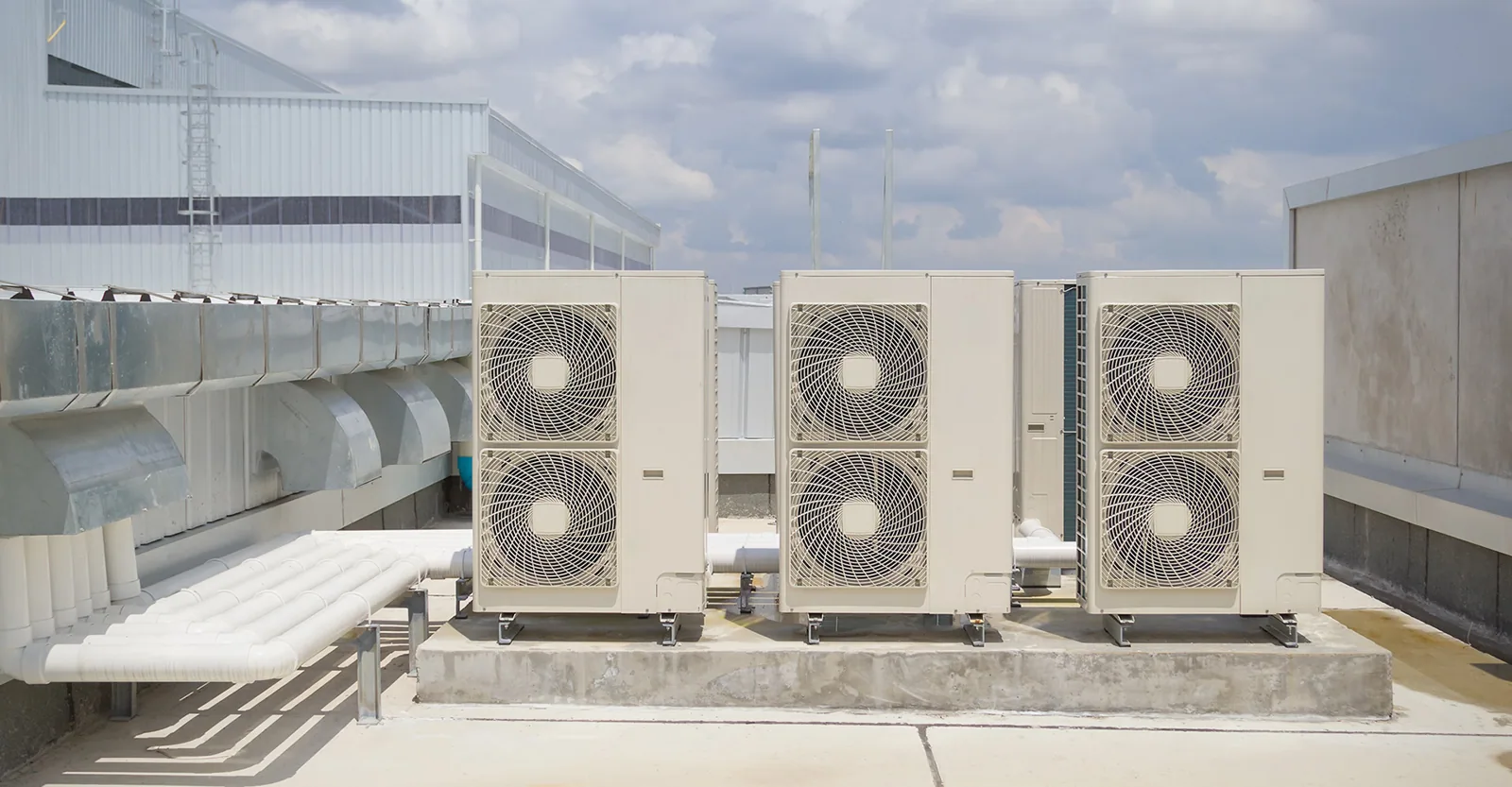
After a hail report, start with the roof edge and the equipment curbs. Mark the event date and the section inspected. Check membrane, metal, seams, penetrations, and drains before deciding whether marks affect performance. If water is entering, temporary protection comes first. The photo record guides the next decision.
On May 8, 2017, hail, damaging wind, heavy rain, and flash floods affected Arvada during a metro Denver supercell. It describes hail, wind, heavy rain, and flooding. That record supplies regional history only. A current building needs its own inspection, date, and roof map.
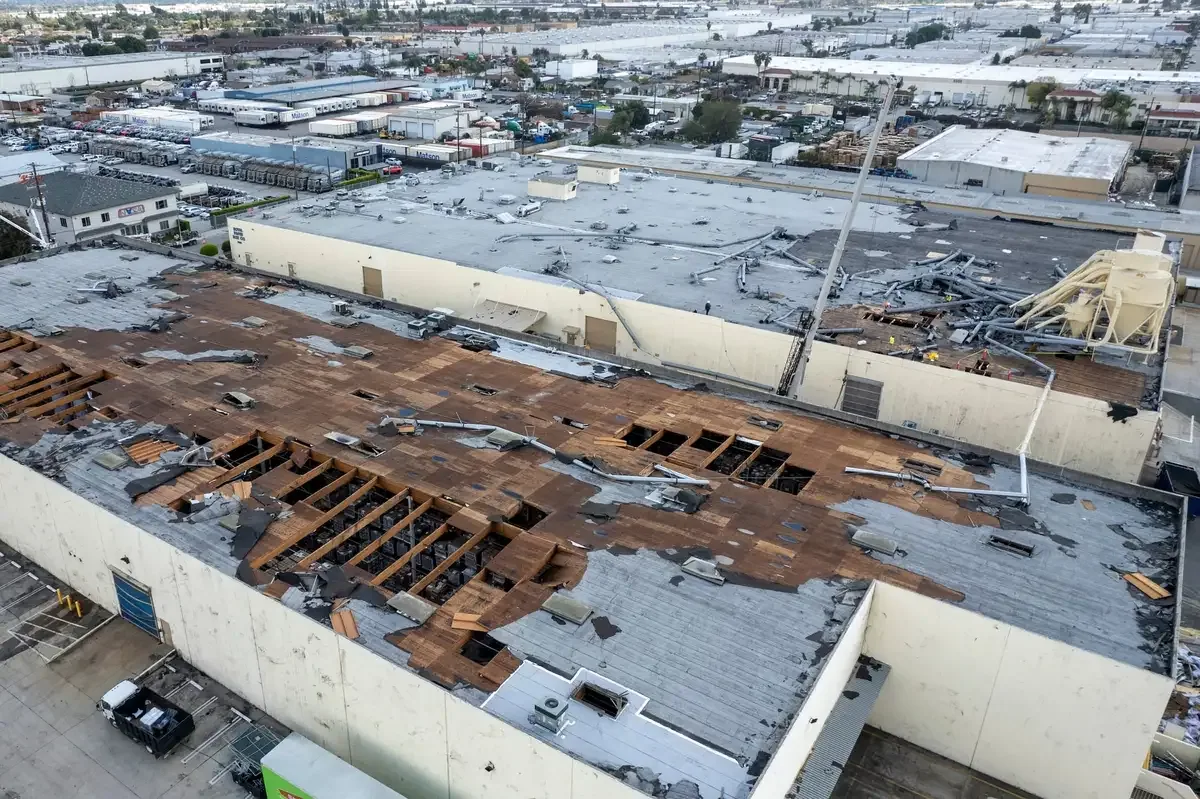
Map visible impact across the roof
Hail marks may appear on metal components, membrane surfaces, rooftop equipment, vents, and soft metals. Photograph each location with a scale and roof-zone label. Compare a suspected impact with an unaffected area when the assembly allows. Do not treat every dent or scuff as a confirmed opening.
Look for cuts, punctures, displaced edge metal, cracked flashing, open seams, and damage near penetrations. A wind condition review can record loose edges or attachment separately from hail marks. If a membrane hole is present, a puncture inspection defines the actual opening and adjacent material.
Document roof areas that could not be reached safely. Hail may be uneven across a property, and parapets or rooftop equipment can block a direct view. Record the inspection route, surface condition, and photo direction. A roof map lets the owner compare the storm report with each observed zone.
Record the inspection method and surface limits. A coated roof may hide marks that are visible on adjacent metal, while rooftop equipment can obstruct a membrane area. Note where the inspection relied on visual review and where testing could answer a separate question. Do not label an inaccessible zone as clear simply because no stain appeared inside.
Check the assembly before calling for repair
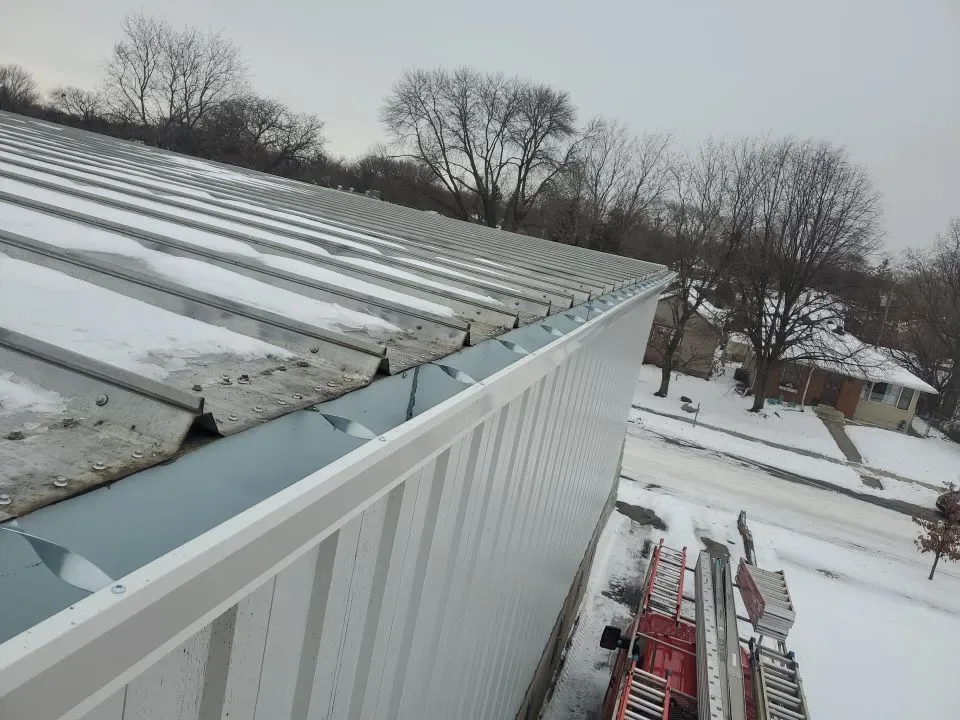
Roof system matters. A metal panel can show denting without a leak, while a puncture or opened lap can admit water. Single-ply membrane needs a seam and flashing check. Built-up surfaces may need inspection for splits or blisters. Identify material and attachment before selecting a repair detail.
Water stains do not pinpoint hail entry. Compare room locations with roof slope, drains, curbs, and wall transitions. A leak investigation can trace the path and define any moisture test. Keep storm impact, old wear, and prior repairs distinct in the report.
For a roof with several layers or coatings, inspect what can be seen and mark what remains concealed. Do not recommend a patch over a surface that is wet, unstable, or incompatible. The owner should see the evidence, repair boundary, and test limit before choosing permanent work.
Separate emergency measures from claim records
If active water threatens inventory, equipment, or occupants, protect the interior and roof opening first. Record temporary materials, date, location, and limits. A 24-hour emergency visit can stabilize an opening when access and weather permit.
Permanent repair may be narrow or broad depending on impact, moisture, attachment, and surrounding system condition. We document repair quantities and the tie-in detail. A claim documentation visit can provide roof photos and a written scope. Insurance decisions follow the policy process; the inspection does not determine coverage.
Keep storm date, owner report, adjuster observations, contractor photos, and temporary work together. Each record should identify the same building and roof zone. If a test cut or removal finds hidden damage, take new photos and measurements before extending the scope. Additional work follows the owner's authorization.
A repair estimate should state the preparation, material, tie-in, area, and testing assumptions. If the owner needs several options, present a localized repair and a broader alternative with distinct quantities. The property can then compare costs without confusing emergency service with a final restoration. Record any schedule limitation caused by material supply or an unsuitable weather window.
Ready to talk about your roof?
Use storm history without assuming present damage
That storm is regional hail context, not proof of damage to a roof inspected today. It cannot establish what happened at a property in a different event. For a current report, note the new date, roof area, interior symptoms, and visible conditions. That chronology helps reviewers distinguish the storm from previous deterioration.
Arvada adopted updated wind, seismic, and snow provisions in its 2024 code package on a 2026 city schedule. Repair permit needs depend on the address and scope. Confirm the applicable review before replacing edge attachment, changing a roof assembly, or adding layers.
Denver International Airport's seasonal snowfall normal is 47 inches over 1991-2020. That regional figure does not set a roof's structural capacity. If hail repairs expose deck or support concerns, route them to a qualified design professional. The roofer's report should identify the observation without making a load conclusion.
Keep the repair file tied to the property
Candelas is part of Northwest Arvada planning, with a retail study and development area linked to the 470 beltway. This local reference can orient a site request but does not identify a specific roof. A hail inspection near Candelas still needs the street address, access contact, and building map.
Closeout records should show the event date, inspected zones, visible damage, repair boundary, materials, and any untested areas. Add dated before-and-after photos. If a roof remains under observation, state what should be checked after the next storm or maintenance visit. Where a property has multiple buildings, keep a separate map and work record for each one. Label any shared equipment or roof access route that could affect a later inspection. The owner can then compare current findings without carrying an assumption from another structure.
Send the address, storm date, roof plan, photos, interior reports, and access rules. We will separate visible impact, active leakage, and unrelated conditions. Emergency protection is available around the clock when water is entering.
More roof damage repair
Other work our crews handle on Arvada roofs. See all roof damage repair.
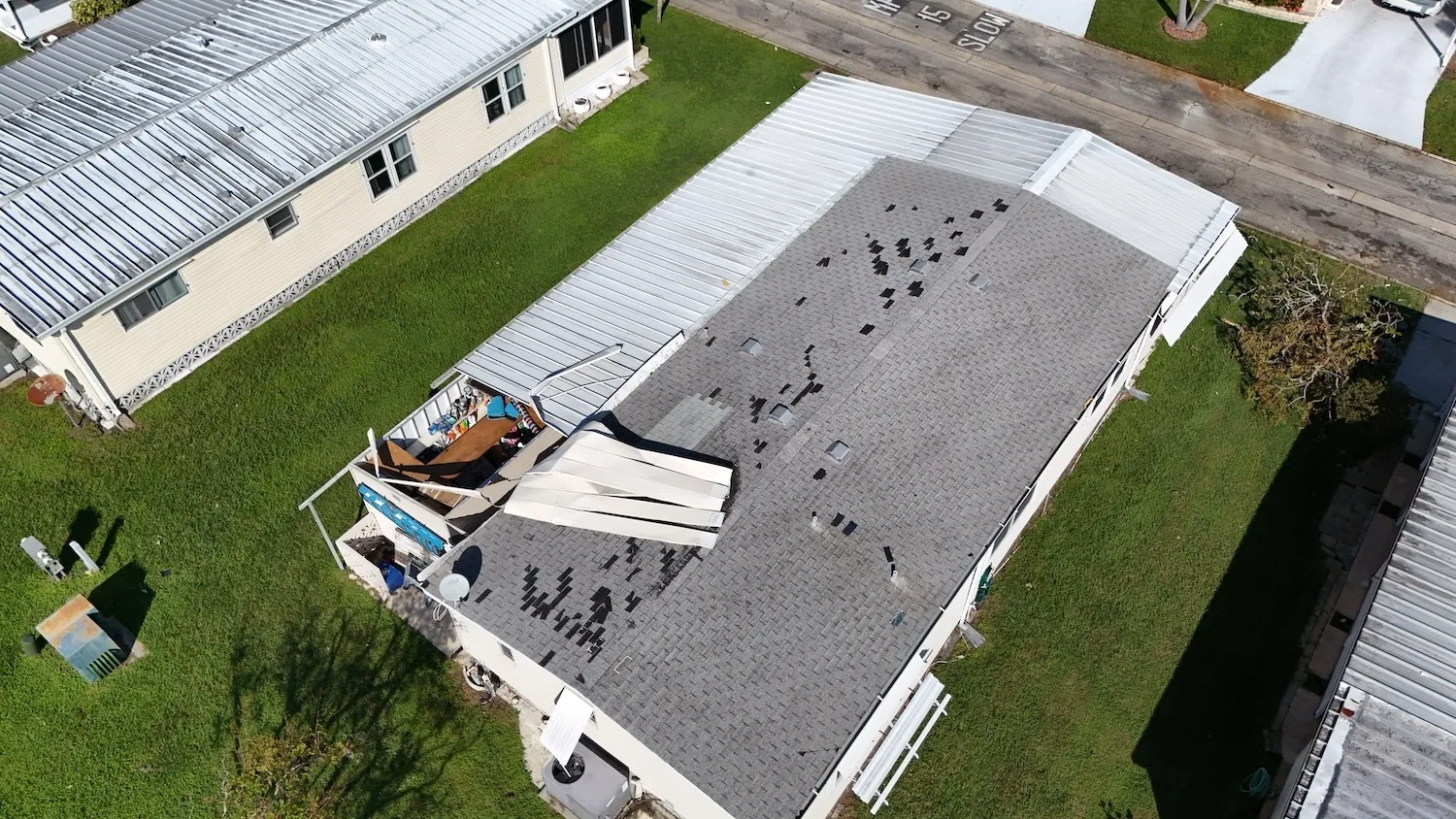
Commercial Wind Damage Roof Repair
Inspect commercial roofs near Arvada after high winds. Map lifted edges, loose panels, open seams, and active leaks before setting protection or repairs.
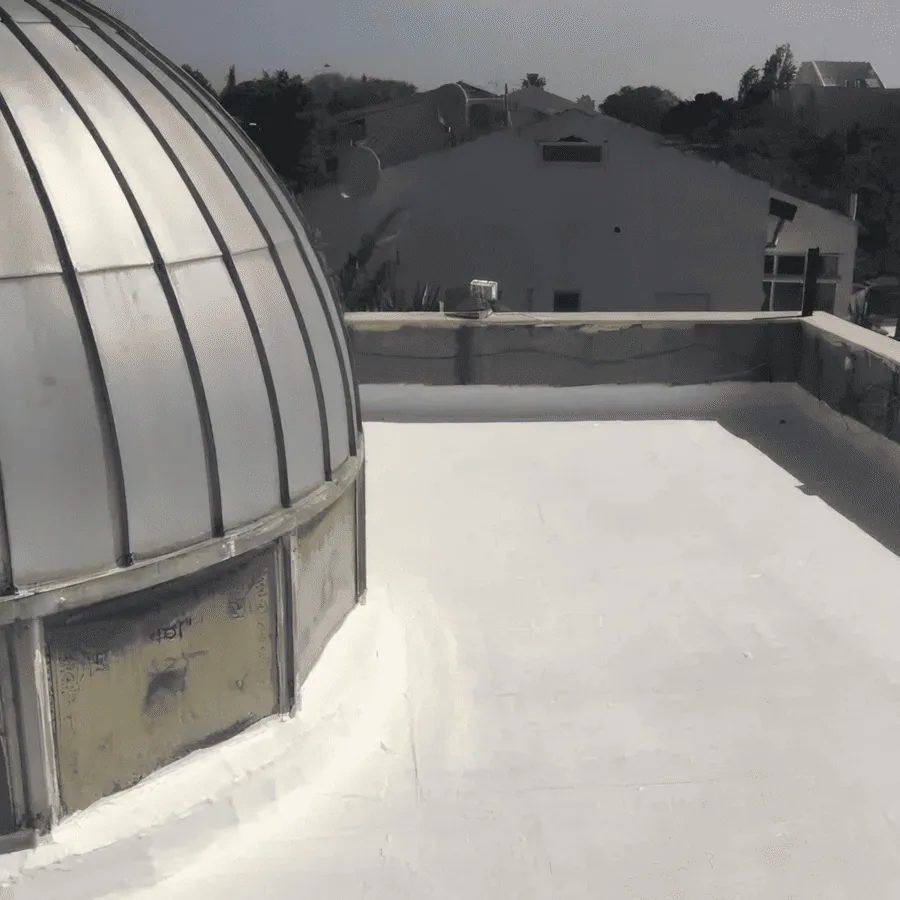
Commercial Roof Membrane Puncture Repair
Locate and repair commercial membrane punctures near Arvada. Trace water, inspect adjacent material, and document traffic or maintenance damage by roof zone.
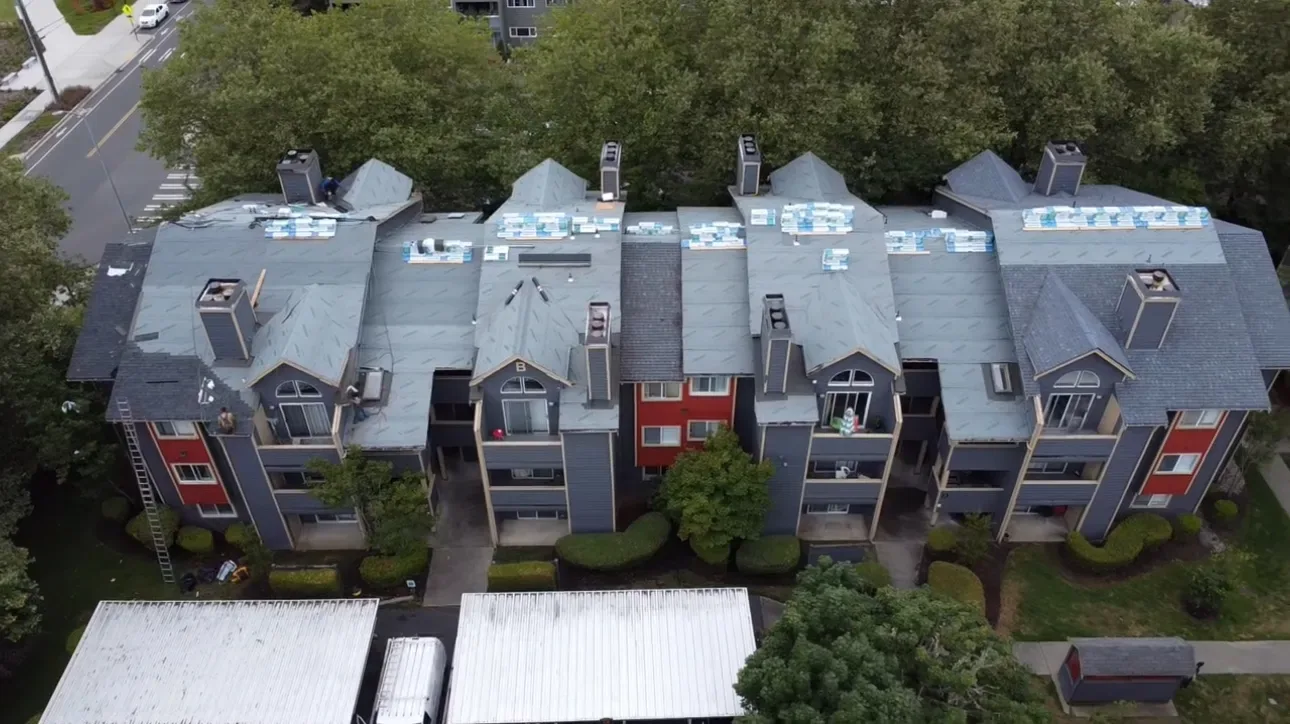
Commercial Roof Flashing Failure Repair
Find and repair failed commercial roof flashing near Arvada. Inspect walls, curbs, drains, and edge transitions before defining a leak repair boundary.
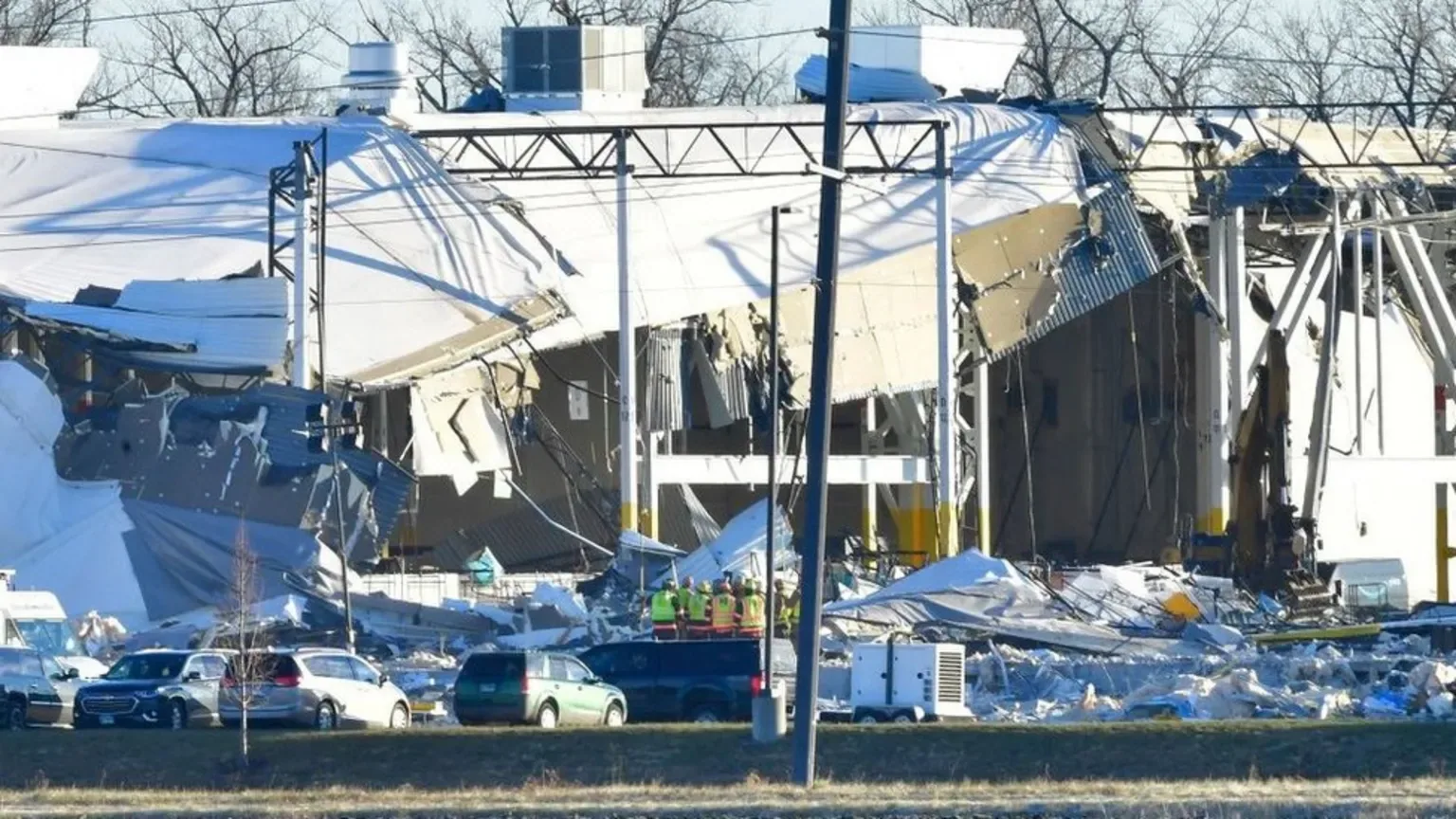
Commercial Tornado Damage Roof Repair
Assess commercial roofs after a tornado near Arvada. Secure exposed areas, map damage, and coordinate structural review before planning repairs.
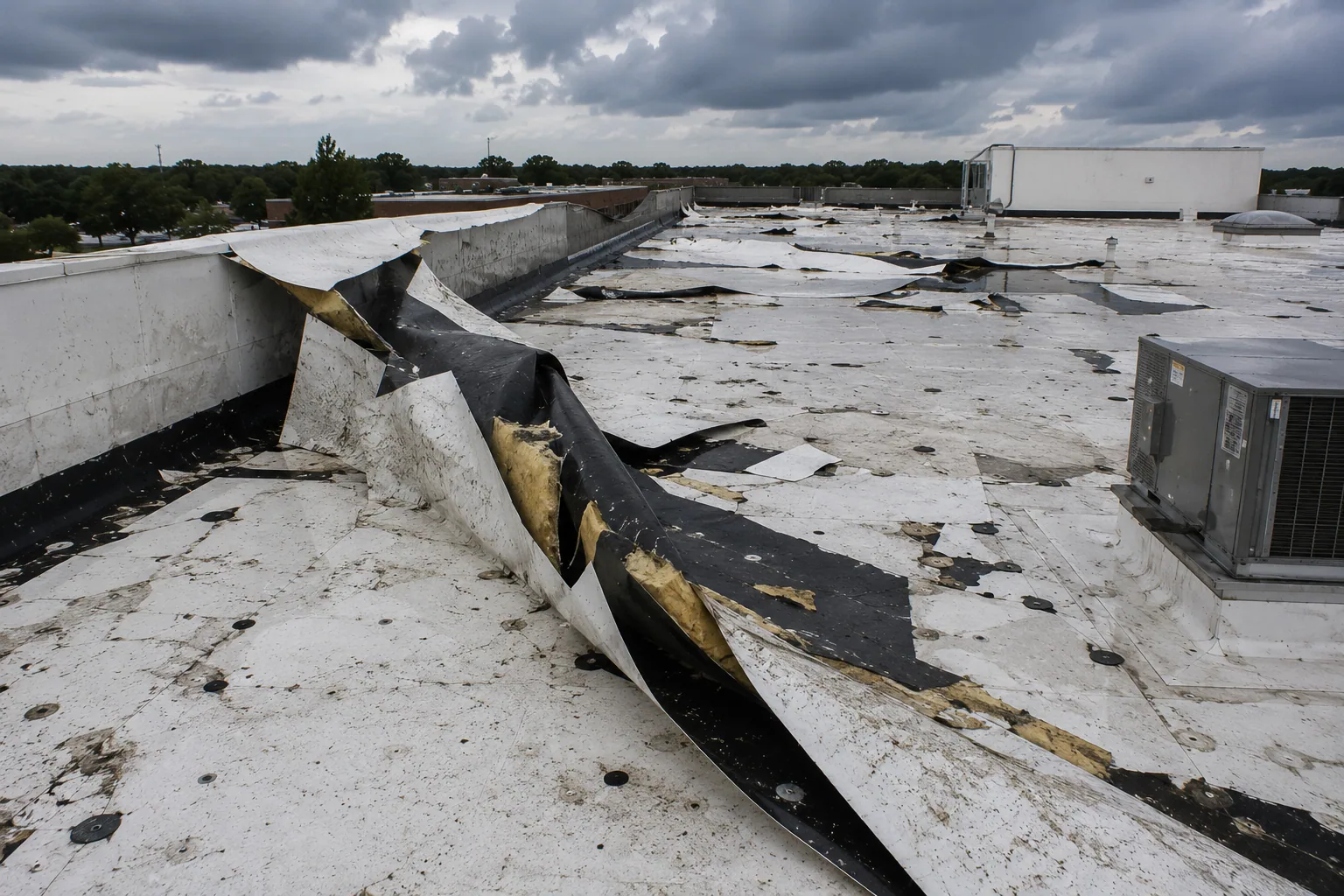
Commercial Roof Repair After Fire Damage
Inspect roofs after fire near Arvada. Map heat exposure, openings, smoke residue, and water entry before planning temporary cover or permanent repair.
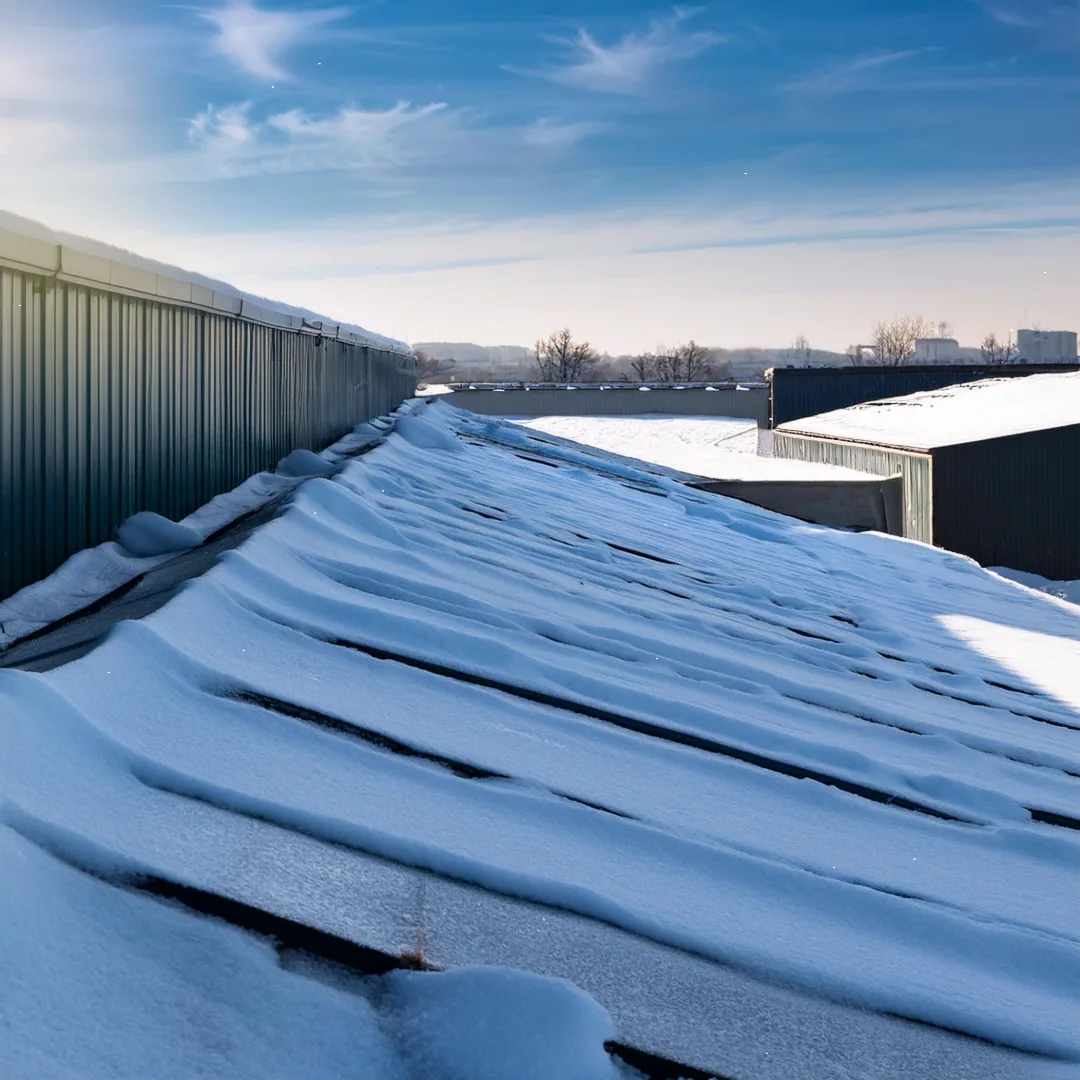
Commercial Snow and Ice Roof Damage Repair
Inspect commercial roofs near Arvada for snow, ice, and drainage damage. Document blocked outlets and leaks before repair or structural review.
Serving Arvada and the west Denver metro.
Our crews work on commercial roofs across Arvada, Wheat Ridge, Lakewood, Westminster and Broomfield. Find your area below.
Arvada
Service Areas
Questions about Commercial Hail Damage Roof Repair
Does a hail report mean the roof needs replacement?+
No. The inspection checks actual system damage, moisture, attachment, and repairability. A localized puncture or flashing failure may support a limited fix. Broader work depends on evidence across the roof sections.
Which roof areas should be photographed after hail?+
Map edges, corners, seams, equipment curbs, metal details, drains, and interior leak locations. Add a scale, date, and roof-zone reference. Identify any areas that were blocked or unsafe to reach.
Can hail dents cause a roof leak?+
Some impacts may affect seams, coatings, flashings, or membrane integrity; others may be cosmetic. We inspect the assembly and adjacent details. A leak path needs confirmation before permanent repair is specified.
Will the inspection determine insurance coverage?+
No. We document roof conditions and provide findings or a repair scope. The insurer and policyholder handle coverage under the policy. Keep temporary stabilization separate from permanent repair records.
Have a question? Call us at 555-555-5555 or send us a message.
Start with the storm date and roof-zone map
Share the building address, event date, roof plan, interior reports, photos, and access instructions. We will document visible impact and the repair boundary by section.