Commercial Roof Repair After Fire Damage in Arvada, CO
Inspect roofs after fire near Arvada. Map heat exposure, openings, smoke residue, and water entry before planning temporary cover or permanent repair.
Request a roof assessment. Tell us about the building.
Send the address and what you are seeing on the roof or inside the building. We will set a time to walk the roof and talk through the next step.
Start with site release and incident records
After a fire, locate the roof opening and the area beneath it before moving debris. Fire officials control site release and structural access. We document visible membrane, metal, flashing, and deck conditions from approved areas. If weather can enter, temporary protection follows the safety plan and owner direction.
Ralston Fields is an Arvada economic development district with retail redevelopment, including stores and restaurants. Commercial properties there can combine occupied space, stock, and rooftop equipment. The damage assessment must follow the specific building and fire boundary, not the district name.
Wait for safe roof access
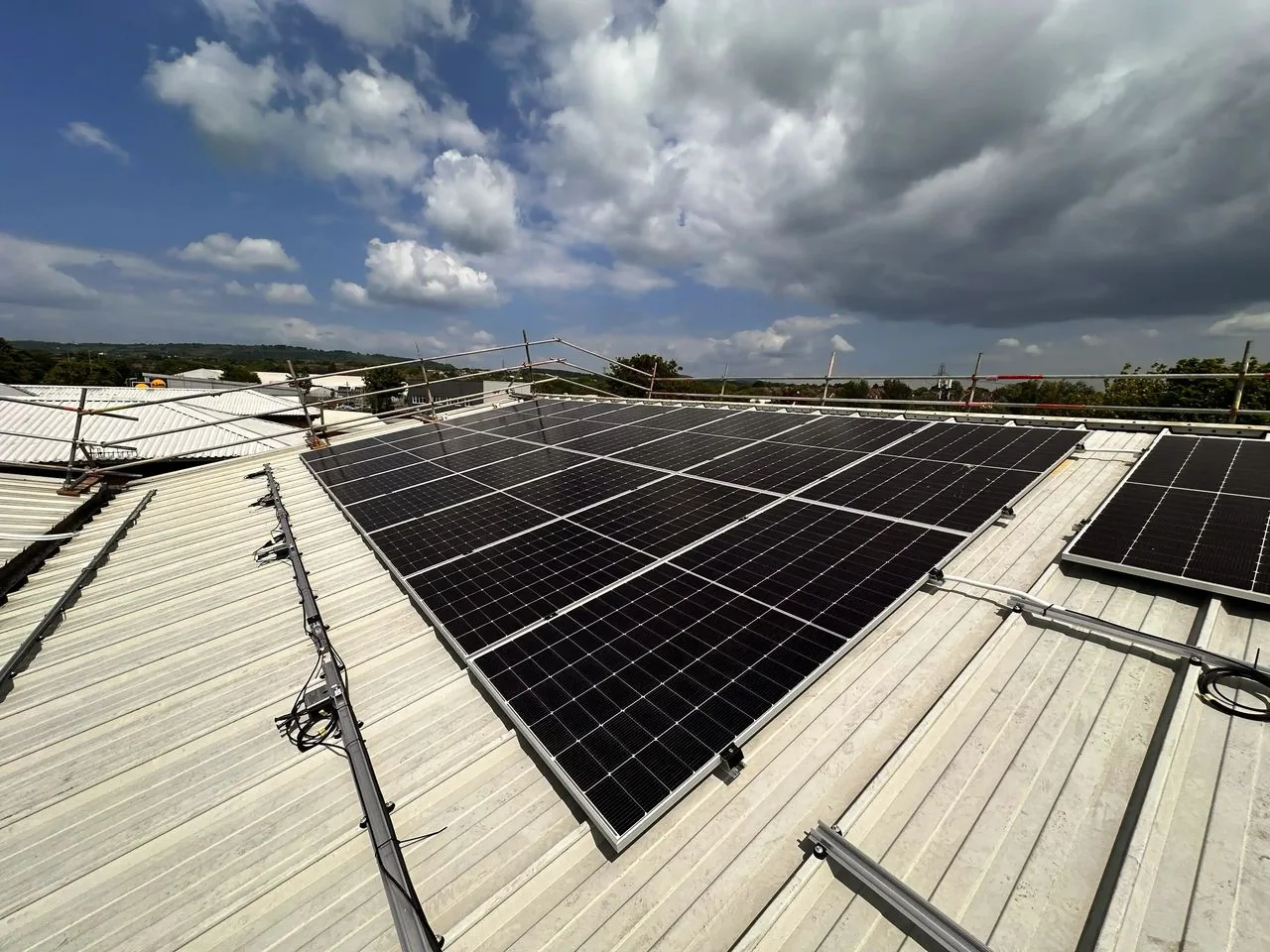
Fire, smoke, and suppression water can affect the roof, deck, insulation, equipment, and interior finishes. The fire authority and structural reviewer determine when the property is safe to enter. We follow site release instructions and mark areas that remain restricted. No roof opening is inspected by crossing an unstable deck.
Once access is cleared, record the building, roof section, fire perimeter, and visible entry points. Photograph heat exposure, melted membrane, displaced metal, soot, and water paths separately. A post-incident roof survey can document what is visible without substituting for a structural assessment.
Do not clear evidence before the owner and claim representatives document it. Move debris only under site direction. If immediate rain protection is required, identify which materials are removed or covered. Keep emergency measures distinct from permanent repair work.
Map heat effects beyond the burn area
Heat can distort metal, damage membrane, weaken flashing, or affect roof-mounted lines. Smoke residue can obscure surface condition. Mark direct burn areas, nearby heat exposure, and unaffected comparison zones. A membrane inspection may find openings where material cracked, blistered, or separated after exposure.
Check perimeter details, curbs, penetrations, and seams around the visible fire boundary. Suppression water can enter through openings that were not directly burned. A flashing assessment can identify failed transitions and temporary repair limits. Keep water damage and heat damage as separate observations in the report.
Roof-mounted equipment may need mechanical or electrical review before it is moved. The owner assigns shutdown and testing to the appropriate trade. Do not assume that equipment remains safe because the exterior looks intact. Record the equipment location and any visible roof interface damage for follow-up.
Do not wash or scrape residue before documenting the surface and confirming material compatibility. Cleaning can change visible evidence or damage a roof layer. The owner sets the restoration method and any claim documentation sequence. We photograph conditions first, identify which roof materials were exposed, and coordinate any test or removal with the project authority.
Separate suppression water from roof leakage
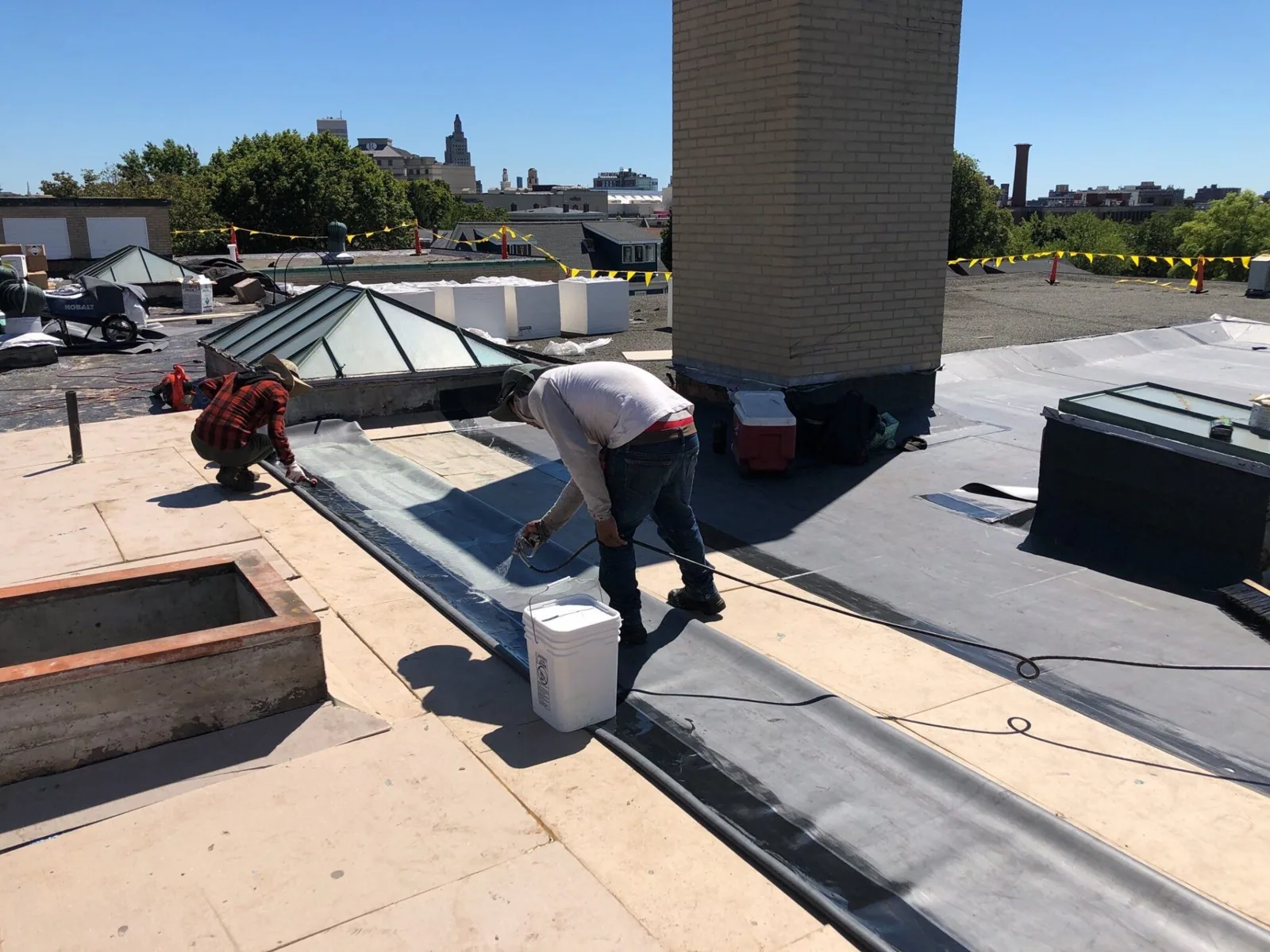
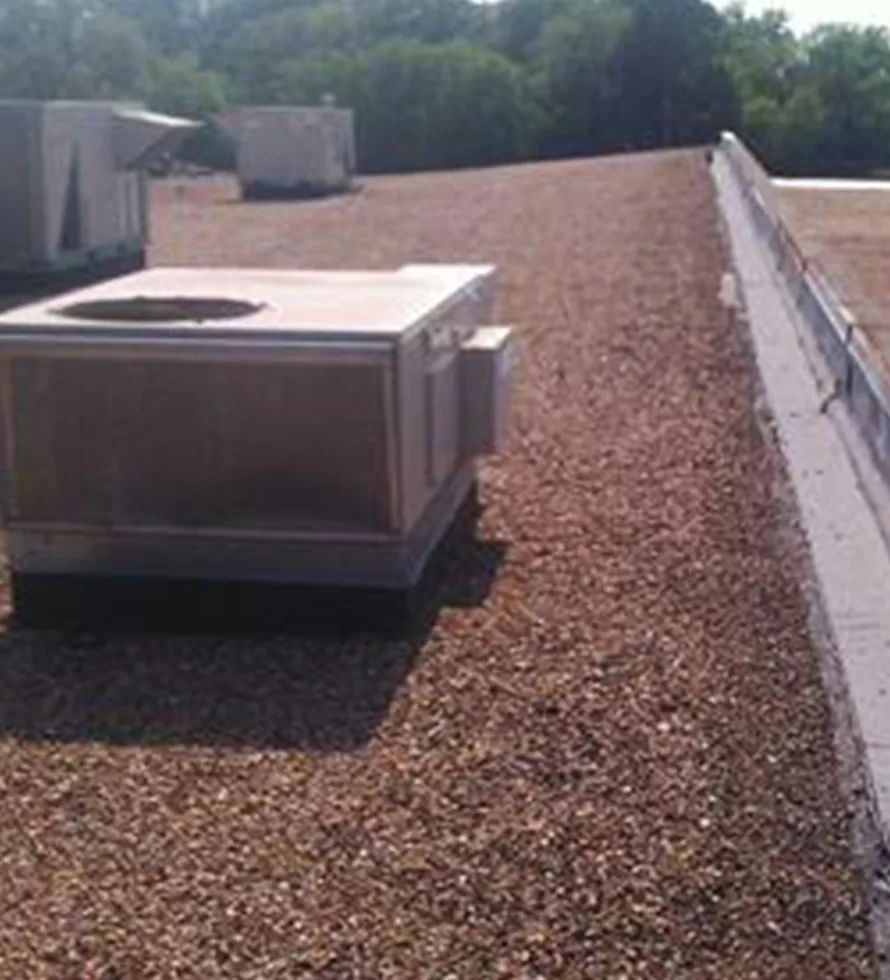
Fire suppression can leave water in ceilings, insulation, and low roof areas. Interior moisture may come from firefighting, rain, or a roof opening. Record the timing and location of each report. We compare it with roof slopes, drains, seams, and exposed areas, then mark what evidence can distinguish the paths.
Standing water can add load. The structural professional determines whether the deck can carry it and how to remove it safely. Roofing crews do not pump or drain a roof without approved instructions. A drainage review can document outlets and water paths after the area is released.
Inspect insulation and substrate only where the owner authorizes an opening. Test cuts should have a defined question and a restoration plan. If moisture extends past the visible damage, map the boundary before recommending removal. The report identifies observed wet material separately from areas that have not been tested.
Ready to talk about your roof?
Protect the opening before rebuilding
Temporary covering can prevent further weather entry when the structure is safe and access is approved. The protection plan identifies attachment, perimeter, drainage, and inspection frequency. A 24-hour emergency response can stabilize an exposed roof when conditions permit. Fire department restrictions and structural clearance always control access.
Permanent work begins after the damage boundary and design direction are known. A localized repair may fit when surrounding layers remain sound. Widespread heat exposure, damaged deck, or compromised attachment may require replacement. Cost depends on removal, disposal, substrate, equipment, access, and temporary weather protection.
Keep fire, smoke, water, and preexisting wear in separate notes. The owner and claim representatives can review each category. If removal reveals more damage, secure the edge and submit photos, dimensions, and material findings. Work expands only after the required direction is issued.
When the building remains occupied, identify rooms below each repair and plan safe access around restoration activity. If interior trades are drying walls or replacing ceilings, coordinate roof openings and weather protection by area. The closeout record should state when the roof section was sealed and whether the room below still needs follow-up.
Leave a clear incident record
The Denver Federal Center is a Lakewood campus with office, storage, laboratory, and other building uses. A roof call near the Federal Center still requires the exact building, site release, and access contact. Campus location does not describe the roof or incident boundary.
Closeout should record the fire date, released area, photos, materials removed, temporary cover, and permanent repairs. Include remaining structural or mechanical questions without assigning them to roofing. Ralston Fields properties may also have tenant operations to coordinate during restoration; keep access and reopening decisions with the building owner.
Send the address, incident timeline, fire authority release, roof plan, structural direction, and photos. We will map the roof conditions and identify protection or repair steps within the approved work area.
For follow-up, keep the inspection date, site release, work authorization, and closeout photos together. Mark any roof zone that remains inaccessible. When another trade returns to the area, the owner can compare new conditions with the earlier record and avoid reopening a completed work boundary without a documented reason.
More roof damage repair
Other work our crews handle on Arvada roofs. See all roof damage repair.
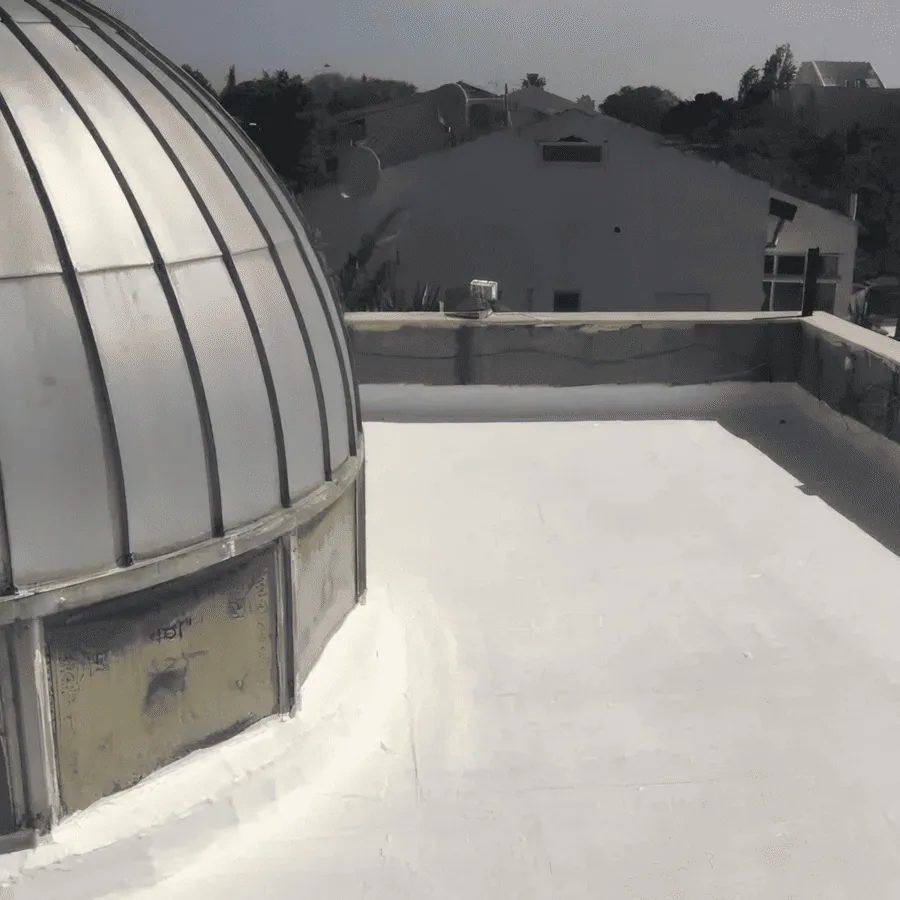
Commercial Roof Membrane Puncture Repair
Locate and repair commercial membrane punctures near Arvada. Trace water, inspect adjacent material, and document traffic or maintenance damage by roof zone.
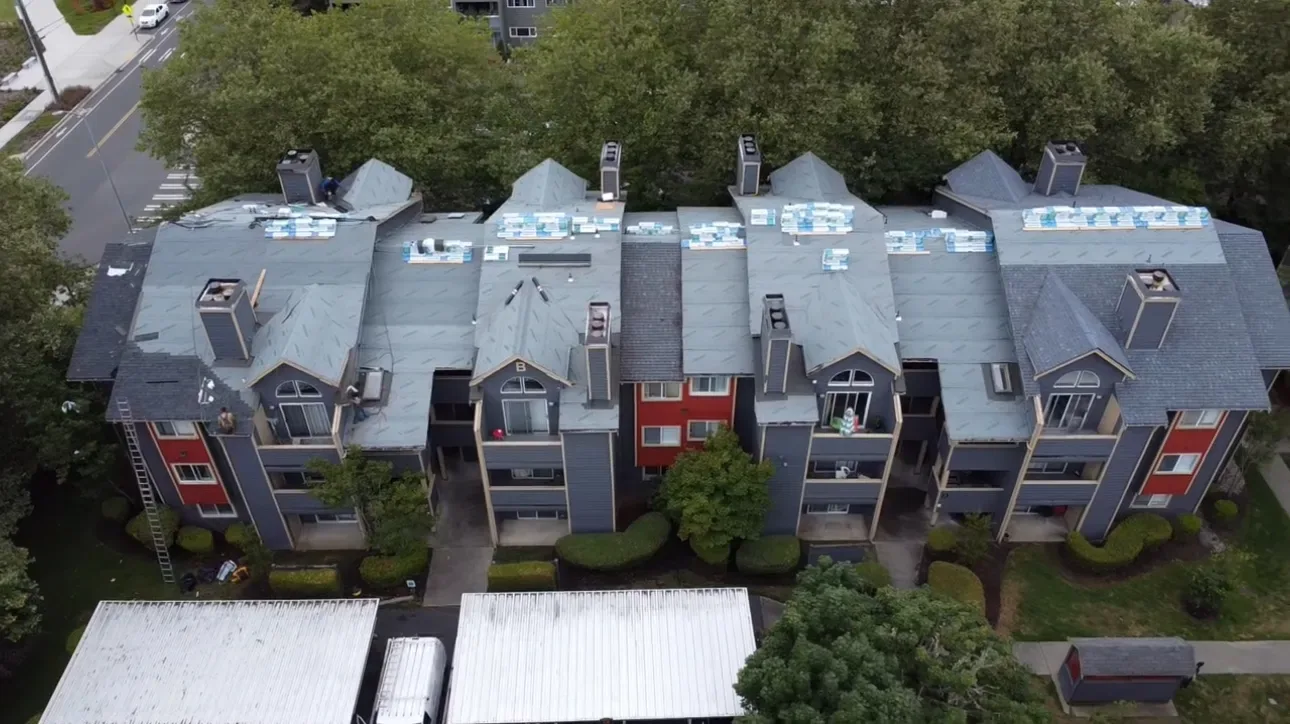
Commercial Roof Flashing Failure Repair
Find and repair failed commercial roof flashing near Arvada. Inspect walls, curbs, drains, and edge transitions before defining a leak repair boundary.
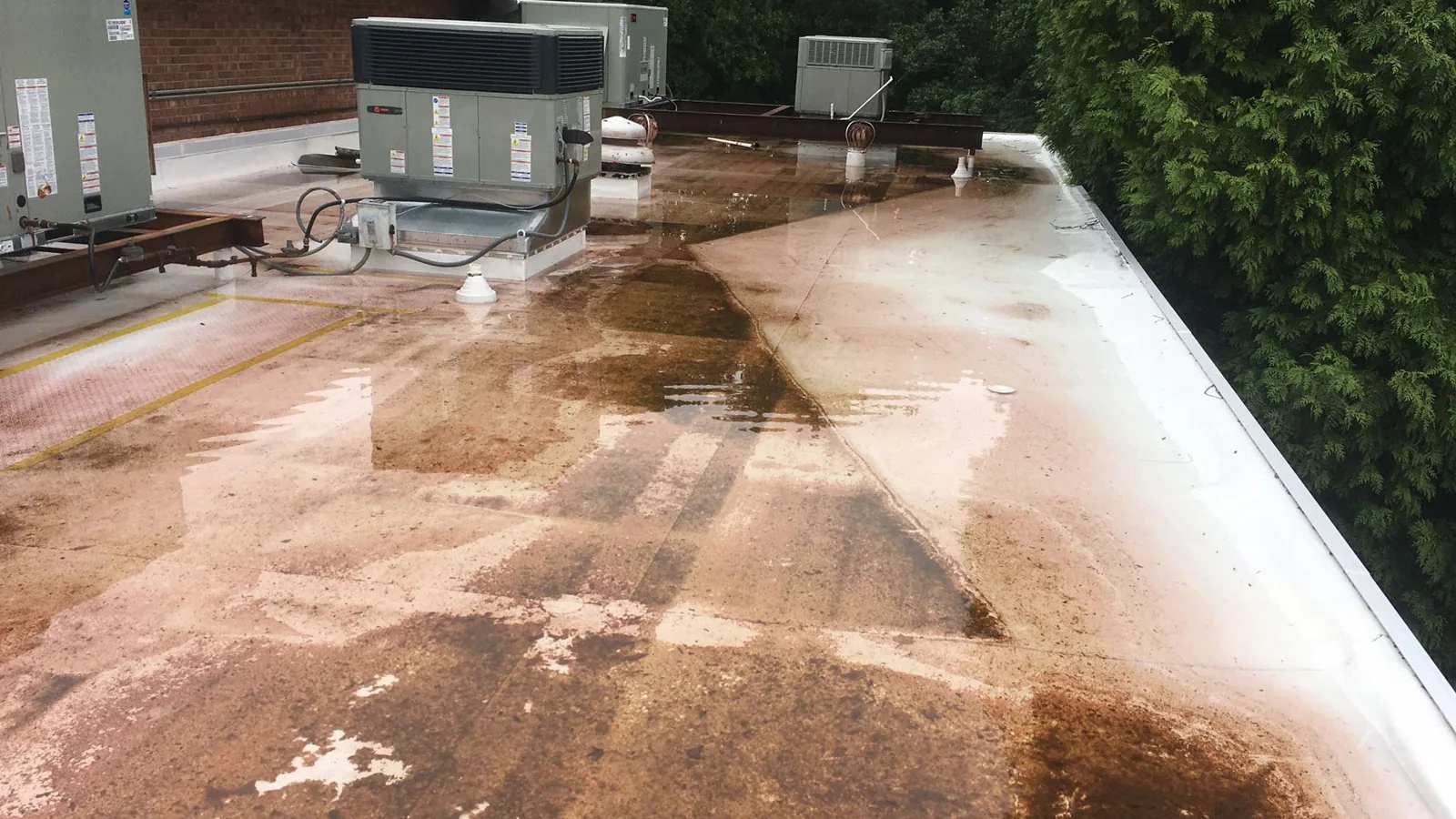
Commercial Ponding Water Roof Repair
Find why commercial roof water remains after rain in Arvada. Inspect drains, slope, membrane, and structural indicators before selecting a correction.
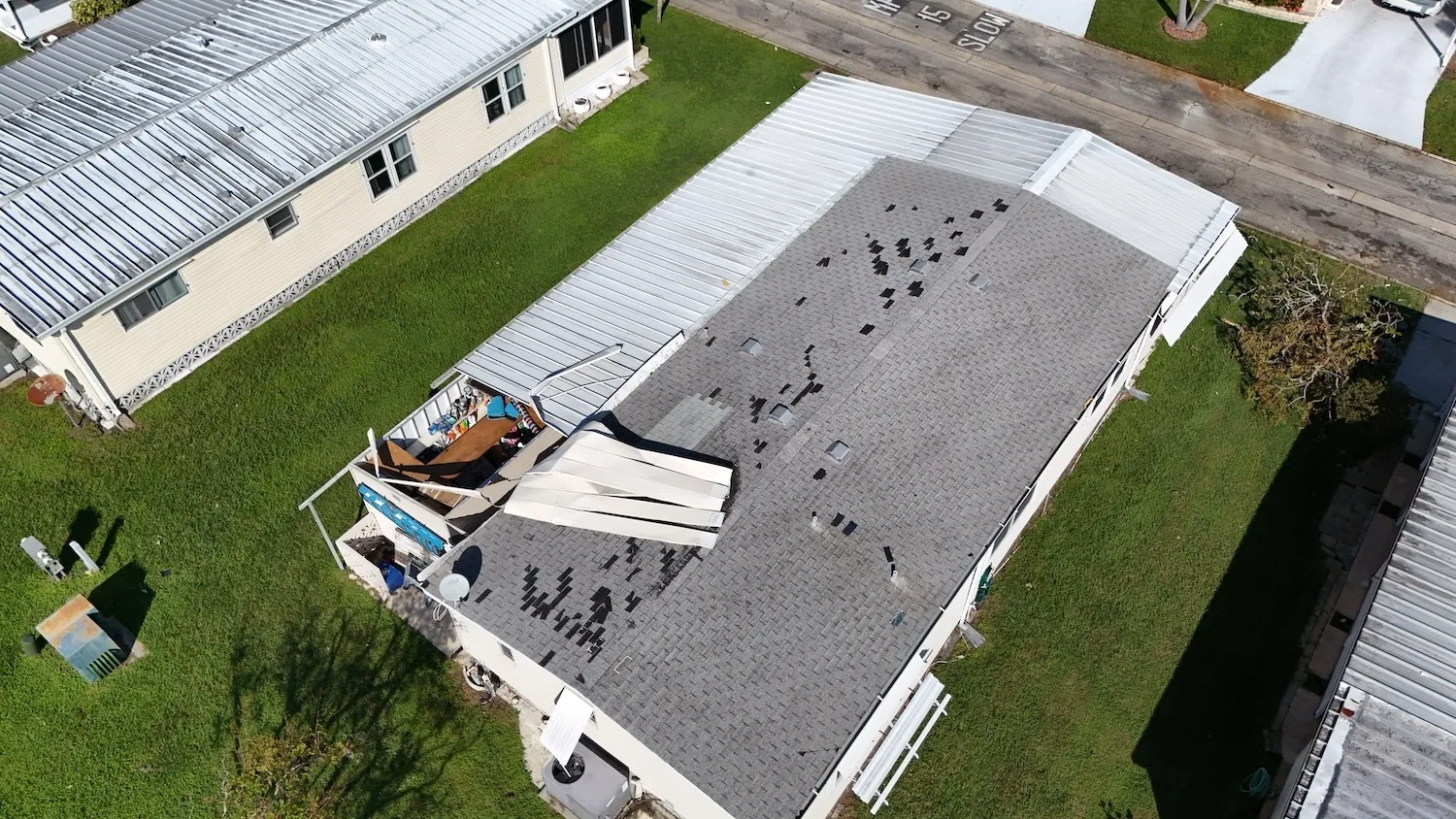
Commercial Wind Damage Roof Repair
Inspect commercial roofs near Arvada after high winds. Map lifted edges, loose panels, open seams, and active leaks before setting protection or repairs.
Commercial Hail Damage Roof Repair
Document commercial hail damage near Arvada with dated photos, mapped impact areas, and separate repair options. Inspect edges, seams, and interior reports.
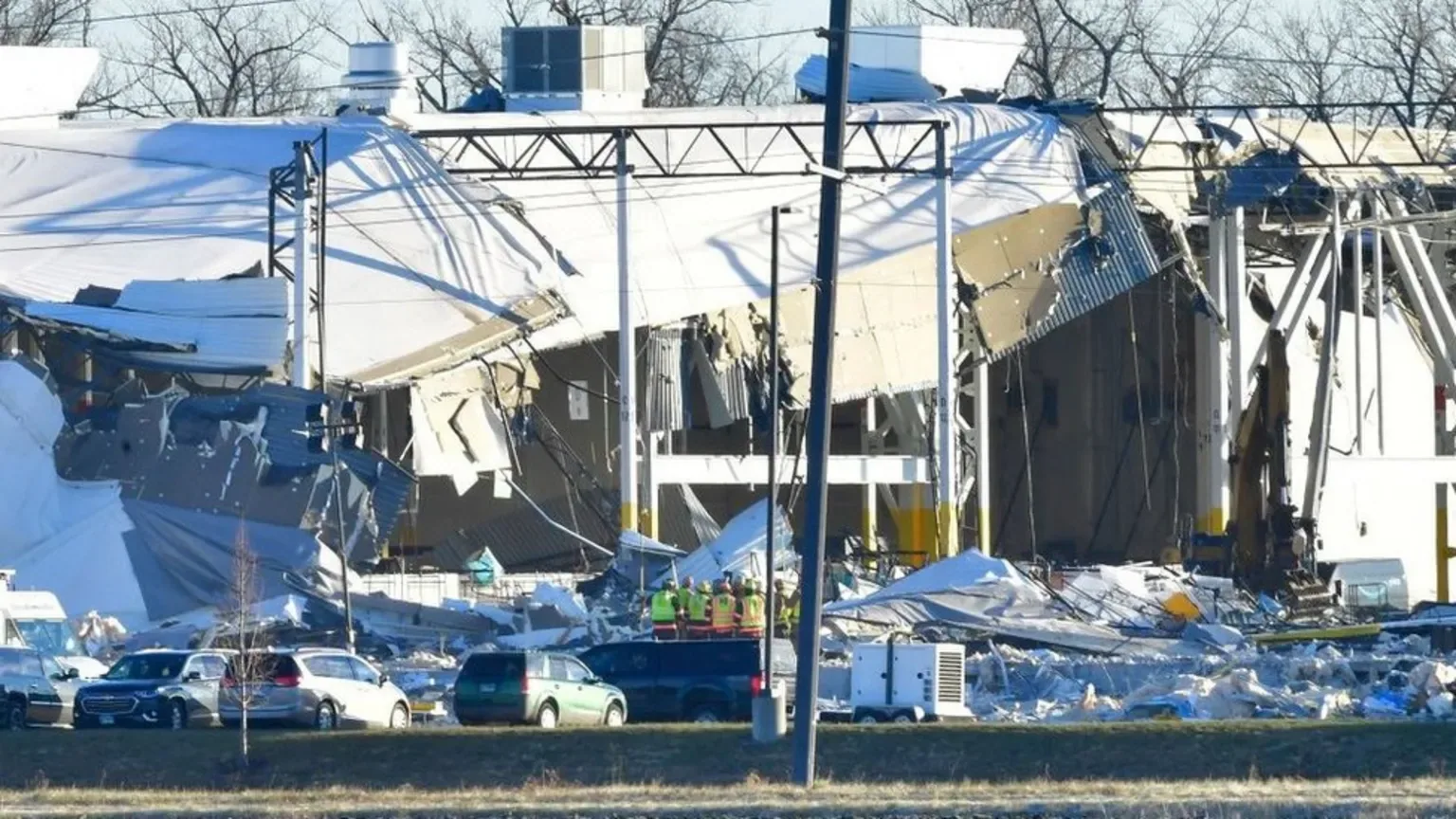
Commercial Tornado Damage Roof Repair
Assess commercial roofs after a tornado near Arvada. Secure exposed areas, map damage, and coordinate structural review before planning repairs.
Serving Arvada and the west Denver metro.
Our crews work on commercial roofs across Arvada, Wheat Ridge, Lakewood, Westminster and Broomfield. Find your area below.
Arvada
Service Areas
Questions about Commercial Roof Repair After Fire Damage
Can a roofer inspect a building before fire officials release it?+
No. The fire authority and structural reviewer control site access. We begin only after the property is released for the requested work and the roof route is safe. Restricted areas remain outside the inspection boundary.
How do you tell fire damage from suppression water?+
We document burn and heat exposure separately from standing water and interior moisture. The incident timeline, roof openings, drains, and room reports help identify possible paths. Some areas may need testing or structural review.
Can a temporary roof cover go on immediately?+
Only when access is safe and the owner or authority approves the method. The plan should address attachment, wind, drainage, and the structure below. If the roof is not released, protection waits until the responsible authority clears the work.
What should be included in the fire roof report?+
Record the building, incident date, released areas, visible heat or smoke effects, openings, water marks, and photos. Separate temporary measures from permanent scope. List uninspected areas and structural or equipment questions clearly.
Have a question? Call us at 555-555-5555 or send us a message.
Start with site release and incident records
Share the address, incident timeline, fire authority release, roof plan, structural direction, and available photos. We will document roof conditions within the approved boundary.