Commercial Roofing at Olde Town Station, Arvada, CO
Plan commercial roof inspections and repairs near Olde Town Station with mapped leak evidence, access coordination, and clear project boundaries.
Request a roof assessment. Tell us about the building.
Send the address and what you are seeing on the roof or inside the building. We will set a time to walk the roof and talk through the next step.
Coordinate an Olde Town Station roof visit
A roof leak beside a transit-facing entrance needs a safe work boundary before materials move. Olde Town Station is one of Arvada's urban renewal districts. The G Line hub has shared parking for transit passengers and Olde Town visitors, and rail service connects with Denver Union Station, Adams County, and Wheat Ridge. We plan roof access with the property contact and do not assume public parking or station areas are available for construction staging.
Our inspection records the roof assembly, reported leak, drains, seams, flashing, and edge metal. Each photo is tied to a specific roof location. We identify tenant or visitor paths below active work and separate temporary protection from lasting repairs. Send the property address, access rules, storm date, and any leak photos so the first roof walk starts at the affected section.
Station access and roof staging
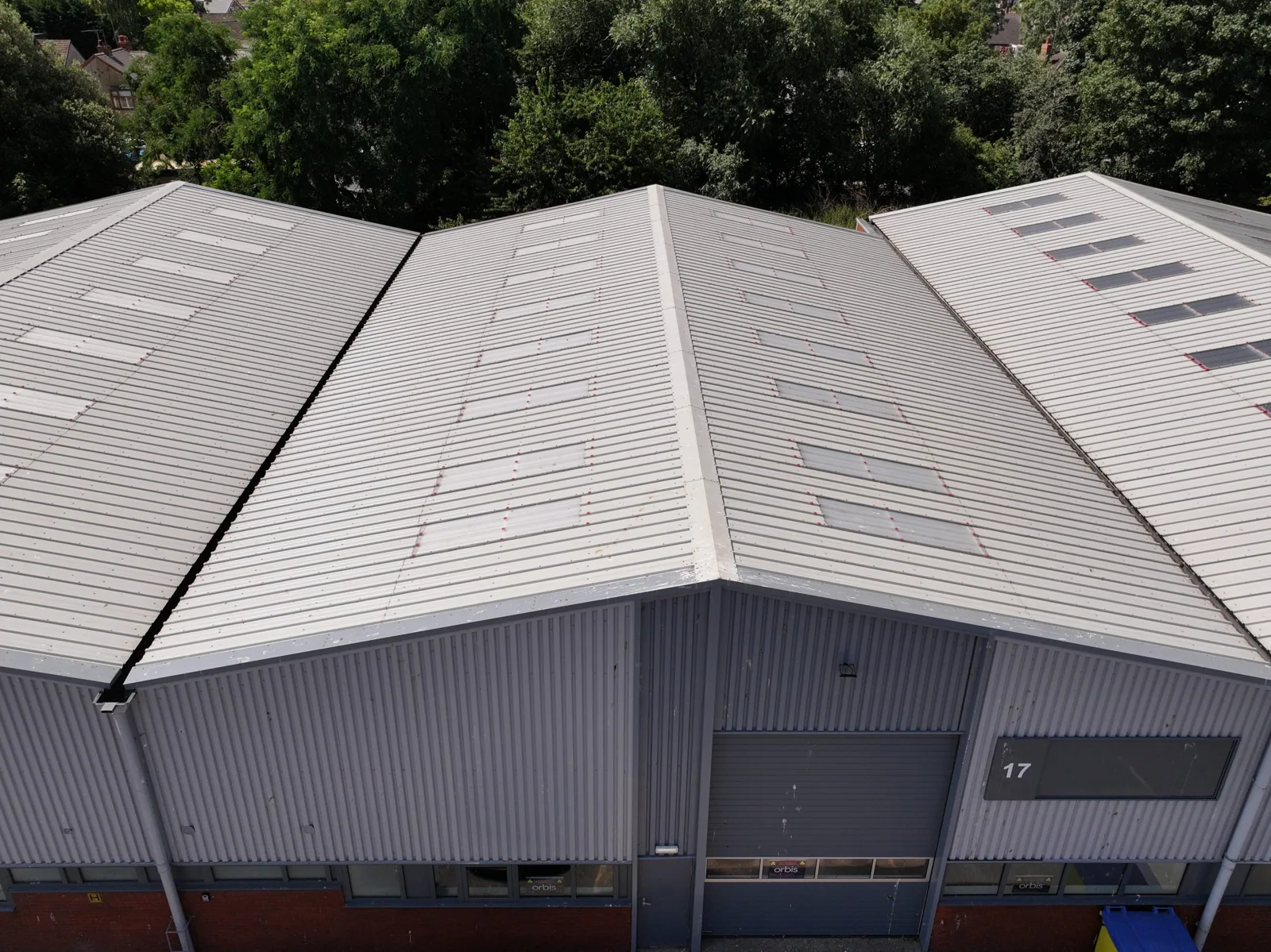
Shared station parking serves transit riders and Olde Town visitors. That use is a coordination constraint, not a material-loading reservation. We confirm approved lift locations, entry routes, delivery windows, and any site rules with the property contact. A phased roofing schedule identifies daily work zones and the areas that remain protected below.
The G Line connects Olde Town with Denver Union Station, Adams County, and Wheat Ridge. Those transit links explain how people move through the area; the actual roof still dictates access method and work sequence. We note equipment routes, service doors, roof ladders, and any restrictions from adjacent operations. If the project alters a visible edge or screening detail, we flag it early for a separate exterior review.
Properties across the district may have different assemblies or histories. The roof record identifies membrane, seams, attachments, and prior patches only where the evidence supports it. A commercial roof inspection maps the current condition and states where a drawing, test, or opening is needed before price and timing can be fixed.
Water path and station-area buildings
Water can travel from a curb or wall detail to an interior ceiling several feet away. We begin with the reported room and compare its location with roof seams, drains, penetrations, and edge transitions. Photographs note leak timing, visible moisture, and previous repairs. If separate tenants report water, we map each room instead of grouping them before the roof is checked.
Olde Town Arvada contains retail, office, residential, mixed-use buildings, and historic resources. Some exterior alterations in the district require a Certificate of Compliance. Before a roof project changes visible coping, equipment screening, or other covered exterior elements, the owner can confirm the review path. We keep that question apart from concealed membrane repair so approvals and urgent protection do not get confused.
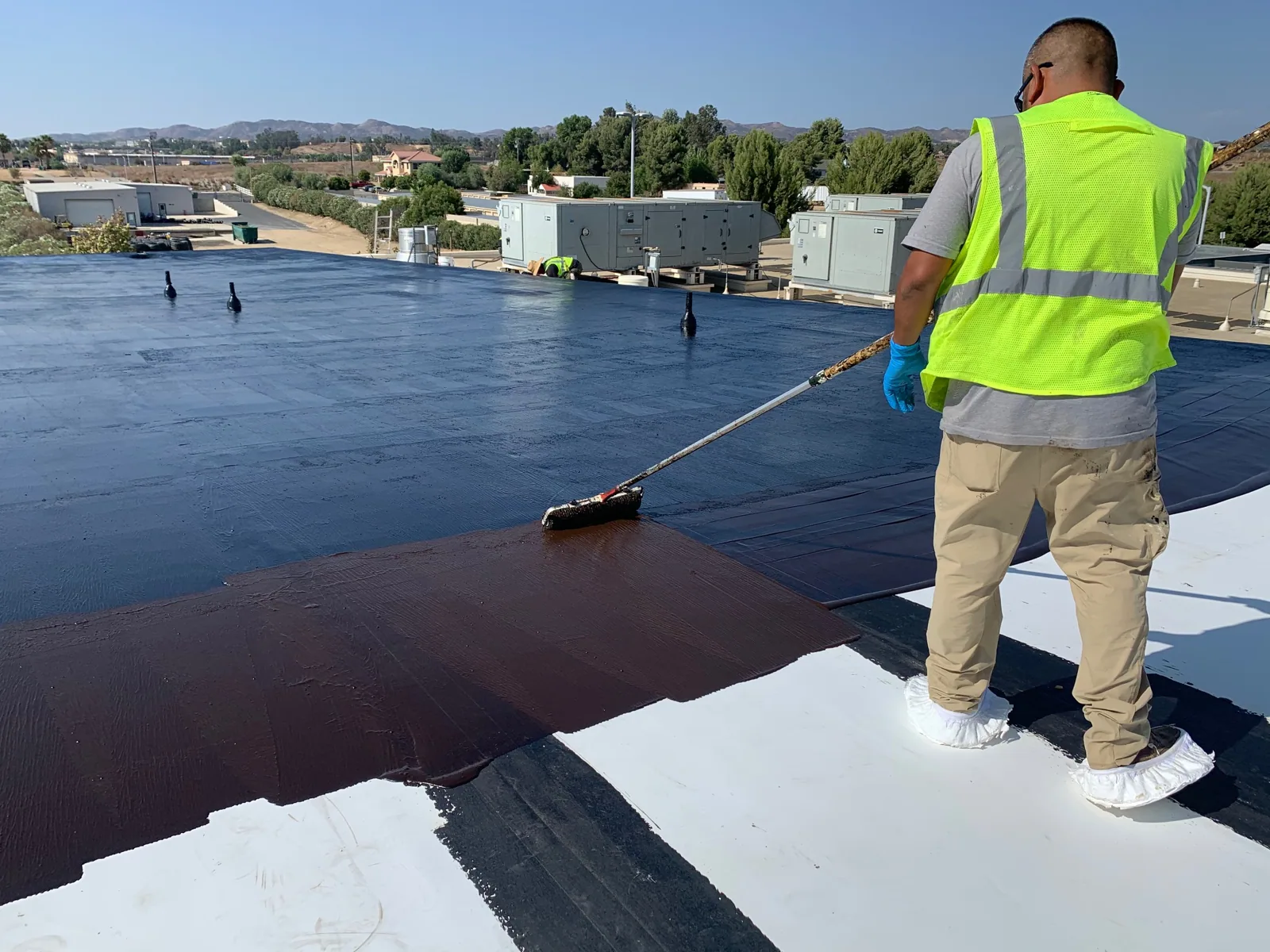
For an active leak, temporary protection comes first. We mark where the dry-in sits, what interior area it protects, and what permanent repair remains. If moisture extends below the sheet, a moisture survey may target testing. An opening can confirm wet insulation or deck conditions. The repair boundary follows those findings rather than the first visible stain.
Hail, wind, and drainage
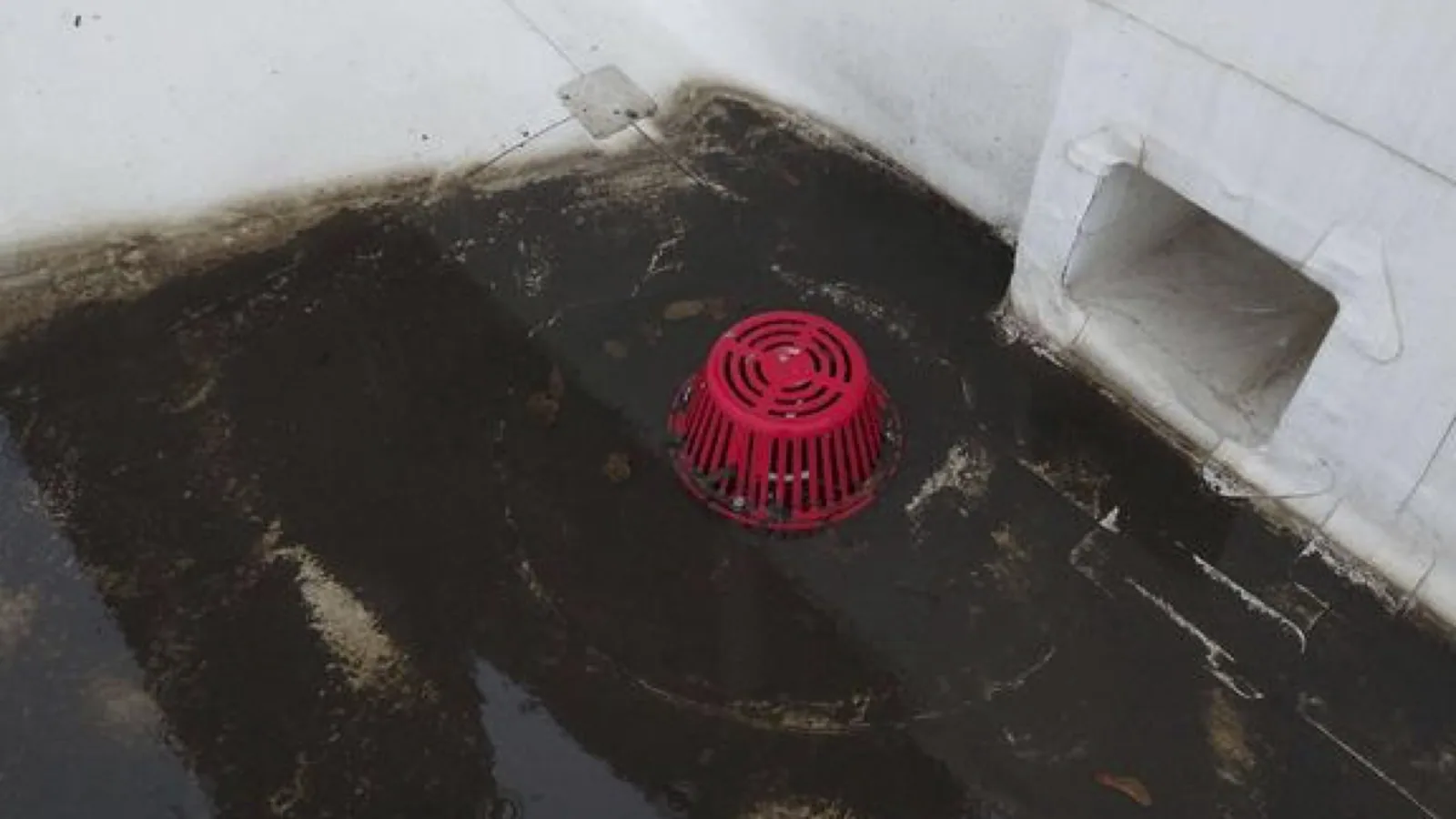
A blocked drain can be a maintenance issue. Persistent ponding may involve slope or insulation. A drainage inspection records the bowl and nearby membrane together. If hail damage is suspected, a hail condition review organizes roof photos, storm timing, and affected sections without forecasting an insurance outcome.
Ready to talk about your roof?
Repair and replacement path
A limited seam split or loose transition can support a spot repair if nearby sheets remain intact and dry. Several leaking details, widespread wet insulation, or deteriorated edge attachment may require a larger scope. We compare findings by roof section and note whether hidden conditions need an opening. The owner receives a defined boundary for each option.
A recover needs a verified deck, known layer stack, and acceptable moisture condition. Replacement can coordinate membrane, insulation, flashings, and edge details as a new assembly. We include staging, occupied-space protection, dry-in sequence, and weather window because a station-adjacent property may have access limits. A replacement assessment compares those requirements with focused repair.
Olde Town Hub sits on the G Line. The district's transit access does not establish construction access to a nearby roof. We coordinate each property's approved site routes and keep public facilities outside the staging plan unless separately authorized. For work farther along the corridor, a roof near Arvada Ridge Station requires its own address and inspection rather than a transferred assumption.
Closeout record
At handoff, we provide dated photos, repairs completed, limits of work, and any observation still awaiting a test. This allows the manager to distinguish a temporary dry-in from a finished repair. Where work affected tenant paths or station-adjacent access, the closeout includes the area returned to normal use and any scheduled follow-up.
A roof condition report can carry the damage map into capital planning. For neighboring district context, Olde Town Arvada has its own mixed-use and historic-district considerations. We do not assume a matching roof assembly between it and Olde Town Station. Every property keeps its own records and repair boundaries.
Share the street address, roof plans, leak timing, station or property access constraints, and available storm photos. The first visit will document what the roof shows and which next decision fits the evidence.
More service areas
Other work our crews handle on Arvada roofs. See all service areas.
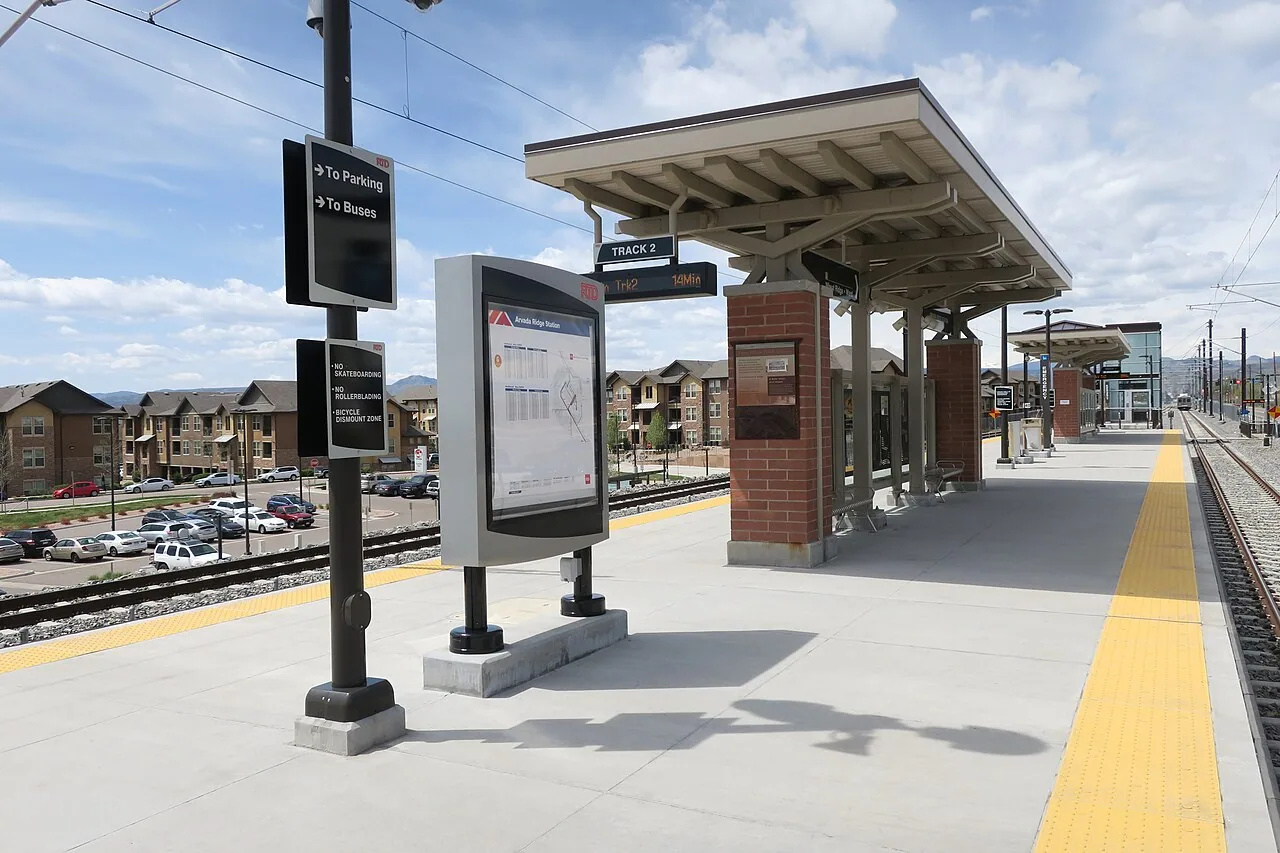
Arvada Ridge Station
Inspect commercial roofs near Arvada Ridge Station with mapped leak findings, coordinated site access, and repair scopes tied to actual roof conditions.
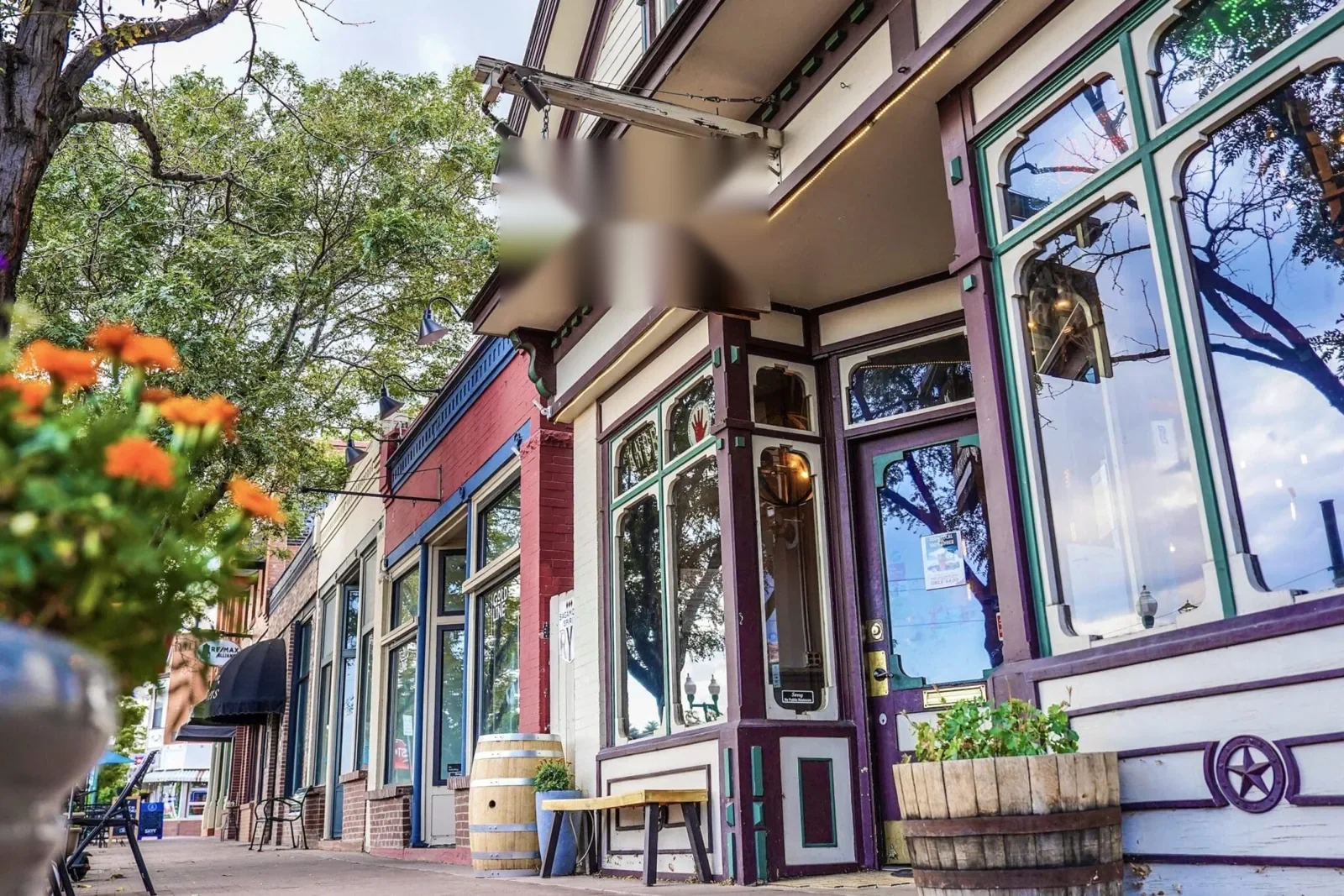
Olde Town Arvada
Repair and inspect commercial roofs in Olde Town Arvada with careful access planning, documented details, and scopes suited to mixed-use properties.
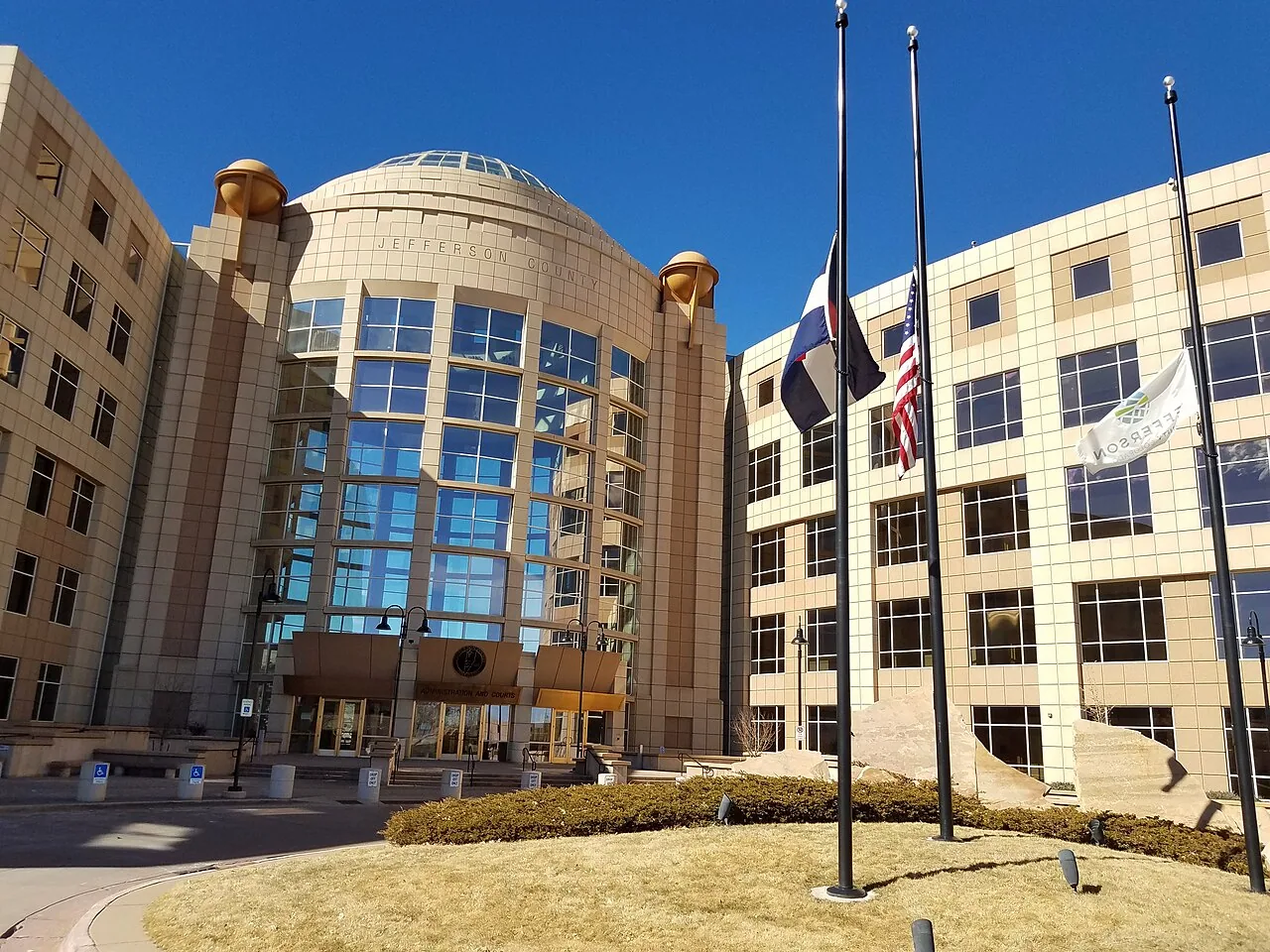
Jefferson Center
Inspect and plan commercial roofing in Jefferson Center with assembly checks, mapped leak conditions, and project sequencing for each property.
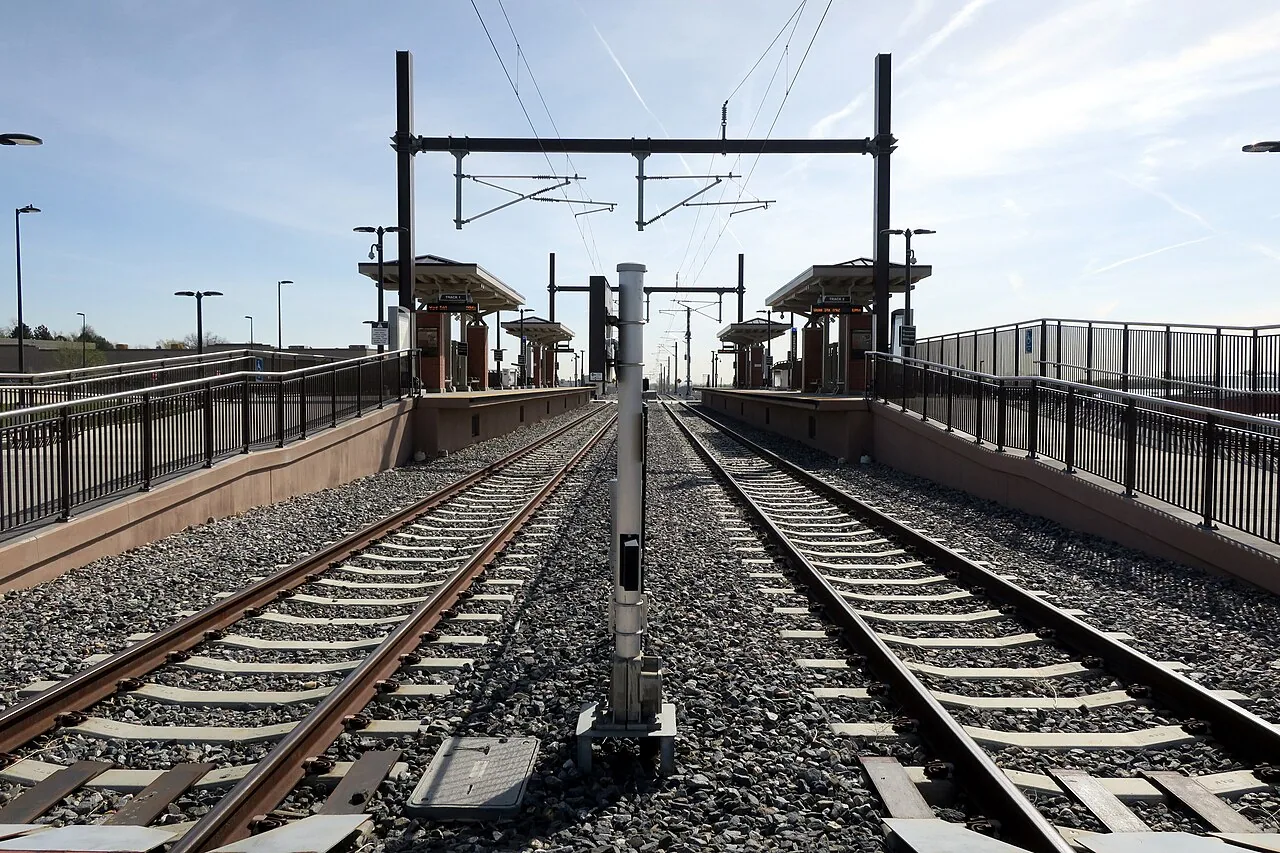
Gold Strike Station
Inspect commercial roofs near Gold Strike Station with careful access coordination, roof mapping, and repair recommendations based on field conditions.
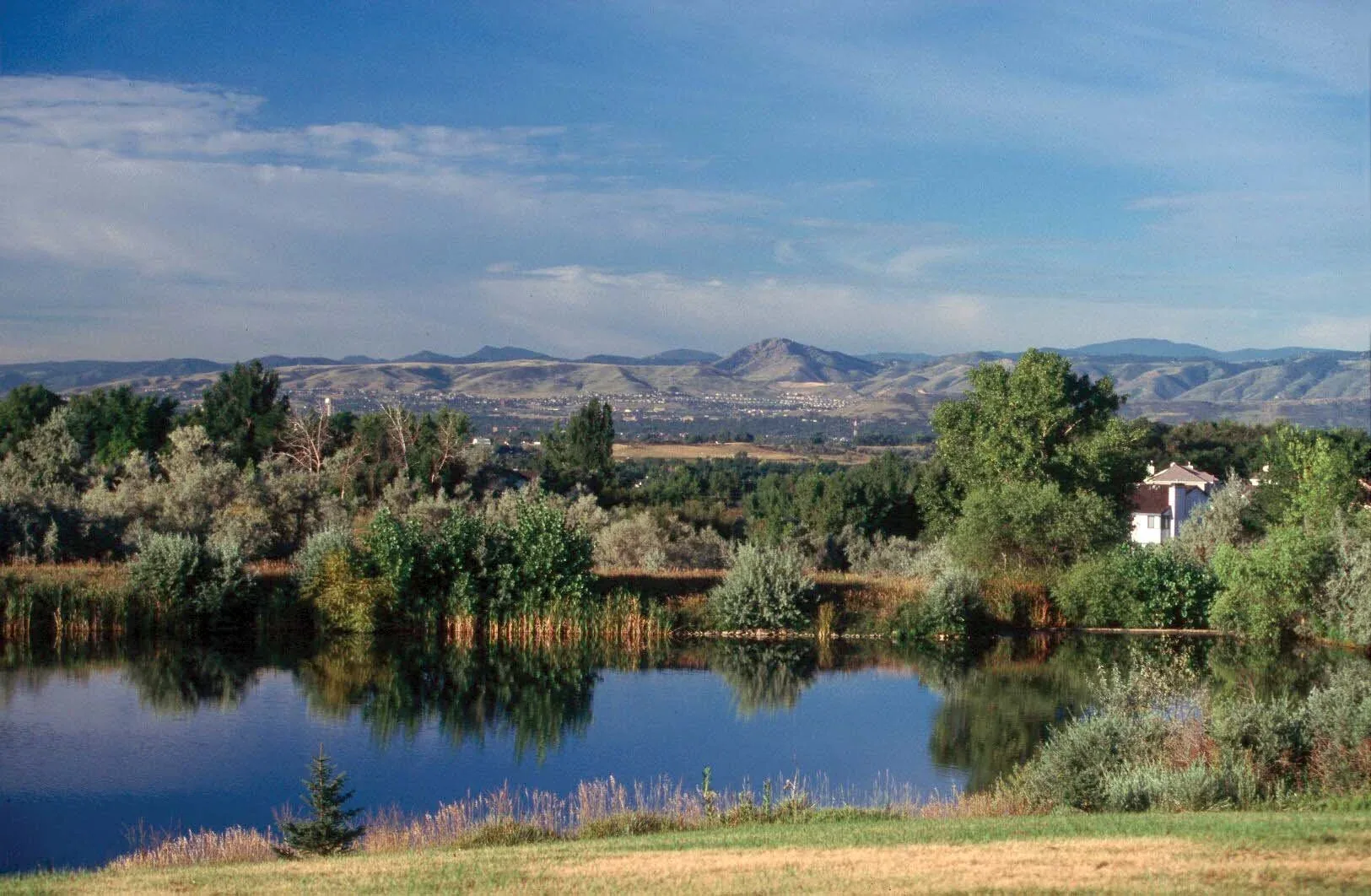
Village Commons
Inspect, repair, and plan roofs in Village Commons with a clear damage map, drainage review, and coordinated work scope for active properties.
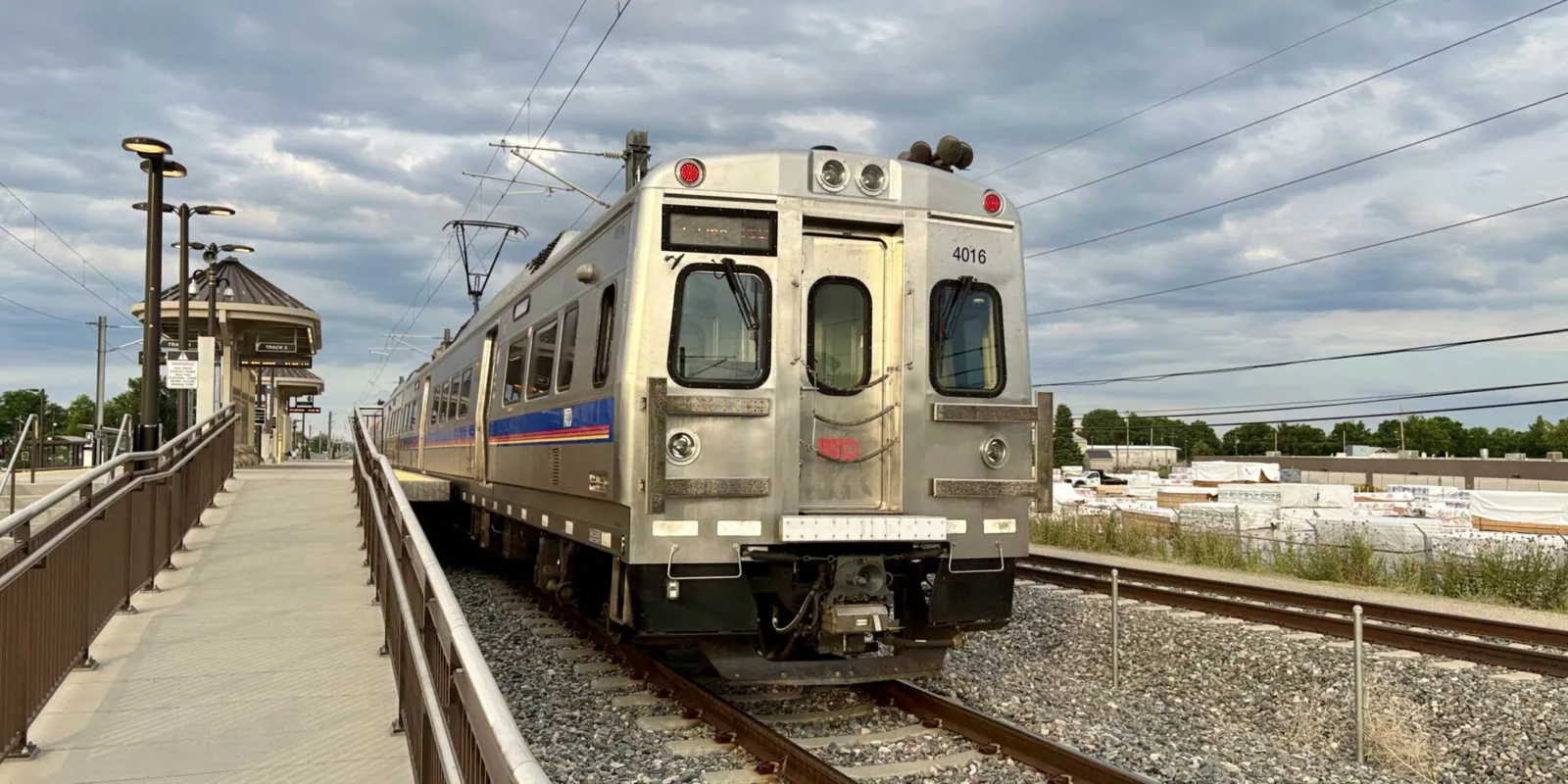
Ward Road Station
Coordinate commercial roof inspections and repairs near Ward Road Station with evidence-based scopes, access planning, and drainage review.
Serving Arvada and the west Denver metro.
Our crews work on commercial roofs across Arvada, Wheat Ridge, Lakewood, Westminster and Broomfield. Find your area below.
Arvada
Service Areas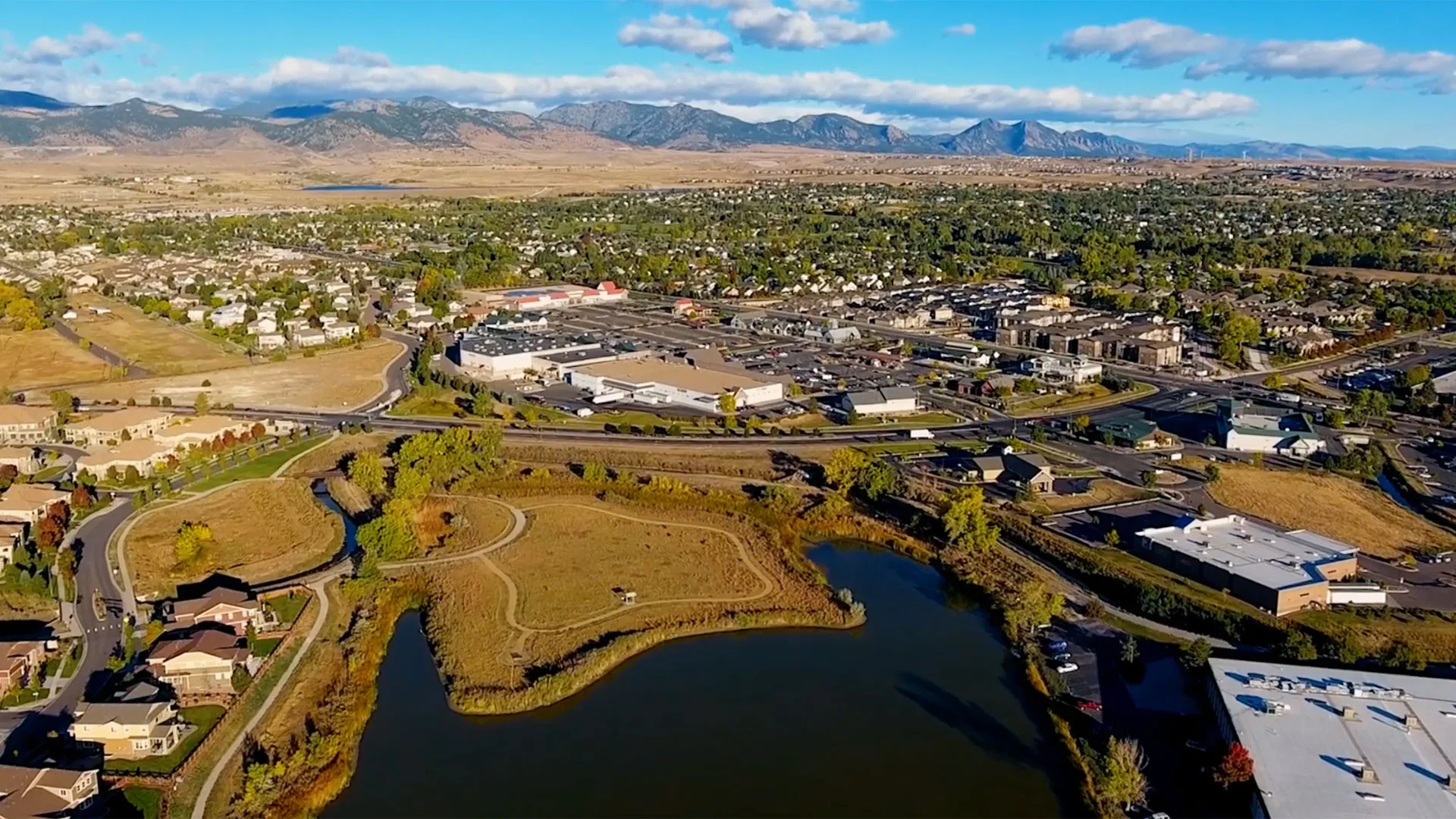
Questions about Olde Town Station
Can roofing materials be staged in station parking?+
We confirm a private, approved loading location with the property contact. Shared station parking serves visitors and transit riders, so it should not be assumed available for construction.
Does the G Line station identify the nearby roof's system?+
No. Transit information locates the district. We verify membrane, attachment, flashing, drainage, and repair history at the actual address.
What happens first when a station-area tenant reports water?+
We map the interior location, protect active leakage, and inspect the roof above and around it. Photos connect each finding with a roof zone and repair boundary.
Can a roof repair change a historic-district review?+
Covered exterior alterations may require a Certificate of Compliance. We identify visible changes such as coping or screening separately from concealed membrane repairs.
How is replacement planned around transit and building activity?+
We coordinate site access, lift routes, delivery times, public and tenant paths, daily dry-in, and closeout. The work plan uses approved property access, not transit areas by default.
Have a question? Call us at 555-555-5555 or send us a message.
Coordinate an Olde Town Station roof visit
Send the property address, storm date, roof access rules, leak reports, and available plans. We will map affected areas and document the work boundary.