
Commercial Tornado Damage Roof Repair in Arvada, CO
Assess commercial roofs after a tornado near Arvada. Secure exposed areas, map damage, and coordinate structural review before planning repairs.
Request a roof assessment. Tell us about the building.
Send the address and what you are seeing on the roof or inside the building. We will set a time to walk the roof and talk through the next step.
Start with site release and structural direction
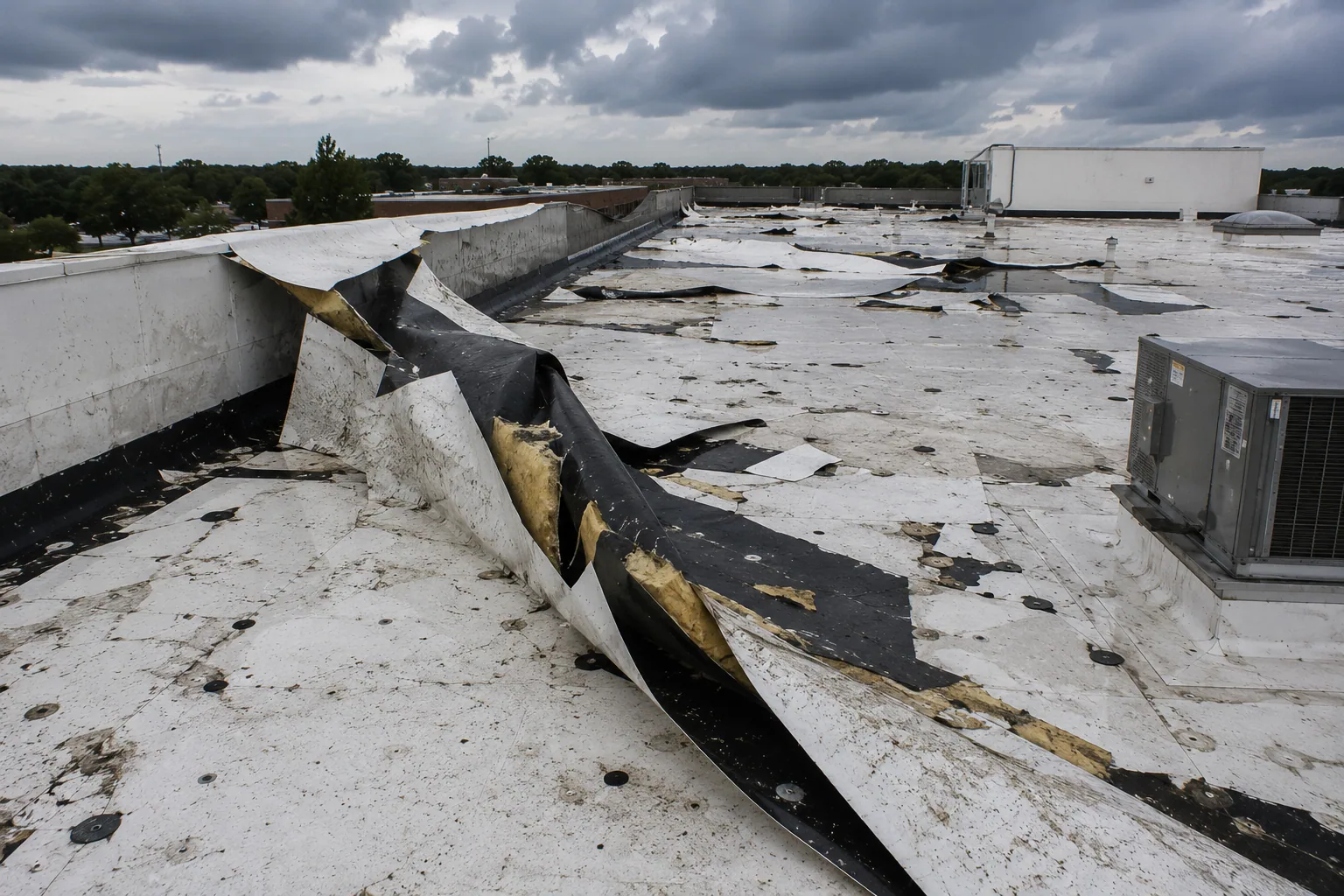
After a tornado report, keep people clear of loose roofing and damaged walls. Confirm site release before reaching the roof. We map displaced panels, missing edge metal, openings, and interior water from approved areas. Temporary protection follows the safety plan. Permanent repair waits for the building boundary and structure to be cleared.
The NWS Denver/Boulder archive tracks tornado outbreaks and severe weather across eastern Colorado, including events near metro Denver. A regional event list is not evidence about a specific Arvada property. The address, damage report, and current site inspection determine the roof response.
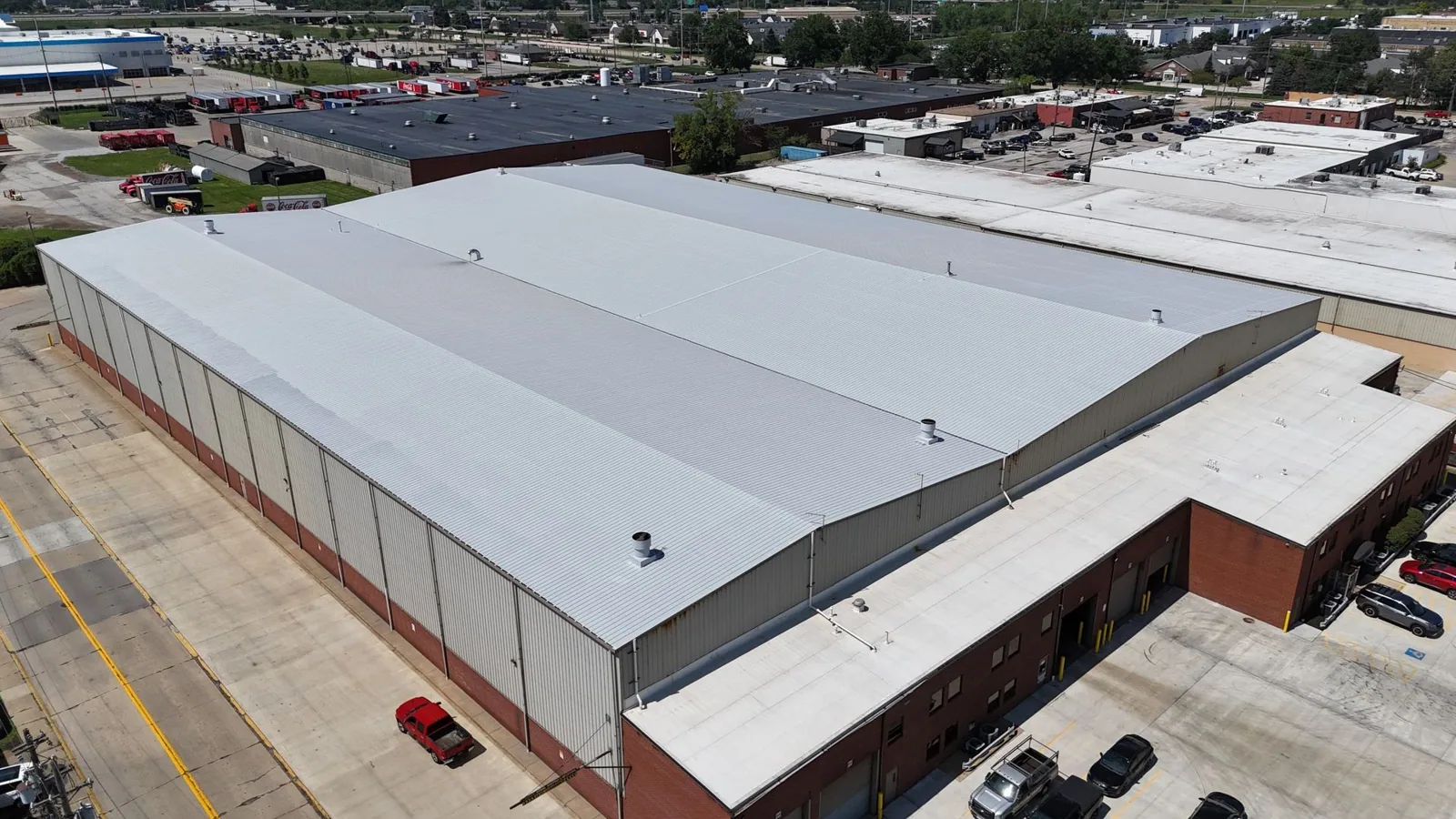
Confirm the property is safe to enter
Tornado-force wind can affect roof deck, parapets, walls, rooftop equipment, and structural connections. The building owner and qualified structural professional determine access. Fire or emergency officials may control the site. We follow those limits and document areas that remain blocked. A roof cannot be inspected by crossing a damaged or unstable surface.
Look from safe ground for missing panels, lifted edges, debris impact, exposed insulation, and water entry. Photograph the building sides and roof sections visible from approved positions. Record the event time if known, weather direction, and which rooms reported damage. A 24-hour emergency response can begin once the property releases the work area.
Keep utilities, electrical hazards, and unstable materials outside the roofing scope until the responsible trade clears them. Do not move debris that may document the event unless directed. The first Diligence Notes should state access conditions, safety controls, and any inspection limit.
Map roof movement and openings
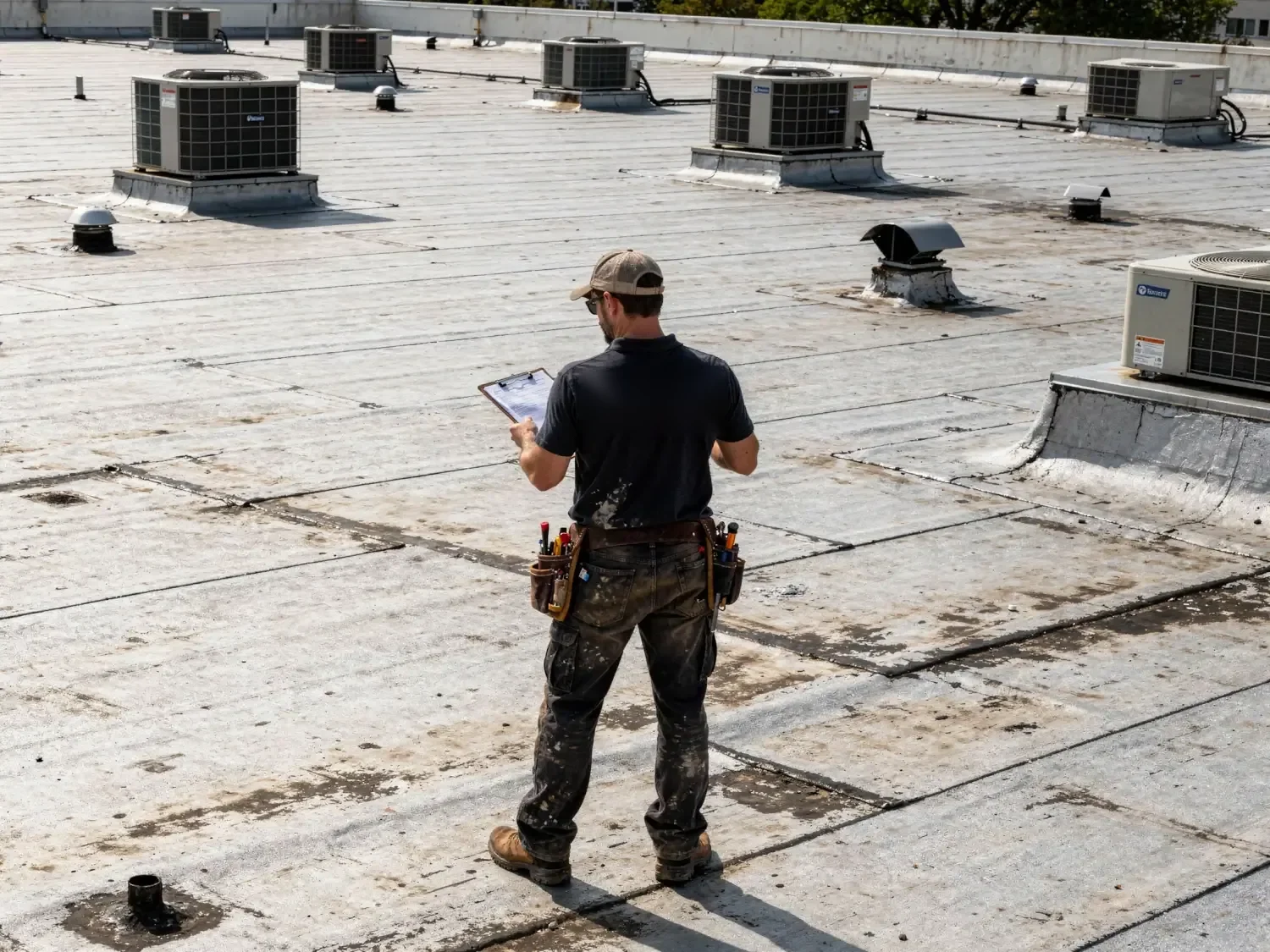
After release, inspect perimeter corners, edge attachment, seams, panel fasteners, curbs, skylights, and drains. Wind may remove a component or shift it without tearing the membrane. Mark each affected section and photograph its tie-in to adjacent areas. A wind damage survey can record edge and attachment conditions alongside other storm findings.
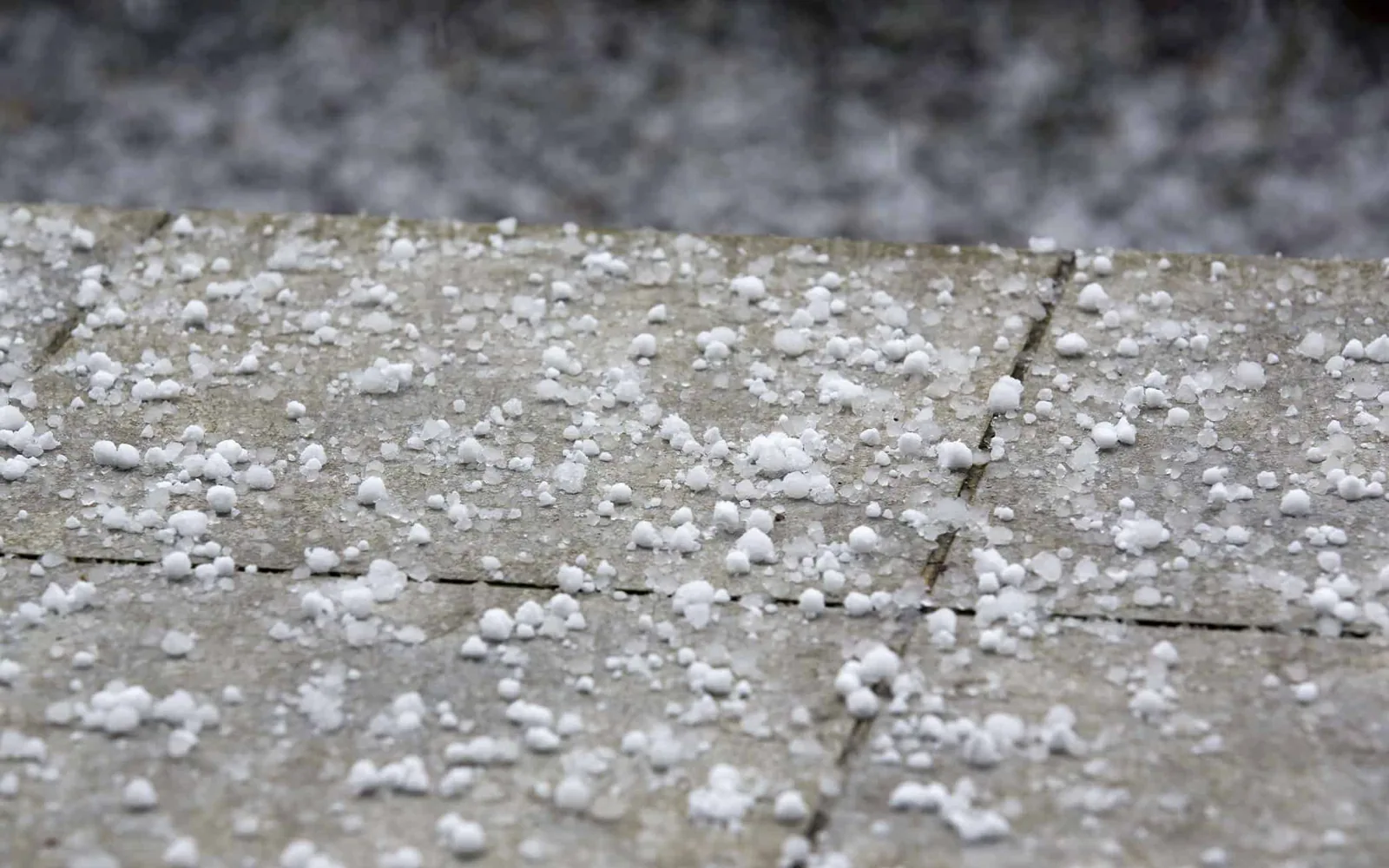
Debris impact can create a puncture away from the main roof opening. Check for cuts, dents, broken supports, and abrasion. A membrane puncture inspection can document openings and surrounding wet material. A hail damage inspection can separately record impact marks. Keep impact damage distinct from displaced panels or seams.
Interior stains may follow roof slope or structure before appearing. Note room, time, water condition, and contents. Compare with the roof map, drains, and wall lines. If the deck or framing appears altered, stop and request design review before removing material.
Protect exposed areas without expanding risk
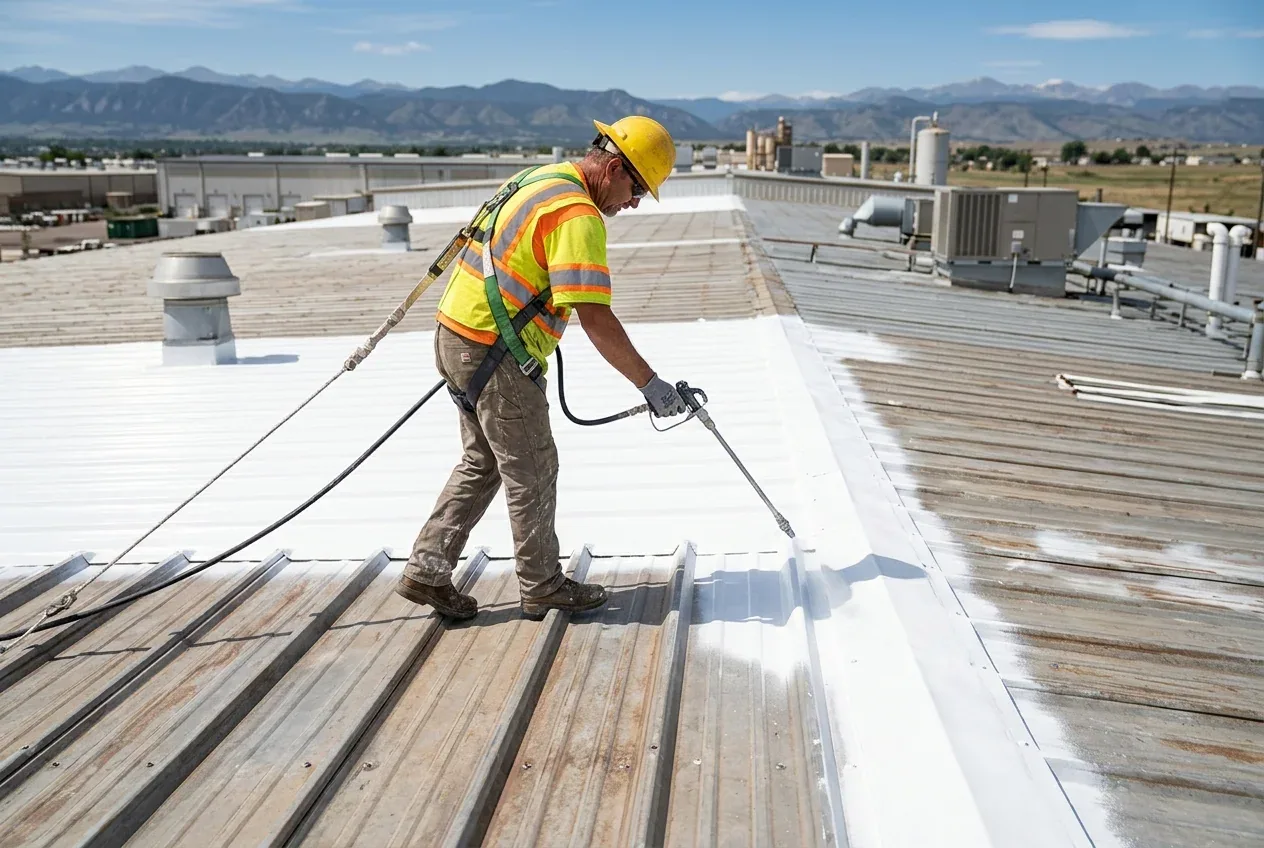
An opening can expose insulation, structure, stock, or occupied space to weather. The owner decides what temporary protection is allowed after the site is safe. We identify attachment points, wind exposure, drainage, and the space below. Record materials, area, date, and protection limits.
Do not place a tarp across loose panels or unstable decking. Temporary material must not become airborne or trap water. If conditions remain unsafe, hold the roof work and protect the interior only when authorized. The site contact should know which areas are still open and which have been stabilized.
Record how temporary materials are attached, where water can drain, and when the cover needs another check. A roof may remain exposed around the perimeter even after the main opening is covered. List those limits in plain terms. The owner can then decide whether to restrict the interior below or arrange a second stabilization visit.
Emergency work and permanent restoration need separate records. A stabilization invoice describes immediate containment. A permanent estimate defines removal, structure repair, assembly, and testing after design direction is available. A restoration documentation handoff can preserve photos and scope updates for owner review.
Ready to talk about your roof?
Set rebuild scope after structural review
A limited repair may fit when damage is isolated and adjoining roof sections remain secure. Broad deck movement, wall separation, failed attachment, or widespread openings can require a rebuild. We document roof conditions and follow structural direction. A roofing scope should not make a capacity conclusion.
Replacement planning includes debris removal, temporary covers, material staging, equipment coordination, permits, and inspection holds. Arvada's updated code provisions include wind, seismic, and snow revisions under a city implementation schedule in 2026. The project authority confirms which criteria apply before the replacement system is detailed.
Cost and timing depend on building access, roof system, extent of removal, deck repairs, material availability, and weather. If opening a roof reveals additional damage, secure the edge and document dimensions. The owner and design authority review added work before the crew proceeds beyond its approved boundary.
Tie findings to the site record
Northwest Arvada planning geography extends between State Highway 93, Indiana Street, and the northern city boundary. Denver Federal Center is a separate Lakewood campus near West 6th Avenue and Kipling Street. These names orient a regional response. A roof call near Northwest Arvada still needs the building address, site release, and access contact.
Closeout should include event date, building, roof section, visible movement, temporary measures, and structural questions. Add photos from the same viewpoints and show which roof areas remain uninspected. Keep permanent repairs and emergency stabilization separate in the property file.
Record which parties released access, approved temporary measures, and reviewed the permanent scope. This timeline matters when several structures or trades are involved. The roof map should use the same building labels as the owner's incident log, so repair records remain attached to the right asset.
Send the address, event date, official site-release information, roof plans, structural direction, and visible damage photos. We will document roofing conditions within the approved boundary and identify the next safe decision.
More roof damage repair
Other work our crews handle on Arvada roofs. See all roof damage repair.
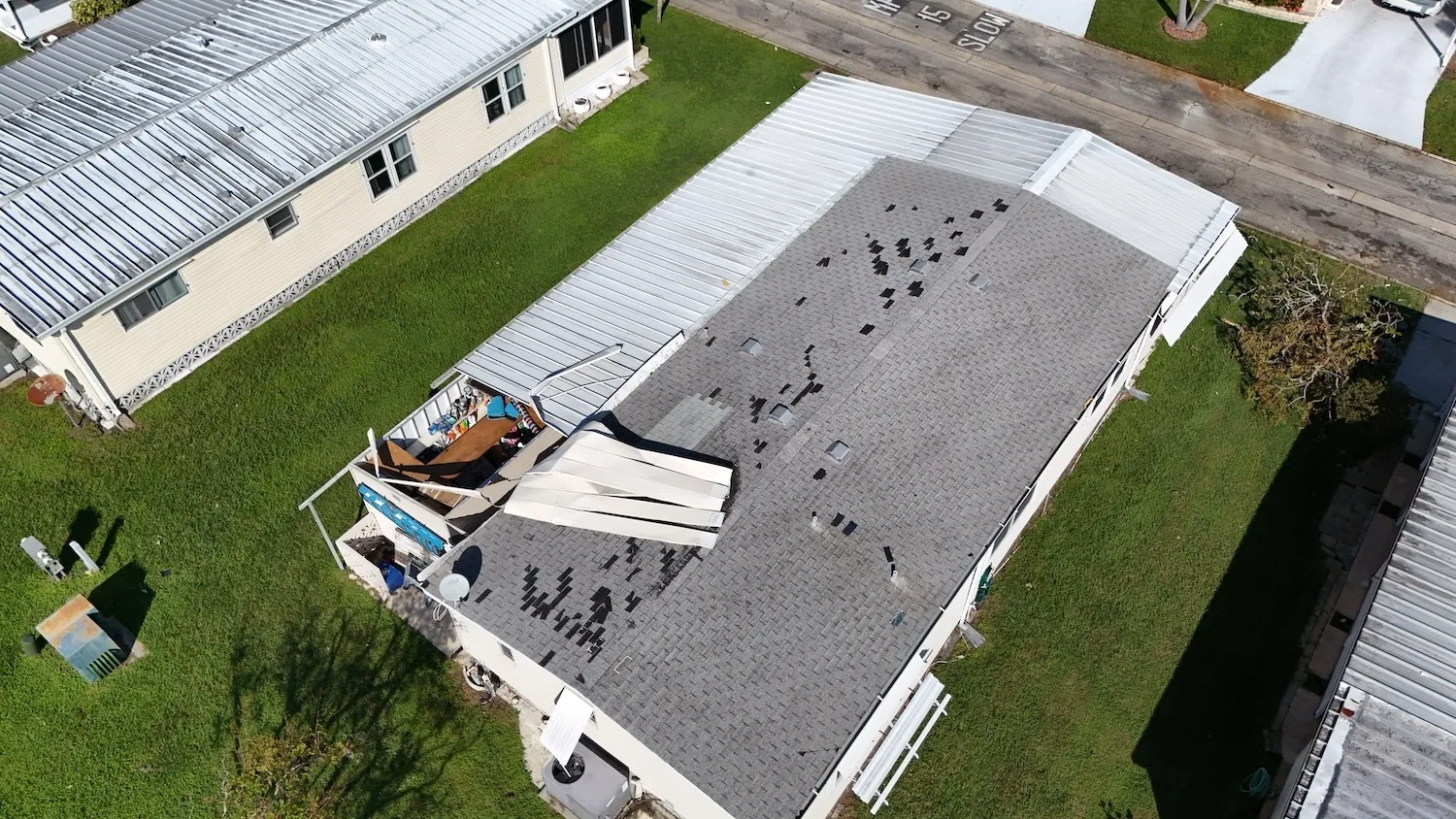
Commercial Wind Damage Roof Repair
Inspect commercial roofs near Arvada after high winds. Map lifted edges, loose panels, open seams, and active leaks before setting protection or repairs.
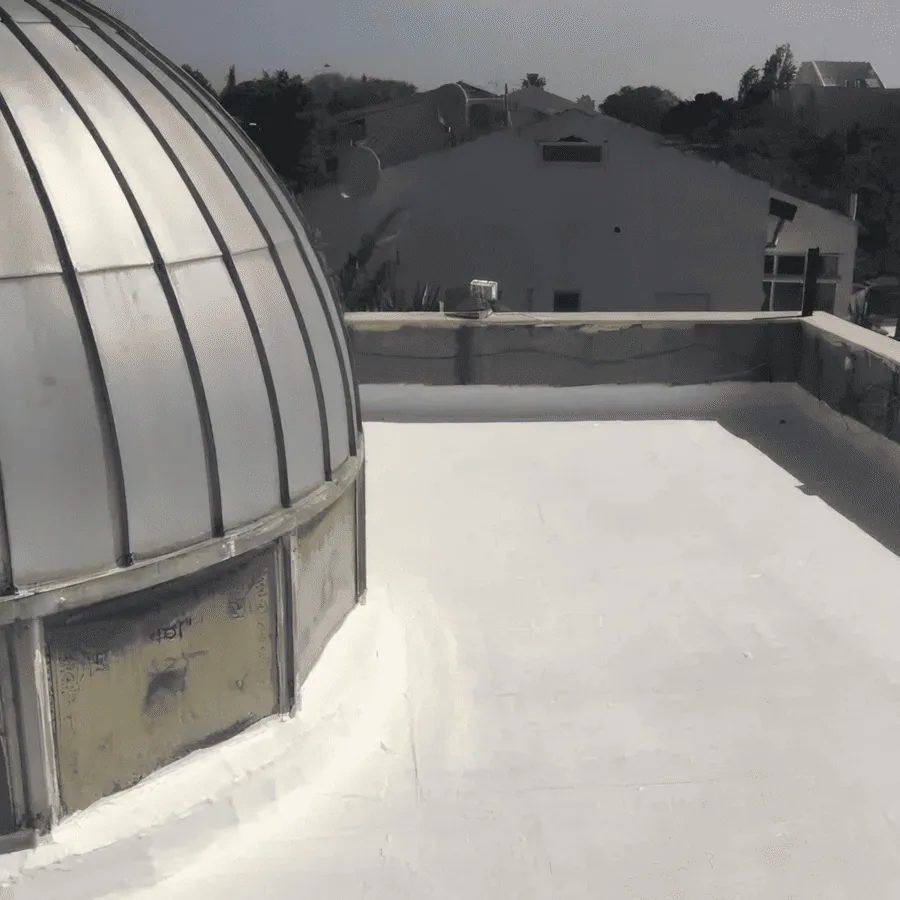
Commercial Roof Membrane Puncture Repair
Locate and repair commercial membrane punctures near Arvada. Trace water, inspect adjacent material, and document traffic or maintenance damage by roof zone.
Commercial Hail Damage Roof Repair
Document commercial hail damage near Arvada with dated photos, mapped impact areas, and separate repair options. Inspect edges, seams, and interior reports.
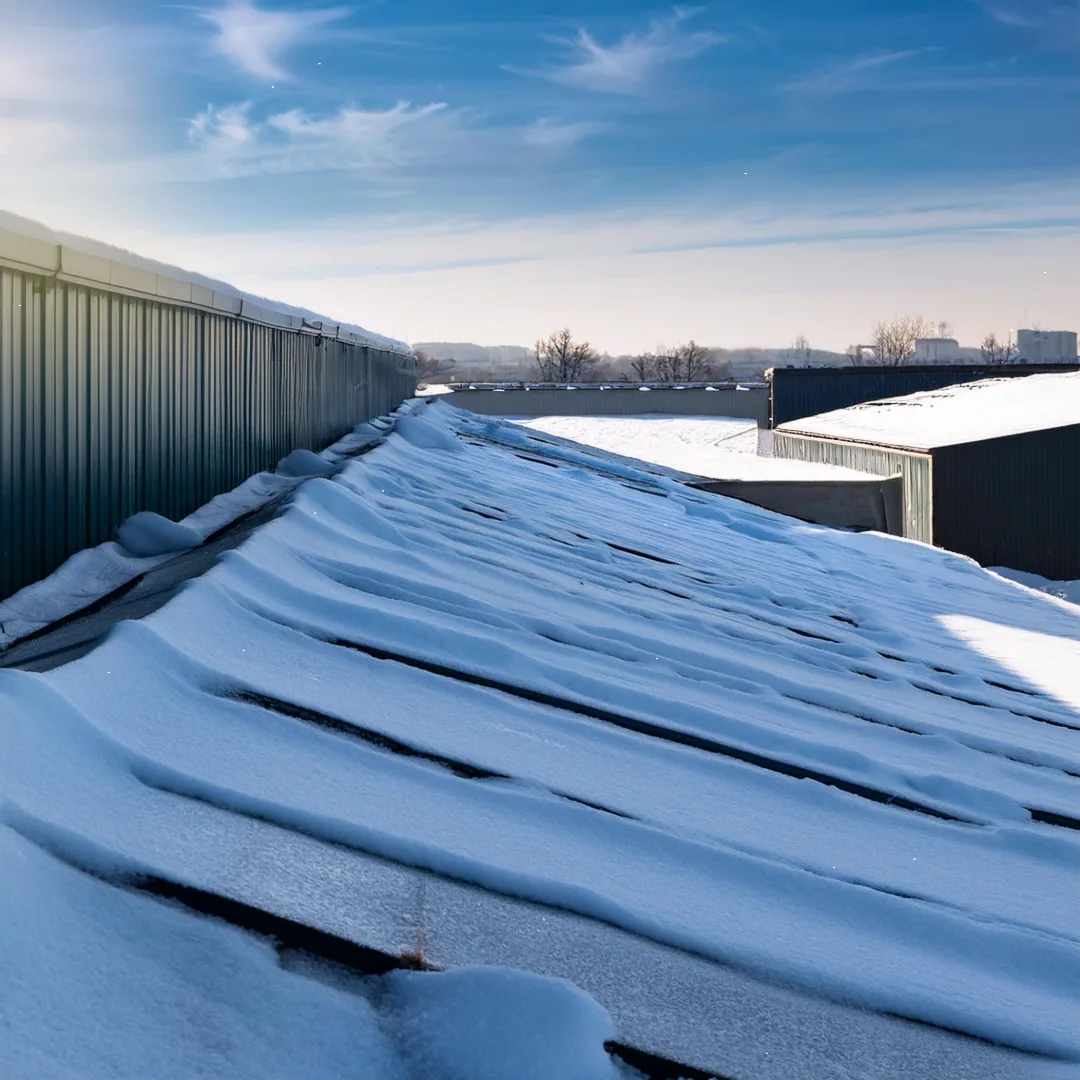
Commercial Snow and Ice Roof Damage Repair
Inspect commercial roofs near Arvada for snow, ice, and drainage damage. Document blocked outlets and leaks before repair or structural review.
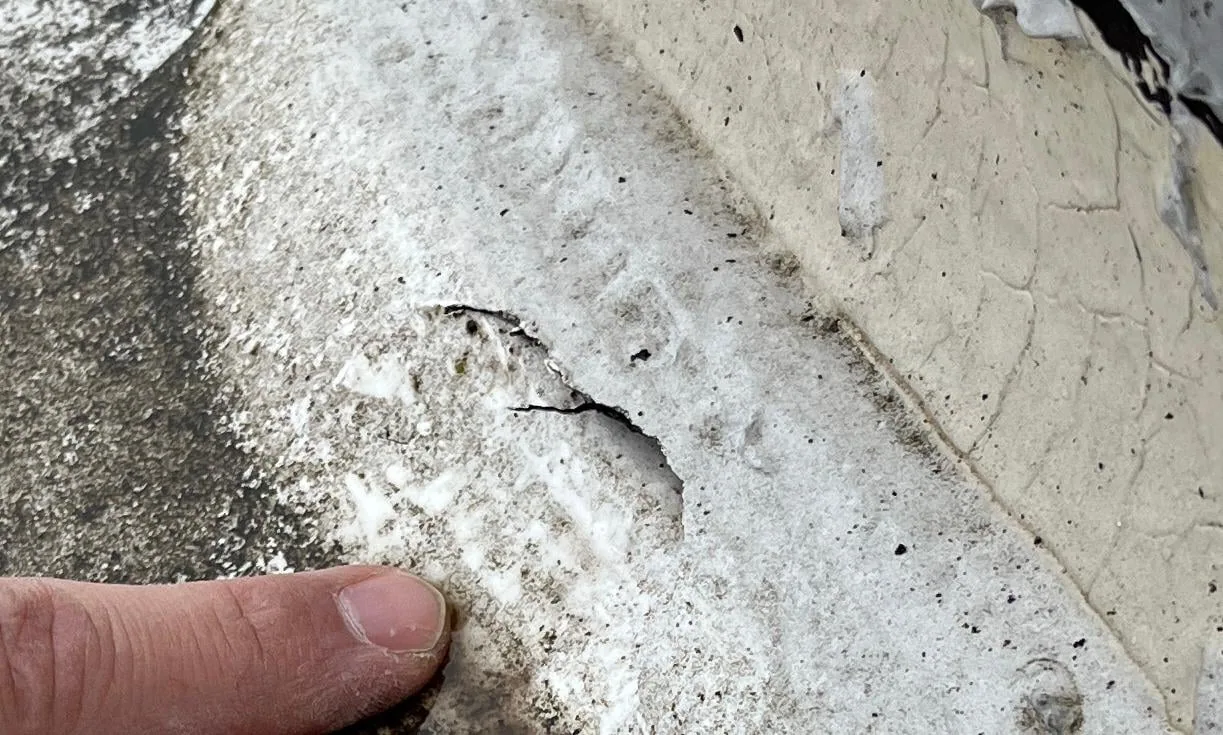
Commercial Heat and UV Roof Damage Repair
Inspect commercial roofs near Arvada for heat and UV wear. Map brittle seams, surface loss, coating failure, and leaks before choosing repair or restoration.
Commercial Roof Repair After Fire Damage
Inspect roofs after fire near Arvada. Map heat exposure, openings, smoke residue, and water entry before planning temporary cover or permanent repair.
Serving Arvada and the west Denver metro.
Our crews work on commercial roofs across Arvada, Wheat Ridge, Lakewood, Westminster and Broomfield. Find your area below.
Arvada
Service Areas
Questions about Commercial Tornado Damage Roof Repair
Can you tarp a roof immediately after a tornado?+
Only after the property is released and access is safe. The owner and structural authority set the work area. Temporary cover must have secure attachment, a clear drain path, and a documented limit.
How do you separate tornado damage from older roof wear?+
Record the event date, fresh movement, debris impact, exposed edges, and preexisting patches separately. Photos and the roof map show where each condition was found. Some areas may need additional testing after access is cleared.
Who decides whether the roof structure is safe?+
The owner coordinates with fire officials and a qualified structural professional. Roofing inspection documents visible roof conditions after access is approved. We do not replace structural review or emergency-site clearance.
What information helps price permanent repairs?+
Provide released roof access, plans, structural direction, assembly details, debris and equipment limits, and photos. We document removal quantities and tie-ins. Concealed conditions are handled through the project authorization process.
Have a question? Call us at 555-555-5555 or send us a message.
Start with site release and structural direction
Share the property address, event date, roof plan, access clearance, structural notes, and damage photos. We will document the released area and define temporary or permanent roofing work.