
Commercial Roofing for Insurance Restoration in Arvada, CO
Document commercial roof conditions near Arvada after hail or wind with dated photos, repair boundaries, and separate temporary measures. Keep evidence clear.
Request a roof assessment. Tell us about the building.
Send the address and what you are seeing on the roof or inside the building. We will set a time to walk the roof and talk through the next step.
Start with the storm date and roof map
A storm loss file needs a date, property, roof zone, and current condition. We begin with the reported interior area, then inspect edges, seams, penetrations, drains, and rooftop equipment. Photos show where each condition sits. If water is active, temporary protection comes first and stays separate from the permanent repair recommendation.
NWS records describe a 2017 supercell that carried hail, high winds, and runoff across Arvada and western metro neighborhoods. That record gives regional storm context only. It does not establish damage at a current insured property. Each claim needs evidence from its own date and building.
Build a dated roof record
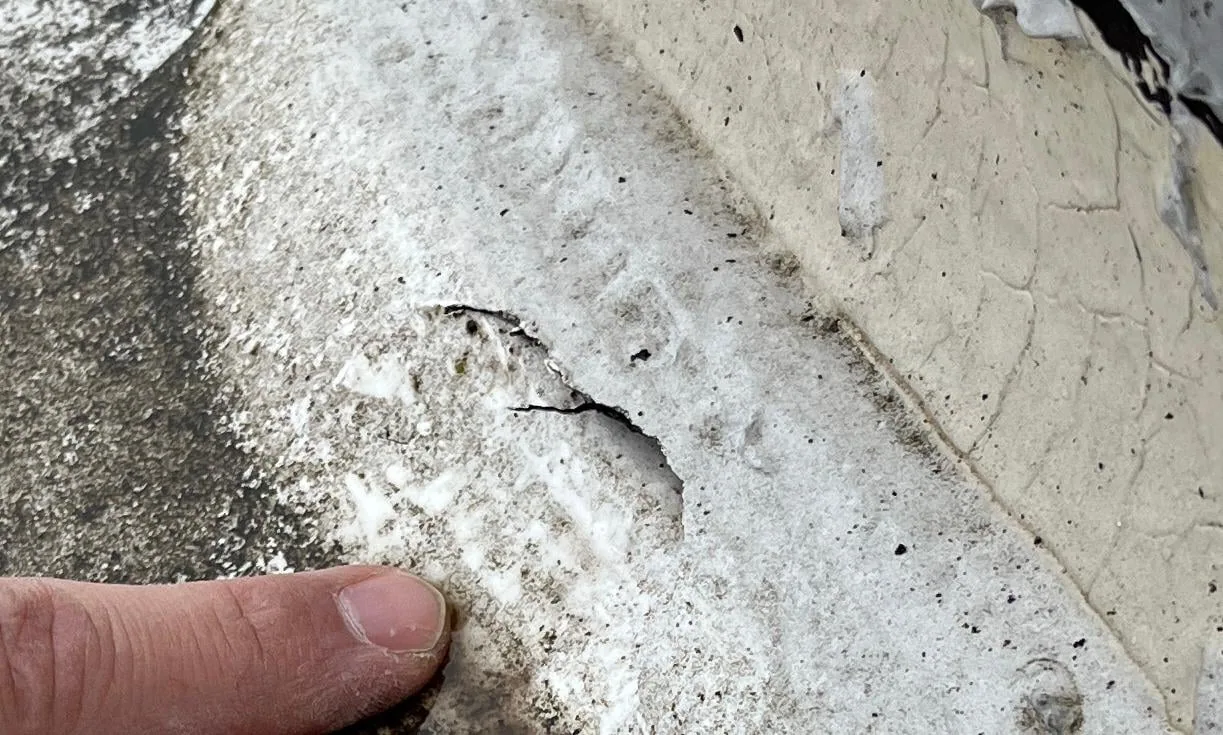
Record the property address, storm date, roof section, reported room, and inspection conditions. Use a roof map to connect each photo with a location. A storm damage inspection can document visible impact and identify areas that need closer review.
Separate observed damage from suspected conditions. A ceiling stain is evidence of water, not proof of the entry detail. We compare it with roof slope, drains, flashings, equipment curbs, and previous repairs. If moisture is concealed, note the test needed rather than describing an unseen area as confirmed.
Before-and-after photos should use the same reference points when possible. Include scale, direction, roof zone, and date. A condition report with a damage map can list inspected areas, temporary actions, and open questions. This supports review without taking the claim decision out of the policy process.
Existing service records can help distinguish a new report from an older repair. Compare invoice dates, photos, roof-zone labels, and current observations. If the earlier document does not identify where work occurred, note that gap rather than assuming a detail was corrected. A clean sequence of dates and locations makes the field record easier for the owner and claim reviewers to assess.
Keep cause analysis within the evidence
Hail, wind, falling debris, and water entry leave different indicators. We document dents, punctures, displaced edge metal, lifted seams, and interior symptoms separately. Existing wear, prior patching, and current impact also need distinct notes. A hail roof assessment can organize visible findings by system and section.
Do not assign a damage cause from one photo alone. The inspection should state where access was available, what was visible, and which area remains concealed. A test cut or moisture scan may answer a specific question. Testing scope and repair of the test area should be agreed before work.
A wind damage review can focus on perimeter restraint, fasteners, panel laps, and flashing. The building's assembly and design records still control repair details. Our report describes roofing conditions; the insurer and policyholder manage coverage decisions through their process.
Separate emergency protection from repair
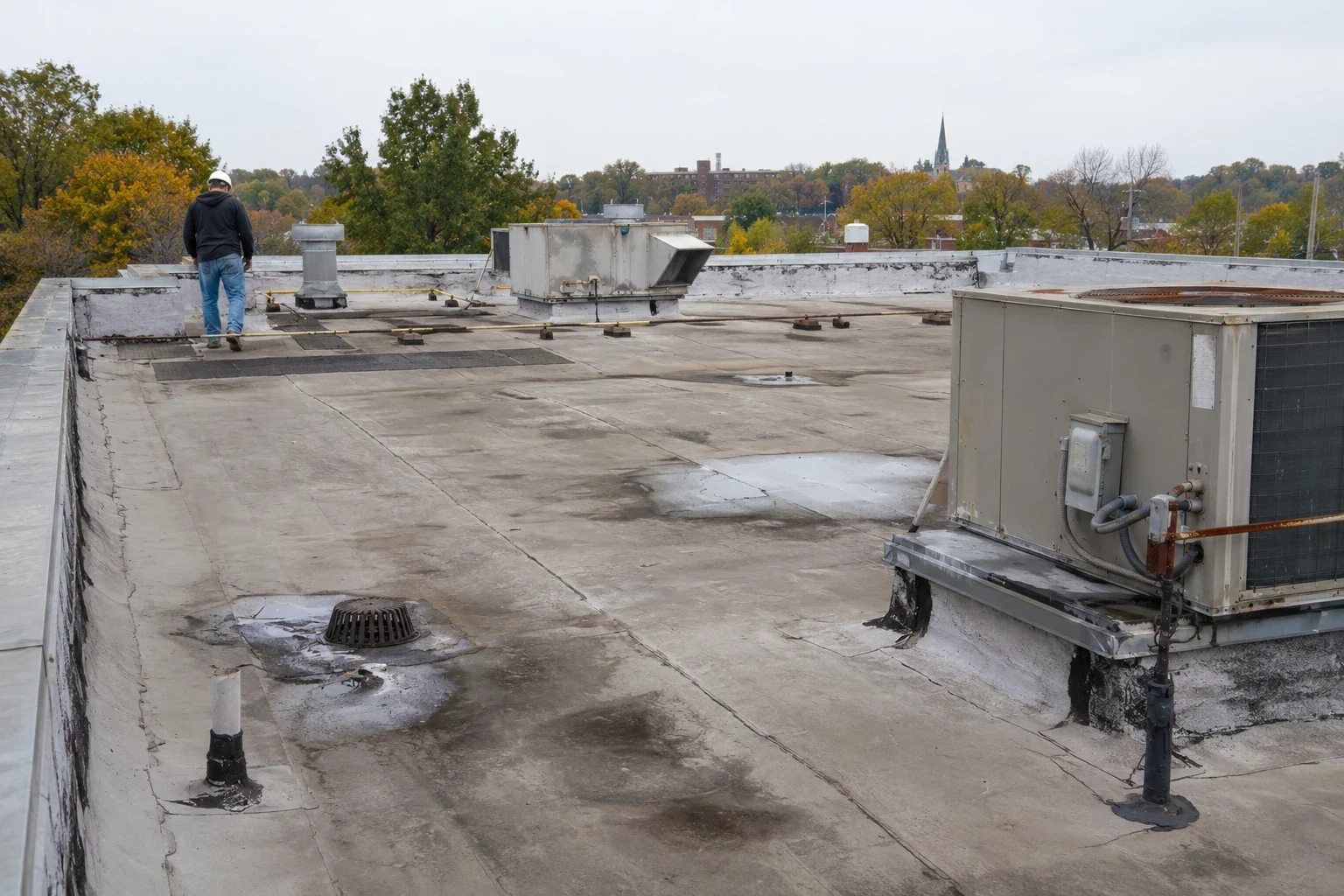
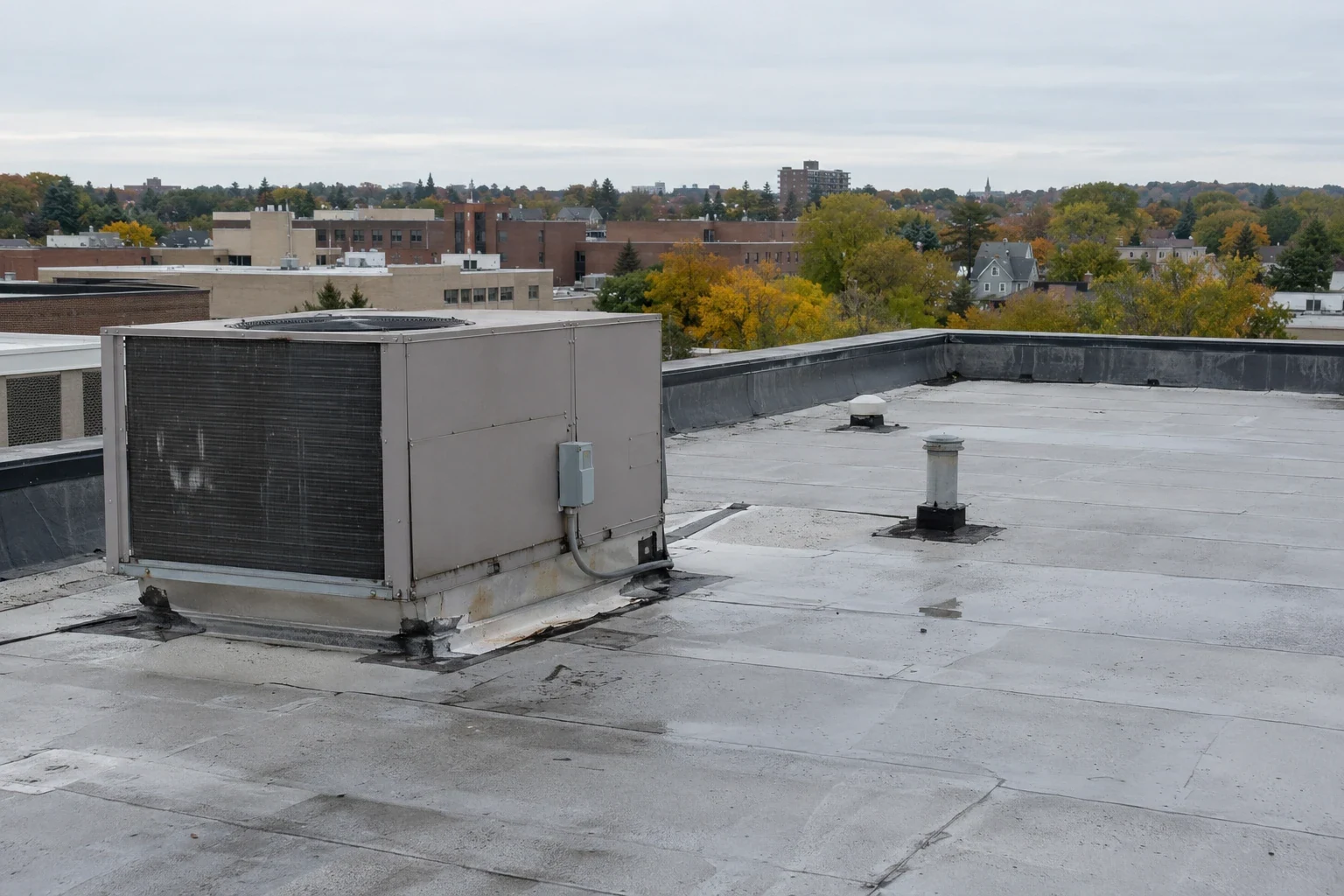
Temporary protection limits current exposure. It may use a localized cover, seal, or controlled interior measure, depending on roof access and safety. Record materials, location, date, and limits. A 24-hour emergency response can stabilize an active opening while the permanent scope is developed.
Permanent work needs a sound tie-in and compatible materials. A repair may remain localized when damage is limited. Repeated entry, wet insulation, failed attachment, or widespread impact may require testing or replacement review. We mark the repair boundary and identify how much adjacent material needs removal.
Keep temporary invoices and permanent estimates distinct. The first addresses immediate protection; the second defines lasting work. The owner can submit the records through the claim process without treating temporary material as a completed roof system. Additional damage found during removal should be photographed and measured before scope changes.
Ready to talk about your roof?
Use local conditions without overstating them
The climate series at Denver International lists a 47-inch seasonal snow normal for the 1991-2020 period. It offers regional context, not a building load or claim measurement. For snow or ice reports, inspect drains, overflow routes, visible ponding, and interior symptoms. Structural questions require building records and qualified review.
The city's implementation calendar moved its updated building-code set into effect during 2026, with new wind, snow, and seismic provisions. Permit path depends on the property address and repair scope. Confirm applicability before changing attachment, adding a layer, or modifying drainage. Code compliance and storm causation are separate questions.
Ralston Fields is an Arvada economic development area with retail redevelopment. A commercial roof there can face customer access, delivery hours, and tenant coordination during emergency work. The district name helps locate the request, but the property address and roof map still determine which conditions belong in the claim file.
Weather affects safe inspection and repair. Wet surfaces, high wind, snow, or freezing conditions may limit access or installation. The file should show what could be inspected and what must wait for another window. A roof inspection can be updated when conditions permit access.
Keep owner, adjuster, and contractor roles clear
Owners provide access, claim information, and authorization. Adjusters review the loss under policy terms. Roofing contractors document roof conditions, temporary work, and repair scope. A property manager handoff can identify tenants, building contacts, and operating limits. A restoration project coordinator can align roofing with interior repairs.
Olde Town Arvada includes mixed-use and historic resources. Covered exterior alterations may require a Certificate of Compliance under district design guidelines. If a storm scope changes visible roof details there, the owner should check that approval path before scheduling permanent work. A roof repair in Olde Town may need review before those details change.
Send the property address, storm date, photos, access contact, roof plan, interior reports, and any temporary measures already installed. We will document current conditions, map the repair boundary, and identify open questions. The claim decision remains with the parties responsible under the policy and contract.
More industries we serve
Other work our crews handle on Arvada roofs. See all industries we serve.
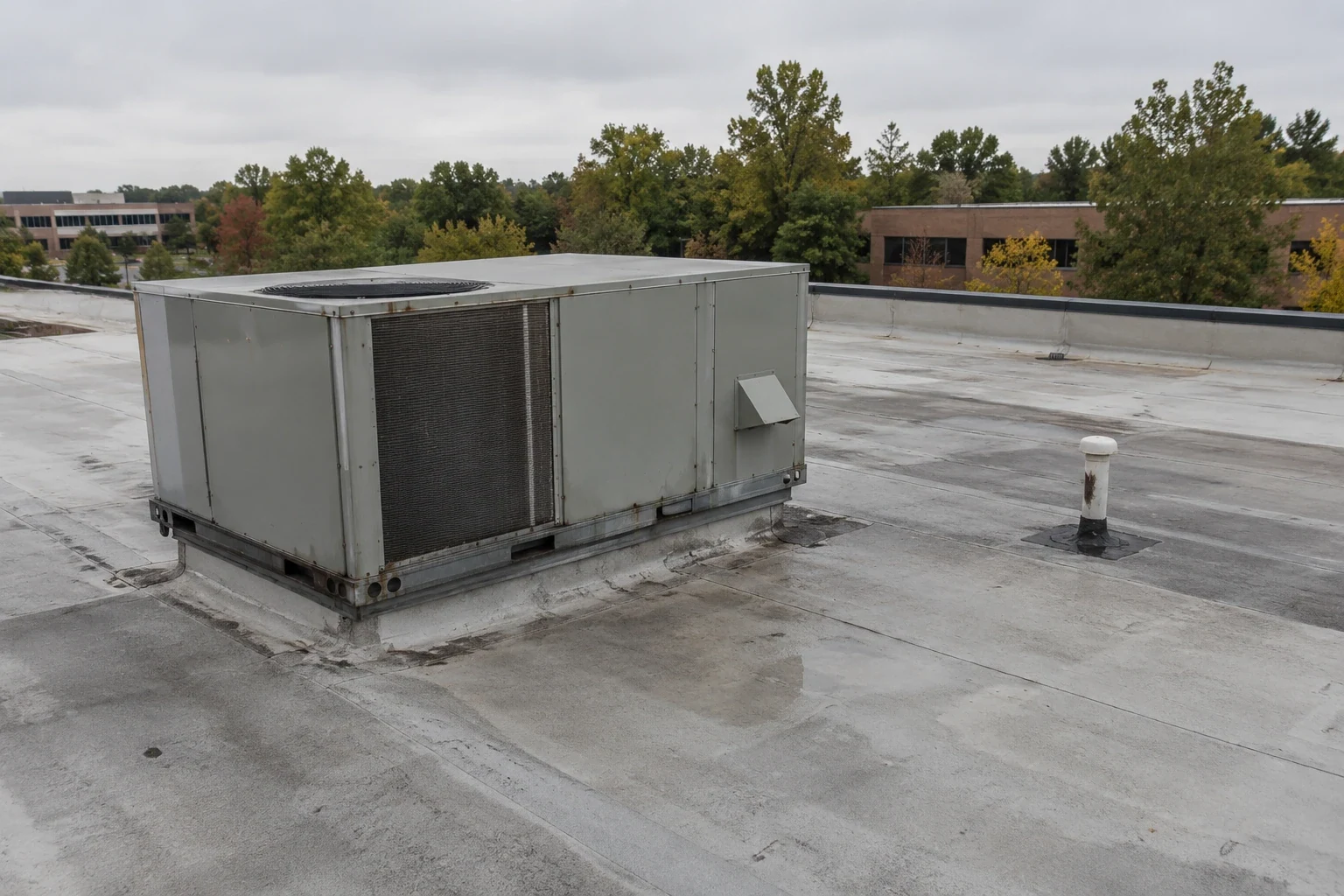
Property Managers
Coordinate commercial roof repairs across Arvada properties with clear inspections, work boundaries, and phased budgets. Track each building separately.
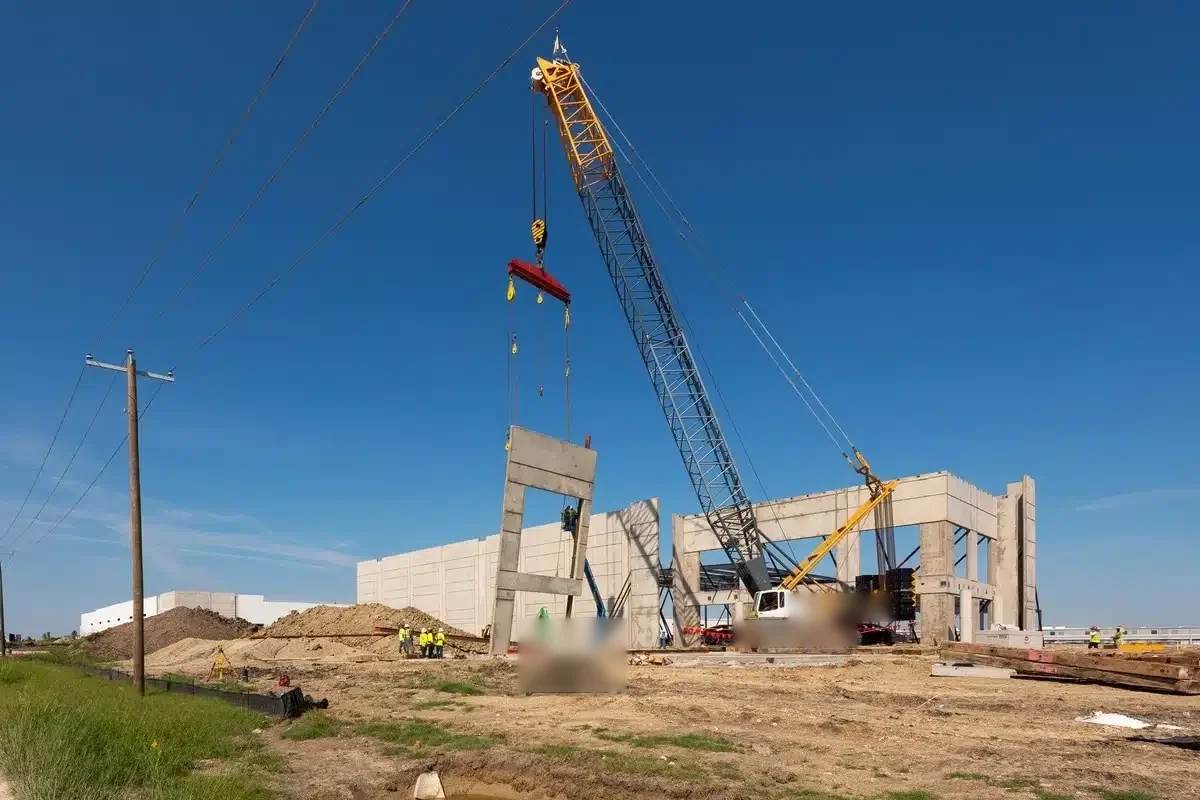
General Contractors
Coordinate commercial roofing near Arvada with clear interfaces, submittals, access, and field-change records. Align the sequence with the master schedule.
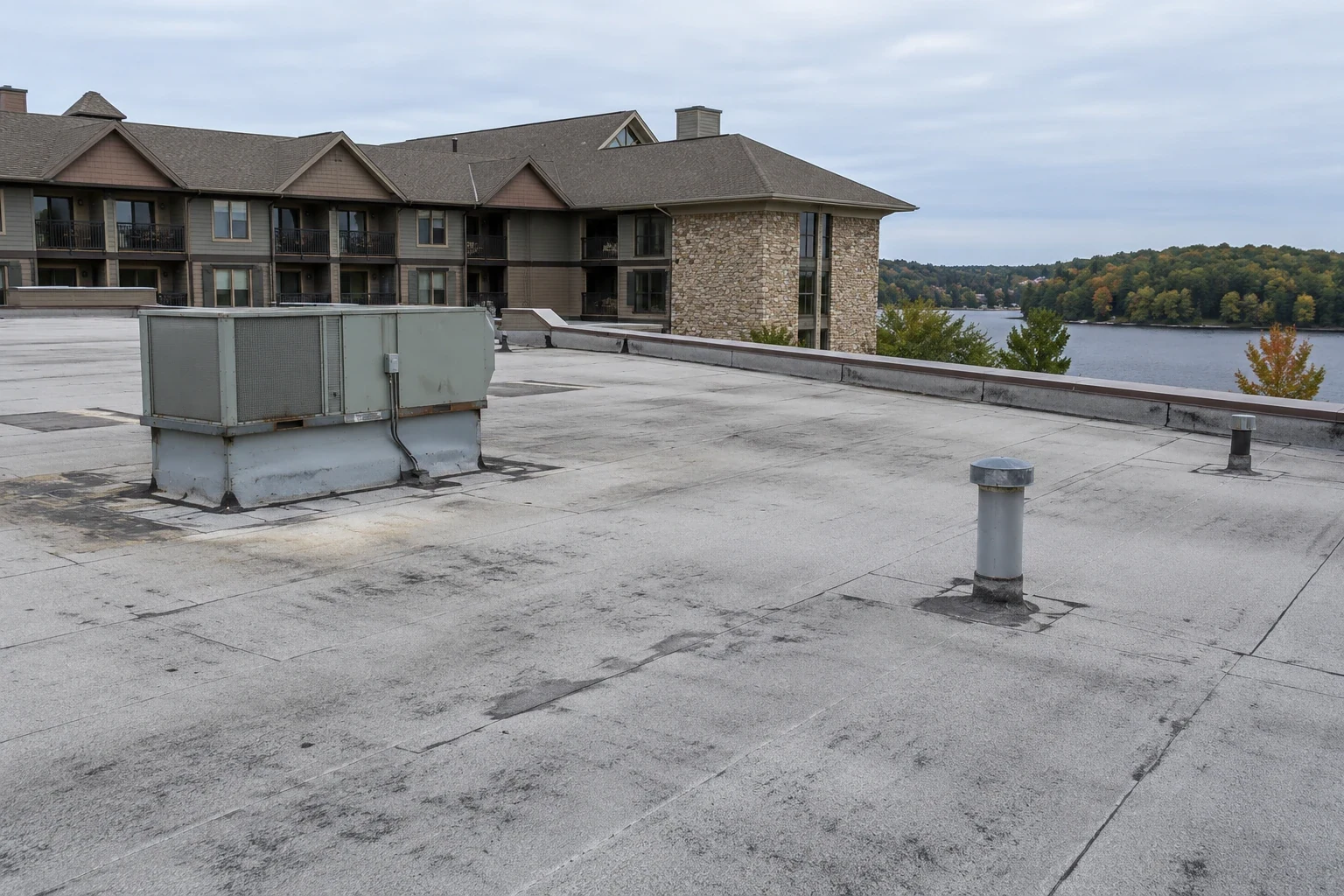
Hospitality Groups
Coordinate hotel roof repairs near Arvada around guest access, room schedules, kitchens, and service areas. Map each building before staging materials.
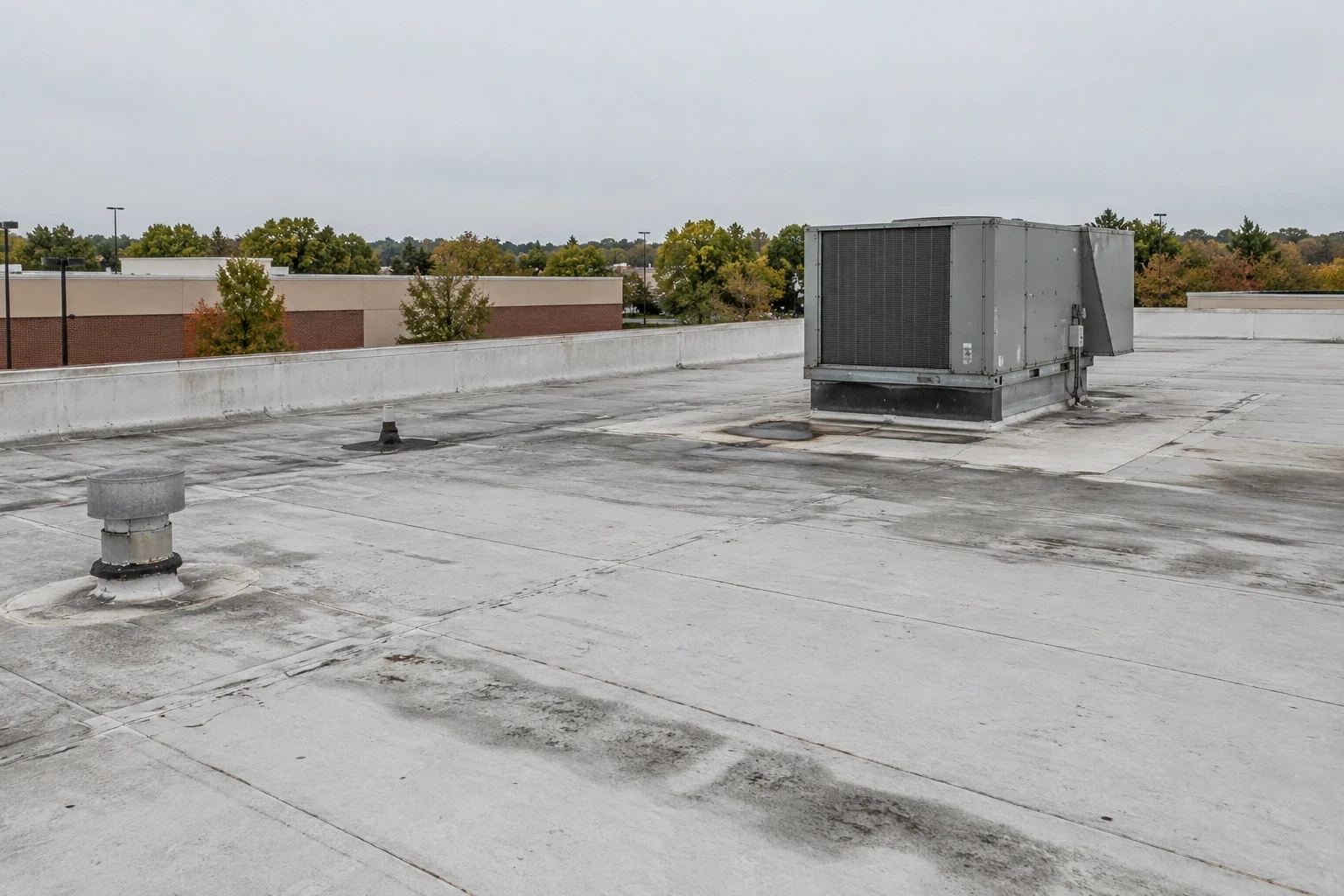
Retail and Restaurant Chains
Coordinate retail and restaurant roof repairs near Arvada around store hours, customer access, deliveries, and kitchen equipment. Phase work by location.
Public Agencies
Coordinate public building roof repairs near Arvada with clear bid scope, access plans, and documented changes. Keep each facility and approval path distinct.
School Districts
Plan school roof inspections and repairs near Arvada around calendars, student safety, and campus access. Document each building and work zone separately.
Serving Arvada and the west Denver metro.
Our crews work on commercial roofs across Arvada, Wheat Ridge, Lakewood, Westminster and Broomfield. Find your area below.
Arvada
Service Areas
Questions about Insurance Restoration
Can a roofing inspection determine insurance coverage?+
No. We document visible roof conditions and provide a repair scope. Coverage is determined through the policy and claim process. The report should distinguish observed damage, prior wear, temporary work, and any area that could not be inspected.
What should be recorded during emergency tarping?+
Document the roof zone, date, method, materials, photos, access limits, and any remaining exposure. Keep temporary stabilization separate from permanent repair. That lets the owner track immediate work and later scope independently.
How do you document storm damage on a large roof?+
Use a roof map with labeled sections and consistent photo locations. Record visible impact, seams, edges, penetrations, drains, and interior reports. Note weather and access conditions, plus any testing needed for concealed moisture.
What if more damage appears after removal starts?+
Secure the opening and pause within the approved boundary. Photograph and measure the new condition, then submit it to the authorized owner or project contact. Work expands only after the required scope direction is issued.
Have a question? Call us at 555-555-5555 or send us a message.
Start with the storm date and roof map
Share the property address, storm date, roof plan, interior report, access contact, and temporary protection record. We will document visible conditions and define the repair boundary.