Commercial Heat and UV Roof Damage Repair in Arvada, CO
Inspect commercial roofs near Arvada for heat and UV wear. Map brittle seams, surface loss, coating failure, and leaks before choosing repair or restoration.
Request a roof assessment. Tell us about the building.
Send the address and what you are seeing on the roof or inside the building. We will set a time to walk the roof and talk through the next step.
Map the worn surface before selecting a system
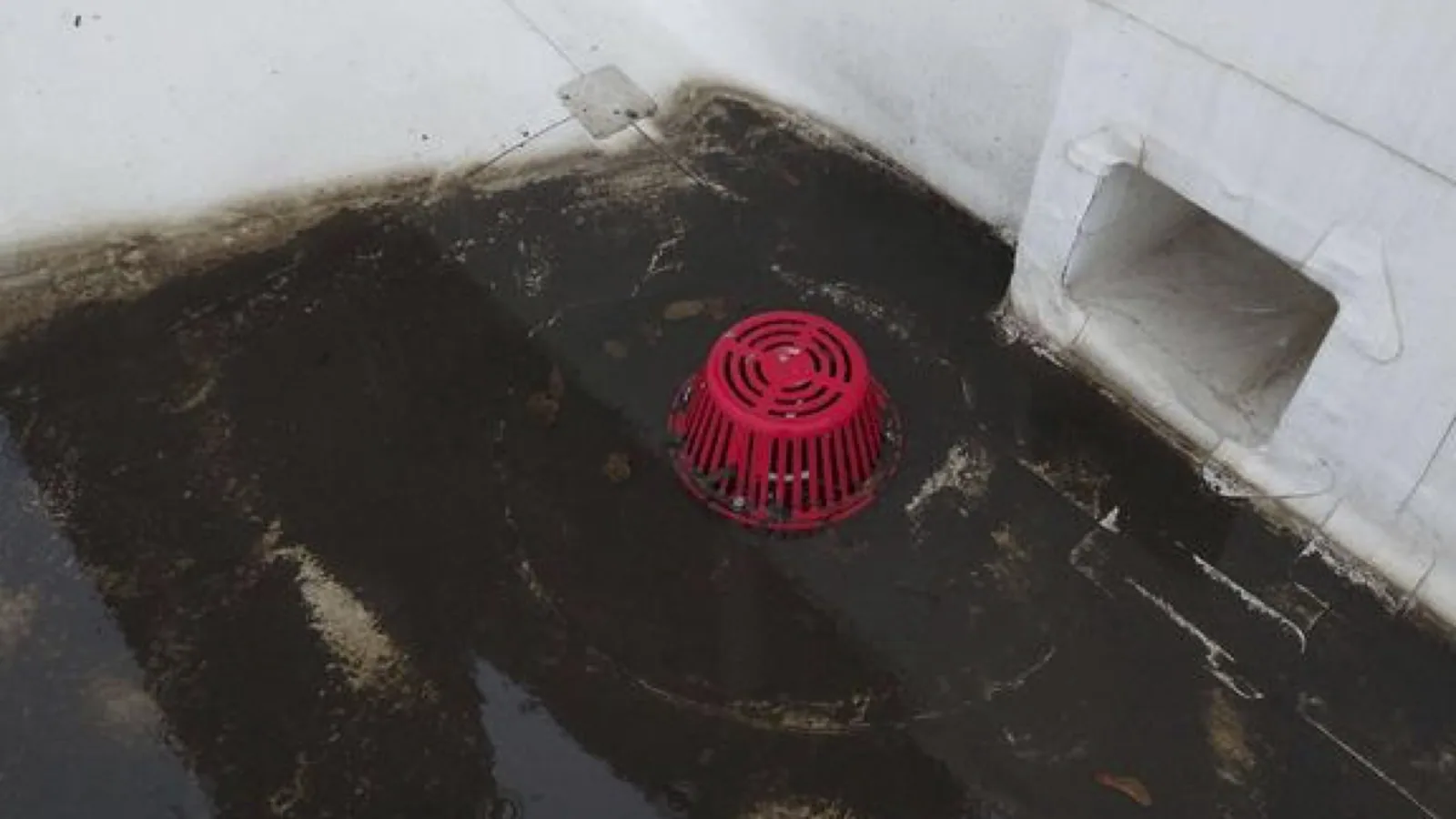
Surface cracking at a sun-exposed roof edge can signal wear, but the system needs inspection before repair. We check membrane texture, seams, flashing, penetrations, and previous coating. Then we map brittle or exposed areas and compare them with interior reports. A patch or restoration scope follows the material condition.
Arvada's code adoption includes updated wind, snow, and seismic provisions on a city implementation schedule in 2026. That code update does not measure UV exposure at one roof. The building's assembly, maintenance record, and observed wear determine the next decision.
Separate surface aging from a roof opening
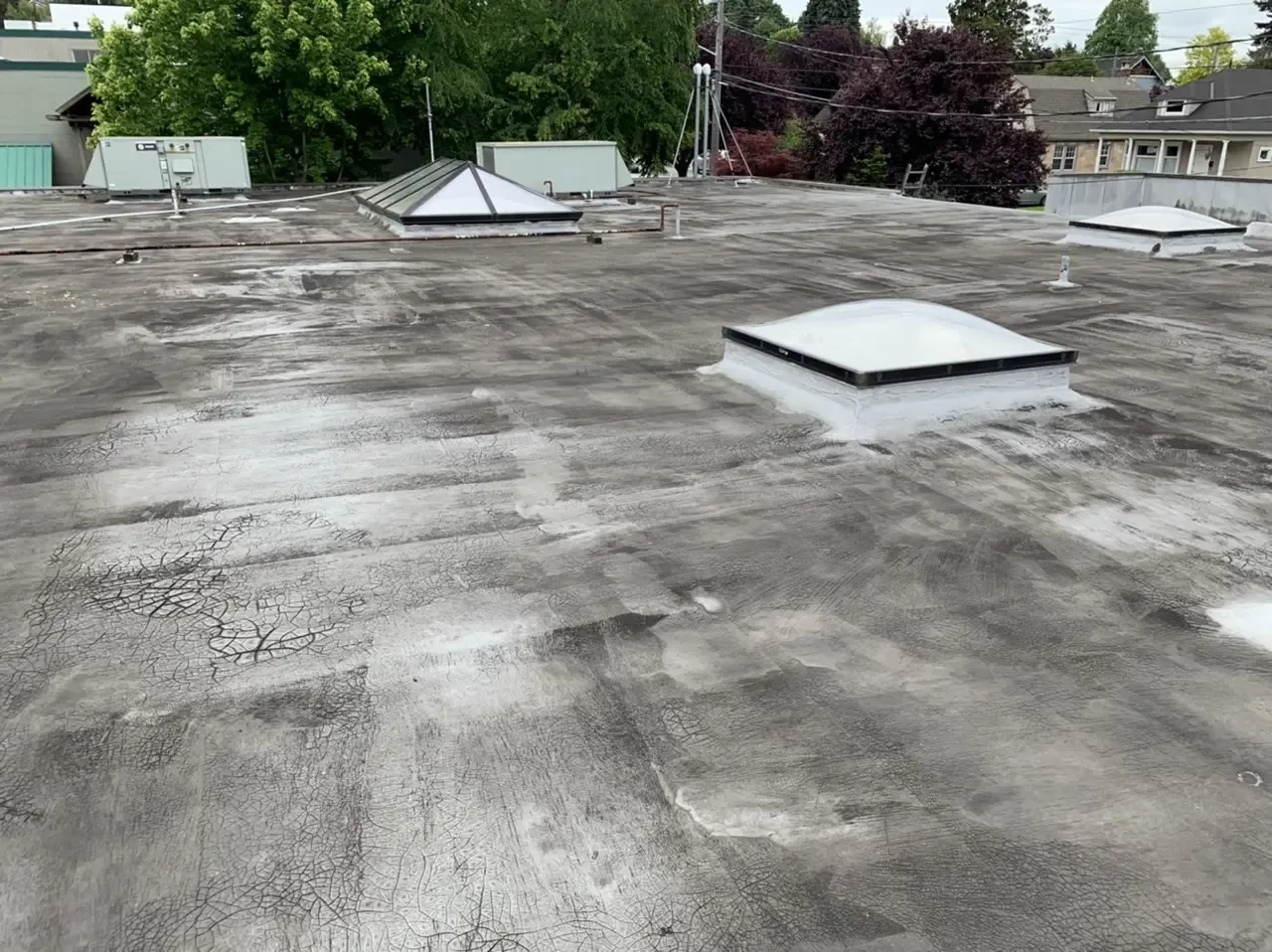
Sunlight and temperature cycling can age exposed roofing materials. Look for cracked coating, surface erosion, open laps, brittle flashing, exposed reinforcement, and failed sealant. A faded surface alone may not indicate a leak. Photograph representative conditions across the roof and mark areas with active openings separately.
Edges and penetrations can weather differently from open field material. Inspect curbs, pipes, skylights, drains, and wall transitions. A flashing assessment can document details where surface wear meets a vertical transition. Keep the repair map focused on confirmed deterioration.
Prior coatings may obscure the original assembly. Identify the layer, adhesion, thickness where visible, and any trapped moisture. A roof restoration evaluation should confirm the substrate is suitable before a new coating is proposed. Coating does not correct loose attachment, widespread wet insulation, or structural concerns.
Check whether water collects at low areas after rain. A sun-damaged coating may show blisters or thin spots where moisture remains, while a damaged membrane can expose reinforcement. Record the surface and drainage together. Do not scrape or pressure-wash an unknown assembly before confirming how the material should be prepared.
Check whether brittle material still holds
Flexibility, attachment, and seam condition matter when a membrane surface appears dry or cracked. Inspect laps, corners, fasteners, and prior repairs. A seam failure review can distinguish a surface crack from a joint that no longer holds. The repair material must match the existing system.
Interior stains may result from an opening elsewhere. Compare them with roof slope, drains, and penetrations. A leak-path inspection can identify likely entry details. Test for concealed moisture only when the result will change the repair scope, and restore any test opening.
Heat can also affect rooftop equipment bases, sealants, and exposed metal. Document the equipment interface and identify which trade owns replacement or shutdown. Do not assume one repair detail covers the roof and the equipment. Each transition needs a compatible flashing plan.
Use local weather records carefully
Hail and heavy rain brought runoff to Arvada during the May 2017 metro Denver supercell. That event is separate from long-term surface aging and cannot show the condition of a current roof. Record today's date and inspect current surfaces. Keep impact marks separate from gradual wear.
Denver International Airport's seasonal snowfall normal is 47 inches for the 1991-2020 period. The airport figure is regional climate context, not a measure of an Arvada roof's temperature or remaining life. It may prompt a seasonal drainage look after coating or repair work, but the roof itself determines scope.
Olde Town Arvada combines historic resources with retail, office, residential, and mixed-use buildings. If a covered exterior alteration changes visible roof details, design guidelines may require a Certificate of Compliance. Confirm that review before changing edge profiles or roof screens.
Ready to talk about your roof?
Choose between repair and restoration
A localized split may allow a repair when nearby material remains flexible and attached. Broad cracking, failed seams, repeated leaks, or wet insulation can change the scope. We document the affected surface and any test needed. The owner can compare repair, coating restoration, recover, or replacement based on the actual system.
Coating selection depends on substrate, adhesion, drainage, ponding conditions, and product compatibility. A restoration proposal should include preparation, reinforcement, detail work, application limits, and inspection. If the surface has widespread failure, coating may not be appropriate. A puncture inspection can identify damage that needs a separate patch first.
Cost drivers include cleaning, repairs, reinforcement, access, roof area, moisture, and weather. Coating installation needs a suitable surface and forecast window. Keep temporary water protection separate from the permanent scope. If preparation reveals a damaged layer, stop and update the repair boundary before covering it.
A restoration bid should state how the crew will handle penetrations, laps, drains, edge terminations, and isolated weak areas. The owner needs a clear coating area and a list of repairs completed before application. Keep product selection tied to substrate and project requirements. If the coating system does not suit observed conditions, present a repair or replacement path instead.
Track wear by roof section
New Town spans the corridor linking Wadsworth Boulevard with the G Line and Interstate 70. A roof visit near Wadsworth Boulevard still depends on the property address, roof map, and access contact. The corridor name helps locate dispatch but says nothing about the roof surface.
Closeout notes should label material, roof section, visible wear, completed repairs, coating details, and remaining questions. Use consistent photo points for later comparison. The owner can then distinguish gradual change from a new puncture or storm opening.
Send the building address, roof history, material details, leak reports, photos, and access instructions. We will document the surface and identify the next decision. Emergency protection is available around the clock when an opening admits active water.
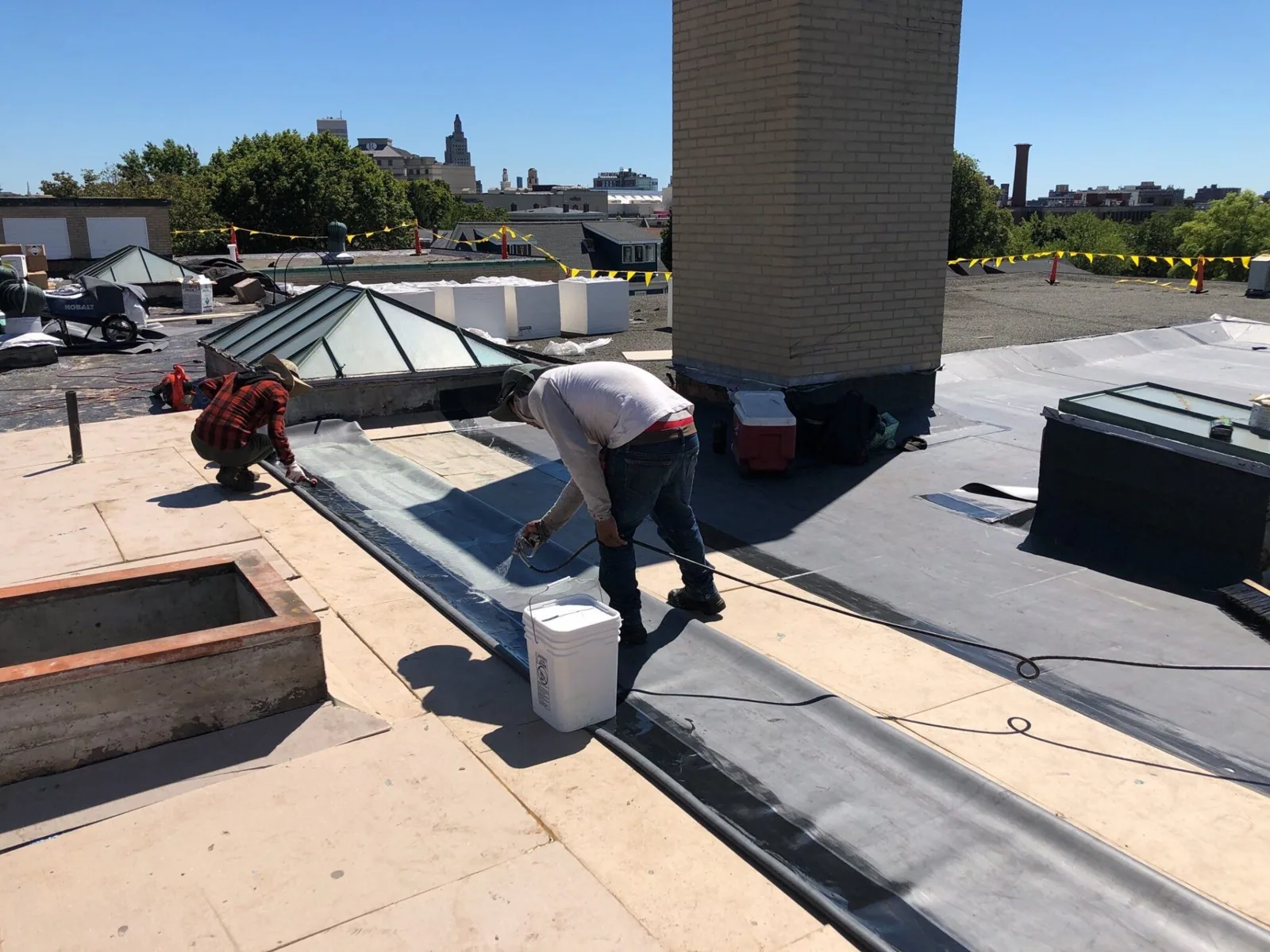
More roof damage repair
Other work our crews handle on Arvada roofs. See all roof damage repair.
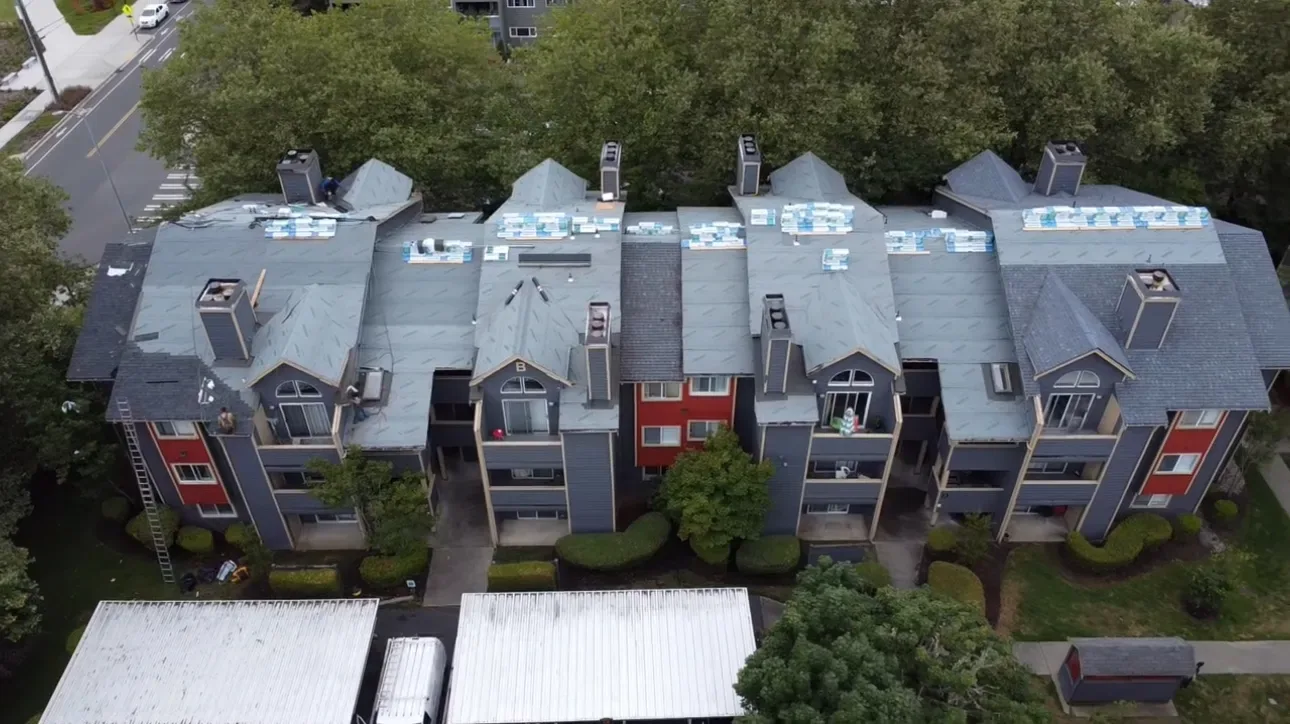
Commercial Roof Flashing Failure Repair
Find and repair failed commercial roof flashing near Arvada. Inspect walls, curbs, drains, and edge transitions before defining a leak repair boundary.
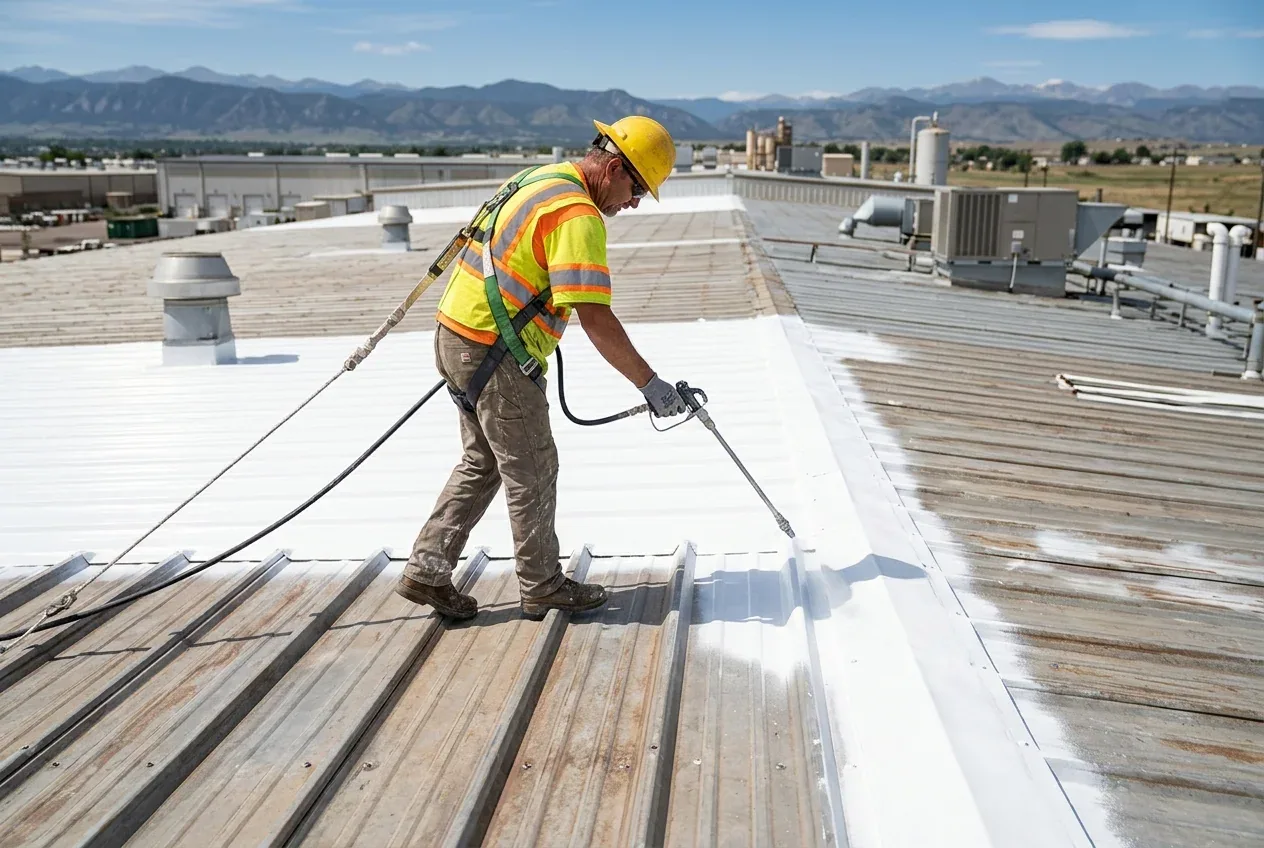
Commercial Roof Seam Failure Repair
Inspect open commercial roof seams near Arvada. Identify the system, test adjacent material, and map the repair boundary before water reaches occupied space.
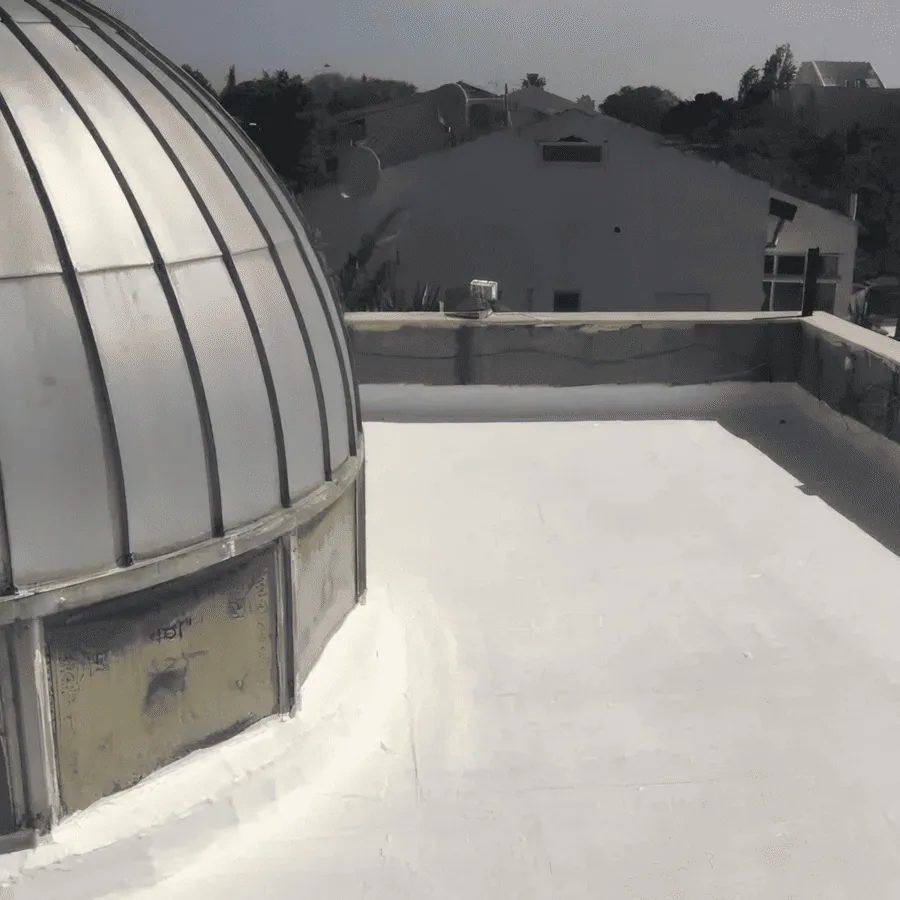
Commercial Roof Membrane Puncture Repair
Locate and repair commercial membrane punctures near Arvada. Trace water, inspect adjacent material, and document traffic or maintenance damage by roof zone.
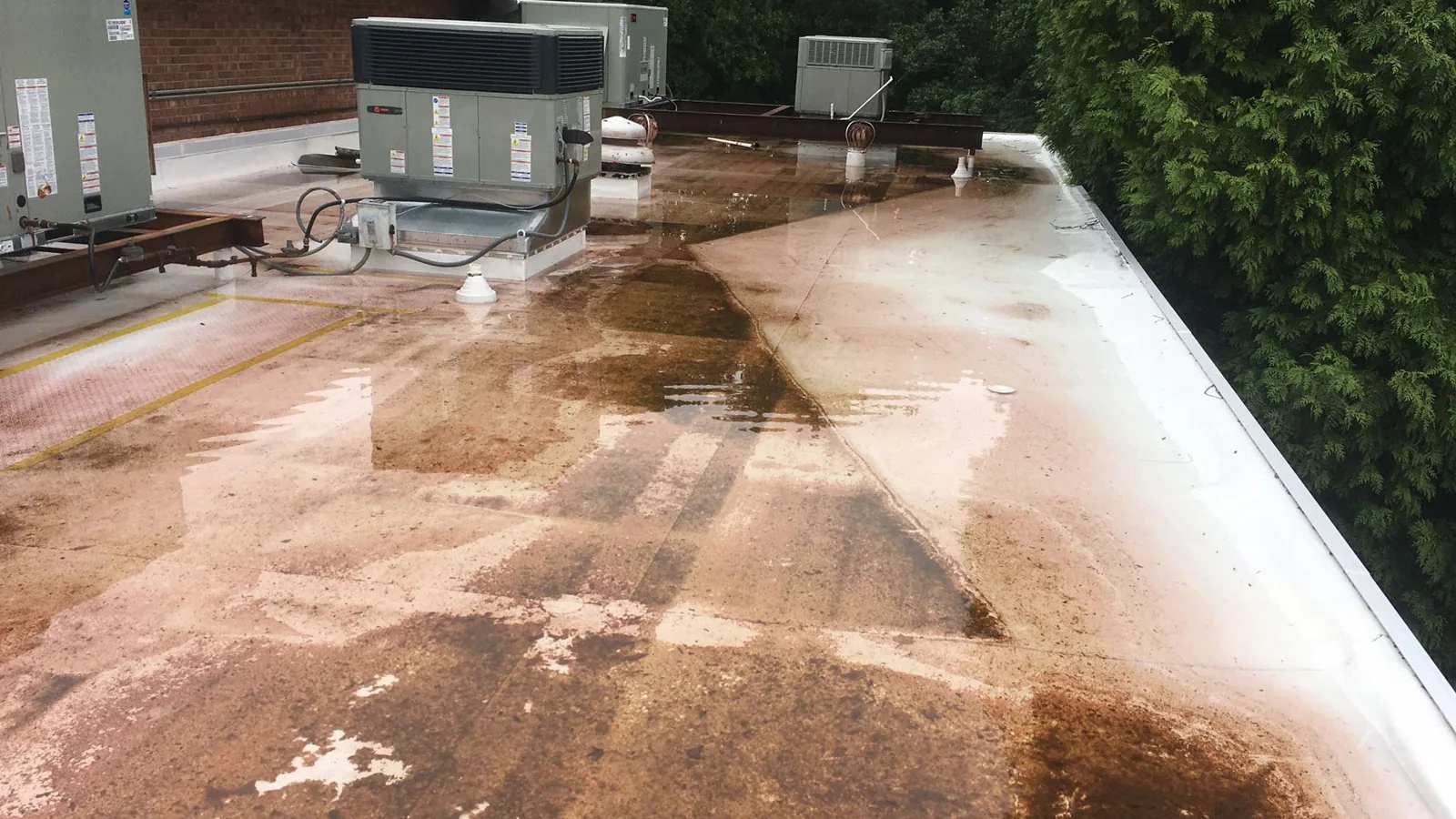
Commercial Ponding Water Roof Repair
Find why commercial roof water remains after rain in Arvada. Inspect drains, slope, membrane, and structural indicators before selecting a correction.
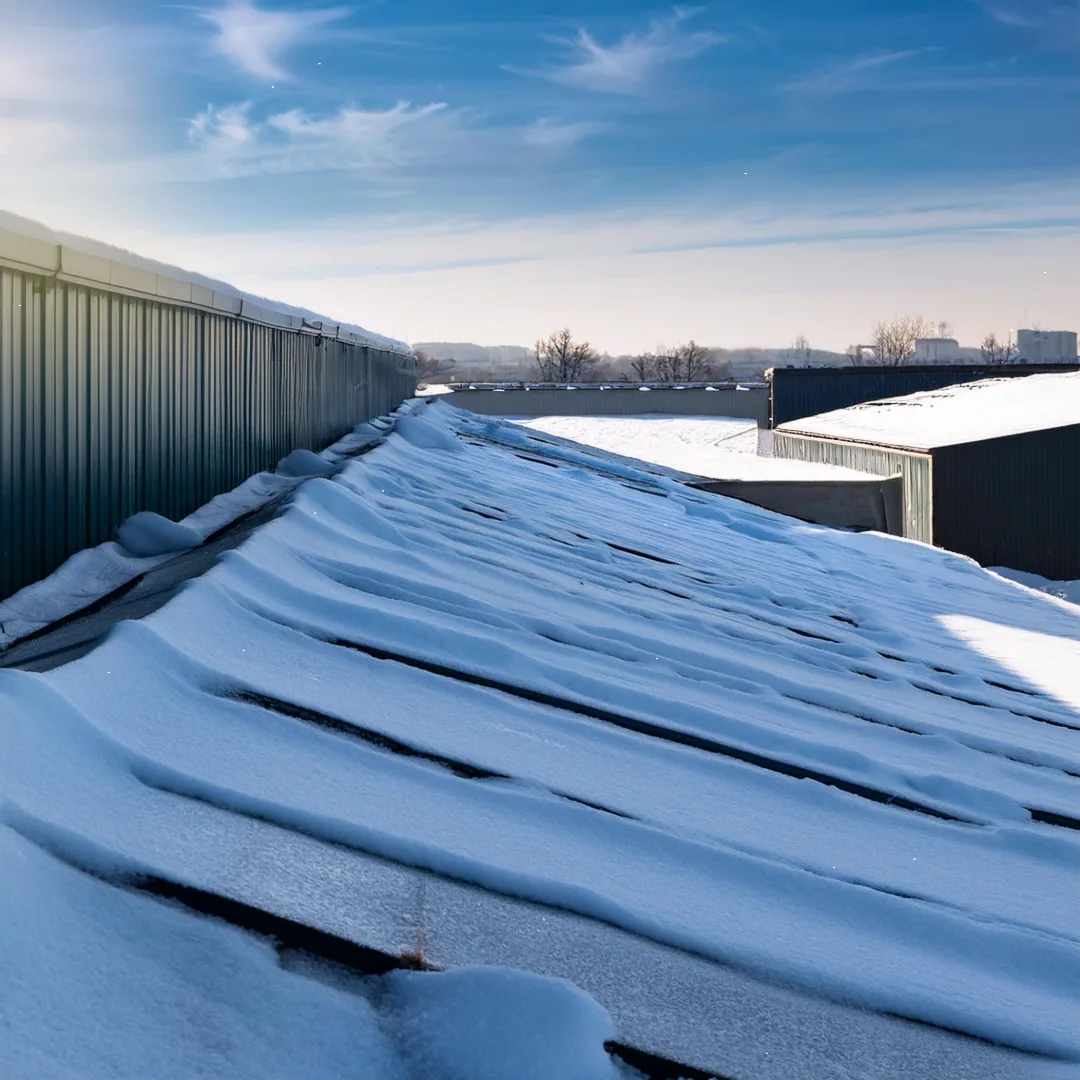
Commercial Snow and Ice Roof Damage Repair
Inspect commercial roofs near Arvada for snow, ice, and drainage damage. Document blocked outlets and leaks before repair or structural review.
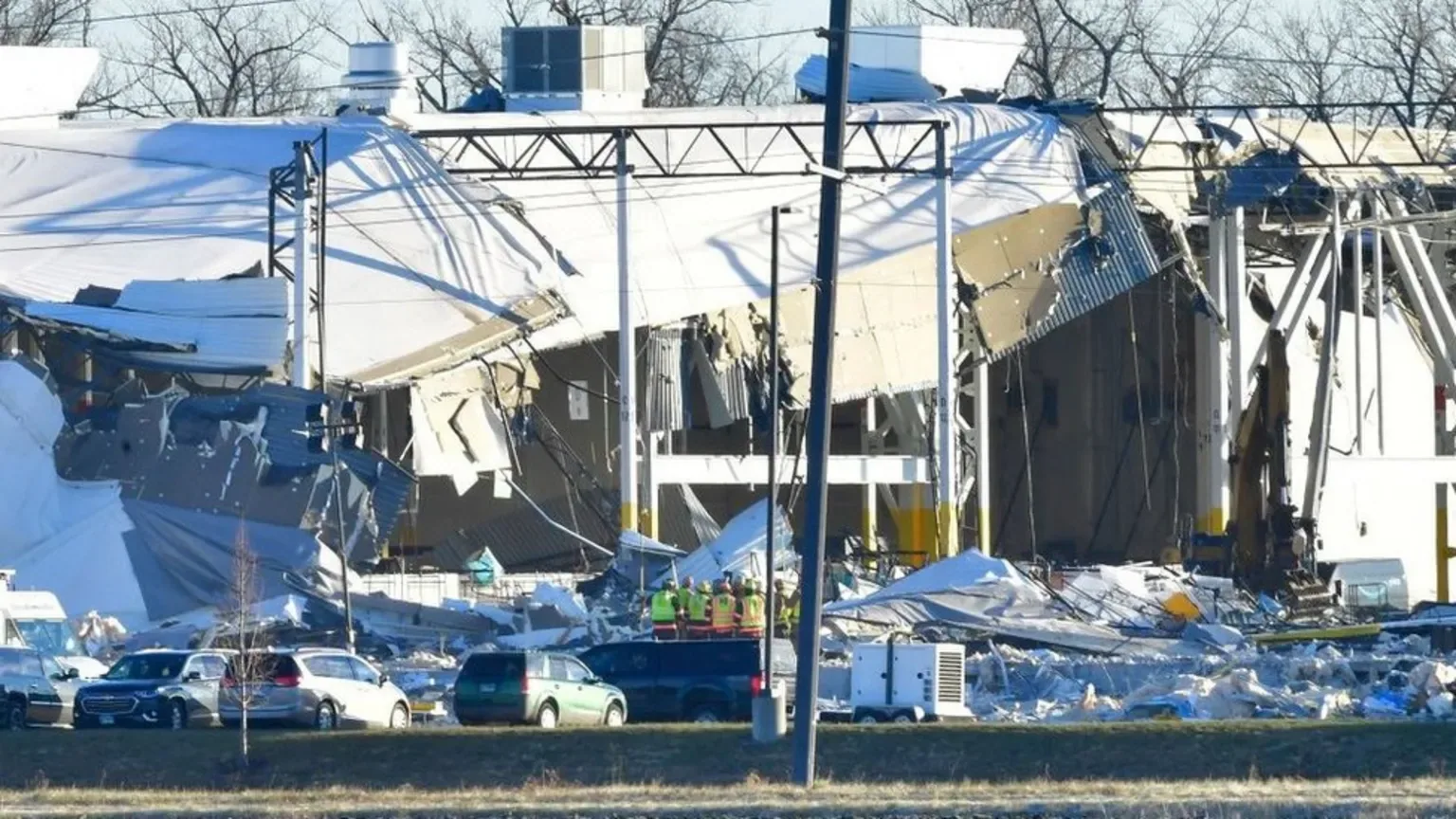
Commercial Tornado Damage Roof Repair
Assess commercial roofs after a tornado near Arvada. Secure exposed areas, map damage, and coordinate structural review before planning repairs.
Serving Arvada and the west Denver metro.
Our crews work on commercial roofs across Arvada, Wheat Ridge, Lakewood, Westminster and Broomfield. Find your area below.
Arvada
Service Areas
Questions about Commercial Heat and UV Roof Damage Repair
Does a faded coating mean the roof is leaking?+
Not by itself. Surface color, cracking, adhesion, seams, and interior conditions all matter. We inspect the assembly and map any active opening before recommending repair or restoration.
Can a new coating fix brittle seams?+
Only if the system and seam condition support that approach. Loose laps or wet substrate need separate work. The inspection identifies preparation, reinforcement, and compatibility before coating is specified.
How can we tell UV wear from storm damage?+
Document the current surface, storm date, prior repairs, and locations of new marks. Gradual wear and fresh impact may appear in different areas. The report separates visible observations from cause questions.
When should a roof be replaced instead of restored?+
Broad substrate failure, widespread moisture, weak attachment, recurring leaks, or unsuitable coating conditions can point beyond restoration. We map those factors and identify any tests that could change the recommendation.
Have a question? Call us at 555-555-5555 or send us a message.
Map the worn surface before selecting a system
Share the address, roof history, material details, photos, and current leak reports. We will inspect seams and transitions, then document repair or restoration options.