Multi-Site Commercial Roof Programs in Arvada, CO
Coordinate roof inspections and repairs across Arvada properties with shared reporting and building-level maps. Preserve each site's scope and priorities.
Request a roof assessment. Tell us about the building.
Send the address and what you are seeing on the roof or inside the building. We will set a time to walk the roof and talk through the next step.
Start with the address list and roof records
One owner may manage retail in Arvada, offices in Broomfield, and federal or industrial space across Lakewood. A multi-site roof program can coordinate inspections, reporting, and schedules. Each building still needs its own map, system description, and repair decision.
The Denver Federal Center includes offices, storage, laboratories, and other agency uses. Broomfield's Interlocken district lies beside US 36 and receives non-potable reuse water for irrigation. These locations show why one program needs consistent fields and separate roof records.
Set one reporting method for every site
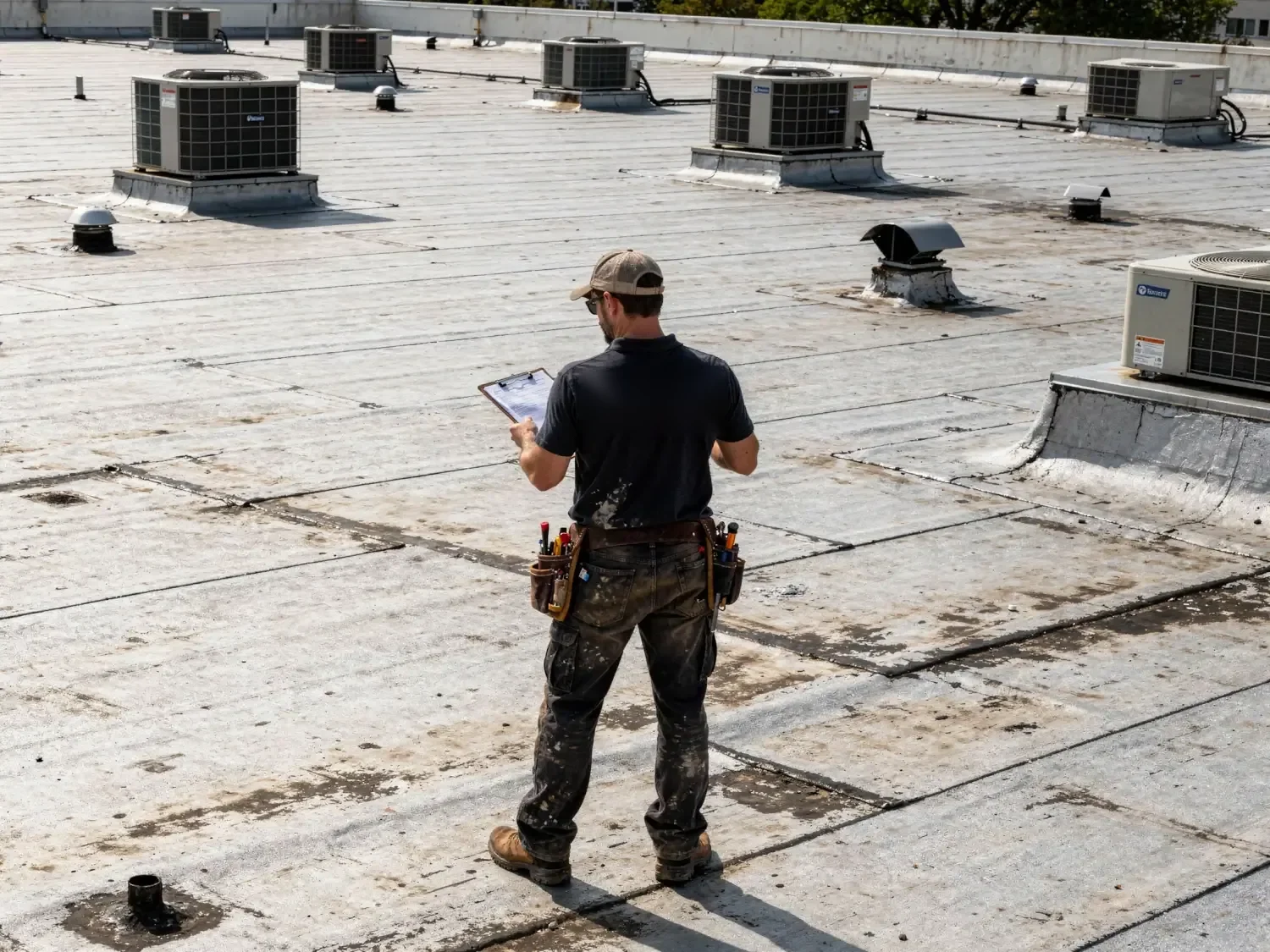
Begin with property list, address, building identifier, access contact, roof plans, and open work orders. Use common terms for urgency and status. Keep a building-level record for system, drains, seams, prior repairs, photos, and unresolved questions. A roof asset register can hold those items without blending findings.
Some sites may have full plans and service history. Others may need field verification. Mark missing records and assign a follow-up owner. Do not infer roof age or material from a neighboring property. A condition report can capture what was confirmed and what remains inaccessible.
A program should identify who approves access, emergency protection, testing, and permanent work. A manager may coordinate the property, while the owner controls capital and procurement. The report can show those responsibilities before a leak or storm forces a decision.
Agree on emergency notification, estimate review, and work authorization at the start of the program. A site contact can release the roof, while ownership approves capital. Document who can authorize temporary protection and what requires written direction. That distinction helps field crews respond promptly without treating urgent work as blanket approval across the portfolio.
Prioritize active exposure across the portfolio
Rank sites by active water, safety concerns, failed drainage, repeat repairs, and consequence to operations. A roof with a clear repair boundary may be ready to schedule. A building with unknown moisture or restricted access may need testing first. The same priority score should not conceal different evidence.
Arvada's Ralston Fields has retail redevelopment, while Olde Town includes office, residential, and mixed-use buildings with historic resources. A multi-site work plan should account for tenant routes and any review required for covered exterior changes. Different site needs can share one calendar while keeping separate approvals.
When a storm affects several properties, record the event date and inspection results by address. The May 8, 2017 metro Denver supercell provides regional weather context; each property still needs its own dated roof inspection. It does not show what happened at a present-day site, so each building needs its own dated inspection. A present-day survey must document its own roof condition.
Coordinate budgets without averaging scope
Cost and timing depend on roof system, area, wet materials, access, staging, equipment, disposal, and operating hours. A capital planning review can compare repair and replacement options by building. Combined mobilization can reduce repeat setup, but line items should remain traceable.
Set inspection windows, proposal due dates, approval points, and construction phases. Some properties may need emergency protection before a broader bid. Others can wait for testing or a capital cycle. The schedule should show dependencies and weather contingency rather than assigning one start date to every building.
Use regular portfolio reviews to clear stalled items. A roof may need records before testing, another may wait on tenant access, and a third may be ready for a bid. List each blocker beside its owner and target date. That makes the program more actionable than an inspection spreadsheet without responsibility or follow-up.
Recovery and replacement require separate checks. Review layer count, moisture, attachment, edge height, drainage, and structural questions before a recover. Replacement needs removal and temporary cover planning. A due diligence survey may be useful when a site is being acquired or refinanced during the program.
Ready to talk about your roof?
Manage site access and local review
Arvada's updated 2024 building codes follow a city implementation schedule in 2026, including wind, seismic, and snow revisions. Other nearby jurisdictions maintain their own permit requirements. Record site city and project scope before deciding which authority or design review applies.
Clear Creek Crossing in Wheat Ridge includes planned office, hotel, retail, residential, and hospital uses. A project there may need different delivery, tenant, and access coordination than a warehouse near Indiana Street. The program can standardize the request form while letting each site set its own work hours and restrictions.
For occupied buildings, name the contact who can release the roof zone and who receives daily closeout. Confirm lift locations, material routes, escorts, and tenant notice. A property manager handoff can keep local access details connected to each asset.
Maintain an owner-level view with site detail
Portfolio summaries can show inspections due, open repairs, approvals pending, and completed work. Link every status to a report or work order. A program visit near the Federal Center still needs its building number, site contact, and access rules.
Closeout records should include map, dated photos, materials, testing, completed limits, and remaining questions. Update the asset record after repairs and storms. If an owner changes managers, the program should preserve contact, access, and follow-up history with each property.
Send the property list, site addresses, plans, open leak reports, previous inspections, and operating schedules. We will identify inspection order and urgent protection needs. Emergency service is available around the clock when active water threatens a building.
After each visit, reconcile the scheduled properties against completed reports. Mark rescheduled sites and their next access window. The portfolio owner can then review which locations have current evidence and which still rely on older documents. Keep the report index aligned with property naming used in accounting and facilities systems.
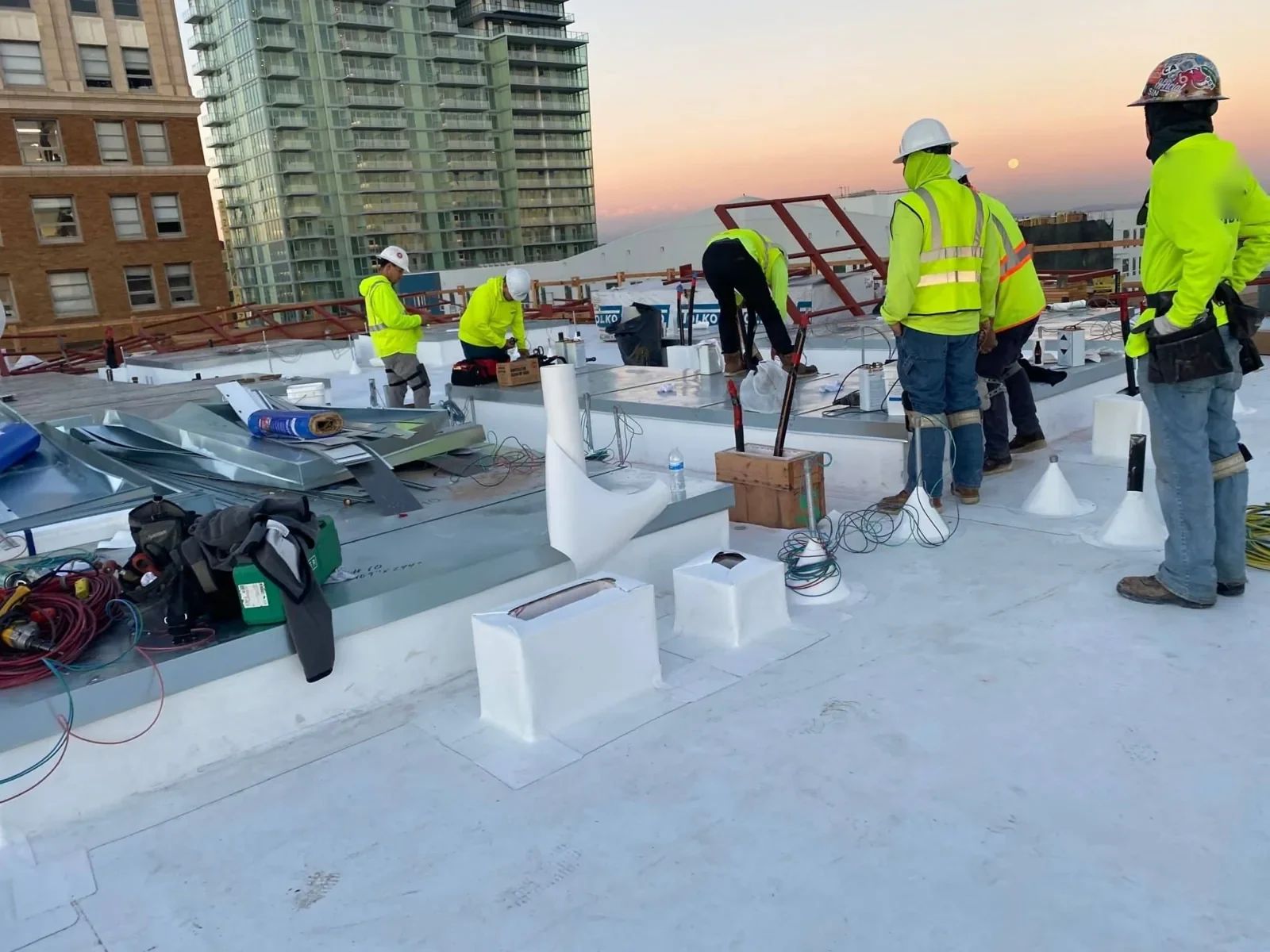
More roofing capabilities
Other work our crews handle on Arvada roofs. See all roofing capabilities.
Commercial Roof Asset Management
Track commercial roof systems and repairs across Arvada properties with dated inspections, building maps, and open decisions. Keep each asset's record distinct.
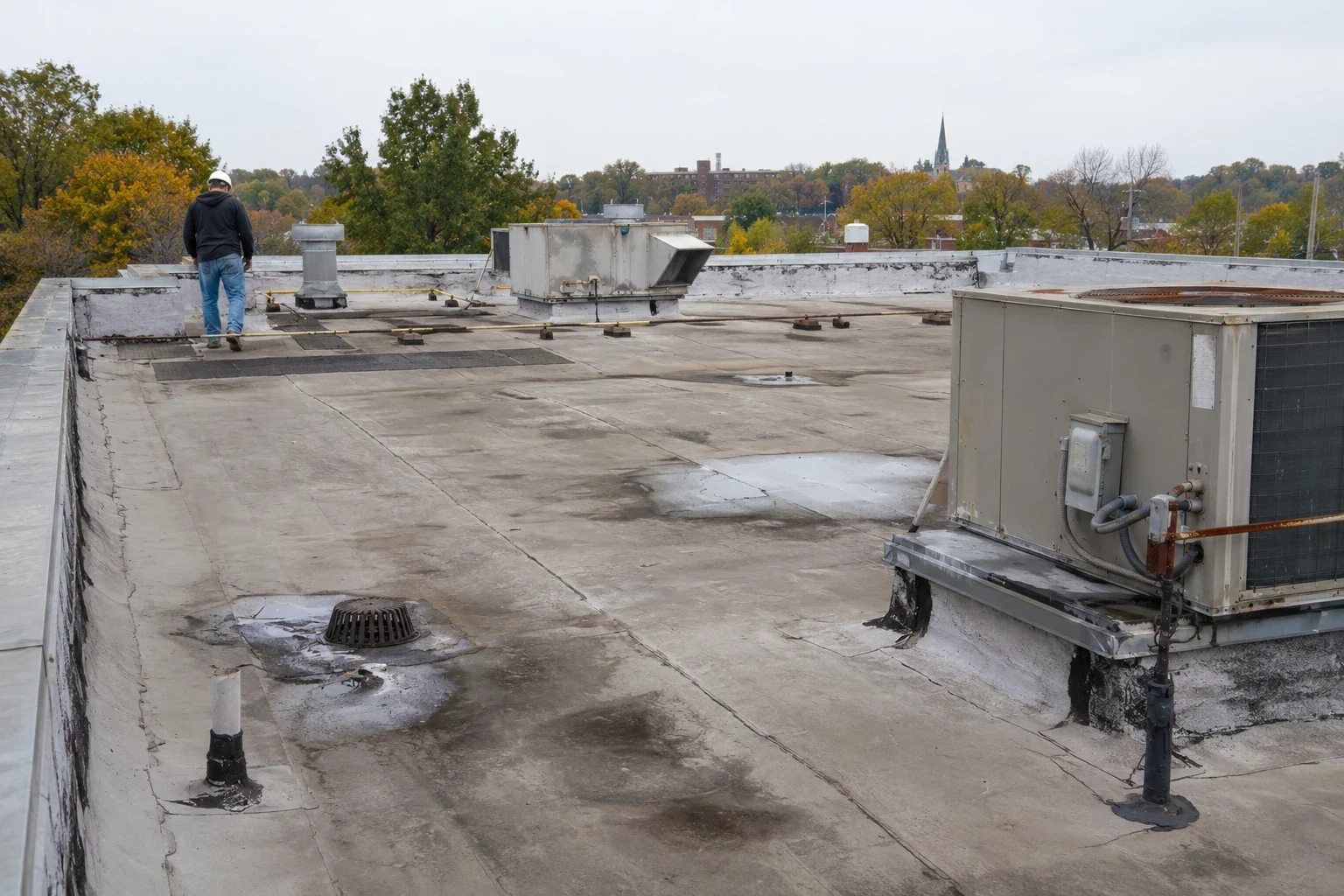
Commercial Roof Condition Reports
Get a commercial roof report near Arvada with mapped photos, observed defects, test limits, and repair priorities. Keep findings tied to each building.
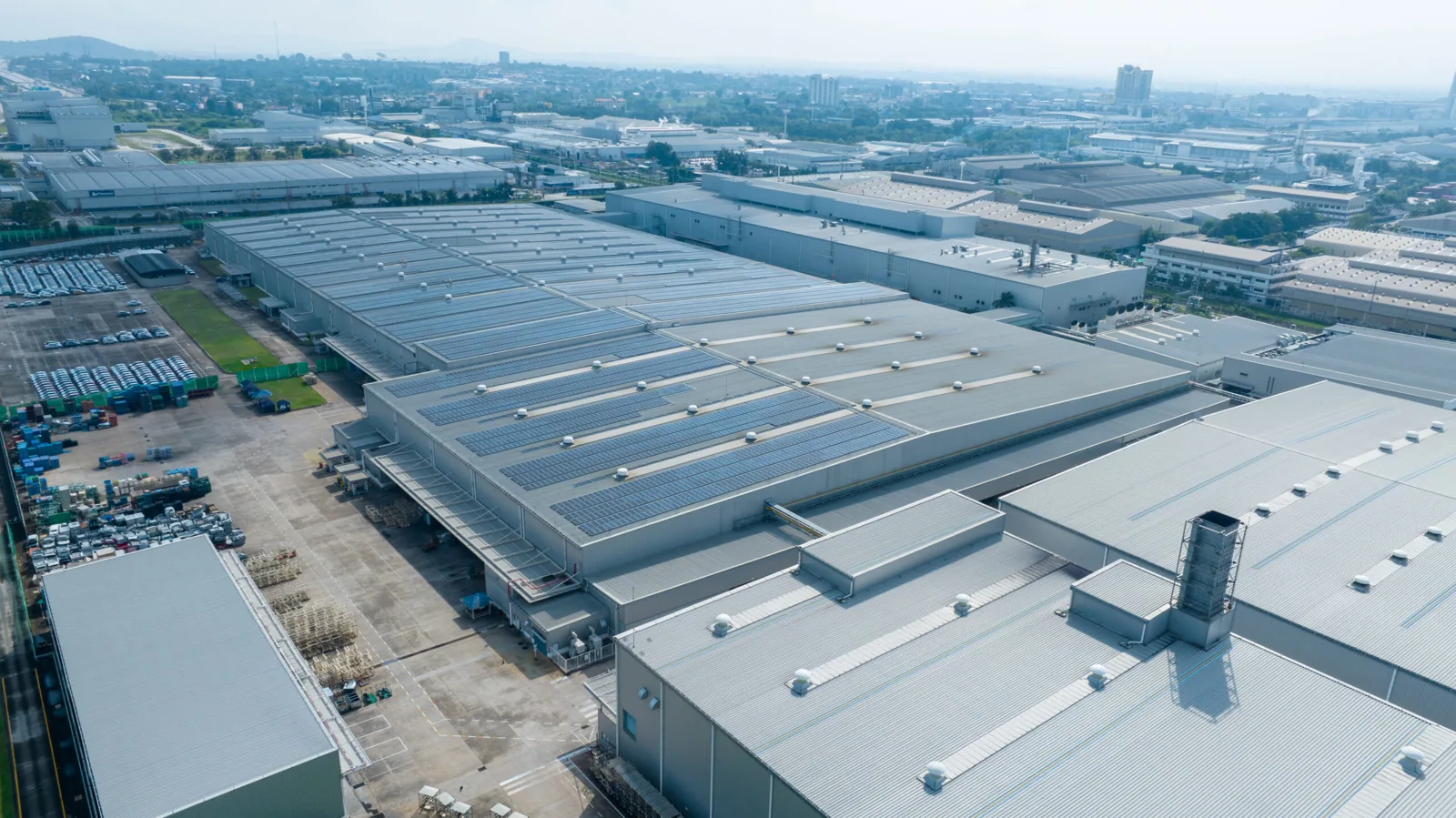
Commercial Roof Capital Planning
Plan commercial roof budgets near Arvada from documented conditions, repair options, and timing drivers. Sequence capital work by building and operating need.

Commercial Roof Due Diligence Surveys
Review Arvada commercial roofs before acquisition or refinancing. Map visible defects, prior repairs, access limits, and questions that may change scope.
Commercial Roof Warranty Management
Organize commercial roof warranty files near Arvada with system details, inspection history, repairs, and current contacts. Verify terms before work.
Serving Arvada and the west Denver metro.
Our crews work on commercial roofs across Arvada, Wheat Ridge, Lakewood, Westminster and Broomfield. Find your area below.
Arvada
Service Areas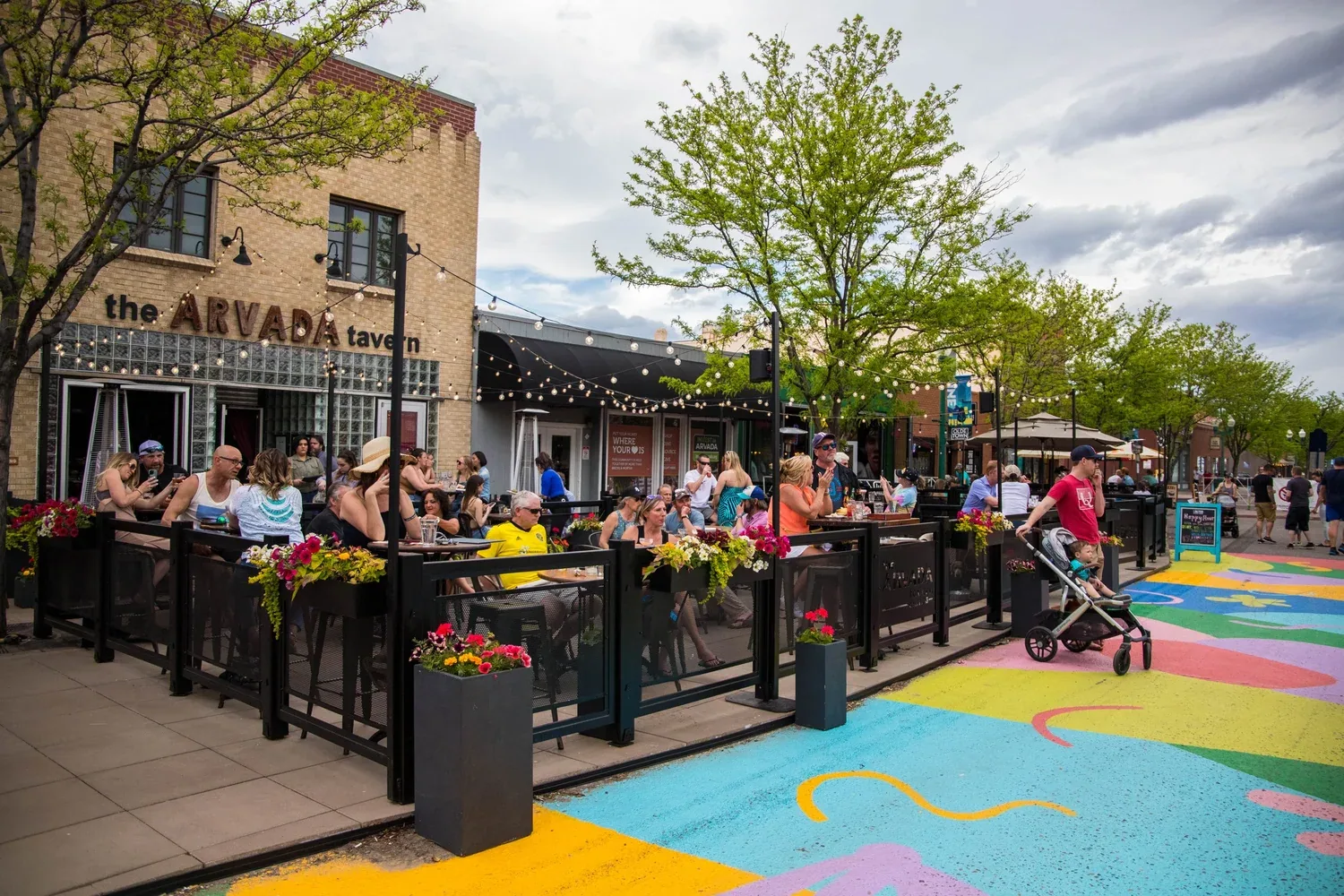
Questions about Multi-Site Commercial Roof Programs
Can one roof program cover different building types?+
Yes. The program can use common report fields and scheduling while preserving separate maps, systems, and repair recommendations. Each address still needs its own inspection and authorization.
How should several urgent leaks be prioritized?+
Compare active water, safety, contents, operations, and the evidence available at each site. We can identify protection needs and inspection gaps. The owner selects response order and approves work by property.
Will combined mobilization make every repair cheaper?+
Not necessarily. Shared setup may help, but roof system, access, quantities, and staging vary. Estimates should retain building-level assumptions so one site's scope does not mask another's cost drivers.
What changes should be reported during a program?+
Report storms, repairs, equipment work, ownership changes, and new leaks. Add the date, property, and roof zone. Update the record after any work that changes the assembly or access route.
Have a question? Call us at 555-555-5555 or send us a message.
Start with the address list and roof records
Provide the property list, roof plans, access contacts, leak reports, and operating schedules. We will build a site-by-site inspection plan and connect each decision to its roof map.