Commercial Roof Capital Planning in Arvada, CO
Plan commercial roof budgets near Arvada from documented conditions, repair options, and timing drivers. Sequence capital work by building and operating need.
Request a roof assessment. Tell us about the building.
Send the address and what you are seeing on the roof or inside the building. We will set a time to walk the roof and talk through the next step.
Build the next budget from roof conditions
A roof enters a capital plan when current condition changes the next budget decision. We inspect the system, map affected sections, and separate repair from replacement questions. The estimate names access, removal, substrate, and weather assumptions. Owners can then sequence work using evidence instead of roof age alone.
Belmar combines retail, office, and residential uses in Lakewood. Olde Town Arvada includes mixed-use buildings and historic resources with separate review requirements for covered alterations. A capital plan should preserve those property differences, even when ownership uses one portfolio budget.
Start with the current roof condition
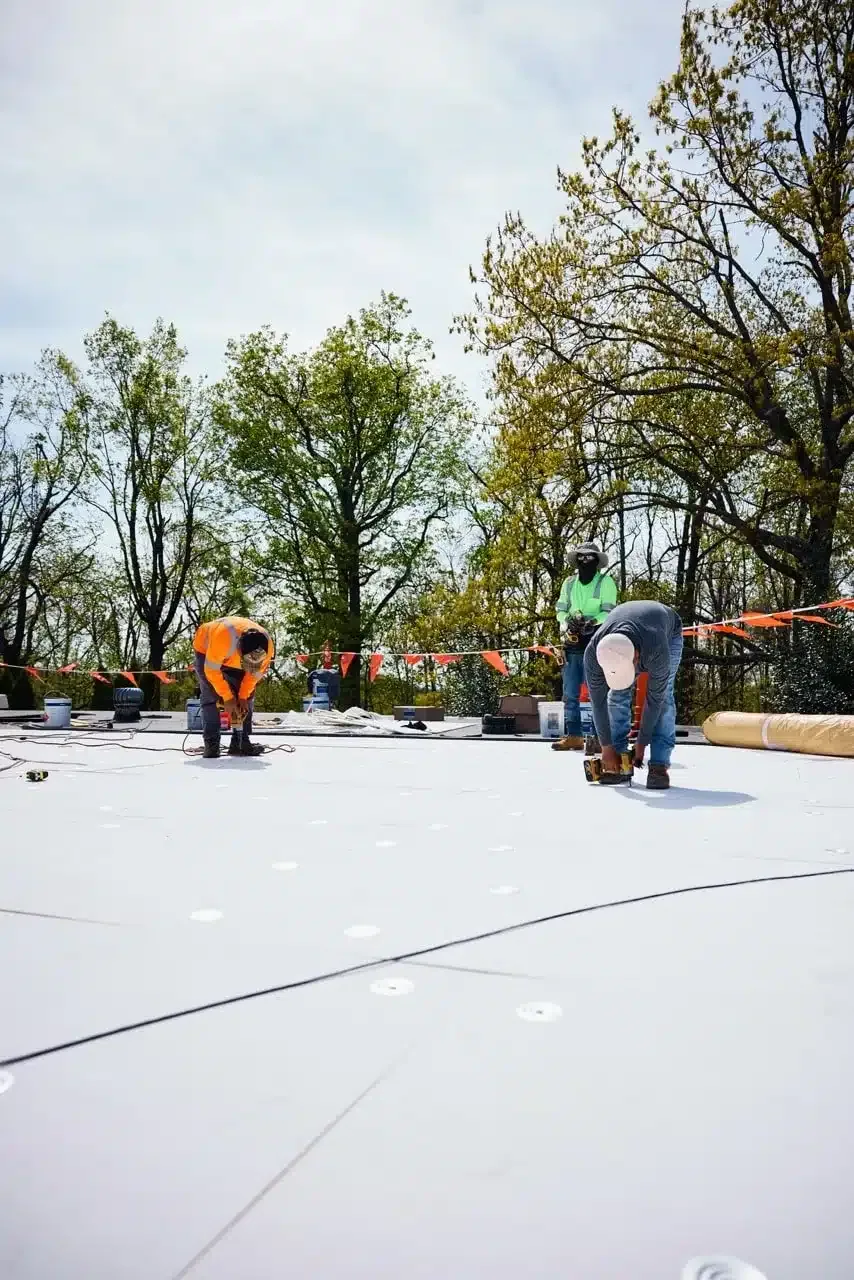
A useful plan identifies roof type, drainage, attachment, visible wear, moisture, prior repairs, and inspection limits. Record active leaks separately from maintenance items. A condition report can show the evidence and next test needed for each section.
One building may contain several roof areas with different materials or additions. Keep each map and recommendation distinct. A repair can address a failed curb or seam while other areas remain under observation. Do not assign one remaining-life assumption to every roof because they share an owner.
For an acquisition or refinancing, a due diligence survey can document the current state and open questions. That work supports planning but does not replace construction documents, design review, or testing when concealed conditions matter.
Compare repair, recovery, and replacement
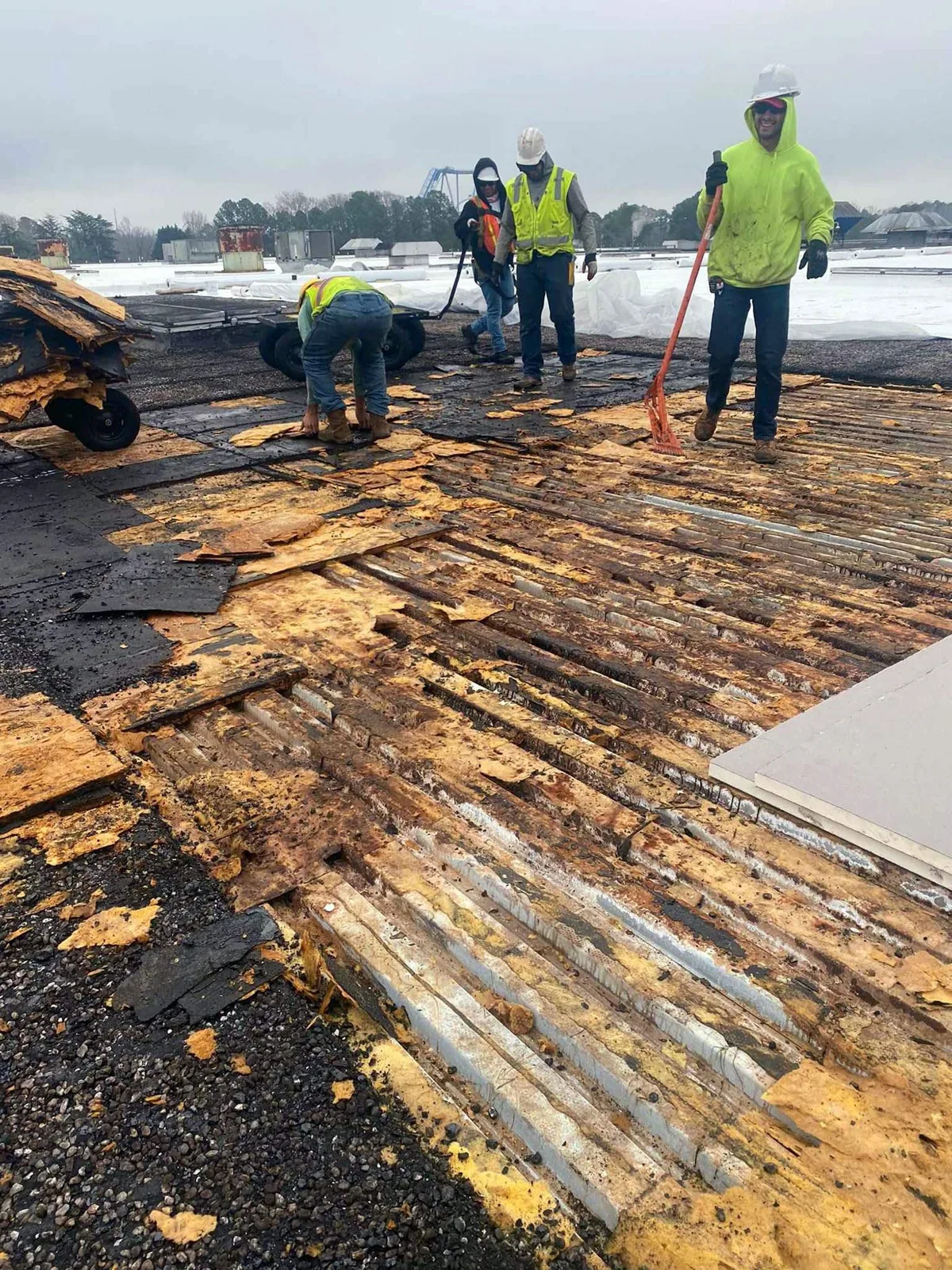
Repair fits when failure is bounded and surrounding material remains sound. Recovery requires review of existing layers, moisture, attachment, drainage, edge height, and structural allowance. Replacement adds removal, disposal, temporary cover, and equipment coordination. A replacement scope should use the same condition map as the repair estimate.
Cost drivers include system, roof area, removal depth, wet insulation, deck repair, staging, material, access, and weather window. We show assumptions and likely unknowns by building. If a test opening could change the scope, state the question and the restoration method before testing.
Use comparable assumptions when showing alternatives. A repair estimate should identify the limited area and its tie-in. Replacement should show removal depth, deck allowance, staging, and inspection requirements. If a cost depends on hidden moisture, label that quantity as uncertain and explain how it will be verified. This lets ownership compare options without treating unknowns as confirmed quantities.
Do not treat a coating as a budget shortcut without checking substrate and compatibility. A restoration evaluation can assess adhesion, repairs, and detail condition. If the roof has broad moisture or failed attachment, coating may not be appropriate.
Place permit and access time in the schedule
For projects inside Arvada, the adopted 2024 code package enters use through the city's 2026 transition. The updated wind, snow, and seismic criteria may affect design review. The project address and scope determine permit applicability. Confirm the review path before budgeting a structural change or adding roof layers.
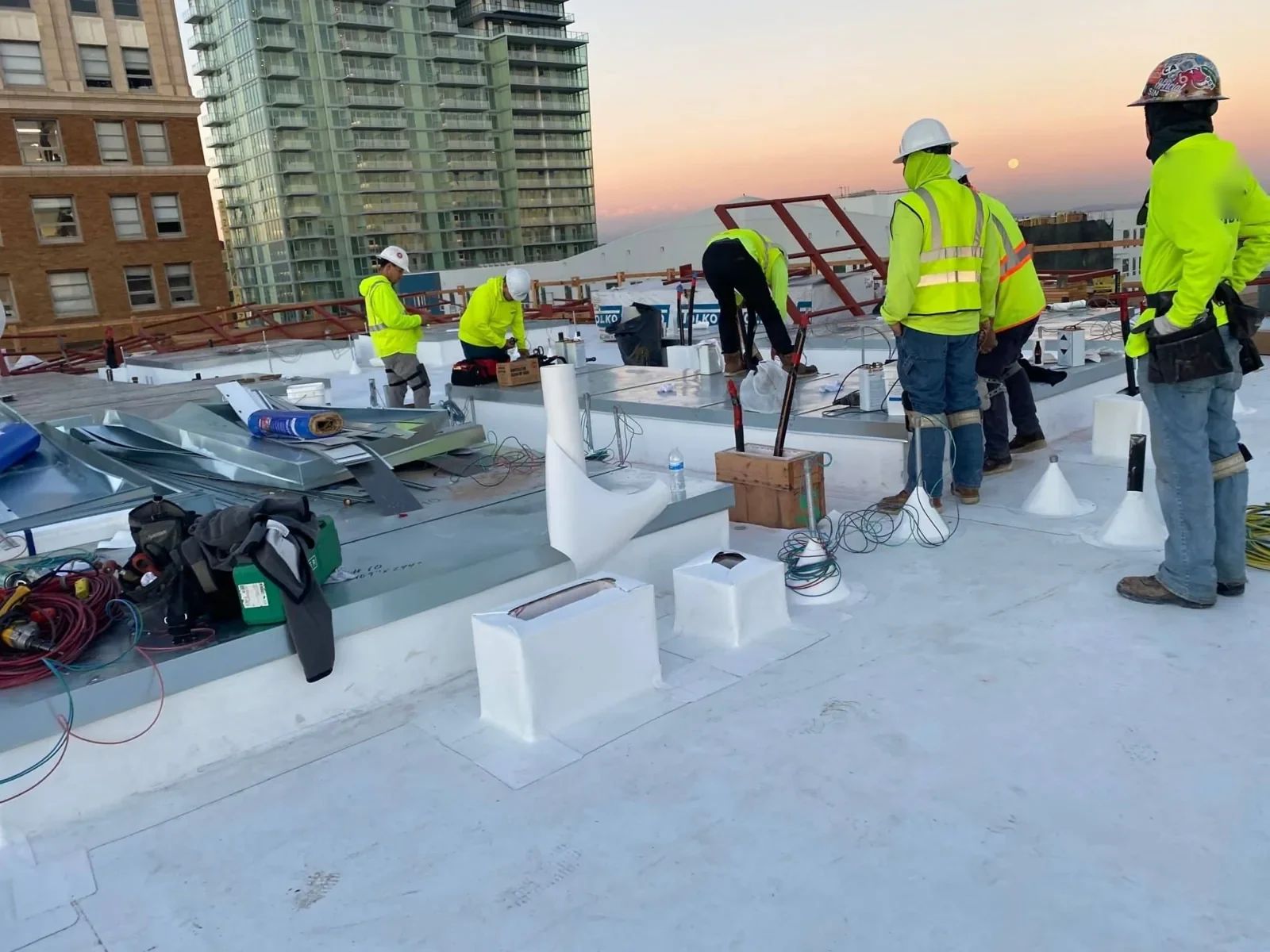
Olde Town design guidelines can require a Certificate of Compliance for covered exterior alterations. Include that review in the capital schedule if visible edge details or roof screens change. A public or occupied building may also need notice, procurement, and access coordination before the first roof shift.
Weather affects removal, adhesives, coatings, and temporary protection. The plan should identify a likely work window and a fallback if rain, snow, or wind stops production. Denver International Airport's 1991-2020 seasonal snowfall normal is 47 inches, a regional reference for winter planning, not a building's design load.
Ready to talk about your roof?
Sequence properties by risk and readiness
Rank active water, safety concerns, recurring failures, and scope confidence. A roof awaiting access or testing may not be ready to bid. A property with a clear repair boundary can move sooner. A roof asset register can track which decisions are open and when each report should be revisited.
Portfolio phasing can group mobilization, but it should not merge unlike systems. Keep material, roof area, and quantities by property. Note tenant operations, loading routes, equipment shutdowns, and required inspection holds. A recover assessment remains separate from a replacement option until the assembly is verified.
Arvada Marketplace sits on 52nd Avenue in New Town, while the Denver Federal Center is in Lakewood. A capital project near Arvada Marketplace needs its own access, tenant, and jurisdiction notes. Location helps route a project but does not set scope.
Some roofs should move ahead of a larger package because they have active interior exposure. Others may wait for a moisture survey, tenant move, or design review. Mark schedule dependencies beside each asset. That way an annual plan can reserve time for decisions before the construction season, not just list desired start dates.
Keep the budget tied to field evidence
For each planned project, keep the inspection date, roof map, photos, estimate basis, assumptions, approval status, and unresolved questions together. When hidden conditions change quantities, update the scope before work expands. A multi-site program can coordinate owners and schedules while preserving building-level decisions.
Send addresses, plans, recent repairs, operating calendars, budget timing, and open leak reports. We will identify which roofs need immediate protection, further testing, or capital scope. The owner retains the final priority and funding decision.
A capital plan should be revisited after a storm, repair, tenant change, or new inspection. Record what changed and which estimate assumption no longer applies. That keeps the next budget discussion tied to current conditions rather than an old condition rating.
After a project, compare actual removal and repair findings with the estimate assumptions. Update the property record with quantities, material, test results, and remaining service questions. The next capital cycle can then use what the crew exposed instead of repeating the same uncertainty at a later bid.
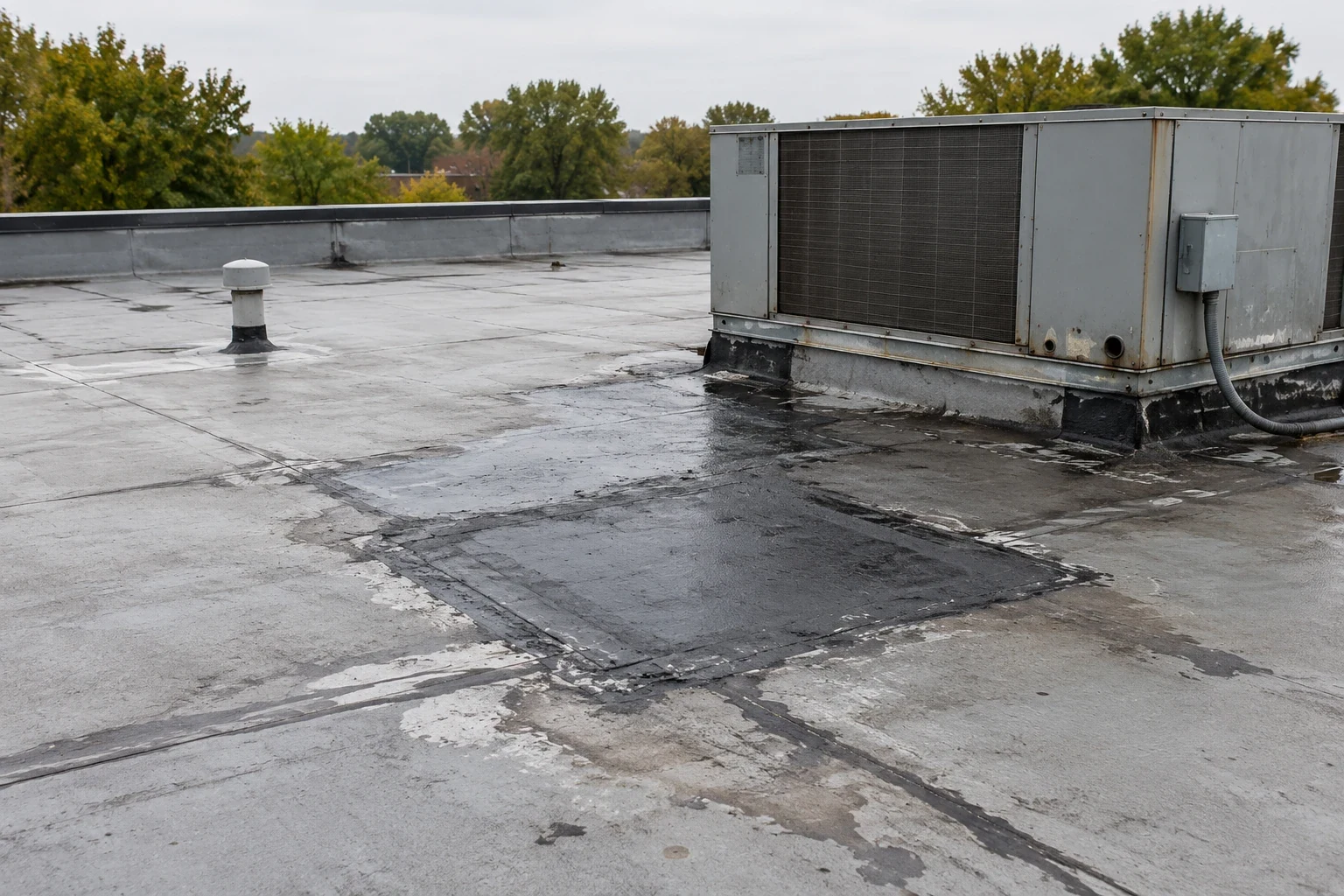
More roofing capabilities
Other work our crews handle on Arvada roofs. See all roofing capabilities.
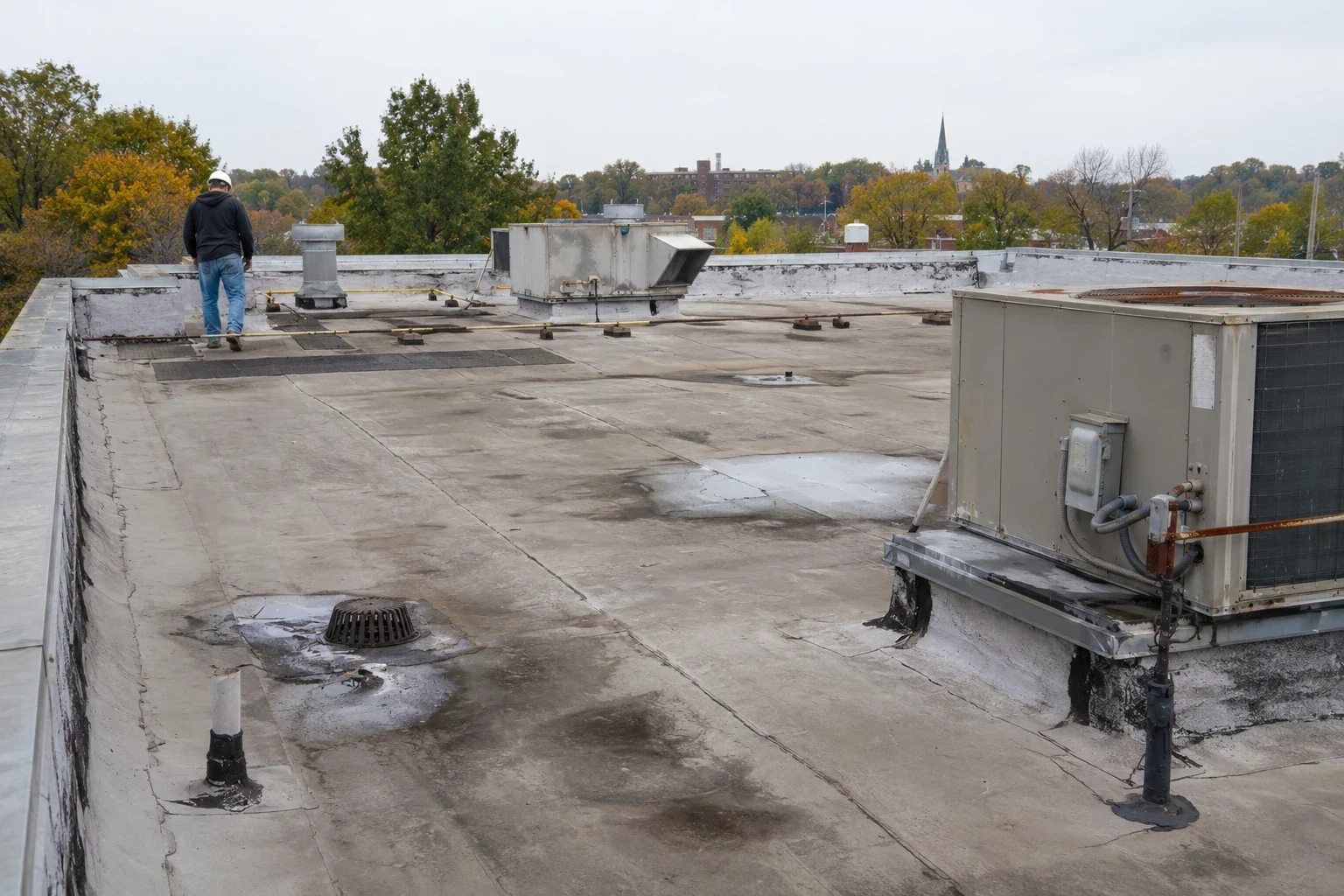
Commercial Roof Condition Reports
Get a commercial roof report near Arvada with mapped photos, observed defects, test limits, and repair priorities. Keep findings tied to each building.

Commercial Roof Due Diligence Surveys
Review Arvada commercial roofs before acquisition or refinancing. Map visible defects, prior repairs, access limits, and questions that may change scope.
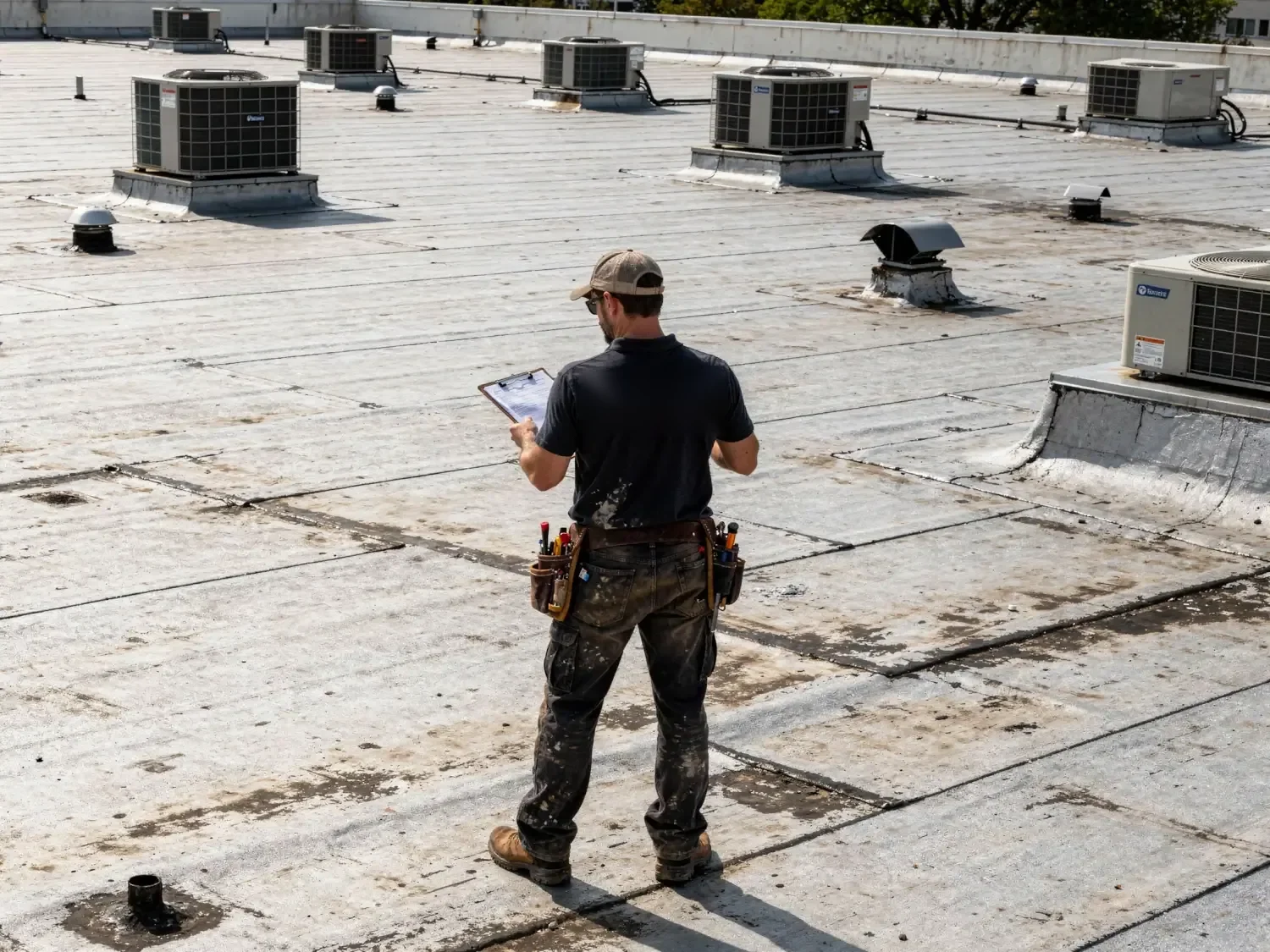
Commercial Roof Asset Management
Track commercial roof systems and repairs across Arvada properties with dated inspections, building maps, and open decisions. Keep each asset's record distinct.
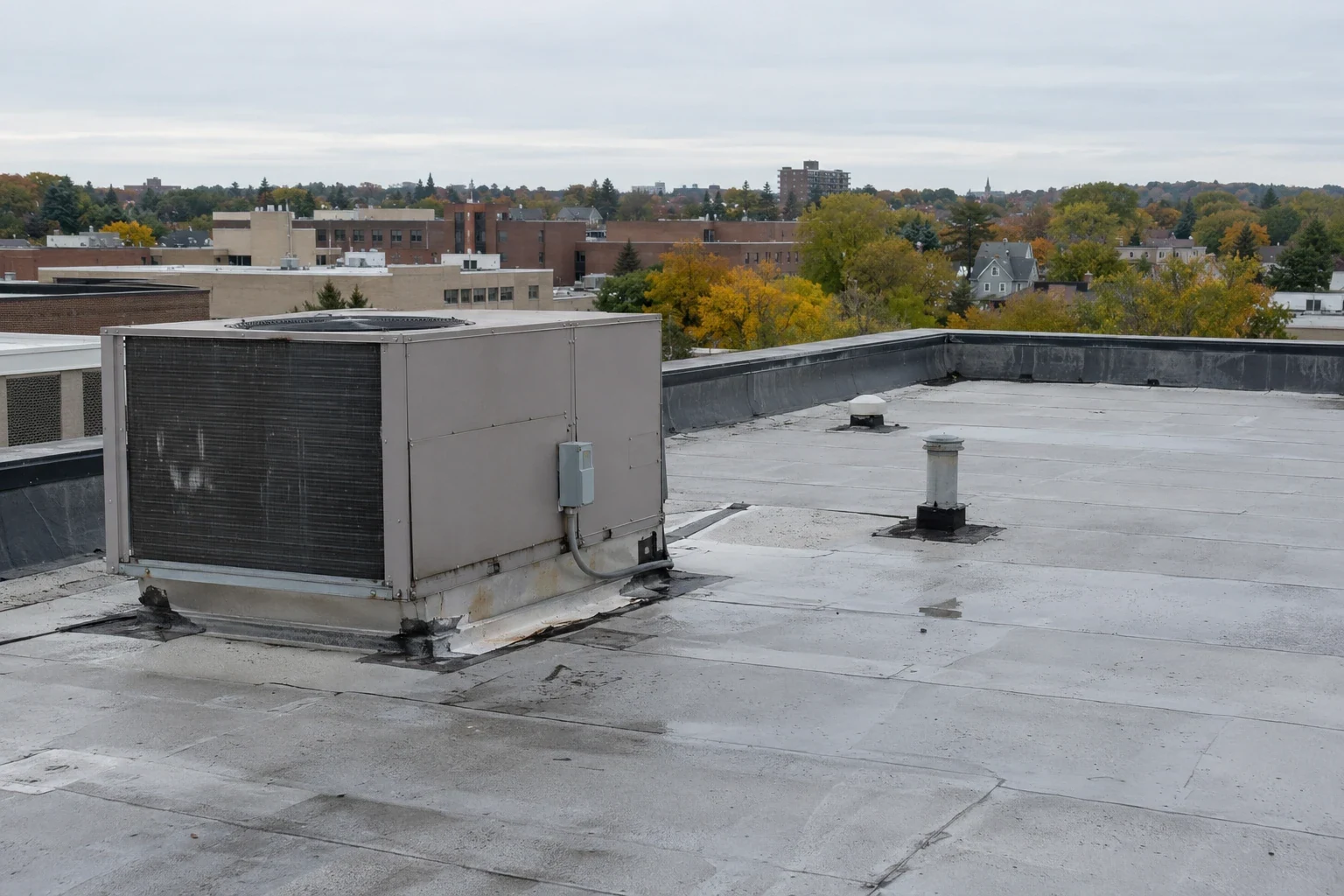
Multi-Site Commercial Roof Programs
Coordinate roof inspections and repairs across Arvada properties with shared reporting and building-level maps. Preserve each site's scope and priorities.
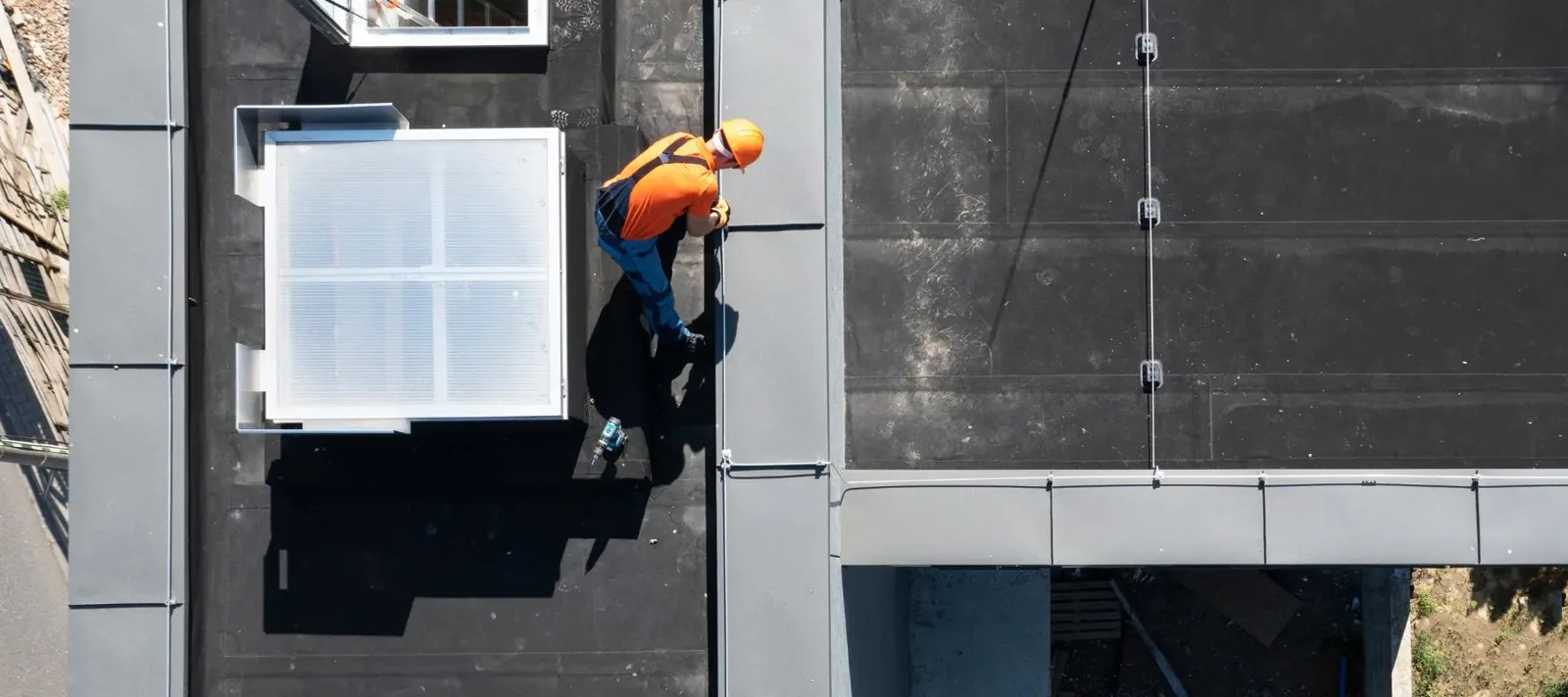
Commercial Roof Warranty Management
Organize commercial roof warranty files near Arvada with system details, inspection history, repairs, and current contacts. Verify terms before work.
Serving Arvada and the west Denver metro.
Our crews work on commercial roofs across Arvada, Wheat Ridge, Lakewood, Westminster and Broomfield. Find your area below.
Arvada
Service Areas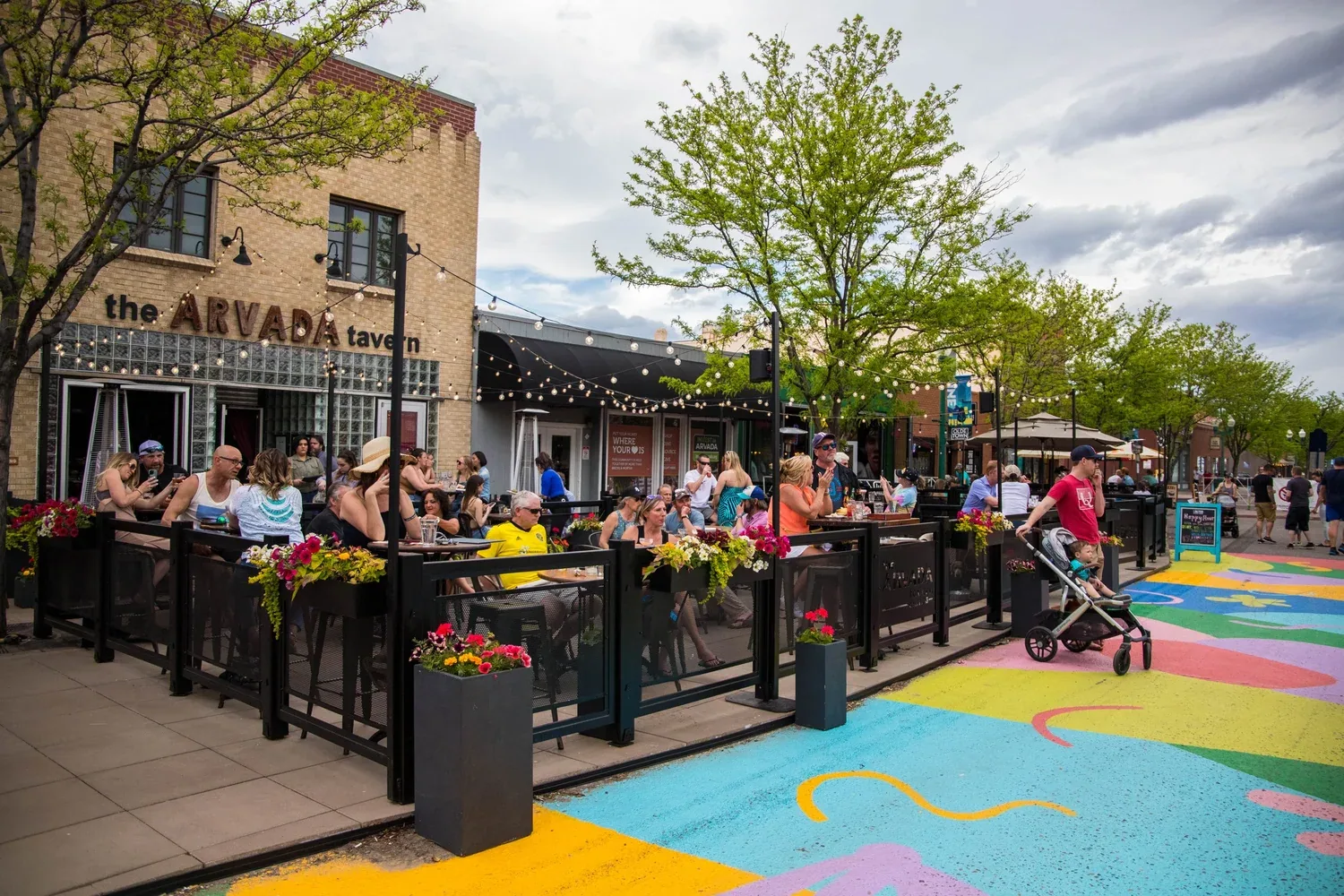
Questions about Commercial Roof Capital Planning
Does roof age determine when capital work is due?+
Age can provide context when records support it, but it does not replace condition. We review leaks, moisture, attachment, drainage, repairs, and access. The owner compares those findings with operating and budget needs.
Should repair and replacement appear in the same plan?+
Yes, when both options are supported by the condition. Show their scope, cost drivers, schedule, and unknowns separately. That allows ownership to compare near-term repair with a larger capital project.
What can change a roofing budget after inspection?+
Concealed moisture, deck damage, material layers, equipment access, permit review, and weather can affect scope or timing. We list assumptions and identify tests that may reduce uncertainty before bidding.
How do we prioritize several roofs?+
Compare active exposure, safety, failure extent, repair confidence, and project readiness. Keep each building's evidence separate. The owner can then sequence work around access, procurement, and available capital.
Have a question? Call us at 555-555-5555 or send us a message.
Build the next budget from roof conditions
Share the property list, roof plans, inspection reports, leak history, and budget schedule. We will map options, assumptions, and the next decision for each building.