Duro-Last Commercial Roofing in Arvada, CO
Evaluate Duro-Last PVC roofing in Arvada with checks of factory-fabricated sheets, field seams, flashing, and moisture before repair or replacement.
Request a roof assessment. Tell us about the building.
Send the address and what you are seeing on the roof or inside the building. We will set a time to walk the roof and talk through the next step.
Review the field details before Duro-Last repairs
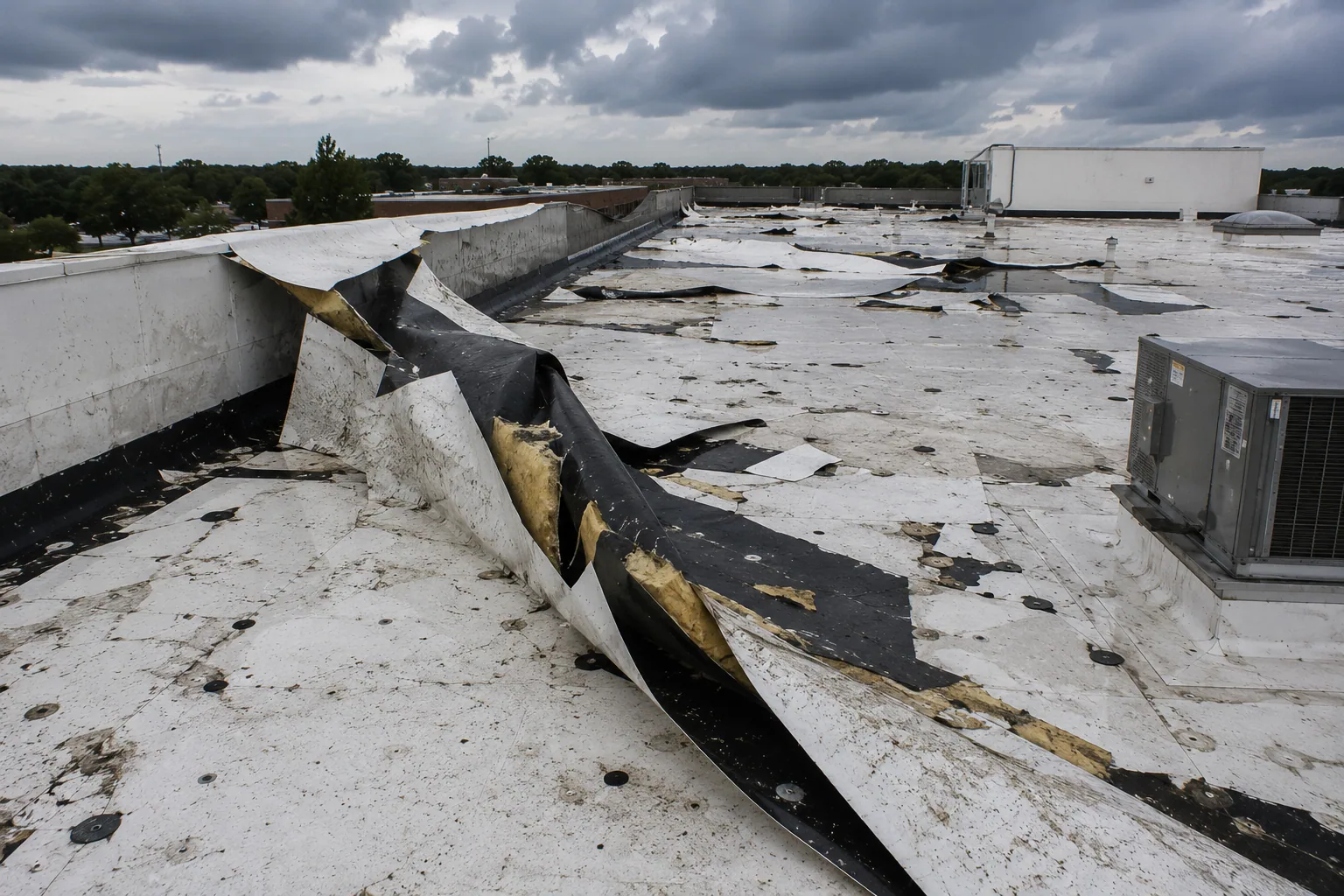
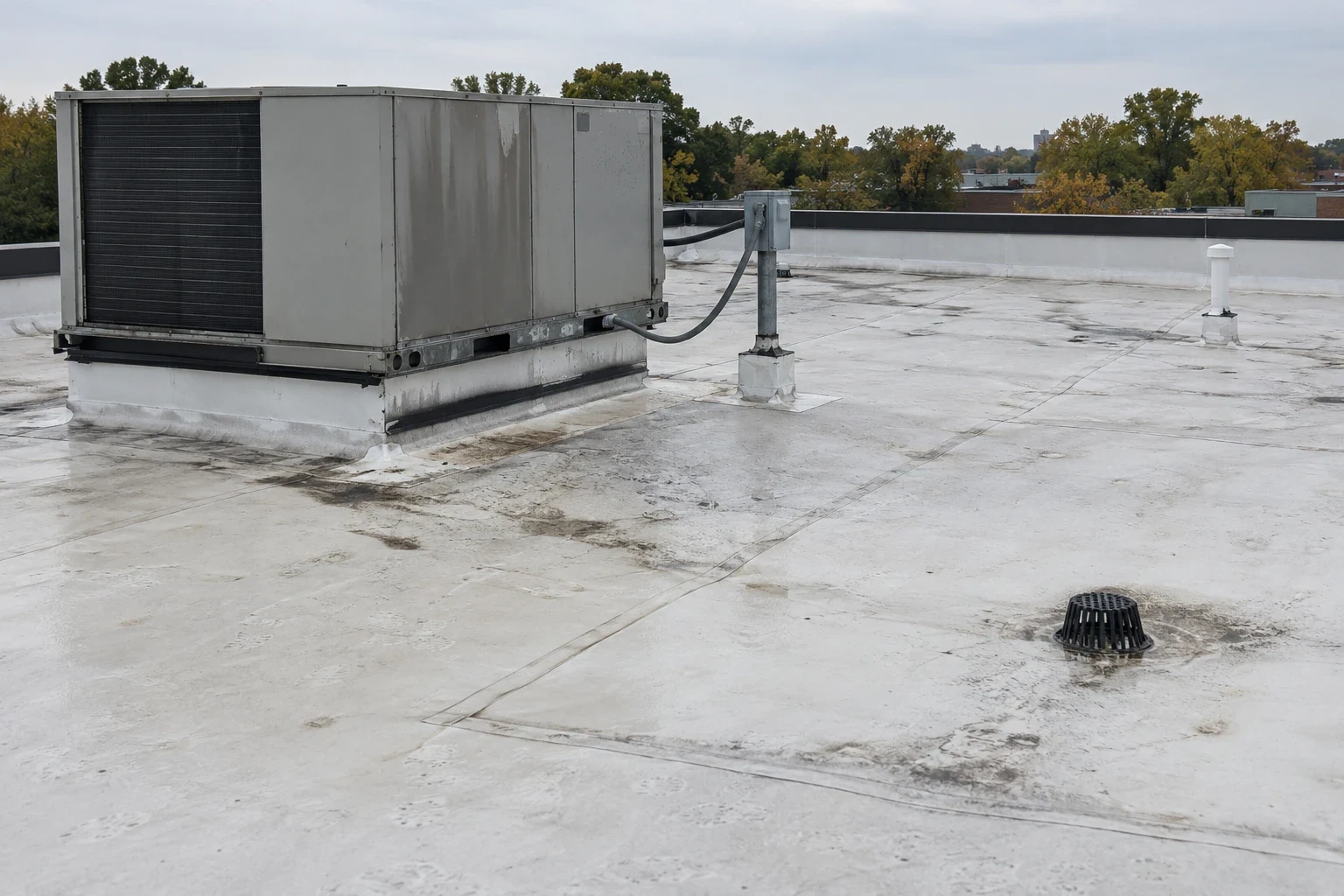
A leak at a parapet can involve the sheet, its prefabricated flashing, or the wall transition. On a Duro-Last roof, we inspect the actual membrane and accessories before choosing a repair. The company's flagship commercial system uses PVC sheets and factory-fabricated components. Some seams arrive welded before installation; other field details still need careful preparation and closure on the building.
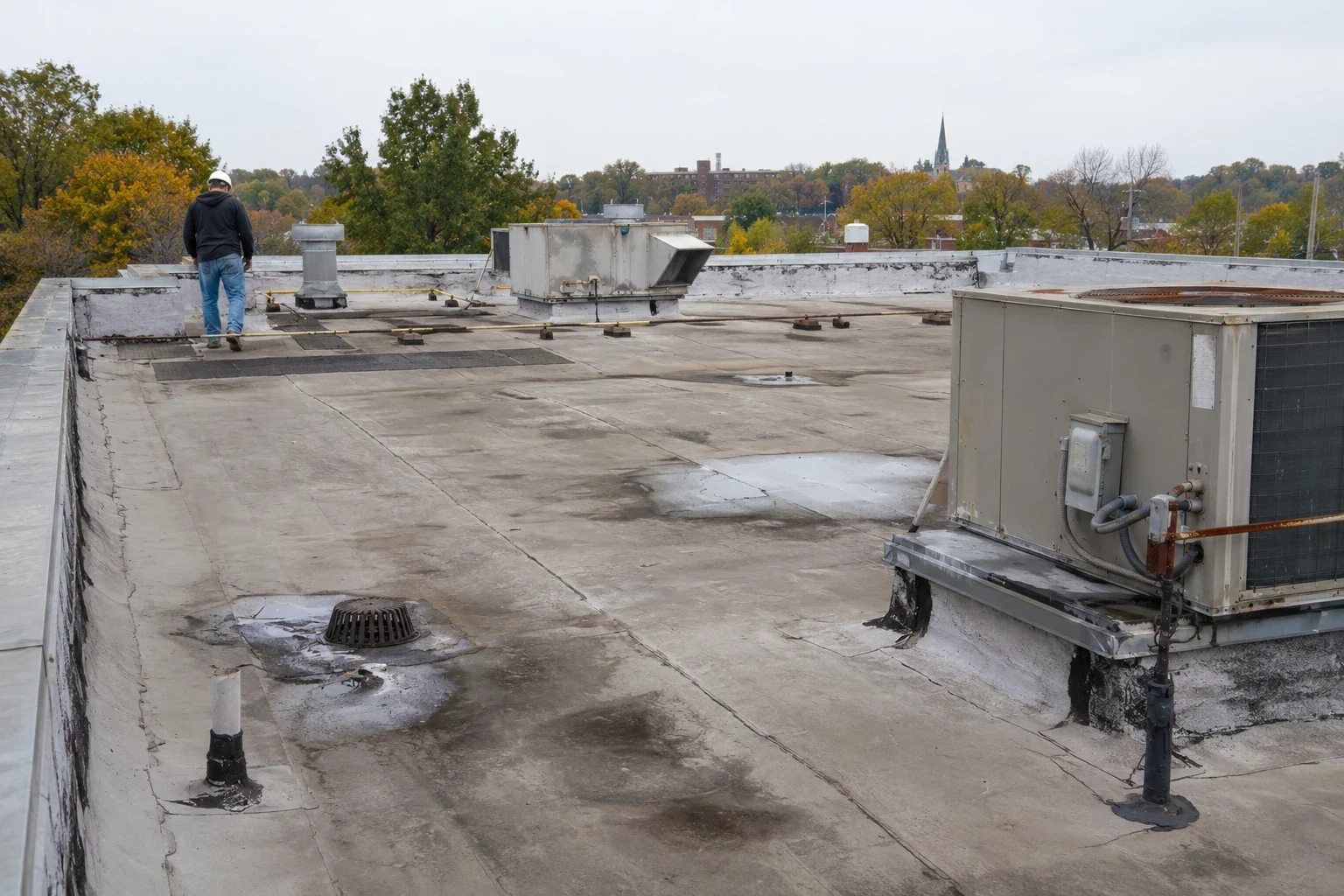
We start with product records, membrane markings, seam layout, and roof geometry. The first roof walk also checks drains, penetrations, perimeter metal, and reported interior water. Each observation is mapped and photographed, with the repair boundary stated separately from conditions that need more testing. A commercial roof inspection can sort a single leak from a broader system issue.
Factory and field seams
Duro-Last describes its PVC roofing system as custom fabricated to building dimensions, with deck sheets and accessories prepared in a factory-controlled process. Its product information says some systems arrive with a large share of membrane seams already welded. That can change the field installation sequence, but it does not remove the need to inspect corners, penetrations, perimeter terminations, and field-joined sections on the completed roof.
At a repair, we identify whether the opening sits on a factory-fabricated seam, a field weld, or a transition accessory. We check for separation, punctures, dirt, surface wear, and evidence of prior repair. PVC requires compatible preparation and welding. A general sealant pass should not conceal a seam that needs a welded repair. The written scope names the material, preparation, patch size, and closeout photos needed for the affected section.
Near Ralston Fields, retail redevelopment includes Target, Big 5, and restaurants. That setting says nothing about a specific roof's brand or condition. It does make deliveries, storefront access, and tenant schedules relevant when setting staging. We coordinate a daily work zone and protect the spaces below before opening any roof area.
Accessories and roof details
Prefabricated accessories can simplify some transitions, but we still inspect how each piece meets the roof. Common checkpoints include drains, scuppers, curbs, wall flashings, pipe penetrations, skylights, and edge metal. A loose corner or split at the accessory skirt may be the entry point. We trace water to the detail rather than applying a patch at the interior stain's roof location without evidence.
Drainage gets a separate pass. Debris, blocked strainers, restricted overflow routes, or low areas can keep water against seams and flashings. We note whether ponding appears tied to debris, slope, insulation, or movement. The report also records rooftop equipment and service paths, since maintenance traffic can cut a sheet or lift an accessory edge. A drain and scupper review can be paired with a perimeter metal inspection when both details need attention.
If a roof section is inaccessible, we state that limit. The report records substrate conditions only where they can be observed or tested. Infrared review or a small test opening may help establish whether insulation below a visible defect is wet. When moisture is found, we map its boundary before deciding whether to dry, replace, or leave the material in place. This distinction keeps a repair quote tied to field evidence instead of an assumed hidden failure.
Storm review and documentation
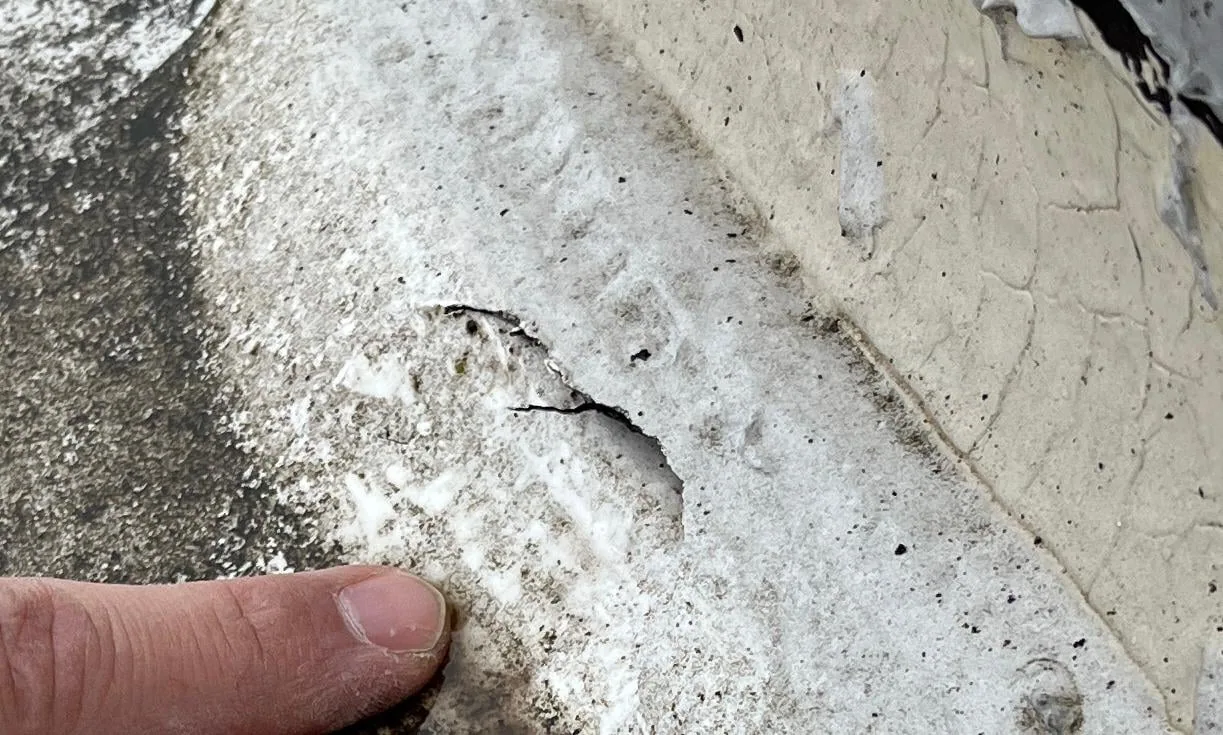
After hail or wind, inspect membrane fields, factory and field seams, penetrations, equipment supports, and edge conditions. Photograph each mark and separate surface observations from suspected moisture. On May 8, 2017, a storm with hail, strong wind, heavy rain, and flooding crossed parts of the Arvada area. For a Duro-Last roof, review service history, affected-zone photos, and the membrane and perimeter condition. That event is regional history. It does not prove damage on a roof inspected today.
We organize a current storm report around the date and location supplied by the property manager. The photo record identifies the affected sections, interior reports, and temporary protection completed. If water is active, keeping it out of occupied space is the immediate task. Permanent repair follows after the membrane, flashing, and insulation are reviewed. Claim documentation can record the visible condition, but cannot determine what an insurer will pay.
Denver International Airport's 1991-2020 normal seasonal snowfall was 47 inches. That regional reference can prompt a drainage or load question, but it is not a site measurement. Arvada adopted updated 2024 building codes on its 2026 city schedule. A reroof, recover, or structural change should be checked against applicable review requirements. We confirm timing before a permanent assembly is specified.
Ready to talk about your roof?
Repair, recover, or replace
A local opening with sound surrounding sheet and dry substrate may support repair. Repeated seam separation, multiple punctures, wet insulation, or failed perimeter securement can change the work from a patch to a larger project. We distinguish each roof zone and document what testing would resolve open questions. The owner sees a clear boundary between completed temporary protection and permanent corrective work.
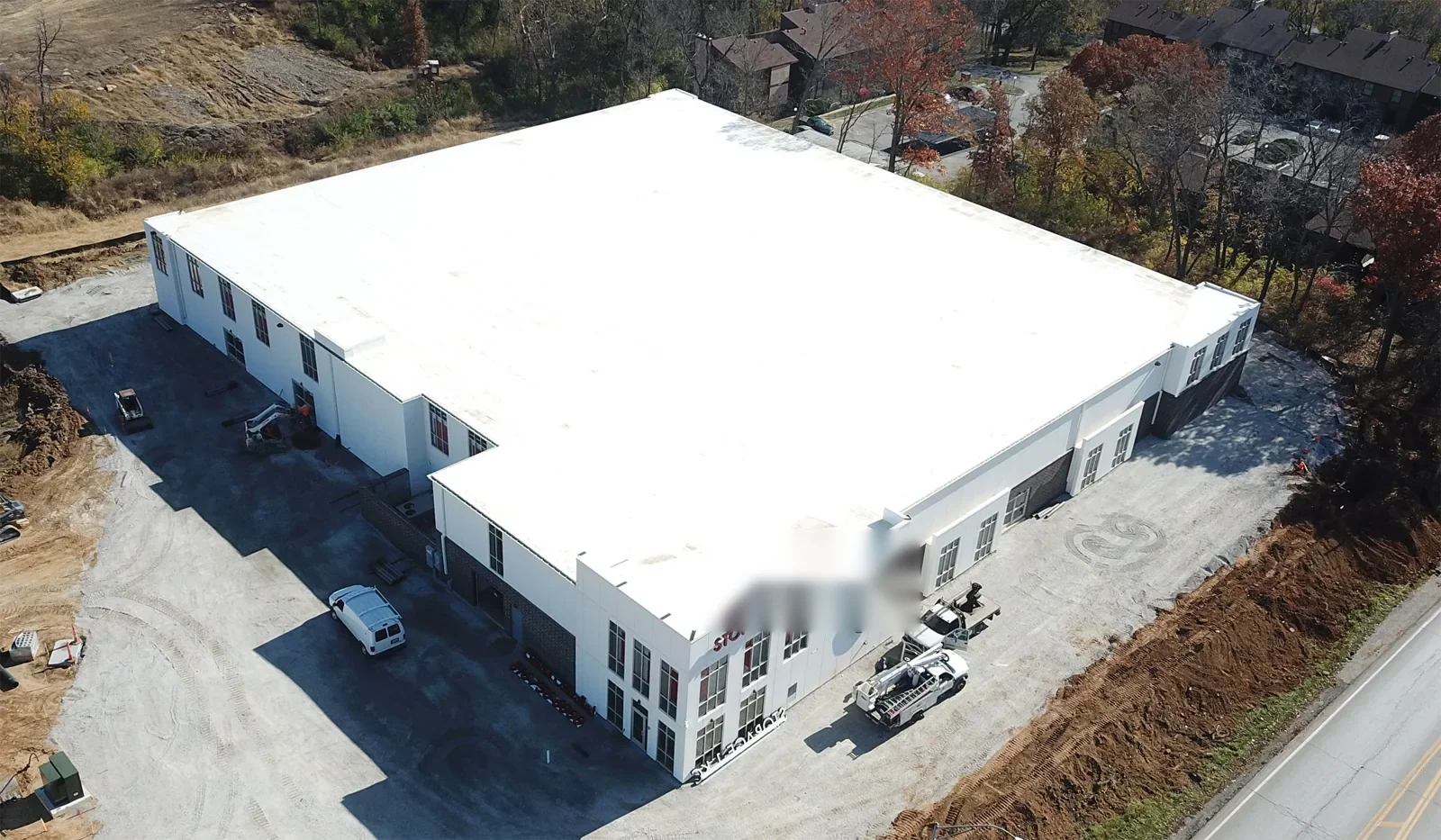
A recover adds a layer, so it needs a review of deck capacity, existing materials, drainage, moisture, attachment, and code. Replacement can reset the insulation, membrane, flashing, and edge details as one assembly. Duro-Last's factory-fabricated components may be part of a proposed system, but the design still needs to match the building and its field conditions. We compare options in a replacement scope without assuming the product name settles the decision.
Work sequencing matters at occupied properties. We record roof access, material loading, tenant routes, sensitive rooms, and daily dry-in checks. A phased roofing plan shows which zones remain open and which are protected. For an owner comparing systems, a SOPREMA system review or Sika Sarnafil PVC comparison can be judged against the same drainage, attachment, and repair questions. Provide the Arvada address, system records, storm date, and access notes to focus the first walk.
More roofing manufacturers
Other work our crews handle on Arvada roofs. See all roofing manufacturers.
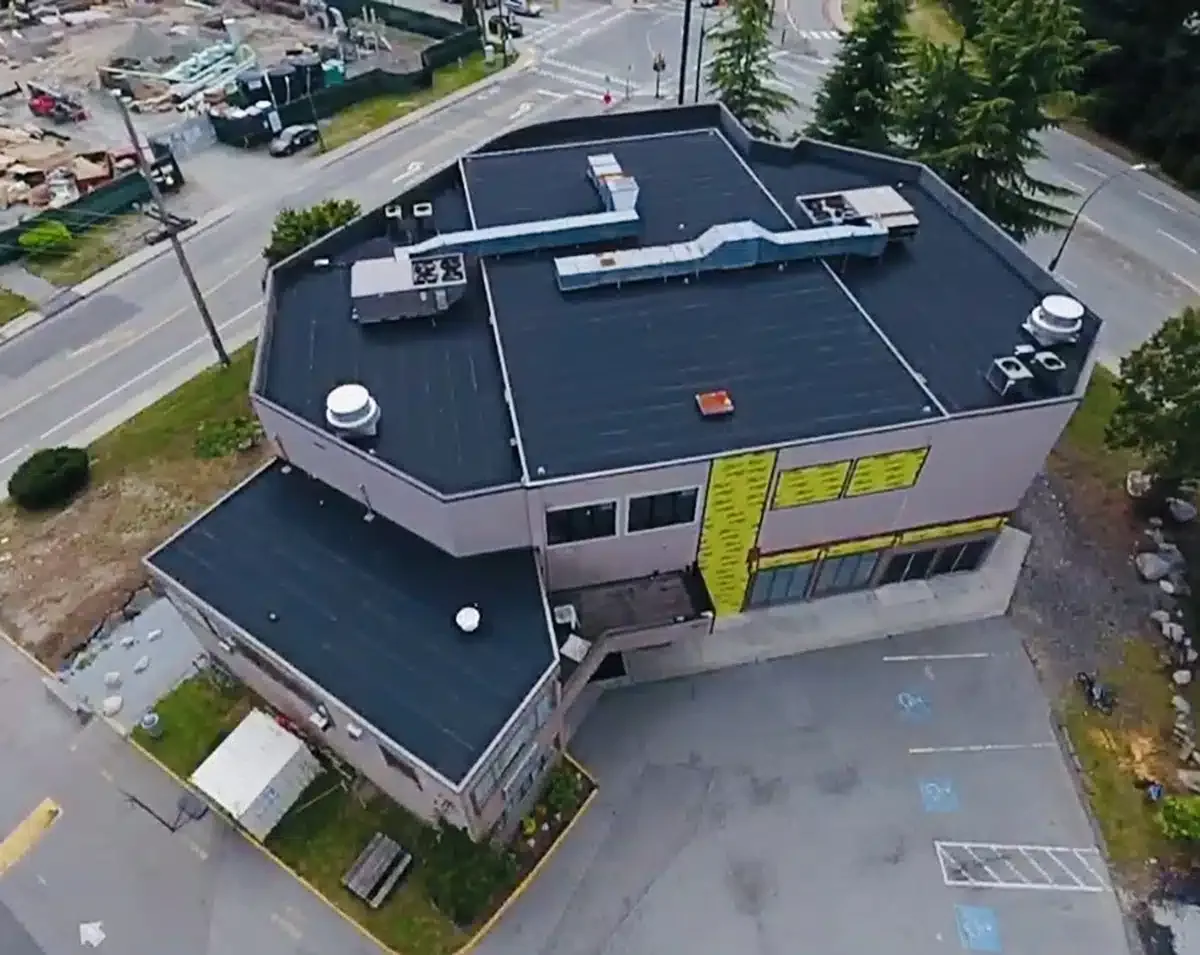
SOPREMA Commercial Roofing
Review SOPREMA roofing systems in Arvada, from SBS-modified bitumen to liquid-applied details, with field conditions guiding repair and replacement scope.
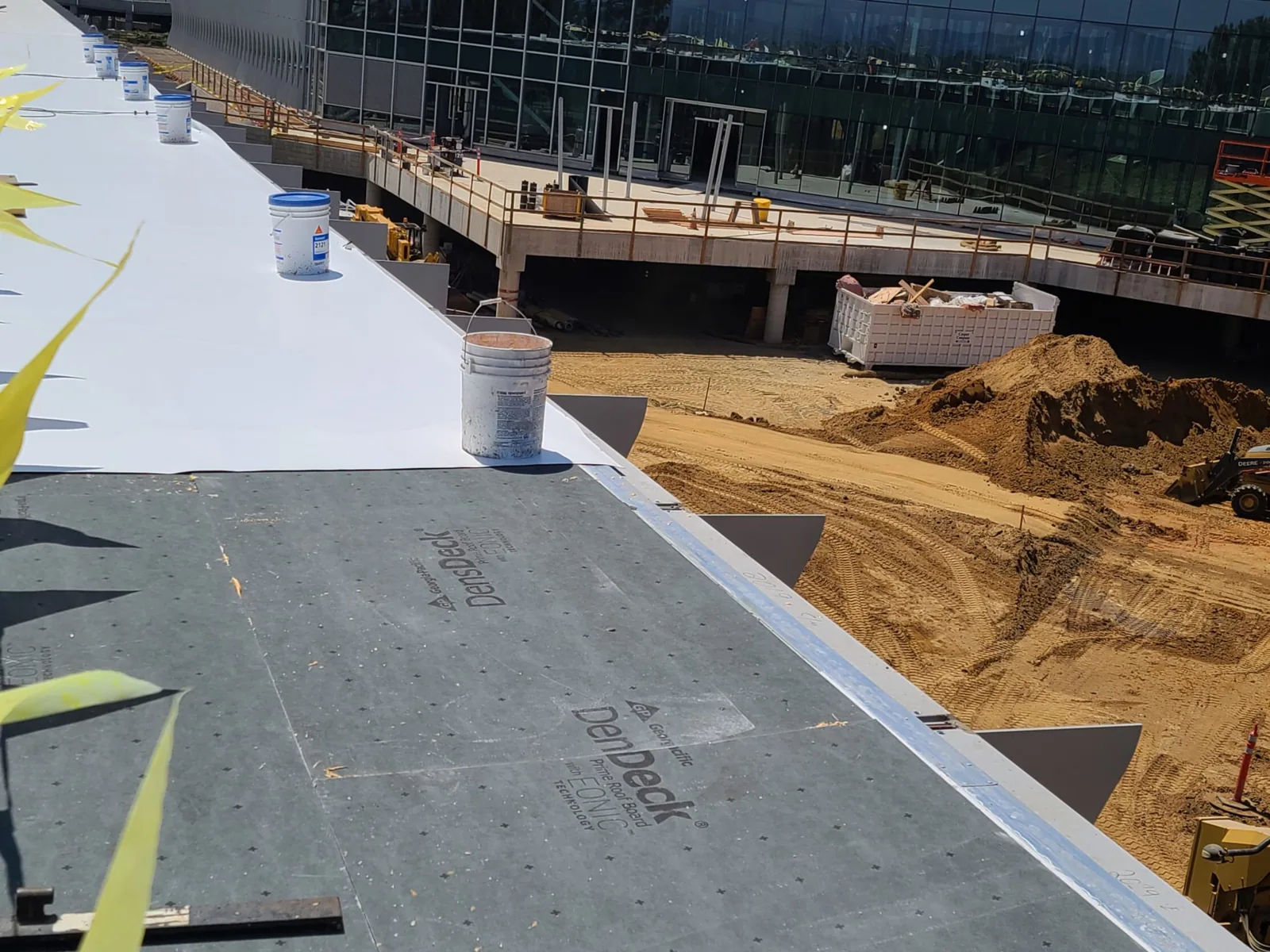
Sika Sarnafil Roofing
Inspect Sika Sarnafil PVC roofs in Arvada for welded seams, flashing transitions, attachment, and moisture before choosing a repair or reroof plan.
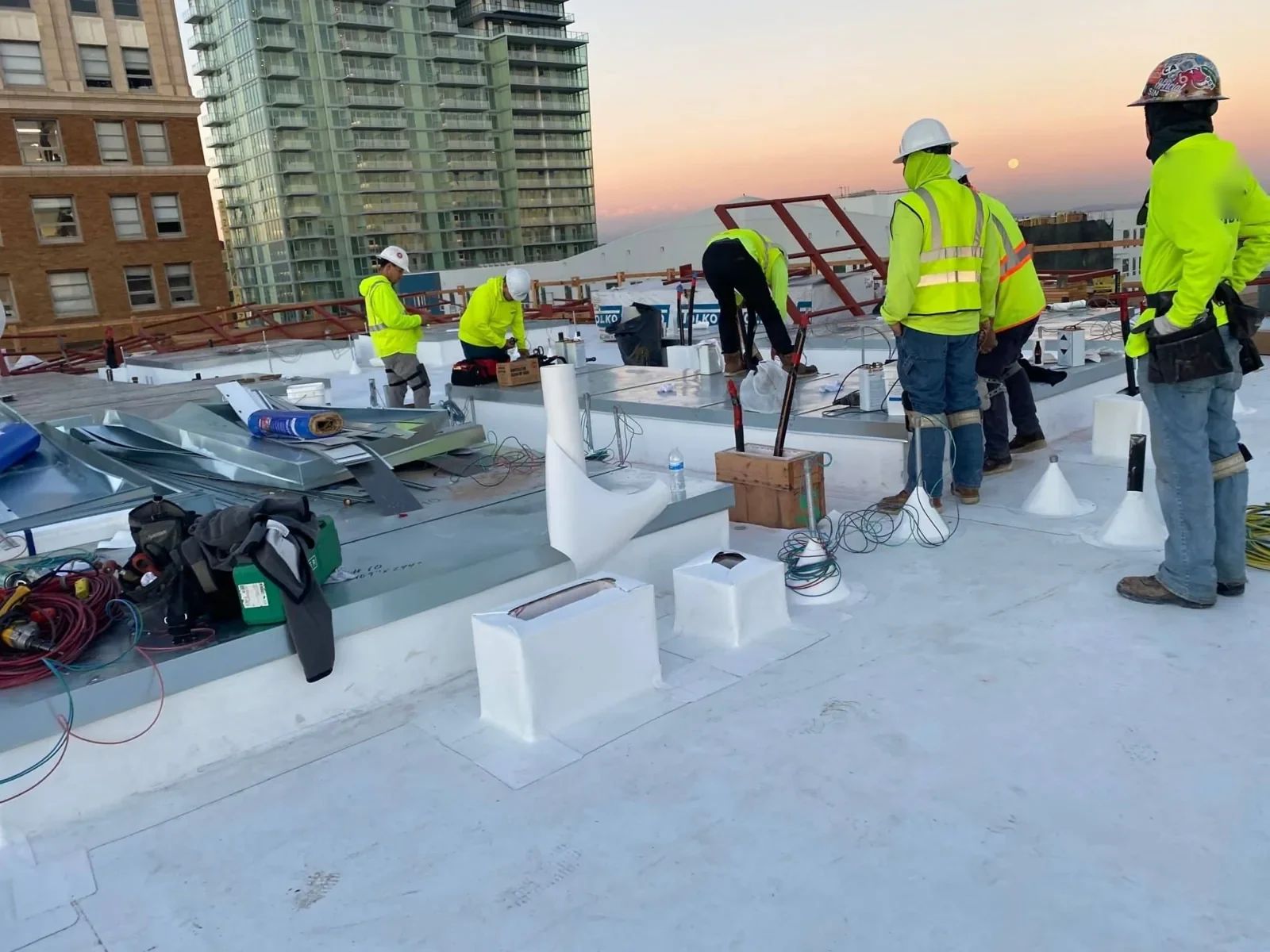
Versico Commercial Roofing
Assess Versico commercial roof systems in Arvada with field checks of membrane seams, attachment, flashing, and moisture before setting a repair scope.
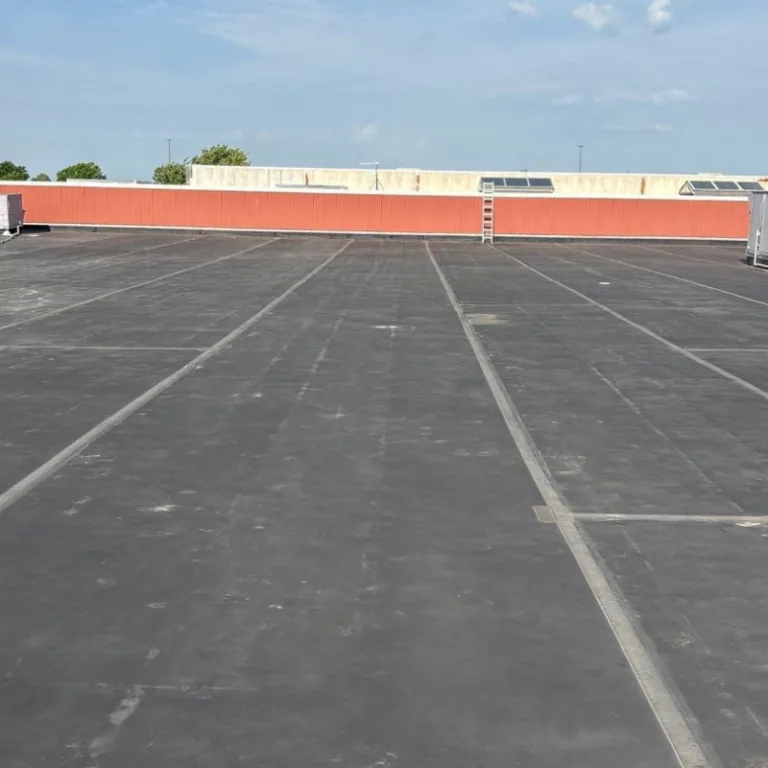
Holcim Elevate Roofing
Review Holcim Elevate roof systems in Arvada, including UltraPly TPO and RubberGard EPDM, with field checks defining repair and replacement scope.
Johns Manville Commercial Roofing
Assess Johns Manville roof systems in Arvada with close checks of membrane seams, insulation, flashing, and the conditions that shape repair scope.
Carlisle SynTec Roofing
Inspect Carlisle SynTec membrane roofs in Arvada for seam, flashing, edge, and moisture conditions before setting a repair or replacement scope.
Serving Arvada and the west Denver metro.
Our crews work on commercial roofs across Arvada, Wheat Ridge, Lakewood, Westminster and Broomfield. Find your area below.
Arvada
Service Areas
Questions about Duro-Last Commercial Roofing
Does custom fabrication eliminate field seam inspections?+
No. Factory-prepared components still connect to field seams, corners, penetrations, and perimeter details on the roof. We inspect those transitions and photograph any repair boundary.
Can a Duro-Last leak be repaired without replacing the whole section?+
A limited repair may work when the surrounding membrane, seams, and substrate remain sound. We map the visible opening, check nearby details, and test further if moisture extends beyond it.
How do you check a Duro-Last roof after hail in Arvada?+
We document the supplied storm date, inspect the field and vulnerable details, and tie each photo to its roof location. Interior water and suspected moisture are recorded separately from visible impacts.
What roof information is useful before a Duro-Last replacement?+
Plans, past repair records, leak history, deck information, and access restrictions help. The field inspection verifies those records and identifies moisture, drainage, and attachment conditions that affect scope.
Can the work be phased over an operating retail property?+
We sequence defined roof zones, staging, deliveries, and daily dry-in around the property's operating needs. The schedule identifies temporary protection and closeout checks for each active area.
Have a question? Call us at 555-555-5555 or send us a message.
Review the field details before Duro-Last repairs
Send the Arvada address, roof records, storm date, access requirements, and leak photos. We will map the affected section and state the next decision.