SOPREMA Commercial Roofing in Arvada, CO
Review SOPREMA roofing systems in Arvada, from SBS-modified bitumen to liquid-applied details, with field conditions guiding repair and replacement scope.
Request a roof assessment. Tell us about the building.
Send the address and what you are seeing on the roof or inside the building. We will set a time to walk the roof and talk through the next step.
Map the SOPREMA layers and repair limits
A split cap sheet near a drain needs more than a surface patch. On a SOPREMA roof, we identify the layers, seams, flashing, and moisture extent before defining the repair. The manufacturer offers SBS-modified bitumen, PVC single-ply, and PMMA or PMA liquid-applied roofing products. Those products serve different assemblies. The visible top layer alone may not reveal what is wet or detached below.
Our first roof walk identifies the affected section, the likely water path, and the detail that needs testing. We photograph each observation on a roof plan and note the material where known. That record separates a limited repair from a wider system concern. If the roof has more than one phase, a commercial roof inspection can establish which sections need immediate work and which should be monitored.
System types and layers
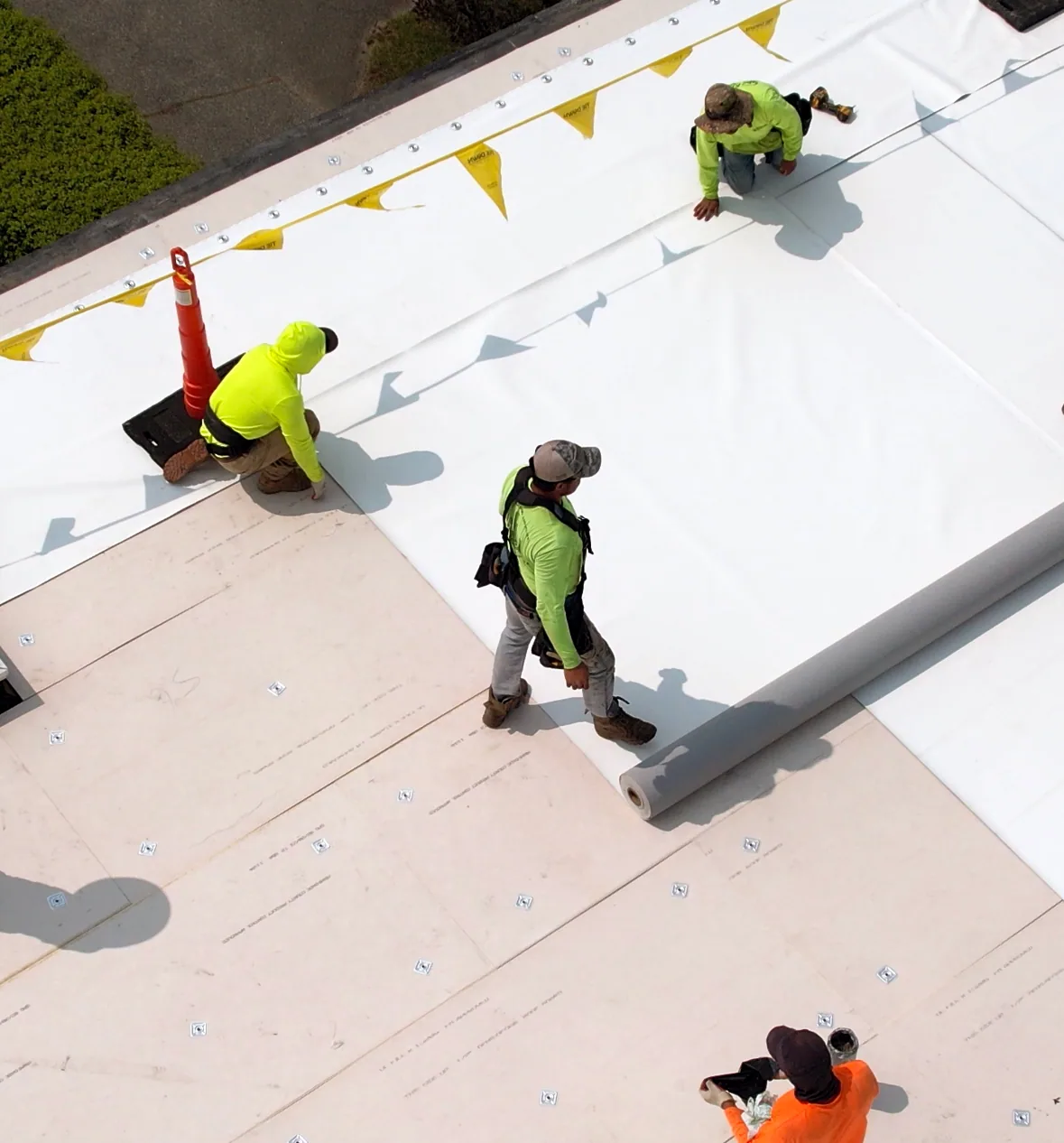
SOPREMA's commercial roofing range includes multi-ply SBS-modified bitumen membranes, synthetic single-ply PVC, and liquid-applied PMMA or PMA materials. SBS systems build a weather surface from multiple sheets and interply details. PVC uses a single-ply membrane with welded seams. Liquid-applied products form a continuous layer when the substrate and application conditions are suitable. We first identify which family is installed, then record its layers and tie-ins.
SOPREMA publishes SBS products such as SOPRALENE and mechanically attached SOPRAFIX base ply. Product selection depends on the assembly specification and application method. A torch-applied detail, self-adhered sheet, or mechanically fastened base is not interchangeable. We check the roof records, surface markings, sheet laps, and flashing before naming a repair product. If labels are missing, the scope describes the verified material type without guessing a specific line.
Candelas falls within Northwest Arvada's sub-area planning geography, and the city identifies the area as a major development zone tied to the 470 beltway. Before staging SOPREMA materials, confirm the property's driveway, loading limits, and roof access.
Failure points by layer
On a multi-ply roof, a crack in the cap surface may reflect weathering, movement, or an impact. We check adjacent laps, penetrations, drains, and the lower layers where accessible. If moisture has traveled beneath the surface, sealing the visible point may leave wet insulation in place. The report marks where evidence stops and whether a controlled opening is needed to confirm the assembly.
For PVC, we inspect welded seams and flashing transitions. On liquid-applied areas, we check adhesion, pinholes, surface preparation, and edges. A repair material must match the existing product and substrate. We describe preparation and cure conditions instead of treating every coating or membrane like asphalt. The repair boundary identifies what the proposal includes and which surrounding conditions remain outside it.
Kitchen exhaust, rooftop equipment, and chemical exposure can affect compatibility. SOPREMA's technical guidance notes that certain oils, fats, and solvents can be incompatible with SBS materials. We ask what reaches the roof and inspect the surface for residue or damage. At restaurant or manufacturing properties, a drain-path review can identify where oils, debris, or standing water collect before they affect more roof area.
Weather and code checks
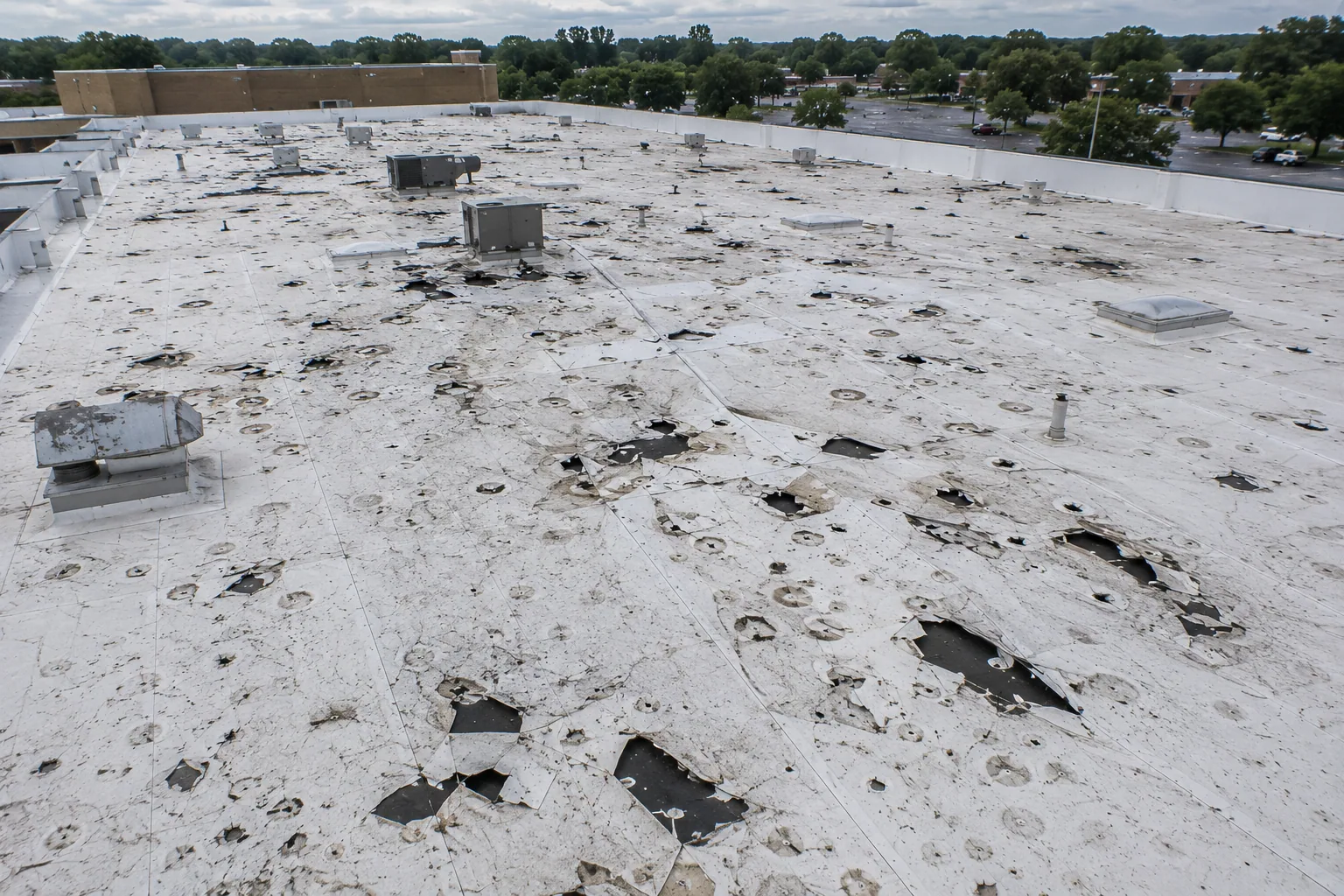
A severe metro storm in May 2017 brought hail and damaging winds alongside heavy rain and flash flooding near Arvada. A Soprema coating decision still hinges on adhesion, moisture, and substrate conditions at the building. For a current storm, we need the property date and affected rooms. We inspect the roof for punctures, displaced edge details, split seams, and damage around equipment. Historical weather is regional context only. The current roof walk establishes what happened at this building.
Denver International Airport's 1991-2020 normal seasonal snowfall is 47 inches. That regional reference can prompt questions about drainage and load, but it is not a measurement at an Arvada property. We check the drain path, overflow details, low points, and visible movement. Arvada's adopted 2024 codes follow its 2026 implementation schedule and include updated wind, seismic, and snow requirements. A reroof or recover scope should be checked against the applicable review path.
If water is active, temporary protection comes first. The permanent work plan follows after we map the leak, examine membrane transitions, and assess moisture below the surface. A storm repair record separates emergency work from full restoration or replacement. If a claim is involved, dated photos document observed conditions without predicting coverage.
Ready to talk about your roof?
Repair scope and next decision
A small defect over dry, secure material may allow a focused repair. Multiple open seams, wet layers, failing flashing, or repeated water entry may require a broader approach. We describe the roof zones separately so one failed area does not dictate the scope for every section. Each recommendation identifies visible evidence, testing limits, and work that remains outside the proposed repair.
A recover requires review of existing materials, wet insulation, deck capacity, drainage, and current code. Replacement can reset the membrane and detail package where repairs no longer control the recurring failure. Liquid-applied restoration can be considered only when the existing substrate and preparation meet the system requirements. We compare those choices with a replacement plan and include weather window, staging, and interior protection in the sequence. Any temporary dry-in stays itemized apart from the permanent assembly, so closeout notes show which decision remains open.
Denver Federal Center's facility mix includes office, storage, laboratory, and other spaces. Those uses make the occupied area below a practical part of the roofing plan. We note sensitive operations and daily closeout requirements before opening any section. If the property is comparing single-ply alternatives, view Sika Sarnafil PVC systems or Carlisle SynTec membranes alongside the existing build-up. Send the address, roof records, storm date, and access notes for a focused first visit.
More roofing manufacturers
Other work our crews handle on Arvada roofs. See all roofing manufacturers.
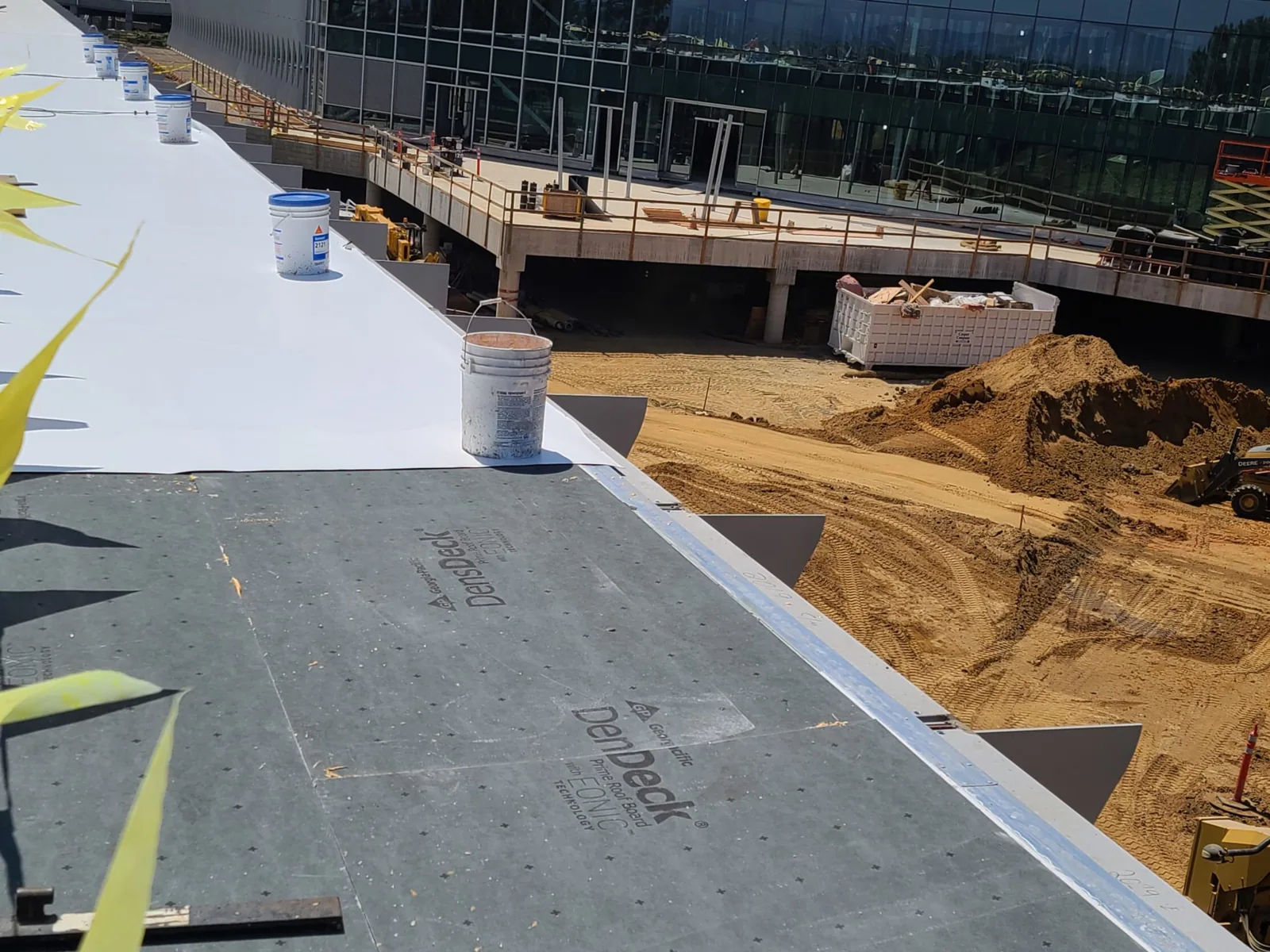
Sika Sarnafil Roofing
Inspect Sika Sarnafil PVC roofs in Arvada for welded seams, flashing transitions, attachment, and moisture before choosing a repair or reroof plan.
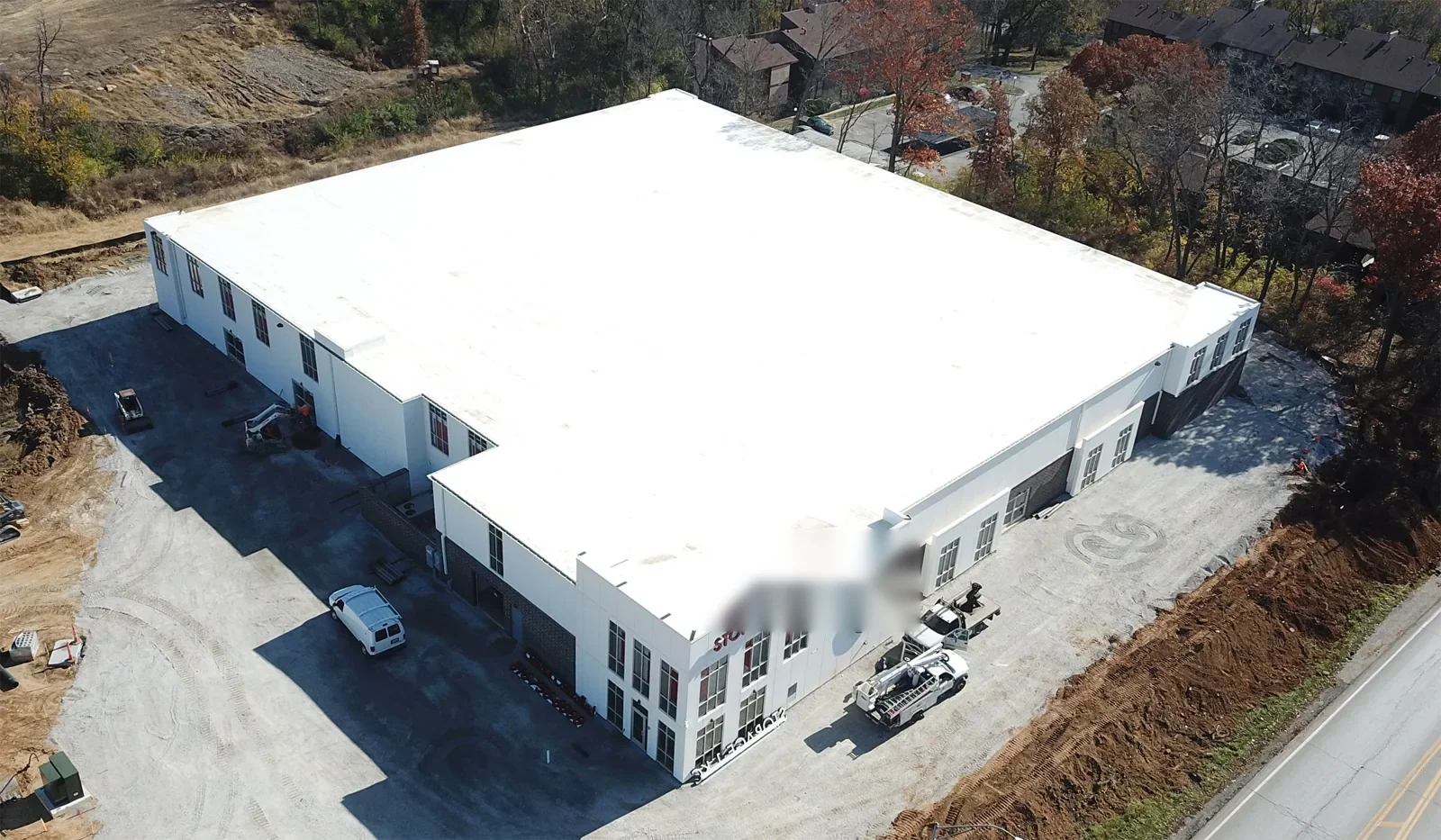
Carlisle SynTec Roofing
Inspect Carlisle SynTec membrane roofs in Arvada for seam, flashing, edge, and moisture conditions before setting a repair or replacement scope.
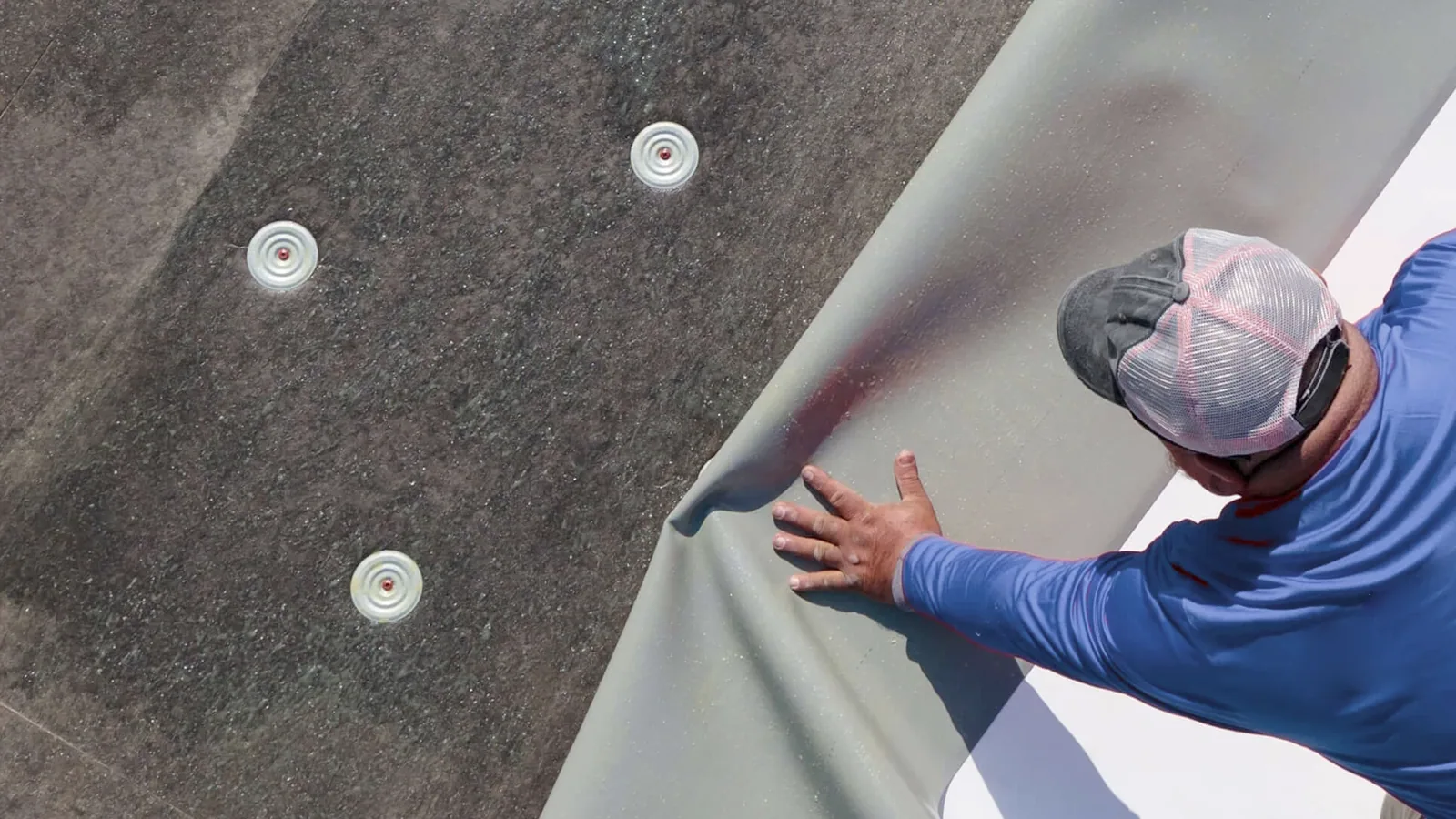
Duro-Last Commercial Roofing
Evaluate Duro-Last PVC roofing in Arvada with checks of factory-fabricated sheets, field seams, flashing, and moisture before repair or replacement.
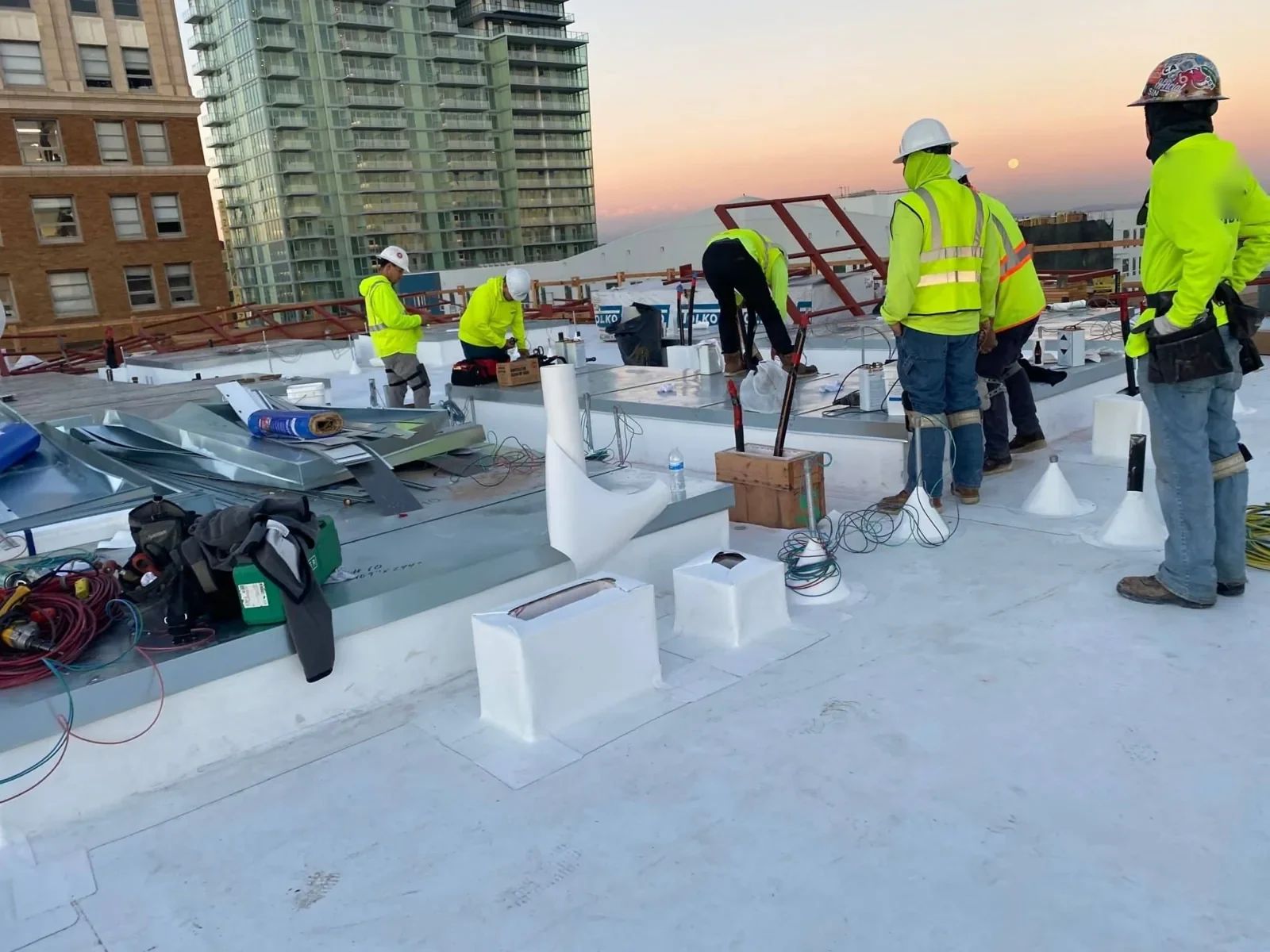
Versico Commercial Roofing
Assess Versico commercial roof systems in Arvada with field checks of membrane seams, attachment, flashing, and moisture before setting a repair scope.
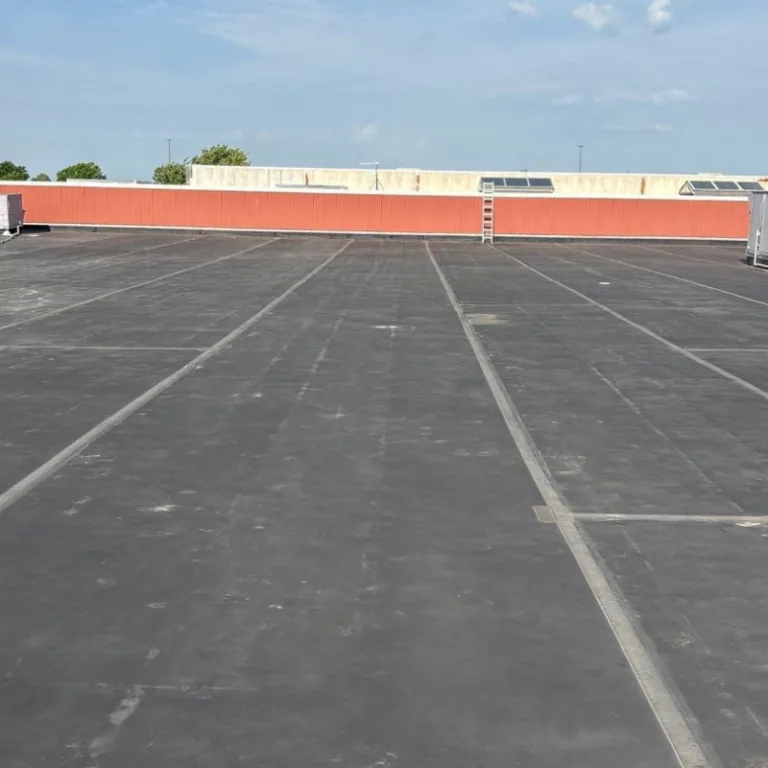
Holcim Elevate Roofing
Review Holcim Elevate roof systems in Arvada, including UltraPly TPO and RubberGard EPDM, with field checks defining repair and replacement scope.
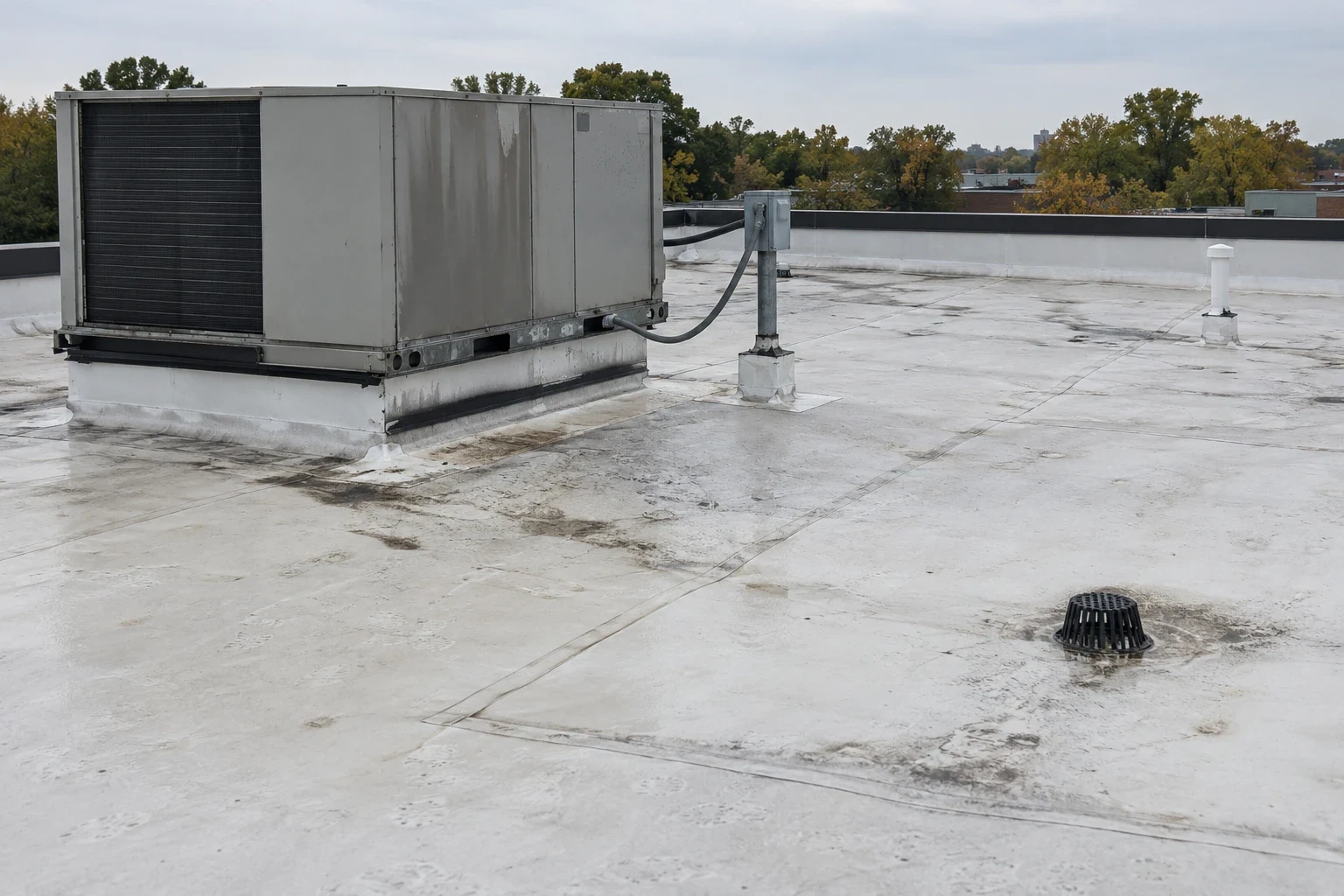
Johns Manville Commercial Roofing
Assess Johns Manville roof systems in Arvada with close checks of membrane seams, insulation, flashing, and the conditions that shape repair scope.
Serving Arvada and the west Denver metro.
Our crews work on commercial roofs across Arvada, Wheat Ridge, Lakewood, Westminster and Broomfield. Find your area below.
Arvada
Service Areas
Questions about SOPREMA Commercial Roofing
How can you tell whether a SOPREMA roof is SBS, PVC, or liquid applied?+
We review labels and project records, then inspect seams, laps, surface, and flashing in the field. Where layers remain hidden, the report states what needs an opening or further testing.
Can a small cap-sheet crack be patched without checking underneath?+
A surface repair may be appropriate when surrounding layers remain dry and secure. We check for soft areas, open laps, or moisture migration before setting the patch boundary.
Does SOPREMA SBS work tolerate oils from a rooftop exhaust?+
Some oils and related materials can be incompatible with SBS. We inspect for residue, identify the exact membrane, and define cleaning, protection, or repair steps from the observed condition.
When does an Arvada storm inspection need moisture testing?+
Testing helps when visible impact, interior leaks, or suspect insulation do not show the full wet area. We map those limits and select a method based on the assembly and access.
What should a property manager provide before roof work is scoped?+
Send roof records, leak locations, storm date, access instructions, and occupied-hour restrictions. The first visit can then focus on the affected sections and building operations.
Have a question? Call us at 555-555-5555 or send us a message.
Map the SOPREMA layers and repair limits
Share the Arvada address, roof history, storm date, access details, and leak photographs. We will document the affected section and the next decision.