Commercial Rooftop Equipment Curb and Support Repair in Arvada, CO
Inspect commercial rooftop equipment curbs and supports in Arvada. We trace leaks, check flashing and attachment, and coordinate safe repair limits.
Request a roof assessment. Tell us about the building.
Send the address and what you are seeing on the roof or inside the building. We will set a time to walk the roof and talk through the next step.
Review rooftop equipment details
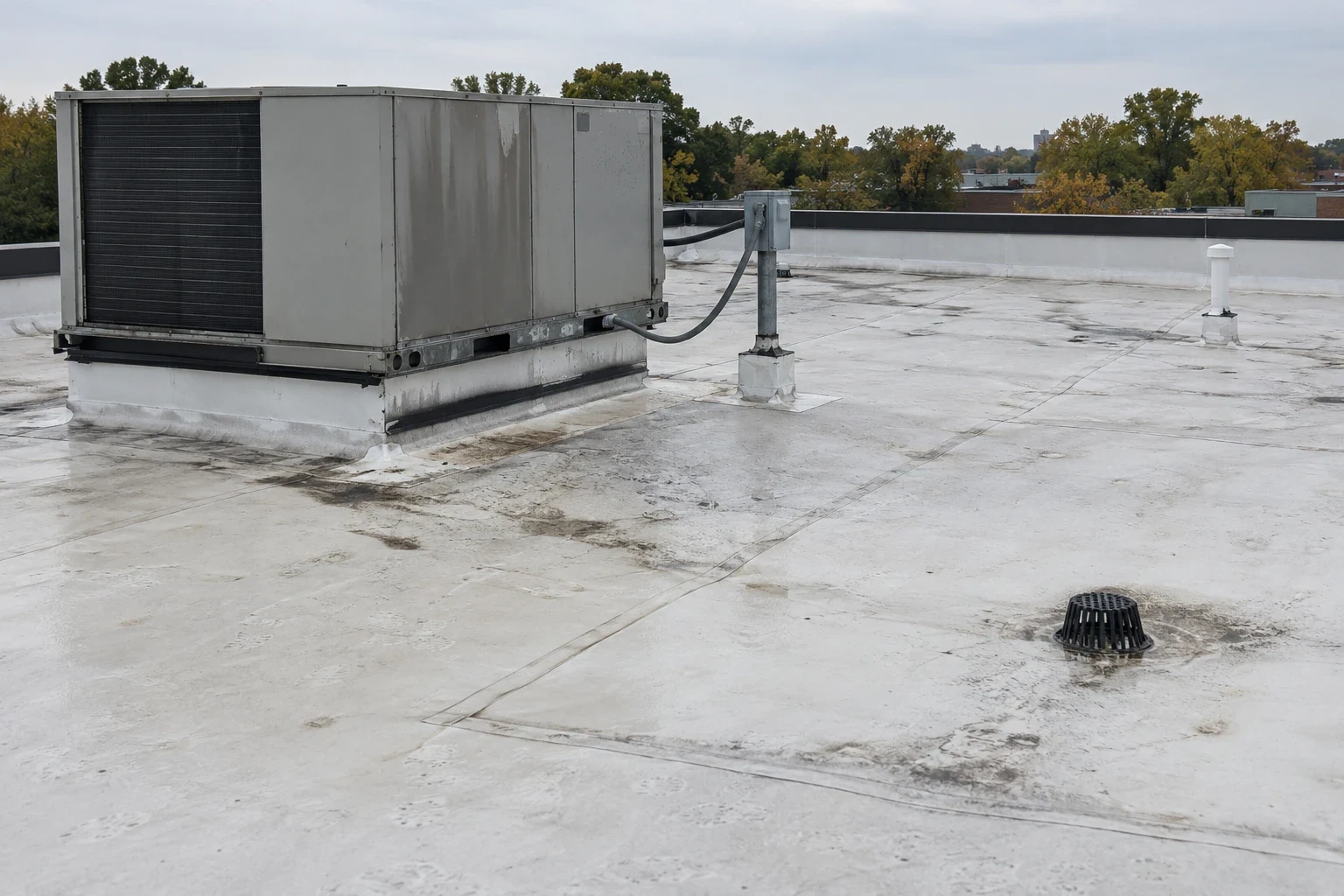
A loose curb can move the flashing around rooftop equipment. We inspect its base, corners, fasteners, and membrane tie-in. Pipe stands and mechanical supports need separate checks. A roof leak near a unit may begin uphill or beside the curb. We compare the interior report with roof conditions before choosing a repair. Photos show the affected support and its location.
The May 8, 2017 metro Denver storm brought hail and damaging winds to Arvada and nearby suburbs. Current roof conditions still need direct inspection. We look for displaced edge details, cracked curb corners, loose supports, and punctures. The work plan separates roofing from mechanical repair. That boundary helps prevent a flashing patch from becoming an equipment repair.
Inspect the curb perimeter
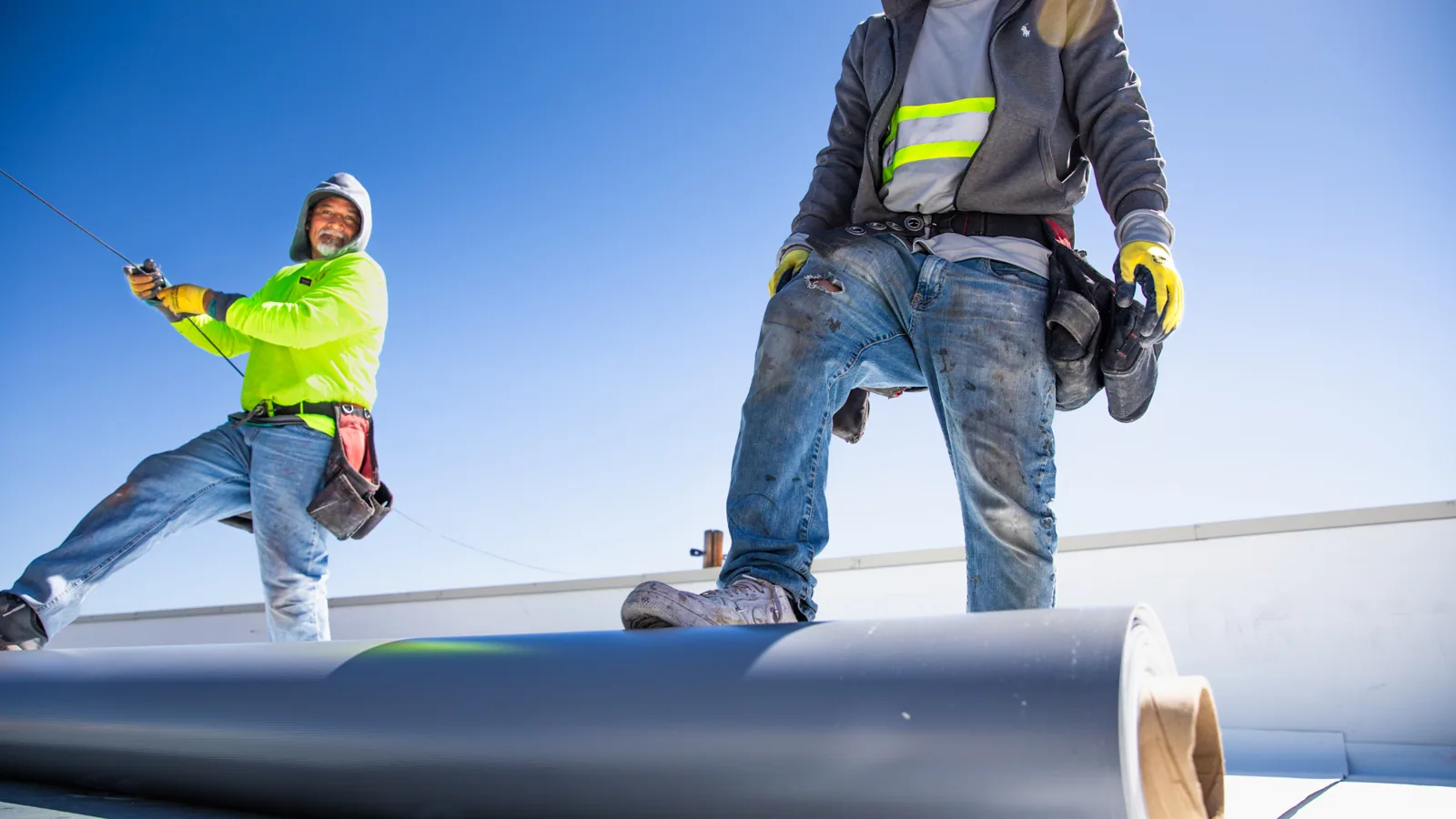
We inspect four corners, curb height, counterflashing, fasteners, and sealant. We check how the membrane turns up each side. Open corners can admit water below the equipment frame. Rust, movement, or crushed insulation can change the repair boundary. We also inspect nearby seams and drains. A leak investigation can connect interior reports with the curb detail.
Equipment age does not establish curb condition. Service records may show when units changed, but not whether flashing remains intact. We photograph the curb before another trade disconnects equipment. If a replacement unit is planned, the new curb must align with the roof opening and system. The scope states who handles disconnects, rigging, and mechanical reconnection. Roof work stays clear of that responsibility.
Equipment replacement can leave old curb dimensions in place. We compare the proposed unit footprint with the opening and existing flashing. A larger unit may cover an unused curb edge, while a smaller unit may expose old penetrations. The mechanical plan should identify the curb and adapter requirements. We confirm the roof tie-in before work starts. That prevents an unplanned opening during unit installation.
Check supports and penetrations
Pipe supports can cut or compress the membrane when bases shift. We check the support foot, attachment, flashing, and any protective pad. Conduit, gas lines, and refrigerant piping each need stable clearance. A support that bears directly on the roof can concentrate load. We record movement, sharp edges, and signs of ponding nearby. If piping must move, the mechanical trade coordinates that step.
Arvada's 2024 building code update includes revised wind, earthquake, and snow provisions. Applicability follows the city's implementation schedule and project scope. The structural design controls support attachment and loading. We do not size a frame from a roof inspection alone. When the roof work changes attachment or equipment elevation, we confirm the appropriate design review. The field report identifies details needing engineering confirmation.
Support design also affects drainage around the unit. Frames should not dam water or concentrate loads on weak insulation. We check whether saddles, walk pads, or protection boards are present. Those items can shift during maintenance visits. The inspection record marks their condition and any area where the roof surface has compressed. Design changes require the proper engineering review before installation.
Tie the repair into the roof
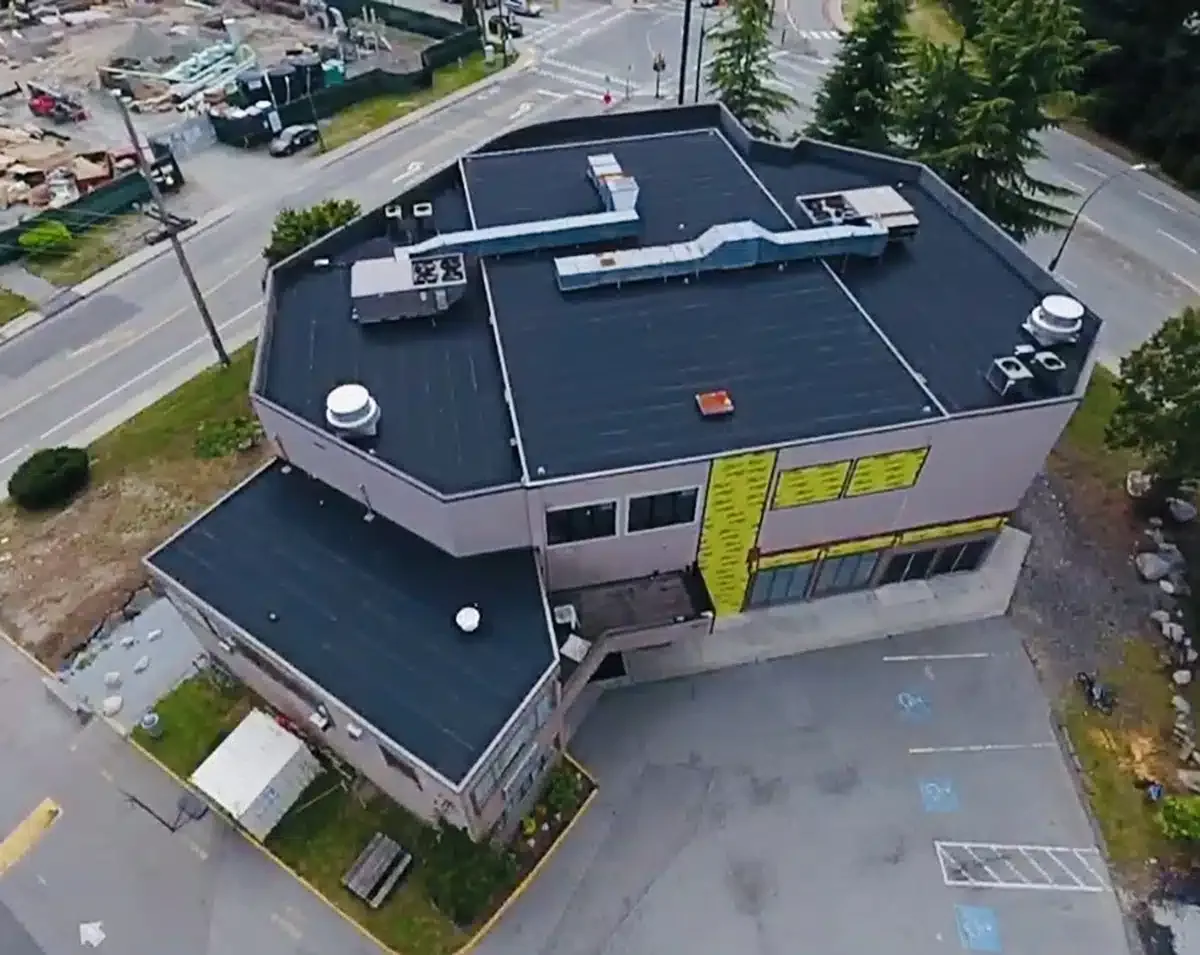
The flashing method depends on the existing membrane and curb material. We identify the roof system before removing material. New membrane must attach to sound surfaces and finish above the drainage path. If insulation is wet, we test the extent before closing the curb. A commercial repair can address confirmed flashing failure. Broader moisture may need survey and testing.
Olde Town Arvada includes mixed-use buildings and historic resources. District alterations may require review under its design guidelines. That planning process does not reveal a roof's equipment layout. We confirm the building address, roof access, and approval requirements with the property team. Equipment replacements can change curb footprint or service clearances. The repair scope should state whether the existing opening stays or needs redesign.
Manufacturing facilities can combine rooftop fans, piping, and process equipment. A manufacturing roof review can coordinate those operating constraints with membrane repair. We identify equipment that must stay live and areas that need escorts. The property team can confirm shutdown authority and service timing. Roof access remains limited to the approved work zone.
Ready to talk about your roof?
Coordinate access with mechanical work
Roof access around operating equipment needs a clear work sequence. We confirm shutdown windows, service clearances, lifting routes, and roof hatch rules. A unit may need temporary protection while flashing is open. We coordinate that condition with the mechanical contractor and property contact. The daily plan lists who can authorize disconnects or restart. We do not move equipment without approval.
The G Line serves Olde Town, Arvada Ridge, and Ward Road stations. Transit access does not determine delivery routes for a roof project. Near Olde Town Arvada or Ward Road Station, we verify loading and staging at the actual address. Site logistics and rail proximity remain separate details. The property contact confirms the route, access times, and ground protection needs.
Document the support repair
The scope identifies each curb or support, its roof section, and the proposed repair. It names membrane preparation, flashing, attachment, and any separate trade work. Photos show the condition before and after. We list concealed areas and equipment that was not moved. If the support remains untested, the report states what access would confirm it. That keeps the record useful for the next service visit.
Send the Arvada address, unit list, leak locations, access requirements, and recent service records. Add photos if equipment changes are underway. We will inspect the curb and surrounding roof before setting the repair boundary. If structural review or mechanical coordination is needed, the scope identifies that step. The completed record shows which work belongs to roofing and which remains with another trade.
After repairs, the closeout package should identify any equipment moved or left in place. It should also state who restored protective walk pads. The next inspector can then distinguish roof work from later service activity. This preserves the handoff between roofing and mechanical teams.
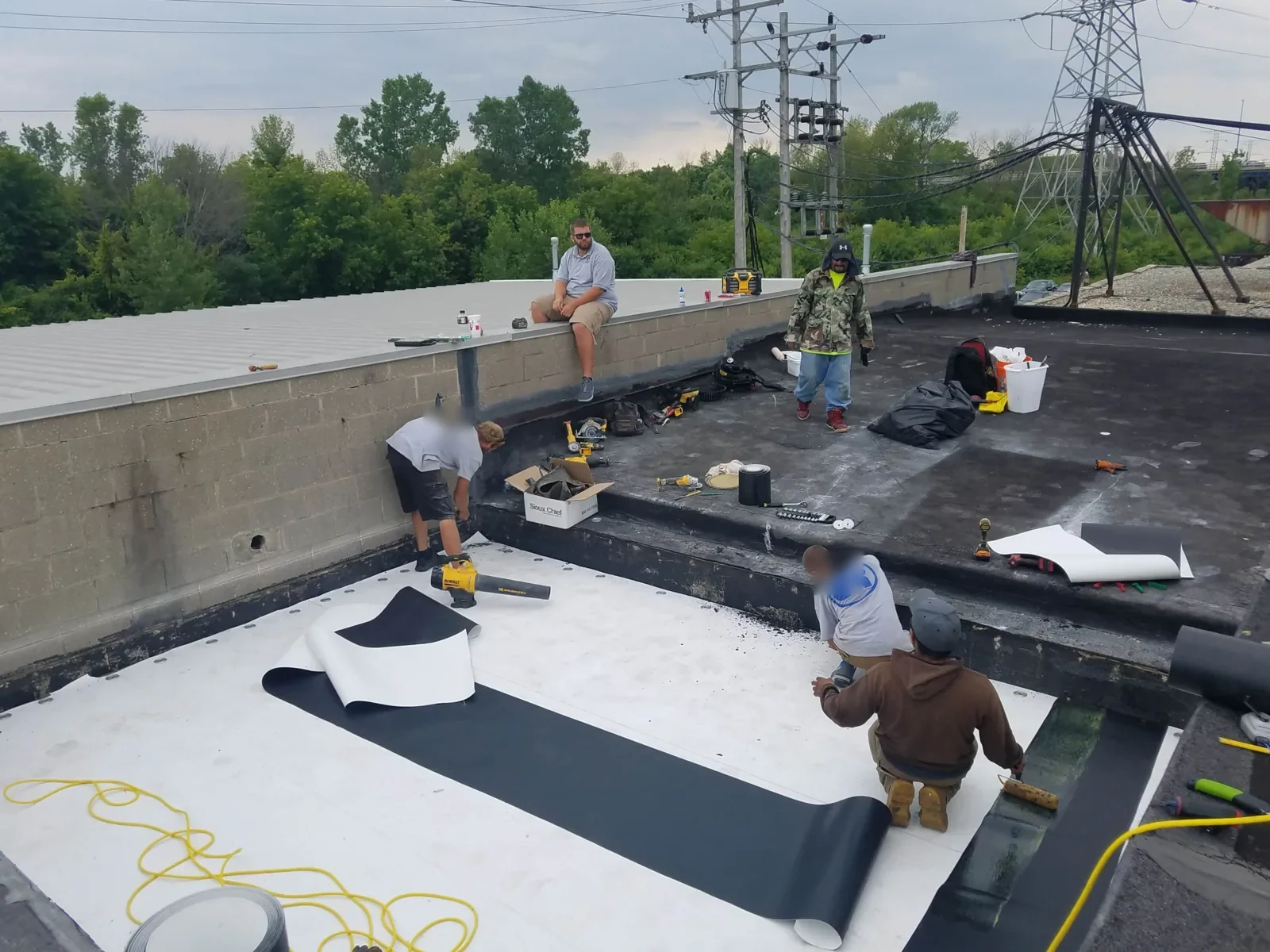
More commercial roofing services
Other work our crews handle on Arvada roofs. See all commercial roofing services.
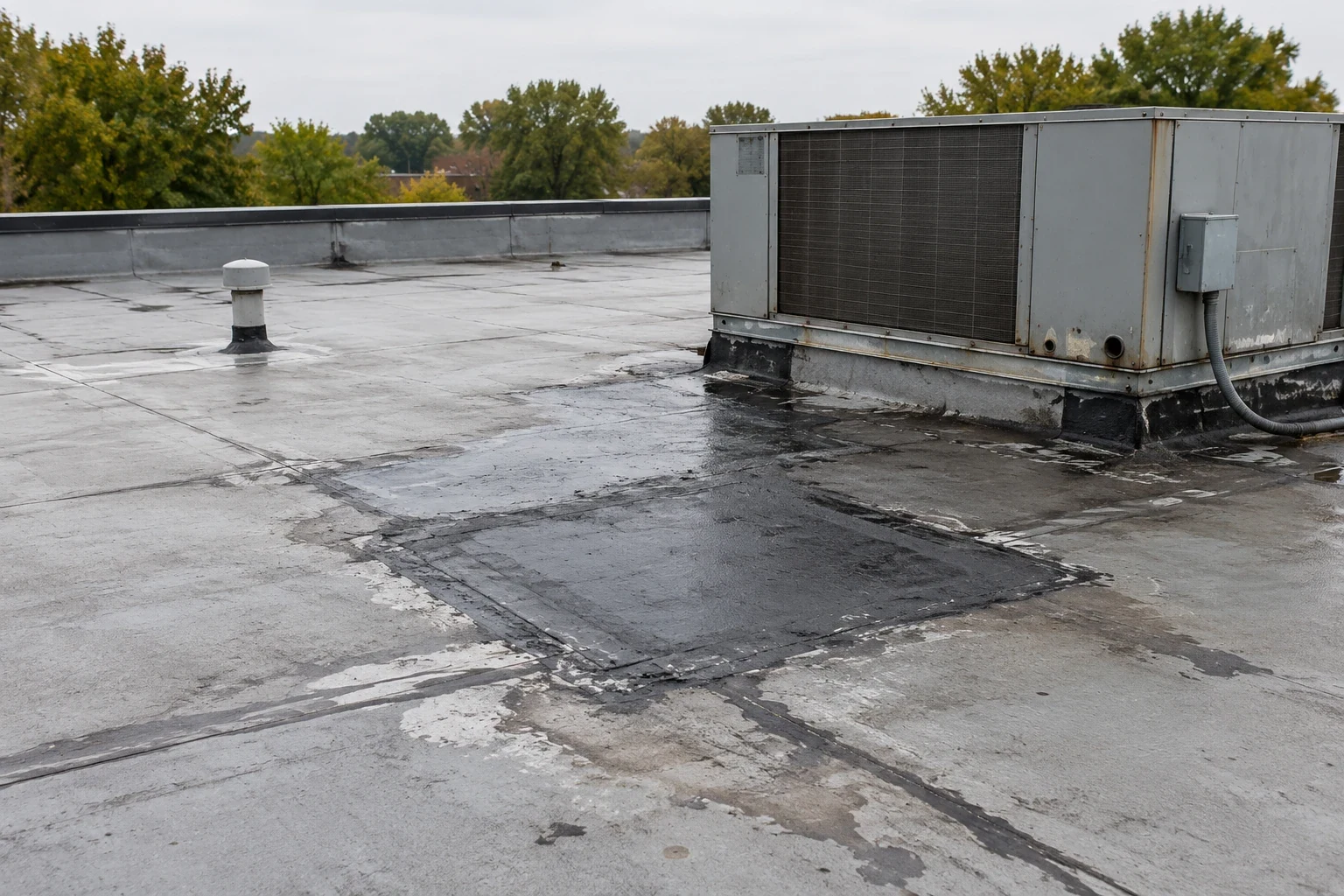
Commercial Roof Leak Repair
Trace and repair commercial roof leaks in Arvada. We map the entry point, protect active interiors, document the repair boundary, and list follow-up needs.
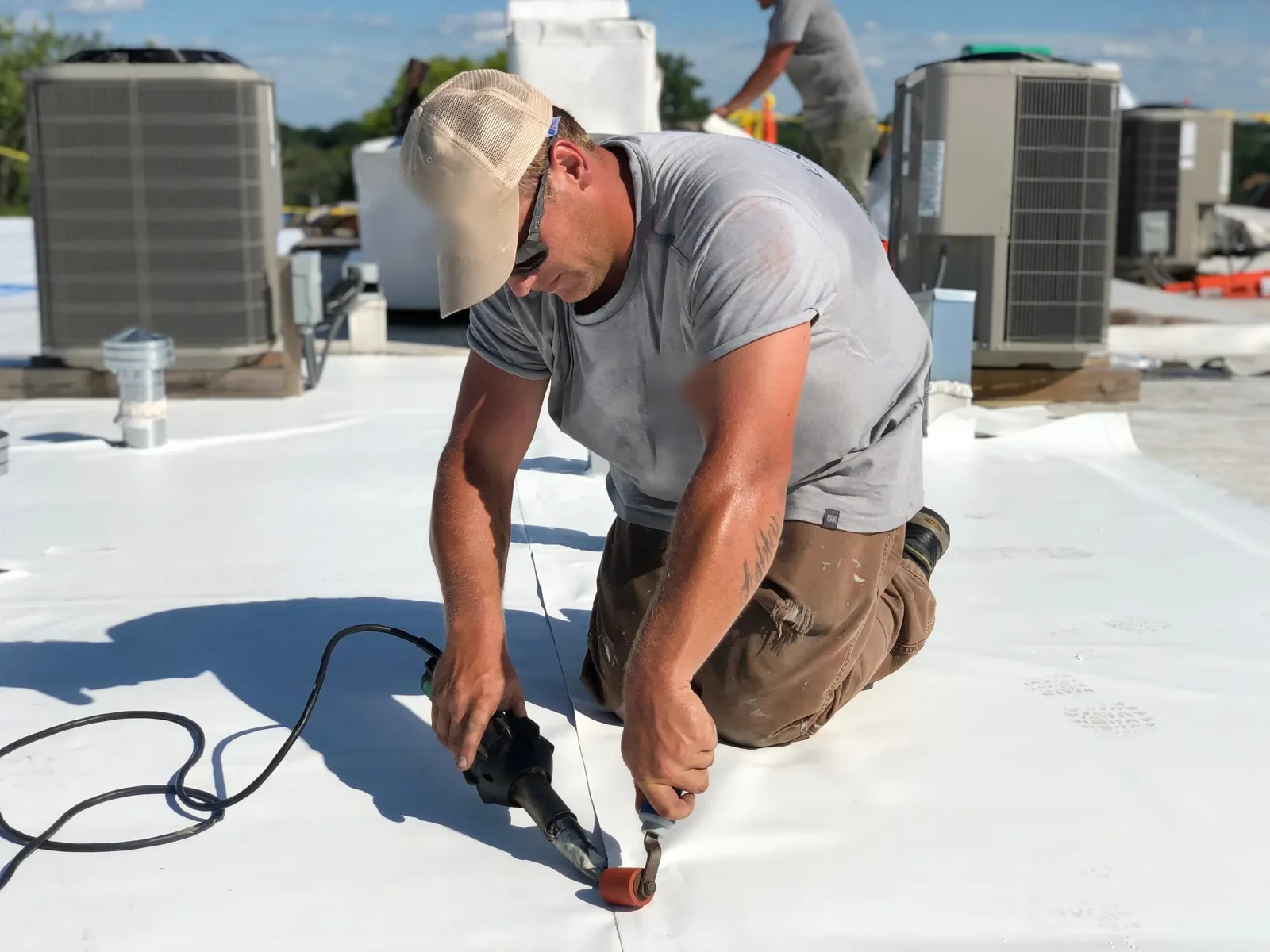
Commercial Roof Repair
Repair commercial roof seams, flashing, drains, and punctures in Arvada with a mapped work area, photo record, and clear limits for the repair.
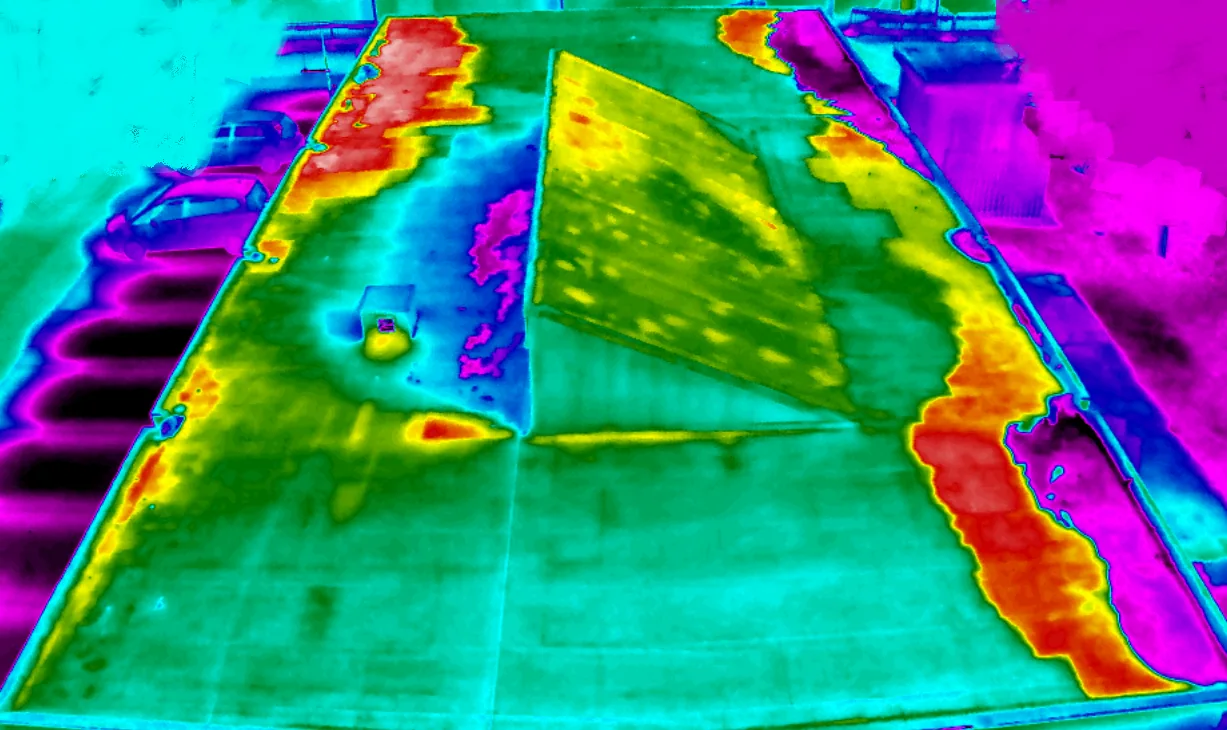
Infrared Moisture Survey
Use infrared roof imaging in Arvada to screen for possible trapped moisture, map follow-up locations, and confirm selected areas before repair or replacement.
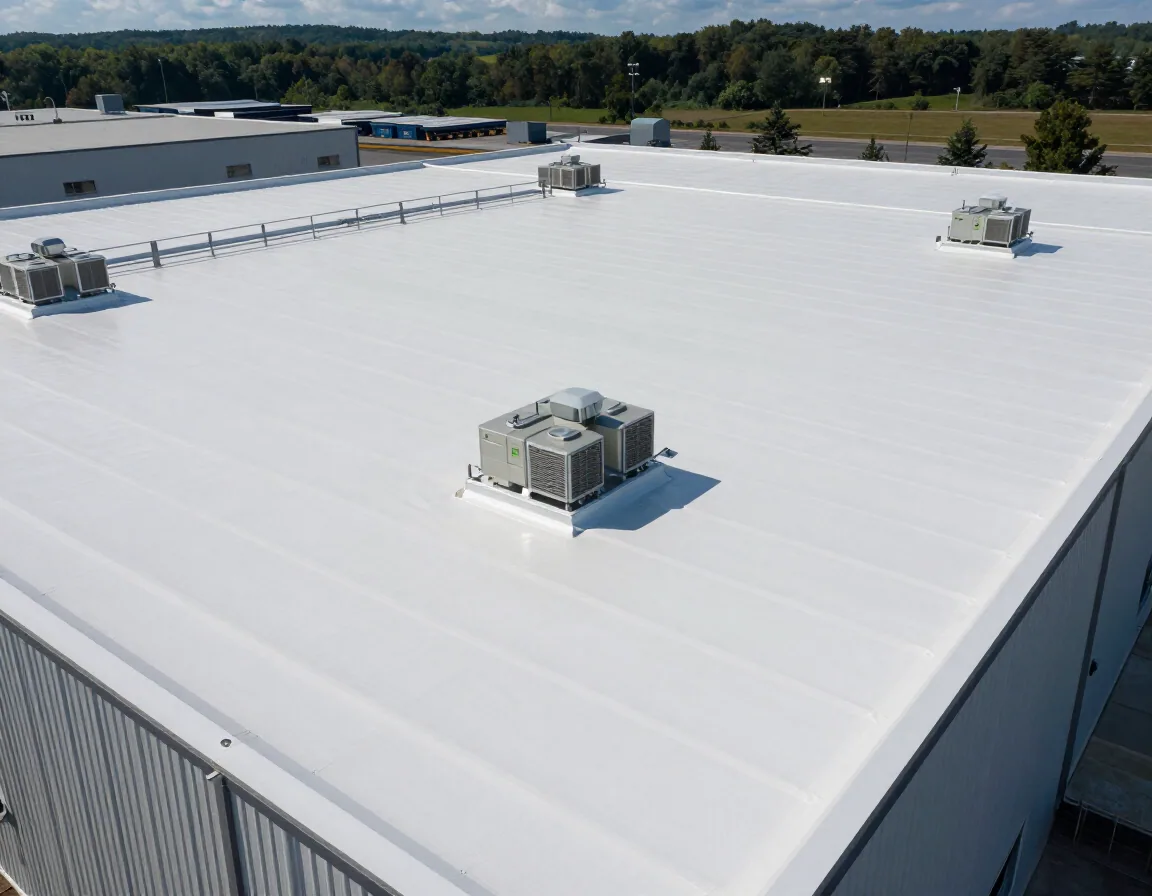
Commercial Cool Roof Installation
Compare reflective commercial roofing options in Arvada. We review the existing assembly, drainage, insulation, roof use, and code requirements.
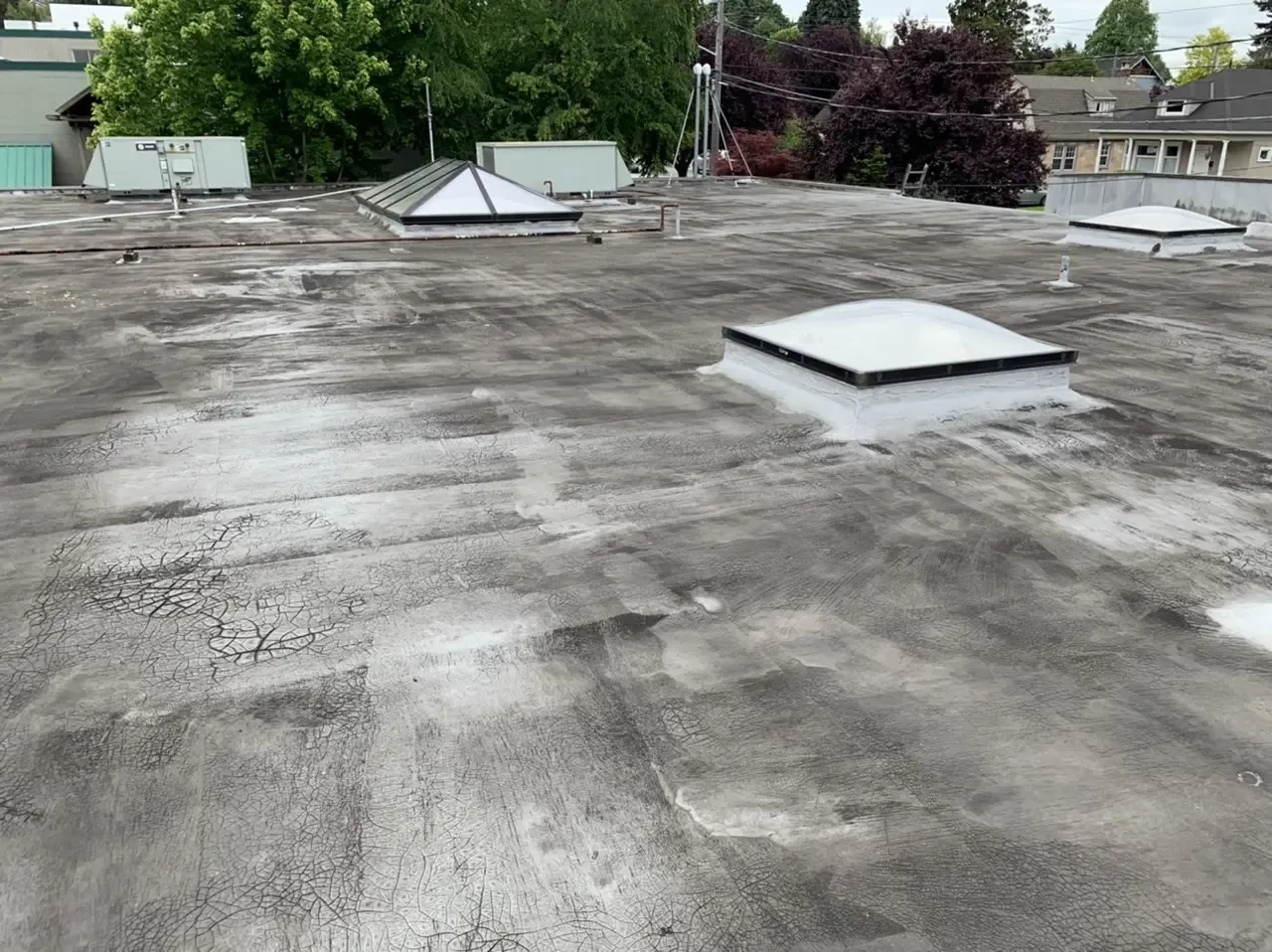
Commercial Roof Insulation and Cover Board
Plan commercial roof insulation and cover board in Arvada. We review moisture, deck, attachment, slope, drainage, and project code requirements.
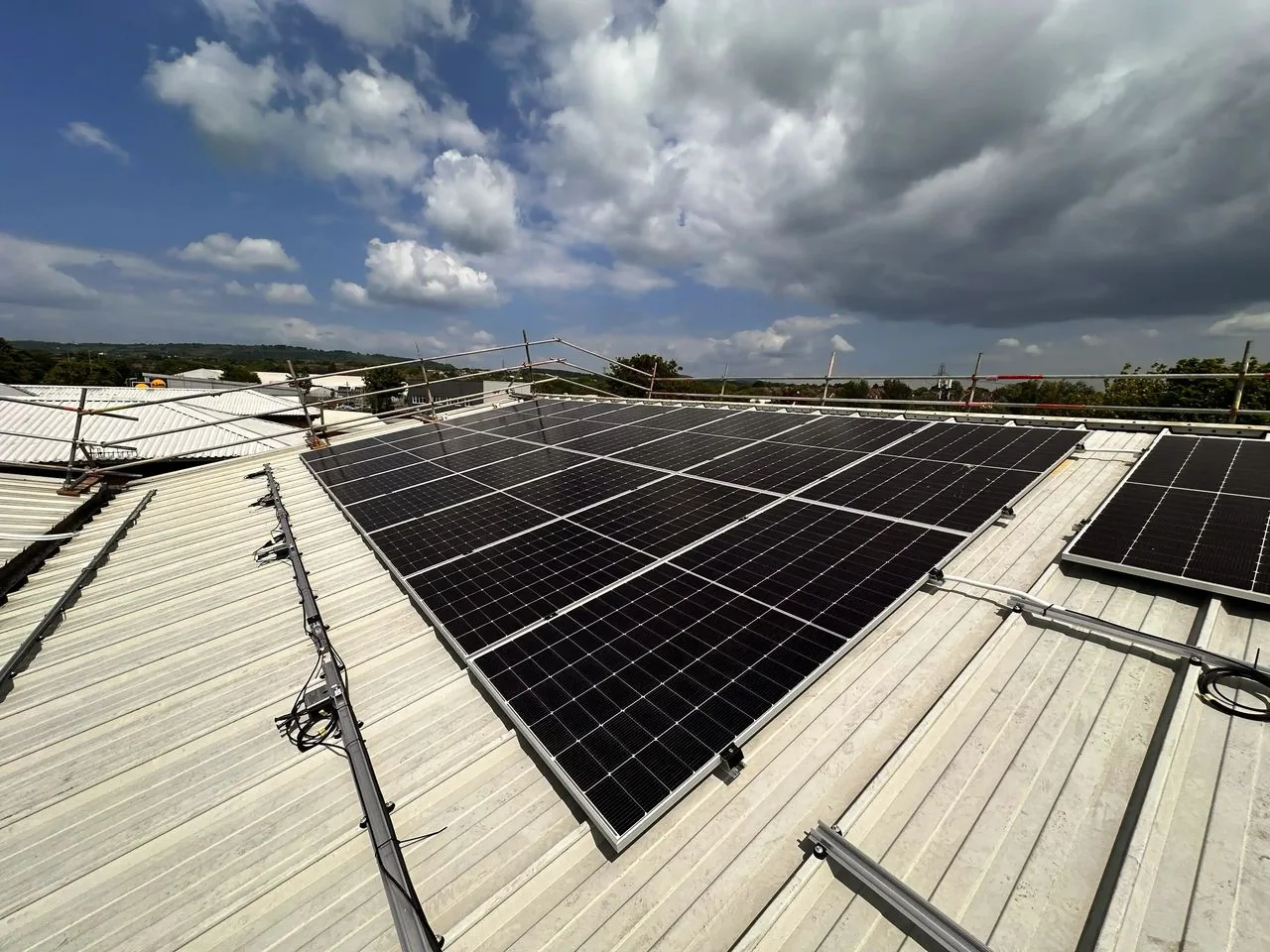
Solar-Ready Commercial Roofing
Prepare commercial roofs in Arvada for solar arrays. We review structure, membrane condition, support details, access, and future service paths.
Serving Arvada and the west Denver metro.
Our crews work on commercial roofs across Arvada, Wheat Ridge, Lakewood, Westminster and Broomfield. Find your area below.
Arvada
Service Areas
Questions about Commercial Rooftop Equipment Curb and Support Repair
Can equipment curb flashing be repaired while the unit stays in place?+
Often, when the curb perimeter remains accessible. We inspect clearances and identify any side that needs mechanical coordination before opening the flashing.
Why does a roof leak beside an HVAC unit?+
Water can enter at the curb, nearby seam, pipe penetration, or uphill roof area. We trace the route before selecting a repair.
Who disconnects equipment for curb replacement?+
The mechanical contractor handles equipment disconnect and reconnection. We coordinate timing and roof protection, then complete the flashing scope around the approved curb.
Can pipe supports damage the roof membrane?+
Movement, sharp edges, and concentrated weight can affect the surface. We inspect the support base and adjacent membrane, then define a compatible repair.
What should I send before an equipment curb inspection?+
Provide the address, equipment list, roof plan, leak reports, and service records. Include shutdown limits and access requirements for the visit.
Have a question? Call us at 555-555-5555 or send us a message.
Review rooftop equipment details
Send the Arvada property address, equipment list, leak locations, access details, and available service records. We will inspect the curb and roof transitions.